40% of Your Air Starts Down Here
Poor Indoor Air
Quality Linked to
Your Crawl Space
Roughly 40% of the air on your main floor can originate in the crawl space below, carrying whatever is down there with it.
Through the stack effect, mold spores, moisture, and soil gases generated in your crawl space rise continuously into your living spaces. Improving crawl space conditions is one of the most impactful steps a Maryland homeowner can take for indoor air quality, though not every source needs the same fix.

The Stack Effect, Explained
How Your Crawl Space
Reaches Your Living Areas
Buildings act like chimneys, warm air rises. In a home with a crawl space, air enters at the lowest point, rises through the living areas, and exits at the top through attic vents, exhaust fans, and gaps around windows and doors. This stack effect is continuous, driven by temperature differentials between indoor and outdoor air that vary by season but never entirely disappear.
Through this mechanism, roughly 40% of the air on your home's main floor can originate in the crawl space below. Mold spores, mycotoxins, volatile organic compounds from mold metabolism, soil gases including radon, and elevated humidity all travel this pathway into your living areas.
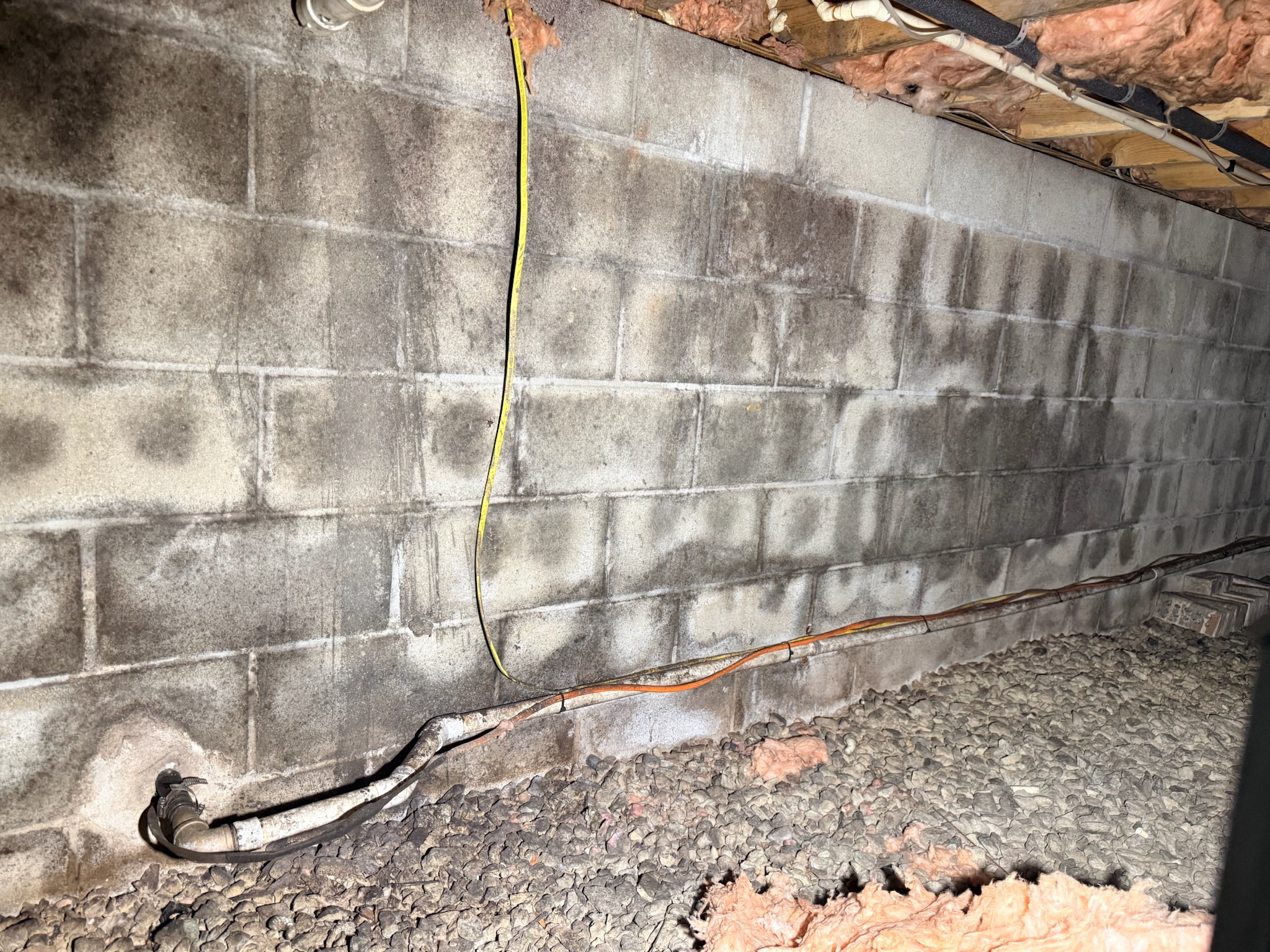
Crawl space vents and framing, the entry points for the air quality sources rising into living areas above
Six Distinct Sources
What Your Crawl Space Can Be
Adding to Your Indoor Air
Each of these has a different source and, in most cases, a different fix. Encapsulation directly addresses the moisture and mold-driven ones.
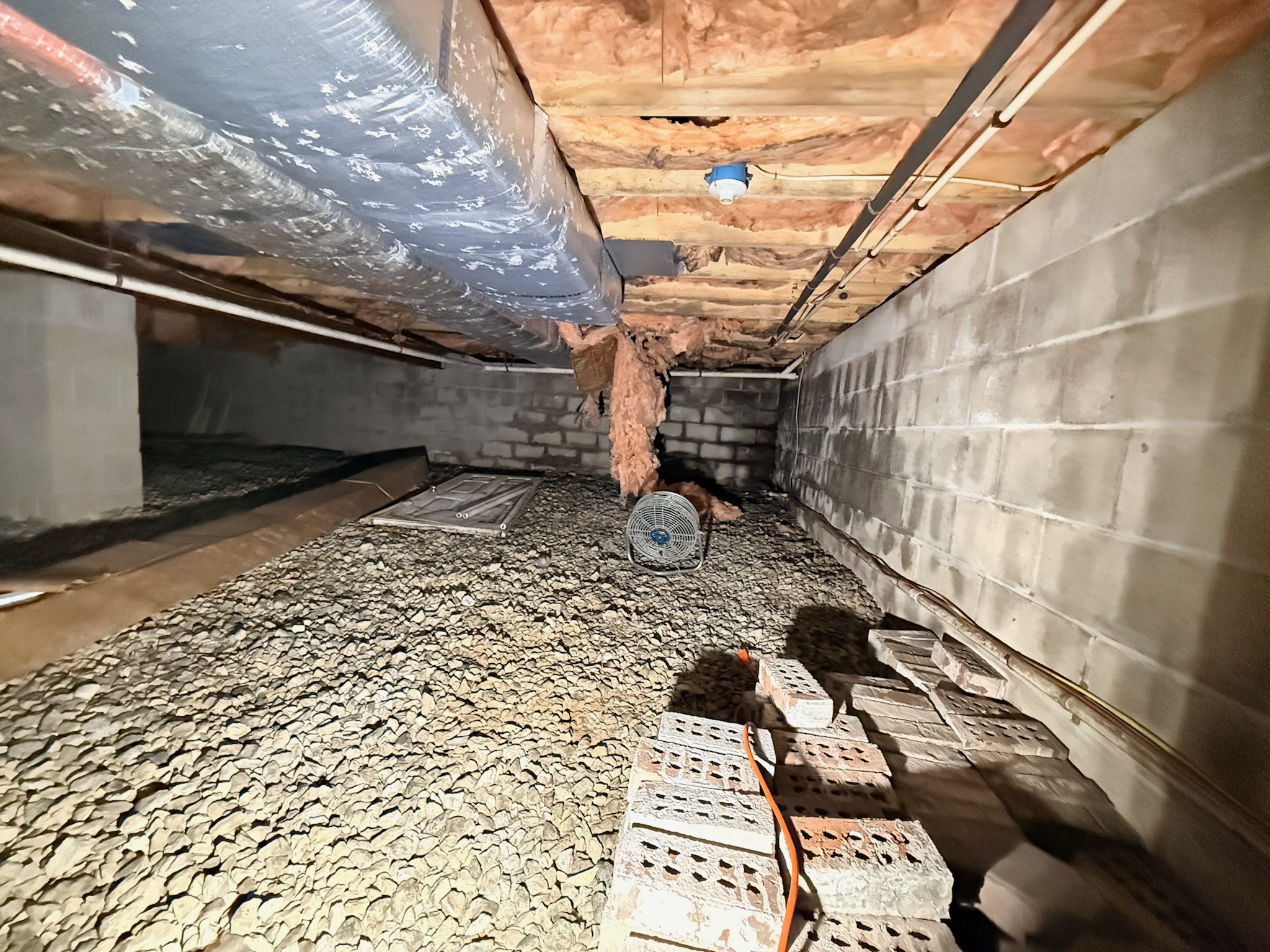
- Mold spores and mycotoxins produced by colonies on damp wood and organic material
- Elevated humidity that makes living spaces feel damp and uncomfortable
- Soil gases, including radon, a significant concern in some Maryland counties
- Pest-related contaminants, rodent droppings, insect frass, and decay byproducts
- VOCs off-gassing from deteriorating insulation, adhesives, and treated wood products
What's Included
OBW's Crawl Space Air Quality
Response
We address the moisture and mold-driven sources directly, and tell you honestly when a different specialist is the right call.
Stack Effect & Air Pathway Assessment
We confirm how crawl space air is actually reaching your living areas before recommending anything.
Mold & Moisture Source Reduction
The mold and moisture conditions generating spores, mycotoxins, and humidity in crawl space air are identified and addressed.
Vapor Barrier Installation
A heavy-duty liner removes the ground moisture feeding mold growth and elevated humidity.
Vent Sealing
Foundation vents are sealed to reduce outdoor air infiltration and the contaminants it can carry.
Dehumidification
A properly sized dehumidifier maintains humidity below the level that sustains mold and dust mite activity.
Written Workmanship Guarantee
Encapsulation work is backed by a written workmanship guarantee. Ask your inspector for the terms that apply to your job.
The Process
How OBW Assesses and Improves
Your Crawl Space Air Quality
Identify every source present. Address what encapsulation can fix. Refer out what it can't.
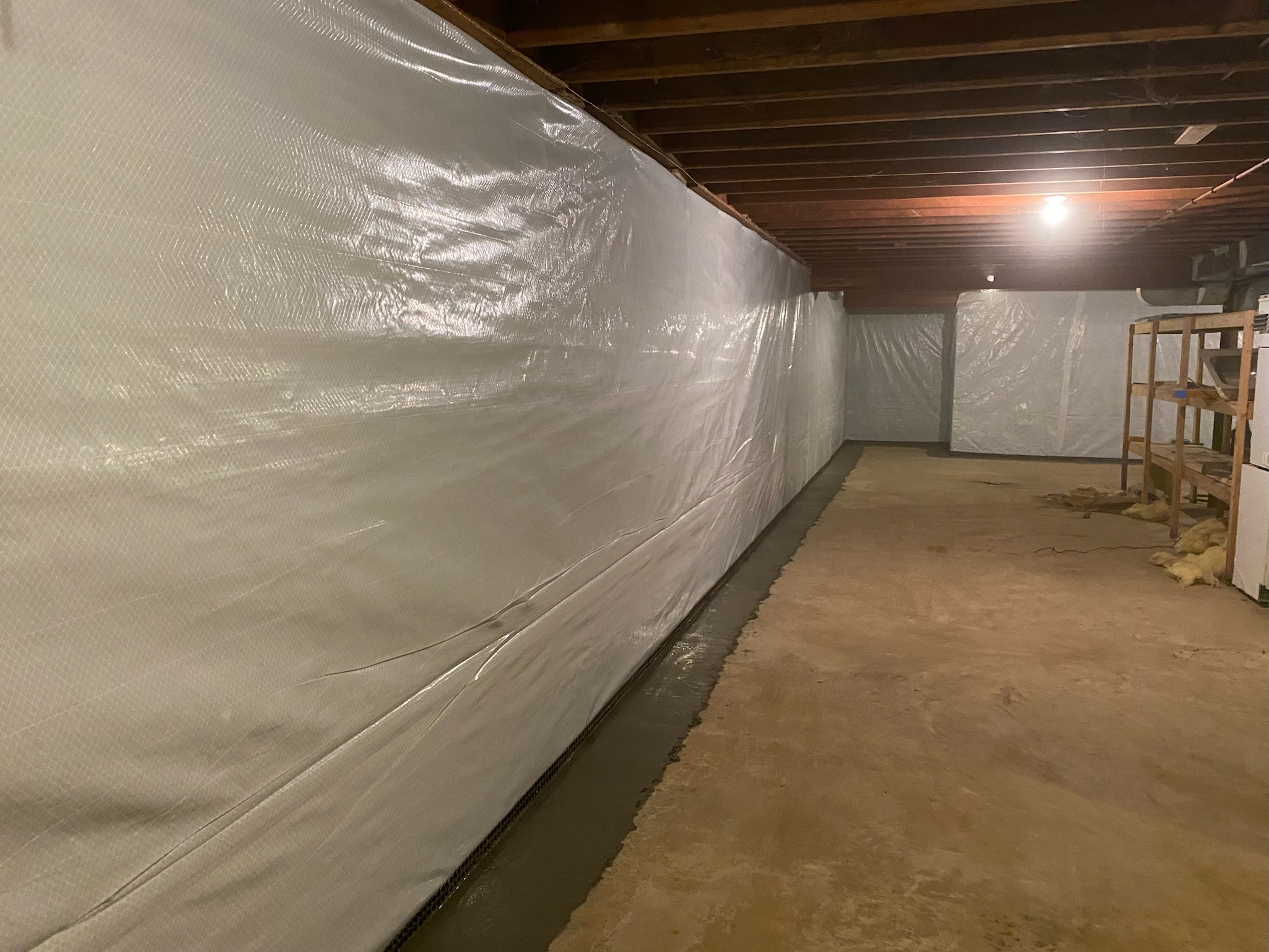
Inspection & Air Pathway Diagnosis
OBW checks how your crawl space air is reaching living areas and what's actually present, mold, moisture, pests, or deteriorating materials.
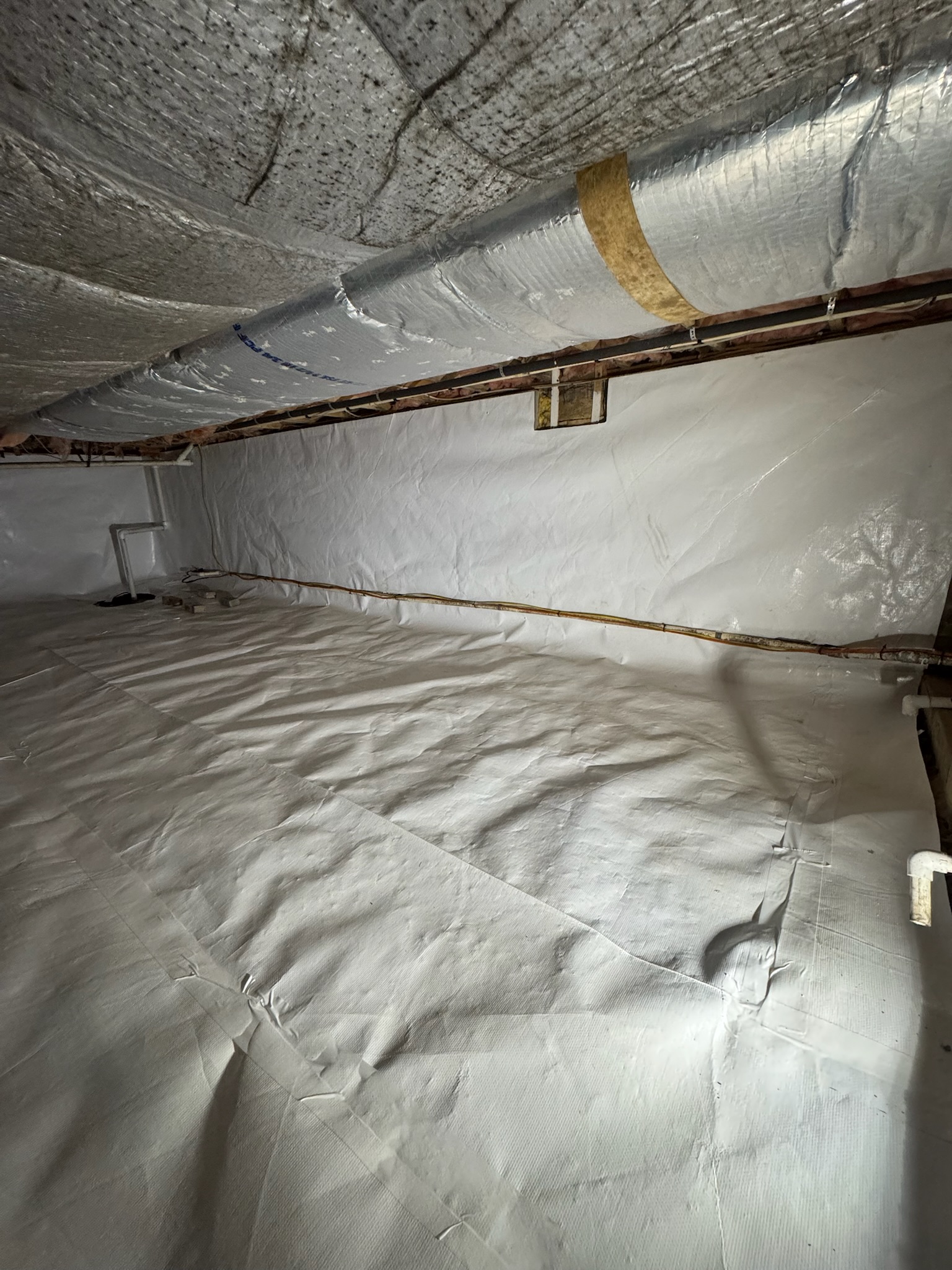
Source Identification
Mold and moisture sources are documented specifically, since those are the sources encapsulation can directly address.
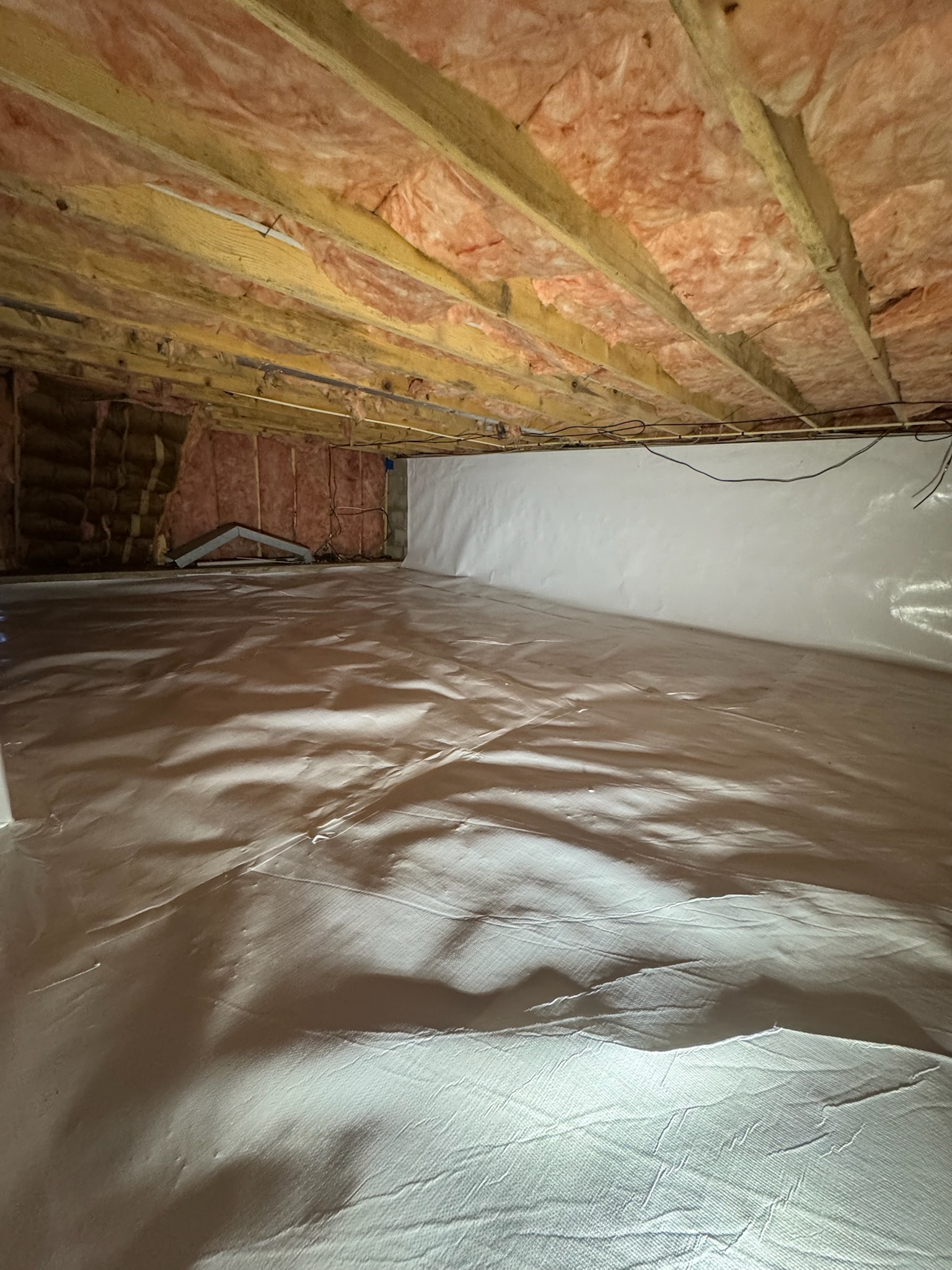
Encapsulation Installation
Vapor barrier, sealed vents, and a properly sized dehumidifier are installed to remove the moisture and mold-driven sources.
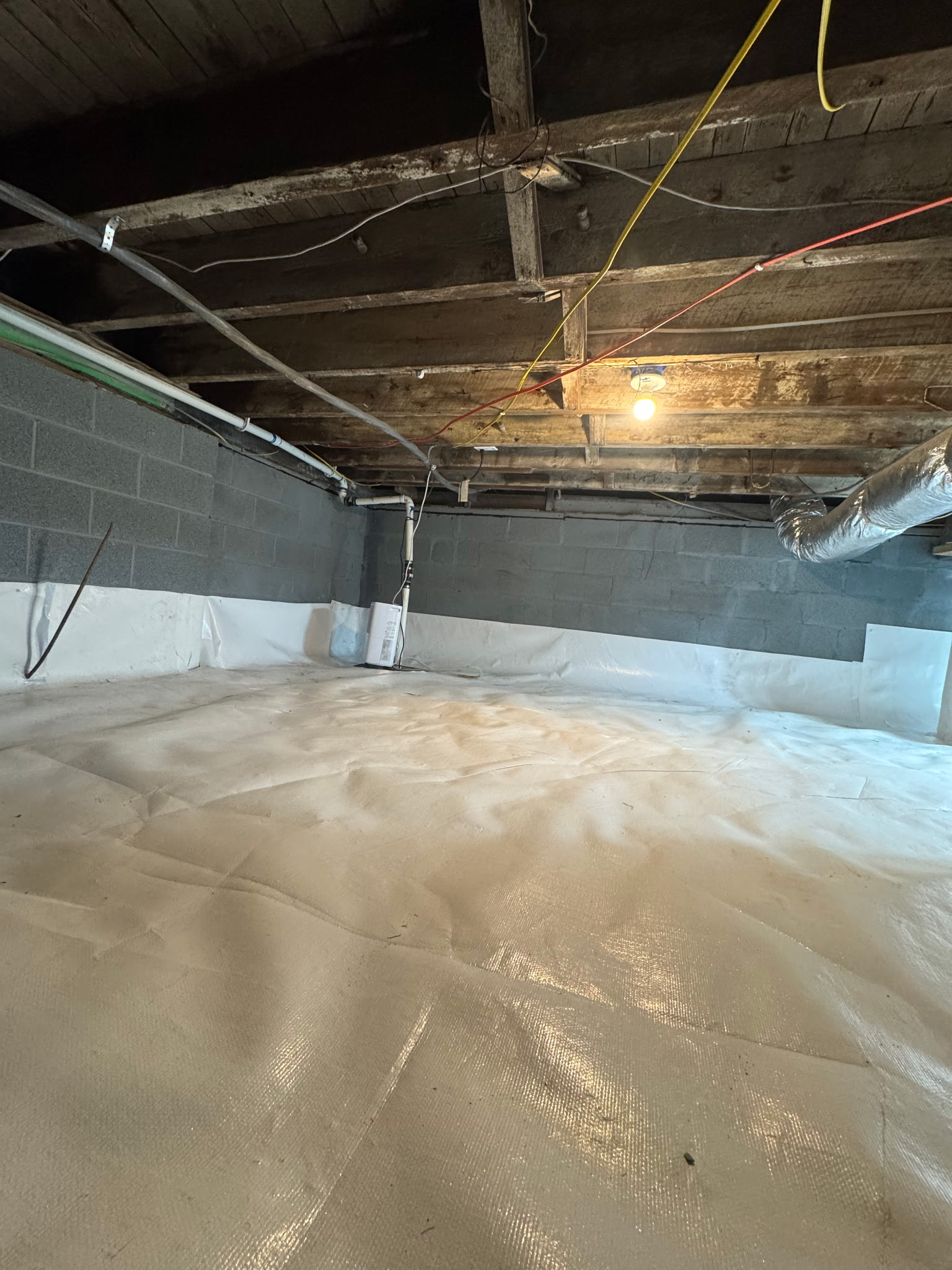
Verification & Referral If Needed
Humidity is verified post-installation, and if radon or another specialized concern was identified, we point you to the right licensed specialist.
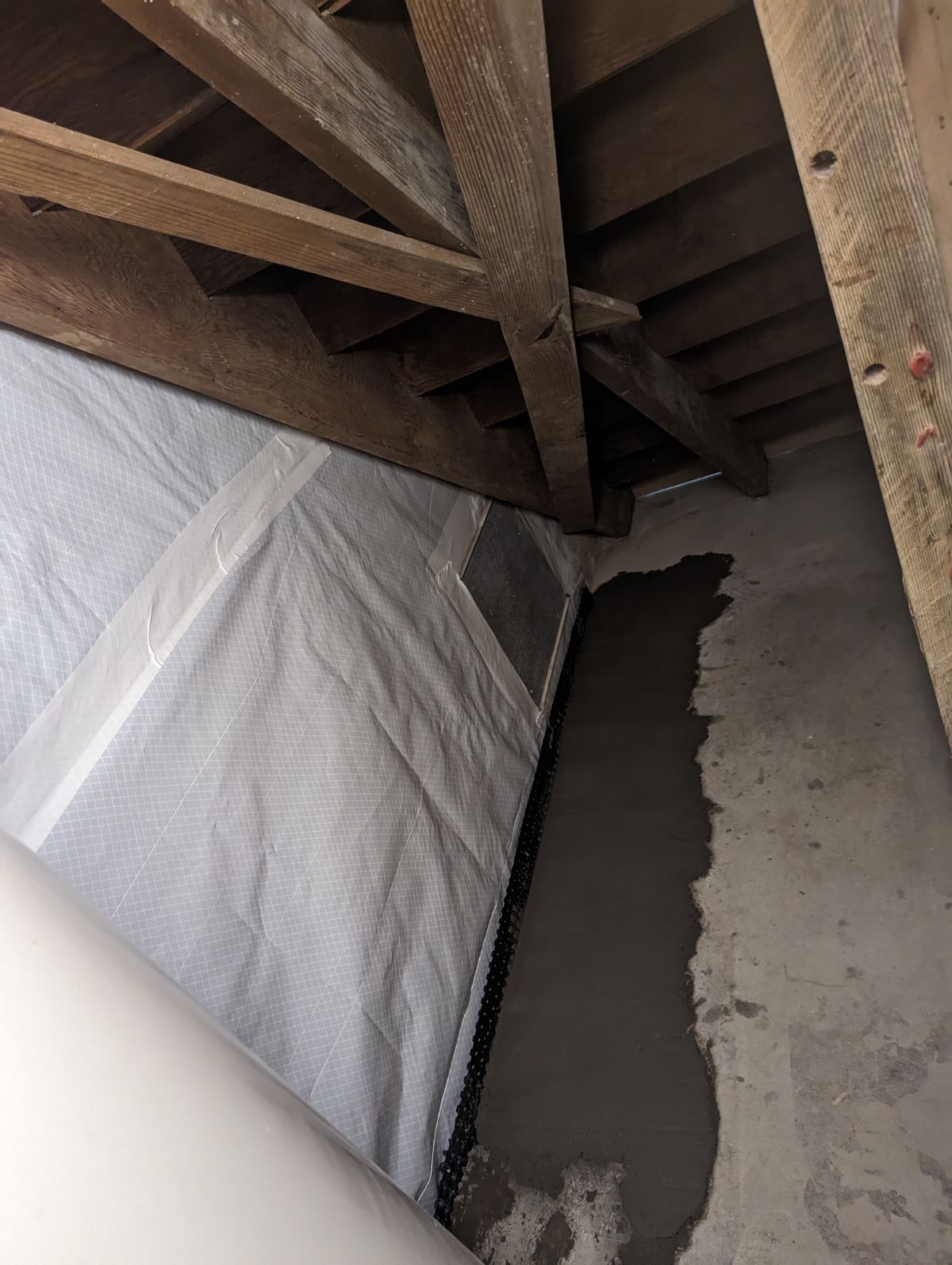
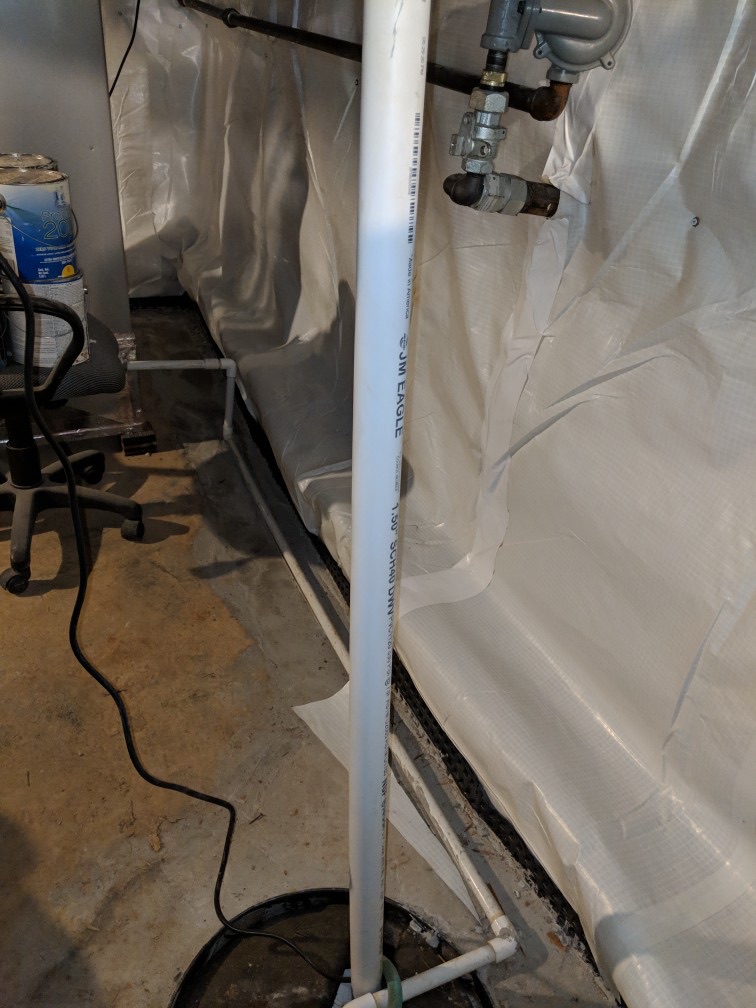
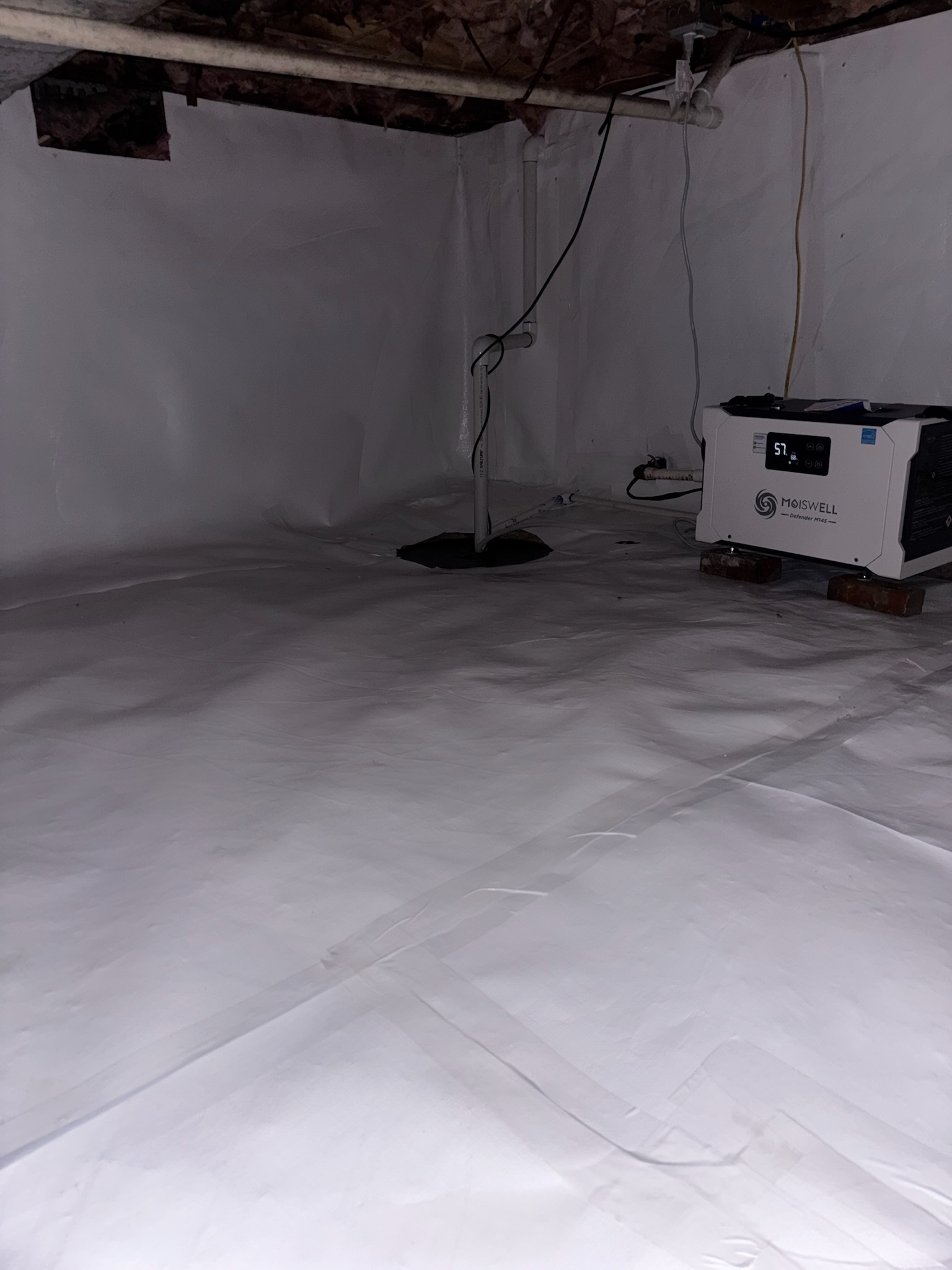
Photos From the Field
Job Site Photos
A closer look at the equipment, materials, and job site conditions involved in this kind of work.
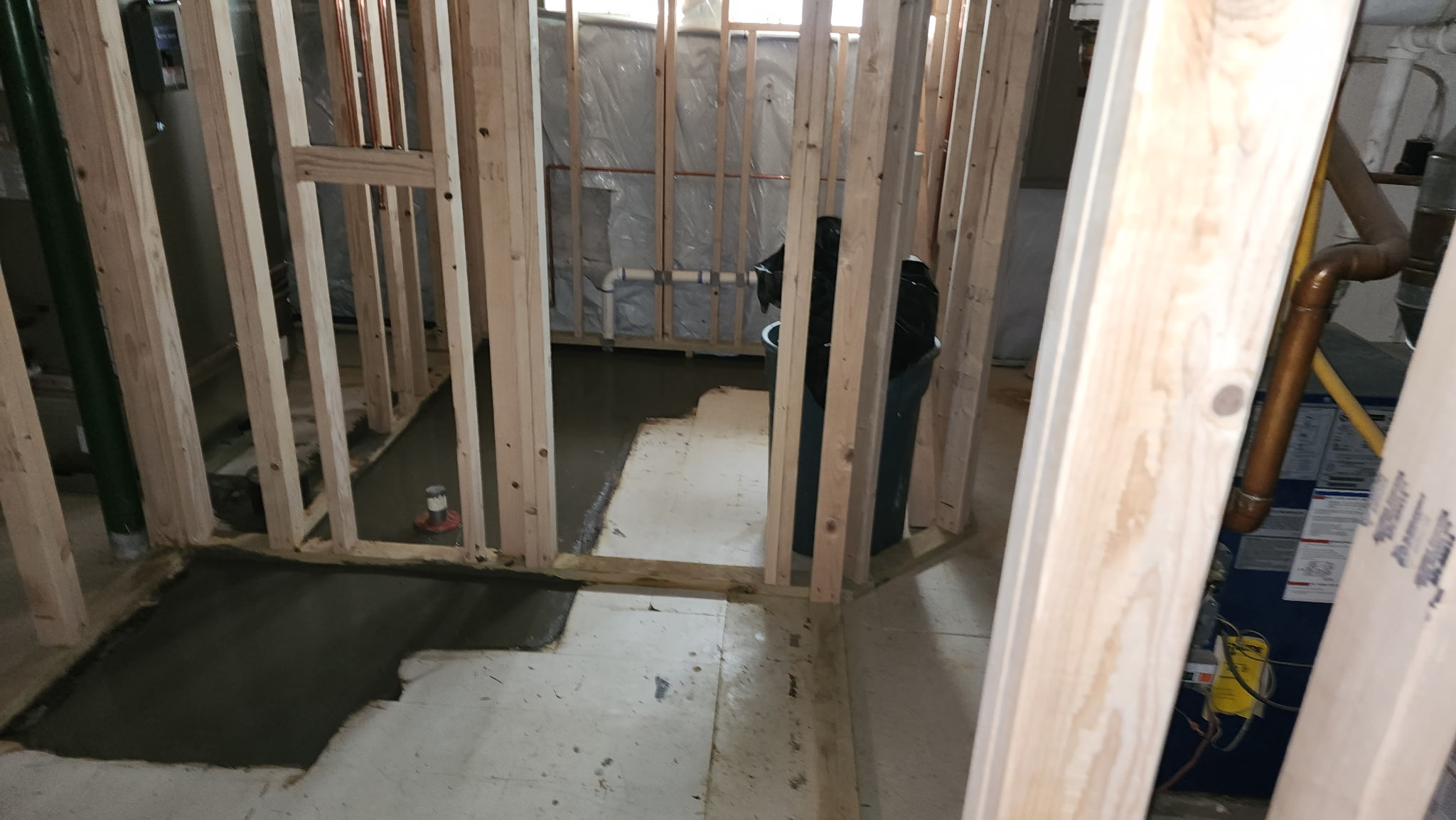
Honest Answers
Indoor Air Quality Questions from
Maryland Homeowners
Call (410) 879-3360 if you suspect your crawl space is affecting your indoor air. Our inspectors will tell you honestly what's present and what fixes it.
How much of the air I breathe upstairs actually comes from my crawl space?
Buildings act like chimneys. Air enters at the lowest point, the crawl space, rises through the living areas, and exits at the top through attic vents, exhaust fans, and gaps around windows and doors. This stack effect is continuous, driven by temperature differentials that vary by season but never entirely disappear.
Through that mechanism, roughly 40% of the air on your home's main floor can originate in the crawl space below. Whatever is in that crawl space air, mold spores, moisture, soil gases, is continuously introduced into your living areas whether you notice it or not.
What specifically travels from the crawl space into my indoor air?
Several distinct things, not just one. Mold spores from colonies on damp wood, mycotoxins that travel attached to those spores, elevated humidity that makes living spaces feel damp, soil gases including radon in some Maryland counties, pest-related contaminants like rodent droppings and insect frass, and VOCs off-gassing from deteriorating insulation or treated wood. Each has a different source and a different fix.
Does crawl space encapsulation fix all of these air quality issues at once?
It addresses the moisture and mold-driven sources directly, since vapor barrier, sealed vents, and dehumidification reduce the mold and moisture load in crawl space air. Homeowners who encapsulate often notice reduced musty odors and improved comfort in the rooms above. It does not address every category on its own, radon and pest contamination in particular need separate attention alongside encapsulation.
Does OBW handle radon mitigation as part of this?
No. Radon mitigation is a specialized service that OBW does not provide directly. If radon is a concern in your home, particularly in counties where it's more common, ask your inspector about coordinating with a licensed radon specialist. We'd rather tell you that plainly than imply encapsulation solves a problem it isn't designed to solve.
Is this different from a straightforward allergy or asthma problem?
It can overlap, but the air quality picture here is broader than allergens alone. Mold spores and dust mites do drive allergic symptoms, but soil gases, pest contaminants, and off-gassing VOCs from deteriorating materials are separate indoor air quality concerns that don't show up as classic allergy symptoms. A free inspection looks at the full picture of what your specific crawl space is contributing.
Why Oriole
Why Maryland Homeowners Trust
OBW with Air Quality Concerns
Honest About the Full Picture
We tell you plainly which air quality sources encapsulation addresses and which ones, like radon, need a different specialist.
Maryland Crawl Space Experience
Piedmont clay moisture, humid summers, and county-specific radon concerns give Maryland crawl spaces a distinct air quality profile. OBW has assessed it across every county we serve.
No Subcontracting
OBW's own crew installs every vapor barrier, vent seal, and dehumidifier, in house, start to finish.
Family-Owned Since 1953
Founded by Frank Pirog Sr. in 1953. Amber Pirog leads the company today. Written workmanship guarantee on every repair.
Reviews
What Our Maryland Neighbors Say
The Air Moves Whether You Notice or Not.
Getting Started on Your
Air Quality Assessment
The stack effect doesn't pause while you decide whether to look into it.
Free Inspection
OBW checks your crawl space for mold, moisture, and other air quality sources, and flags anything needing a specialist. Free, no obligation.
Written Scope & Quote
You receive a written quote specifying exactly what encapsulation will address, before any work is scheduled.
Encapsulation & Verification
OBW's crew installs the vapor barrier, seals vents, and installs a dehumidifier, then verifies humidity is below the mold threshold. Written workmanship guarantee issued upon completion.
Suspect Your Crawl Space Is Affecting Your Air Quality?
Free inspection. We tell you honestly what's present and what it takes to fix.
Family-owned since 1953 · MHIC #4247 · Written Workmanship Guarantee