A Support Post Failed Below
Sagging Crawl
Space Support
in Maryland
Bouncy floors and sticking doors upstairs usually trace back to a support post or footing that's failed below.
A sagging crawl space signals that structural support has failed beneath your home. In Maryland, this usually traces to moisture damage, rotted posts, deteriorated beams, or footings settled unevenly by damp clay soil. OBW inspects the whole support system and repairs it alongside the moisture that caused it.

How the Support System Fails
Why Maryland Crawl Spaces
Sag Beneath the Floor
The typical Maryland crawl space has a main support beam running down the center of the house, supported by wood posts on concrete piers or masonry footings. When moisture conditions exceed safe thresholds, as they do in most unencapsulated crawl spaces during Maryland's humid seasons, those wood posts absorb moisture and begin to decay at the base. The footing or pier below may settle unevenly as clay soil shifts with moisture content.
Over time, the post fails, the beam sags, and the floor above follows. Floor joists spanning from the foundation wall to the main beam can also sag independently if they've absorbed significant moisture or been attacked by wood-boring insects drawn to the damp environment.
Moisture control installed alongside structural repair, so the new support isn't exposed to the same conditions that failed the old one
Signs from Below
Warning Signs of a Failing
Crawl Space Support System
These are the signs OBW's inspectors look for directly in the crawl space, distinct from what you might notice on the floor above.
- Visible decay or softness at the base of support posts where they meet the footing
- A footing or pier that sits visibly out of level compared to its neighbors
- A visible dip or sag in the main beam when viewed along its length
- Wood-boring insect damage on posts or joists in persistently damp areas
- Bouncy floors, sticking doors, or floor dips reported from above
What's Included
OBW's Crawl Space Structural
Repair Services
Because moisture damage rarely stays confined to one post, we inspect and repair the whole support system.
Support System Inspection
The main beam, posts, footings, and nearby floor joists are all checked, since moisture damage rarely stays confined to one component.
Post & Footing Failure Assessment
We identify which posts have decayed at the base and which footings have settled unevenly from clay soil movement.
Adjustable Steel Support Post Installation
Galvanized steel posts on new concrete footings stabilize and gradually lift the sagging structure back toward level.
Beam & Joist Repair
Compromised beams and joists are sistered or replaced with pressure treated lumber suited to crawl space environments.
Encapsulation Pairing
Structural repair is paired with moisture control, since repairing structure without addressing moisture guarantees a repeat failure.
Written Workmanship Guarantee
Structural repair and encapsulation work is backed by a written workmanship guarantee. Ask your inspector for the terms that apply to your job.
The Process
How OBW Repairs a Sagging
Crawl Space Support System
Inspect the whole system. Map every failure point. Repair the structure and the moisture that caused it, together.
Support System Inspection
OBW inspects the main beam, posts, footings, and nearby floor joists to find every point moisture has already compromised.
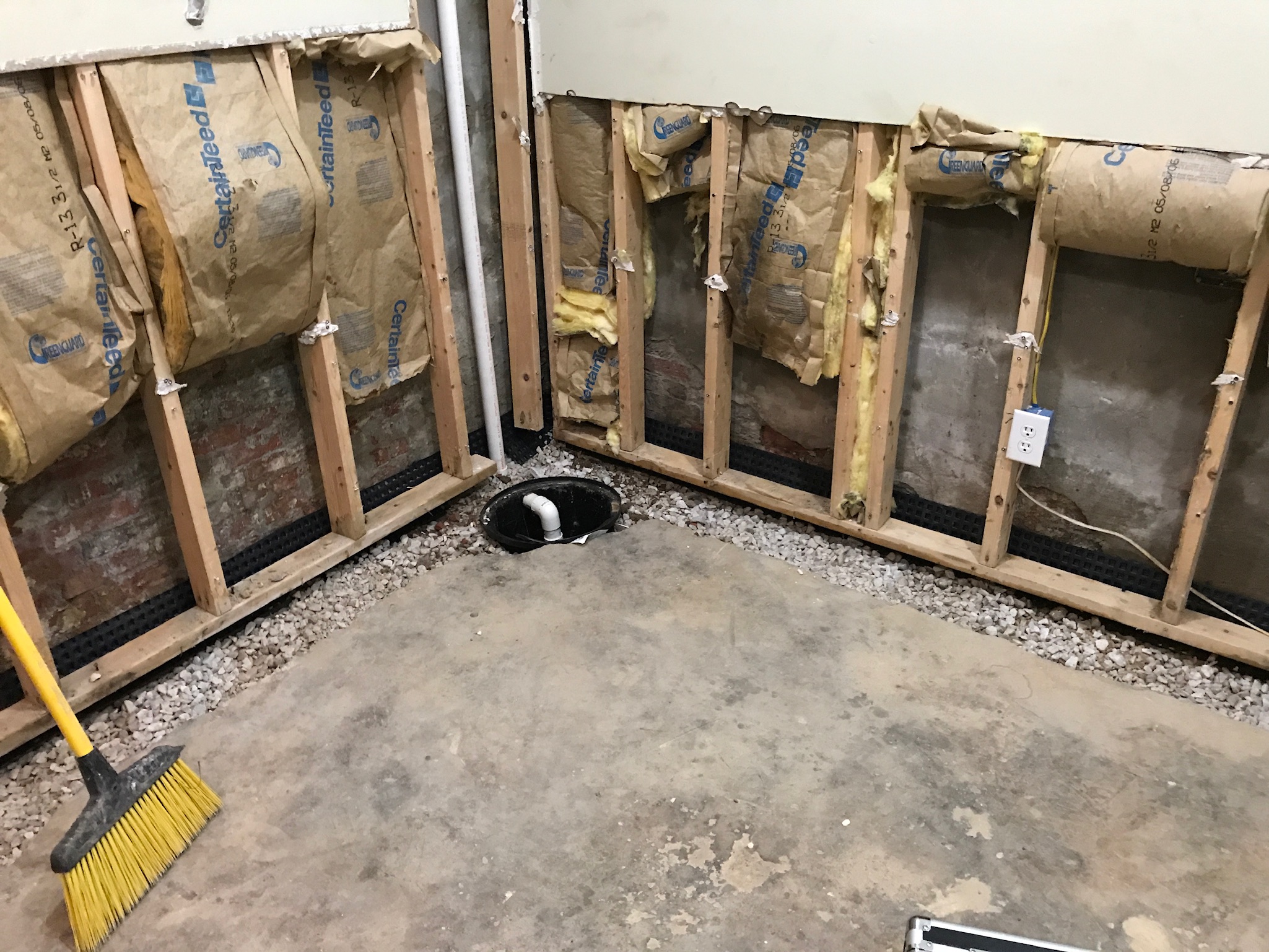
Failure Mapping
Decayed posts, settled footings, and any weakened joists are documented before a repair plan is written.
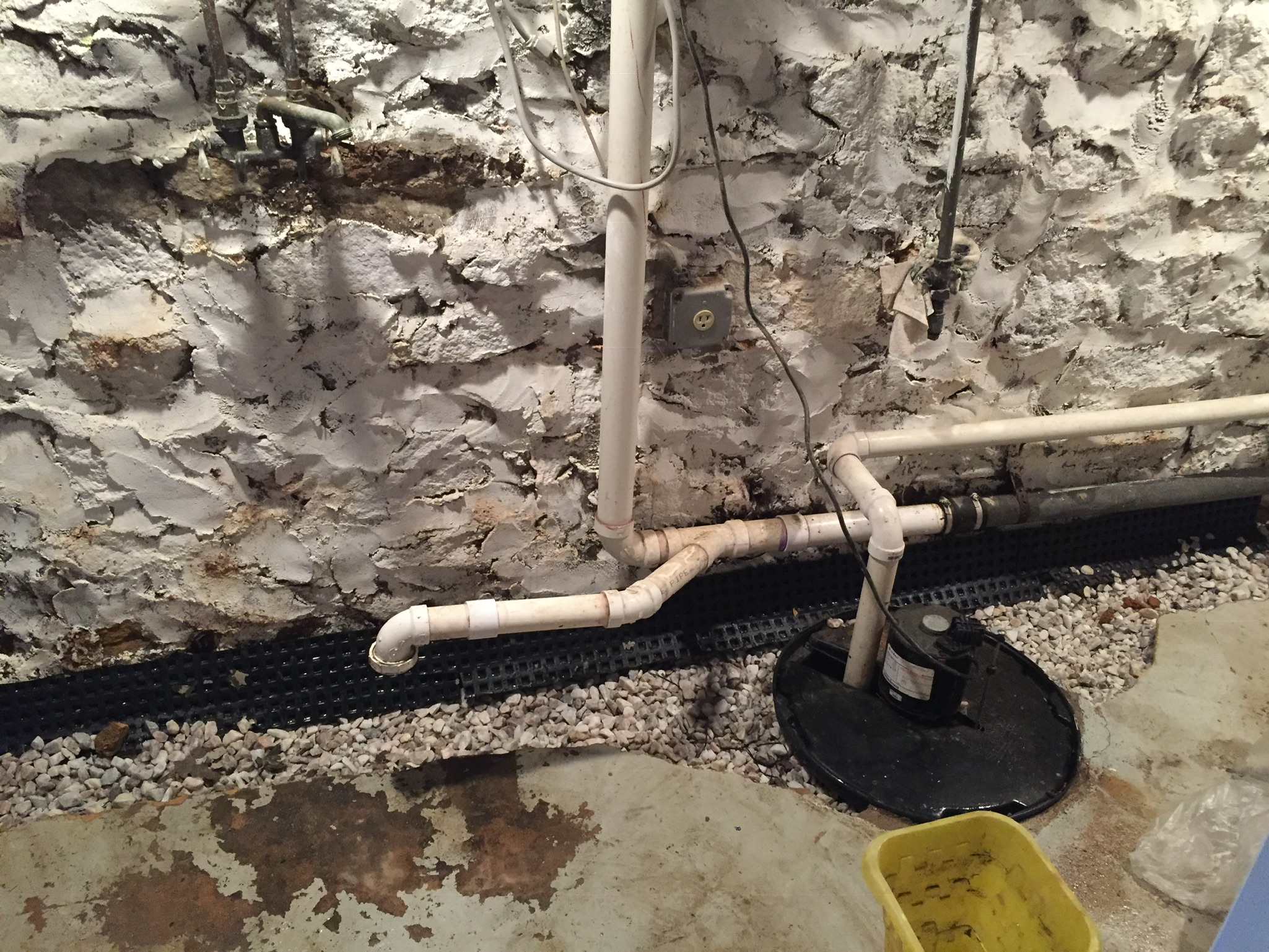
Steel Post & Structural Repair Installation
Adjustable steel support posts go in on new concrete footings, and compromised beams or joists are sistered or replaced.
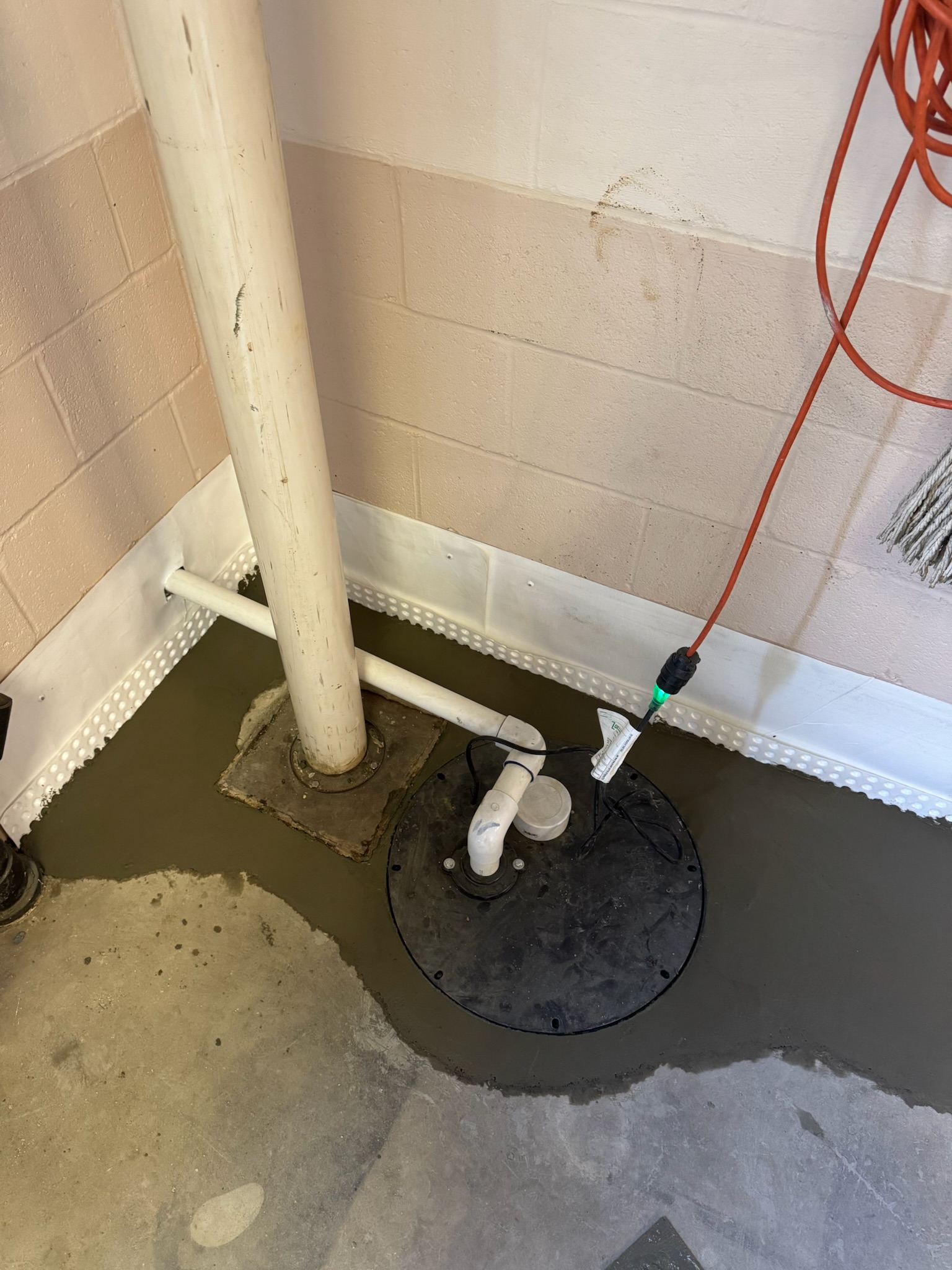
Encapsulation Installation & Verification
Moisture control is installed alongside the structural repair, and the system is verified to confirm the repair will hold.
Photos From the Field
Job Site Photos
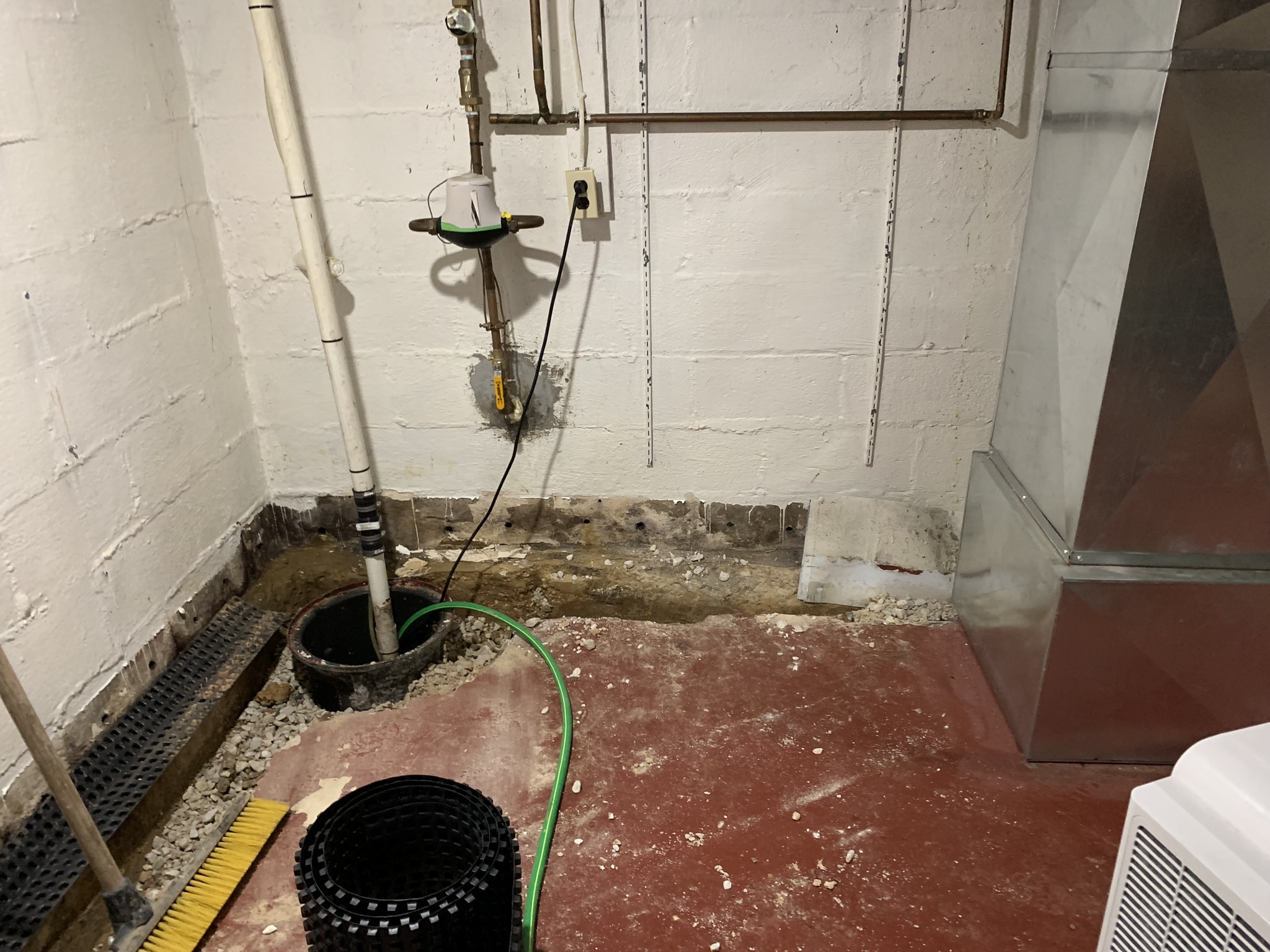
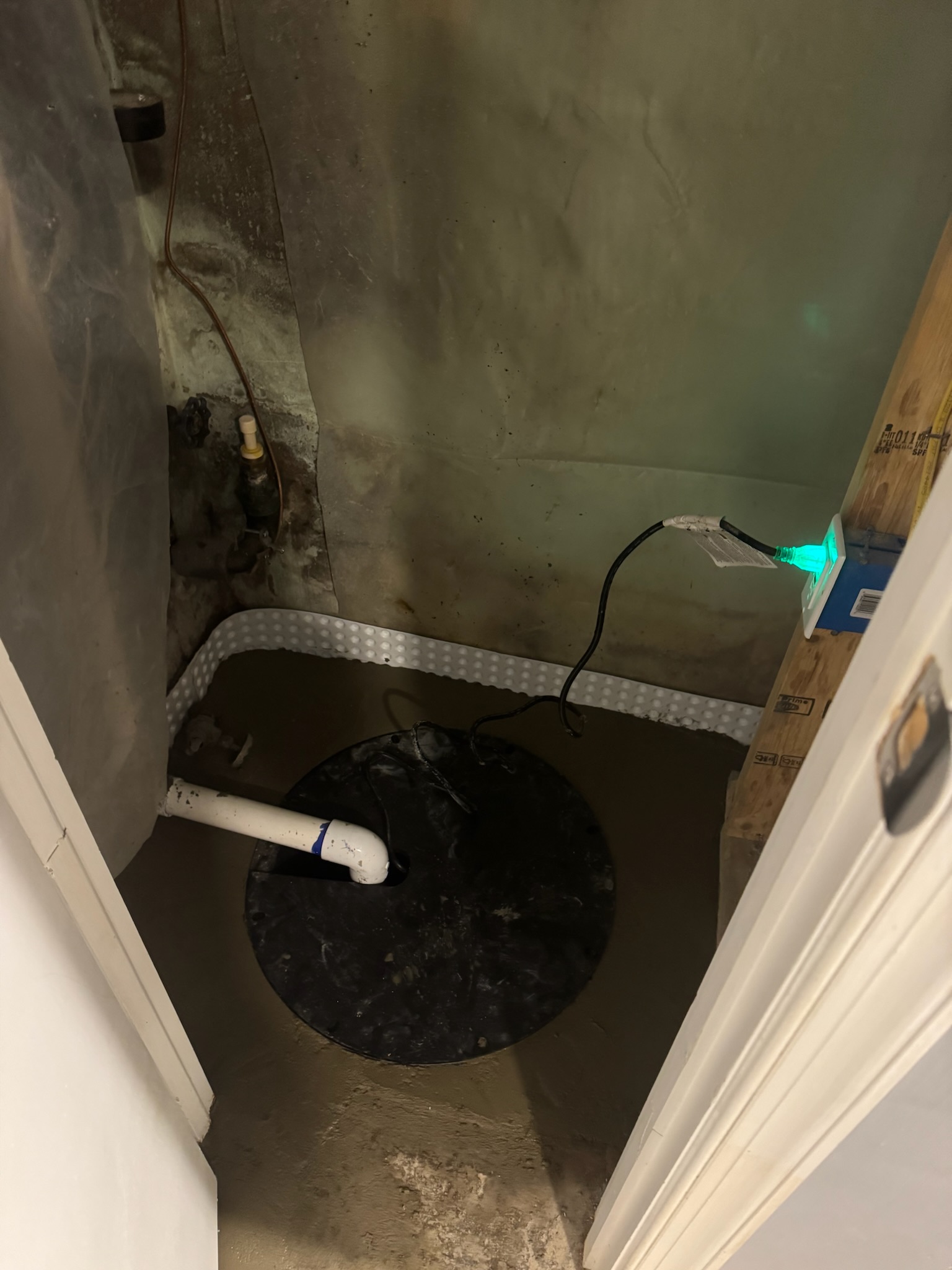
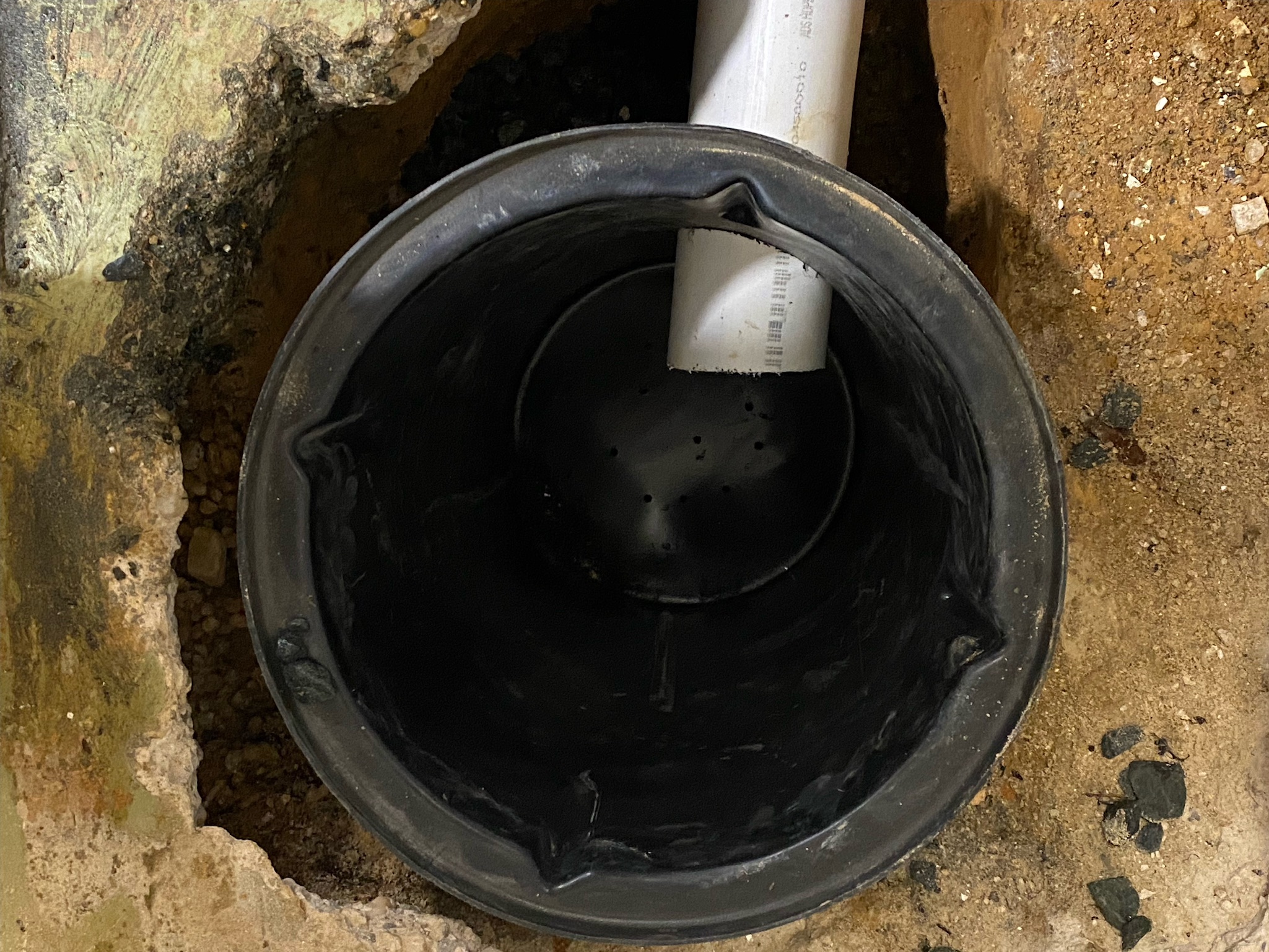
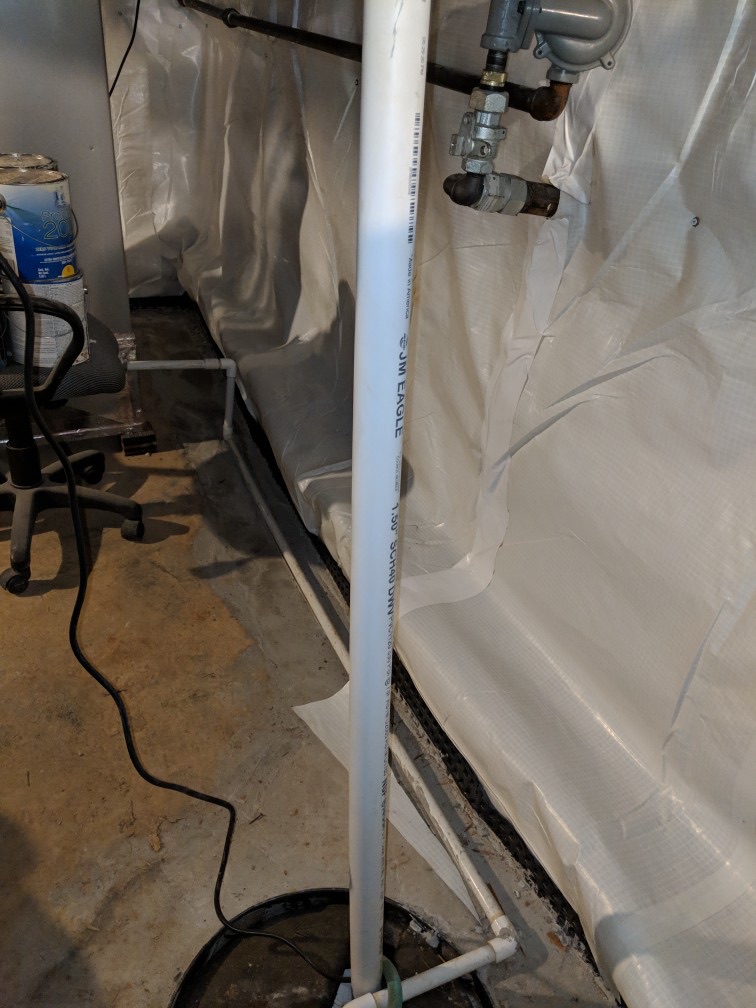
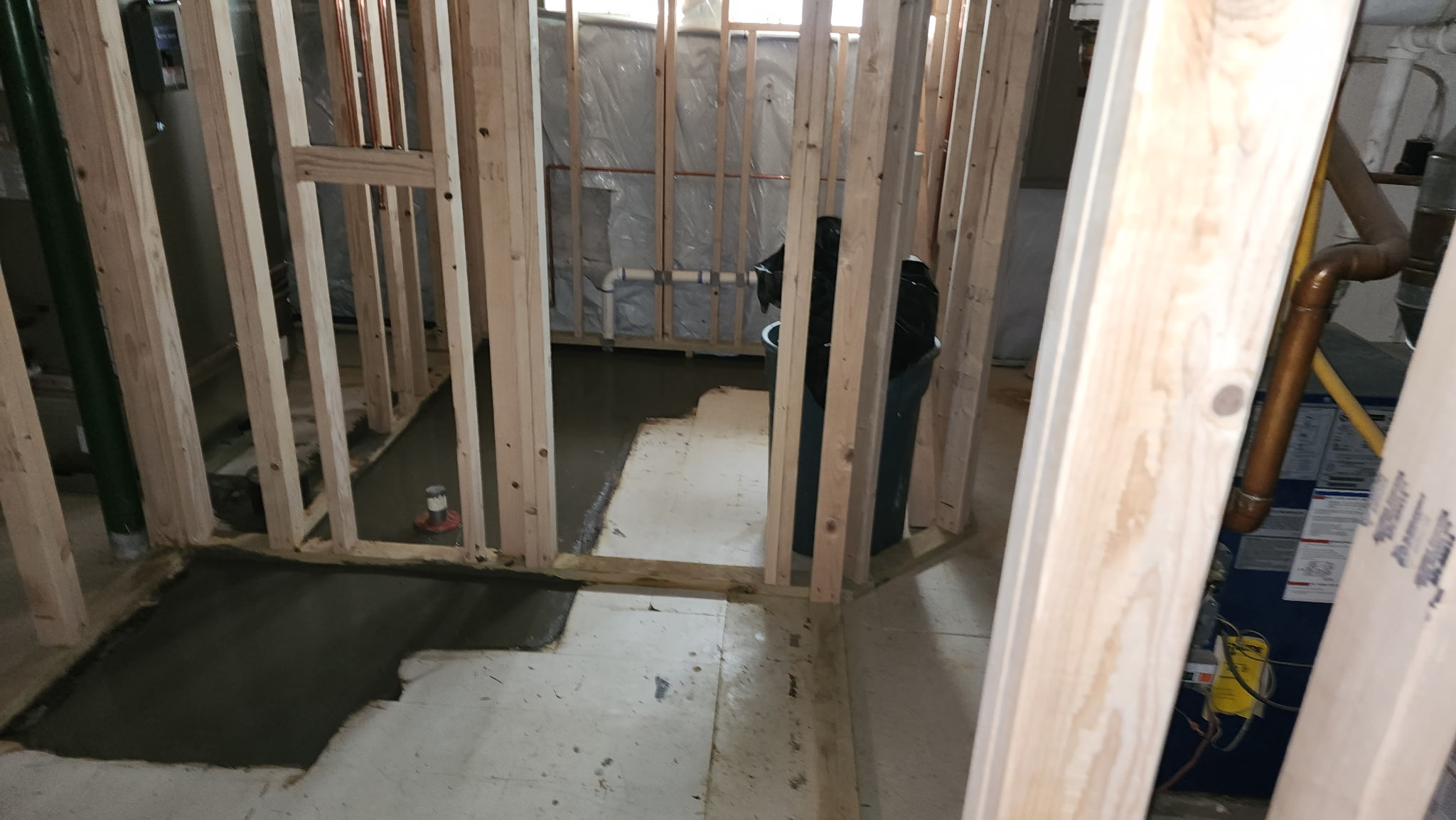
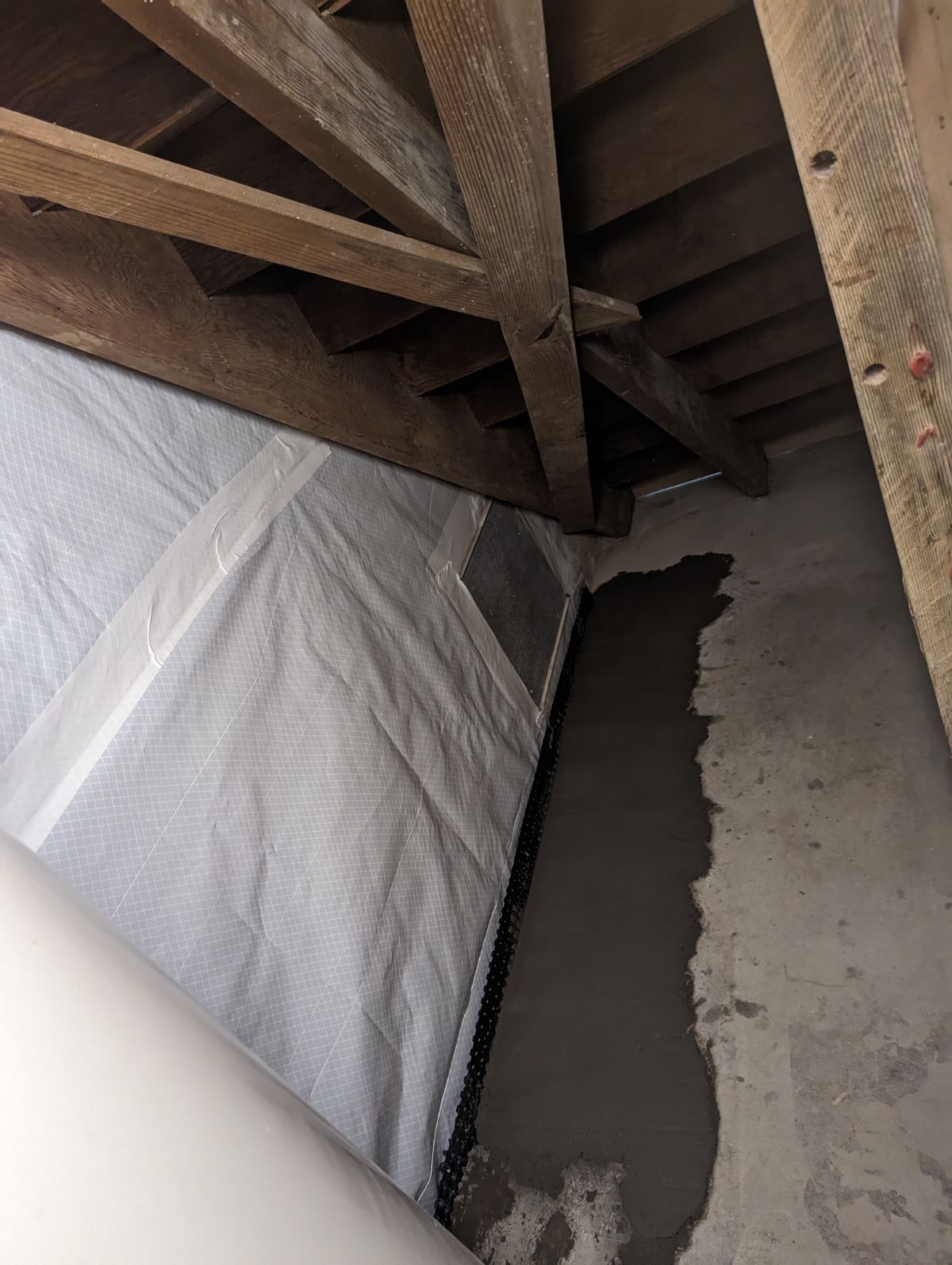
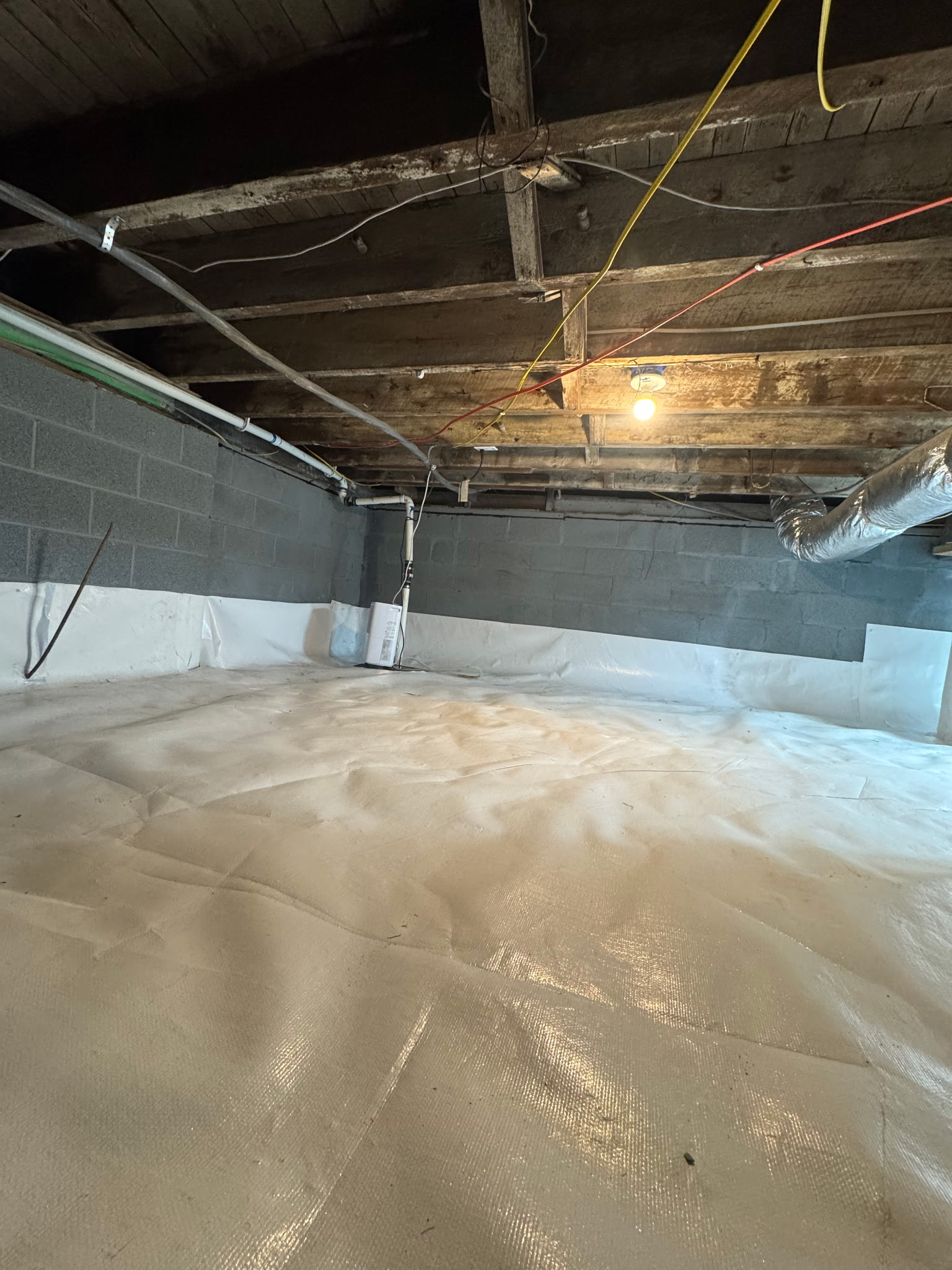
A closer look at the equipment, materials, and job site conditions involved in this kind of work.
Honest Answers
Sagging Crawl Space Questions
from Maryland Homeowners
Call (410) 879-3360 if you suspect a support failure beneath your home. Our inspectors check the whole system.
What's actually failing structurally when a crawl space sags?
Typically the main support system beneath your home. The typical Maryland crawl space has a main support beam running down the center of the house, held up by wood posts on concrete piers or masonry footings. When moisture conditions exceed safe thresholds, as they do in most unencapsulated crawl spaces during Maryland's humid seasons, those wood posts absorb moisture and begin to decay at the base.
At the same time, the footing or pier below the post can settle unevenly as clay soil shifts with moisture content. Over time, the post fails, the beam sags, and the floor above follows. Floor joists spanning from the foundation wall to the main beam can also sag independently if they've absorbed significant moisture or been attacked by wood-boring insects drawn to the damp environment.
Is it always the posts, or could it be something else under there?
It's usually the posts and their footings, but not always exclusively. OBW inspects the entire support system, main beam, posts, footings, and the floor joists themselves, because moisture damage rarely stays confined to one component. A post that's decayed at the base is often accompanied by joists nearby that have also absorbed moisture, even if they haven't sagged as visibly yet.
How does OBW actually fix a failed support post or footing?
We install adjustable galvanized steel support posts on new concrete footings to stabilize and gradually lift the sagging floor structure back toward level. When joists or beams have been compromised by moisture damage, we sister or replace the affected members with pressure treated lumber suited to crawl space environments.
Why does OBW always pair structural repair with encapsulation?
Because repairing the structure without eliminating the moisture conditions that caused the damage produces the same failure within years. New steel posts don't rot, but if the crawl space stays wet, any wood members you keep, and any new lumber used in the repair, are exposed to the same conditions that caused the original failure. Encapsulation is what keeps the repair from needing to be redone.
How urgent is this once I notice sagging?
It's worth addressing promptly. A support system that's already failed at one point is under more load elsewhere in the system, and moisture damage that caused one post to fail is very likely present at other posts and joists nearby. A free inspection assesses the full extent before it progresses further.
Why Oriole
Why Maryland Homeowners Trust
OBW with Structural Repair
We Inspect the Whole System
A single sagging post rarely fails alone. OBW checks the entire support system, not just the one spot that's visible.
Maryland Clay Soil Experience
Piedmont clay's seasonal shifting settles footings unevenly across Maryland crawl spaces. OBW has stabilized structures on every soil condition the state has.
No Subcontracting
OBW's own crew installs every support post, structural repair, and encapsulation system, in house, start to finish.
Family-Owned Since 1953
Founded by Frank Pirog Sr. in 1953. Amber Pirog leads the company today. Written workmanship guarantee on every repair.
Reviews
What Our Maryland Neighbors Say
A Failed Post Puts Load Elsewhere.
Getting Started on Your
Structural Repair
Every day a failed support point carries load unevenly, nearby posts and joists absorb more stress.
Free Inspection
OBW inspects the full support system, beam, posts, footings, and joists, to map every failure point. Free, no obligation.
Written Repair Plan & Quote
You receive a written quote specifying the structural repair and paired encapsulation, before any work is scheduled.
Repair & Verification
OBW's crew installs steel support posts, repairs damaged framing, and installs moisture control. Written workmanship guarantee issued upon completion.
Noticing Bouncy Floors or Sticking Doors?
Free inspection. We check the whole support system before recommending a fix.
Family-owned since 1953 · MHIC #4247 · Written Workmanship Guarantee