Find Out Why It Cracked First
Slab Foundation
Repair
in Maryland
Residential ranchers and commercial retail buildings share the same slab problems. The repair approach starts the same way: find out why it cracked first.
Crack sealing, slab stabilization, void filling, and drainage correction for Maryland residential and commercial slabs. Retail, collision centers, and light-industrial floors, OBW has done this work at every scale.

Fix the Cause. Then Fix the Slab.
Slab Foundation Repair:
Maryland Residential & Commercial
Slab-on-grade foundations are more common in Maryland commercial construction than residential, most retail buildings, light industrial facilities, and single-story commercial spaces are built on slab. Residential slabs appear in ranchers from the 1950s through 1980s and some garden-style condo construction. In all cases, when a slab cracks or settles, the approach is the same: determine the cause before specifying the repair.
A slab crack repaired without addressing the underlying drainage failure, soil void, or settlement cause will re-open. OBW's inspection identifies which type of crack you're dealing with, shrinkage versus structural, active versus stable, and what's driving it. Then we specify the right repair: crack injection for water-admitting cracks, pier stabilization for settled sections, void filling where soil has washed or shrunk away beneath the slab.
OBW has completed slab work at commercial scale, retail locations, automotive collision centers, and light-industrial and food-production facilities across Maryland. The same diagnostic approach and crew quality applies to every job, whether it's a 1,200 sq ft residential rancher or a 15,000 sq ft retail floor.
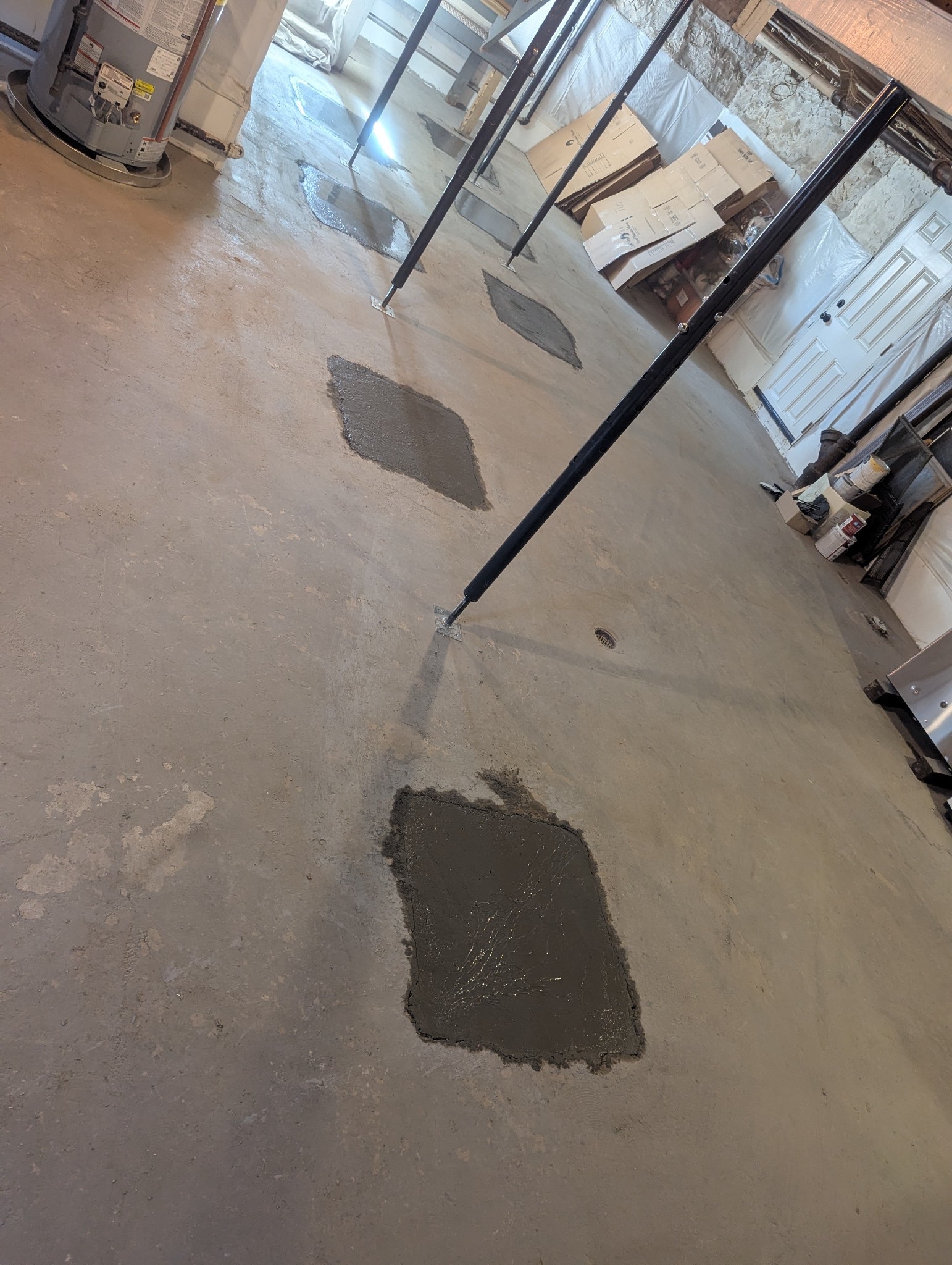
Adjustable steel support jacks installed to relevel the framing above
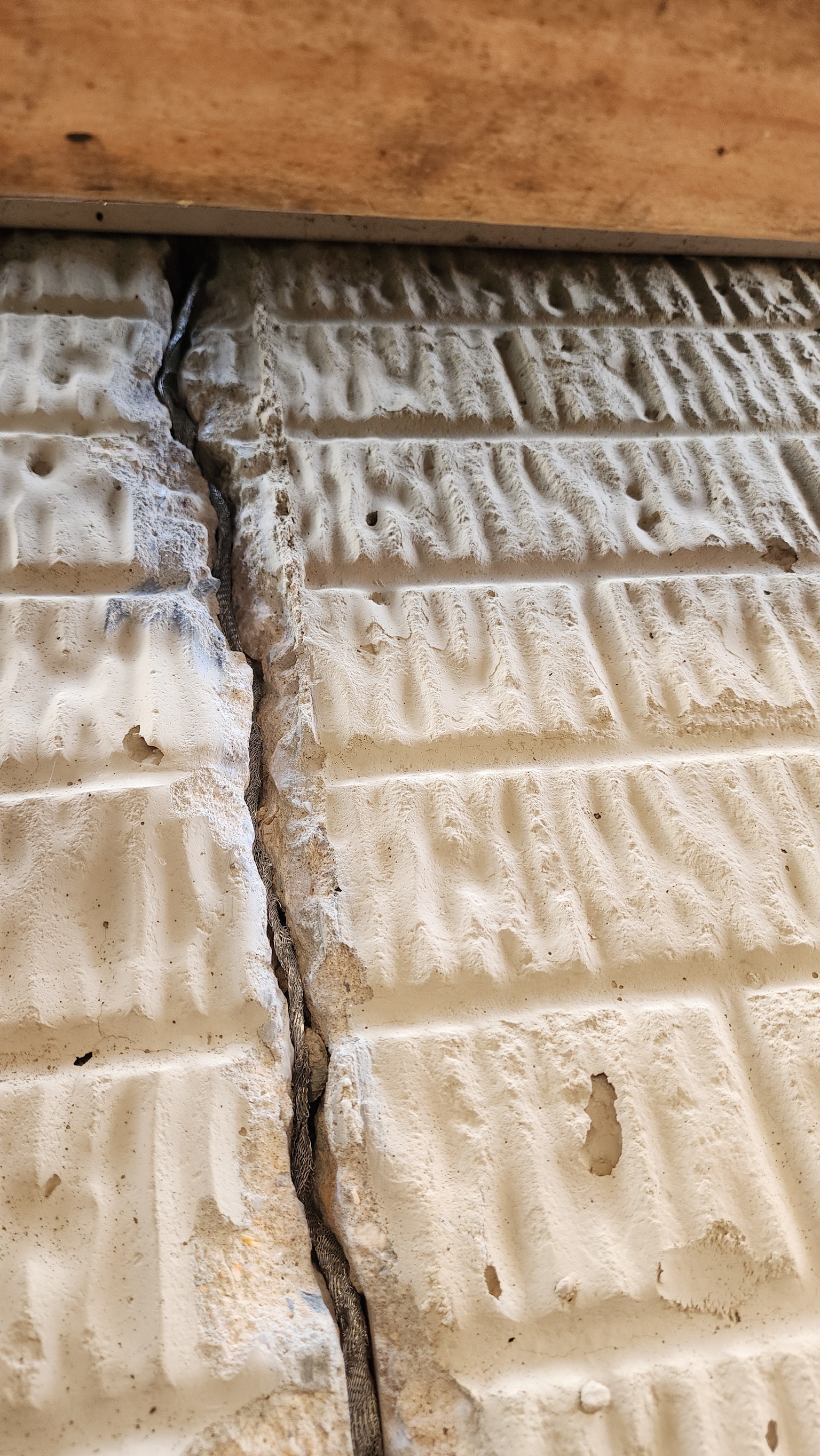
Signs Your Slab Needs Attention
Warning Signs in Maryland
Slab Foundations
Not every slab crack is urgent. These signs indicate you need a professional look, not necessarily an emergency, but not something to defer indefinitely.
- Cracks wider than a hairline, 1/8 inch or more warrants assessment
- Displacement along a crack, one side of the crack is higher than the other
- Water wicking up through slab cracks or the slab-wall joint after rain
- Hollow sound when walking across sections of the slab, voids beneath
- Floor finishes, tile, hardwood, LVP, cracking or popping up at crack locations
What the Job Covers
OBW's Slab Repair Services
Slab repair is not one-size-fits-all. The method depends on the type of crack, the cause of movement, and the load requirements of the structure above.
Cause Diagnosis First
We identify what caused the crack or settlement, drainage, soil voids, tree roots, before recommending a repair. Fix the cause, then the slab.
Crack Sealing
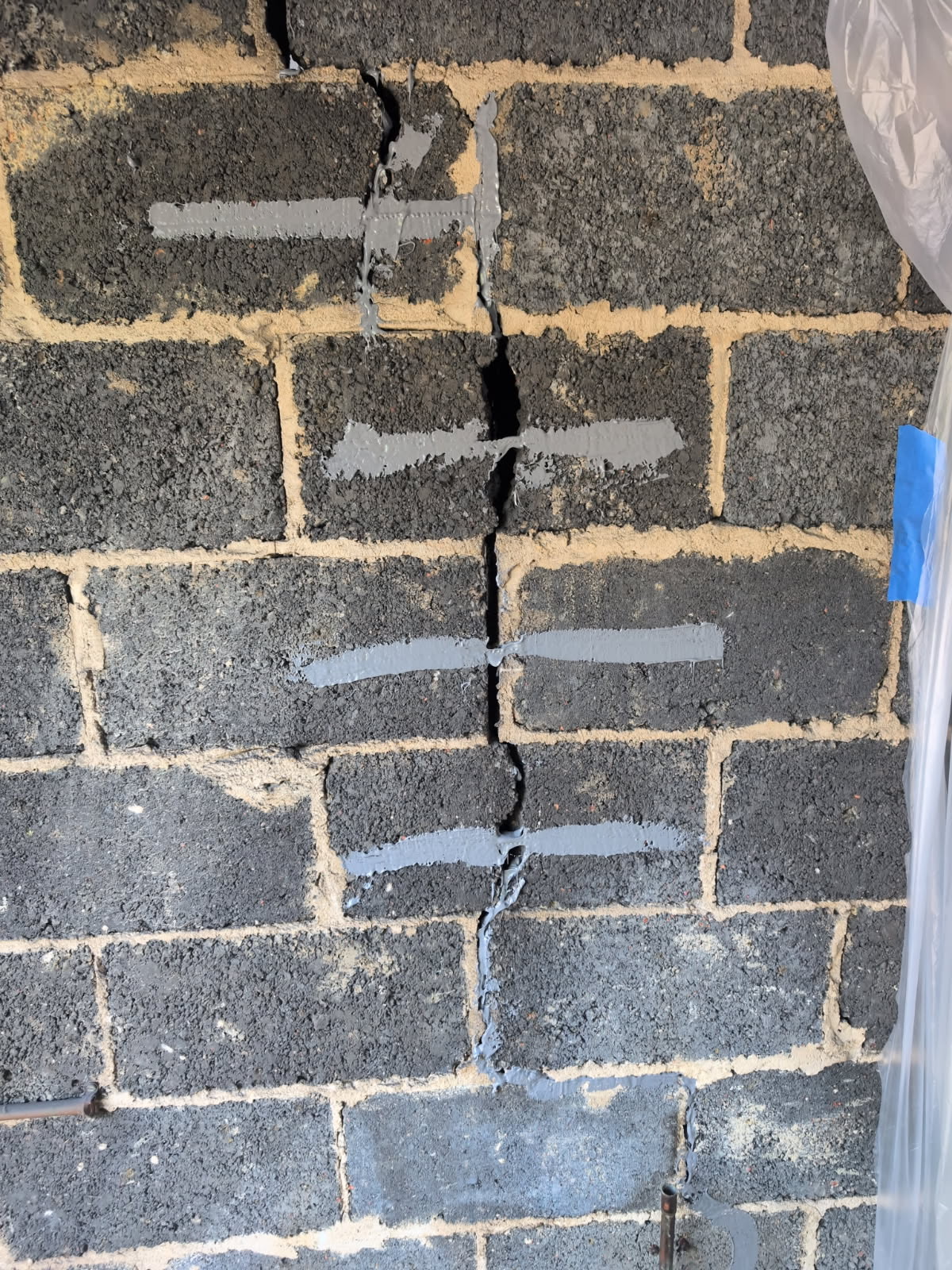
Hairline and water-admitting cracks sealed with the Artery Method, matched to crack type, activity, and moisture conditions.
Slab Stabilization
Settled slab sections stabilized using steel piers driven to load-bearing soil, restoring support and preventing further movement.
Steel Pier Support
Settled sections and undermined areas are supported with steel piers driven to load-bearing soil below the disturbed zone, restoring and holding grade.
Drainage Correction
Many slab problems originate from drainage failures. OBW addresses the drainage cause alongside the slab repair, not as a separate project.
Commercial Scale Experience
Retail, collision centers, and light-industrial floors, OBW has worked on slabs from residential to heavy commercial scale.
The Process
How OBW Approaches
Slab Foundation Repair
The sequence is the same for every slab job, residential or commercial. Cause first. Drainage second. Repair third. Verification last.
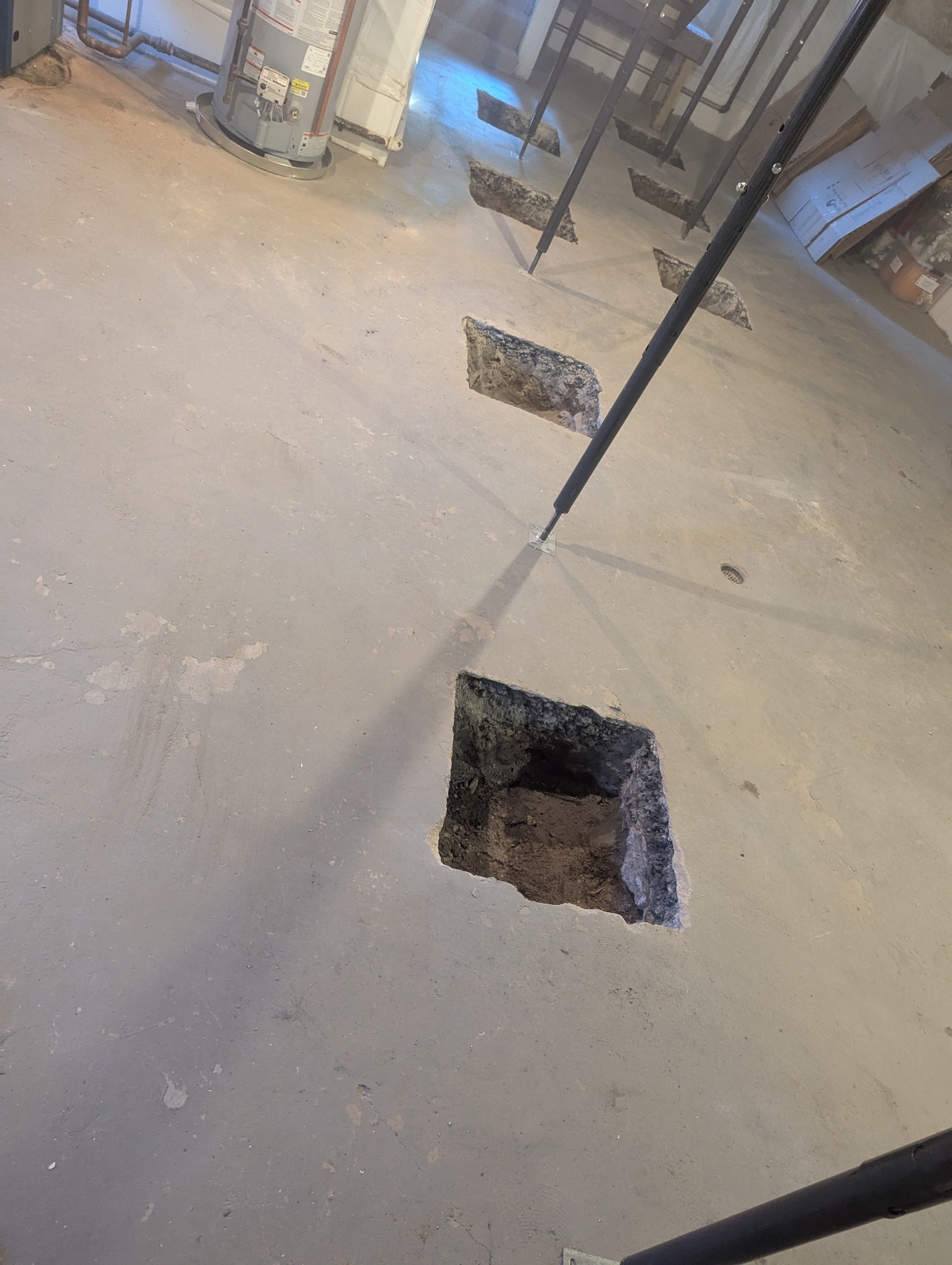
Slab & Soil Assessment
We examine the crack pattern, measure elevation differentials, and assess drainage conditions to determine the cause before specifying repair.
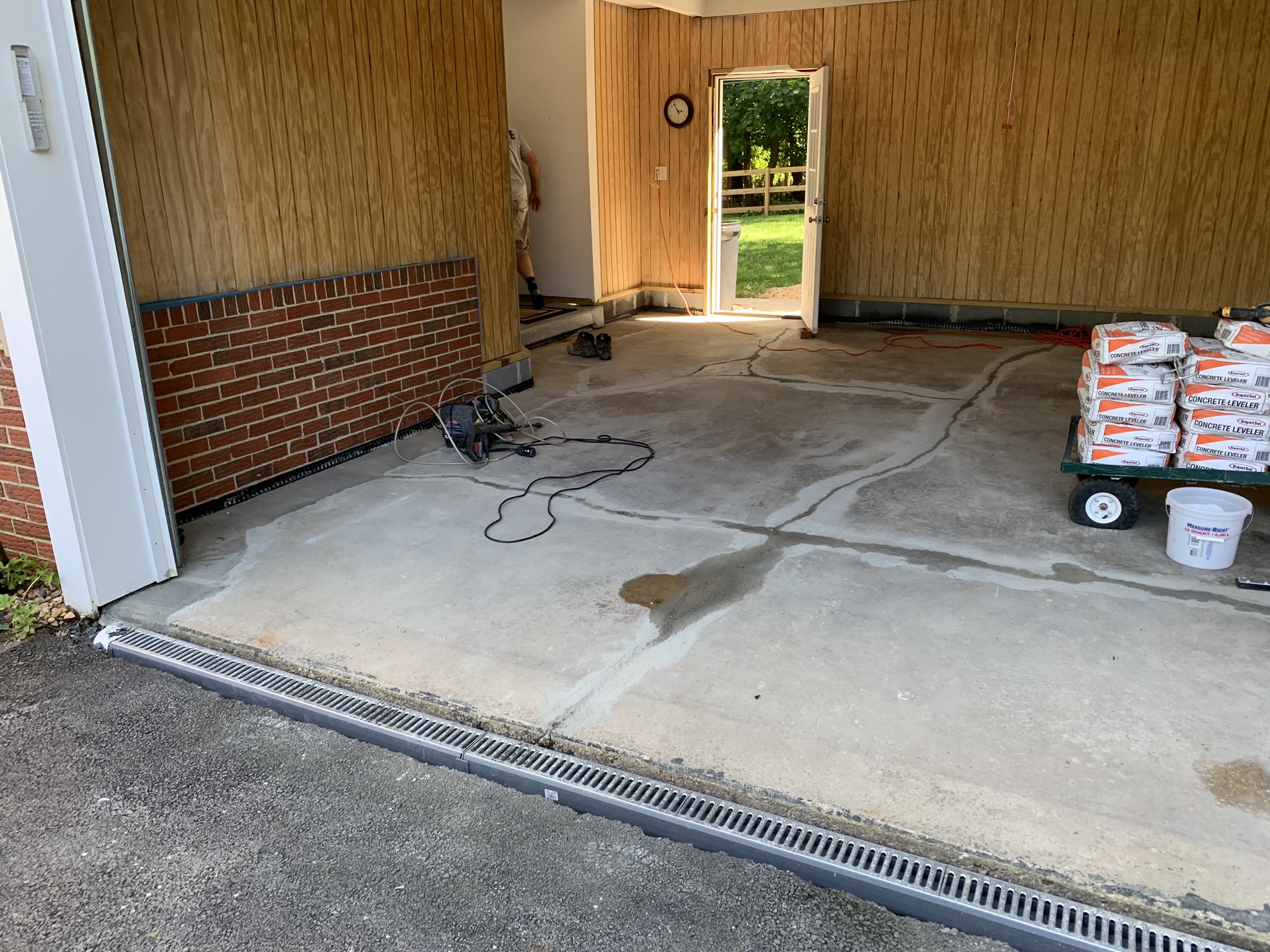
Drainage Correction
If drainage is contributing to the problem, this is addressed first. Slab repairs on top of an unresolved drainage issue will re-open.
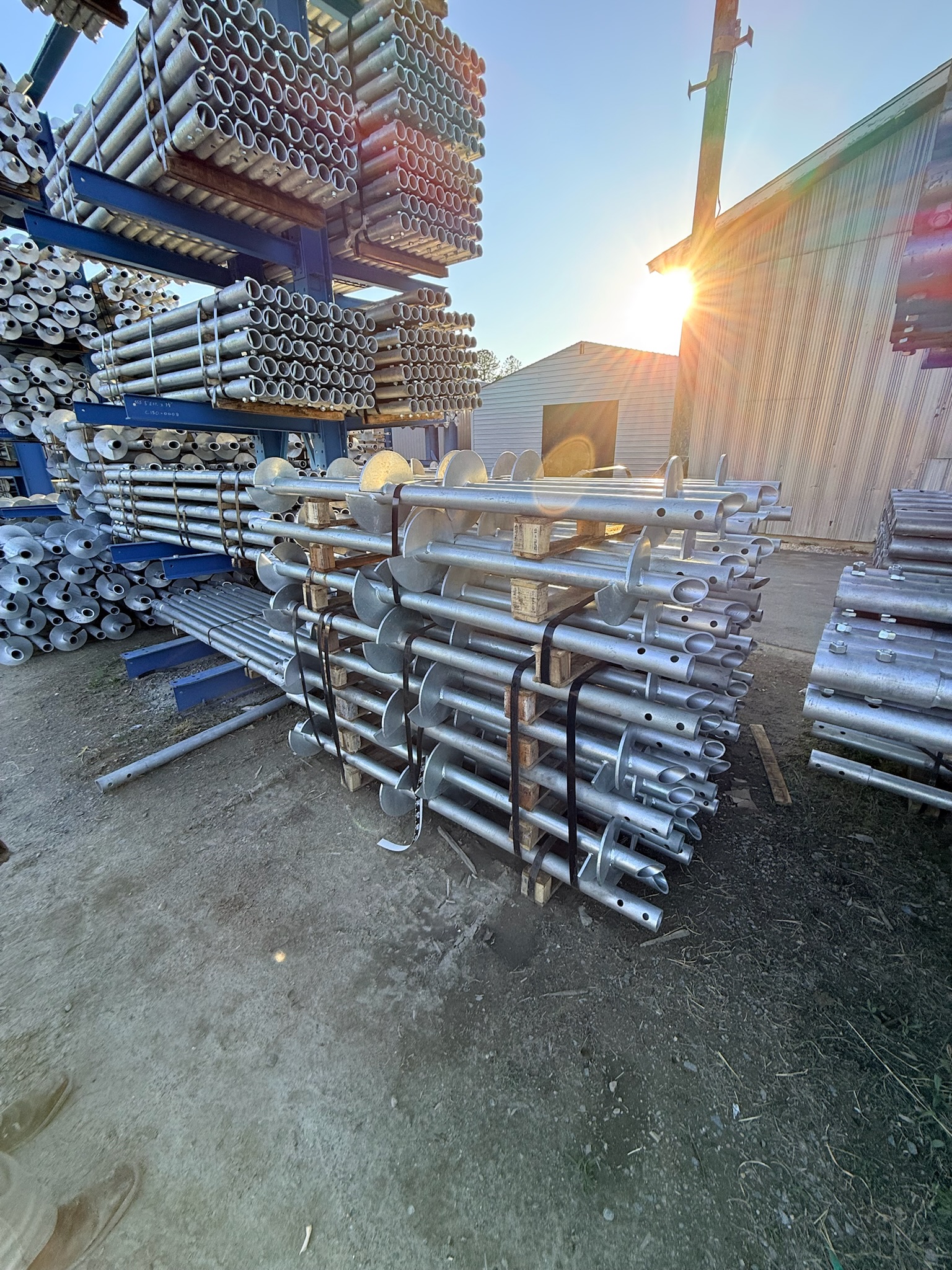
Stabilization or Injection
Settled sections are stabilized using steel piers driven to load-bearing soil. Active cracks are sealed against water infiltration.
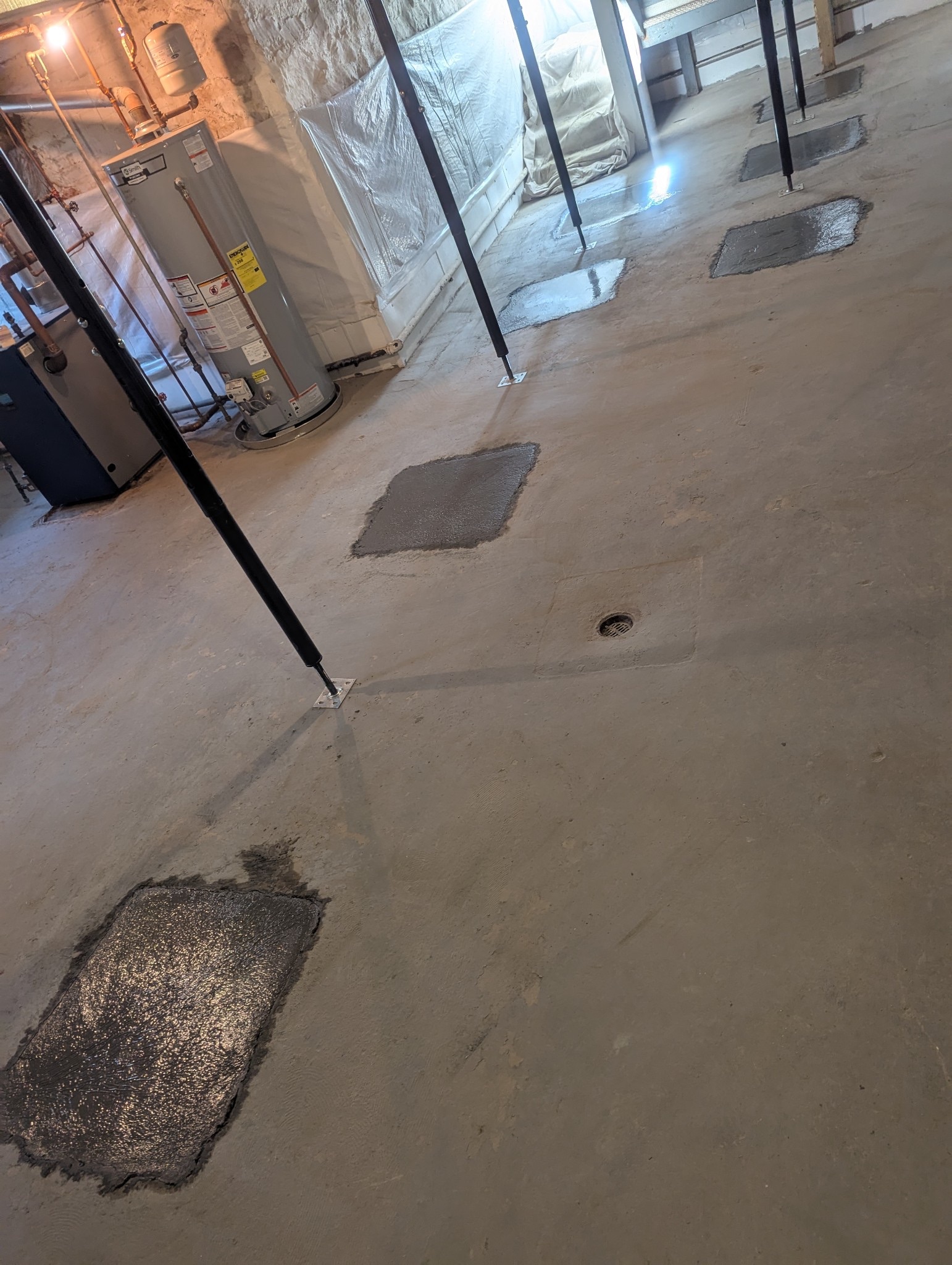
Surface Restoration
Surface cracks are finished and the repair zone is restored to a clean, walkable surface. Commercial work includes minimal business disruption scheduling.
Photos From the Field
Job Site Photos
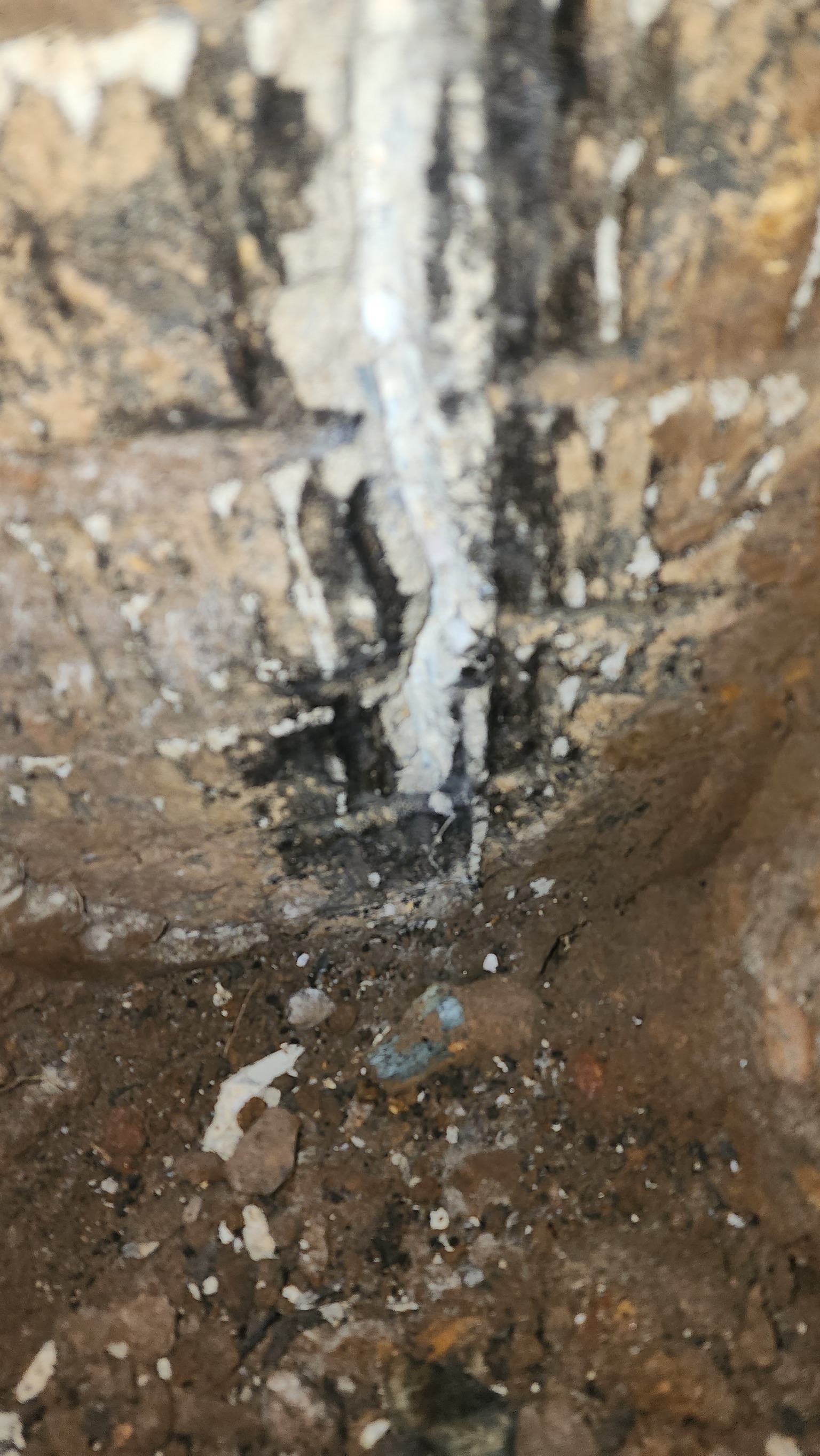
A closer look at the equipment, materials, and job site conditions involved in this kind of work.
Honest Answers
Slab Foundation Questions
from Maryland Property Owners
Call (410) 879-3360 with anything not covered here. Commercial inquiries welcome.
What type of foundation do I have, slab, basement, or crawl space?
In Maryland, most residential homes have either a full basement, a crawl space, or a combination of the two. Slab-on-grade foundations, where the concrete floor is poured directly on the ground with no basement or crawl space below, are less common in residential construction here than in the Southeast or Southwest, but they do appear in ranchers built from the 1950s through the 1980s, some garden-style condos, and many commercial buildings.
You can typically tell you have a slab foundation if your HVAC, water heater, and other mechanicals sit on the floor of a lower level rather than being suspended or hanging, and if there is no basement access or crawl space hatch. In commercial buildings, slab foundations are standard for most retail and light industrial construction. If you are unsure, an OBW inspector can confirm during a free inspection.
Do cracks in a slab foundation always indicate a structural problem?
Not always. Concrete slabs crack as they cure, shrinkage cracks from the drying process are common and generally not structural. They tend to be hairline width, random in pattern, and don't correlate with differential elevation (one side of the crack isn't higher than the other). These cracks may allow minor moisture infiltration but don't compromise the structural integrity of the slab.
Structural cracks are different. They tend to be wider (1/4 inch or more), show displacement between the two sides of the crack (one side has settled relative to the other), follow a pattern consistent with soil movement below the slab, or are associated with other signs of settlement, floor slopes, door and window problems, wall cracks. If your slab crack is accompanied by any of these signs, it warrants a professional assessment.
The distinction matters because the repair approach is different. A shrinkage crack can be sealed against moisture infiltration relatively simply. A slab settlement crack needs the underlying cause addressed, otherwise the repair will re-open as the soil continues to move.
What causes slab settlement and cracking in Maryland?
The same forces that cause residential foundation settlement cause slab problems: expansive Piedmont clay soil that swells and shrinks with moisture content, poor drainage concentrating water near or beneath the slab, tree root infiltration extracting soil moisture and causing shrinkage voids, and in older construction, the compaction of fill material that wasn't thoroughly consolidated at construction.
In commercial settings, additional causes include heavy point loads, racking systems, forklifts, stored product weight, that exceed the design capacity of the slab bearing zone. Vibration from nearby construction or heavy equipment can also loosen soil beneath a slab over time.
One Maryland-specific factor: many older commercial buildings and some residential properties were built on filled ground, ravines, old creek beds, or disturbed lots. Fill material compacts differently than native soil and is more prone to long-term settlement beneath slabs.
Does OBW work on residential slab foundations, or just commercial?
Both. OBW's commercial slab experience, retail locations, collision centers, and light-industrial facilities, involves thicker slabs, heavier loads, and larger areas, but the diagnostic and repair methods are the same as for residential work.
Residential slab repair in Maryland typically involves smaller crack networks, more limited settlement area, and less complex drainage situations. The scale is smaller but the approach is the same: diagnose the cause, address the drainage or soil issue, then seal or stabilize the slab. We don't decline residential slab work because commercial work is more profitable, we do both.
What is the repair process for a settled or cracked slab?
Slab repair starts with diagnosis, we need to understand what caused the crack or settlement before recommending a repair method. If drainage is the cause, correcting the drainage situation comes before or alongside the slab repair; otherwise the problem recurs.
For cracks that are structurally stable but leaking water, sealing the crack stops the moisture infiltration. Oriole's own crack repair is the Artery Method; a foam lift is work for a concrete lifting specialist rather than Oriole. For settled sections, where part of the slab has dropped relative to adjacent sections, stabilization with steel piers driven to load-bearing soil may be appropriate. Where underlying voids have formed, the settled section is supported on steel piers to restore and hold grade.
On larger commercial jobs, the same diagnostic and repair sequence applies at larger scale. We have worked on multi-bay commercial buildings where portions of the slab needed stabilization and drainage correction while the business remained partially operational, minimizing business disruption is part of commercial slab work.
Why OBW
Why Maryland Property Owners
Choose Oriole for Slab Work
Commercial slab work requires documentation, scheduling flexibility, and diagnostic accuracy. OBW delivers all three.
Diagnose Before Repairing
Slab repairs that don't address the underlying cause will re-open. OBW identifies the cause first, drainage, soil, or load, before specifying the repair.
Commercial Track Record
Retail, collision centers, and light-industrial facilities, OBW has completed slab work at commercial scale with property-management documentation.
No Subcontracting
OBW's own crew completes every job, English-speaking, direct employees. No subcontractors on structural slab work.
Family-Owned Since 1953
Seventy years of Maryland foundations. Amber Pirog leads the same family company Frank Pirog Sr. built, same standard of work.
Residential or Commercial. Same Quality.
Getting Started with
OBW Slab Repair
Commercial property managers: we provide written documentation suitable for property management records and can schedule around business hours.
Free Slab Inspection
OBW inspects the slab, identifies crack types, assesses drainage conditions, and documents findings. Free for residential and commercial properties in our Maryland service area.
Written Repair Plan
You receive a written, itemized repair plan specifying method, scope, and cost before any work begins. Commercial jobs include scheduling options to minimize operational disruption.
Repair & Documentation
OBW completes the repair, restores the surface, and provides written completion documentation. Commercial clients receive property-management-suitable records.
Slab Problem? Let's Diagnose It First.
Free inspection. Written plan. Residential and commercial. No subcontracting.
Family-owned since 1953 · MHIC #4247 · Written Workmanship Guarantee