
The Whole House Moves as One
Sinking
Foundation
in Maryland
Not every settling foundation cracks dramatically or drops unevenly at one corner. Sometimes the whole house has just moved down as a unit.
That's a sinking foundation, and it needs a different read than a foundation settling on a lean. Because the structure moves down together rather than racking or twisting, it can go unnoticed for years. OBW checks the exterior grade relationship, not just interior cracks, to catch it.

Uniform Sinking vs. Settling on a Lean
How Sinking Is Different from
Differential Settlement
Foundation settlement is usually discussed as a differential problem, one corner or section dropping more than another, which is what produces the diagonal cracks and sloping floors most homeowners recognize. A sinking foundation is the other pattern: the whole foundation, or a large uniform section of it, descends together at roughly the same rate.
Because the structure above moves down as a coordinated unit rather than racking or twisting, a sinking foundation can go unnoticed for years. There's often no dramatic cracking, no door that suddenly won't close, just a house that's quietly settled lower than it used to sit.
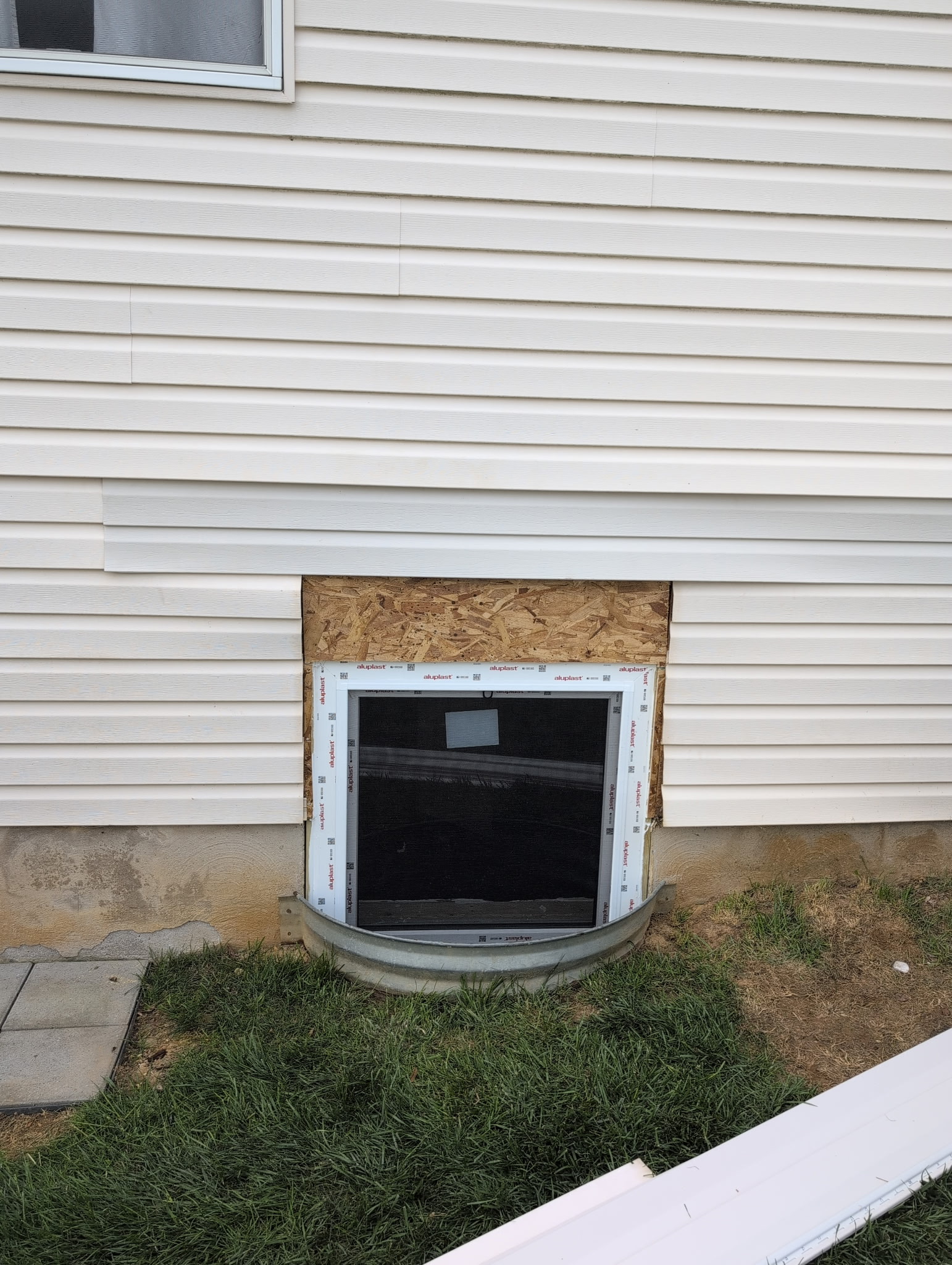
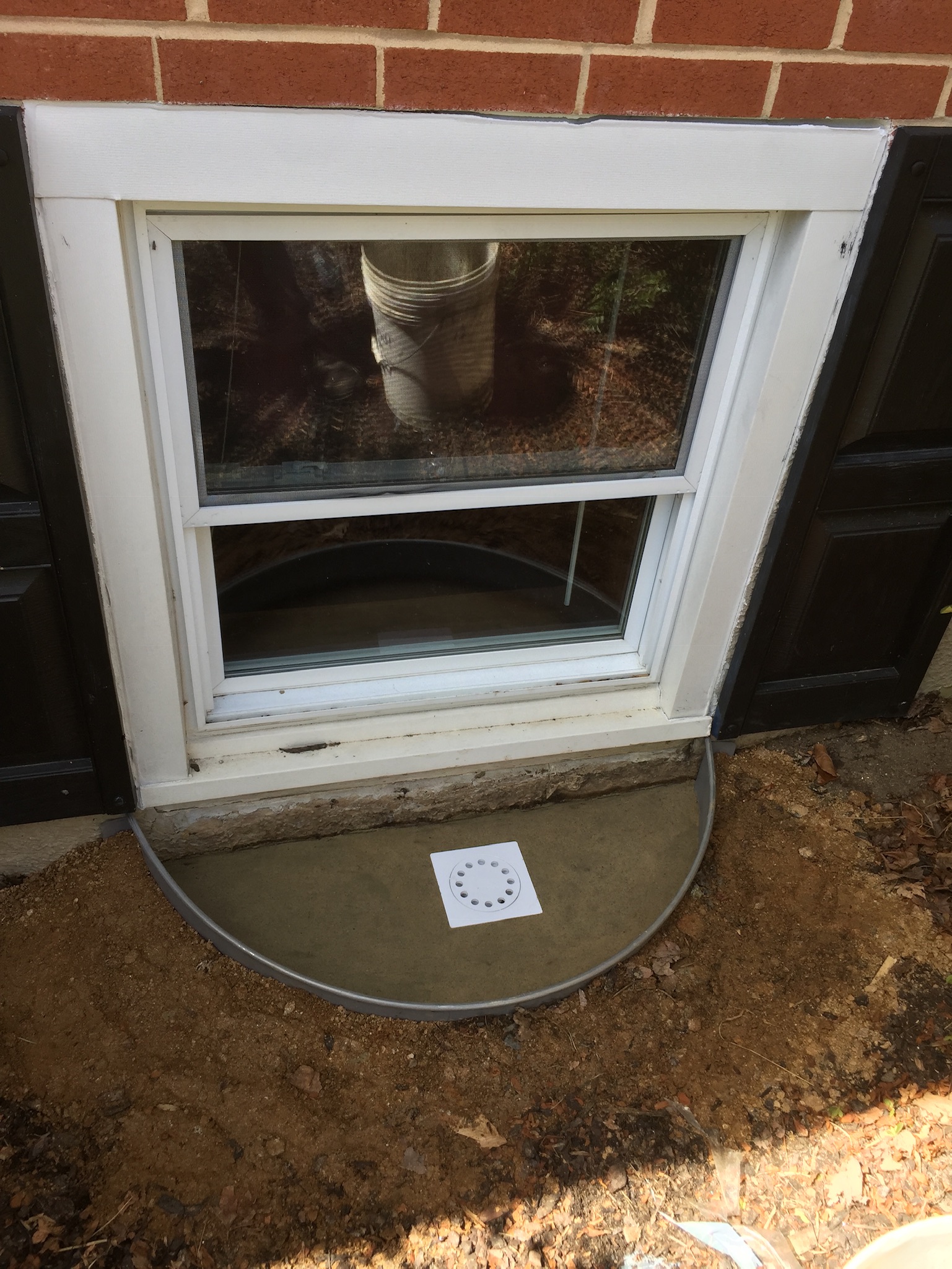
Window well depth and grade relationship, exterior evidence of sinking that interior cracks alone can miss
Signs Without Cracking
Warning Signs Your Foundation
Has Sunk Uniformly
Uniform sinking shows up in the relationship between the house and the ground around it rather than in cracks inside the house.
- Exterior grade that appears to have crept up the foundation wall over the years
- Less painted or parged foundation visible above the soil line than there used to be
- Exterior steps or a porch slab that has separated from the house because it didn't sink with it
- Window wells that have become noticeably shallower than when they were installed
- A general sense that the house sits lower relative to the yard than old photos show
What's Included
OBW's Sinking Foundation
Diagnosis & Repair
Because uniform sinking often shows no interior cracking, we check the exterior relationship the house has with the ground around it.
Exterior Grade Relationship Check
We compare current grade against the foundation wall to see how much has crept up over the years.
Window Well & Step Separation Check
Window well depth and any separation at exterior steps or porches, both signs a foundation didn't move with what's attached to it.
Elevation-for-Age Comparison
Current elevation is compared against what's typical for the home's age and construction to confirm whether uniform sinking occurred.
Fill Soil & Drainage Assessment
We check for uncompacted fill or broad drainage issues affecting the soil under the entire footprint, the two most common causes.
Foundation Leveling, Whole-Foundation Scope
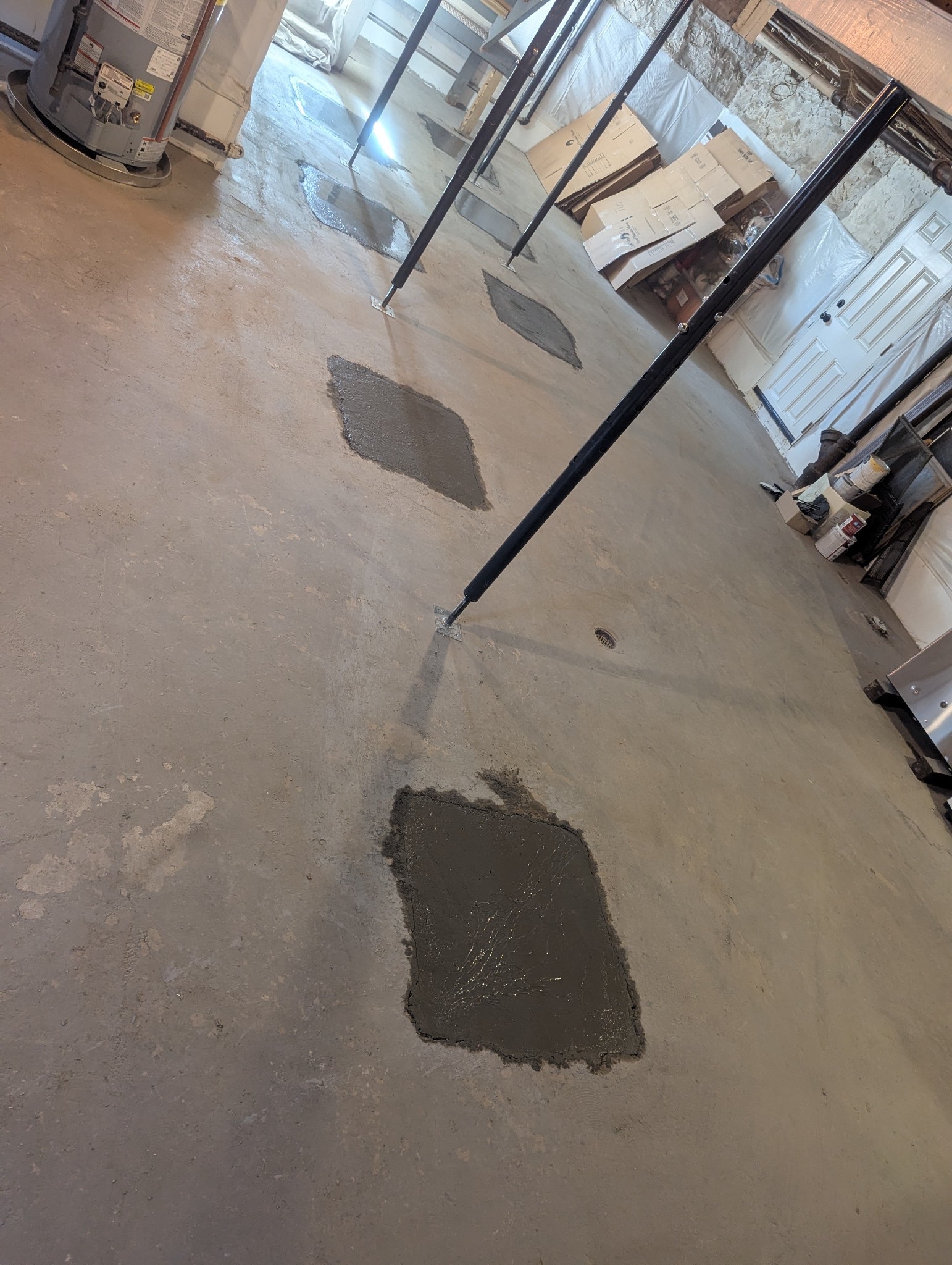
Piers driven to competent bearing soil, laid out and scoped differently than a settled corner would require.
Written Workmanship Guarantee
Structural repair work is backed by a written workmanship guarantee. Ask your inspector for the terms that apply to your job.
The Process
How OBW Diagnoses a
Uniformly Sinking Foundation
Check the exterior grade relationship. Compare elevation against the home's age. Identify the cause before scoping a repair.
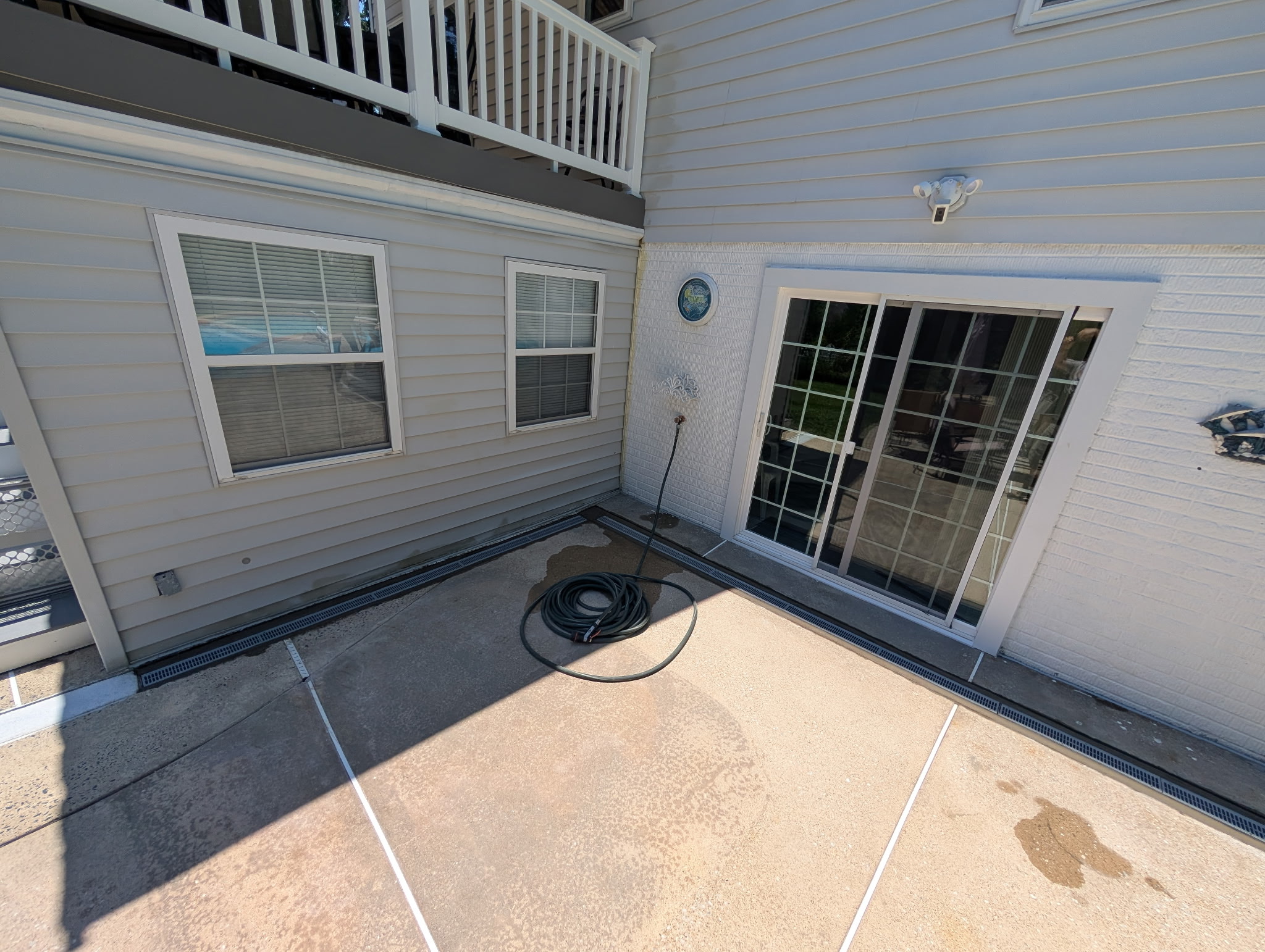
Exterior Grade & Window Well Check
OBW checks exterior grade against the foundation wall and window well depth, the clearest exterior signs of uniform sinking.
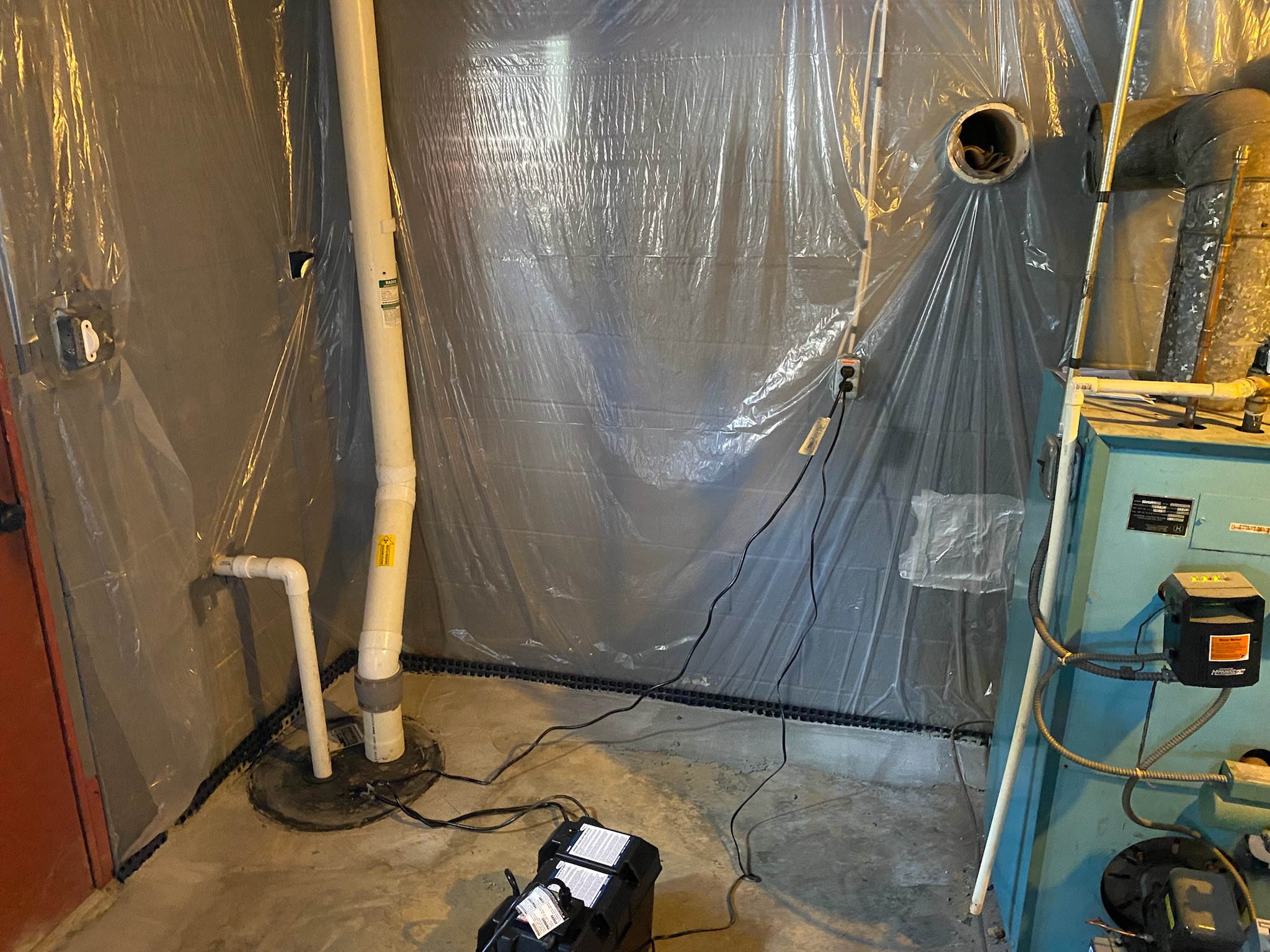
Elevation-for-Age Comparison
Current foundation elevation is compared against what's typical for the home's age and construction to confirm the pattern.
Cause Identification
Fill soil compaction and broad drainage conditions across the footprint are assessed to identify the specific cause.
Whole-Foundation Leveling Plan
A written quote specifying pier layout scoped to uniform sinking, distinct from a differential settlement repair.
Photos From the Field
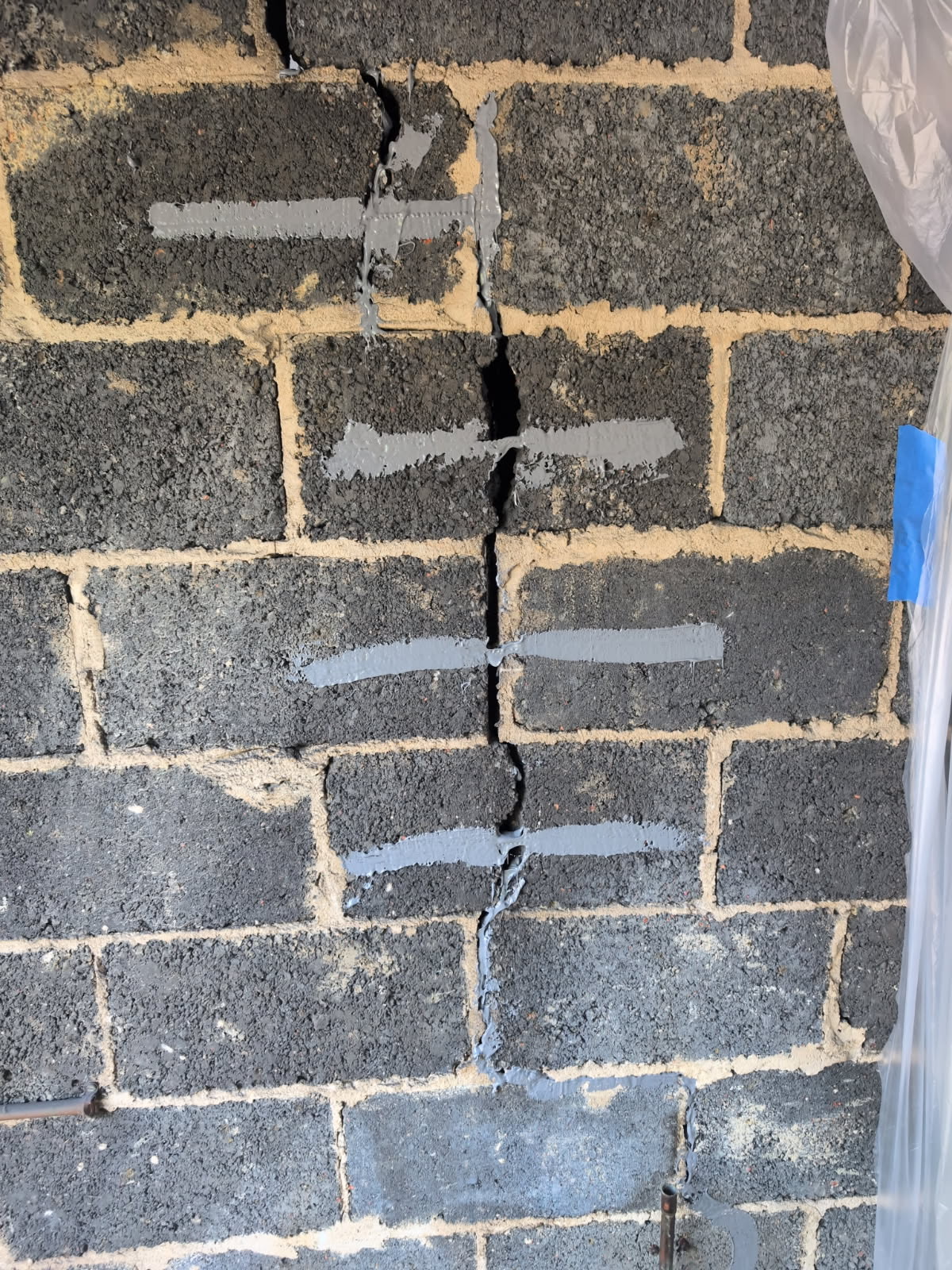
Job Site Photos
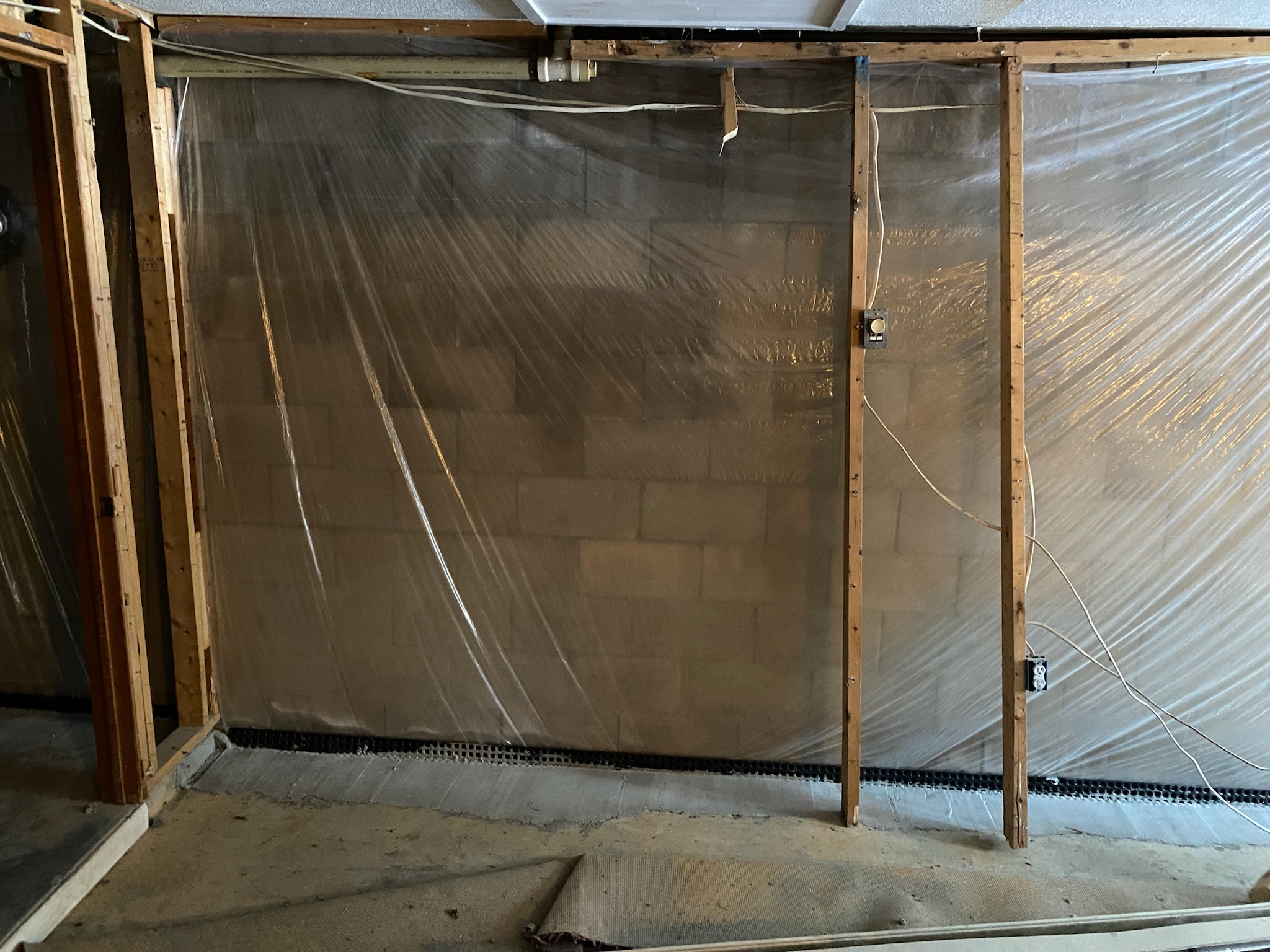
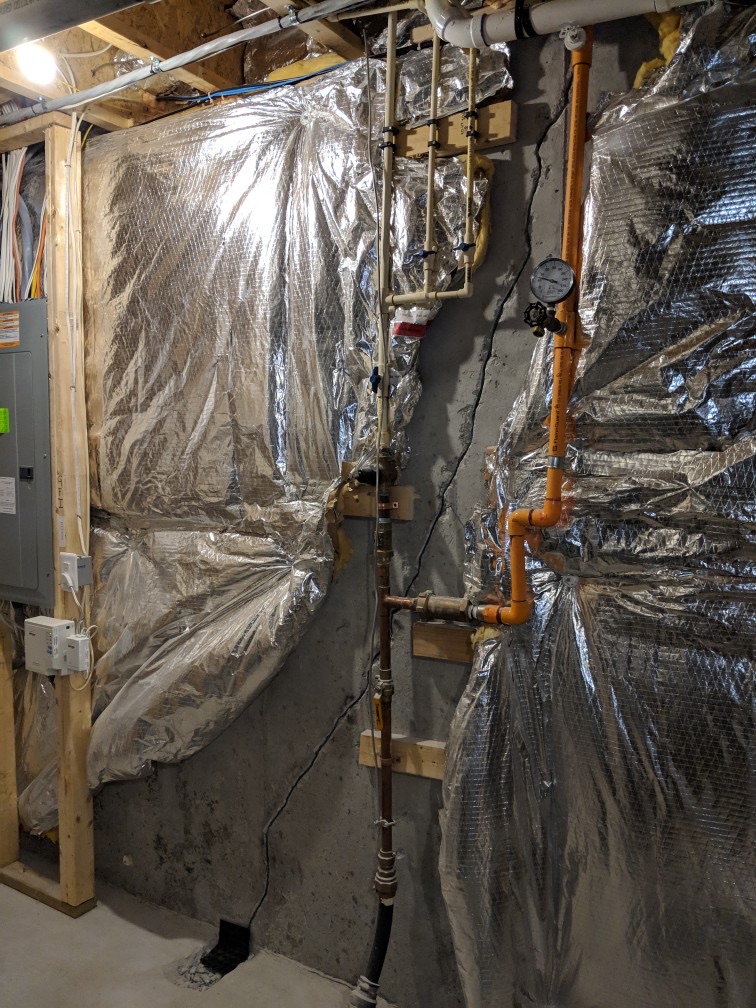
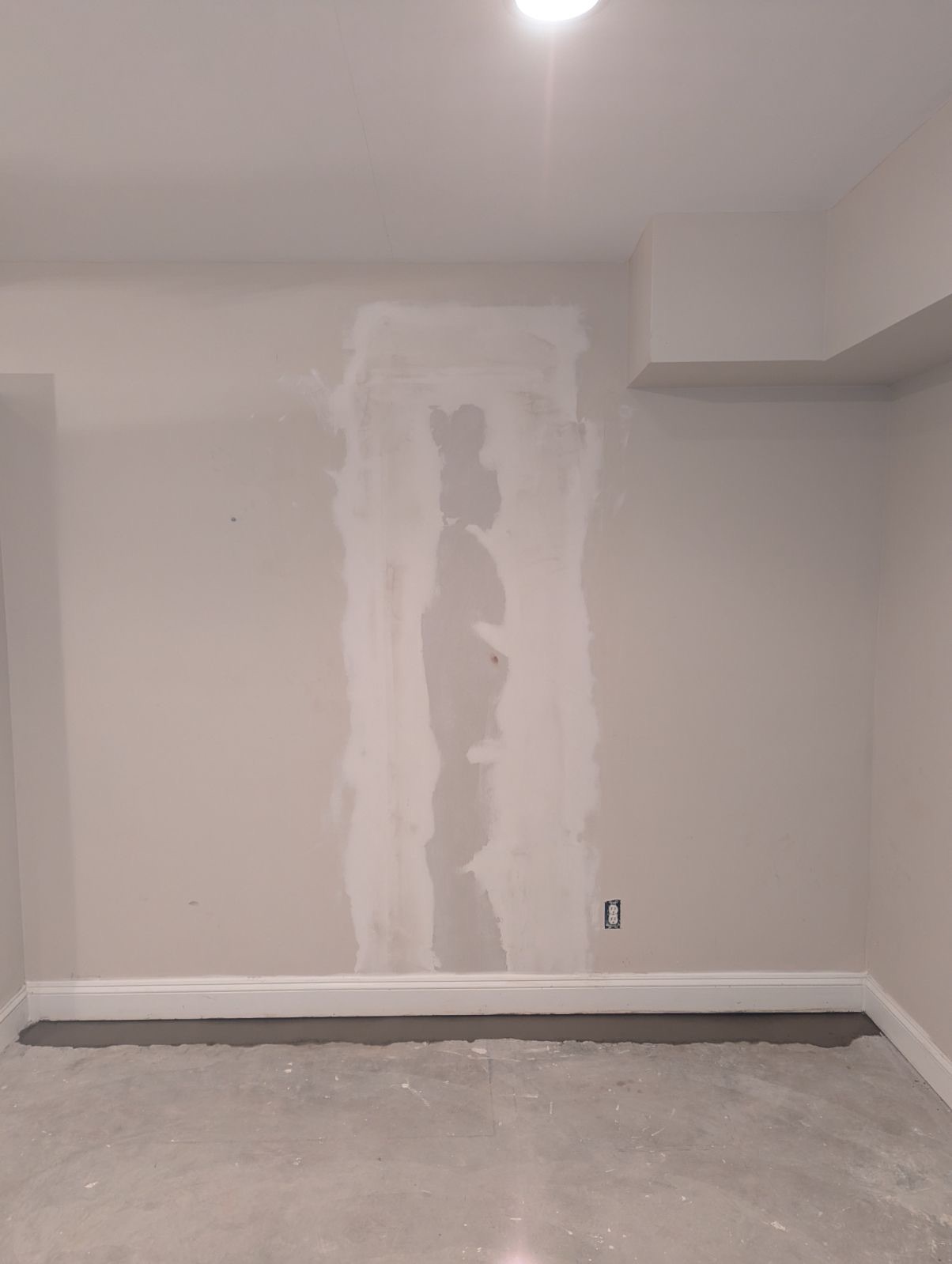
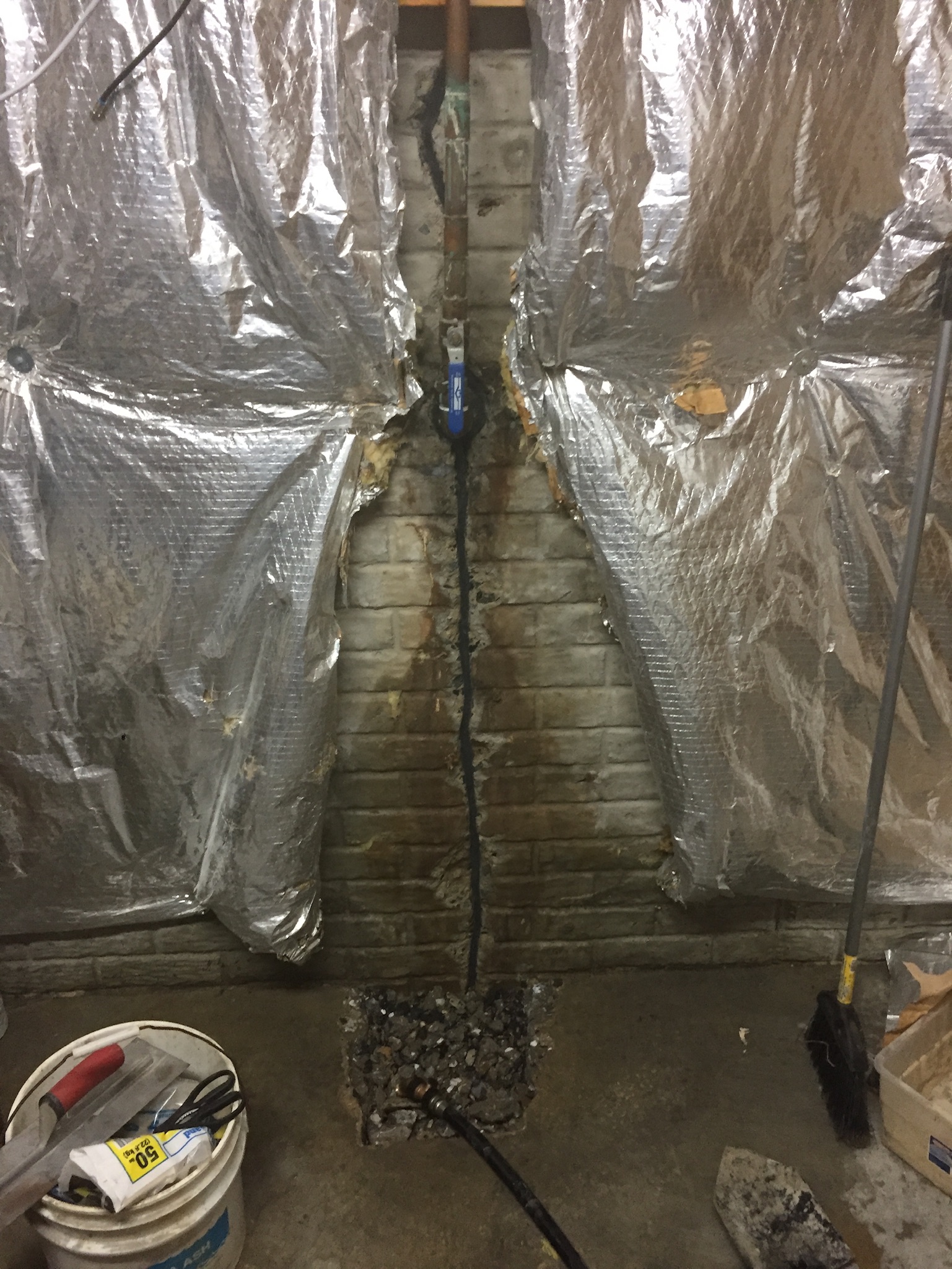
A closer look at the equipment, materials, and job site conditions involved in this kind of work.
Straight Answers
Sinking Foundation Questions
from Maryland Homeowners
Call (410) 879-3360 if your home seems to sit lower than it used to. Our inspectors check the exterior grade relationship, not just interior cracks.
Isn't foundation settlement always uneven, with one corner dropping more than the rest?
Not always. Foundation settlement is usually discussed as a differential problem, one corner or section dropping more than another, which is what produces the diagonal cracks and sloping floors most homeowners recognize. A sinking foundation is the other pattern: the whole foundation, or a large uniform section of it, descends together at roughly the same rate.
Because the structure above moves down as a coordinated unit rather than racking or twisting, a sinking foundation can go unnoticed for years. There's often no dramatic cracking, no door that suddenly won't close, just a house that's quietly settled lower than it used to sit.
If there's no cracking, how would I even know my foundation has sunk?
Uniform sinking shows up in the relationship between the house and the ground around it rather than in cracks inside the house. Look for exterior grade that appears to have crept up the foundation wall over the years, less painted or parged foundation visible above the soil line than there used to be, exterior steps or a porch slab that has separated from the house because it didn't sink with it, or window wells that have become noticeably shallower.
What actually causes a foundation to sink evenly like this?
Uniform sinking is most common on homes built on fill soil that was never fully compacted before construction, or on fill that has continued consolidating for decades under the house's weight. It can also happen where broad, widespread drainage issues affect the soil under the entire footprint rather than just one section, unlike differential settlement, which usually traces to a localized soil problem at one area.
How does OBW confirm sinking versus normal settling that happened once, decades ago?
A free OBW foundation inspection compares your foundation's current elevation against what's typical for the home's age and construction to confirm whether uniform sinking has occurred and how much. We also check the exterior grade relationship, the window well depth, and any separated steps or porches, since those give a clearer read on gradual, whole-foundation movement than interior symptoms do.
Is the repair for a sinking foundation the same as for a settled corner?
The method is related but the scope is different. Once OBW confirms the pattern and the cause, foundation leveling addresses it the same way differential settlement is addressed, piers driven or screwed to competent bearing soil, though a uniform sink across the whole foundation is treated differently in scope and pier layout than a settled corner. Backed by a written workmanship guarantee, terms vary by service, ask your inspector.
Why Oriole
Why Maryland Homeowners Trust
OBW with Sinking Foundations
We Catch What Doesn't Crack
Uniform sinking rarely shows up as dramatic cracking. OBW checks the exterior grade relationship, not just interior symptoms.
Maryland Fill Soil Experience
Homes on uncompacted fill or areas with broad drainage issues are common across Maryland's development history. OBW has diagnosed uniform sinking across every county we serve.
No Subcontracting
OBW's own crew handles diagnosis and structural repair, in house, start to finish.
Family-Owned Since 1953
Founded by Frank Pirog Sr. in 1953. Amber Pirog leads the company today. Written workmanship guarantee on every repair.
Reviews
What Our Maryland Neighbors Say
Unnoticed Doesn't Mean Unaffected.
Getting Started on Your
Sinking Foundation Assessment
Fill soil keeps consolidating and drainage issues keep softening the ground until the cause is actually addressed.
Free Inspection
OBW checks the exterior grade relationship and compares elevation against what's typical for your home's age. Free, no obligation.
Written Diagnosis & Quote
You receive a written quote specifying the whole-foundation pier layout and scope, before any work is scheduled.
Piering & Verification
OBW's crew installs piers to competent bearing soil and confirms the foundation has stabilized. Written workmanship guarantee issued upon completion.
Does Your Home Sit Lower Than It Used To?
Free inspection. We check the exterior grade relationship, not just interior cracks.
Family-owned since 1953 · MHIC #4247 · Written Workmanship Guarantee