
The Air Your Crawl Space Sends Upstairs
Allergen Exposure
from Your
Crawl Space
Sneezing, watery eyes, and respiratory irritation that seem worse at home than outside can trace back to air your crawl space is sending upstairs.
The stack effect continuously pulls crawl space air into your living areas. If that air is carrying mold spores from damp joists or organic debris, or humidity that feeds dust mites throughout the house, it's an ongoing allergen source, not an occasional one. OBW identifies what's actually present and seals the pathway.

Air You're Breathing, Not Just Air Down There
How Your Crawl Space
Reaches Your Lungs
Mold spores generated by colonies on damp floor joists, subfloor panels, and organic debris in the crawl space are small enough to stay airborne for long periods and travel freely on the stack effect, the continuous upward air movement driven by temperature differentials between the lowest and highest points of your home. Homes with moisture-affected crawl spaces typically see meaningfully higher mold spore concentrations indoors than homes with dry, sealed crawl spaces, especially during Maryland's warm months when mold activity peaks.
Dust mites, a separate but major indoor allergen, thrive once relative humidity climbs above 50%. A crawl space that's raising indoor humidity into that range creates dust mite exposure throughout the living areas, independent of any airborne mold. For household members with asthma, allergic rhinitis, or compromised immune systems, particularly children and elderly residents, this ongoing allergen load can be significant.
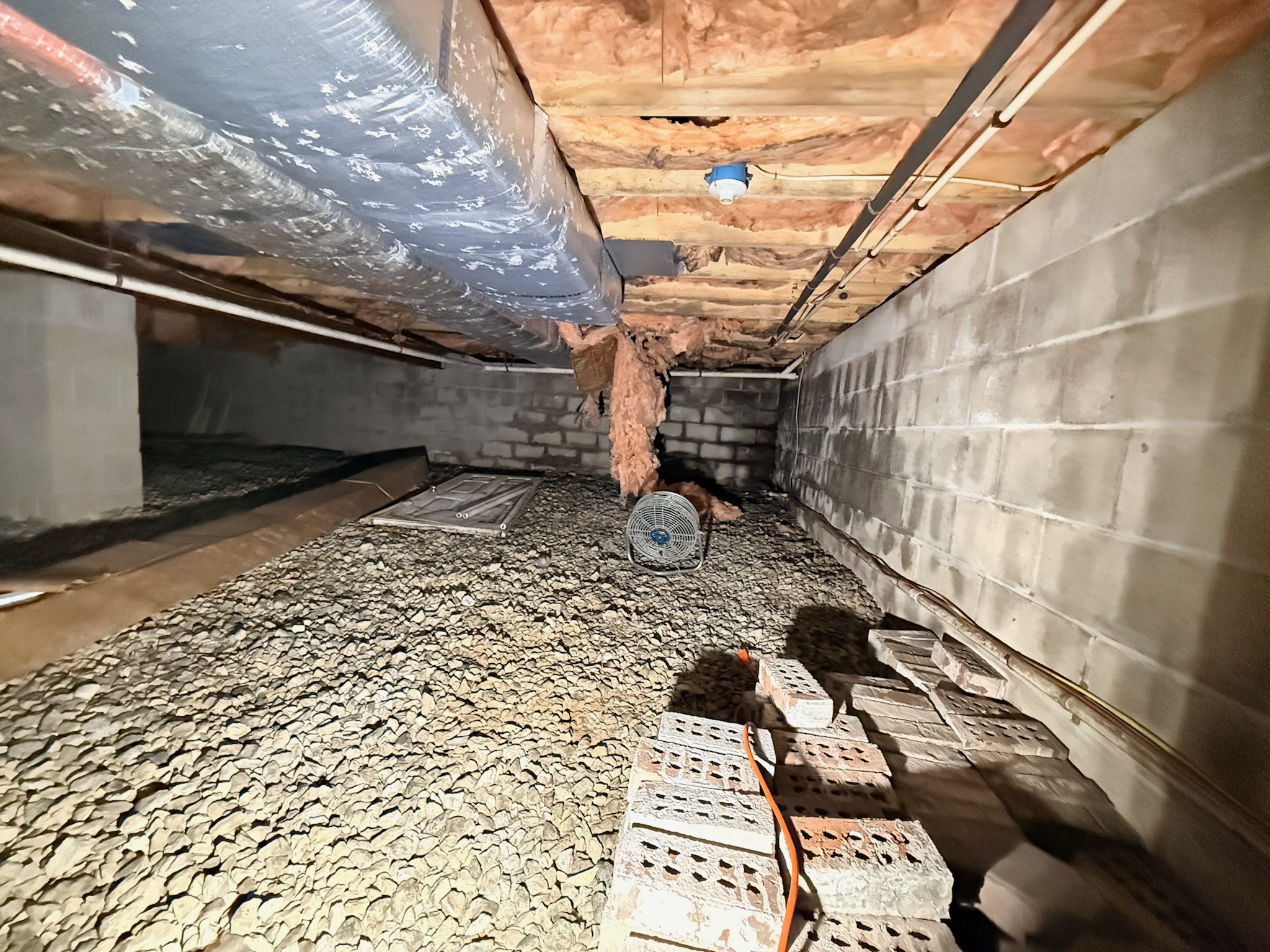
Crawl space vents and floor framing, the entry points for the allergen-carrying air moving into living areas above
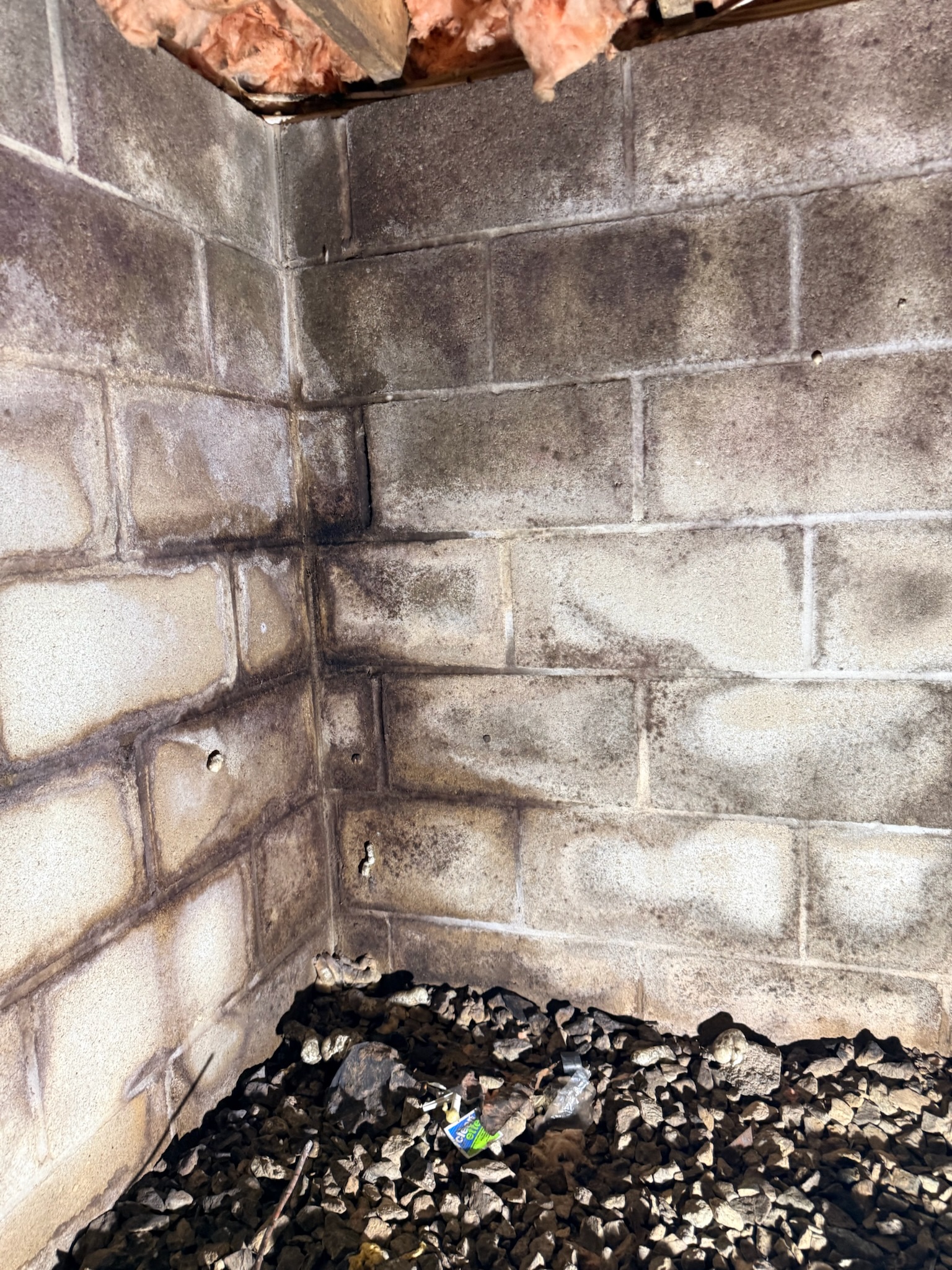
Signs Worth Checking
Warning Signs Your Crawl Space
Is Behind Your Symptoms
Not every allergy flare up traces back to the crawl space, but a home with a moisture-affected or unsealed crawl space is worth checking first when symptoms are worse indoors than the outdoor pollen count would explain.
- Indoor allergy symptoms that feel worse than the outdoor pollen count would explain
- Musty odor detectable near floor registers, ductwork, or the crawl space access
- A household member with asthma or allergic rhinitis reporting more frequent flare ups
- Visible mold or heavy dust on floor joists or subfloor when the crawl space is checked
- Symptoms that noticeably ease when spending extended time away from the home
What's Included
OBW's Crawl Space Allergen
Source Response
Because mold and dust mites both depend on crawl space moisture, sealing that moisture out addresses the source, not just the symptoms.
Stack Effect & Air Pathway Assessment
We confirm how air is actually moving from your crawl space into living areas before recommending a fix.
Mold & Moisture Source Identification
Visible mold, damp organic debris, and humidity levels are documented as the specific allergen sources present.
Vapor Barrier Installation
A heavy-duty liner seals ground moisture evaporation, removing the humidity mold and dust mites both depend on.
Vent & Air Sealing
Foundation vents are sealed to stop humid, allergen-carrying outdoor air from entering the crawl space.
Dehumidification for Humidity Control
A properly sized dehumidifier maintains relative humidity below the threshold mold and dust mites both need.
Written Workmanship Guarantee
Encapsulation work is backed by a written workmanship guarantee. Ask your inspector for the terms that apply to your job.
The Process
How OBW Assesses and Seals
Your Crawl Space's Allergen Source
Identify what's actually present. Seal the moisture source. Verify the humidity that fed it is gone.
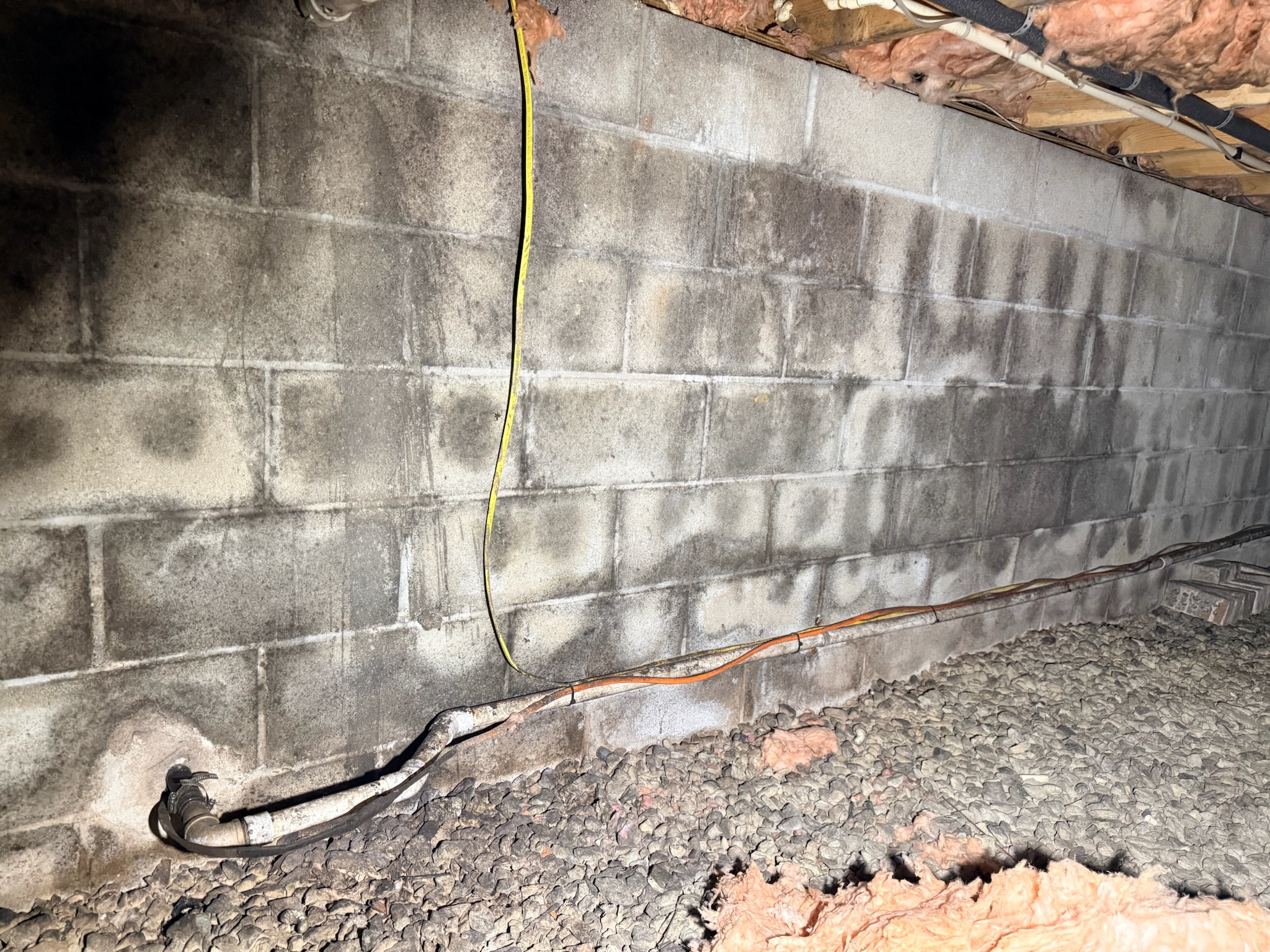
Inspection & Air Pathway Diagnosis
OBW checks how your crawl space air is reaching living areas and whether mold, moisture, or both are present, before recommending anything.
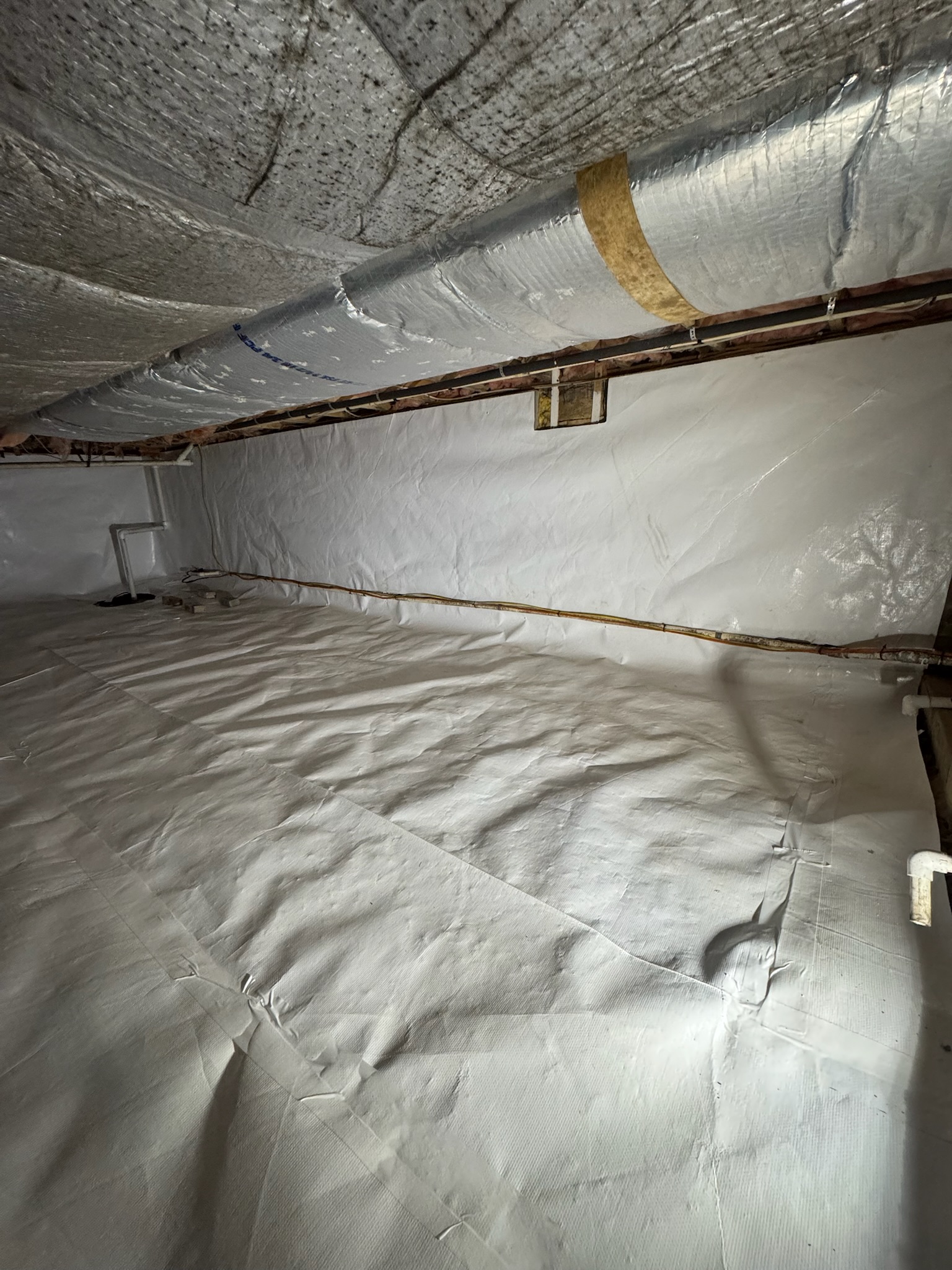
Mold & Moisture Source Identification
Affected joists, subfloor sections, and debris are documented, along with current humidity levels feeding dust mite conditions.
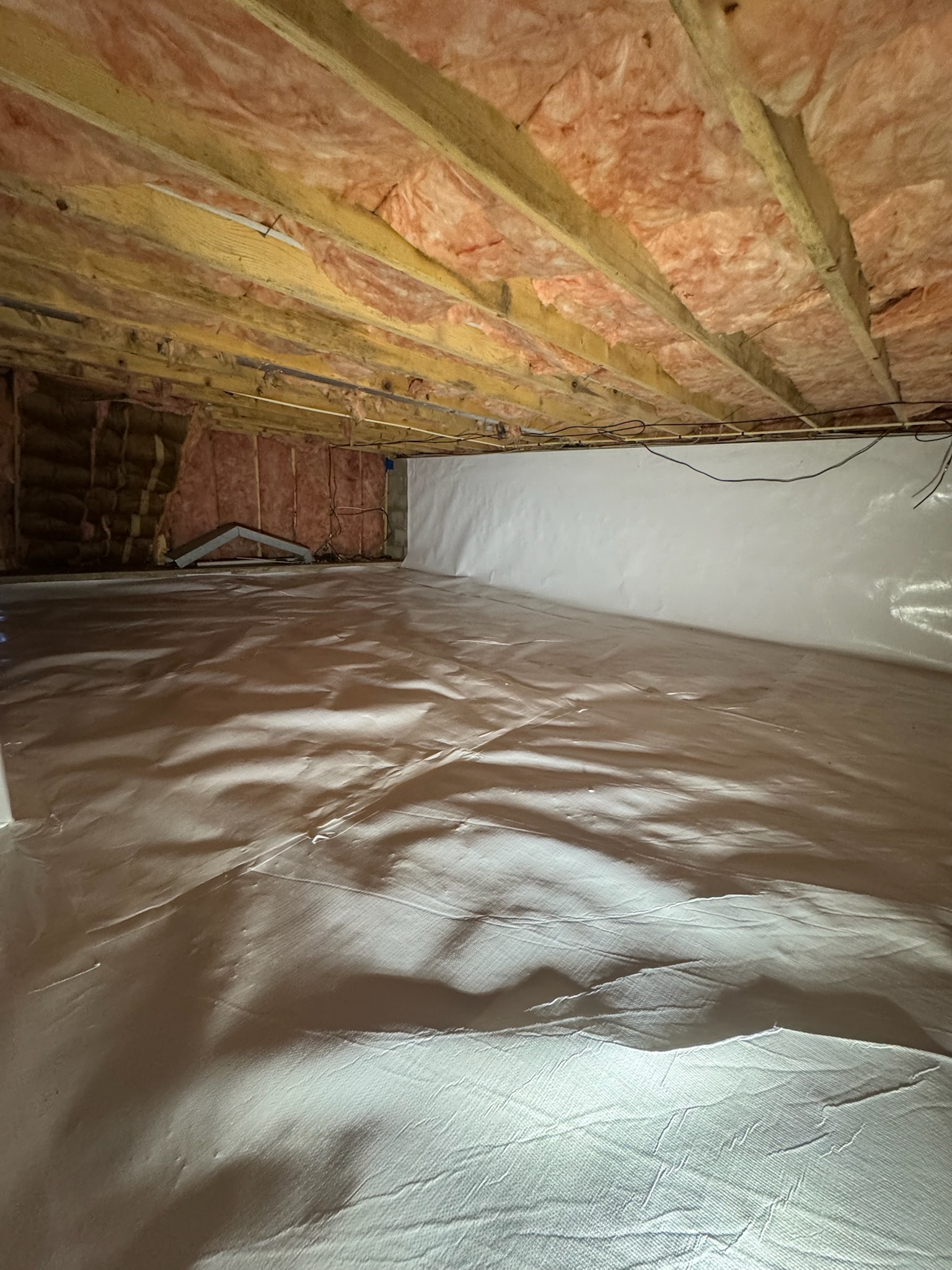
Encapsulation Installation
Vapor barrier, sealed vents, and a properly sized dehumidifier are installed to remove the moisture source at once.
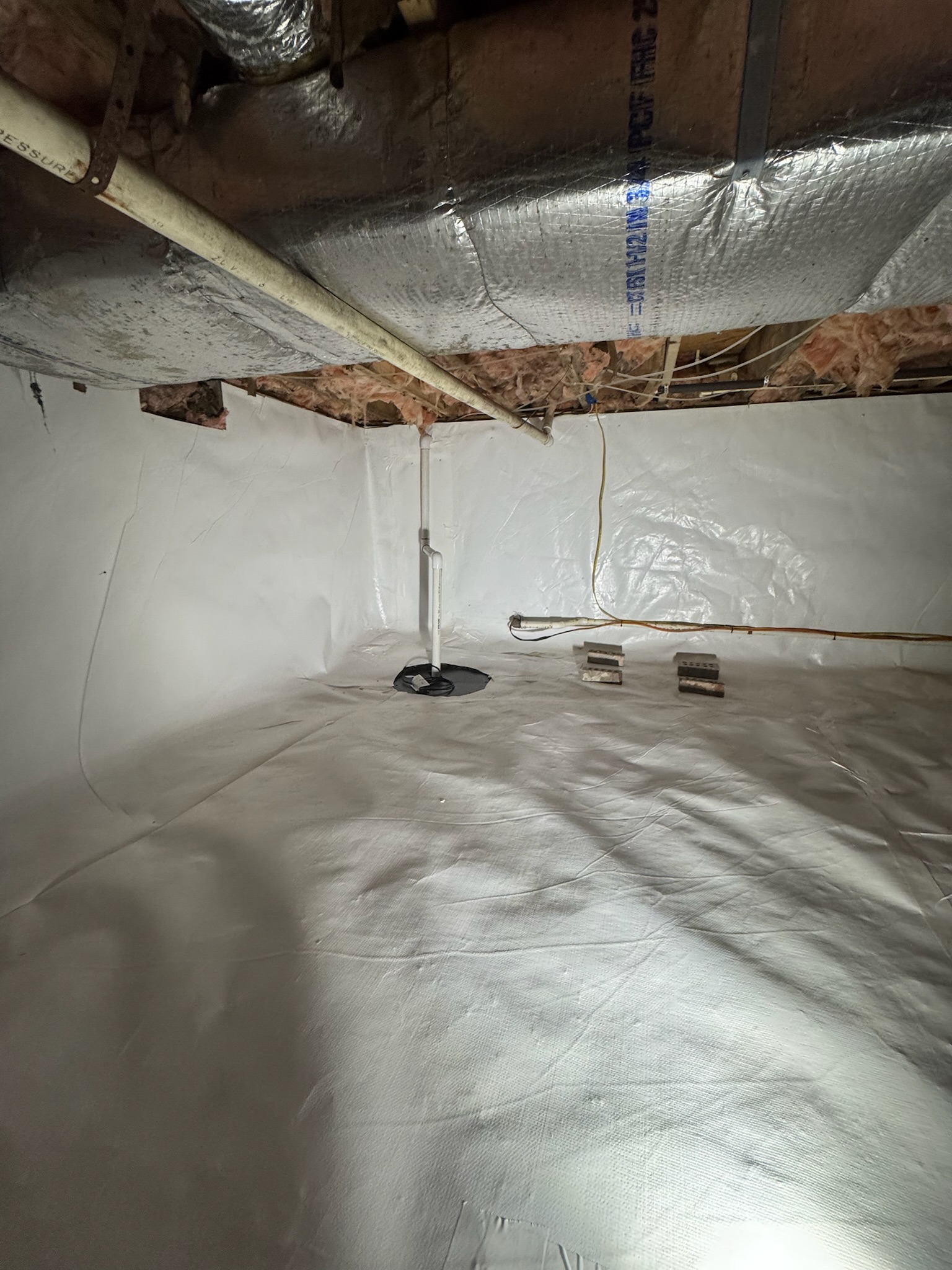
Humidity Verification & Documentation
Post-installation humidity is measured and documented to confirm the crawl space is no longer feeding mold or dust mite conditions.
Photos From the Field
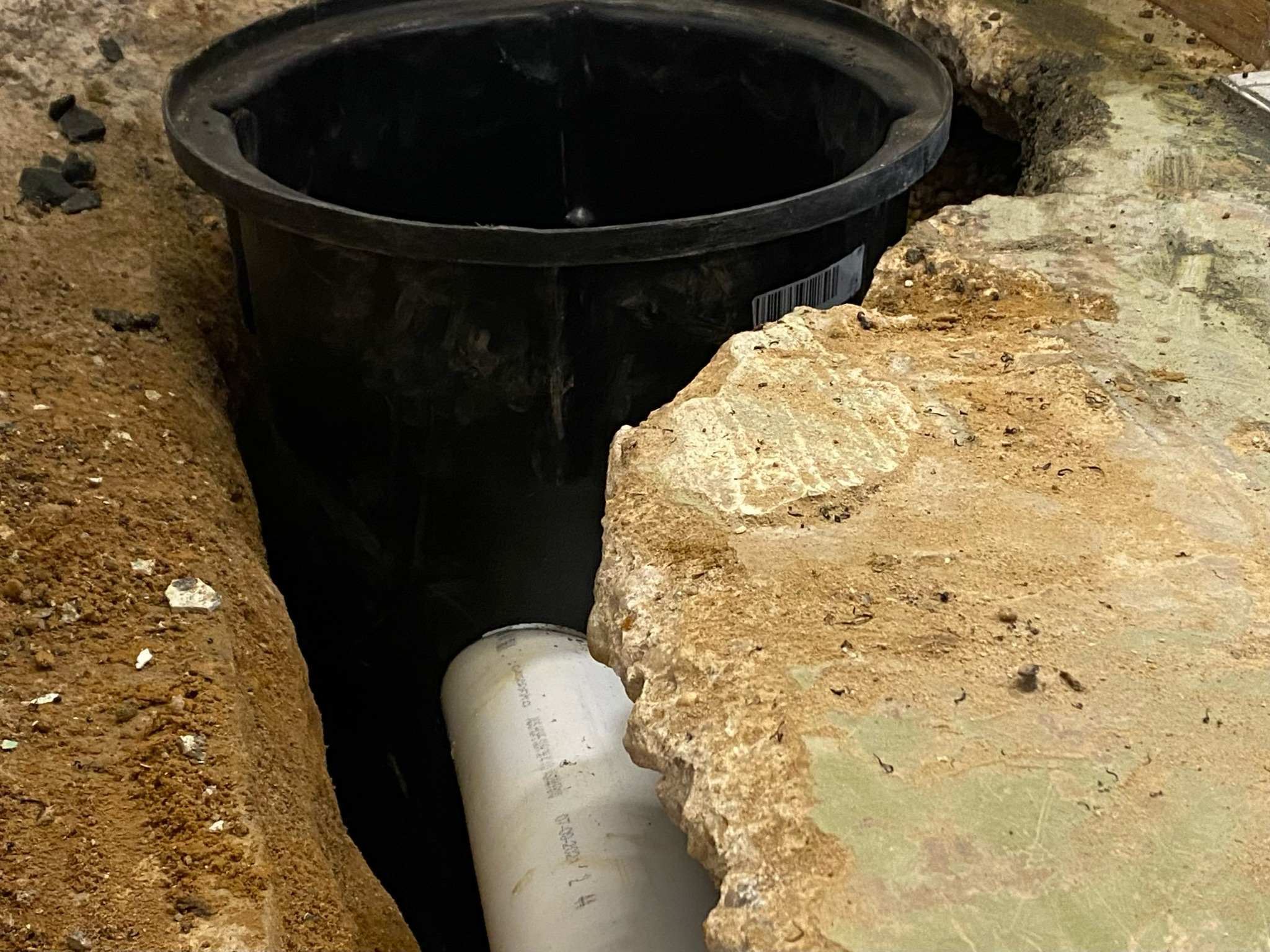
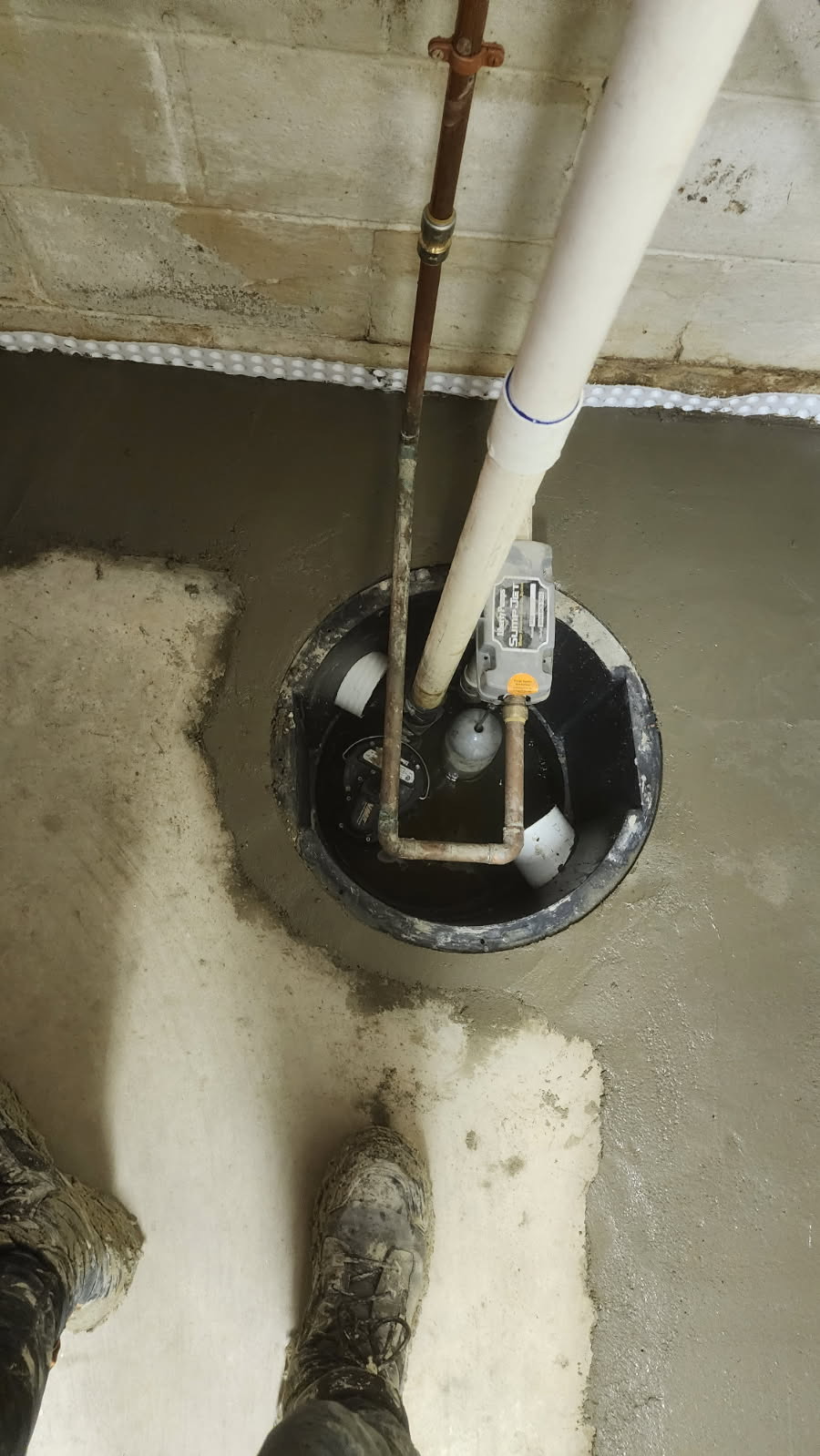
Job Site Photos
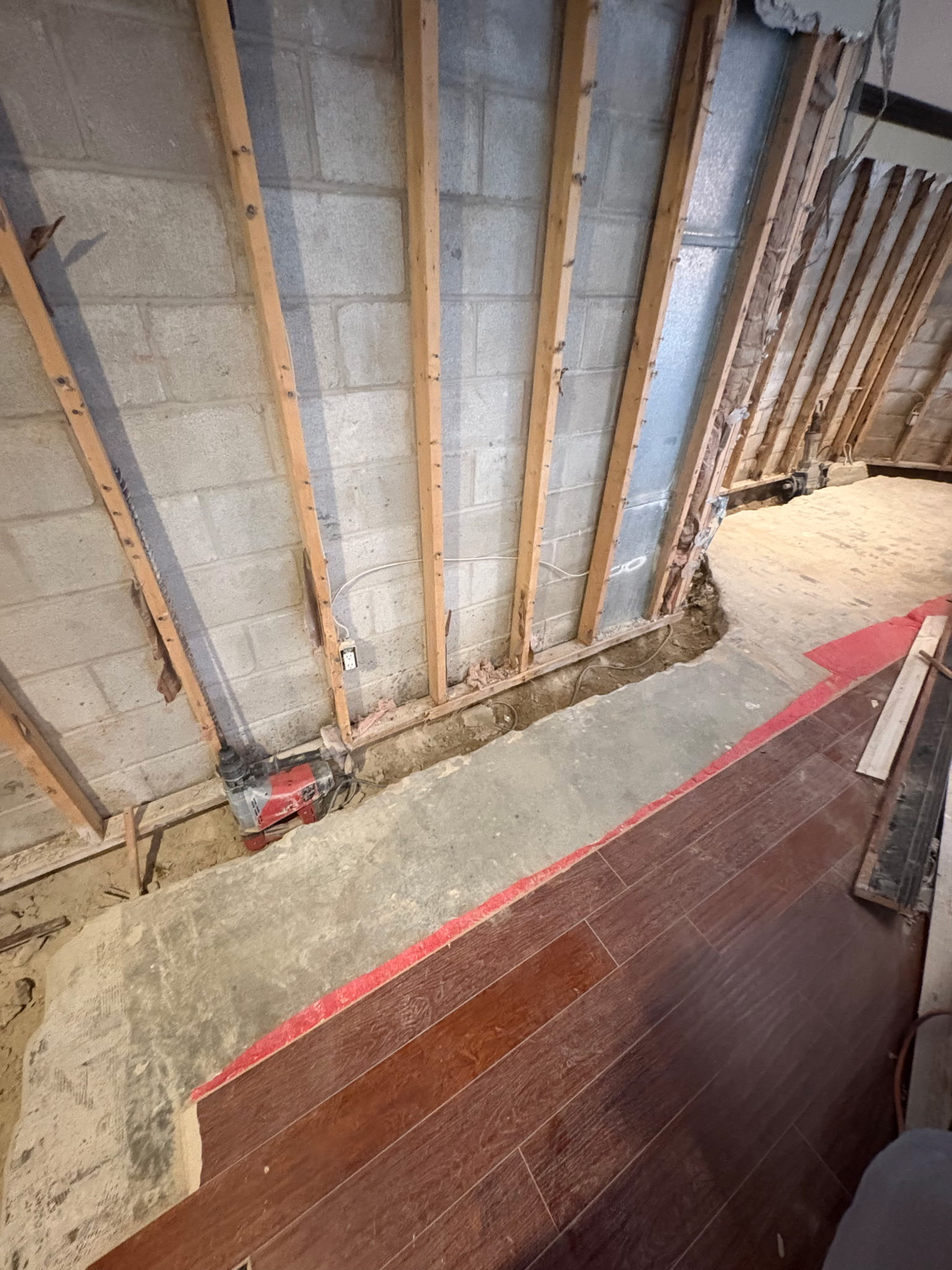
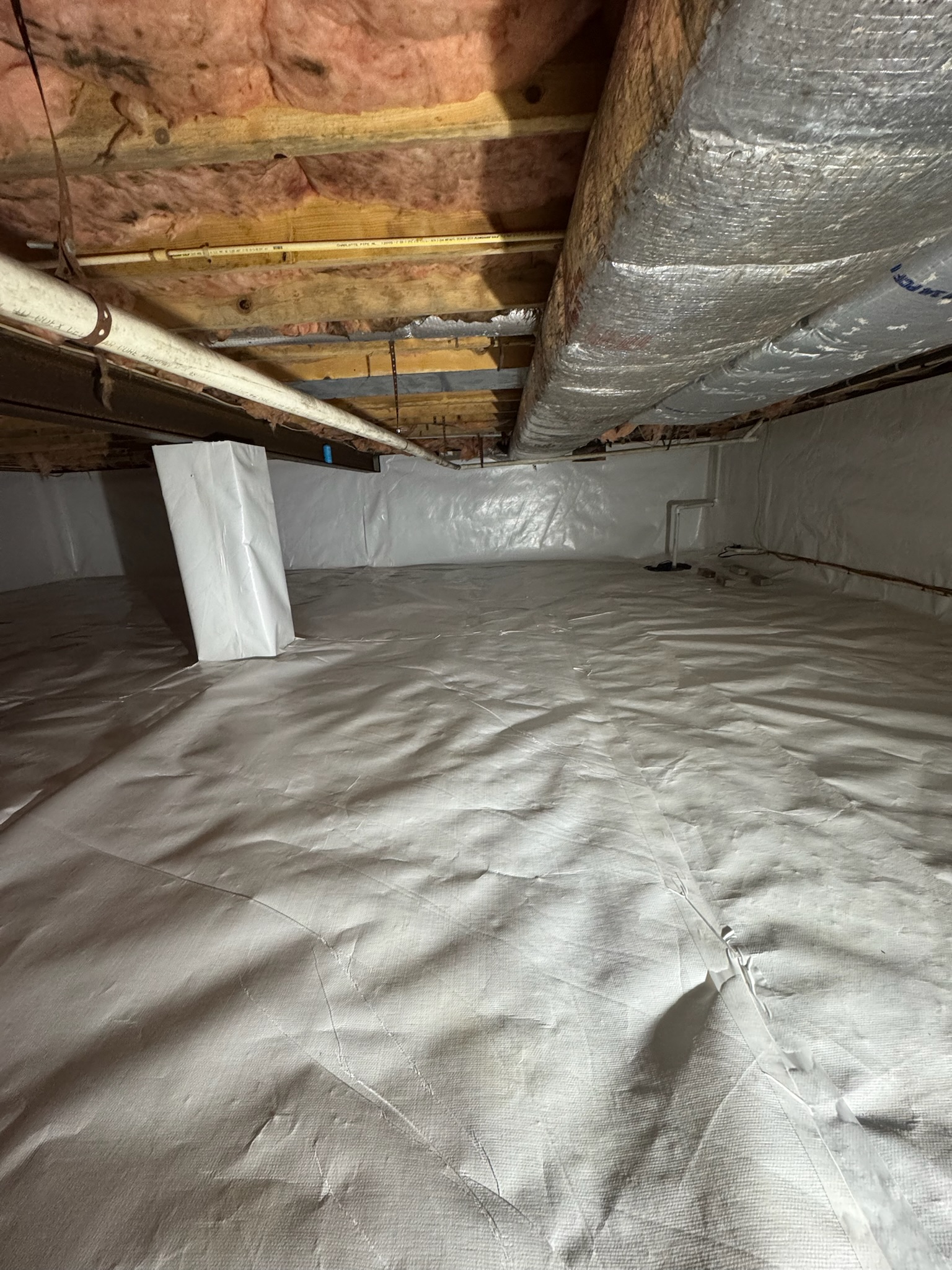
A closer look at the equipment, materials, and job site conditions involved in this kind of work.
Honest Answers
Allergen Exposure Questions from
Maryland Homeowners
Call (410) 879-3360 if you suspect your crawl space is contributing to allergy symptoms at home. Our inspectors will tell you honestly what we find.
Why does crawl space mold affect my allergies if I never go down there?
Because you're breathing crawl space air whether you go down there or not. The stack effect continuously draws air from the lowest point in the house, the crawl space, upward into living areas through gaps in the floor system and utility penetrations, then out through the attic and upper level gaps. Building science research indicates a substantial share of first floor air in a home with a crawl space actually originates below it.
If that crawl space air is carrying mold spores from damp joists or organic debris, or elevated humidity that feeds dust mites in your carpets and bedding, those allergens are reaching your living areas continuously, not just when you happen to open the crawl space access door.
Is it mold spores or dust mites causing my symptoms?
Often both, and they're related. Mold spores travel up through the stack effect and can be inhaled directly. Dust mites are a separate allergen, but they thrive once relative humidity climbs above 50%, and a moist crawl space raises indoor humidity into that range. A free inspection checks both the visible mold and moisture conditions in your crawl space, since either one on its own can be driving symptoms.
Will encapsulation cure my allergies?
It addresses the crawl space's contribution, not every possible allergen source. Sealing the crawl space with a vapor barrier, sealed vents, and a dehumidifier removes the moisture that lets mold grow and pushes humidity into the range dust mites need, which is a genuine source of indoor allergen exposure for many Maryland homes. It does not address pet dander, outdoor pollen tracked in, or ordinary household dust, since those come from elsewhere. We won't tell you encapsulation solves allergies it isn't causing.
Does OBW remediate the mold itself as part of this?
OBW removes mold-affected insulation and debris and treats visible surface mold on structural wood with EPA-registered antimicrobial products as part of the encapsulation project. For extensive infestations covering large structural areas, we coordinate with a licensed mold remediation contractor before encapsulation proceeds. Either way, the encapsulation system that follows is what stops the conditions from letting mold return.
How do I know if my crawl space is actually the source of my allergy symptoms?
The clearest signals are symptoms that track with time at home, worse indoors than the outdoor pollen count would explain, a musty smell near floor registers or the crawl space access, or a household member with asthma noticing more frequent flare ups. A free inspection checks your crawl space's actual moisture, mold, and humidity conditions rather than guessing from symptoms alone.
Why Oriole
Why Maryland Homeowners Trust
OBW with Allergen Assessments
Honest About What Encapsulation Fixes
We tell you plainly that encapsulation addresses the crawl space's mold and moisture contribution to allergens, not every allergen source in your home.
Maryland Crawl Space Experience
Piedmont clay, open vents, and organic subfloor material give Maryland crawl spaces easy conditions for mold and dust mites alike. OBW has diagnosed both across every county we serve.
No Subcontracting
OBW's own crew installs every vapor barrier, vent seal, and dehumidifier, in house, start to finish.
Family-Owned Since 1953
Founded by Frank Pirog Sr. in 1953. Amber Pirog leads the company today. Written workmanship guarantee on every repair.
Reviews
What Our Maryland Neighbors Say
Your Crawl Space Doesn't Wait to Be Noticed.
Getting Started on
Your Allergen Assessment
Mold and moisture conditions feeding indoor allergens tend to worsen with each Maryland season, not resolve on their own.
Free Inspection
OBW checks your crawl space for mold, moisture, and humidity conditions capable of driving indoor allergen exposure. Free, no obligation.
Written Scope & Quote
You receive a written quote specifying exactly what's being sealed and treated, before any work is scheduled.
Encapsulation & Verification
OBW's crew installs the vapor barrier, seals vents, and installs a dehumidifier, then verifies humidity is below the mold and dust mite threshold.
Suspect Your Crawl Space Is Behind Your Allergy Symptoms?
Free inspection. We tell you honestly what we find, and what it can and can't fix.
Family-owned since 1953 · MHIC #4247 · Written Workmanship Guarantee