
Moisture and an Easy Way In
Pests in Your
Maryland Crawl Space
Rodents, termites, and insects almost always trace back to moisture and open entry points
Mice, rats, termites, carpenter ants, and moisture loving insects are all drawn to the same thing: a damp, dark crawl space with an easy way in. OBW inspects for pest evidence as part of a full crawl space assessment, coordinates with licensed pest control when an active infestation needs treatment first, and addresses the moisture and entry points that invite pests back. Honest, consultative guidance.

Moisture and Open Vents Are the Common Thread
Why Pests Target
Maryland Crawl Spaces
Rodents, termites, carpenter ants, and moisture loving insects are all opportunistic. An unencapsulated Maryland crawl space with open foundation vents, wet insulation lying on the ground, and damp soil offers exactly what each of them needs: an entry point, nesting or colonizing material, and a water source. That's why these problems show up together so often, they share the same root cause.
House mice and Norway rats enter through open vents and gaps, then nest in fallen insulation. Eastern subterranean termites, prevalent throughout Baltimore, Harford, Carroll, Anne Arundel, and Cecil Counties, travel from soil to wood through mud tubes and require moist wood to colonize. Carpenter ants excavate galleries in wood that's already been softened by moisture. Centipedes, millipedes, pillbugs, crickets, and silverfish thrive in the same high humidity conditions and are often the first visible sign that something's off, even before termites or rodents are found.
The pest activity itself can accelerate the crawl space's decline: rodents shred insulation further, termites and carpenter ants attack structural wood, and nesting debris adds to the moisture and odor problems already present. This is why OBW's inspection covers pest evidence alongside the moisture and structural checks we run on every crawl space visit.
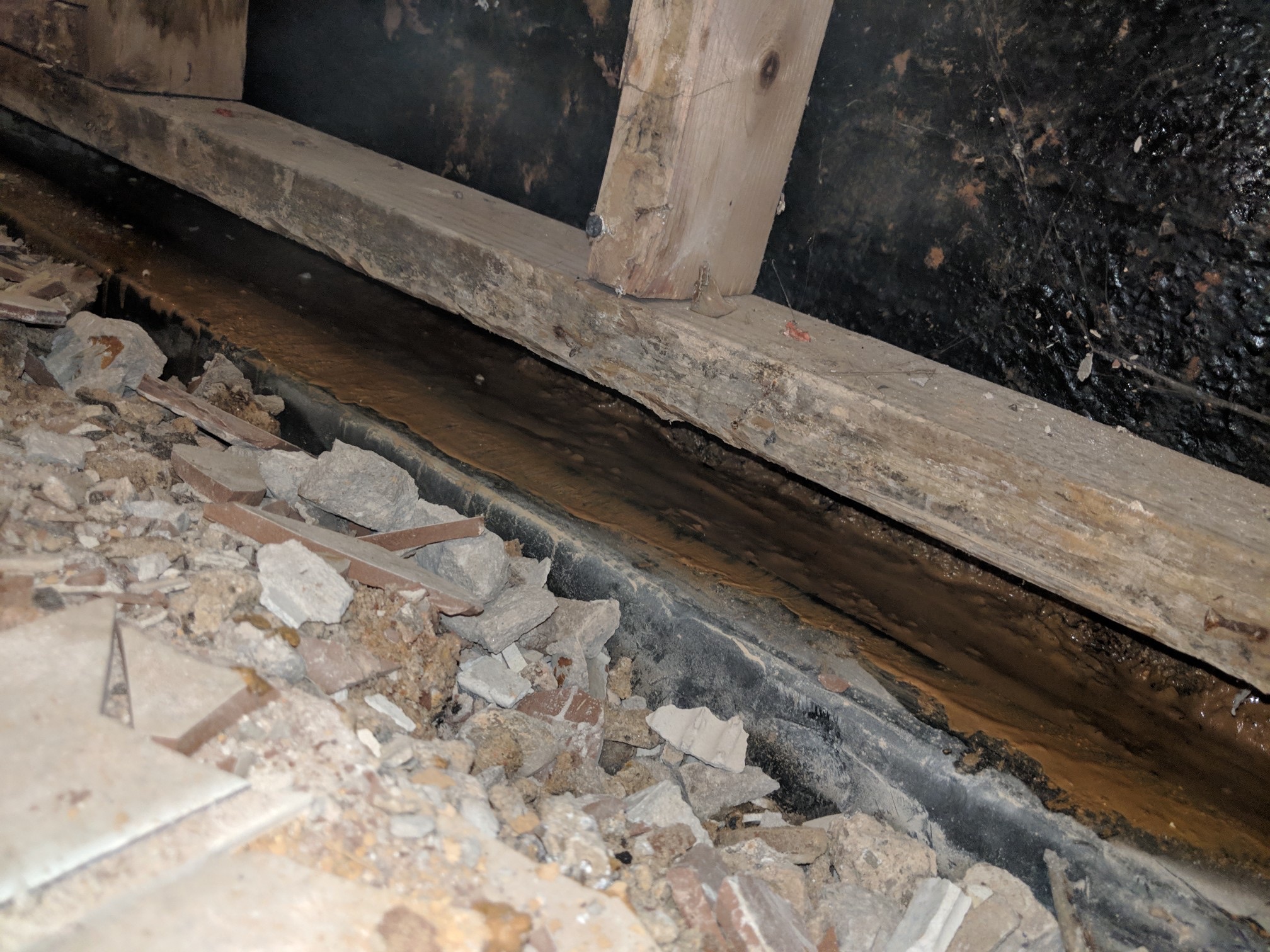
Vent and entry point check, part of every OBW crawl space inspection
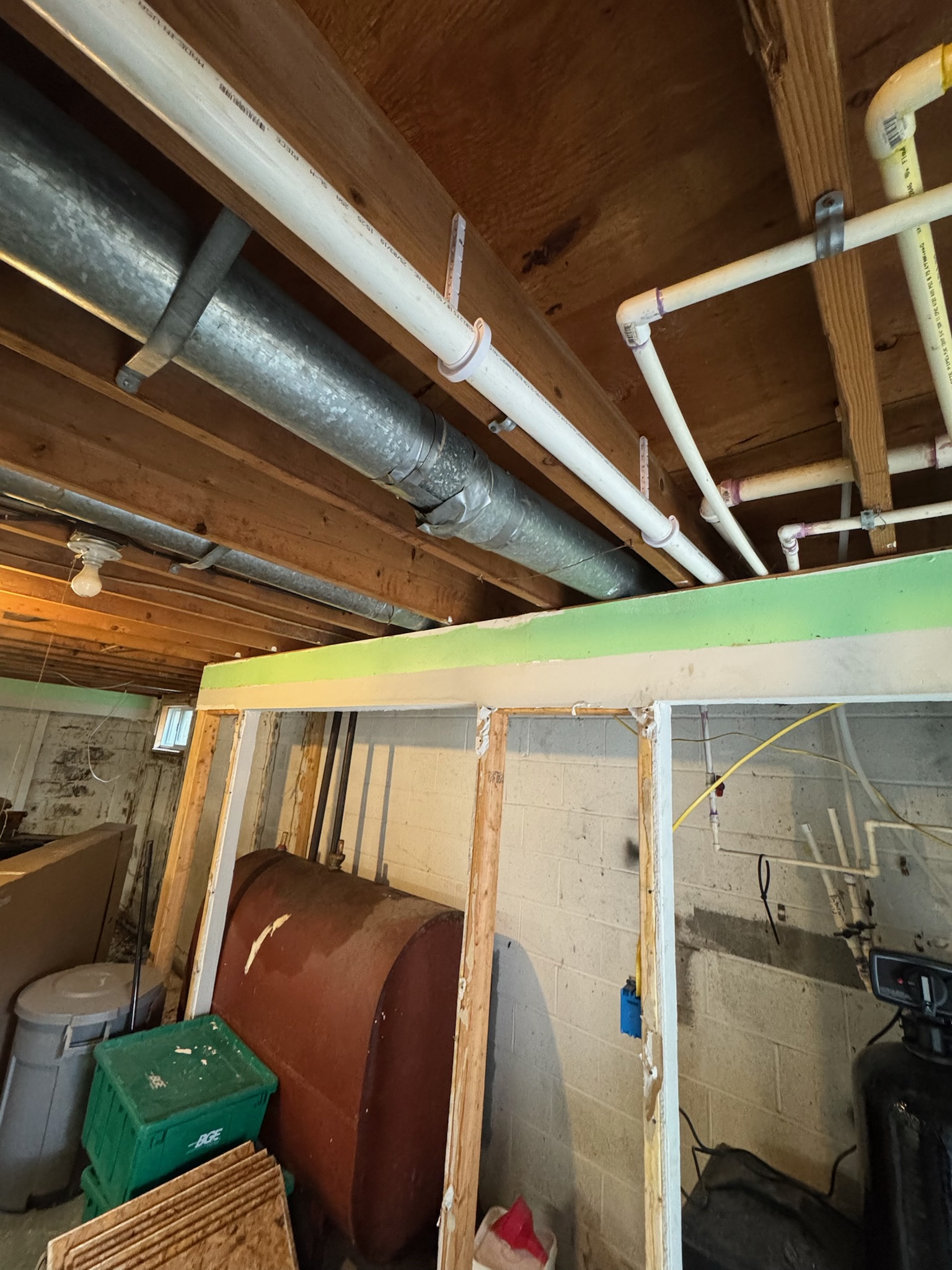
Evidence Is Often Easy to Miss
Signs of Pest Activity
in Your Crawl Space
Rodent, termite, and insect evidence can look subtle from the access hatch. A closer inspection often finds more than a quick glance would suggest.
- Mud tubes running up foundation walls or piers, a sign of termite activity
- Droppings, gnaw marks, or shredded insulation used as nesting material, a sign of rodents
- Visible centipedes, millipedes, pillbugs, crickets, or silverfish, a sign of elevated humidity
- Wood that sounds hollow when tapped but looks normal on the surface
- Open foundation vents, gaps, or unsealed penetrations near a scratching or scurrying sound
What the Inspection Covers
What OBW's Pest
Inspection Includes
A clear read on what's present, what needs a pest control referral, and what OBW addresses directly.
Rodent Evidence Check
Droppings, gnaw marks, nesting material, and entry points along foundation vents and utility penetrations, documented with photos.
Insect and Termite Evidence Check
Mud tubes, frass, wood that sounds hollow when probed, and visible insect activity, checked at every accessible structural member.
Moisture Readings
Humidity and wood moisture content measured throughout the crawl space. Elevated readings are the common thread behind almost every pest problem we find.
Vent and Entry Point Assessment
Open foundation vents, gaps, and unsealed penetrations checked and documented as the likely access route for rodents and insects.
Structural Probe Test
Accessible joists, rim joists, sill plates, and beams probed for damage where insect or moisture activity is present, the same standard used on our termite and wood rot repair pages.
Written Report and Referral
A written summary of what was found, whether pest control referral is needed first, and what moisture or structural work would follow, before anything is authorized.
Inspect. Refer If Needed. Correct. Repair If Needed.
How OBW Handles
Crawl Space Pest Evidence
Four steps. The sequence protects both the pest control treatment and the moisture or structural work that follows.
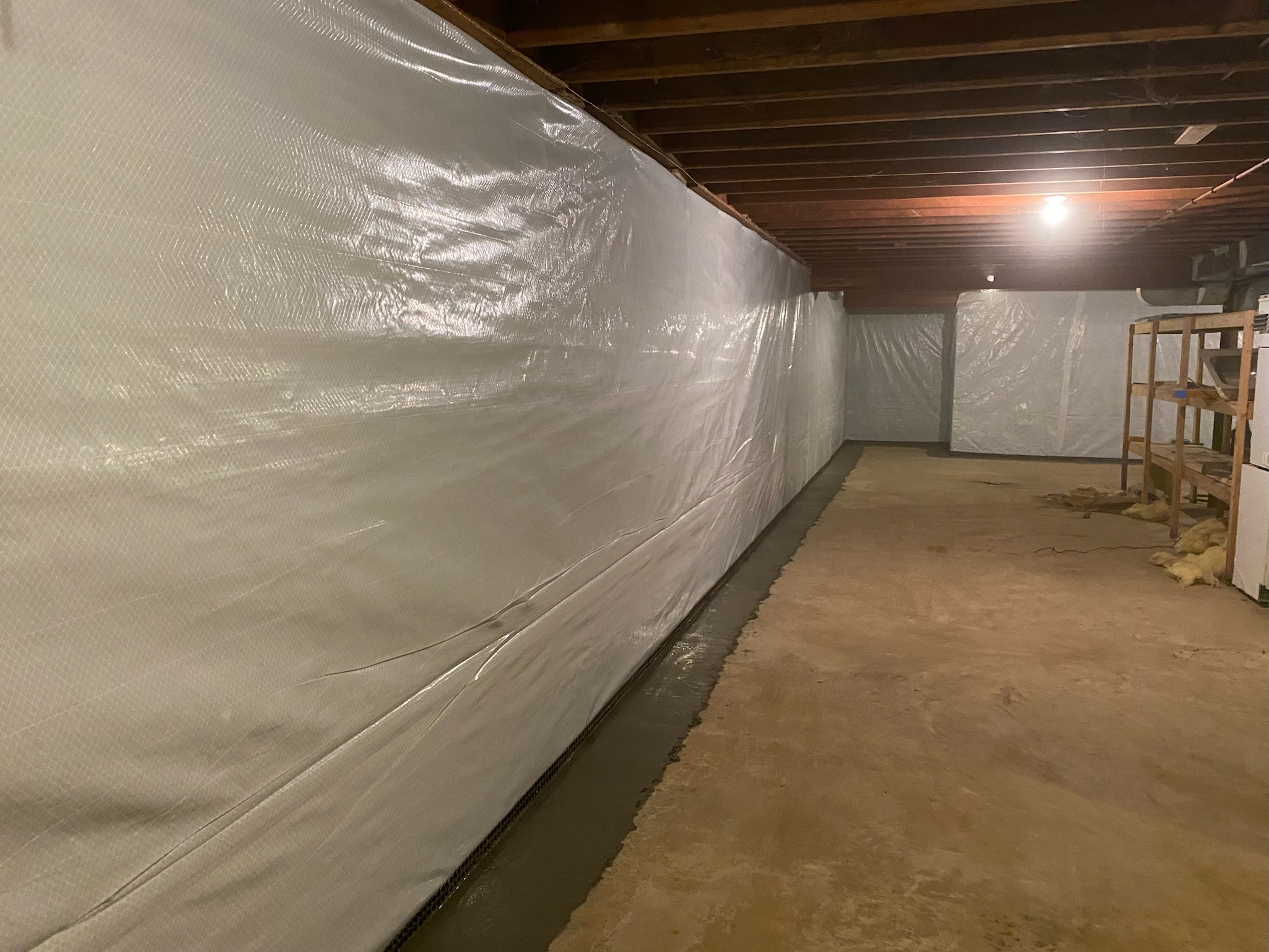
Free Crawl Space Inspection
An OBW inspector examines the full crawl space for pest evidence, moisture readings, and entry point condition, and photographs everything found.
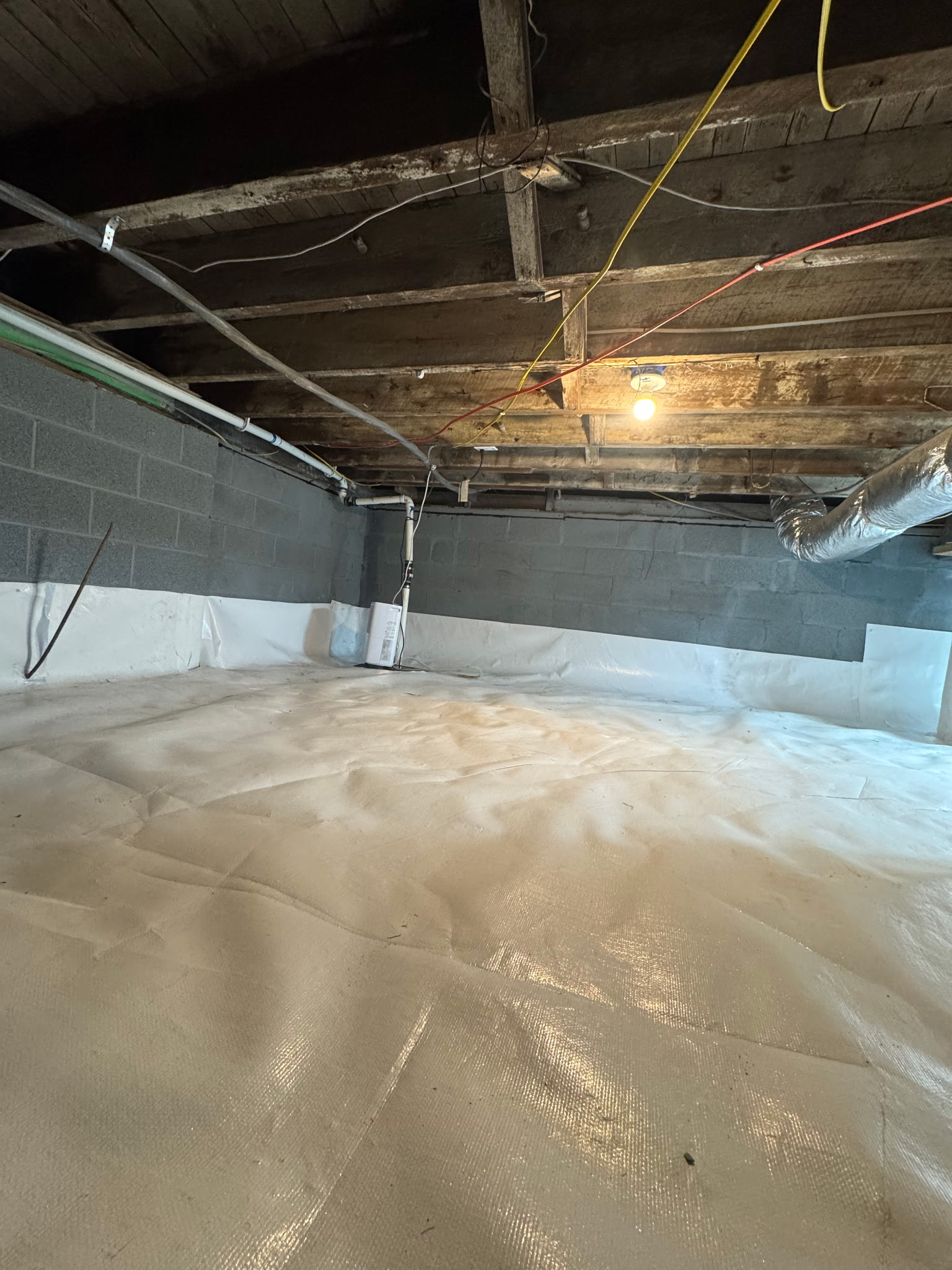
Pest Control Referral If Needed
If the inspection finds evidence of an active infestation, a licensed pest control company treats first. We can recommend companies we've worked with.
Moisture and Entry Point Plan
Once any active infestation is controlled, OBW scopes the moisture control and vent sealing work that removes the conditions pests need to return.
Structural Repair If Needed
Where pests already caused structural damage, that repair is scoped and quoted separately, covered in depth on our termite damage and wood rot repair pages.
Photos From the Field
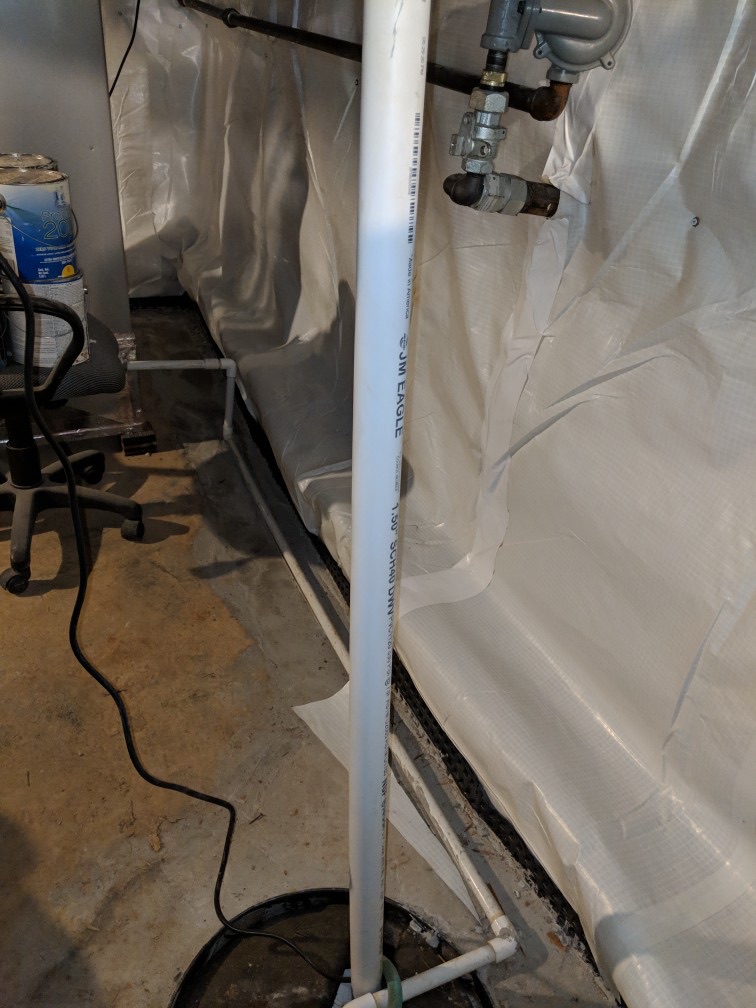
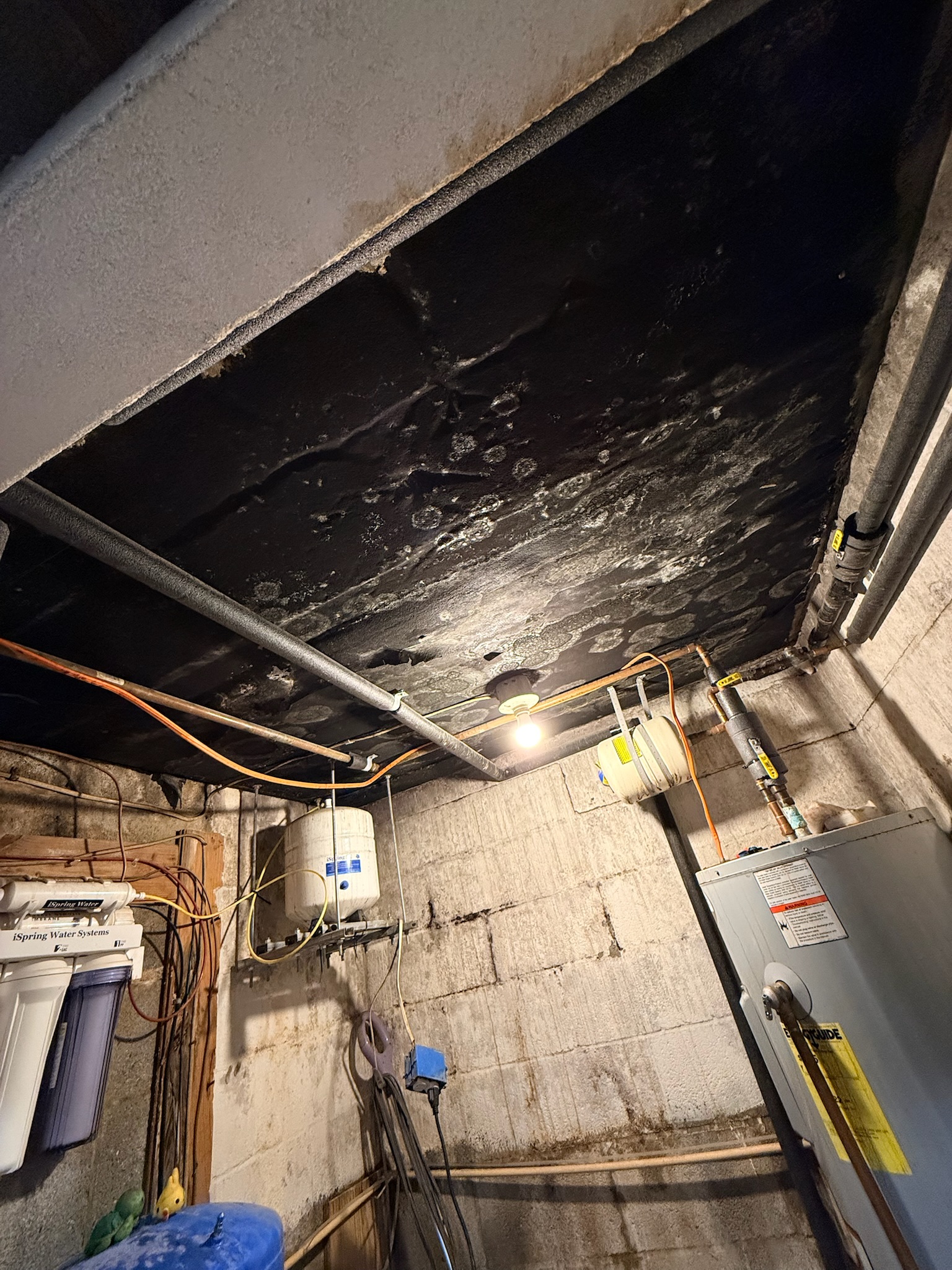
Job Site Photos
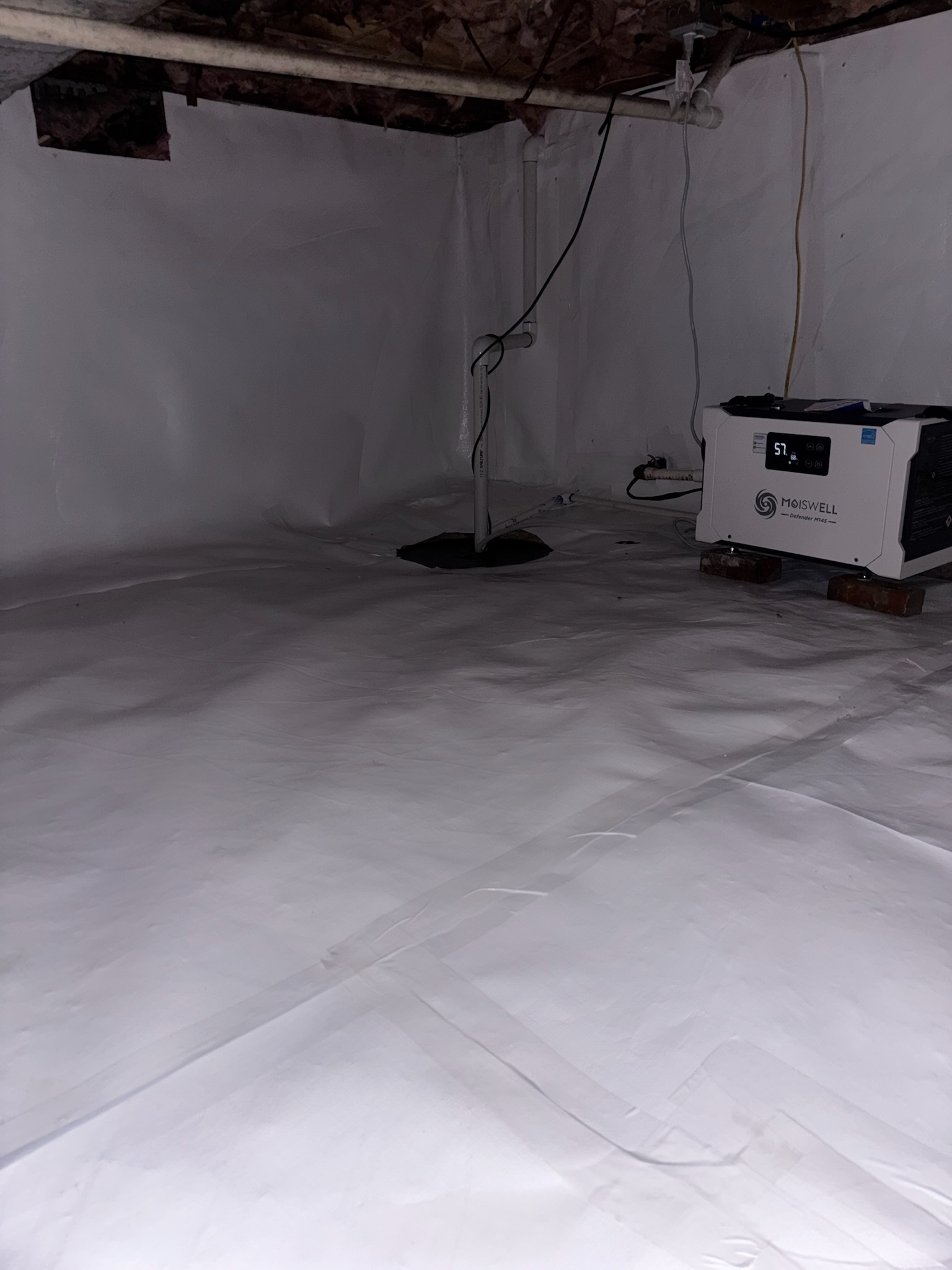
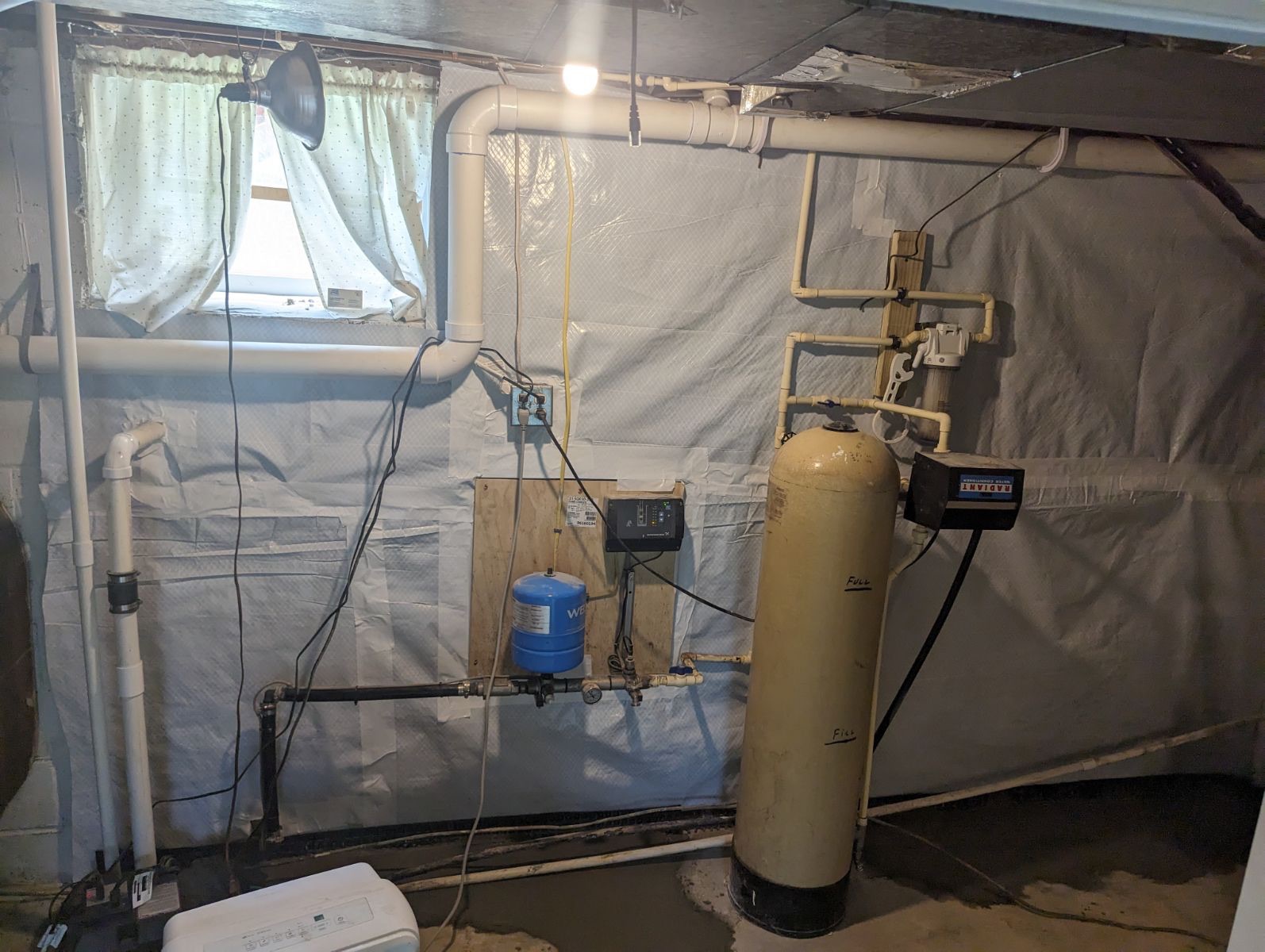
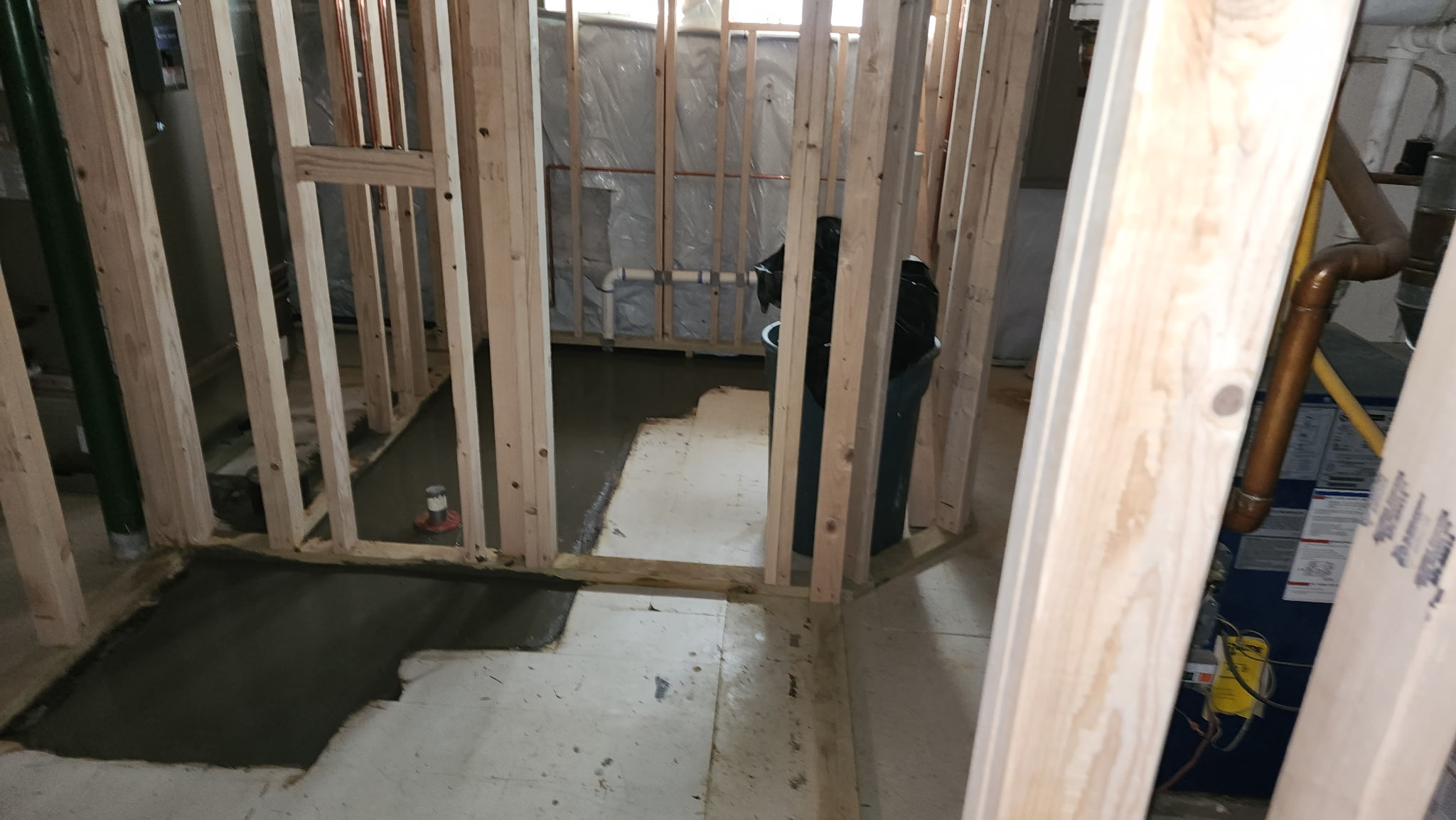
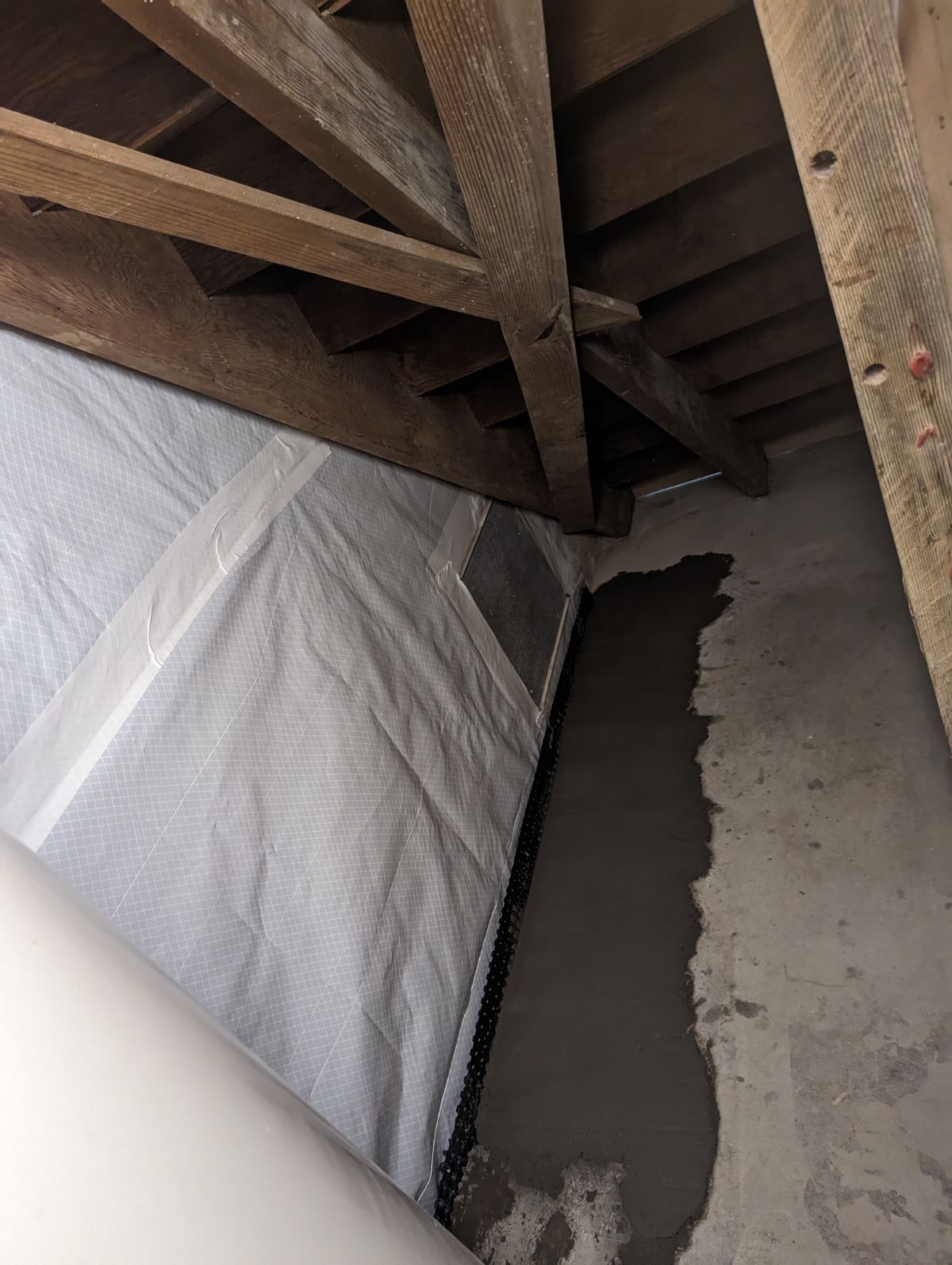
A closer look at the equipment, materials, and job site conditions involved in this kind of work.
Honest Answers. No Sales Pitch.
Common Questions About
Pests in Crawl Spaces
Call (410) 879-3360 if your question isn't here. Our inspectors give honest, consultative guidance.
Does OBW treat pest infestations, or does that require a separate company?
OBW is not a pest control contractor and does not treat active infestations. Rodents, termites, and other pests require a licensed pest control company for extermination, a separate license and regulatory framework from the contractor license OBW holds for crawl space repair and moisture control work.
What OBW does provide is the identification step (our inspectors are trained to recognize evidence of rodent, insect, and termite activity during a crawl space assessment), the moisture and entry point correction that removes the conditions pests need, and the structural repair for any damage pests left behind. If you don't already have a pest control relationship, we can recommend companies we've worked with in the Baltimore metro area and surrounding Maryland counties.
The sequence matters. For an active infestation, pest control treats first, then OBW addresses the crawl space conditions and any structural damage. For a crawl space with past pest evidence but no current activity, OBW can move directly to cleaning, moisture control, and repair.
What pests are most commonly found in Maryland crawl spaces?
House mice and Norway rats are the rodents most often found in Maryland crawl spaces, drawn in by open foundation vents, fallen insulation for nesting, and ground moisture for water. Eastern subterranean termites are the most destructive insect found in the region, and they are prevalent throughout Baltimore, Harford, Carroll, Anne Arundel, and Cecil Counties. They travel from soil to wood through mud tubes and require moist wood to colonize.
Carpenter ants excavate galleries in wood that has already been softened by moisture or decay, and they are common in the wooded areas of Baltimore and Harford Counties. A wider group of moisture loving insects, centipedes, millipedes, pillbugs, crickets, and silverfish, also show up regularly in damp crawl spaces. Their presence alone doesn't damage the structure, but it's a reliable sign that humidity in the crawl space is elevated.
Wood boring beetles are less common but can also affect moisture compromised wood over time. Any of these can appear individually or together in the same crawl space, since they're all responding to the same underlying conditions.
How can I tell if it's rodents, insects, or termites without going into the crawl space myself?
The evidence looks different depending on the pest, though it can be easy to misread from the access hatch. Mud tubes running up foundation walls or piers point to termites. Droppings, gnaw marks, and shredded insulation used as nesting material point to rodents. Visible insects, frass (a gritty, sand like waste), or wood that sounds hollow when tapped point to insect activity, which may or may not be termites specifically.
Some evidence overlaps, and termite mud tubes in particular are easy to miss or mistake for something else if you're not looking closely. That's the main reason to have a trained inspector look rather than guess from a quick glance through the hatch. OBW's inspection documents what's actually present with photos, so you know what you're dealing with before deciding on next steps.
Can pests actually damage my home's structure?
Yes, though the extent varies by pest. Termites and carpenter ants specifically target moisture softened wood and can compromise floor joists, rim joists, sill plates, and beams if left unaddressed, feeding from the inside out in a way that isn't always visible on the surface. Rodents don't eat structural wood, but they shred insulation for nesting and add waste and debris that increases the crawl space's overall moisture load, which indirectly supports the conditions that lead to wood decay.
If a pest issue has already caused structural damage, that's a separate, itemized repair scope. Termite specific structural repair is covered on our termite damage repair page, and general moisture related wood decay is covered on our wood rot repair page. Both are quoted only after pest control (where applicable) confirms the infestation is treated.
What should I do first if I'm seeing signs of pests in my crawl space?
Schedule a free inspection. An OBW inspector will document what's actually present, mud tubes, droppings, nesting material, visible insects, moisture readings, and vent or entry point condition, and give you an honest read on what it means. If we find evidence of an active infestation, we'll recommend pest control treatment first and can refer you to a company we've worked with.
Once any active infestation is confirmed treated (or if there's no active infestation, just past evidence or moisture indicator insects), OBW addresses the crawl space conditions directly: sealing entry points, controlling moisture, and repairing any structural damage the pests left behind. See our reducing pests page for how that prevention work is scoped.
70 Years of Maryland Crawl Spaces
Why Maryland Homeowners Choose
Oriole for Crawl Space Pest Evidence
Three generations of the Pirog family. Honest assessments about what needs a specialist and what OBW handles directly.
Honest About What We Do and Don't Do
OBW identifies pest evidence, corrects moisture and entry points, and repairs structural damage. Extermination requires a licensed pest control company, and we say so clearly.
Trained to Spot the Evidence
Mud tubes, nesting material, frass, and moisture indicator insects all look different, and some overlap. Our inspectors document exactly what's present, not a guess from the access hatch.
Backed by a Written Workmanship Guarantee
OBW stands behind its moisture control and structural repair work. Ask your inspector for the exact term that applies to your job.
Family Owned Since 1953
Three generations of the Pirog family. Amber Pirog, Frank III's widow, leads the company. The standard: an honest assessment, then a clear plan.
Reviews
What Our Maryland Neighbors Say
No Pressure. Clear Answers.
Three Steps to Knowing
What's in Your Crawl Space
Inspection first, then a clear plan for whatever's found.
Free Inspection
An OBW inspector checks the full crawl space for pest evidence, moisture readings, and entry point condition, and documents everything with photos, at no charge.
Written Report
You receive a written summary of what was found. If pest control treatment is needed first, we say so and can recommend companies we've worked with.
Correct and Repair
OBW addresses moisture and entry points to reduce the conditions pests need, and repairs any structural damage already done, all in a written, itemized quote.
Seeing Signs of Pests? Let's Find Out What's Really There.
Free inspection. Written report same day. Honest guidance on what comes next.
Family owned since 1953 · MHIC #4247 · Backed by OBW's written workmanship guarantee