The Floor and Walls Are the Entry Point
Radon in Your
Maryland
Crawl Space
Radon enters through the soil, and for homes with crawl spaces, the floor and walls down there are the entry point.
Radon is a naturally occurring radioactive gas produced by uranium decay in soil and rock, and it's a significant concern in many Maryland counties. Crawl spaces are a primary entry pathway, which makes encapsulation an important, though not complete, component of radon reduction. Test first. OBW explains honestly where encapsulation fits.

A Soil Gas, Not a Moisture Problem
Why Your Crawl Space Matters
for Radon
Maryland's radon risk isn't uniform across the state. Central Maryland counties, including Carroll, Frederick, and Howard, and parts of western Maryland have elevated radon potential related to underlying rock formations. The EPA and Maryland Department of the Environment recommend that all Maryland homeowners test for radon regardless of location, since elevated levels can occur in any county.
Radon enters homes through the soil, predominantly at the lowest accessible level. In homes with crawl spaces, that means through the crawl space floor and walls. The same stack effect that pulls mold spores and moisture upward also draws radon-laden soil air into your living areas, and an unencapsulated crawl space with a bare soil floor and open vents provides essentially no barrier to that entry.
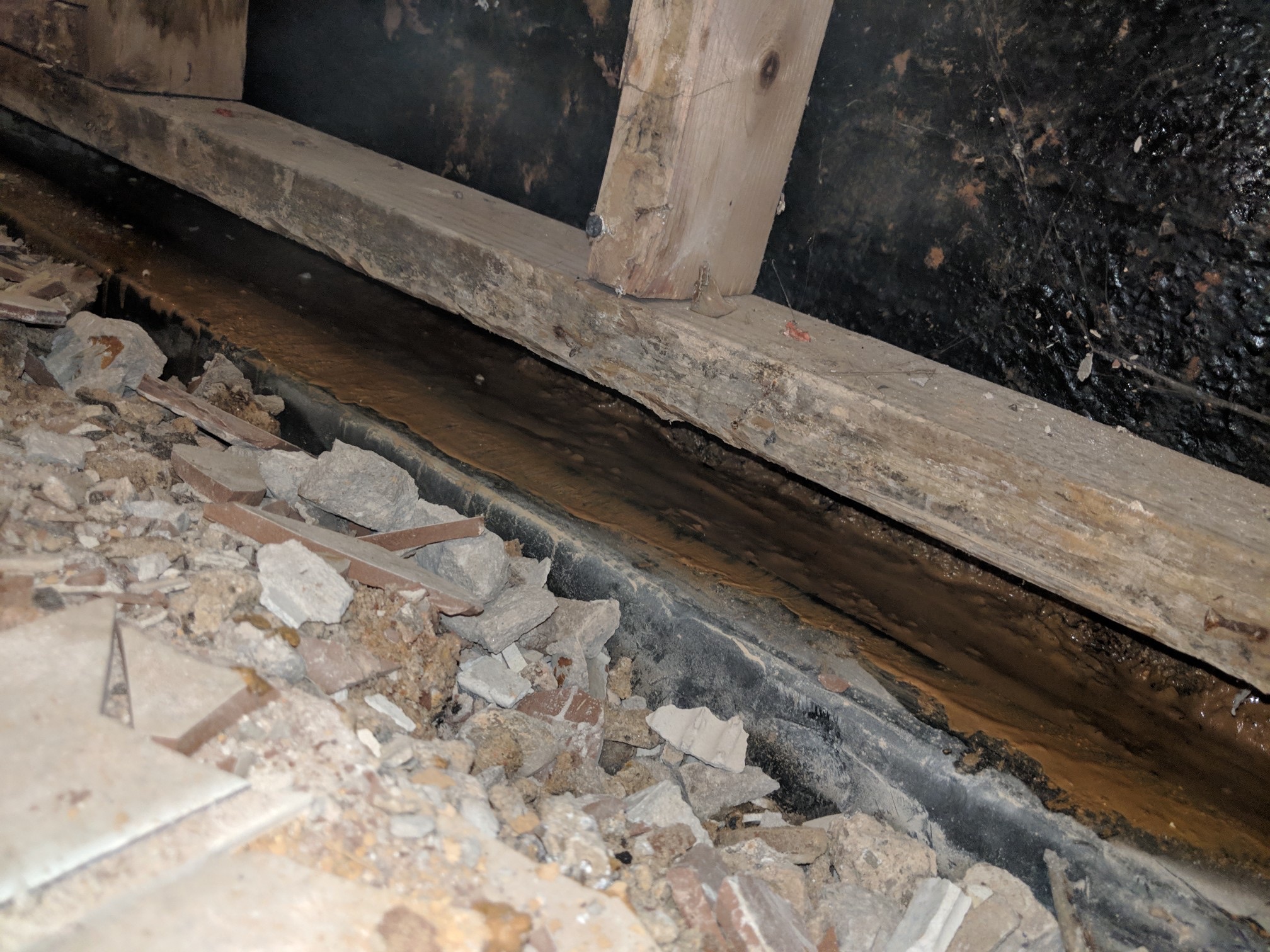
An unsealed crawl space floor and open vents, the pathway radon and moisture share on the way into living areas
Test First, Then Act
What to Check Before You
Assume Radon Isn't an Issue
These aren't visible warning signs the way mold or water damage are, radon has no smell or color. Testing is the only way to know.
- Your home has never been tested for radon, regardless of county
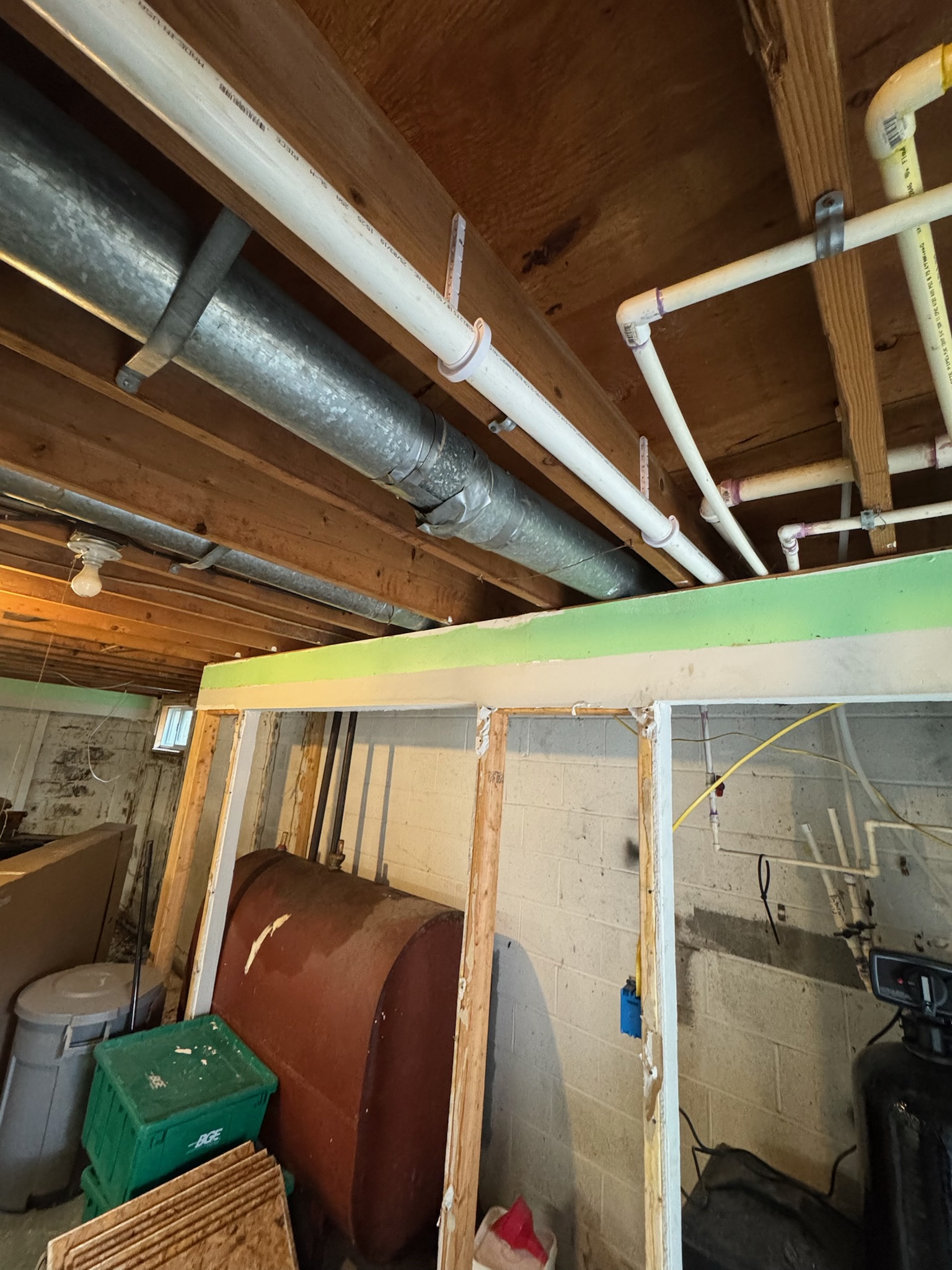
- Your crawl space has a bare dirt floor with no vapor barrier at all
- Foundation vents are open, allowing continuous air exchange with the soil below
- You live in Carroll, Frederick, Howard, or western Maryland, where radon potential is elevated
- Cracks or gaps in the foundation wall or floor joint are visible from the crawl space
What's Included
OBW's Crawl Space Radon
Barrier Layer
This is the barrier that supports radon reduction, not radon mitigation itself, and we're clear about that distinction.
Crawl Space Barrier Assessment
We check current vapor barrier status, vent condition, and penetration sealing before recommending anything.
Heavy-Duty Vapor Barrier Installation
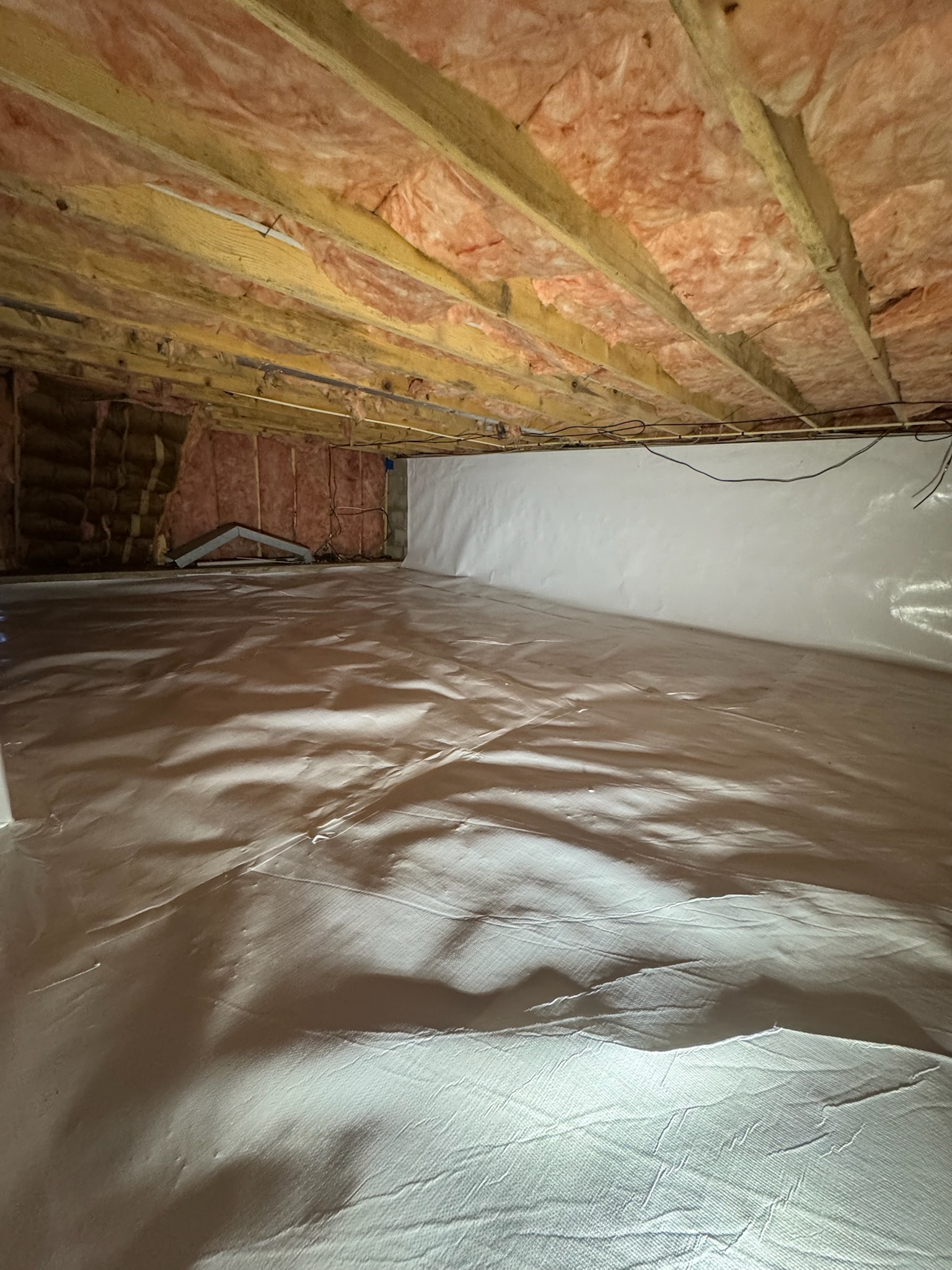
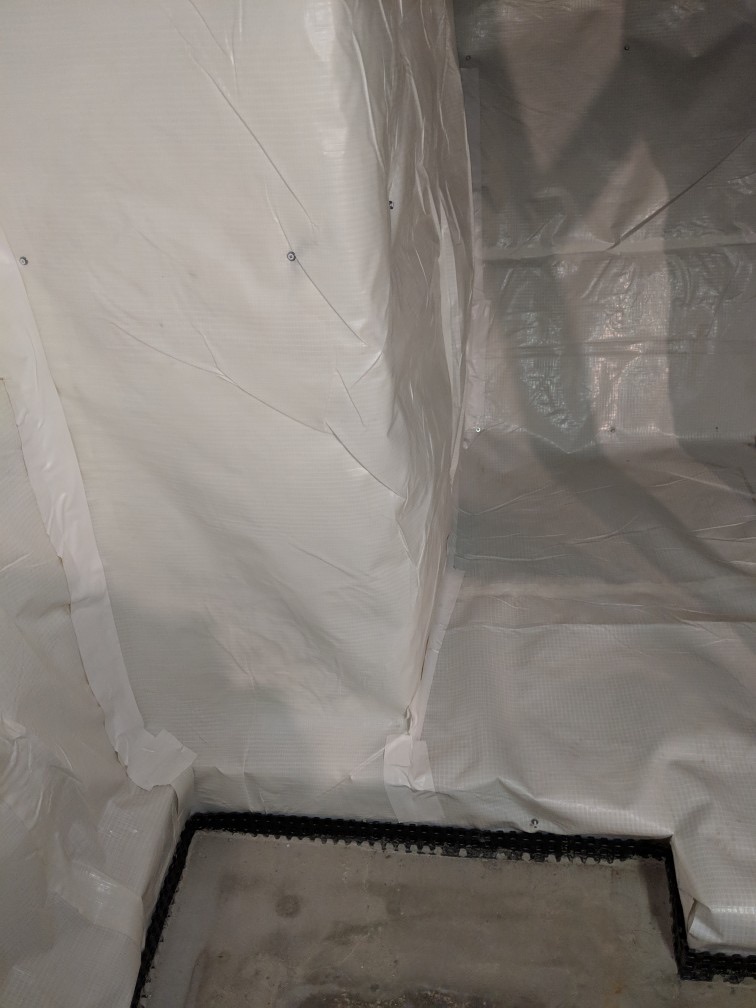
A reinforced liner with sealed seams covers the floor and runs up the walls, reducing the surface area radon can enter through.
Wall Coverage & Penetration Sealing
Foundation walls and utility penetrations are sealed as part of the barrier layer, not left as gaps.
Vent Sealing
Foundation vents are sealed, reducing the air exchange that carries radon-laden crawl space air upward.
Specialist Coordination
If your home needs radon mitigation itself, we help you coordinate with a licensed radon specialist rather than guessing at it ourselves.
Written Workmanship Guarantee
Encapsulation work is backed by a written workmanship guarantee. Ask your inspector for the terms that apply to your job.
The Process
How OBW Approaches Radon
and Your Crawl Space
Point you to testing first. Assess the barrier. Install what reduces the pathway, and refer out what needs a specialist.
Inspection & Barrier Assessment
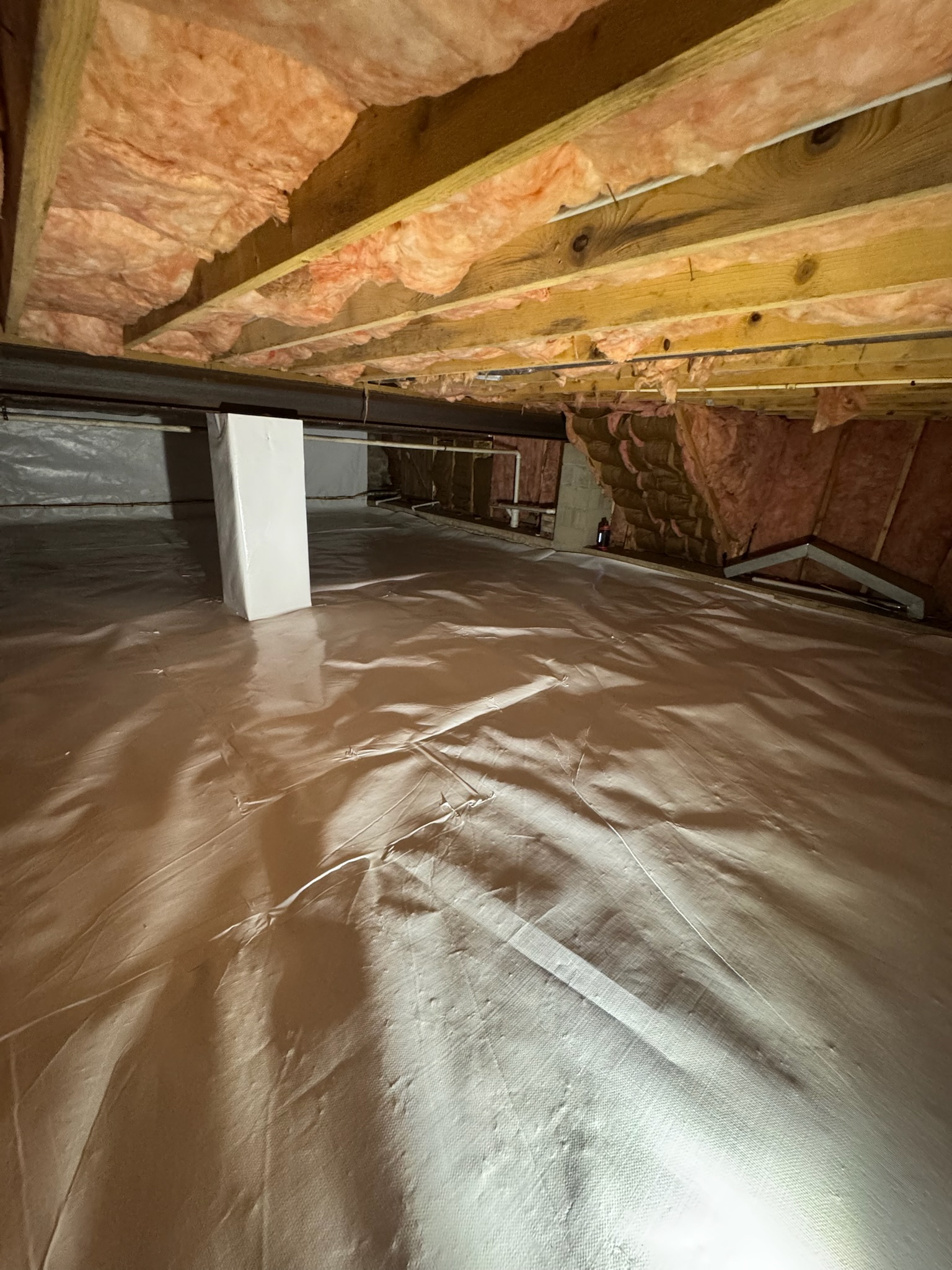
OBW checks your crawl space's current vapor barrier, vent, and penetration status to see how much of a radon pathway it presents.
Testing Guidance
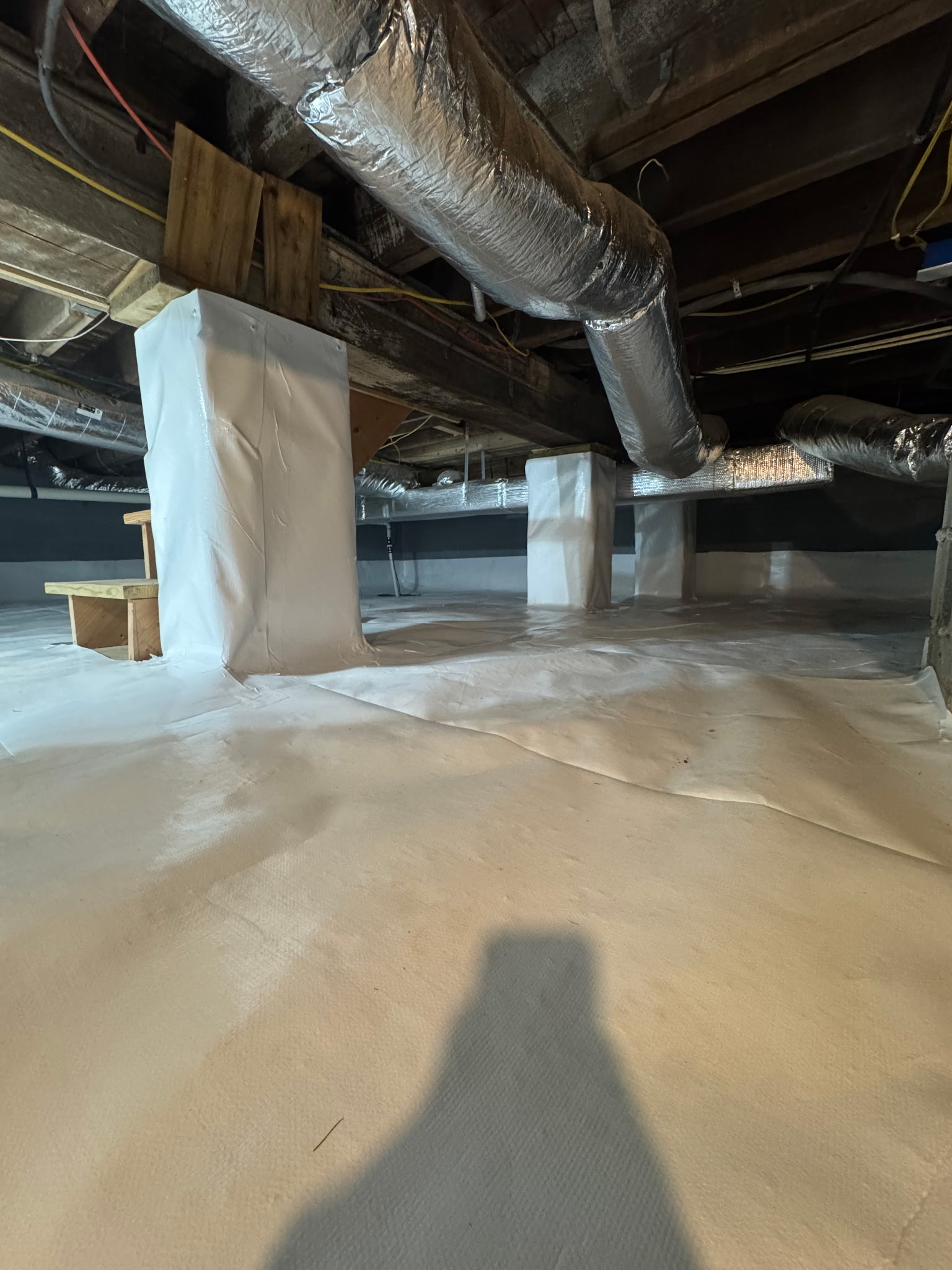
If you haven't already tested for radon, we point you to Maryland Department of the Environment guidance before recommending encapsulation as part of a plan.
Vapor Barrier, Wall & Vent Sealing
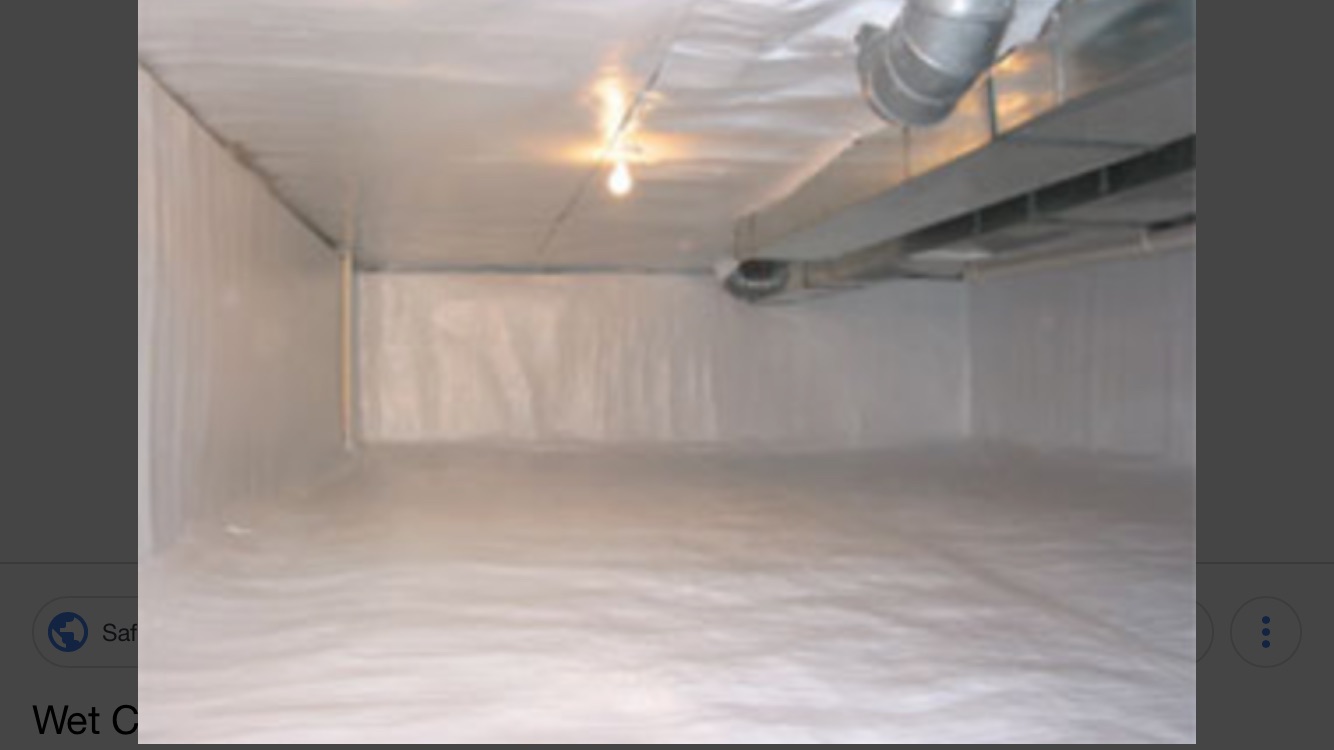
A sealed-seam vapor barrier, wall coverage, and vent sealing are installed to reduce the entry surface and air exchange.
Verification & Specialist Referral If Needed
The barrier is verified complete, and if radon mitigation itself is warranted based on your test results, we help you coordinate with a licensed specialist.
Photos From the Field
Job Site Photos
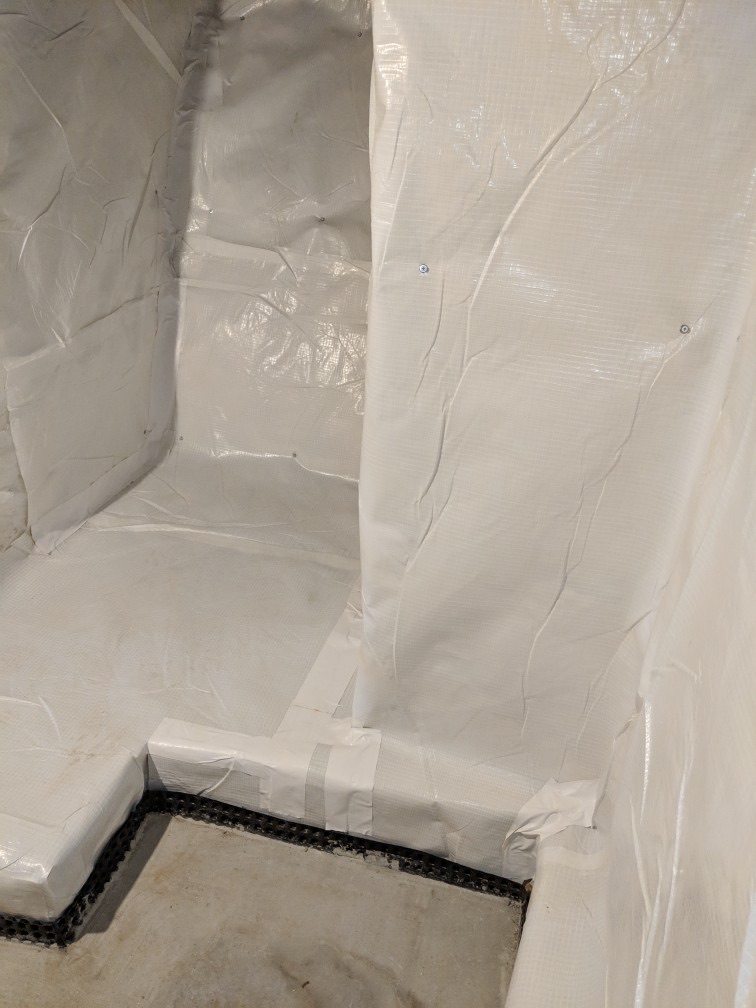
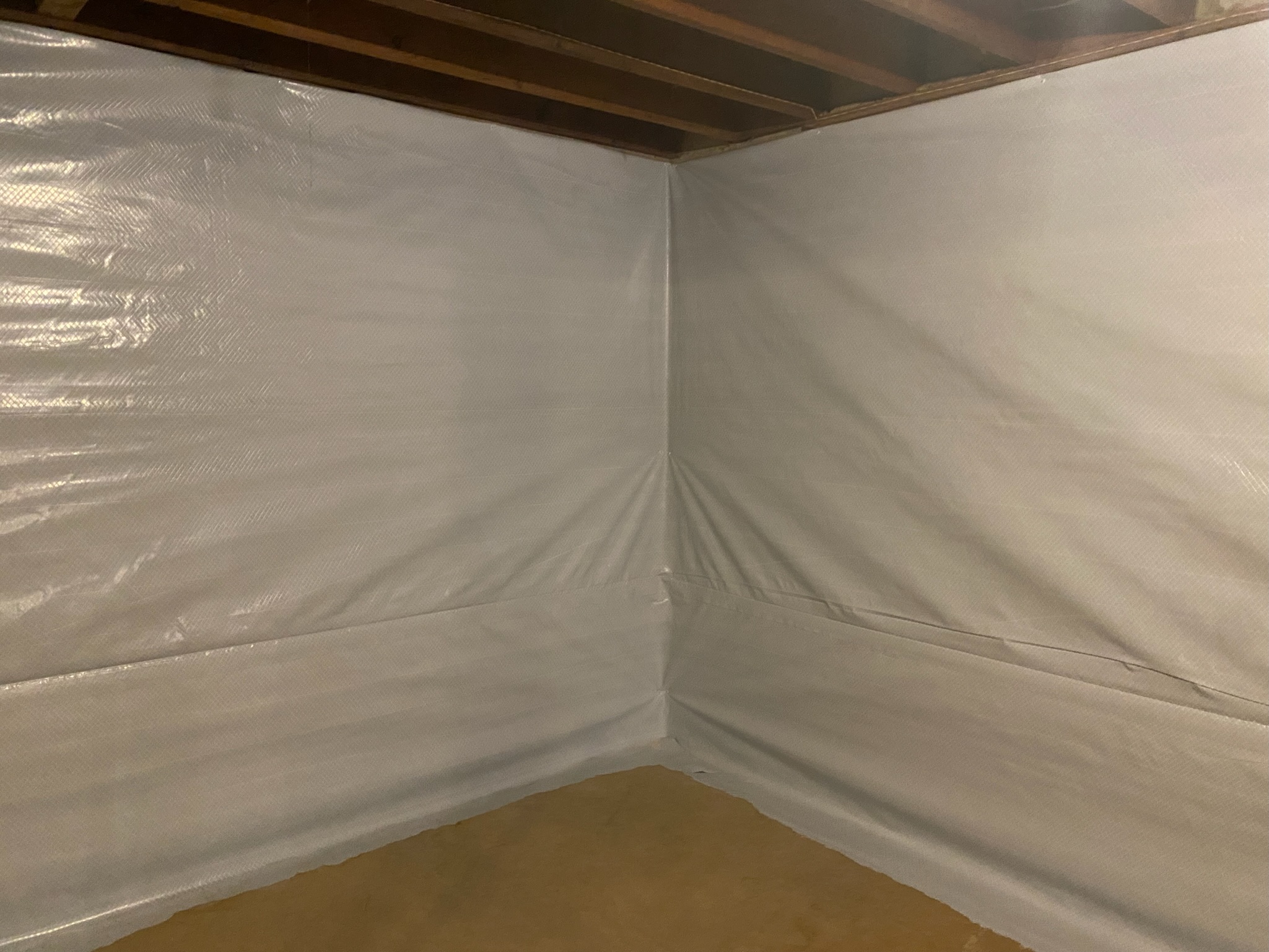
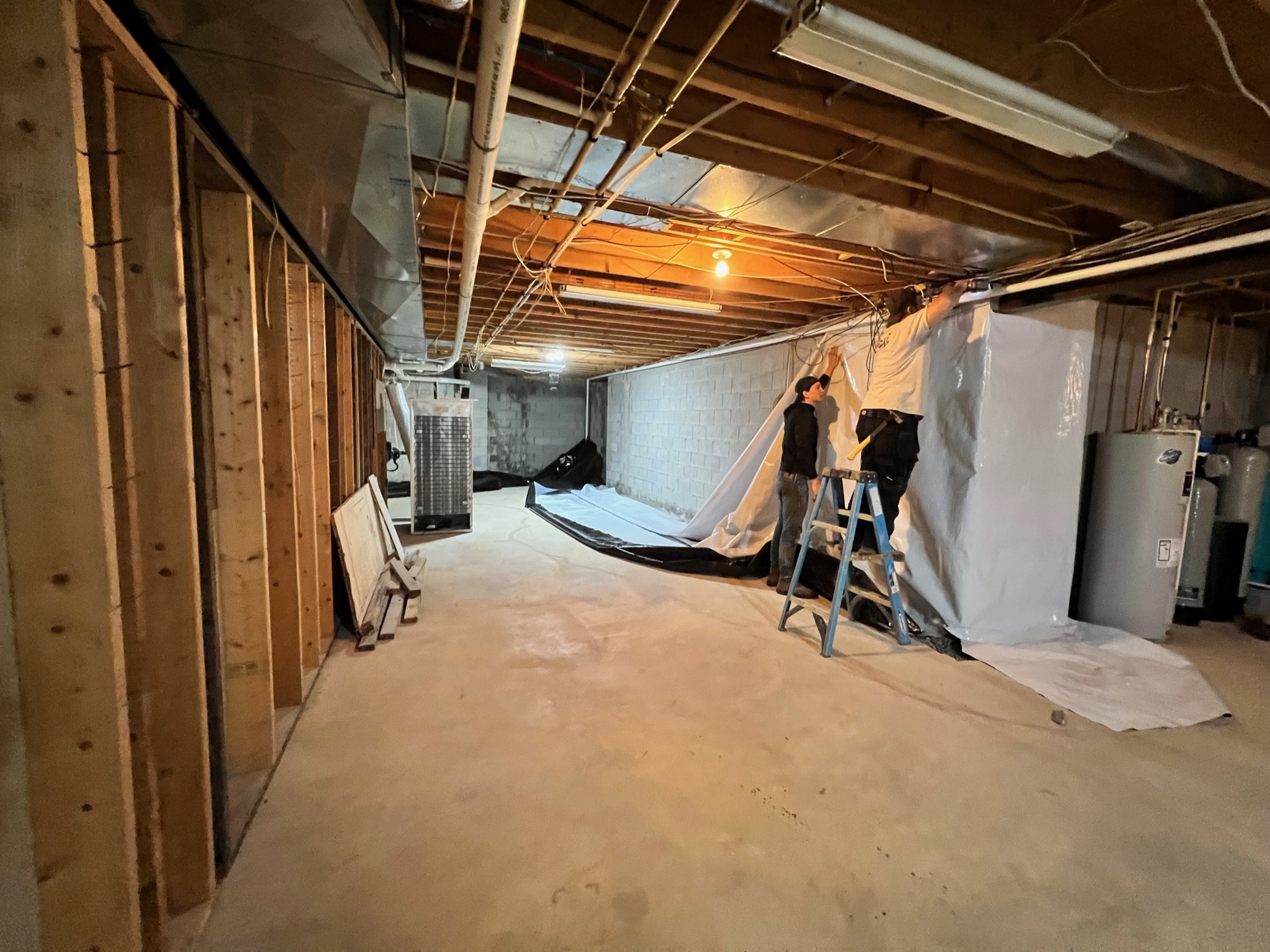
A closer look at the equipment, materials, and job site conditions involved in this kind of work.
Honest Answers
Radon Questions from
Maryland Homeowners
Call (410) 879-3360 if you'd like to discuss your crawl space's radon pathway. Test first; we'll tell you honestly where encapsulation fits.
Does my crawl space actually matter for radon, or is that a basement issue?
It matters just as much. Radon enters homes through the soil, predominantly at the lowest accessible level, and in homes with crawl spaces, that means through the crawl space floor and walls, not just a basement slab.
The same stack effect that pulls mold spores and moisture from the crawl space into living areas also draws radon-laden soil air upward. An unencapsulated crawl space with a bare soil floor and open vents provides essentially no barrier to that entry.
Is radon actually a concern where I live in Maryland?
Maryland's radon risk isn't uniform. Central Maryland counties, including Carroll, Frederick, and Howard, and parts of western Maryland have elevated radon potential related to underlying rock formations. That said, the EPA and Maryland Department of the Environment recommend that all Maryland homeowners test for radon regardless of location, since elevated levels can occur in any county.
Does OBW's encapsulation actually fix a radon problem?
It can be a helpful part of an overall radon reduction plan, but it isn't radon mitigation on its own. A properly installed vapor barrier with sealed seams, wall coverage, and penetration sealing reduces the surface area radon can enter through and reduces the air exchange that carries radon-laden air upward. Radon mitigation itself is a specialized service that OBW does not provide directly. If radon mitigation is a priority for your home, ask your inspector about coordinating with a licensed radon specialist.
What should I actually do first, test or encapsulate?
Test first. The Maryland Department of the Environment recommends all homeowners test their homes for radon, and test kits are available at hardware stores and through the state. If your result exceeds 4 pCi/L, the EPA action level, radon mitigation from a licensed specialist is recommended. From there, OBW can explain how crawl space encapsulation fits into your broader radon reduction plan.
If I'm not worried about radon, is there still a reason to encapsulate?
Yes. Moisture, mold, and general air quality are independent reasons to encapsulate a bare-floor, vented crawl space, radon reduction is a side benefit of the same barrier layer, not the only reason to do the work. A free inspection assesses your crawl space's actual moisture and drainage conditions regardless of your radon test results.
Why Oriole
Why Maryland Homeowners Trust
OBW with This
Honest About Our Scope
We install the barrier layer that supports radon reduction. We don't claim to provide radon mitigation itself, and we tell you plainly when to bring in a specialist.
Maryland County Experience
Central Maryland's elevated radon potential means many of our customers are already thinking about it. OBW has installed barrier layers across every county we serve.
No Subcontracting
OBW's own crew installs every vapor barrier, wall covering, and vent seal, in house, start to finish.
Family-Owned Since 1953
Founded by Frank Pirog Sr. in 1953. Amber Pirog leads the company today. Written workmanship guarantee on every repair.
Reviews
What Our Maryland Neighbors Say
Testing Comes First.
Getting Started on Your
Crawl Space Radon Pathway
An open, unsealed crawl space stays an open pathway until it's addressed, regardless of what your test results show.
Free Inspection
OBW assesses your crawl space's current barrier status and explains honestly what encapsulation can and can't do for radon. Free, no obligation.
Written Scope & Quote
You receive a written quote specifying the vapor barrier, wall coverage, and vent sealing, before any work is scheduled.
Installation & Referral If Needed
OBW's crew installs the barrier layer, and if radon mitigation itself is warranted, we help coordinate with a licensed specialist. Written workmanship guarantee issued upon completion.
Thinking About Radon and Your Crawl Space?
Free inspection. We tell you honestly what encapsulation can and can't do.
Family-owned since 1953 · MHIC #4247 · Written Workmanship Guarantee