The 60% Threshold Mold Waits For
High Humidity
in Your Crawl
Space in Maryland
Above 60% relative humidity, a crawl space stops being just damp and starts being a mold incubator.
Maryland's clay soils and humid summers push unsealed crawl spaces past 70% relative humidity for months at a time. Encapsulation seals off the sources feeding that moisture and holds the space at a target range year round, not just on the day it's installed.

Three Sources, One Threshold
Why Crawl Space Humidity
Climbs Past Safe Levels
At 60 to 70% relative humidity, mold spores that are always present in crawl space air begin establishing colonies on wood, insulation, and organic debris. At 70 to 80%, common in unencapsulated Maryland crawl spaces from late spring through early fall, growth accelerates significantly. Piedmont clay soil releases ground moisture continuously, open foundation vents pull in humid outdoor air, and porous foundation walls transmit moisture from saturated surrounding soil. Any one source is enough on its own; together they make high humidity nearly universal in a sealed-off, unencapsulated Maryland crawl space.
Through the stack effect, that humid crawl space air rises directly into living areas above, affecting comfort and indoor air quality throughout the home, not just conditions below the floor.
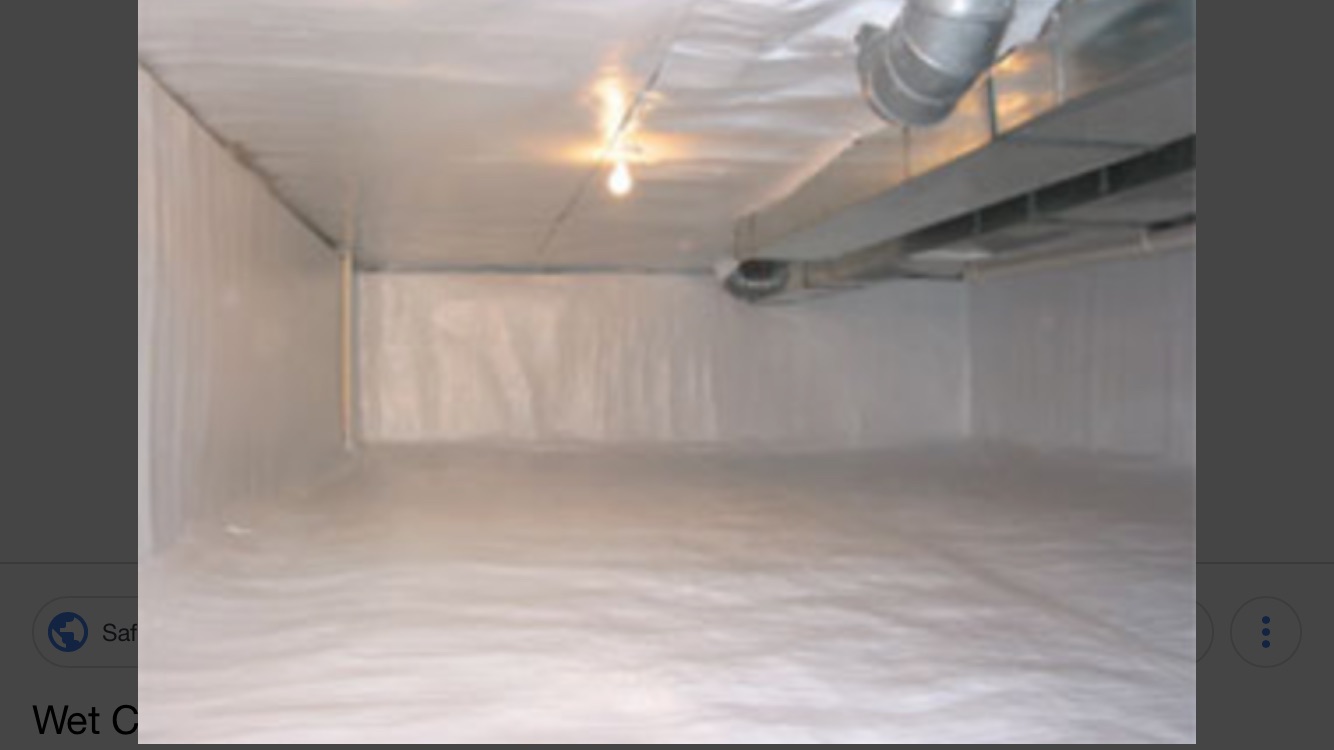
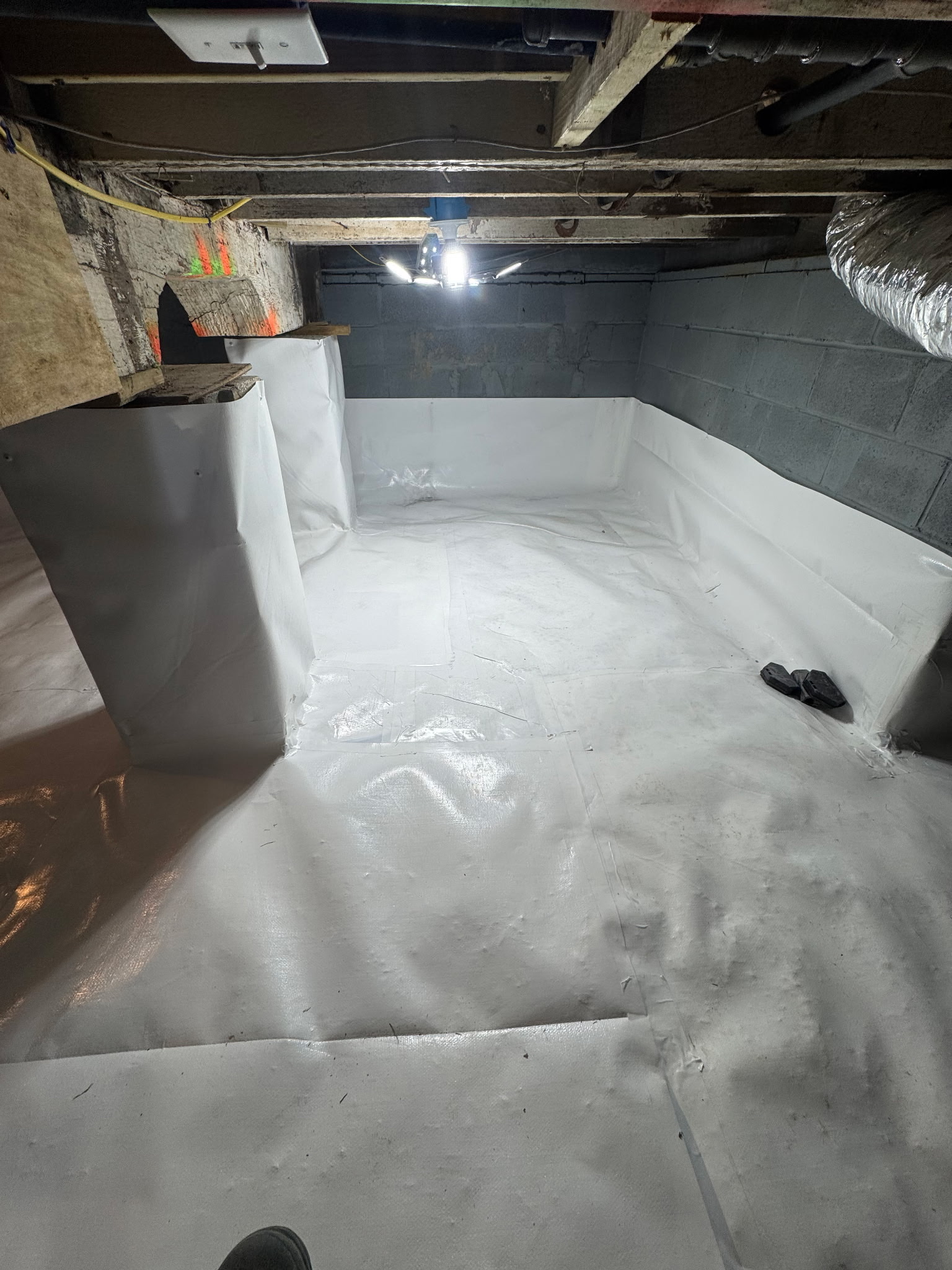
A sealed vapor barrier cuts off the largest single source of crawl space humidity: continuous soil evaporation
Catch It Before It Becomes Mold
Warning Signs of High
Humidity in Your Crawl Space
High humidity itself is easy to miss since it doesn't pool or drip the way standing water does. These are the earlier, quieter signs that relative humidity has climbed past a safe range before mold or a musty odor has fully set in.
- Visible condensation or moisture beading on ductwork, pipes, or the underside of the subfloor
- Insulation that feels damp or has begun sagging away from the subfloor
- Increased insect or pest activity, drawn to consistently moist conditions
- A crawl space that feels noticeably warmer and heavier than outside air, even without standing water
- Floors upstairs that feel less comfortable or slightly damp during warm months
What's Included
OBW's High Humidity
Encapsulation Services
Because three sources feed crawl space humidity at once, sealing just one of them rarely holds. OBW addresses all three together.
Humidity Assessment & Baseline Reading
We measure current relative humidity throughout the crawl space and identify which of the three common Maryland moisture sources are contributing.
Ground Vapor Barrier Installation
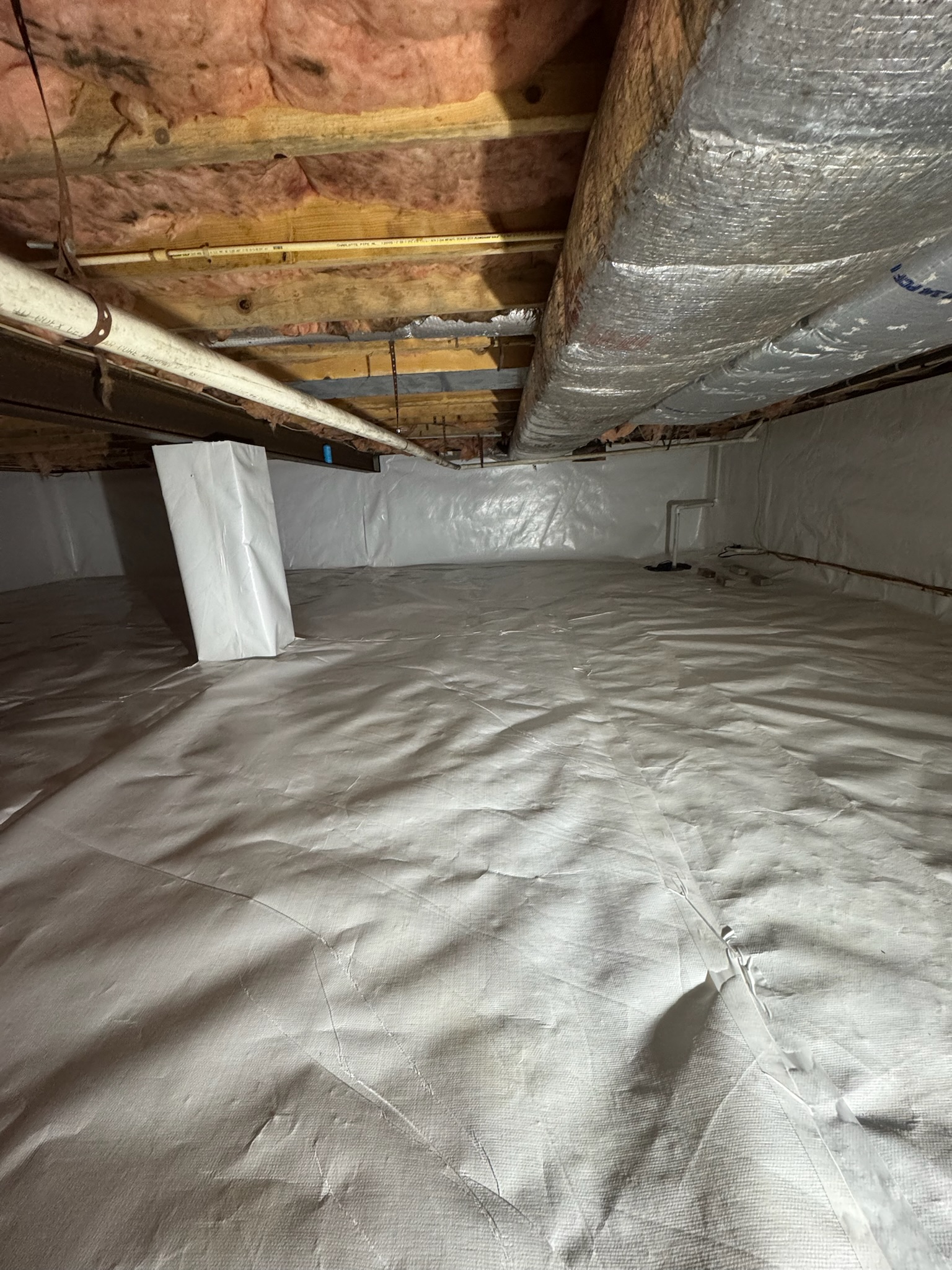
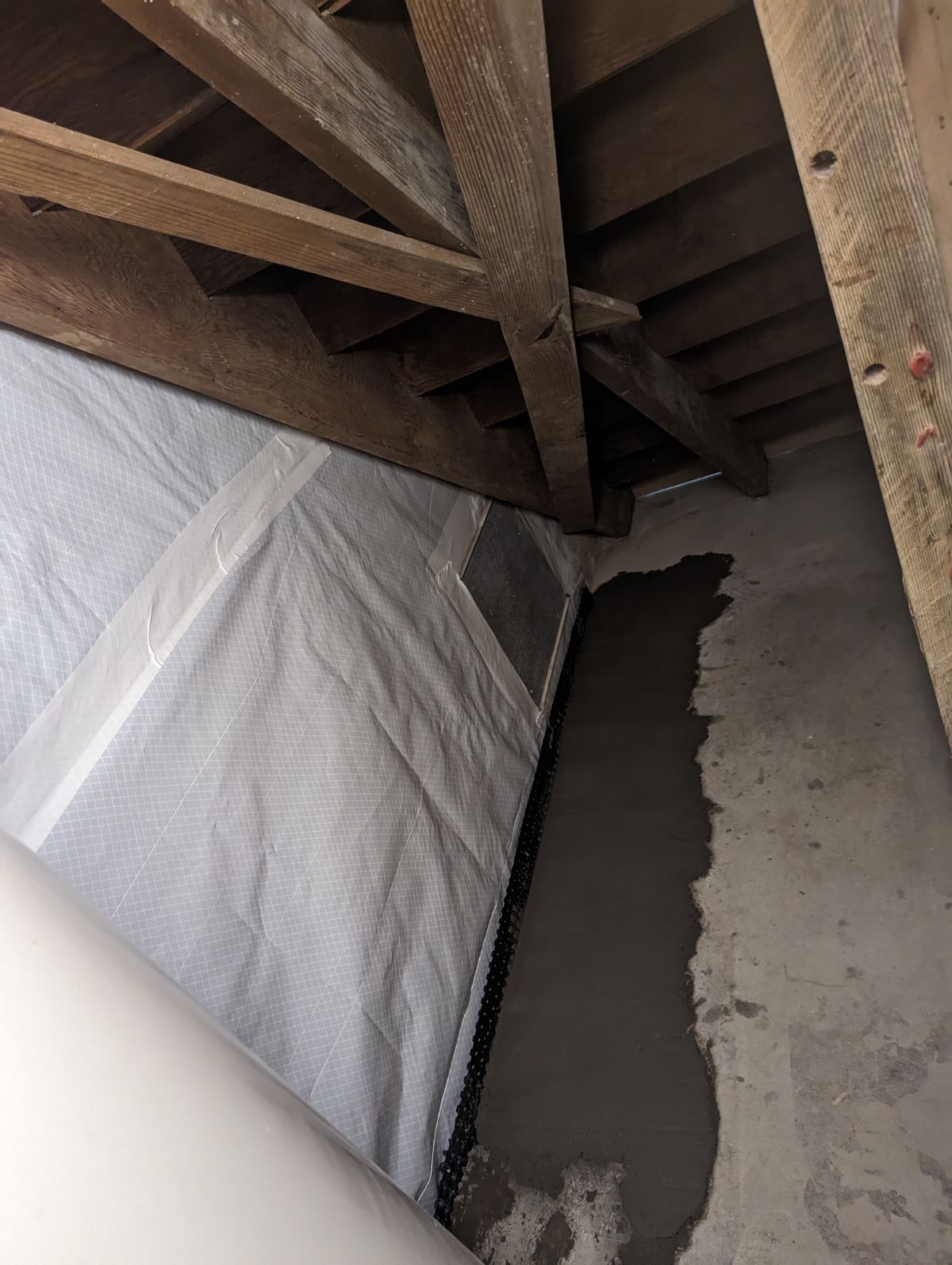
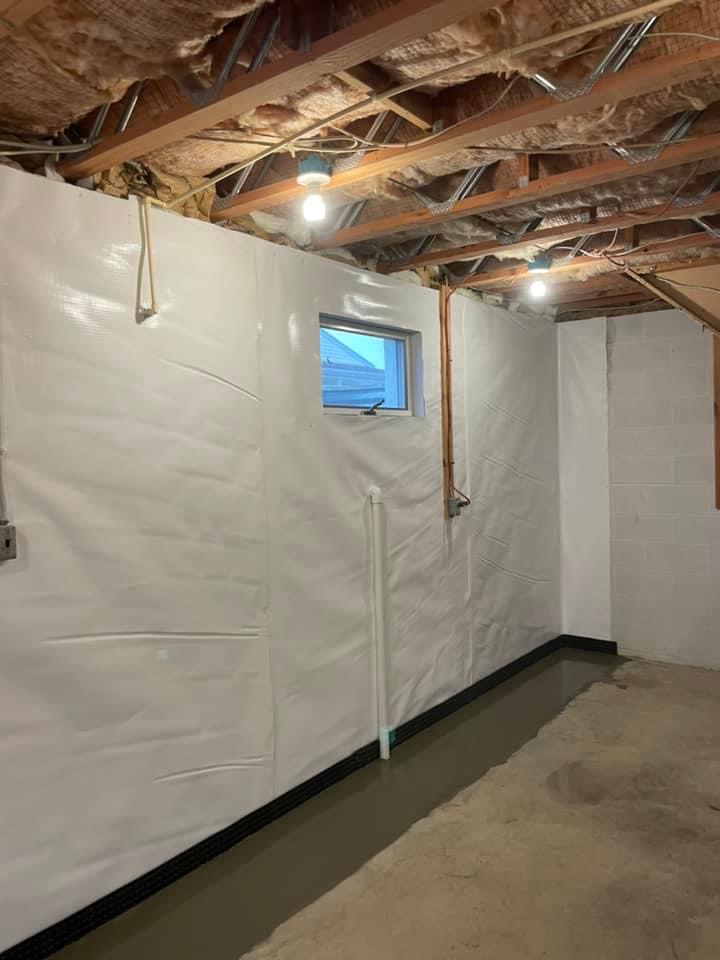
A sealed vapor barrier covers the crawl space floor, cutting off the largest single source of humidity: continuous soil evaporation.
Foundation Vent Sealing
Open vents are sealed so humid outdoor air can no longer be pulled into the space during Maryland's most humid months.
Dehumidifier Sizing & Installation
A dehumidifier sized to your specific crawl space actively holds relative humidity at 50 to 55%, rather than relying on sealing alone.
Insulation & Ductwork Check
Insulation and ductwork already affected by prior humidity are inspected, since damp insulation loses its effectiveness and keeps feeding the cycle.
Written Workmanship Guarantee
Every encapsulation system is backed by a written workmanship guarantee. Ask your inspector for the terms that apply to your job.
The Process
How OBW Brings Crawl Space
Humidity Under Control
Diagnose the sources. Seal the floor and vents. Actively hold the target range with a properly sized dehumidifier.
Inspection & Humidity Reading
OBW measures relative humidity and identifies which sources, soil moisture, open vents, or porous walls, are driving it above the 60% threshold.
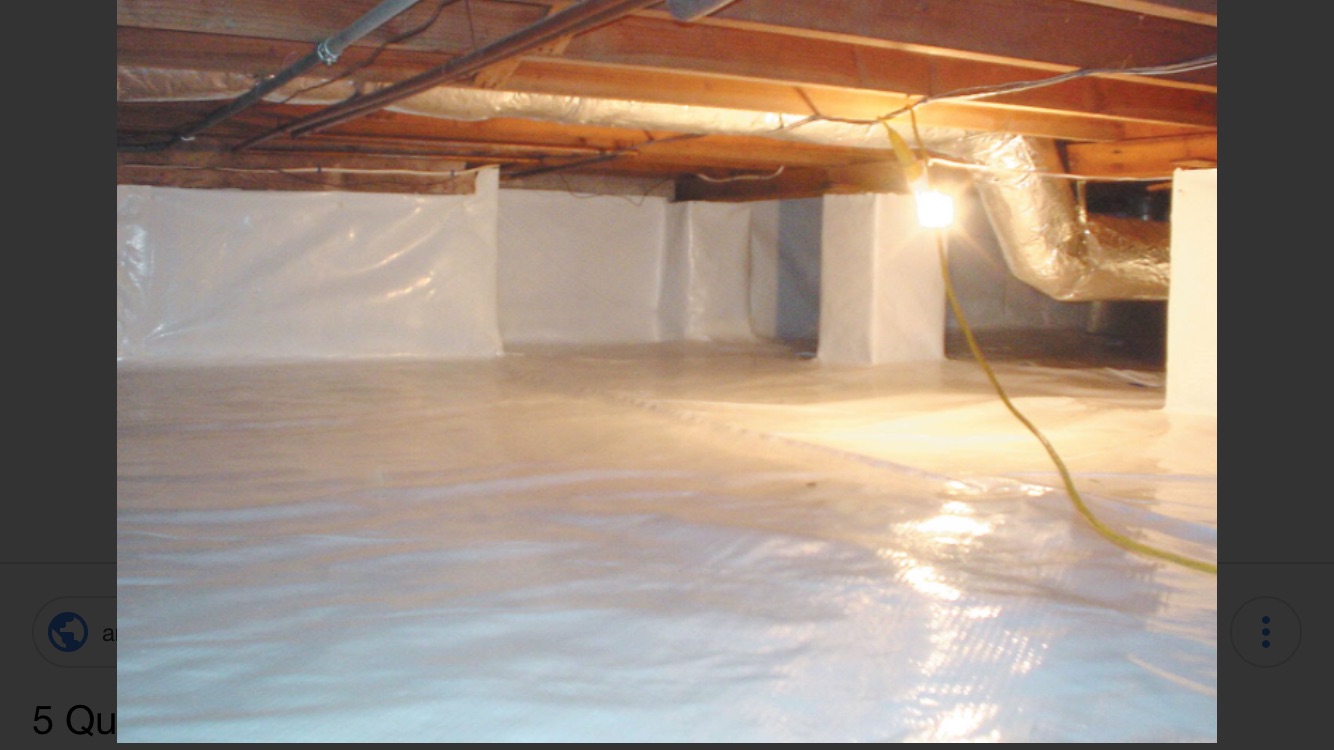
Ground Vapor Barrier Installation
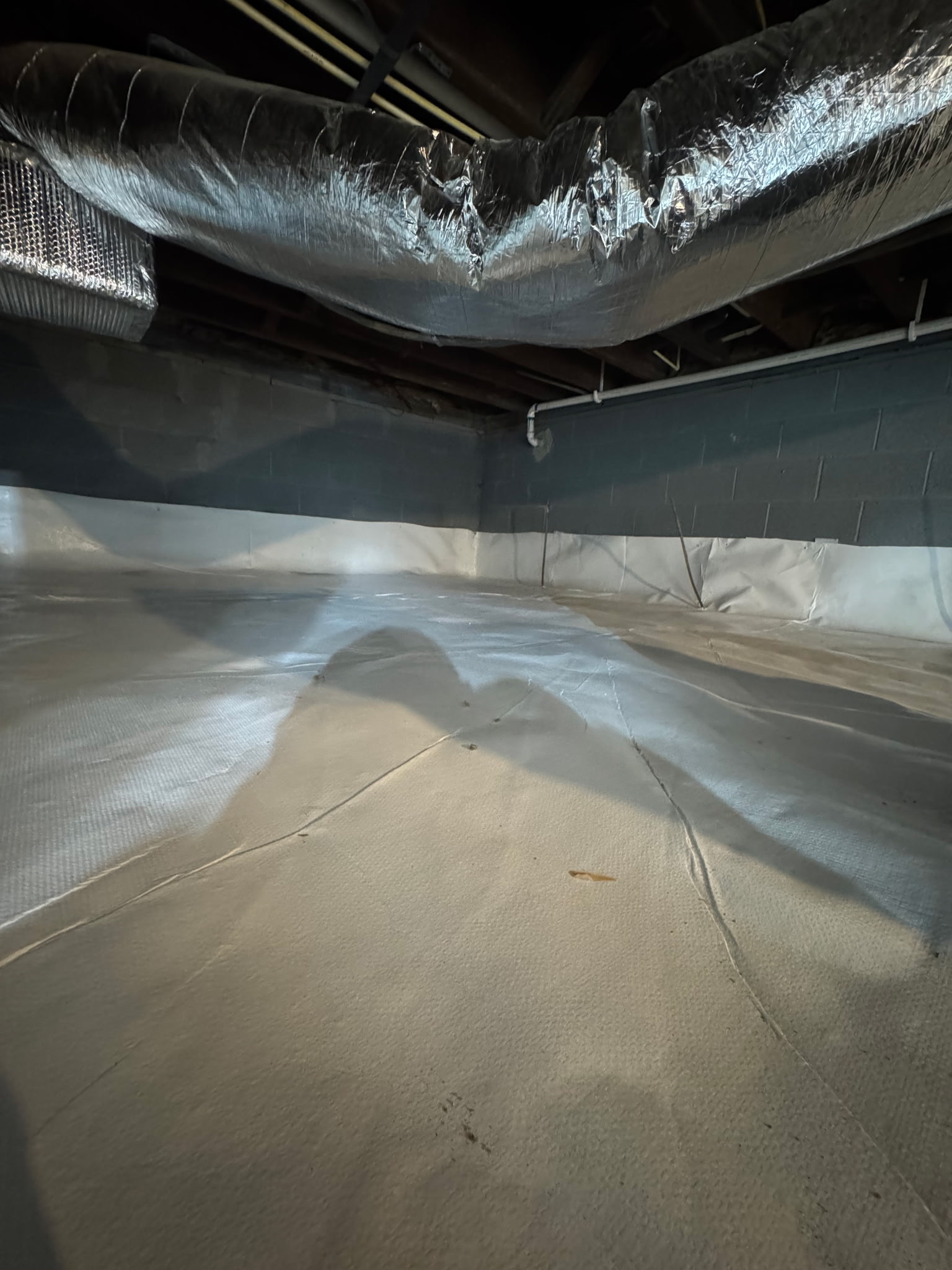
A sealed vapor barrier is installed across the crawl space floor to stop soil moisture from evaporating into the air.
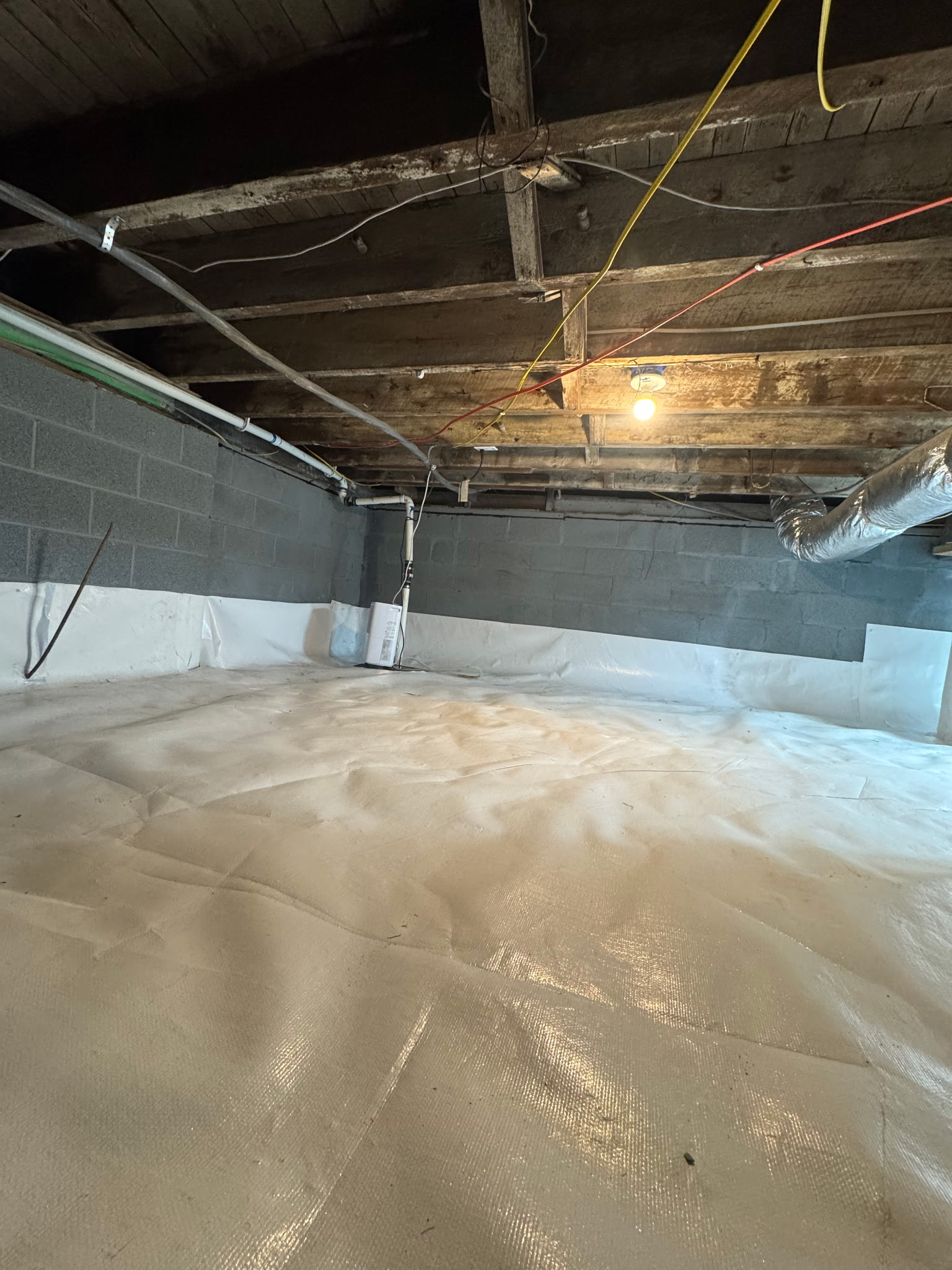
Vent Sealing & Dehumidifier Install
Foundation vents are sealed and a properly sized dehumidifier is installed to actively hold the space at target humidity.
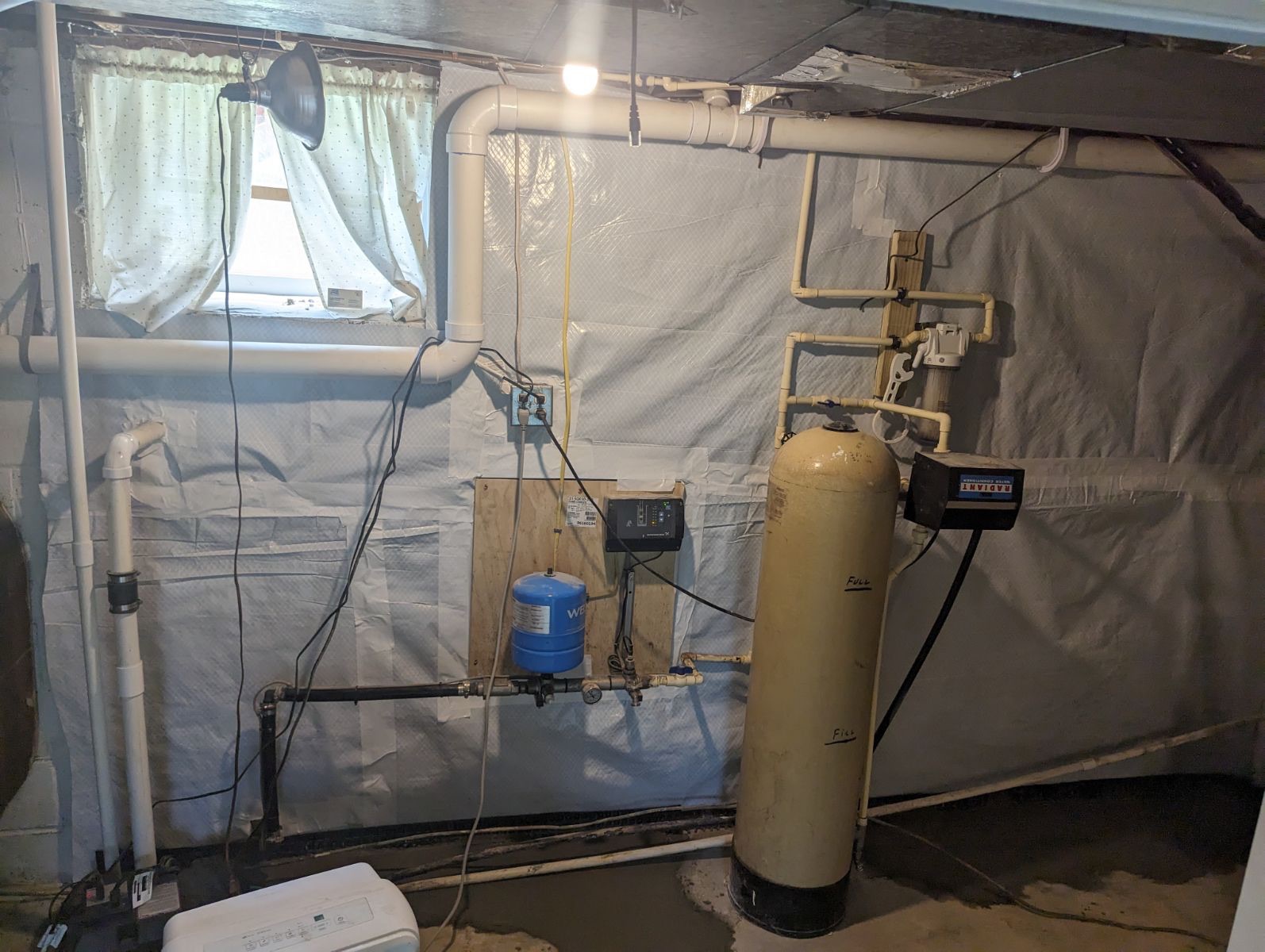
Verification
Humidity readings are re-checked to confirm the space is tracking toward 50 to 55% relative humidity as the system runs.
Photos From the Field
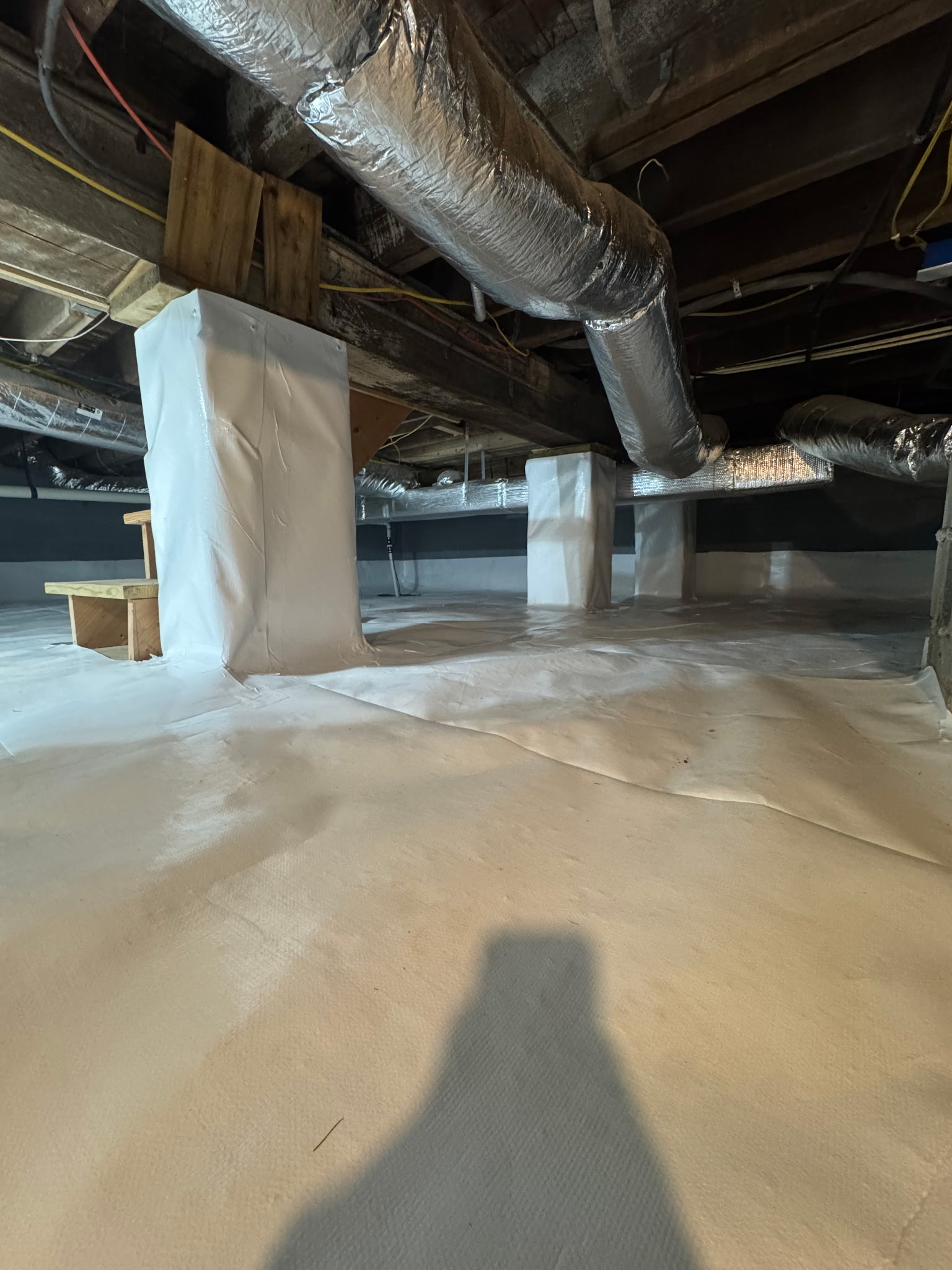
Job Site Photos
A closer look at the equipment, materials, and job site conditions involved in this kind of work.
Honest Answers
High Humidity Questions from
Maryland Homeowners
Call (410) 879-3360 if your crawl space feels consistently damp or heavy. Our inspectors will measure it on the spot.
What relative humidity level actually counts as a problem in a crawl space?
Above 60% relative humidity, mold spores that are always present in crawl space air begin establishing colonies on wood, insulation, and organic debris. Unencapsulated Maryland crawl spaces regularly run 70 to 80% relative humidity from late spring through early fall, well past that threshold.
OBW's encapsulation systems are built to hold crawl space humidity at 50 to 55% year round, comfortably below the point where mold and wood decay can establish.
Why is high humidity so hard to avoid in a Maryland crawl space?
Three sources feed it at once. Piedmont clay soil releases ground moisture continuously through an open dirt or bare concrete floor. Open foundation vents, still common in older Maryland homes, pull in humid outdoor air that regularly exceeds 65 to 70°F dew points through the summer. Porous foundation walls transmit moisture from the saturated soil around them. Any one of these sources alone is enough to push humidity past 60%; together they make it nearly universal in unsealed Maryland crawl spaces.
Is high humidity actually different from a mold or musty odor problem?
It's the condition that produces both. Humidity above 60% is the environment mold needs to establish, and mold's metabolic byproducts are what create a musty smell. Catching a crawl space at the high-humidity stage, before mold has visibly colonized anything, means a smaller job: sealing off the moisture sources rather than removing affected material first.
How does sealing the crawl space actually bring humidity down?
OBW installs a ground vapor barrier to stop soil moisture from evaporating into the space, seals foundation vents to stop humid outdoor air from getting in, and installs a dehumidifier sized to your specific crawl space to actively hold humidity at target range.
Sealing alone reduces the moisture load significantly, but a properly sized dehumidifier is what maintains 50 to 55% relative humidity through Maryland's most humid months, not just on the day of installation.
How soon does humidity actually come down after encapsulation?
Most Maryland crawl spaces reach target humidity range within one to two weeks of a completed encapsulation. Every installation is backed by a written workmanship guarantee. Ask your inspector for the specific terms that apply to your job.
Why Oriole
Why Maryland Homeowners Trust
OBW with High Humidity
We Seal the Sources, Not Just Add a Fan
A stand-alone dehumidifier fighting an open vent and an exposed dirt floor is working against constant new moisture. OBW seals the sources first.
Maryland Climate Experience
Piedmont clay soil and humid summer dew points make high crawl space humidity a near-constant challenge in our service area. OBW has sealed against it across every county we serve.
No Subcontracting
OBW's own crew installs every vapor barrier, vent seal, and dehumidifier, in house, start to finish.
Family-Owned Since 1953
Founded by Frank Pirog Sr. in 1953. Amber Pirog leads the company today. Written workmanship guarantee on every installation.
Reviews
What Our Maryland Neighbors Say
Humidity Doesn't Fix Itself.
Getting Started on Your
Humidity Control System
Every season the sources go unsealed is another season pushing your crawl space closer to the mold threshold.
Free Inspection
OBW measures current relative humidity and identifies which sources are driving it. Free, no obligation.
Written Encapsulation Plan & Quote
You receive a written quote specifying the vapor barrier, vent sealing, and dehumidifier sizing your space needs, before any work is scheduled.
Installation & Verification
OBW's crew installs the full system and re-checks humidity readings to confirm it's tracking toward target range. Written workmanship guarantee issued upon completion.
Crawl Space Feels Damp or Heavy Year Round?
Free inspection. We measure the actual humidity and seal the sources feeding it.
Family-owned since 1953 · MHIC #4247 · Written Workmanship Guarantee