Decades of Settling Change the Slope
Foundation Grading
and Swale
Installation in Maryland
Soil settles. Landscaping changes grade. The result is negative grade, ground that slopes toward your home rather than away from it.
Surface water control starts with getting the grade right. OBW corrects negative slope and installs swales where regrading isn't practical, often reducing the scope of whatever interior work would otherwise be needed.

What Negative Grade Does to a Foundation
A Slope That Points the
Wrong Direction
Maryland building standards require at least 6 inches of positive slope over the first 10 feet from the foundation, meaning the ground drops away from the house. Most Maryland homes were built with this condition met at construction, but soil settlement, landscaping additions, and mulch buildup erode that positive slope over time.
When grade becomes negative, every rainstorm directs surface runoff directly toward the foundation. That water saturates the backfill zone, typically less compacted than undisturbed soil, and exerts hydrostatic pressure against the wall. In Maryland clay, that pressure persists for days after the rain stops.

Correcting the slope around the foundation reduces the water load every other system has to manage
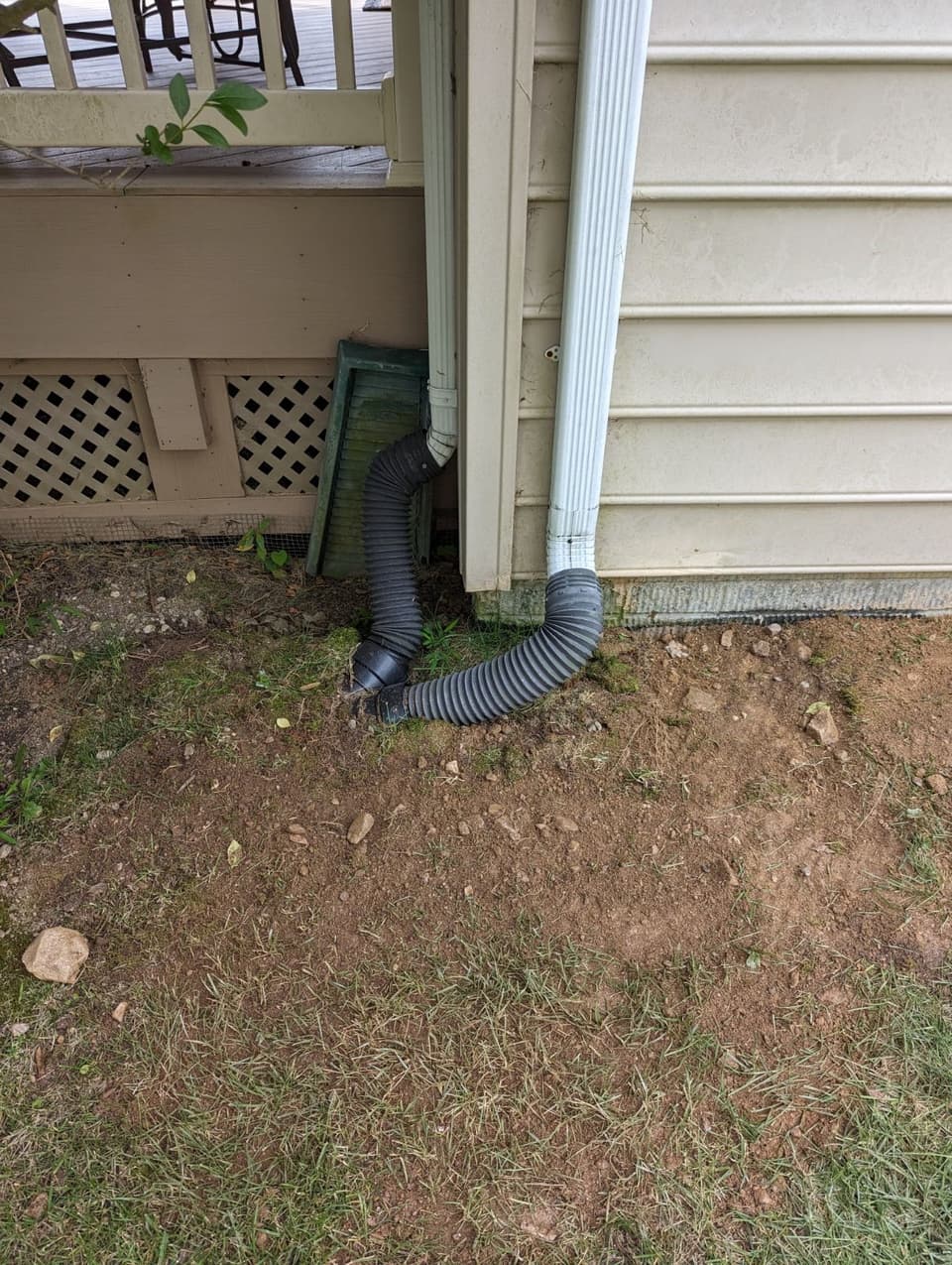
Signs Your Grade Has Gone Negative
When the Ground Slopes
Toward Your Home Instead of Away
These are the signs OBW's inspectors look for when assessing whether grade correction is part of the fix.
- The ground visibly slopes toward the foundation rather than away from it
- Mulch beds or landscaping additions have built up over the years near the foundation
- Water runs toward the house instead of away during rain
- Water from an uphill neighbor's yard or the street contributes to the load
- Basement wall dampness correlates with rain, not just heavy storms
What's Included
OBW's Grading and
Swale Services
Real compaction and proper fill material, not a layer of topsoil that resettles into the same problem.
Grade Assessment
We measure the actual slope over the first 10 feet from your foundation against Maryland's 6-inch positive-slope standard.
Vegetation & Organic Material Strip
The affected area is stripped of existing vegetation and organic material before any new fill goes in.
Compactable Fill, Not Topsoil
Fill appropriate for direct foundation contact is brought in and compacted in lifts, since topsoil compresses and settles again.
Topsoil & Seed Restoration
The corrected grade is finished with topsoil and seed or sod to restore the landscape.
Swale Design Where Regrading Isn't Practical
A shallow, sloped channel intercepts and redirects runoff around landscaping or hardscaping that can't be regraded.
Written Workmanship Guarantee
Every grading and swale project is backed by a written workmanship guarantee. Ask your inspector for the terms that apply to your job.
The Process
How OBW Corrects
Negative Grade
Measure the actual slope. Strip and prepare. Fill and compact correctly. Restore or route around with a swale.
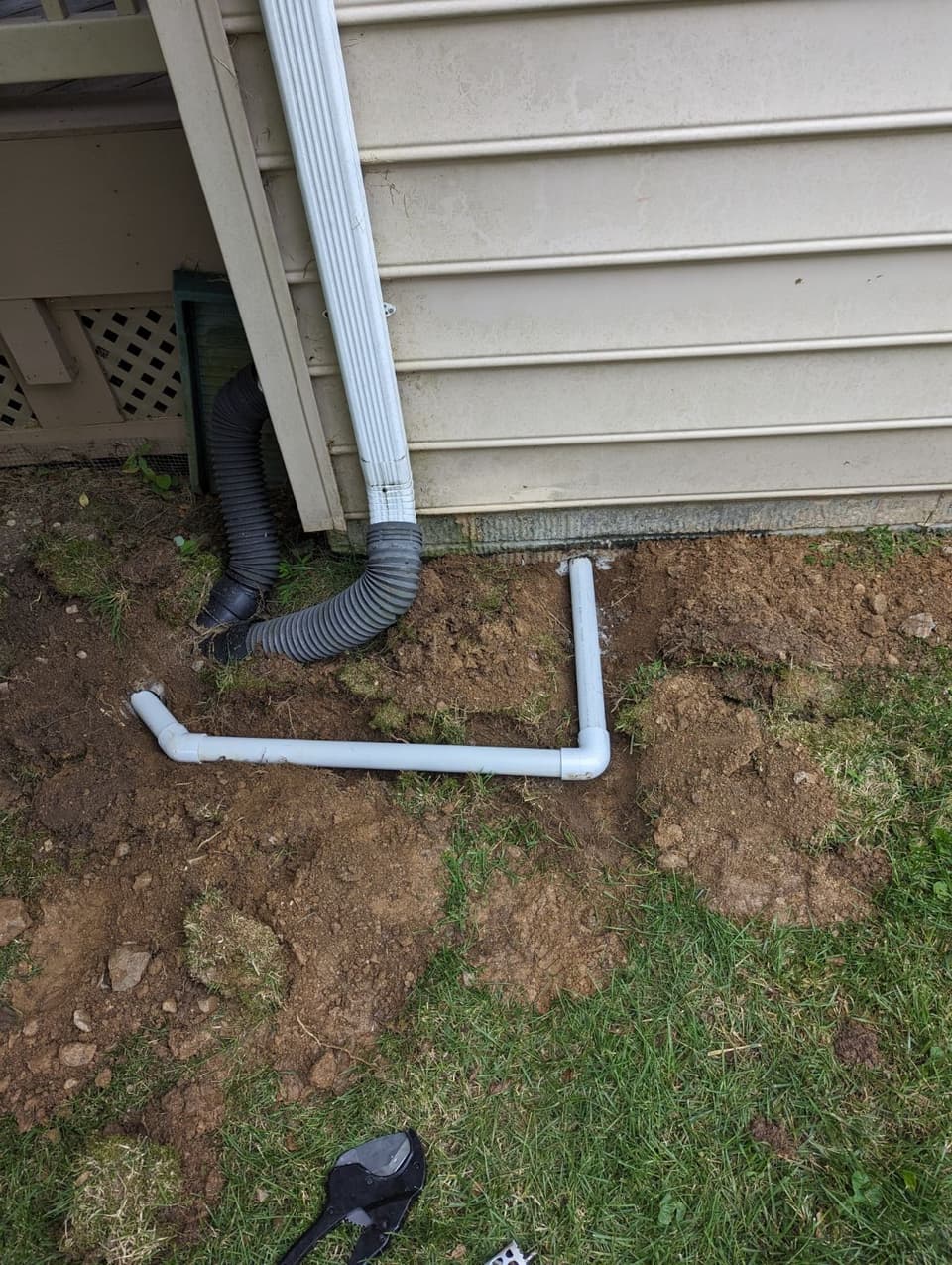
Grade Measurement
OBW measures the actual slope around your foundation to confirm whether it's negative, flat, or simply insufficient.

Strip & Prepare
Vegetation and organic material are stripped from the affected area to prepare for proper compactable fill.

Fill & Compact in Lifts
Compactable fill is brought in and compacted in lifts to establish real positive slope, not just a temporary grade.
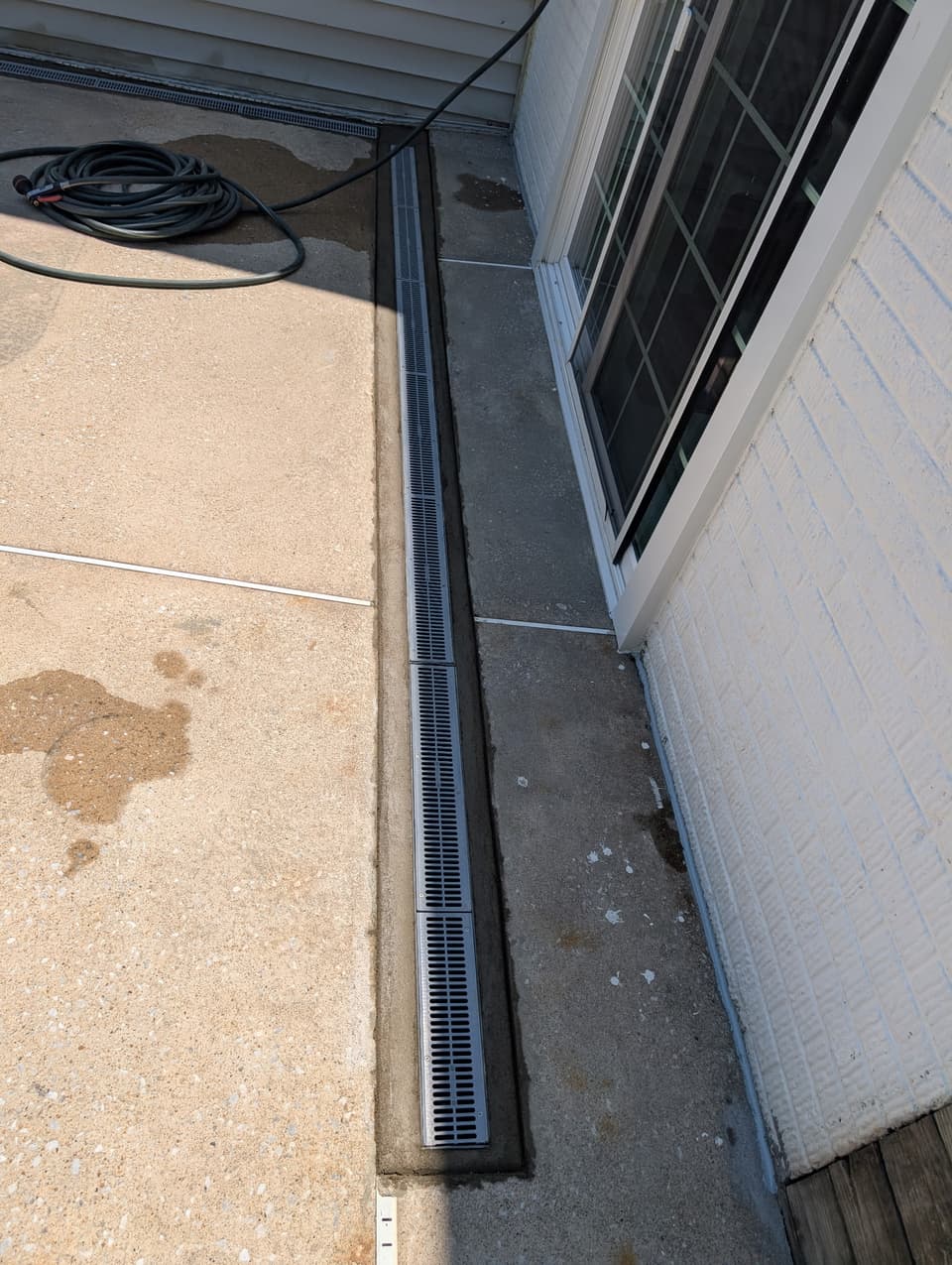
Restore or Install Swale
The area is restored with topsoil and seed, or a swale is graded and seeded where regrading isn't practical.
Photos From the Field
Job Site Photos
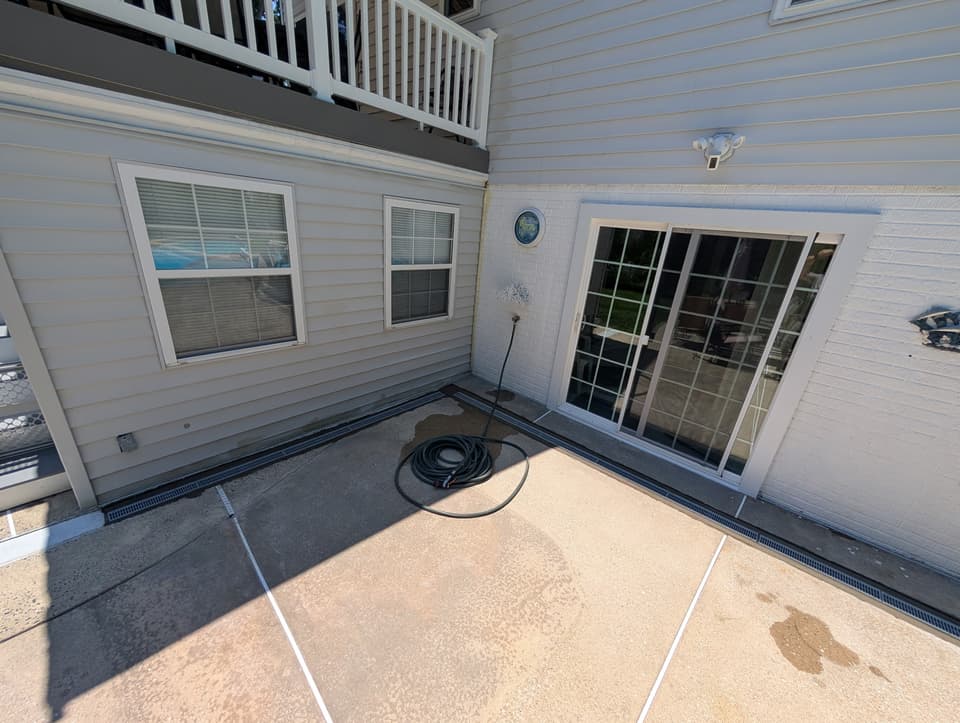
A closer look at the equipment, materials, and job site conditions involved in this kind of work.



Honest Answers
Grading Questions from
Maryland Homeowners
Call (410) 879-3360 if water seems to be running toward your house. Our inspectors will measure the actual slope on the spot.
What is negative grade, and how does it happen?
Negative grade means the ground slopes toward your home rather than away from it. Maryland building standards require at least 6 inches of positive slope over the first 10 feet from the foundation. Most Maryland homes met that condition at construction, but soil settlement, landscaping additions, and mulch buildup erode that positive slope over time, sometimes without anyone noticing until water starts showing up in the basement.
Why does negative grade matter so much for a foundation?
When grade becomes negative, every rainstorm directs surface runoff directly toward the foundation. That water saturates the backfill zone, which is typically less compacted than undisturbed soil, and exerts hydrostatic pressure against the wall. In Maryland clay, that pressure persists for days after the rain stops, which is exactly the kind of sustained load that eventually finds a crack or the cove joint.
What does grading correction actually involve?
We strip existing vegetation and organic material from the affected area, bring in compactable fill material appropriate for direct foundation contact, not topsoil, which compresses and settles, compact it in lifts to establish proper grade, and restore with topsoil and seed or sod. This isn't just adding a layer of dirt, the fill material and compaction method matter as much as the final slope.
What if regrading isn't practical because of landscaping or a patio?
In areas where ground cover, plantings, or hardscaping make regrading impractical, we design a swale to intercept and redirect runoff instead. A swale is a shallow, sloped channel that carries surface sheet flow around or away from the foundation. We grade and seed swales to blend with the existing landscape, lining them with erosion-control matting where slope or concentrated flow would cause washout.
Is this the first thing OBW checks before recommending interior work?
Yes. Before recommending interior drainage or wall repair, we assess the grade around your home. Addressing surface water first frequently reduces the scope of everything else, since a foundation that isn't fighting constant runoff pressure has less water working against whatever interior system is already in place. Every grading and swale project is backed by a written workmanship guarantee, terms vary by service, ask your inspector.
Why Oriole
Why Maryland Homeowners Trust
OBW with Grading & Yard Sloping
The First Thing We Check
Before recommending interior work, OBW assesses the grade. Fixing surface water first often reduces what else needs to happen.
Compacted Right, Not Just Piled On
OBW compacts fill in lifts with proper material, not a topsoil layer that resettles into the same negative grade within a season.
No Subcontracting
OBW's own crew handles every grading correction and swale installation, in house, start to finish.
Family-Owned Since 1953
Founded by Frank Pirog Sr. in 1953. Amber Pirog leads the company today. Written workmanship guarantee on every project.
Reviews
What Our Maryland Neighbors Say
Surface Water Control Is Often the First Fix.
Getting Started on Your
Grading Correction
Before recommending interior drainage or wall repair, OBW assesses the grade around your home first.
Free Inspection
OBW measures the actual slope around your foundation to confirm whether grading or a swale is the right fix. Free, no obligation.
Written Grading Plan & Quote
You receive a written quote specifying the fill, compaction, or swale your yard needs, before any work is scheduled.
Correction & Restoration
OBW's crew strips, fills, compacts, and restores the area, or installs the swale. Written workmanship guarantee issued upon completion.
Water Running Toward Your House Instead of Away?
Free inspection. We measure the actual slope before recommending anything.
Family-owned since 1953 · MHIC #4247 · Written Workmanship Guarantee