Mold Returns Without a Moisture Fix
Crawl Space
Mold
in Maryland
Mold in a Maryland crawl space is almost always a moisture problem, and treating the mold without fixing the moisture guarantees it returns.
Mold spores present in outdoor air enter your crawl space through vents and gaps, then establish on damp wood within 24 to 48 hours once conditions are right. OBW corrects the moisture and installs the encapsulation that keeps it from coming back.

Why It Establishes So Easily Here
How Mold Actually Gets
Started in Your Crawl Space
Mold spores are present in virtually all outdoor air, and they enter unencapsulated crawl spaces freely through foundation vents and gaps. When those spores land on organic material, wood joists, subfloor panels, insulation, at relative humidity above 60%, they begin to grow. Maryland crawl spaces meet those conditions easily: open vents import humid outdoor air, Piedmont clay soil continuously releases ground moisture, and the framing itself provides abundant organic substrate.
Mold can establish within 24 to 48 hours on wet wood. Because the crawl space is dark and rarely accessed, that growth can go undetected for years, quietly degrading the wood fibers it's feeding on the entire time.
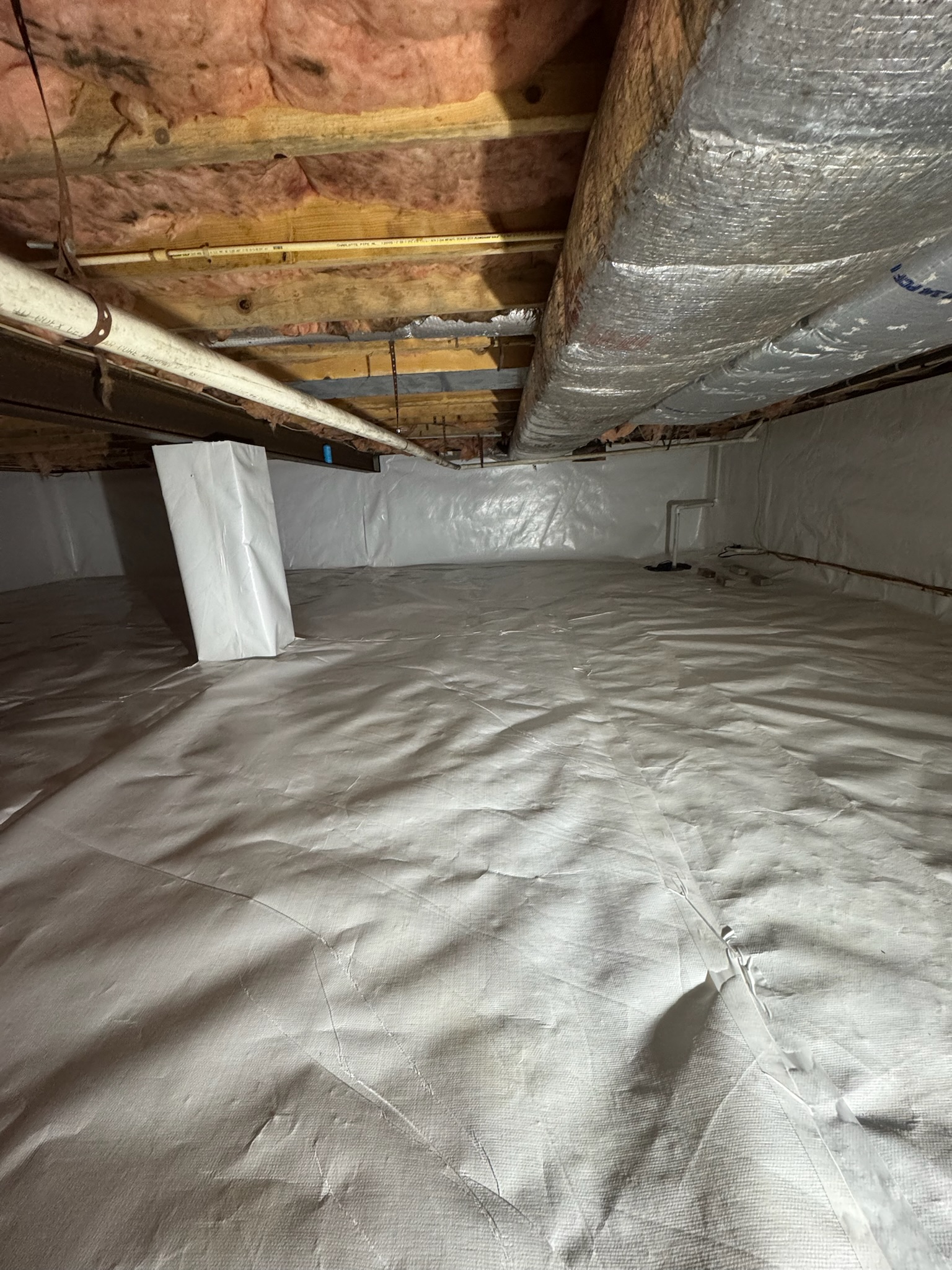
Early mold growth on crawl space framing, often present for a long stretch before it's noticed
What to Look For
Warning Signs of Mold
in Your Crawl Space
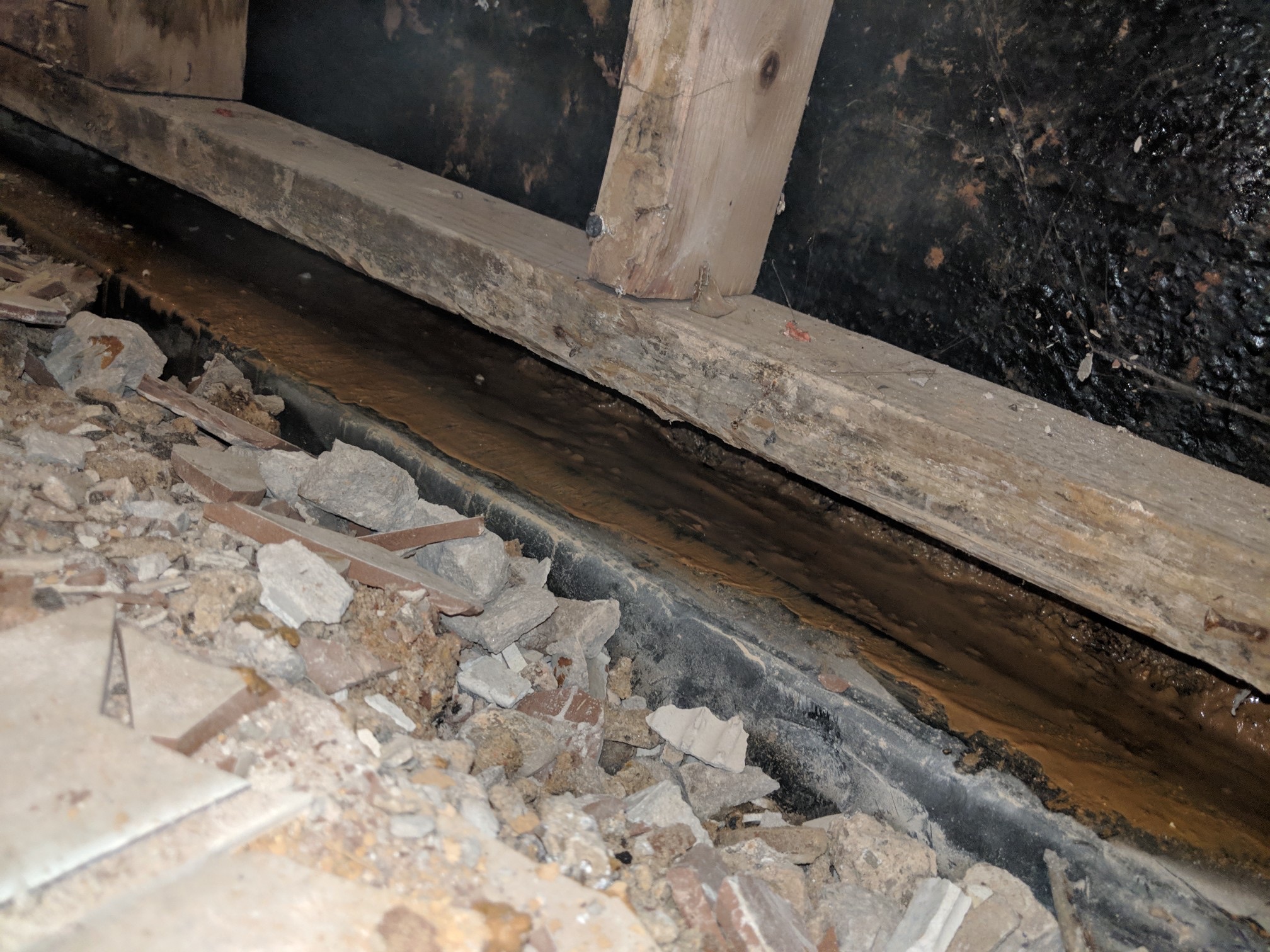
Surface mold that gets dismissed as cosmetic can penetrate wood fibers if moisture conditions persist, turning a surface issue into a structural one. Active mold also reaches the living areas above through the stack effect, which continuously pulls crawl space air upward.
- Visible mold growth, black, white, or greenish, on floor joists, subfloor, or insulation
- A persistent musty odor noticeable from the crawl space access or nearby floor registers
- Wood that feels soft, spongy, or visibly weakened where mold has been established longest
- A household member with asthma or allergies reporting more frequent symptoms at home
- Prior mold treatment that returned within a year or two of being addressed
What's Included
How Encapsulation Stops
Crawl Space Mold
Because moisture is what let mold establish, treating what is visible without also encapsulating just resets the clock until it returns.
Mold & Moisture Inspection
We confirm the extent of mold growth and the moisture conditions that let it establish before recommending a scope of work.
Clearing Affected Material
Insulation and organic debris with mold growth are cleared as the first step, not treated in place.
Surface Mold Treatment
Visible surface mold on structural wood is treated with EPA-registered antimicrobial products.
Vapor Barrier & Vent Sealing
A heavy-duty liner and sealed vents remove the moisture conditions that let mold establish in the first place.
Dehumidification for Regrowth Prevention
A properly sized dehumidifier maintains humidity below the threshold mold needs to grow back.
Written Workmanship Guarantee
Mold treatment and encapsulation work is backed by a written workmanship guarantee. Ask your inspector for the terms that apply to your job.
The Process
How OBW Removes the Moisture
Behind Crawl Space Mold
Clear what is being opened up. Treat the surfaces underneath. Eliminate the moisture that let it happen in the first place.
Inspection & Extent Assessment
OBW documents where mold has established and how far it's spread, plus the moisture conditions that let it happen, before recommending anything.
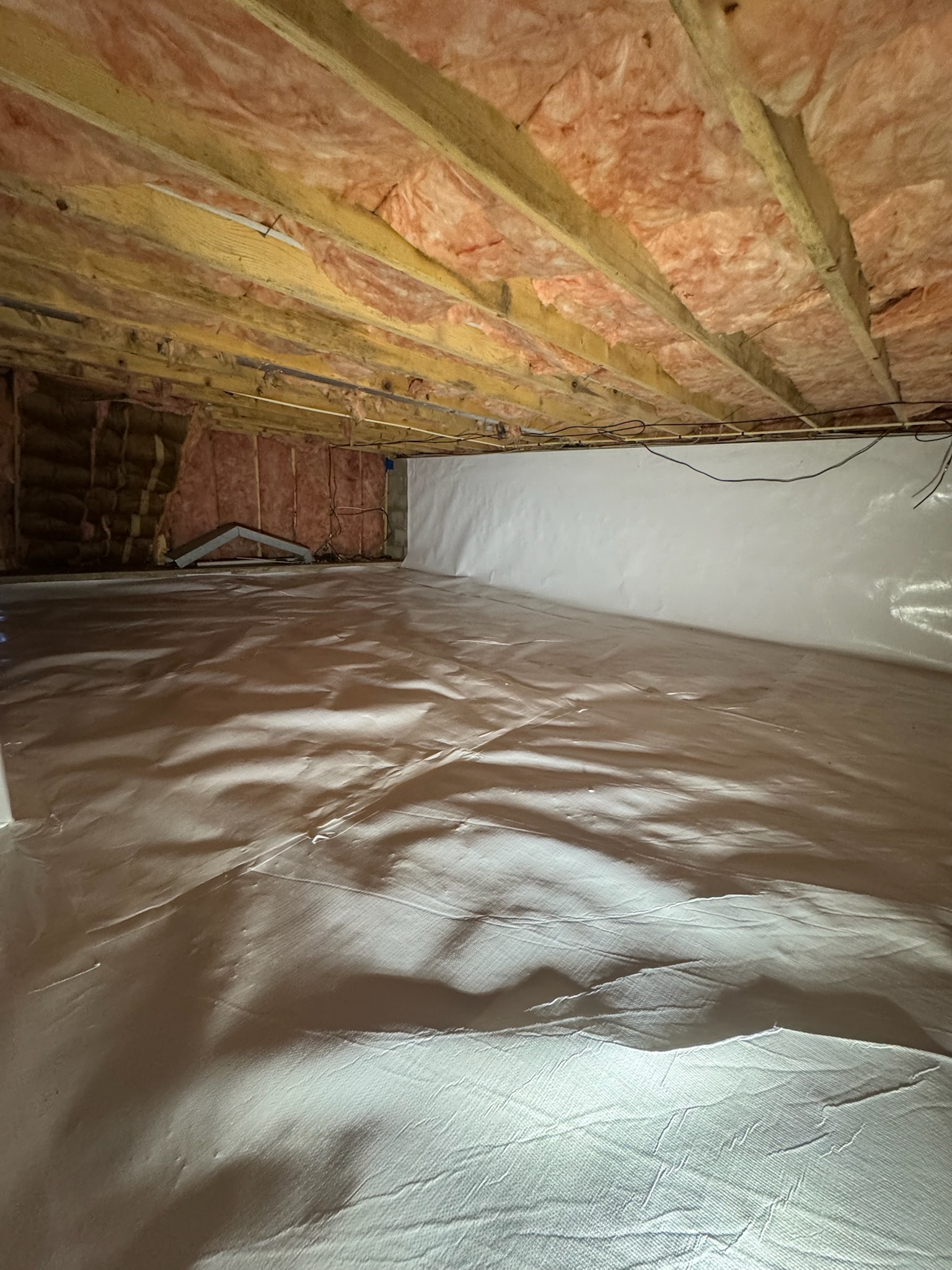
Clearing Affected Material
Insulation and organic debris with mold growth are cleared. For extensive growth, OBW refers you to Raven, its sister company, for formal remediation first.
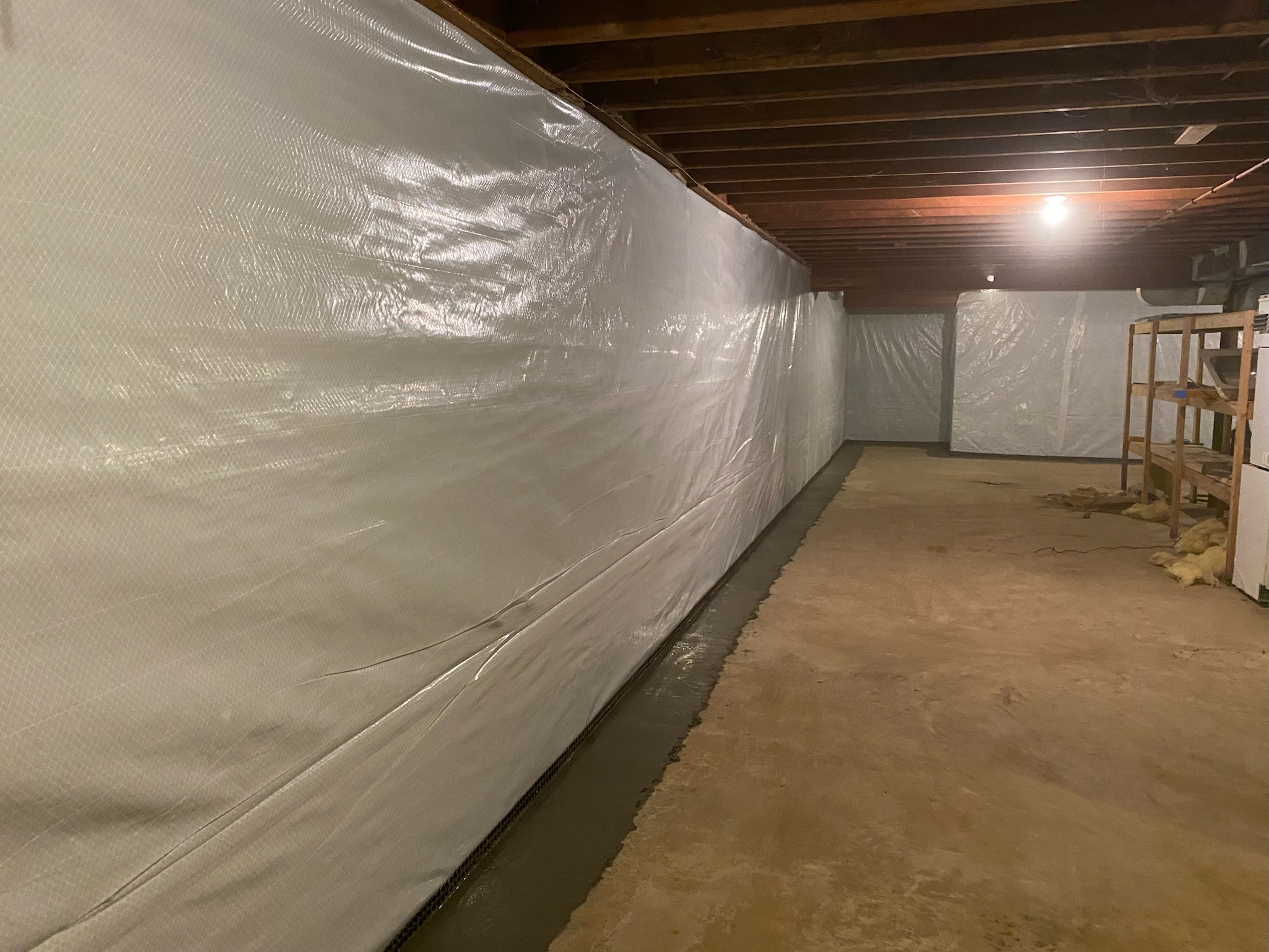
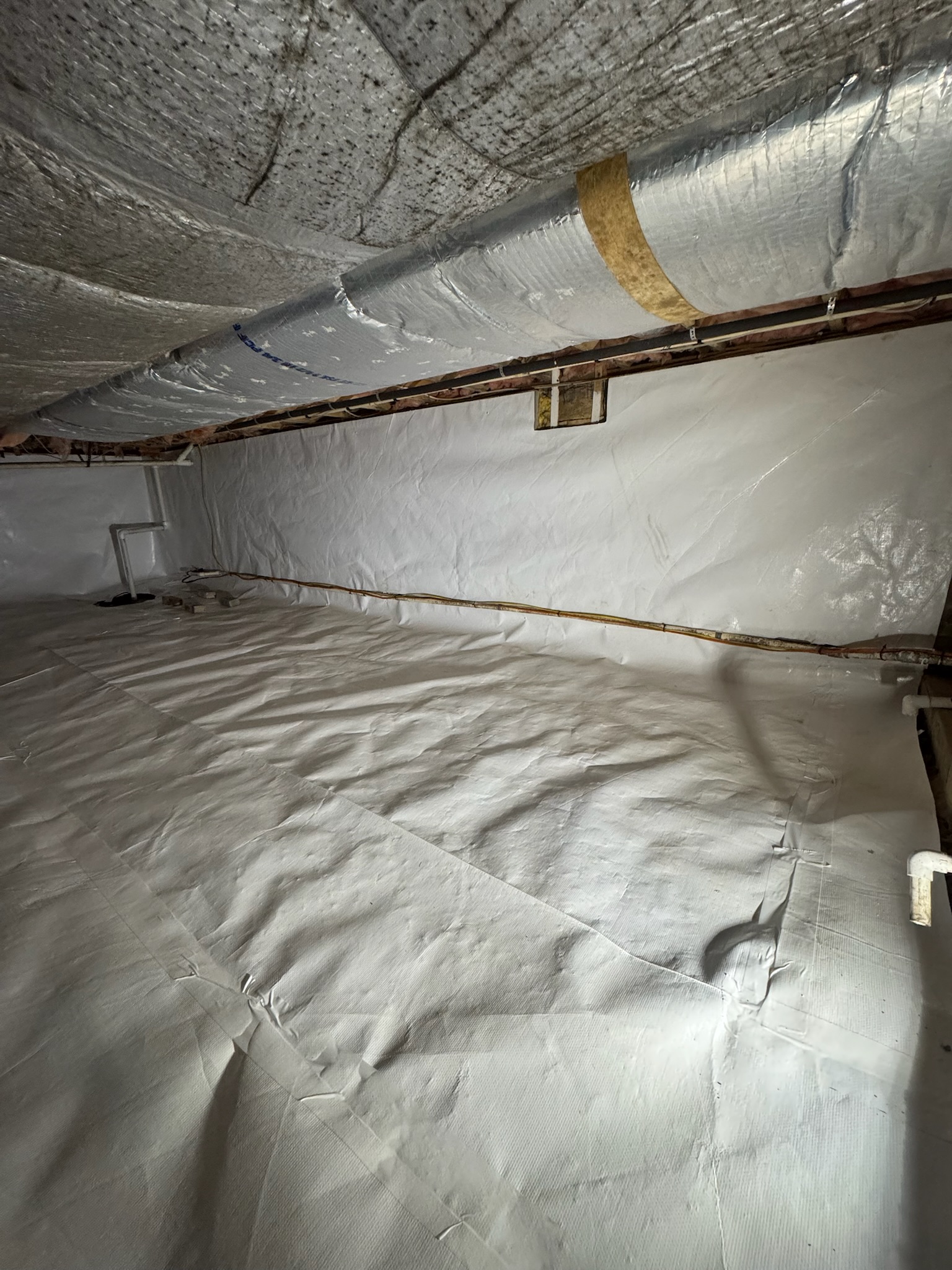
Antimicrobial Treatment & Encapsulation
Visible surface mold on structural wood is treated, then a vapor barrier and sealed vents remove the moisture that enabled growth.
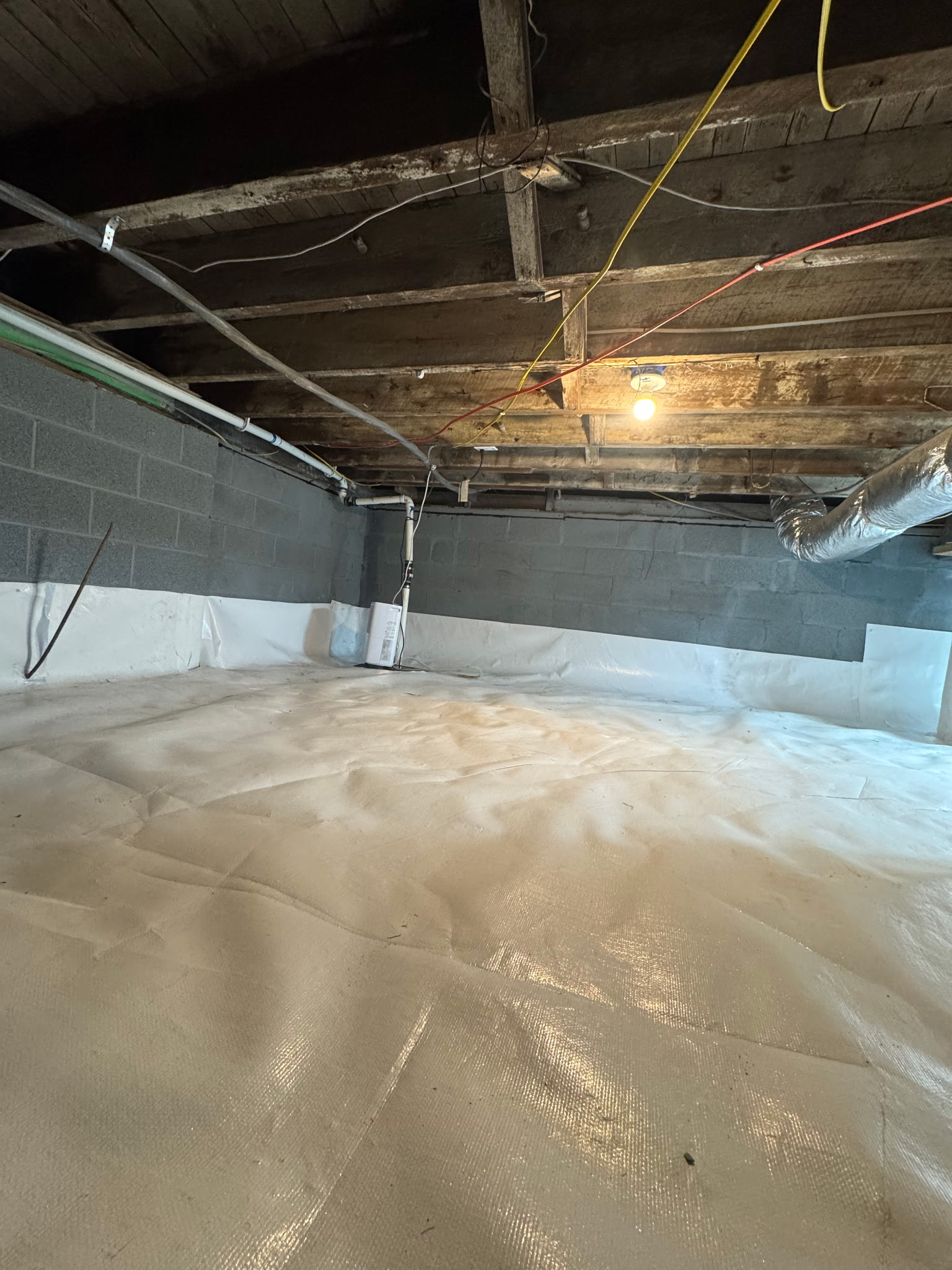
Dehumidification & Verification
A dehumidifier is installed and humidity is verified below the threshold mold needs, confirming the space is set up to prevent regrowth.
Photos From the Field
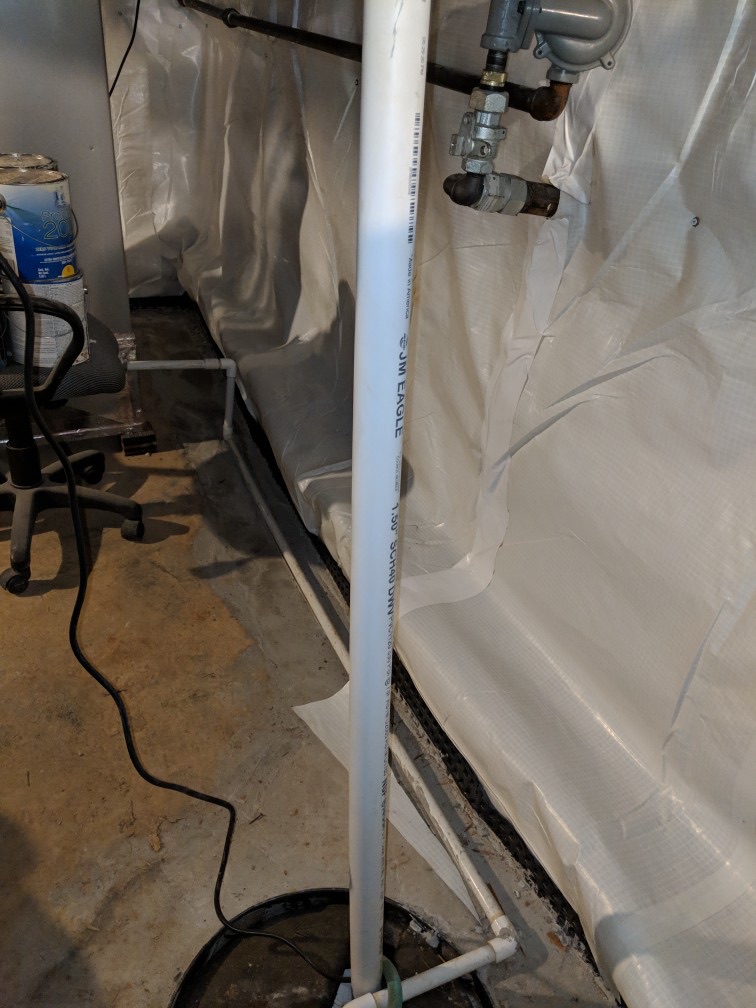
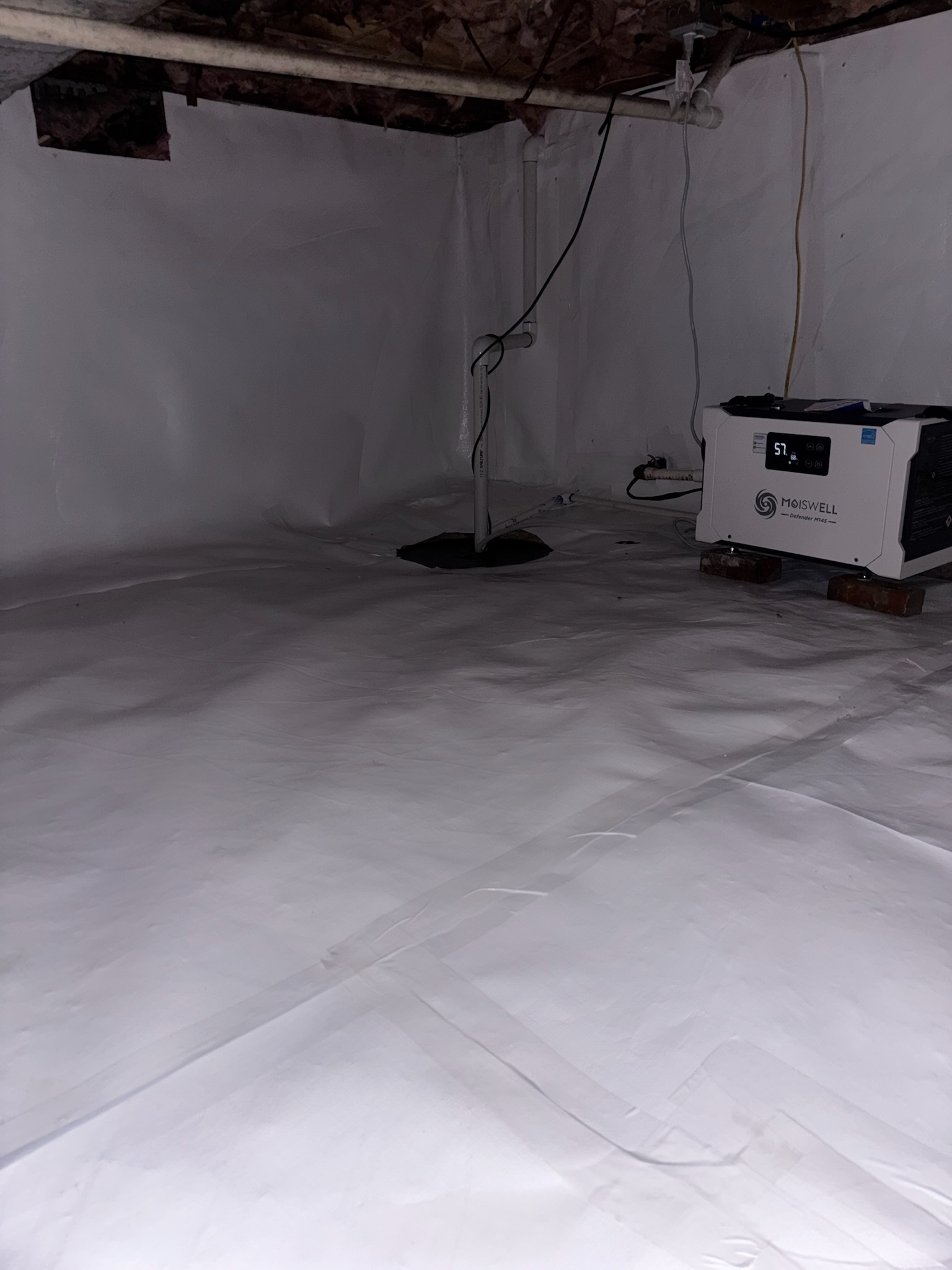
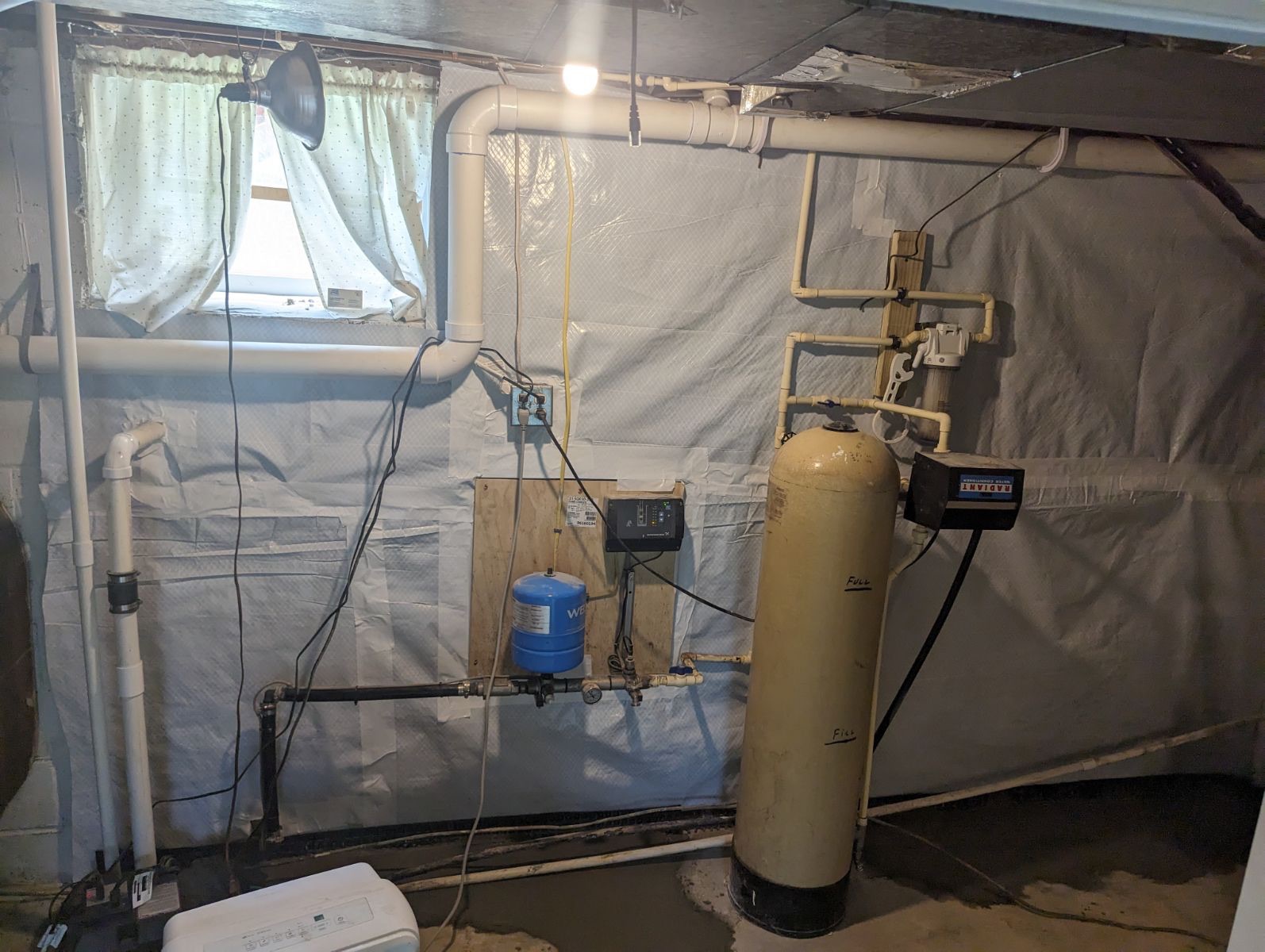
Job Site Photos
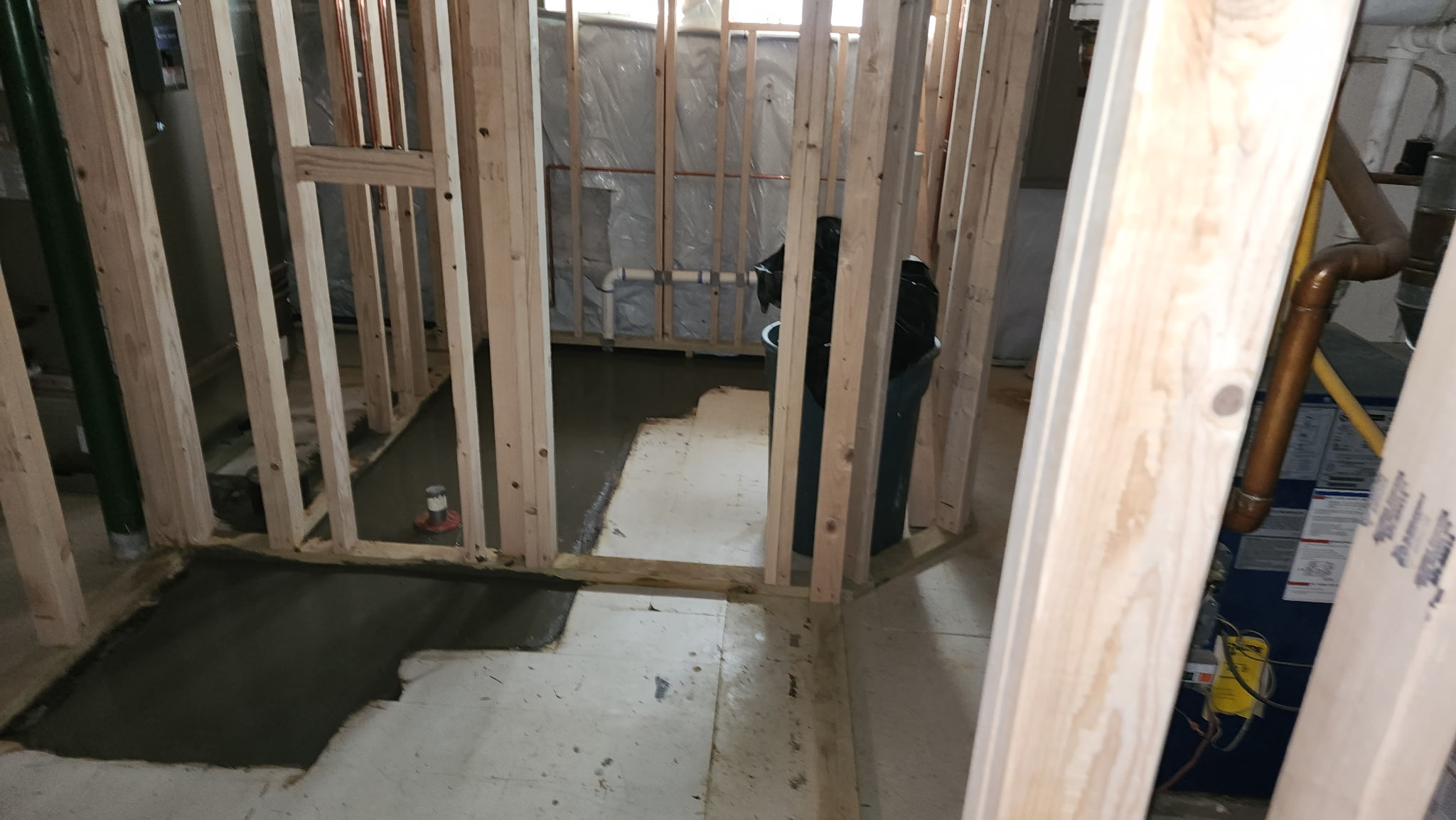
A closer look at the equipment, materials, and job site conditions involved in this kind of work.
Honest Answers
Crawl Space Mold Questions from
Maryland Homeowners
Call (410) 879-3360 if you've found mold in your crawl space. Our inspectors will tell you honestly what we find and what it takes to fix it.
How does mold actually get started in a Maryland crawl space?
Mold spores are present in virtually all outdoor air, and they enter unencapsulated crawl spaces freely through foundation vents and gaps. When those spores land on organic material, wood joists, subfloor panels, insulation, at relative humidity above 60%, they begin to grow.
Maryland crawl spaces meet those conditions easily. Open vents import humid outdoor air, Piedmont clay soil continuously releases ground moisture, and the framing itself provides abundant organic substrate. Mold can establish within 24 to 48 hours on wet wood, and because the crawl space is dark and rarely accessed, it can go undetected for years.
Is surface mold on my joists really a problem, or just cosmetic?
It depends on whether the moisture that let it grow is still present. Surface mold that gets dismissed as cosmetic can penetrate the wood fibers if moisture conditions persist, which turns a surface issue into a structural one. That's why OBW treats visible mold and fixes the moisture at the same time, rather than treating one and leaving the other.
What does mold in the crawl space do to the rest of my house?
Active mold affects the home above it through the stack effect, the continuous air movement that pulls crawl space air upward into living areas. Spores and mycotoxins rise into those living areas continuously, which can contribute to respiratory symptoms and allergic reactions, especially for household members with asthma, allergies, or compromised immune systems.
Does mold weaken my floor joists and subfloor?
Over time, yes. Mold degrades wood fibers, which reduces the load capacity of floor joists and the structural integrity of the subfloor. This happens gradually, which is part of why crawl space mold can go unaddressed for years before it's caught, the damage builds quietly below a part of the house nobody looks at regularly.
Does OBW handle mold remediation, or just the moisture?
The moisture. OBW does not offer standalone mold remediation as a service. It clears insulation and organic debris with mold growth and treats visible surface mold on the structural wood it is already opening up, as part of the encapsulation project. For a formal remediation job, and for extensive growth across large structural areas, OBW refers you to Raven, its sister company. Preventing regrowth, not just treating what is there today, is the actual goal, which is why the encapsulation system matters as much as the treatment.
Why Oriole
Why Maryland Homeowners Trust
OBW with Crawl Space Mold
Prevention, Not Just Treatment
Treating visible mold without fixing the moisture guarantees it returns. OBW does both, in the same project.
Maryland Crawl Space Experience
Piedmont clay, open vents, and organic subfloor material give Maryland crawl spaces easy conditions for mold. OBW has diagnosed and treated it across every county we serve.
No Subcontracting
OBW's own crew handles the prep, the treatment, and the encapsulation, in house, start to finish.
Family-Owned Since 1953
Founded by Frank Pirog Sr. in 1953. Amber Pirog leads the company today. Written workmanship guarantee on every repair.
Reviews
What Our Maryland Neighbors Say
Mold Doesn't Stay Put.
Getting Started on Your
Crawl Space Encapsulation
The longer mold has moisture to work with, the more wood fiber it degrades and the more spores reach your living areas.
Free Inspection
OBW documents the extent of mold growth and the moisture condition behind it, and identifies whether a formal remediation referral is needed. Free, no obligation.
Written Treatment Plan & Quote
You receive a written quote specifying the prep, the treatment, and the encapsulation scope, before any work is scheduled.
Prep, Treatment & Encapsulation
OBW's crew clears what it opens up, treats the surface mold underneath, and installs the encapsulation that prevents regrowth. Written workmanship guarantee issued upon completion.
Found Mold in Your Crawl Space?
Free inspection. We fix the moisture that let it grow and seal the space against it.
Family-owned since 1953 · MHIC #4247 · Written Workmanship Guarantee