
A Pressure Problem, Not a Surface One
Groundwater
Seepage
in Maryland
Water forcing its way through your stem wall or floor is a pressure problem, not a surface water problem, and it needs a different fix.
Groundwater seepage is water entering through the stem wall or crawl space floor itself, driven by hydrostatic pressure from the water table below and around your home, not water running off the surface after a storm. OBW identifies the entry point, relieves the pressure, and removes the water for good.

Pressure from Below, Not Water from Above
What Groundwater Seepage
Actually Is
OBW sees three distinct crawl space water problems, and groundwater seepage is the one most often confused with the other two. General crawl space moisture is mostly humidity and vapor, air borne dampness from evaporation and outdoor air infiltration, not liquid water forcing its way through the structure. Standing water is visible pooling after rain, typically traced to grading, gutters, or a failed exterior drain at the surface.
Groundwater seepage is neither. It's liquid water entering through the stem wall or the crawl space floor itself, pushed in by hydrostatic pressure, the physical pressure exerted by groundwater in saturated soil around and beneath your home. That pressure doesn't depend on a recent storm. It can push water through a wall or floor crack even during a dry stretch if the water table nearby is elevated.
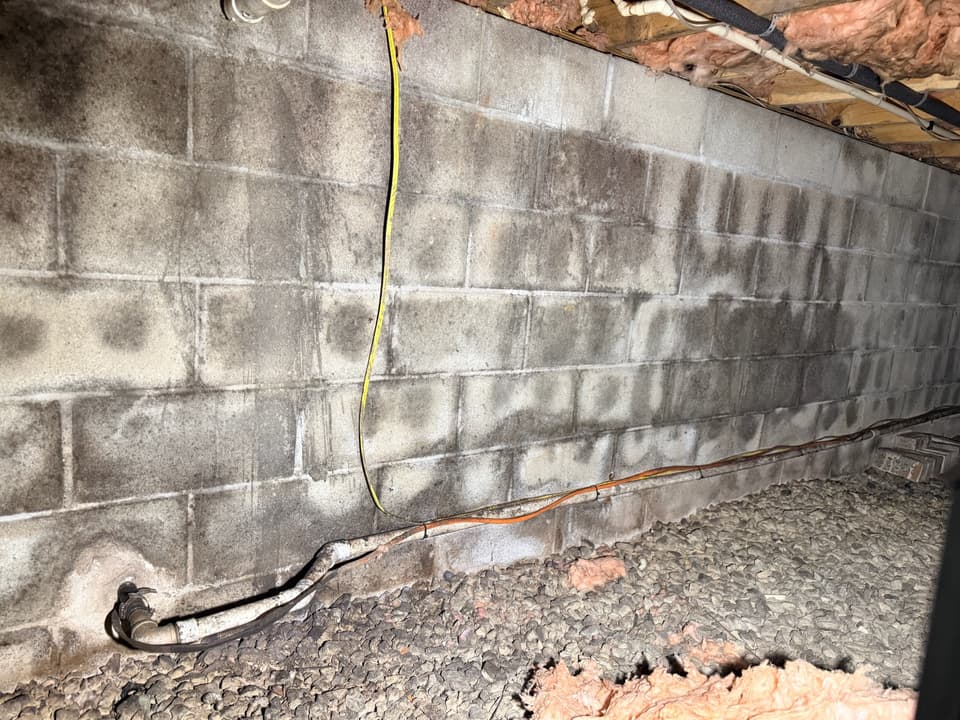
Water stains and dampness on a crawl space wall, a sign hydrostatic pressure is pushing moisture through the block

Why Maryland Crawl Spaces See This
Warning Signs of Groundwater
Seepage in Your Crawl Space
In parts of our service area near the Chesapeake, particularly Anne Arundel and Cecil counties, the water table sits close to the surface for much of the year, keeping constant pressure against below grade walls and floors. Elsewhere, Harford and Baltimore county's Piedmont clay soils hold water at saturation for extended periods after storms, elevating the local water table temporarily. Either way, the water is coming from below and around the structure, not from above.
- Water actively coming through a stem wall crack or the floor-wall joint, even without recent rain
- Persistent damp or wet soil across the crawl space floor with no clear surface source
- Water stains or efflorescence on the lower section of the stem wall, at or below grade level
- Seepage that continues or reappears during dry stretches, not just after storms
- Musty odor or visible dampness on framing directly above a seeping wall section
What's Included
OBW's Groundwater Seepage
Repair Services
Because hydrostatic pressure is the actual cause, surface fixes like regrading or downspout extensions don't solve groundwater seepage on their own, though they're addressed too if they're contributing.
Hydrostatic Pressure Diagnosis
We confirm the water is coming from below and around the structure, not from surface runoff, before recommending a fix.
Entry Point Mapping
The specific stem wall section or floor crack where pressure is forcing water through is identified and documented.
Interior Perimeter Drainage
A drainage channel positioned along the crawl space perimeter intercepts water right at the point it's entering.
Sump Pump Sizing & Installation
The pump is sized to the volume your specific crawl space sees, not a generic unit, so the drainage system actually keeps up.
Structural Damage Repair
Joists, beams, or subfloor sections already damaged by the seepage are repaired with pressure treated lumber as part of the same project.
Written Workmanship Guarantee
Groundwater seepage repair is backed by a written workmanship guarantee. Ask your inspector for the terms that apply to your job.
The Process
How OBW Diagnoses and Stops
Groundwater Seepage
Diagnose the actual cause first. Relieve the pressure at the entry point. Repair any damage the water already caused.
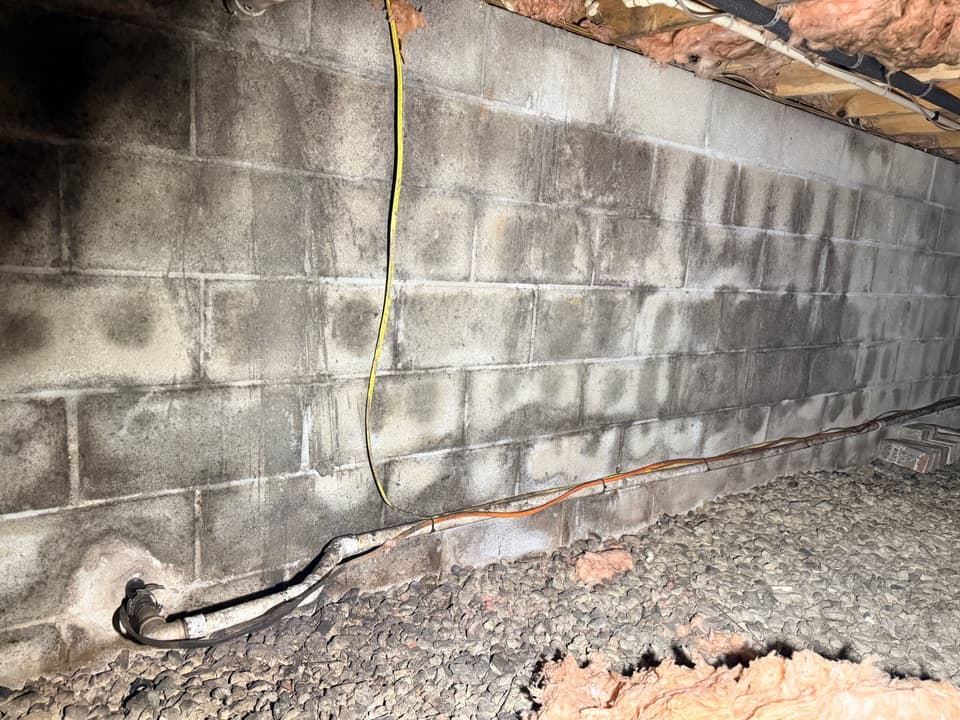
Inspection & Water Source Diagnosis
OBW confirms whether water intrusion is hydrostatic pressure, surface runoff, or general humidity, the three distinct crawl space water problems, before recommending anything.

Entry Point & Pressure Assessment
We identify the specific point in the stem wall or floor where pressure is forcing water through, and check for any structural damage the seepage has already caused.

Drainage System Installation
An interior perimeter drainage channel is installed to intercept water at the entry point, routed to a sump pump sized for the volume your crawl space sees.

Structural Repair & Verification
Any damaged framing is repaired with pressure treated lumber, and the system is checked to confirm it's managing the water as designed.
Photos From the Field
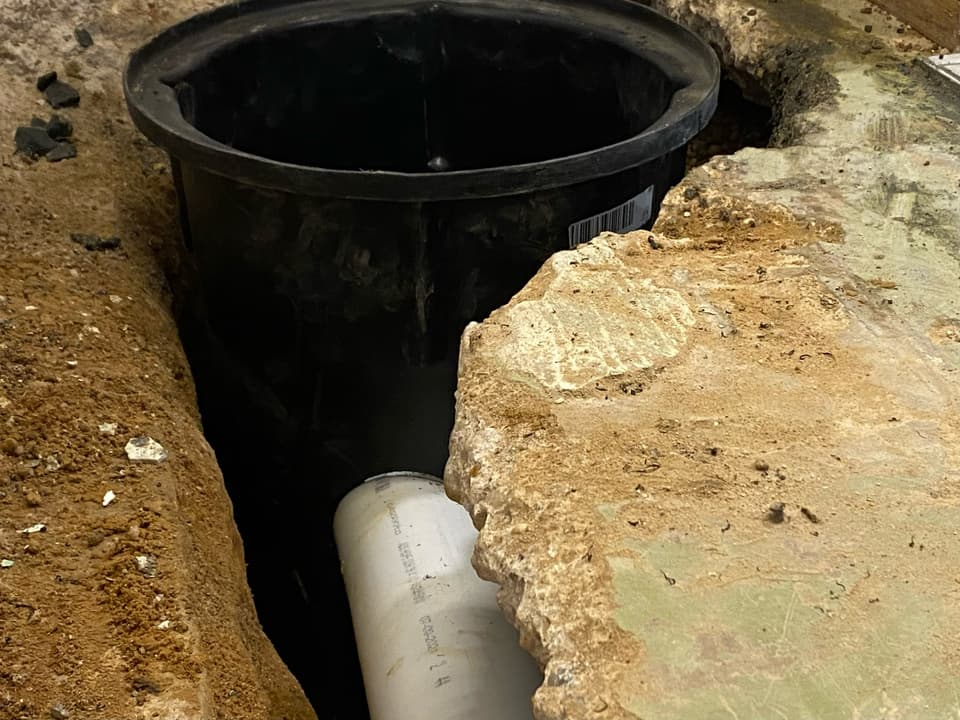
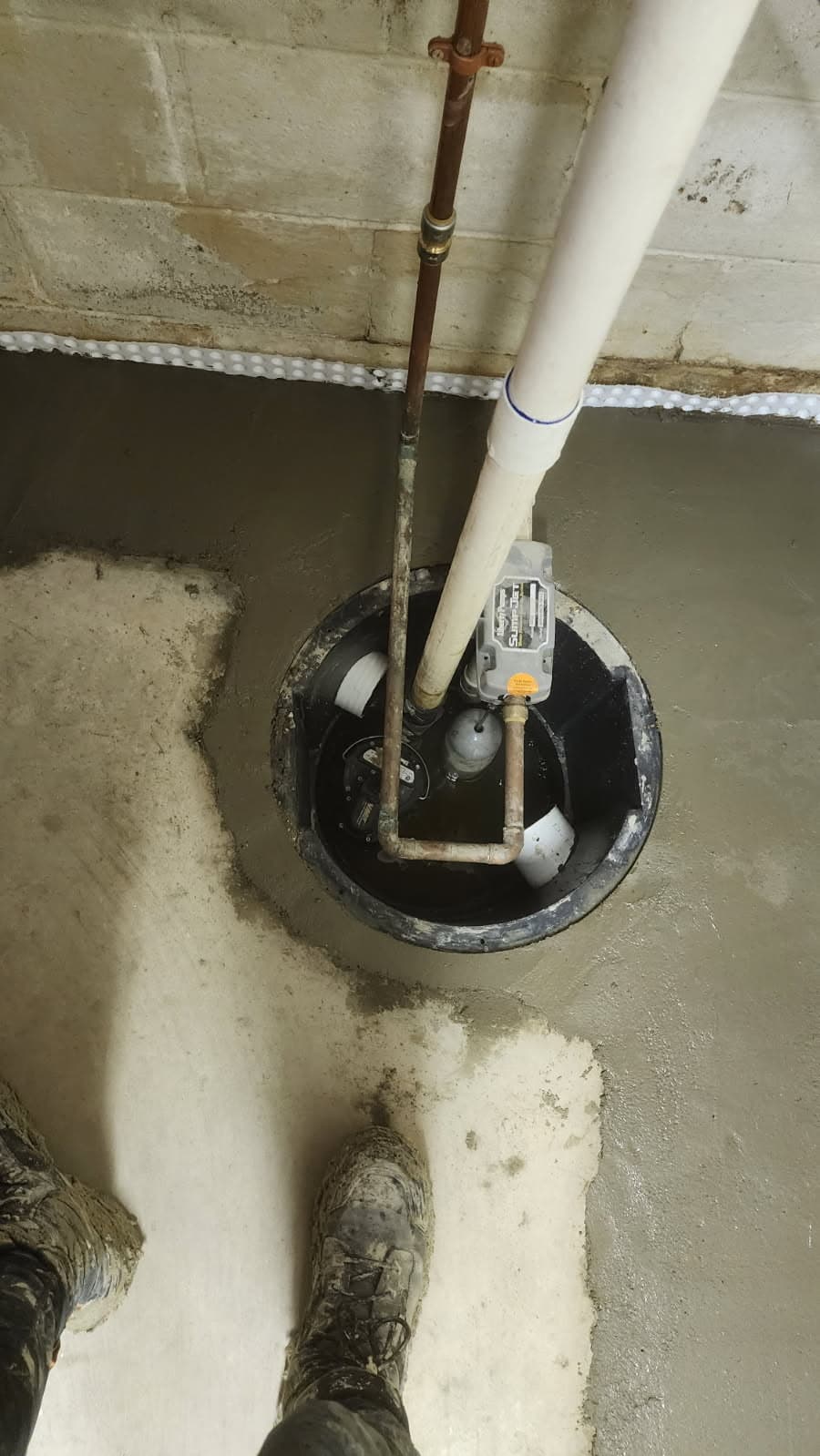
Job Site Photos
A closer look at the equipment, materials, and job site conditions involved in this kind of work.


Honest Answers
Groundwater Seepage Questions from
Maryland Homeowners
Call (410) 879-3360 if you're seeing water come through a wall or floor crack. Our inspectors will tell you on the phone whether it sounds like seepage or something else.
What makes groundwater seepage different from a surface water problem in a crawl space?
Surface water problems, standing water after a storm, a downspout discharging near the foundation, are caused by water arriving from above ground and finding a way in. Groundwater seepage works the opposite direction. It's water already in the saturated soil around and beneath your home, pushed through the stem wall or floor by hydrostatic pressure, the physical force of that water trying to equalize with the lower pressure inside your crawl space.
This distinction matters because the fixes are different. Regrading or extending a downspout solves a surface water source. Neither one relieves hydrostatic pressure, so neither one stops groundwater seepage on its own.
Why does my Maryland crawl space see seepage even when it hasn't rained recently?
Because hydrostatic pressure doesn't depend on the last storm, it depends on where the water table sits. In parts of our service area near the Chesapeake, particularly Anne Arundel and Cecil counties, the water table stays close to the surface for much of the year, keeping steady pressure against below grade walls and floors regardless of recent weather.
In Harford and Baltimore counties, Piedmont clay holds water at saturation for extended periods after storms, which temporarily elevates the local water table well after the rain itself has stopped. Either way, the pressure is coming from the soil condition around your home, not from what fell from the sky that week.
Will regrading my yard or extending my downspouts fix groundwater seepage?
Not on their own. Those fixes address surface water arriving from above ground, and OBW addresses them too when they're genuinely contributing to your specific situation. But they do nothing to relieve the hydrostatic pressure pushing water through your stem wall or floor from below. Groundwater seepage needs a fix that manages water at the point it's entering, not just the water arriving at the surface.
How does OBW actually stop water that's pushing in through a wall or floor crack?
We install an interior drainage system along the crawl space perimeter, positioned to intercept water right where the hydrostatic pressure is forcing it through the stem wall or floor joint. That system routes the water to a sump pump sized for the volume your crawl space actually sees, which removes it before it can spread or pool.
This relieves the pressure at the point of entry rather than trying to block it outright, which is why it works regardless of how high the local water table is running that season.
If groundwater seepage has already damaged framing in my crawl space, does OBW handle that too?
Yes. Any joists, beams, or subfloor sections that have already taken on damage from the seepage are assessed and repaired with pressure treated lumber as part of the same project, not a separate call later. Every repair, drainage and structural, is backed by a written workmanship guarantee. Ask your inspector for the specific terms that apply to your job.
Why Oriole
Why Maryland Homeowners Trust
OBW with Groundwater Seepage
Diagnosis Before Drainage
We confirm hydrostatic pressure is actually the cause before recommending an interior drainage system, not a default fix applied to every wet crawl space.
Maryland Water Table Experience
From the high water table near the Chesapeake to Piedmont clay's seasonal saturation, OBW has diagnosed hydrostatic pressure across every water table condition Maryland has.
No Subcontracting
OBW's own crew installs every interior drainage system and sump pump, in house, start to finish.
Family-Owned Since 1953
Founded by Frank Pirog Sr. in 1953. Amber Pirog leads the company today. Written workmanship guarantee on every repair.
Reviews
What Our Maryland Neighbors Say
Pressure Doesn't Wait for the Next Storm.
Getting Started with
Groundwater Seepage Repair
Seepage driven by hydrostatic pressure tends to continue and worsen, since the water table condition causing it doesn't resolve on its own.
Free Inspection
OBW confirms whether hydrostatic pressure, surface water, or general moisture is the actual cause, and identifies the specific entry point. Free, no obligation.
Written Drainage Plan & Quote
You receive a written quote specifying the drainage system, sump pump sizing, and any structural repair needed, before any work is scheduled.
Installation & Repair
OBW's crew installs the drainage system and repairs any water damaged framing in the same visit. Written workmanship guarantee issued upon completion.
Seeing Water Come Through a Wall or Floor Crack?
Free inspection. We diagnose hydrostatic pressure before recommending a fix.
Family-owned since 1953 · MHIC #4247 · Written Workmanship Guarantee