
Cleaning It Never Reaches the Source
Musty Odors That
Keep Coming
Back in Maryland
Cleaning it away buys you a few weeks. The moisture producing it is still down there, still exposed.
In an unencapsulated crawl space, the exposed ground and open vents keep feeding the same sustained moisture that lets mold and microbial activity thrive, which is exactly what a musty smell is the byproduct of. OBW seals off both moisture sources so the odor stops regenerating.

Cleaning Treats the Symptom, Not the Source
Why the Smell Returns After
You've Already Cleaned It
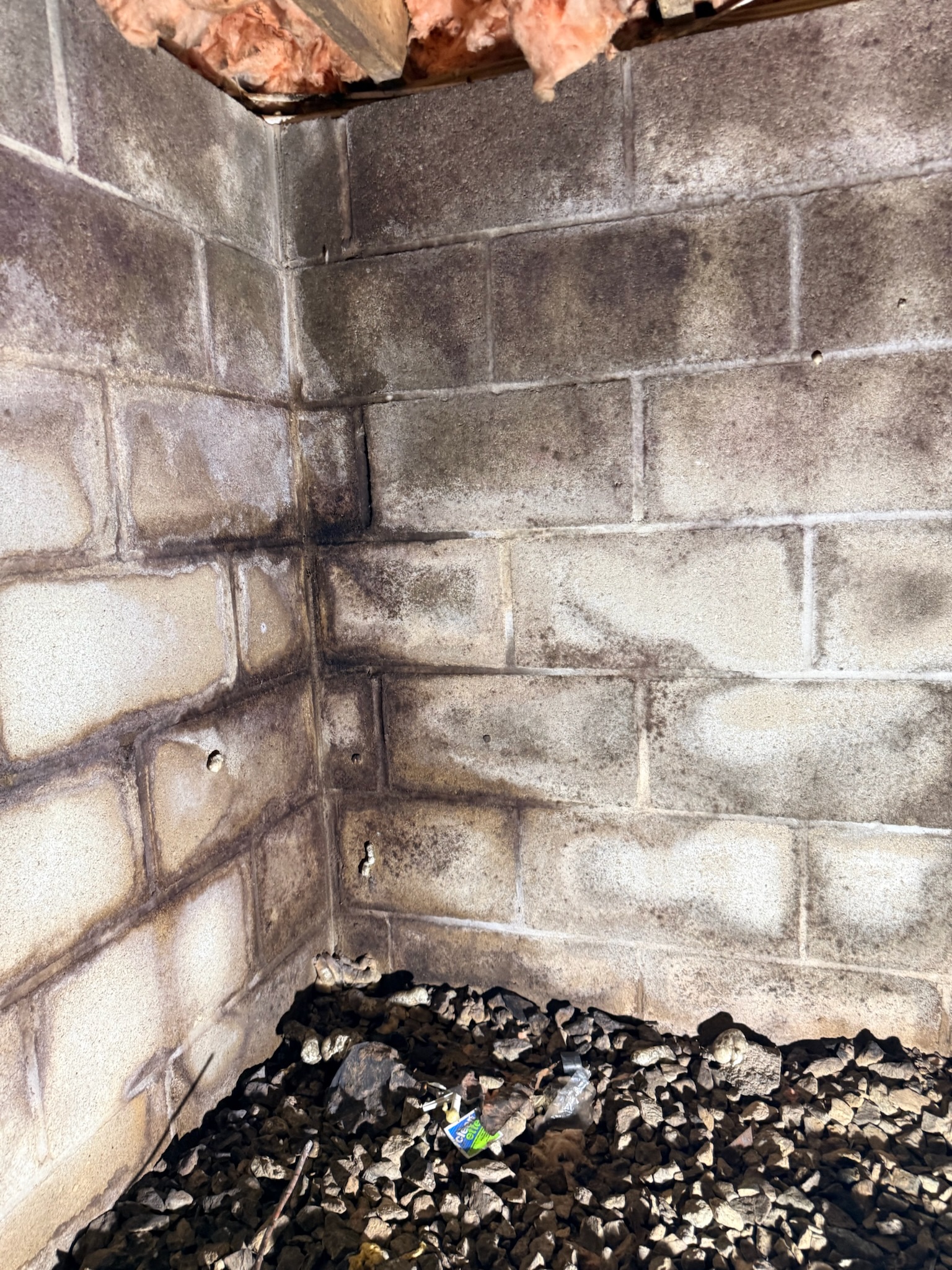
An unencapsulated crawl space has two open moisture sources working continuously: the exposed ground releasing moisture through evaporation, and open foundation vents pulling in humid outdoor air for much of the year. That sustained moisture is what lets mold and mildew metabolize organic material and release the microbial volatile organic compounds responsible for the smell.
Wiping down visible mold or running a portable fan doesn't touch either source. Within days to weeks, humidity climbs back toward the level that sustains active growth, and the odor follows right behind it. Sealing the sources is what actually breaks that cycle.
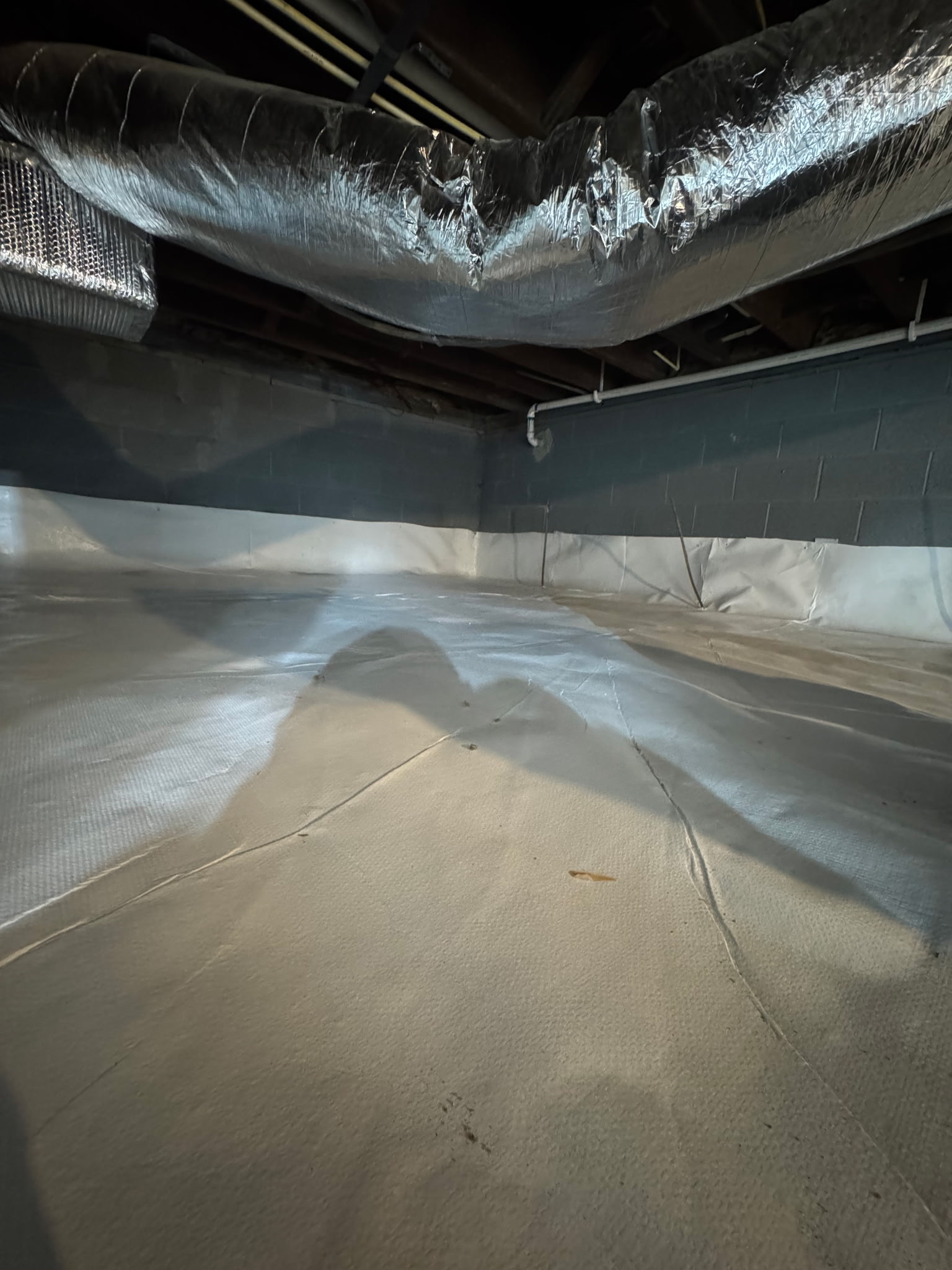
Sealing the ground is what stops the moisture that sustains the odor, cleaning alone never reaches it
Signs the Smell Is a Sealing Problem
Warning Signs Your Odor Needs
Encapsulation, Not Another Cleaning
These signs point to ongoing exposure rather than a single localized repair, and they're the reason encapsulation, not another cleanup, is the fix that actually holds.
- Odor that returns within a few weeks of cleaning, airing out, or running a fan
- Bare dirt or exposed concrete floor, and open or unsealed foundation vents
- Smell that's noticeable throughout the first floor, not localized to one spot
- No single visible leak or rotted section, just a general, persistent mustiness
- Odor noticeably stronger during Maryland's humid summer months
What's Included
OBW's Musty Odor
Encapsulation System
Because the moisture keeps regenerating the smell, sealing the ground and vents is what actually stops it, not another round of cleaning.
Moisture & Odor Source Assessment
We measure current humidity and identify the ground moisture and vent air sustaining the conditions behind the smell.
Ground Vapor Barrier Installation
A sealed vapor barrier stops the continuous soil evaporation that's one of the two main sources feeding the odor.
Foundation Vent Sealing
Vents are sealed so humid outdoor air can no longer be pulled in, cutting off the second main moisture source.
Dehumidifier Sizing & Installation
A properly sized dehumidifier actively holds humidity at 50 to 55%, below the level that sustains mold and microbial activity.
Affected Material Treatment
Where mold has already established on wood or insulation, affected material is removed or treated as part of the same project.
Written Workmanship Guarantee
Every encapsulation installation is backed by a written workmanship guarantee. Ask your inspector for the terms that apply to your job.
The Process
How OBW Seals Off the Moisture
Behind a Musty Crawl Space
Measure the moisture. Seal the ground and the vents. Hold the space below the threshold that sustains the odor.
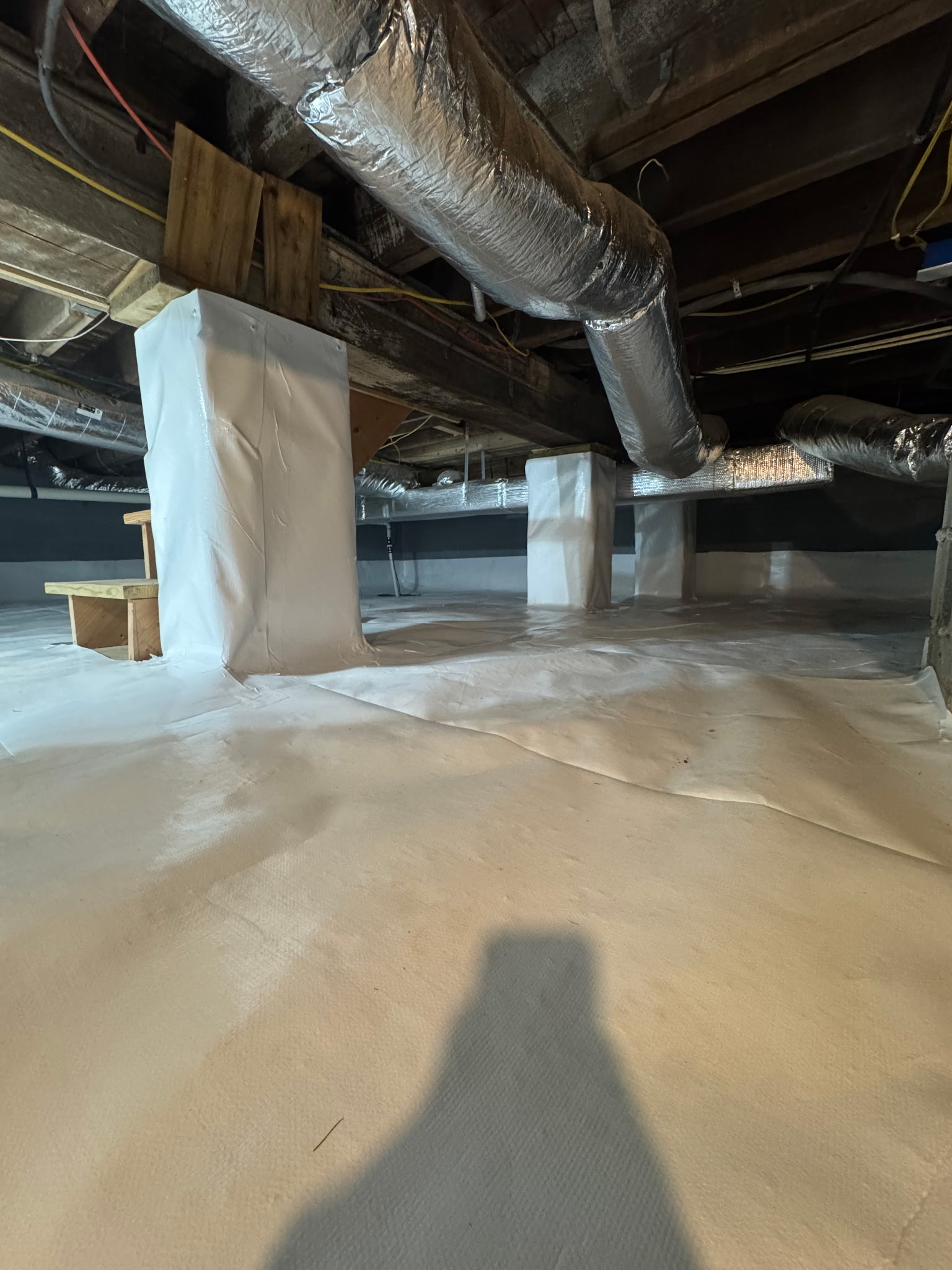
Inspection & Moisture Reading
OBW measures humidity throughout the crawl space and identifies the ground moisture and vent air sustaining the odor.
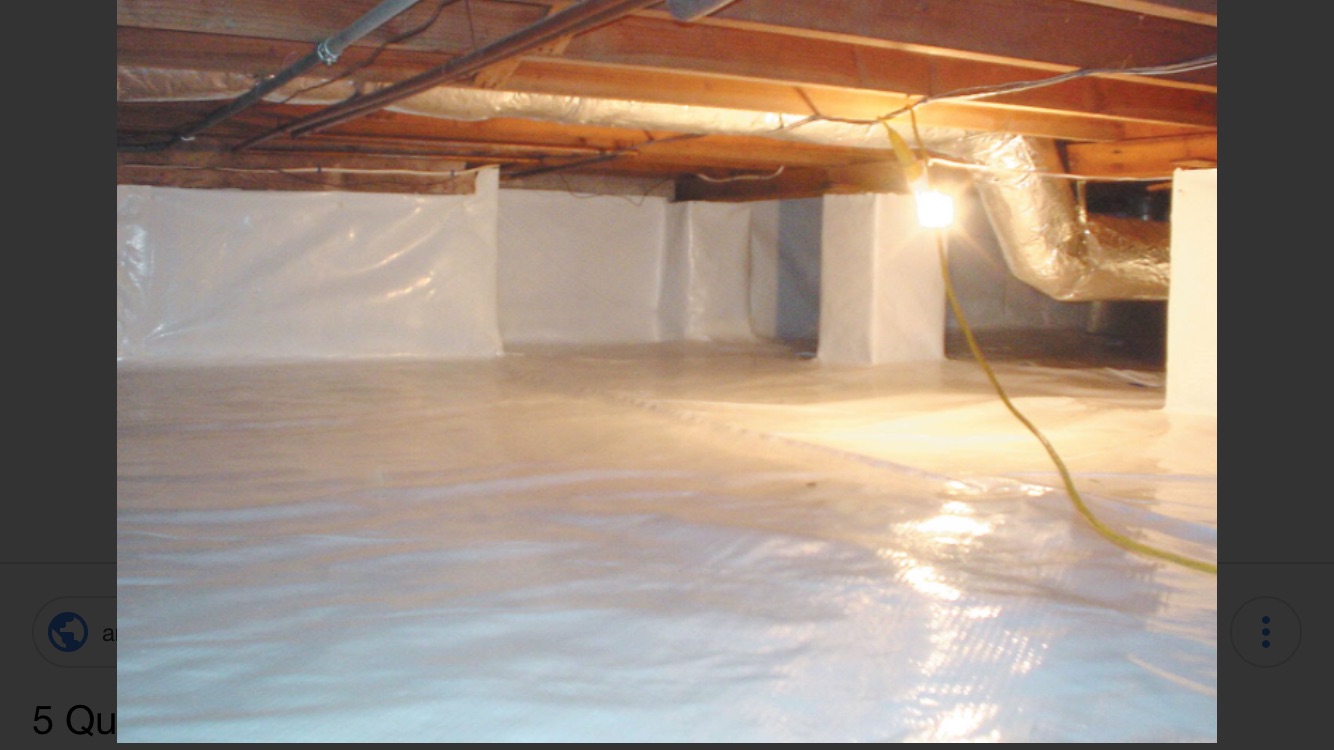
Vapor Barrier Installation
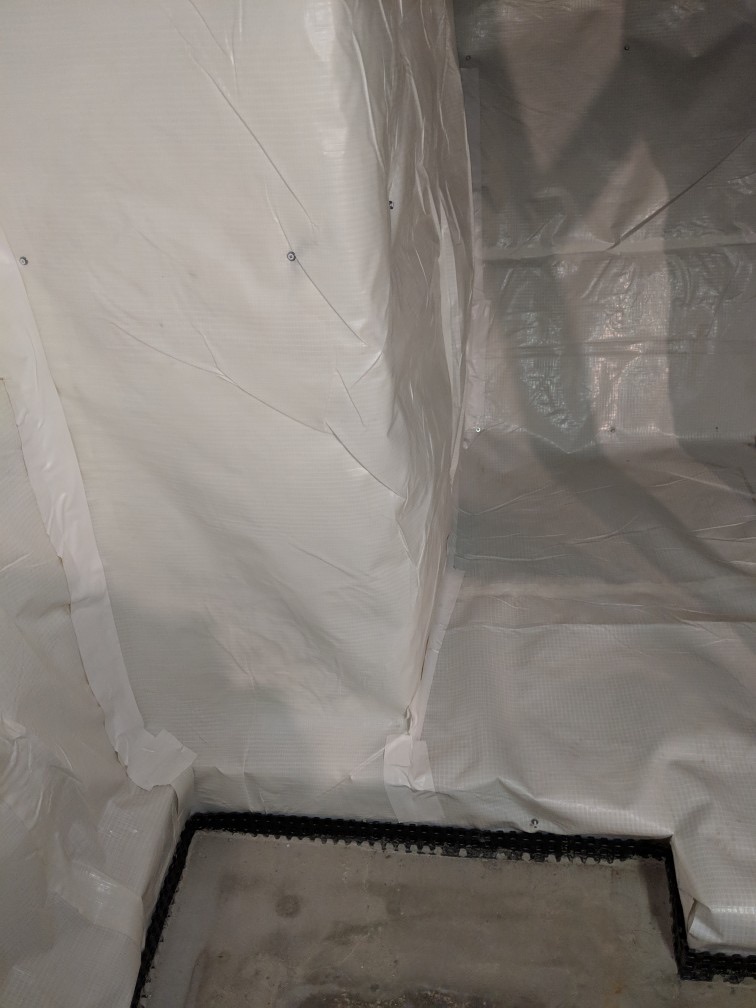
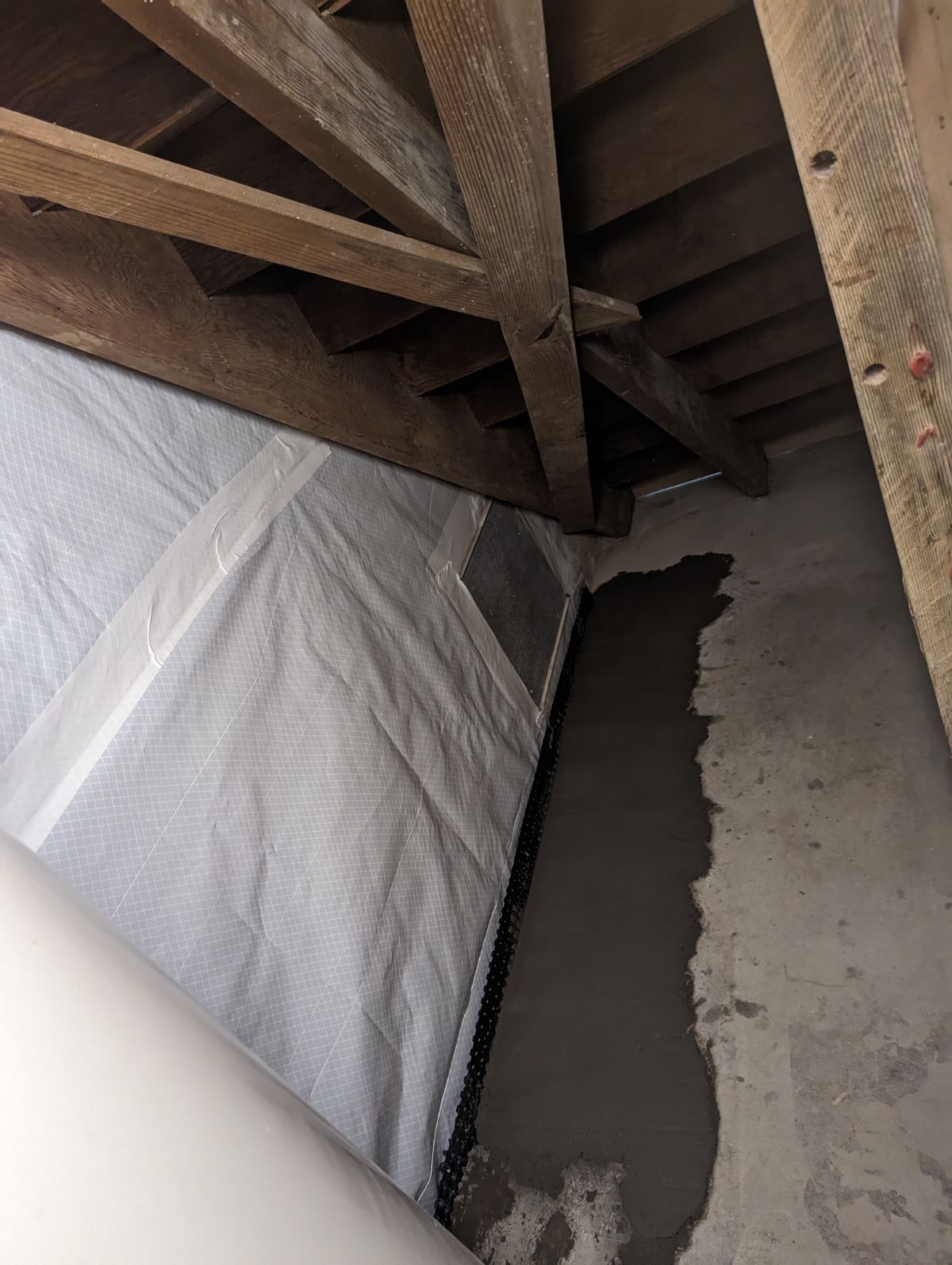
A sealed vapor barrier is installed across the floor to stop soil moisture from evaporating into the air.
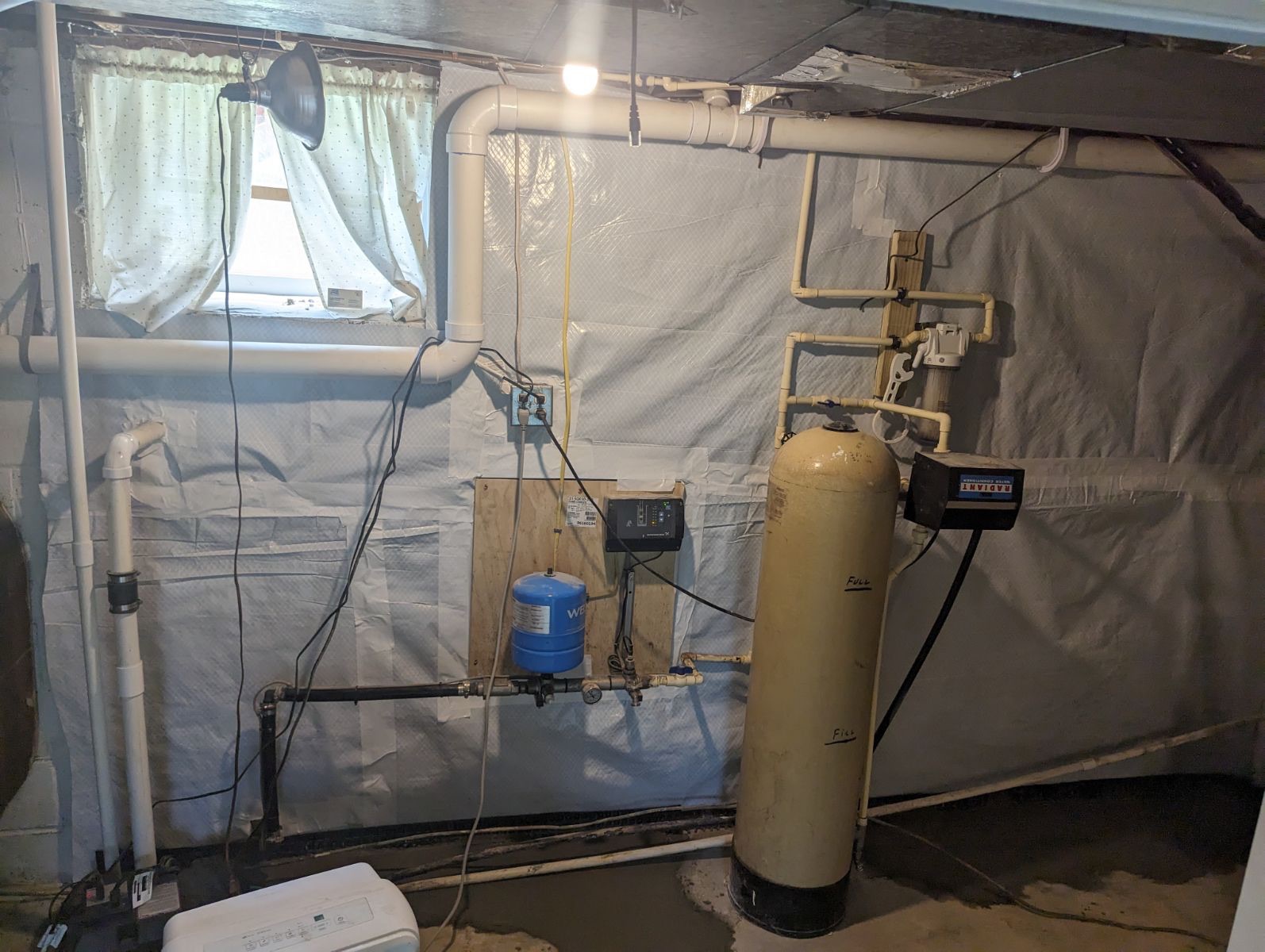
Vent Sealing & Dehumidifier Install
Foundation vents are sealed and a sized dehumidifier is installed to hold the space below the humidity level that sustains the odor.
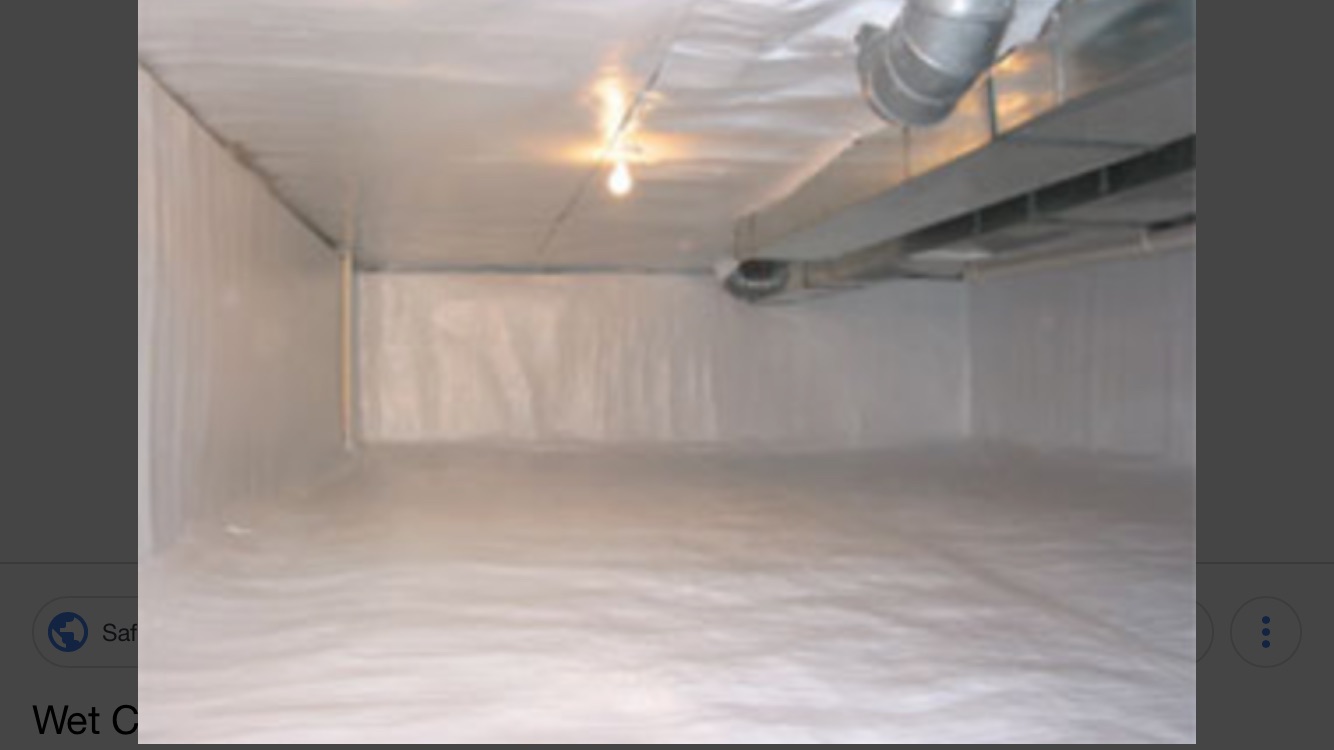
Verification
Humidity readings are re-checked to confirm the space is tracking toward target range as the odor's source is cut off.
Photos From the Field
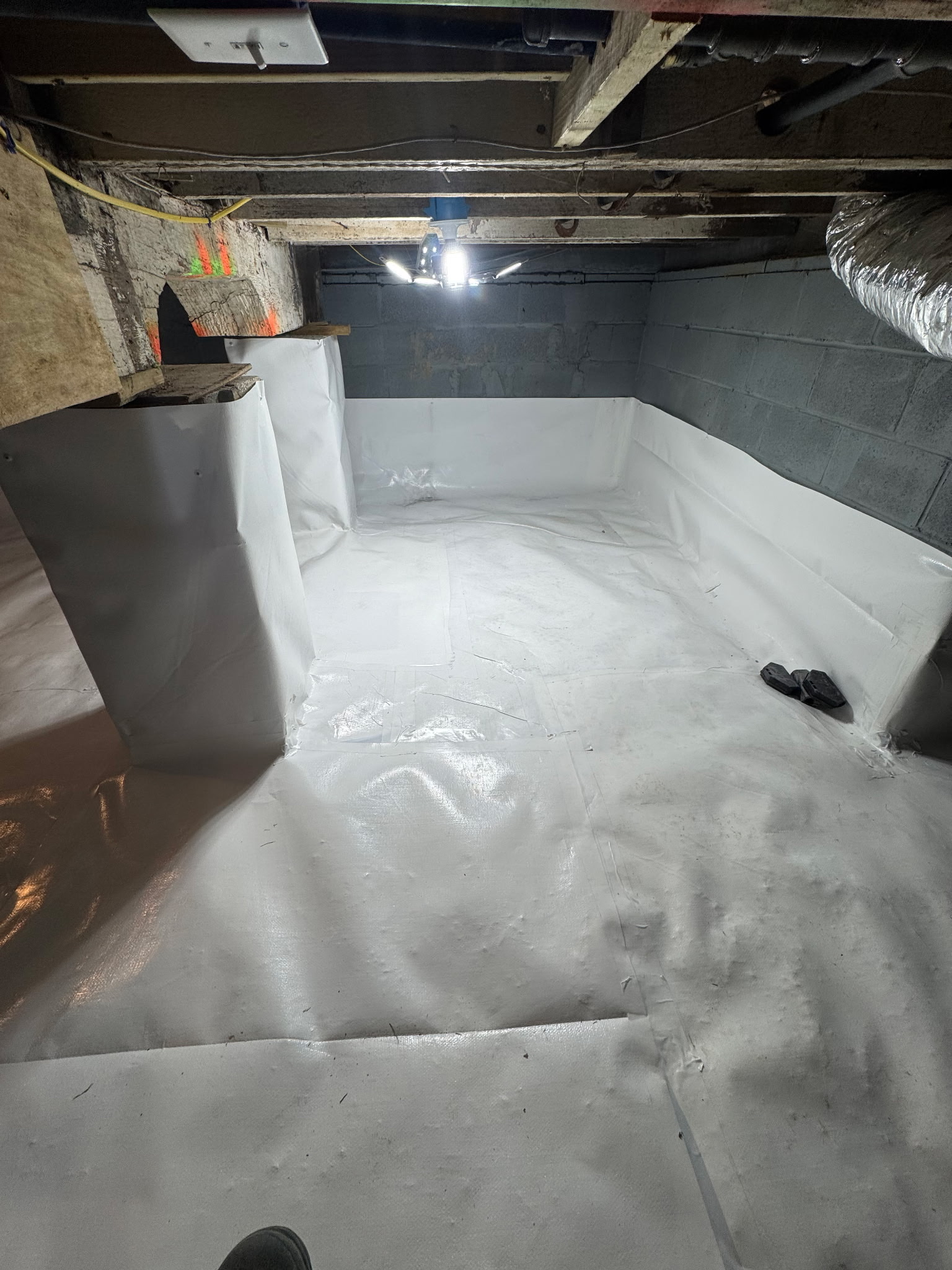
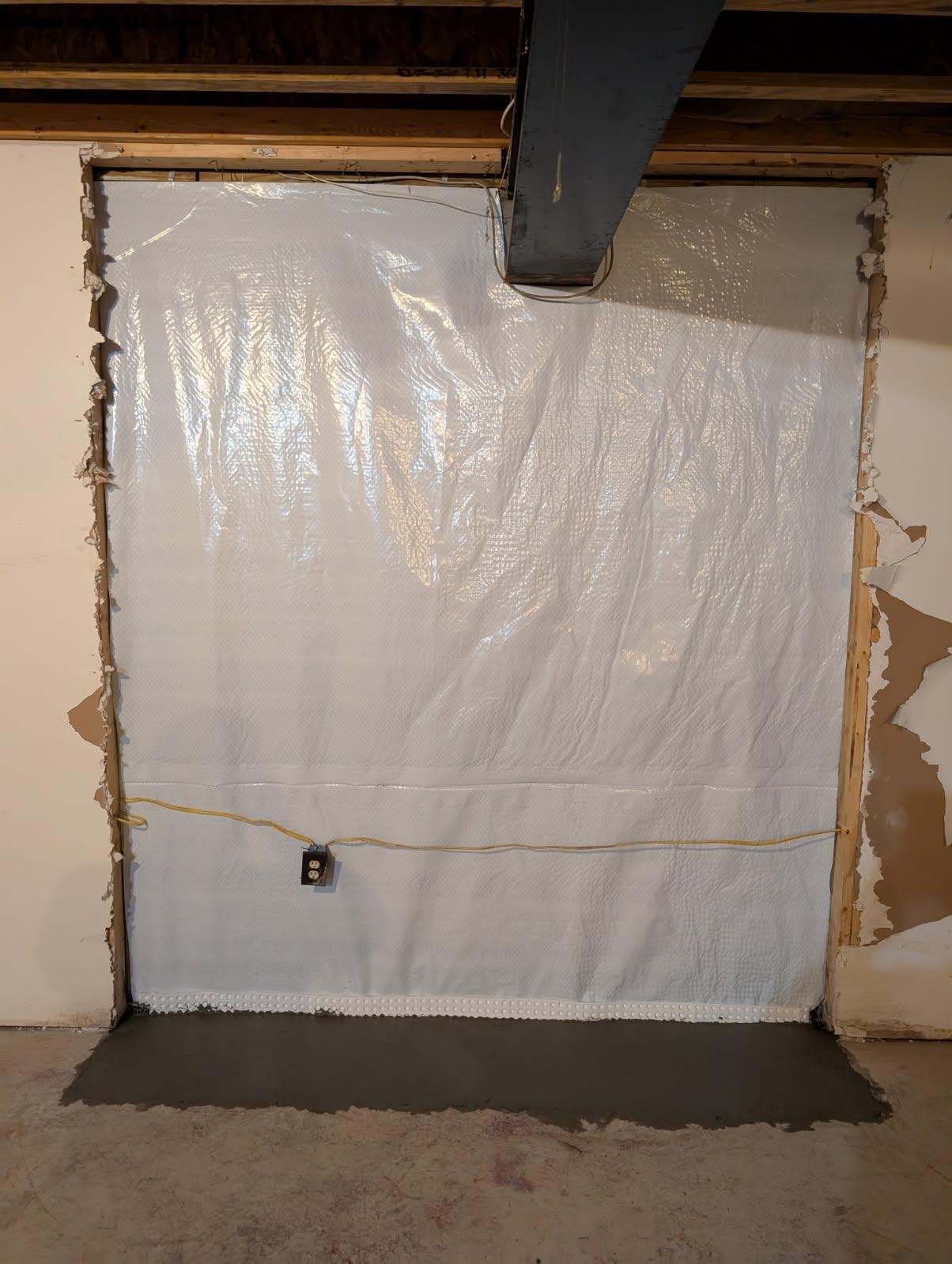
Job Site Photos
A closer look at the equipment, materials, and job site conditions involved in this kind of work.
Honest Answers
Musty Odor Questions from
Maryland Homeowners
Call (410) 879-3360 if a musty smell keeps returning after cleaning. Our inspectors will explain whether encapsulation or a structural repair fits your situation.
Why does the musty smell come back after I clean or air out the crawl space?
Because cleaning treats the symptom, not the source. In an unencapsulated crawl space, the ground itself is still exposed, continuously releasing moisture into the air through evaporation, and open foundation vents are still pulling in humid outdoor air. That sustained moisture is what feeds the mold and microbial activity producing the odor.
Wiping down visible mold or running a portable fan doesn't change either of those two facts. Within days to weeks, humidity climbs back toward the level that sustains active growth, and the smell follows.
Is a musty smell always a mold problem specifically?
It's almost always a moisture problem, and mold is usually the most visible sign of it. The smell itself comes from microbial volatile organic compounds released as mold and mildew metabolize damp organic material. Sealing off the moisture that sustains that activity is what stops the odor at its source, rather than repeatedly treating mold as it reappears.
Why can I smell it through the whole house, not just near the crawl space access?
Through the stack effect, warm air rises from the crawl space through floor seams, electrical penetrations, HVAC ducts, and wall cavities into the living areas above. Studies estimate 30 to 50% of a home's first-floor air originates in the crawl space beneath it. In many Maryland homes the HVAC ducts run directly through the crawl space, pulling that air into the distribution system every time it runs.
How is this different from a repair for rotted wood causing the smell?
If a specific rotted joist, torn vapor barrier, or active water leak is producing the odor, that's a structural repair, covered on our crawl space repair page for musty odors, where the focus is tracing the smell to that specific damage. This page is about the more common case: an unencapsulated space where ordinary ground moisture and vent air are enough on their own to sustain the odor, without any one component having failed.
How does encapsulation actually stop the smell for good?
OBW seals the crawl space floor with a ground vapor barrier, seals foundation vents to block humid outdoor air, and installs a dehumidifier sized to hold relative humidity at 50 to 55% year round.
Once humidity is held below the level that sustains mold and microbial activity, the odor loses the conditions it needs to keep regenerating. Most Maryland homes see musty odors diminish significantly within weeks of encapsulation. Every installation is backed by a written workmanship guarantee, ask your inspector for the specific terms that apply to your job.
Why Oriole
Why Maryland Homeowners Trust
OBW with Musty Odors
We Seal the Source, Not Mask the Smell
Cleaning and airing out treat the symptom for a few weeks at most. OBW seals the moisture that keeps regenerating it.
Maryland Crawl Space Experience
Piedmont clay and humid summers give unencapsulated Maryland crawl spaces sustained moisture year after year. OBW has sealed against the odor it produces across every county we serve.
No Subcontracting
OBW's own crew installs every vapor barrier, vent seal, and dehumidifier, in house, start to finish.
Family-Owned Since 1953
Founded by Frank Pirog Sr. in 1953. Amber Pirog leads the company today. Written workmanship guarantee on every installation.
Reviews
What Our Maryland Neighbors Say
Cleaning It Never Reaches the Source.
Getting Started on Your
Odor-Sealing Encapsulation
Every week the ground and vents stay open is another week the moisture behind the smell keeps regenerating.
Free Inspection
OBW measures humidity and identifies the ground and vent sources sustaining the odor. Free, no obligation.
Written Encapsulation Plan & Quote
You receive a written quote specifying the vapor barrier, vent sealing, and dehumidifier sizing your space needs, before any work is scheduled.
Installation & Verification
OBW's crew installs the full system and re-checks humidity to confirm the odor's source is sealed off. Written workmanship guarantee issued upon completion.
Musty Smell Keeps Returning No Matter What You Try?
Free inspection. We seal the moisture source, not just the smell.
Family-owned since 1953 · MHIC #4247 · Written Workmanship Guarantee