
A Pattern That Climbs Like Stairs
Stair Step
Cracks
in Maryland
A crack that climbs diagonally through the mortar joints, in a pattern that looks like a staircase, is one of the clearest signatures of foundation settlement in Maryland's clay soils.
Not every stair step crack needs structural repair. Some are stable and just need sealing. OBW marks the crack and measures displacement to tell the two apart before recommending anything.

The Path of Least Resistance
Why the Crack Follows
the Mortar Joints
Mortar is weaker than the brick or block units it holds together, so when the wall beneath it settles unevenly, the crack takes the path of least resistance through the joints rather than breaking straight through solid masonry. The result is a diagonal, stepped pattern that traces back to whichever section of the foundation moved.
The steeper and longer the stair step pattern, the more foundation movement it typically represents. A short stair step near a window corner is a smaller settlement event than one climbing the full height of a wall.
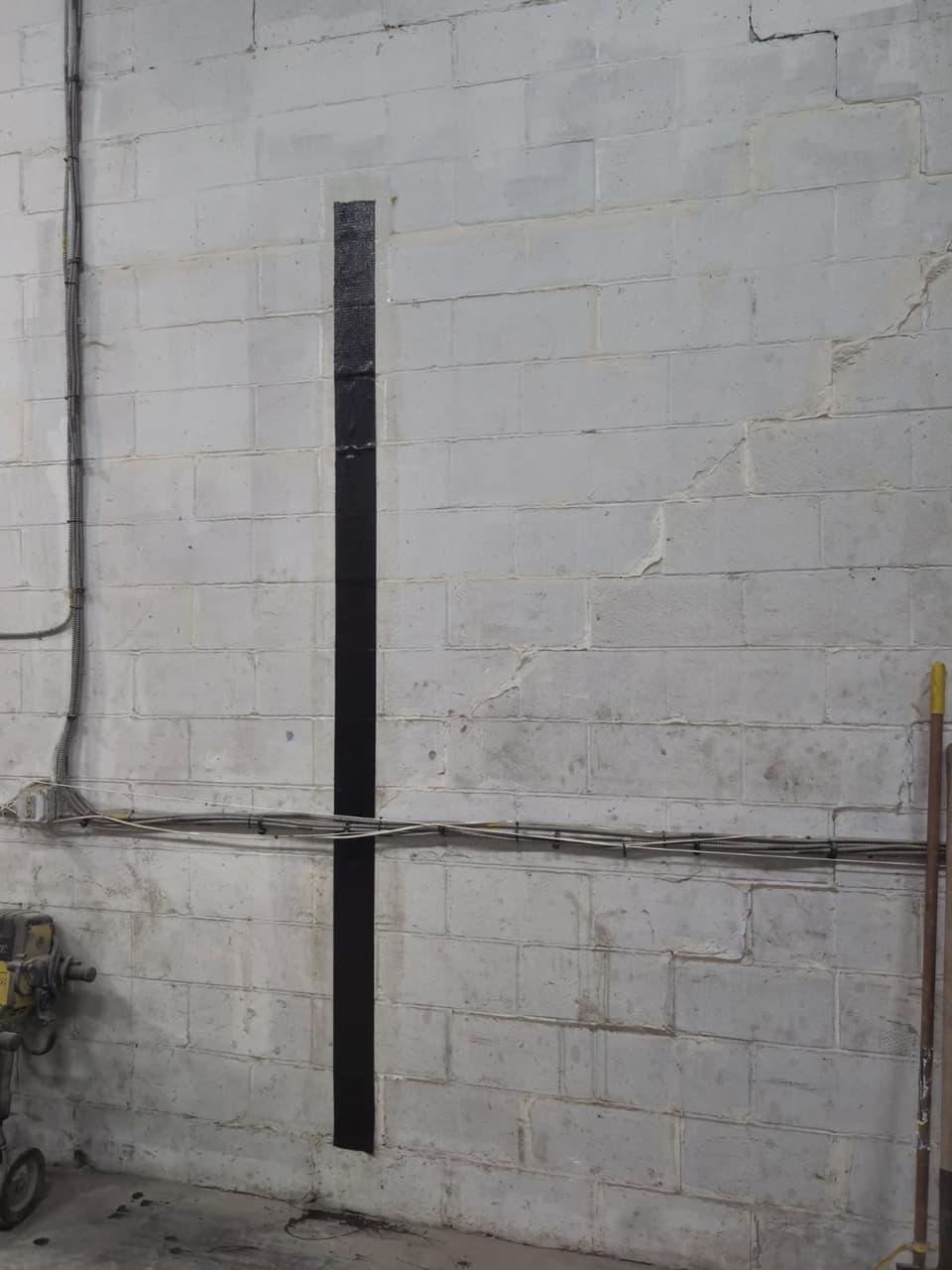
Carbon fiber reinforcement addressing an active stair step crack, installed once displacement confirmed ongoing movement
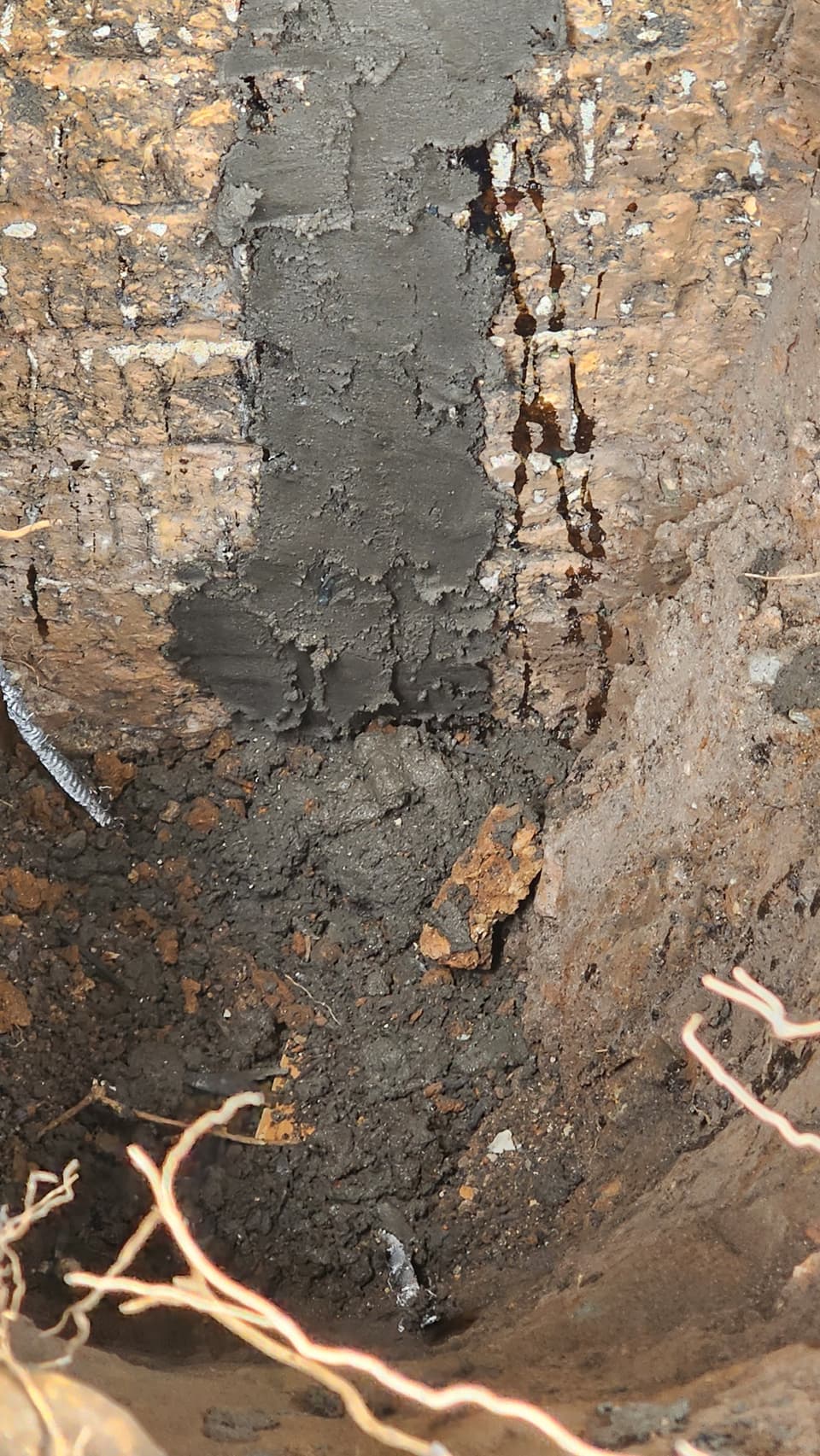
Static or Active: Why the Distinction Matters
Warning Signs a Stair Step Crack
Is Still Actively Settling
A crack that's stayed the same for years is a different situation than one that's still moving. These are the signs of the latter.
- Visible displacement, one side of the stepped crack sitting higher or further out than the other
- A crack that's clearly wider or longer than it was a year ago
- A steep, full-height stair step pattern rather than a short, shallow one
- Drainage or grading issues nearby that could be feeding continued soil movement
- Sloping floors or door and window symptoms on the same side of the house
What's Included
OBW's Stair Step Crack
Diagnosis & Repair
Sealing a still-moving crack fails again. We confirm static versus active first.
Crack Marking & Baseline Measurement
We mark the ends of the crack and measure any displacement, the baseline used to confirm whether it's static or still moving.
Static vs. Active Determination
A crack unchanged for years with no displacement is treated differently than one that's actively widening.
Wall Condition & Drainage Check
The wall's overall condition and nearby drainage or grading are checked, since both factor into whether the crack will recur.
Artery Method Crack Sealing
For confirmed static cracks, our proprietary sealing method keeps water out without unnecessary structural work.
Structural Stabilization
For active cracks, carbon fiber reinforcement, wall anchors, or piers address the settlement before or alongside sealing.
Written Workmanship Guarantee
Crack repair and structural work is backed by a written workmanship guarantee. Ask your inspector for the terms that apply to your job.
The Process
How OBW Diagnoses and
Repairs a Stair Step Crack
Mark and measure. Check the wall and drainage. Seal it or stabilize the wall, depending on what's found.
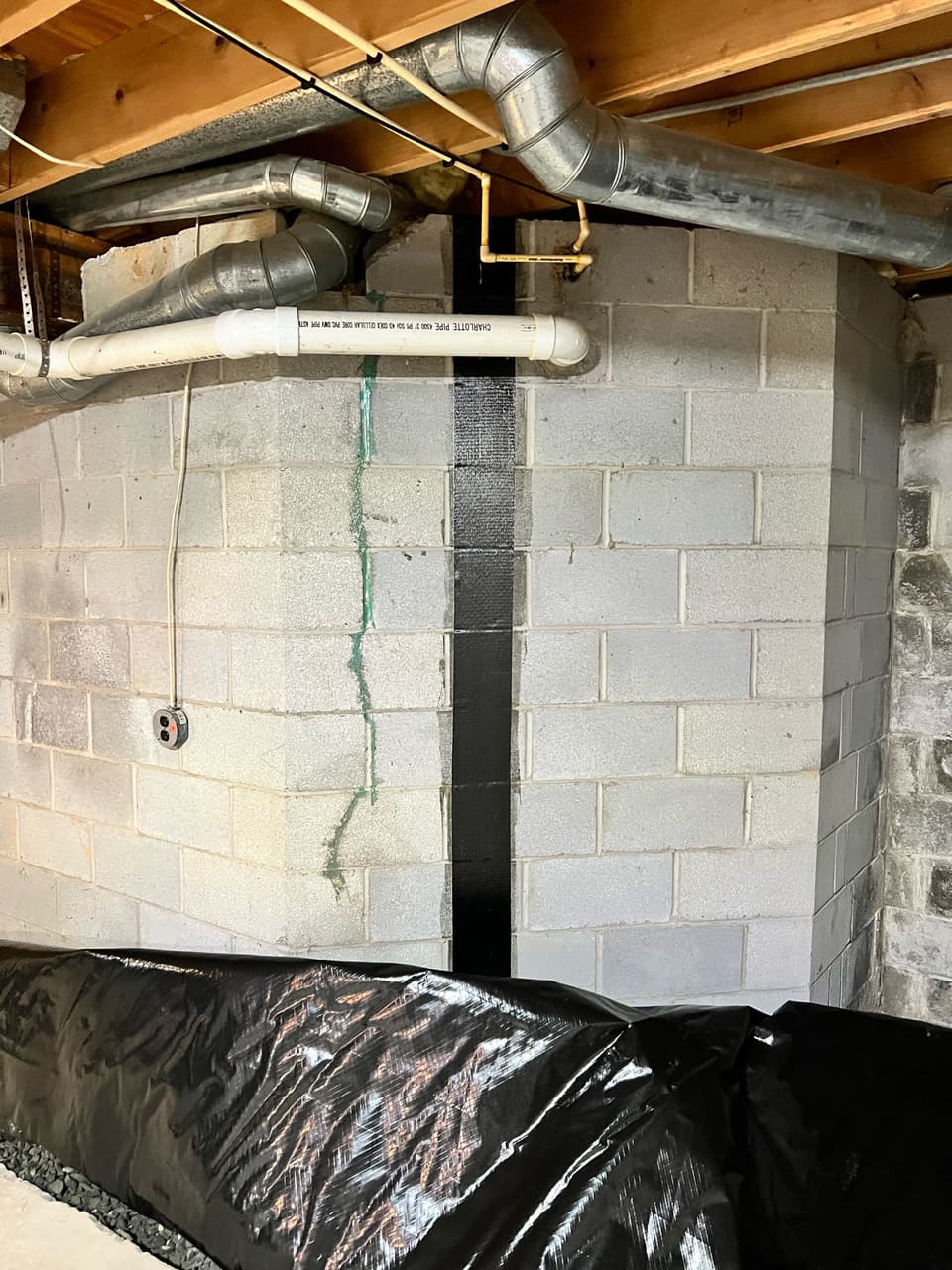
Crack Marking & Measurement
OBW marks the ends of the stair step crack and measures any displacement across it, establishing the baseline for the diagnosis.

Wall & Drainage Assessment
The wall's overall condition and nearby drainage or grading are checked to understand what's feeding any ongoing movement.

Static vs. Active Determination
Displacement and crack history determine whether the crack is stable or still actively responding to settlement.
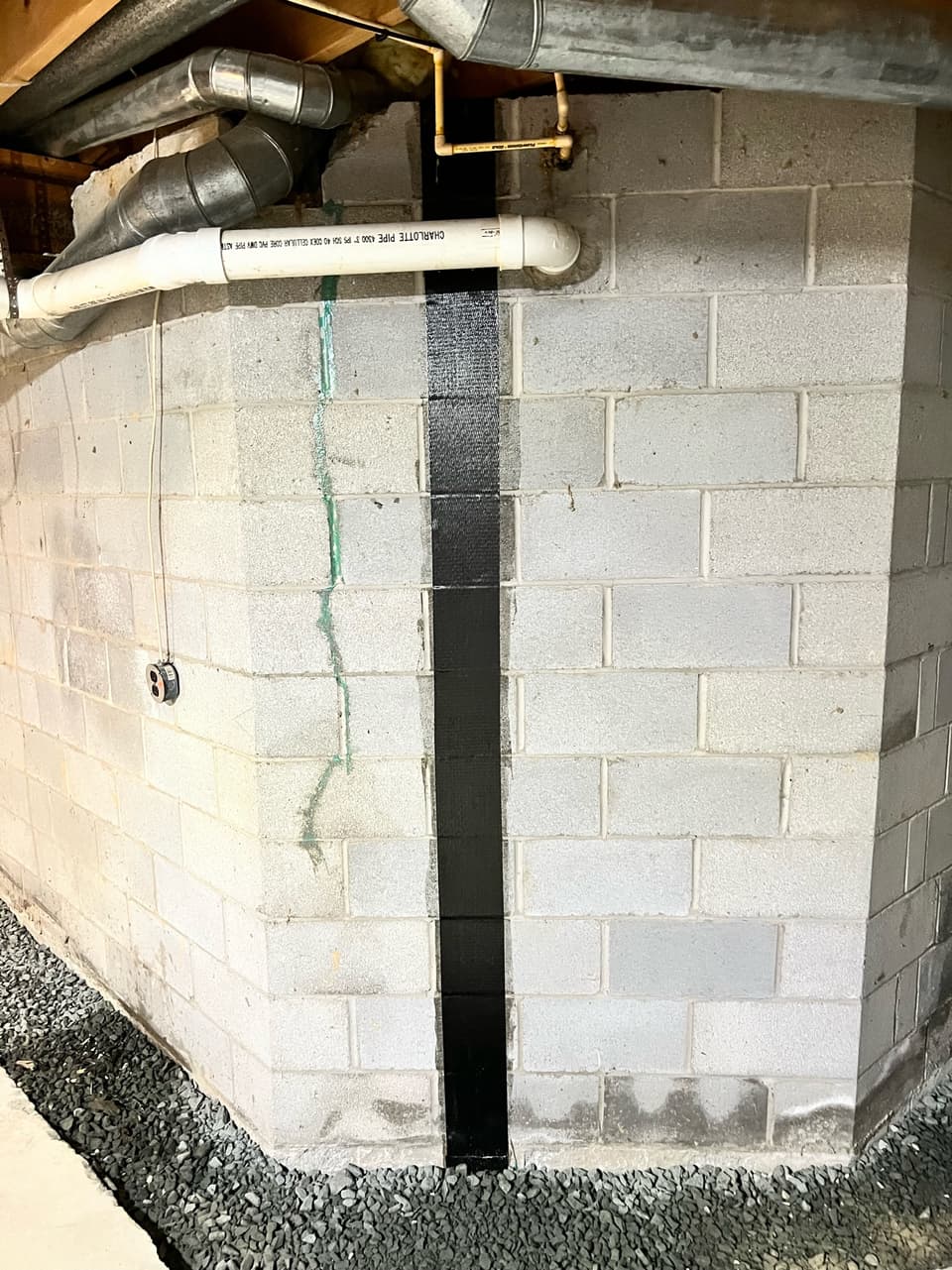
Sealing or Stabilization
Static cracks are sealed with the Artery Method. Active cracks get structural stabilization first.
Photos From the Field
Job Site Photos
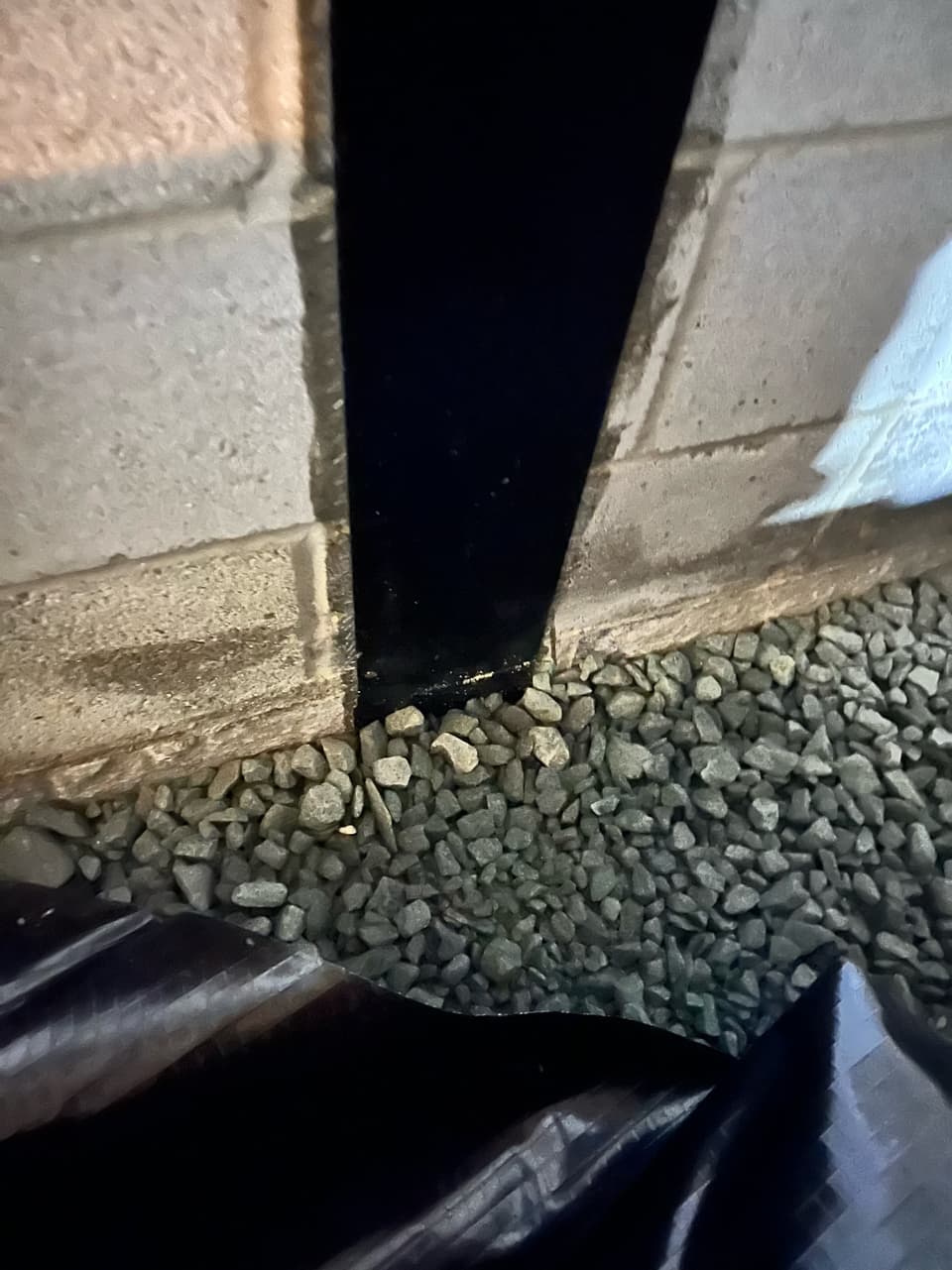
A closer look at the equipment, materials, and job site conditions involved in this kind of work.


Straight Answers
Stair Step Crack Questions from
Maryland Homeowners
Call (410) 879-3360 if you're seeing a stair step crack in brick or block. Our inspectors will measure it before recommending a fix.
Why does a stair step crack follow the mortar joints instead of running straight?
Mortar is weaker than the brick or block units it holds together, so when the wall beneath it settles unevenly, the crack takes the path of least resistance through the joints rather than breaking straight through solid masonry. The result is a diagonal, stepped pattern that traces back to whichever section of the foundation moved.
The steeper and longer the stair step pattern, the more foundation movement it typically represents. A short stair step near a window corner is a smaller settlement event than one climbing the full height of a wall.
Does every stair step crack mean I need structural repair?
No. Not every stair step crack calls for structural repair. A crack that has stayed the same width and length for years, with no displacement between the two sides, may only need sealing to keep water out, work OBW's Artery Method handles. A crack accompanied by visible displacement, one side sitting noticeably higher or further out than the other, or a crack that's clearly wider than it was a year ago, points to active settlement that needs structural stabilization instead.
How does OBW actually tell a static crack from an active one?
A free OBW foundation inspection marks the ends of the crack and measures any displacement across it, the same baseline used to determine whether a crack is static or still moving on a follow up visit. That measurement, combined with the wall's overall condition and what's happening with drainage and grading nearby, determines whether sealing is sufficient or the crack is a symptom of a larger settlement issue that needs to be addressed first.
What happens if I just seal a stair step crack that's actually still active?
The seal will fail again as the wall keeps moving underneath it. That's why OBW measures displacement and marks the crack ends before recommending anything, rather than assuming sealing is sufficient. If a crack is genuinely still active, structural stabilization such as carbon fiber reinforcement, wall anchors, or piers needs to happen before or alongside any sealing work, or the repair simply reopens.
What's the actual repair once OBW confirms it's active settlement?
It depends on what the wall condition and displacement measurement show. Carbon fiber reinforcement or wall anchors can stabilize the wall itself, while piers address the foundation settlement causing the movement in the first place. OBW scopes the specific combination your stair step crack calls for, not a default package. Backed by a written workmanship guarantee, terms vary by service, ask your inspector.
Why Oriole
Why Maryland Homeowners Trust
OBW with Stair Step Cracks
We Mark and Measure, Not Guess
OBW marks crack ends and measures displacement so a follow-up visit can confirm whether a crack has actually stayed put or kept moving.
Maryland Clay Soil Expertise
Stair step cracks are one of the clearest visual signatures of foundation settlement in Maryland's clay soils. OBW has read this pattern across every county we serve.
The Artery Method, Not Generic Epoxy
Our proprietary crack repair method was developed specifically for Maryland's clay-heavy soils, not a generic injection approach.
Family-Owned Since 1953
Founded by Frank Pirog Sr. in 1953. Amber Pirog leads the company today. Written workmanship guarantee on every repair.
Reviews
What Our Maryland Neighbors Say
Sealing a Moving Crack Just Fails Again.
Getting Started on Your
Stair Step Crack Diagnosis
If the crack is still active, no amount of resealing holds until the settlement underneath is addressed.
Free Inspection
OBW marks the crack ends and measures displacement, plus checks wall condition and nearby drainage. Free, no obligation.
Written Diagnosis & Quote
You receive a written quote specifying sealing, reinforcement, or both, based on what's actually found.
Repair & Verification
OBW's crew seals or reinforces the crack and confirms the wall is stable. Written workmanship guarantee issued upon completion.
Seeing a Stair Step Crack in Brick or Block?
Free inspection. We measure displacement before recommending a fix.
Family-owned since 1953 · MHIC #4247 · Written Workmanship Guarantee