Cleaning It Doesn't Stop It Coming Back
Mold and Mildew
in Your Crawl
Space in Maryland
Mold in a crawl space is a structural and health issue, not a cosmetic one, and cleaning it doesn't stop it from coming back.
Maryland's humid summers and wet clay soils create ideal mold conditions beneath millions of homes. OBW seals off the moisture that let mold establish in the first place, and treats what it finds on the surfaces it opens up along the way, so it doesn't regrow the next humid season.

Three Conditions, All Present
Why Maryland Crawl Spaces
Are Vulnerable to Mold
Mold requires three things: organic material, moisture, and darkness. Crawl spaces offer all three in abundance. Wood floor joists and subfloor panels provide organic material. Maryland's Piedmont clay soils and humid summers provide persistent moisture, relative humidity in an unencapsulated crawl space regularly exceeds 70 to 80% from May through September, well above the 60% threshold where mold colonies establish. Darkness and limited airflow let colonies grow undisturbed for years before anyone notices.
The stack effect means mold spores generated below grade are continuously distributed throughout living areas above. Occupants with respiratory sensitivities, asthma, or compromised immune systems are affected most, but exposure is a concern for every household member.
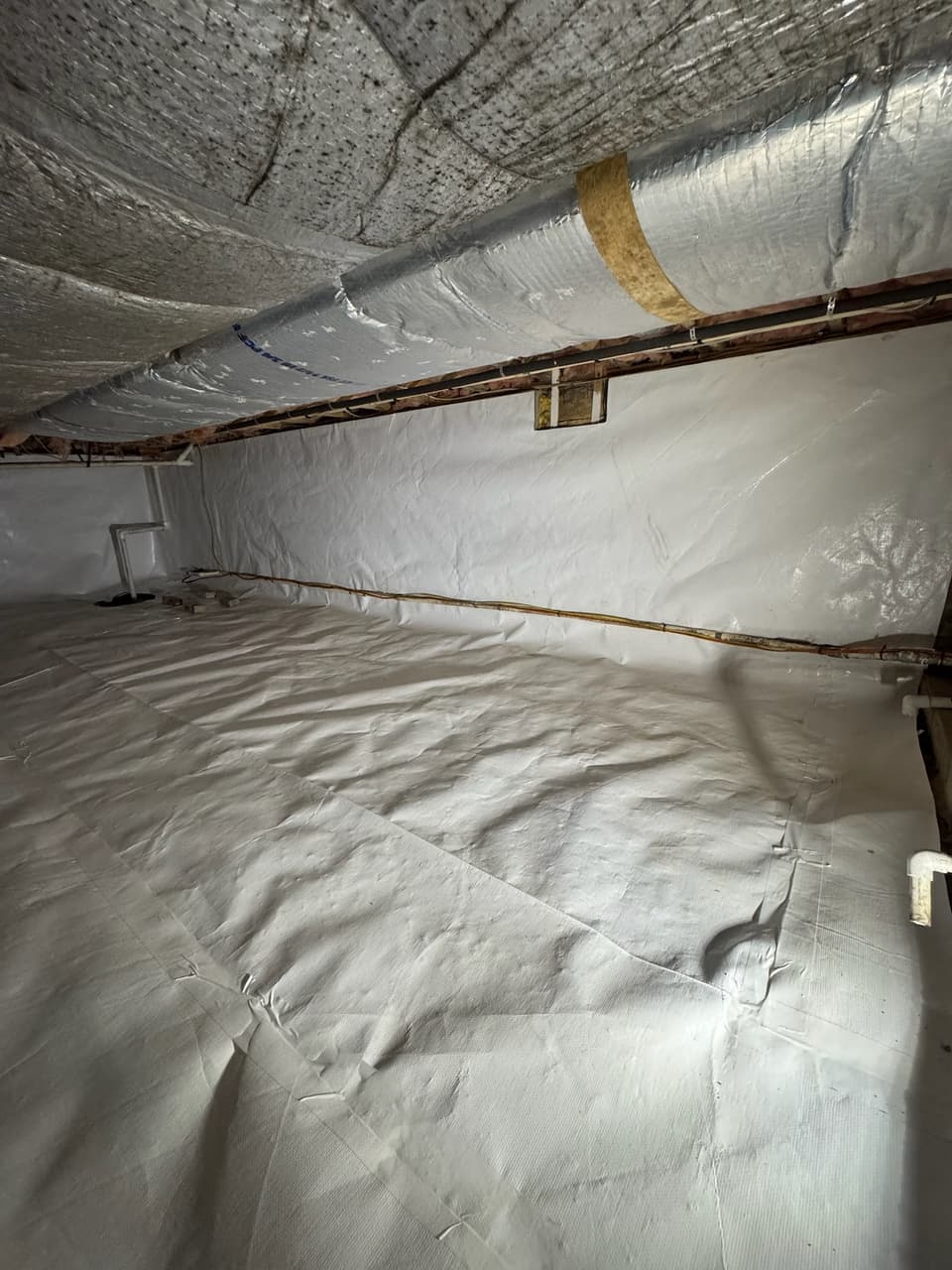
Removing mold-affected insulation is only the first half of the fix; sealing the moisture source is the half that keeps it gone
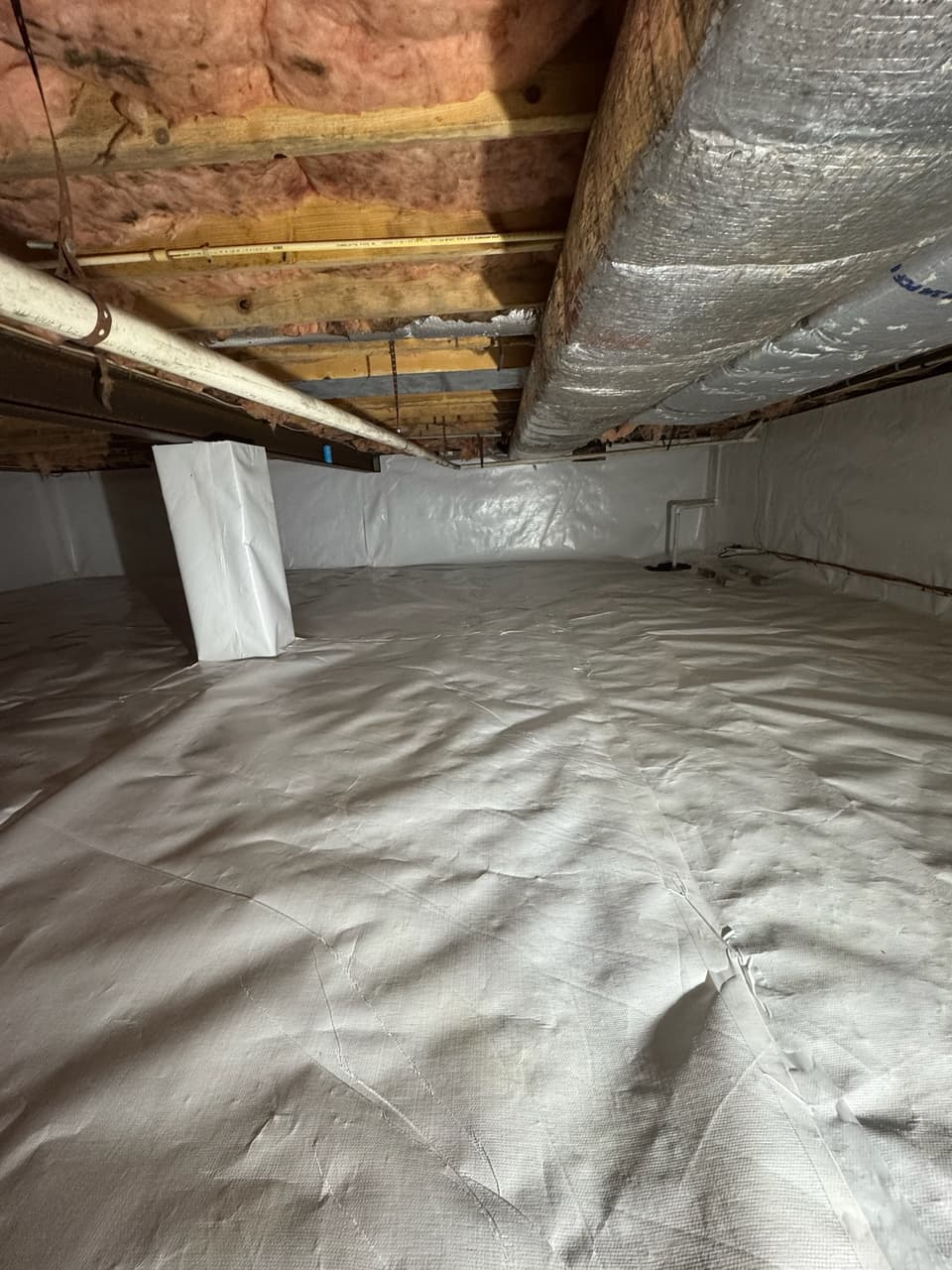
Prevention Is the Only Permanent Fix
Warning Signs of Mold and
Mildew in Your Crawl Space
Treating existing mold without sealing the crawl space against future moisture allows regrowth within one humid Maryland season. These are the signs OBW's inspectors look for, and the reason encapsulation is part of the recommendation whenever active mold is found.
- Visible black, white, or green growth on floor joists, subfloor, or insulation
- A musty smell that traces back to the crawl space, especially near floor vents
- Household members with unexplained respiratory irritation or allergy flare-ups indoors
- Mold that returns within weeks of a prior cleaning attempt
- Wood that feels soft, discolored, or spongy near visible growth
What's Included
How Encapsulation Stops
Crawl Space Mold
Because mold always comes back where moisture is still getting in, the moisture and the encapsulation are addressed together, not as separate visits.
Assessment & Documentation
Affected areas are identified and photographed, and wood moisture content is measured before anything is recommended.
Clearing Affected Materials
Deteriorated insulation and organic debris with mold growth are cleared and disposed of properly.
Antimicrobial Wood Treatment
Exposed structural wood with surface mold is treated with EPA-registered antimicrobial products.
Ground Vapor Barrier Installation
A sealed vapor barrier stops the soil moisture that feeds the humidity mold needs to grow.
Vent Sealing & Dehumidifier Install
Foundation vents are sealed and a sized dehumidifier holds humidity below the threshold where mold can re-establish.
Written Workmanship Guarantee
Every encapsulation installation is backed by a written workmanship guarantee. Ask your inspector for the terms that apply to your job.
The Process
How OBW Seals a Crawl Space
Against Mold Regrowth
Document the extent. Clear and treat the surfaces being opened up. Seal off what let it grow in the first place.
Inspection & Documentation
OBW identifies and photographs affected areas and measures wood moisture content to gauge how far the growth has spread.
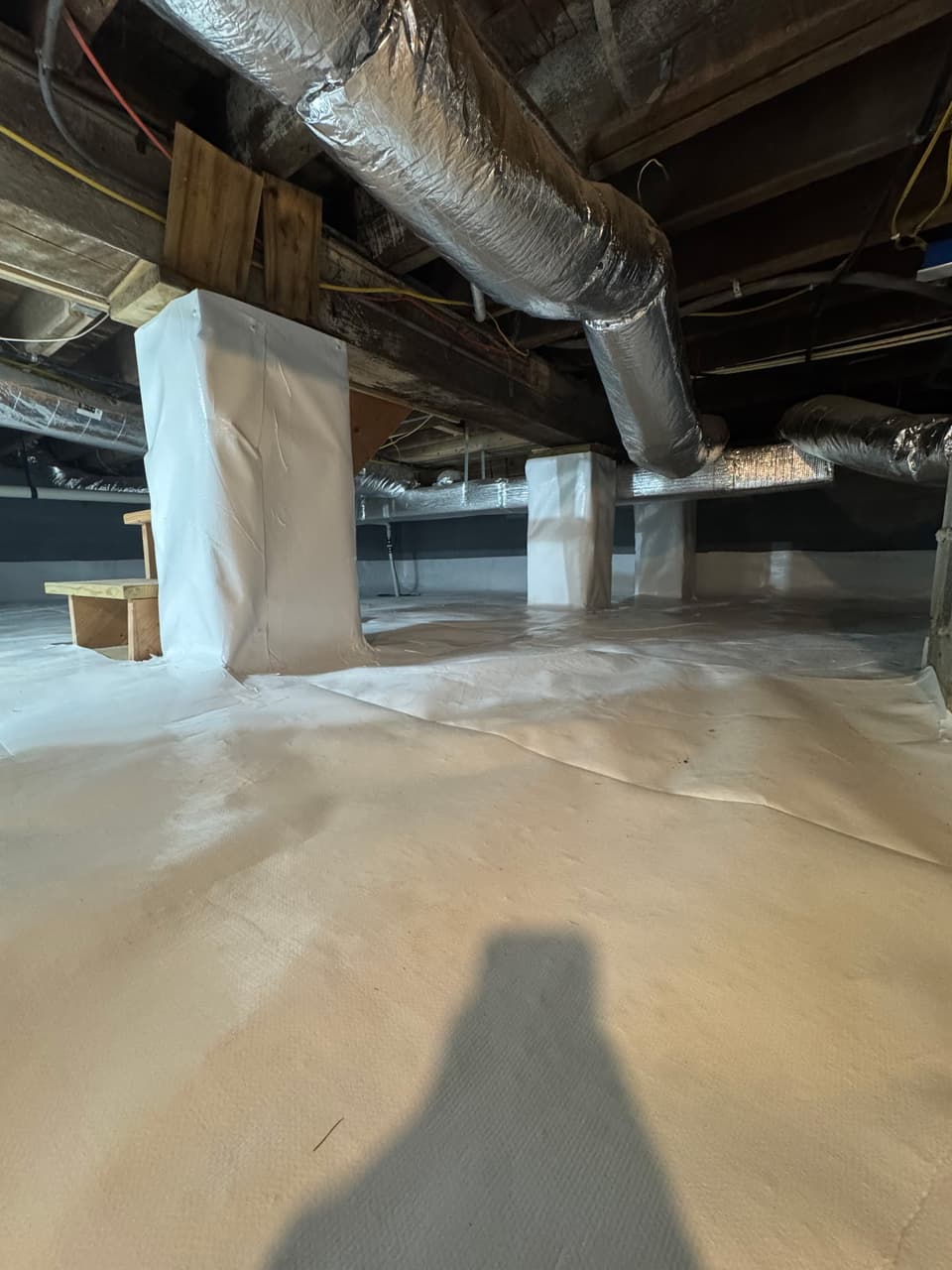
Clearing & Antimicrobial Treatment
Insulation and debris with mold growth are cleared, and exposed structural wood is treated with EPA registered antimicrobial products.
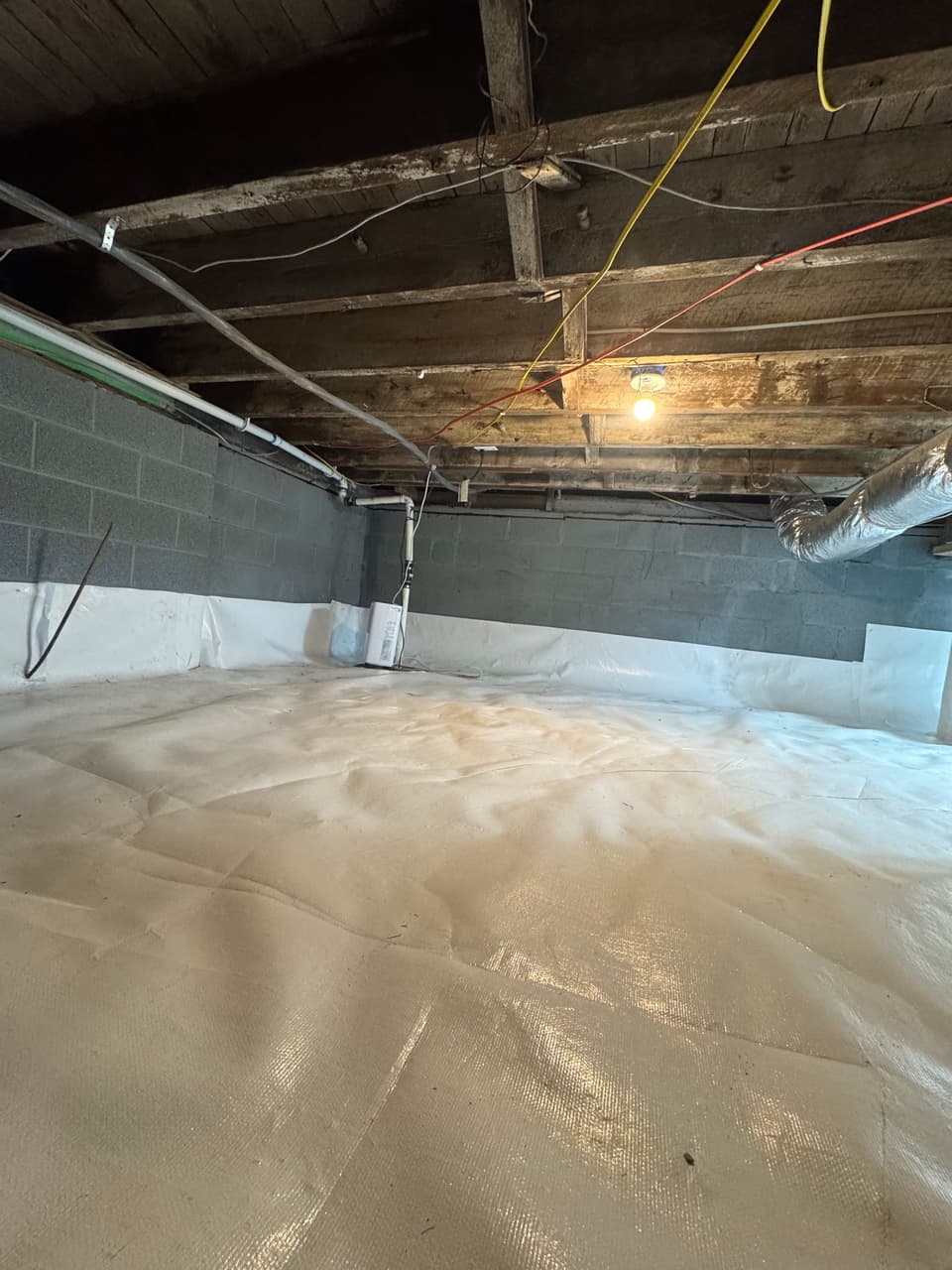
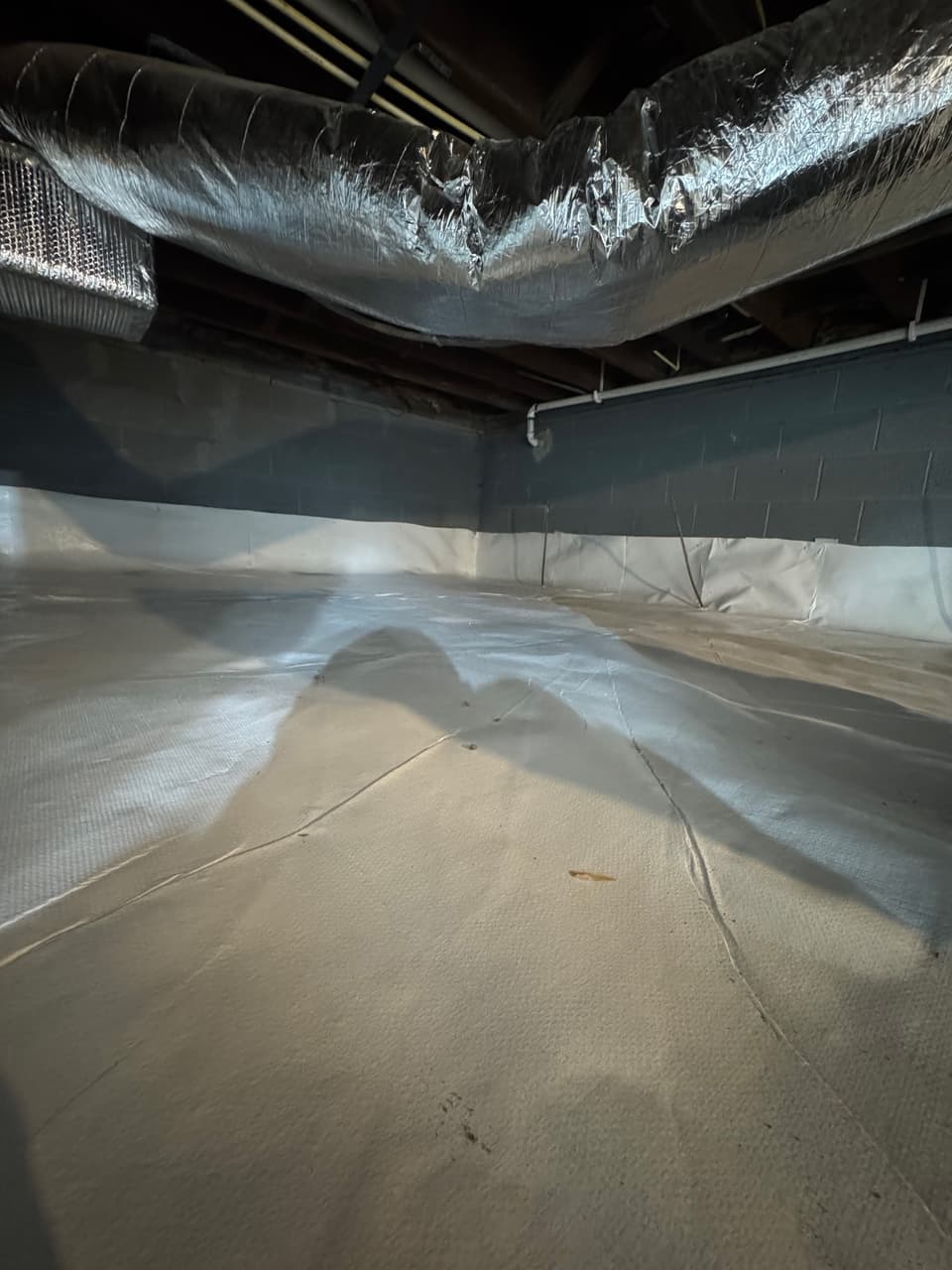
Encapsulation Installation
A ground vapor barrier is installed and foundation vents are sealed to cut off the moisture sources that let mold establish in the first place.
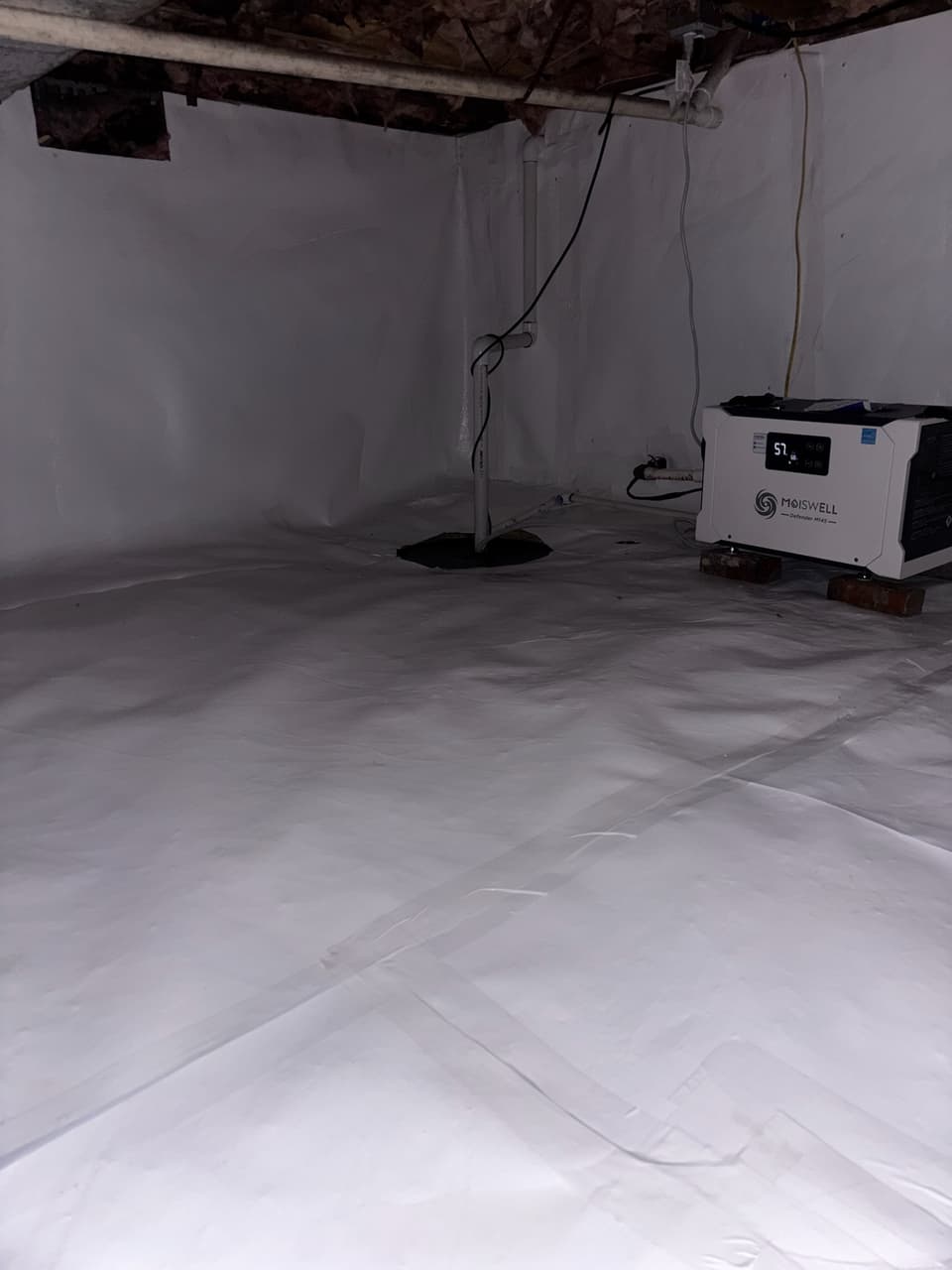
Dehumidifier & Verification
A sized dehumidifier is installed and humidity is re-checked to confirm the space is holding below the mold growth threshold.
Photos From the Field
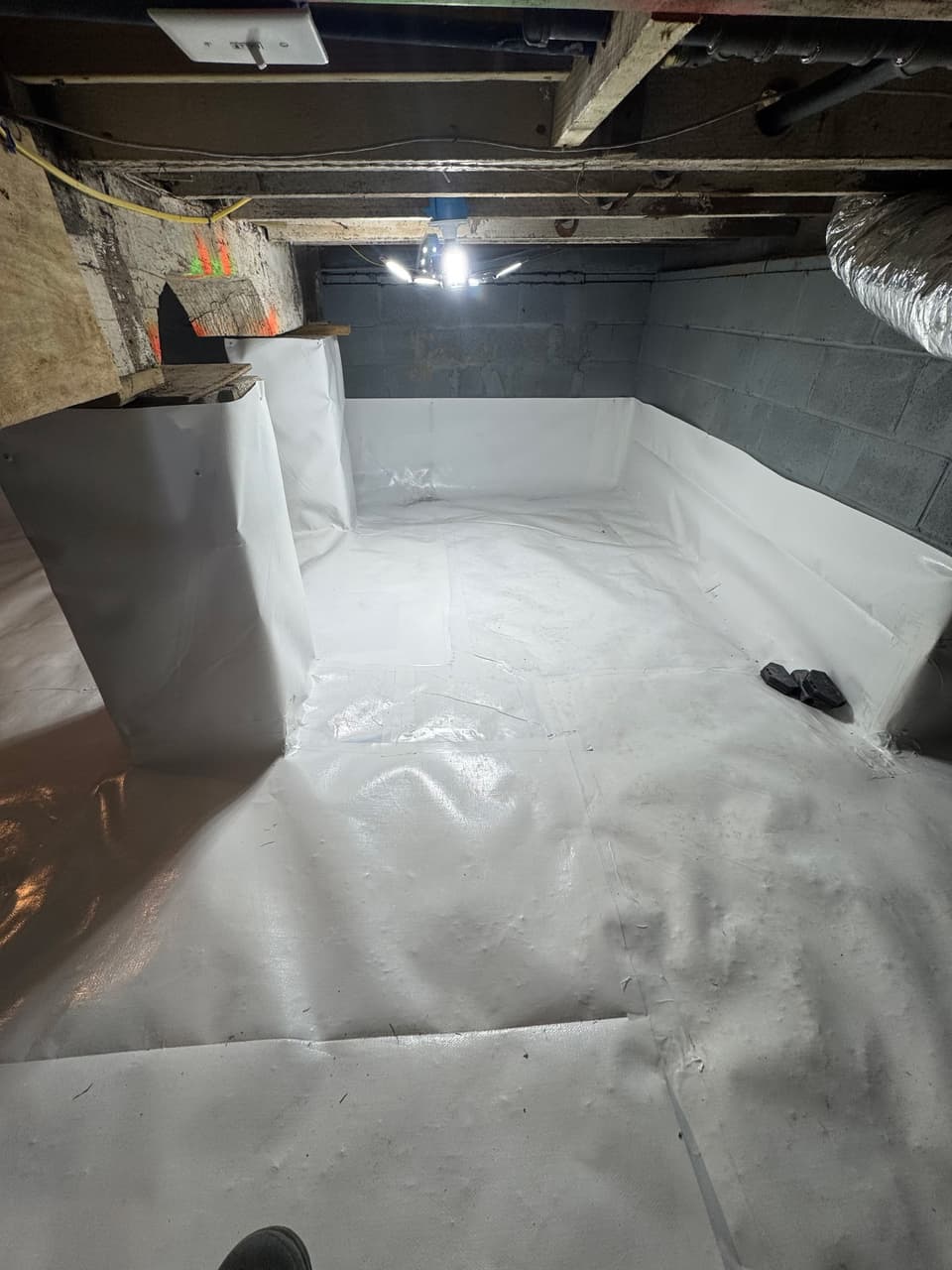
Job Site Photos
A closer look at the equipment, materials, and job site conditions involved in this kind of work.


Honest Answers
Mold and Mildew Questions from
Maryland Homeowners
Call (410) 879-3360 if you're seeing mold in your crawl space. Our inspectors will assess it and explain your options.
Why is mold in a crawl space more than a cosmetic problem?
Mold requires three things to establish: organic material, moisture, and darkness. A crawl space offers all three continuously, wood joists and subfloor panels for organic material, Maryland's clay soils and humid summers for moisture, and limited airflow that lets colonies grow undisturbed for years.
Through the stack effect, mold spores generated below grade are continuously distributed into living areas above. That makes it a structural issue and an indoor air quality issue at the same time, not just something unpleasant to look at.
Can I just clean the mold off and be done with it?
Cleaning visible mold without sealing the crawl space against the moisture that let it grow allows regrowth within one humid Maryland season. Removing affected material and treating exposed wood addresses what's already there; encapsulation is what stops the conditions from recurring.
Does OBW handle mold remediation directly?
No. OBW does not offer standalone mold remediation as a service. What OBW does is moisture control: it treats incidental mold on the surfaces it is already opening up during encapsulation prep, and it corrects the water and humidity that let mold establish in the first place. For a formal remediation job, OBW refers you to Raven, its sister company, and will say plainly when that is what your situation calls for.
How does encapsulation actually prevent mold from coming back?
Mold needs relative humidity above roughly 60% to sustain active growth. OBW's encapsulation system, a ground vapor barrier, sealed foundation vents, and a properly sized dehumidifier, holds crawl space humidity at 50 to 55% year round.
With humidity held below that threshold, wood surfaces stay dry and mold-hostile, which is what makes encapsulation a permanent fix rather than a repeated cleanup.
What if the mold has already spread pretty far?
OBW's inspection measures wood moisture content and documents the extent of growth before recommending anything. Affected insulation and organic debris are removed and disposed of properly, and exposed structural wood is treated with EPA-registered antimicrobial products as part of the same visit. Every encapsulation installation is backed by a written workmanship guarantee. Ask your inspector for the specific terms that apply to your job.
Why Oriole
Why Maryland Homeowners Trust
OBW with Mold and Mildew
We Treat It, Then Seal Against Regrowth
Cleaning visible mold without sealing the crawl space just delays the next colony. OBW does both in the same project.
Maryland Moisture Experience
Piedmont clay soils and humid summers create ideal mold conditions beneath millions of Maryland homes. OBW has treated and sealed against it across every county we serve.
No Subcontracting
OBW's own crew handles the prep, the treatment, and the encapsulation, in house, start to finish.
Family-Owned Since 1953
Founded by Frank Pirog Sr. in 1953. Amber Pirog leads the company today. Written workmanship guarantee on every installation.
Reviews
What Our Maryland Neighbors Say
Cleaning It Doesn't Stop It Coming Back.
Getting Started on Your
Crawl Space Encapsulation
Every humid season the moisture source stays unsealed is another chance for mold to re-establish.
Free Inspection
OBW documents the extent of growth and measures wood moisture content before recommending anything. Free, no obligation.
Written Encapsulation Plan
You receive a written quote covering the prep work, the treatment of surfaces being opened up, and the encapsulation system needed to prevent regrowth, before any work is scheduled.
Treatment & Encapsulation
OBW's crew clears and treats what it opens up, then seals the space in the same project. Written workmanship guarantee issued upon completion.
Seeing Mold in Your Crawl Space?
Free inspection. We find the moisture that let it grow and seal the space against it.
Family-owned since 1953 · MHIC #4247 · Written Workmanship Guarantee