
One Point, Not the Whole Foundation
Isolated Pier
Repair and Leveling
in Maryland
Targeted pier support at a single settled point, not a continuous underpinning line along the whole foundation
Not every settlement problem needs a foundation-length repair. When one corner, footing, or column pad has settled while the rest of your foundation reads level, OBW installs piers at that specific point, transferring the load to stable soil without the excavation and cost of a full underpinning job.

A Targeted Fix, Not a Full Underpinning Line
What Makes a Pier
Repair "Isolated"
Isolated pier repair places one or a small number of piers at a specific point that's settled, a corner, an isolated column footing, or a spot load from a porch or addition, rather than running piers at regular intervals along an entire wall section. It's the right scope when most of the foundation is stable and only a specific point is moving.
This is worth separating from the underpinning methods on our other pages. Push piers, helical piers, concrete piers, slab piers, and micro piles cover those same pier methods installed along a continuous line for settlement spread across an extended section of foundation. This page is about applying one of those proven methods to a single targeted point. It's also different from Post and Pier Foundation Repair, which addresses an entire pier-and-beam foundation construction type, not a selectively placed repair on any foundation type.
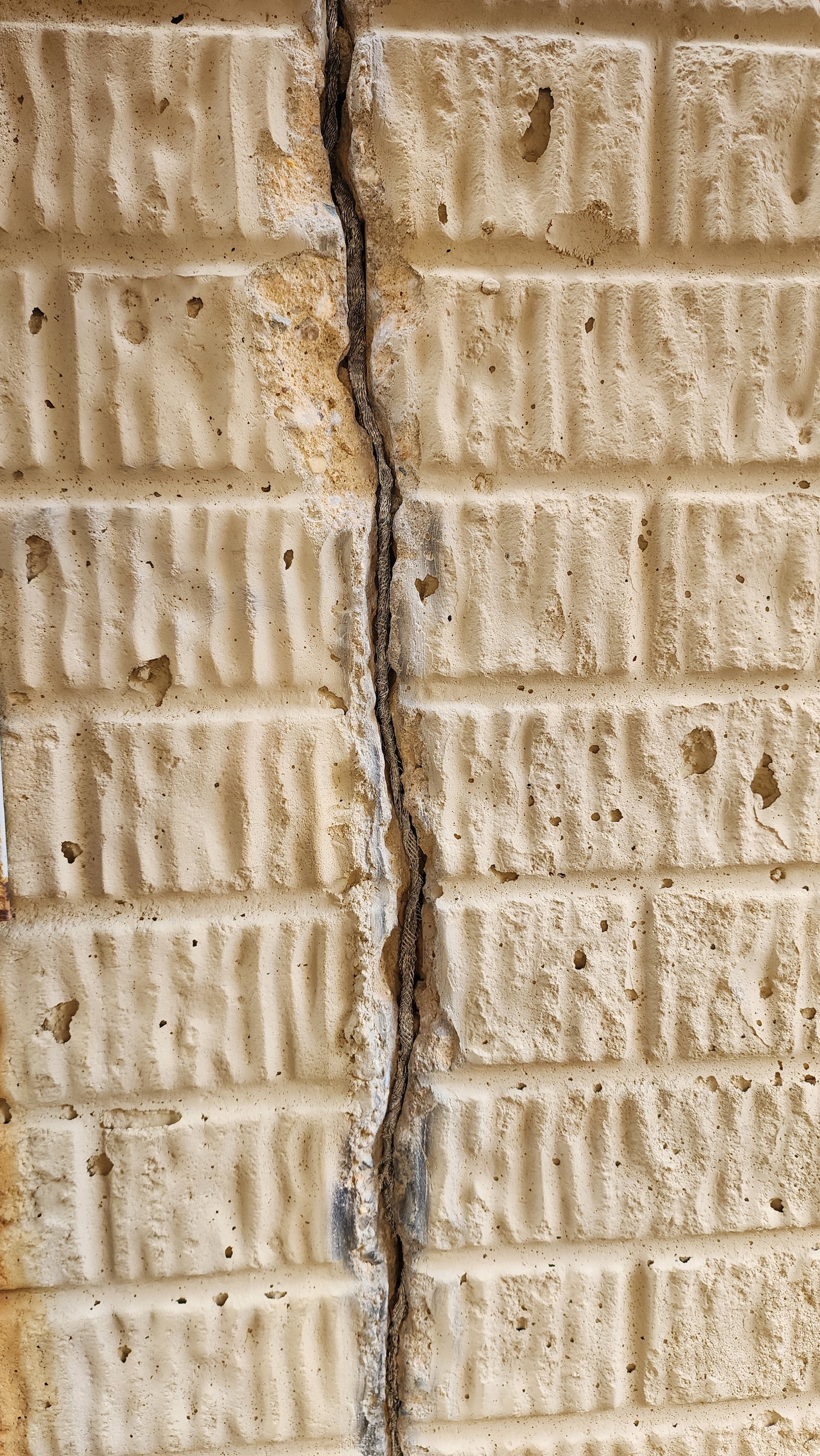
A single settled footing, the kind of isolated problem this repair targets
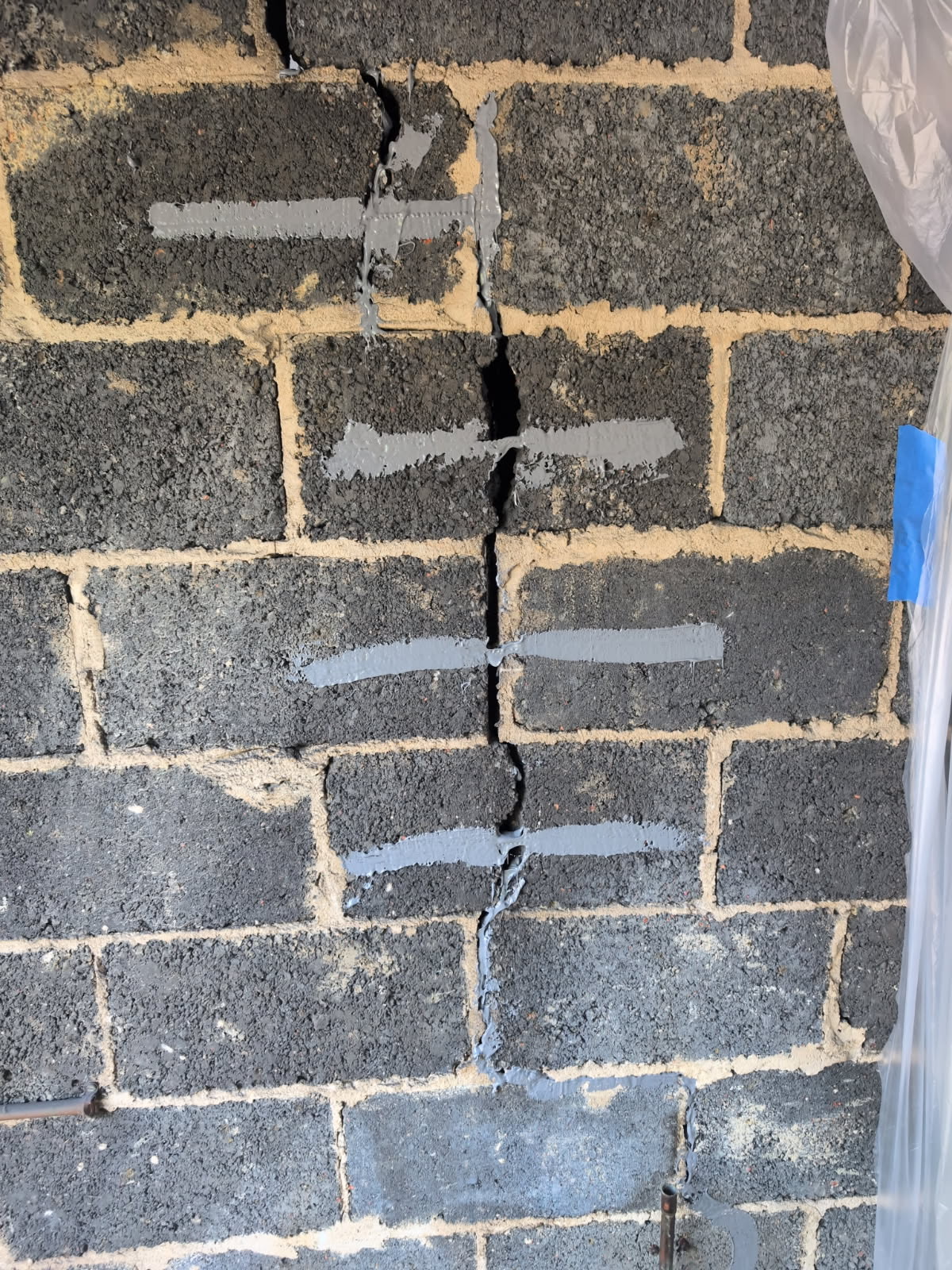
Signs Your Settlement Is Isolated
When One Point Is Moving,
Not the Whole Foundation
- One corner of the house out of level while the rest of the foundation reads level
- A porch or addition that's sunk independently of the main structure
- A column pad or interior support point that's settled under a concentrated load
- A crack or door binding localized to one section rather than spread across the house
What's Included
OBW's Isolated Pier
Repair Services
Repair scoped to the point that's actually settled, confirmed by measuring the full foundation first.
Point-Specific Assessment
OBW measures your full foundation, not just the spot you called about, to confirm the settlement is genuinely isolated before scoping a targeted repair.
Single or Multi-Point Pier Installation
One or a small number of piers, push or concrete depending on load and soil conditions, installed at the specific settled point.
Load Transfer to Stable Soil
Each pier reaches past unstable Piedmont clay to competent bearing soil, transferring the isolated load off the compromised point.
Leveling at the Repaired Point
The settled corner, footing, or column pad is lifted and leveled at the pier, restoring it without disturbing the rest of the foundation.
Minimal Footprint
Excavation and disruption are limited to the specific point being repaired, not an extended trench along a full wall section.
Written Workmanship Guarantee
Isolated pier repair is backed by a written workmanship guarantee. Ask your inspector for the terms that apply to your job.
The Process
How OBW Repairs an
Isolated Settlement Point
Full foundation measurement first, so an isolated repair doesn't miss settlement extending further than expected.
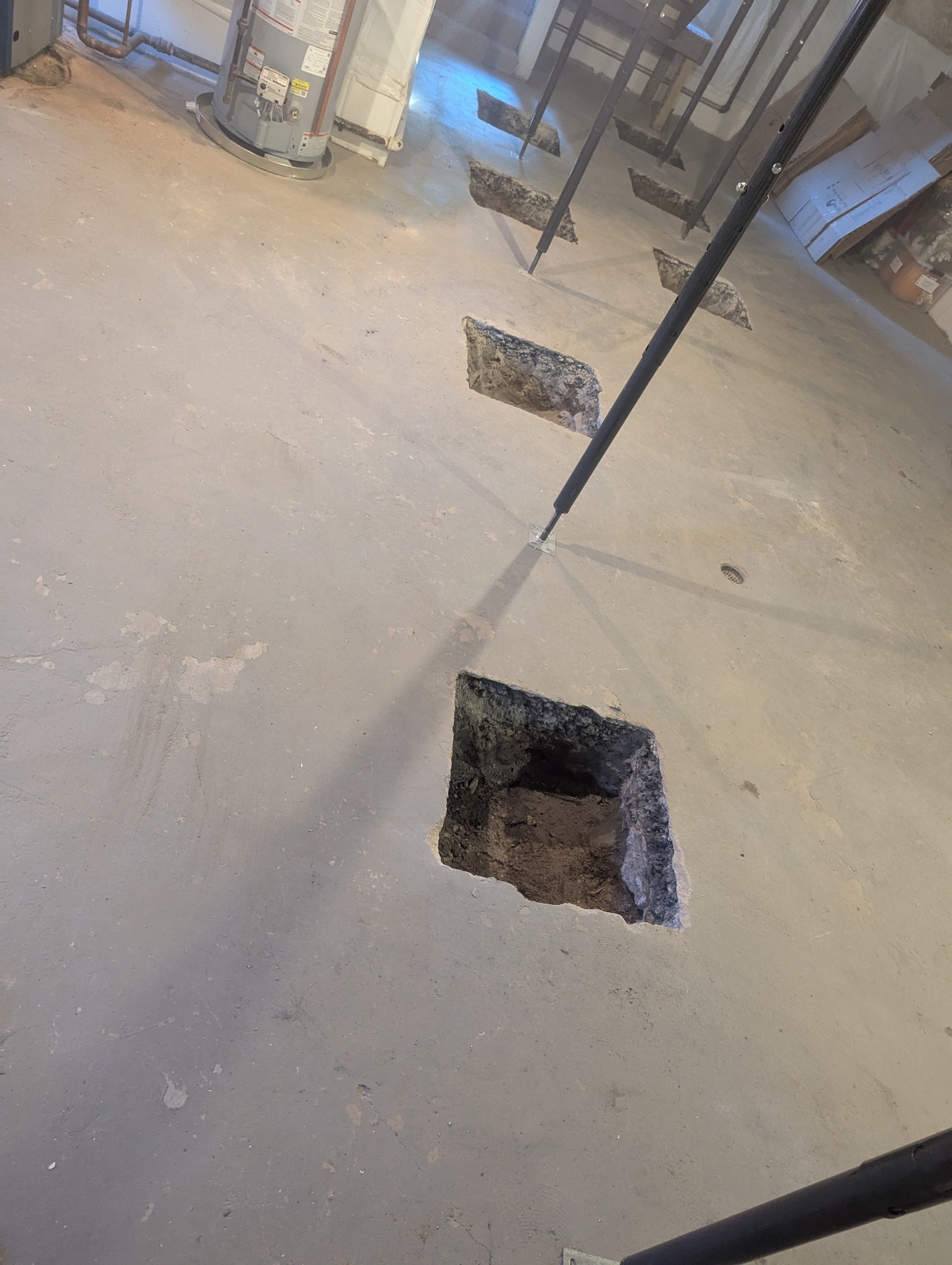
Full Foundation Inspection
Every measurable point on the foundation is checked, not just the visible symptom, to confirm whether settlement is isolated to one point or extends along a wall section.
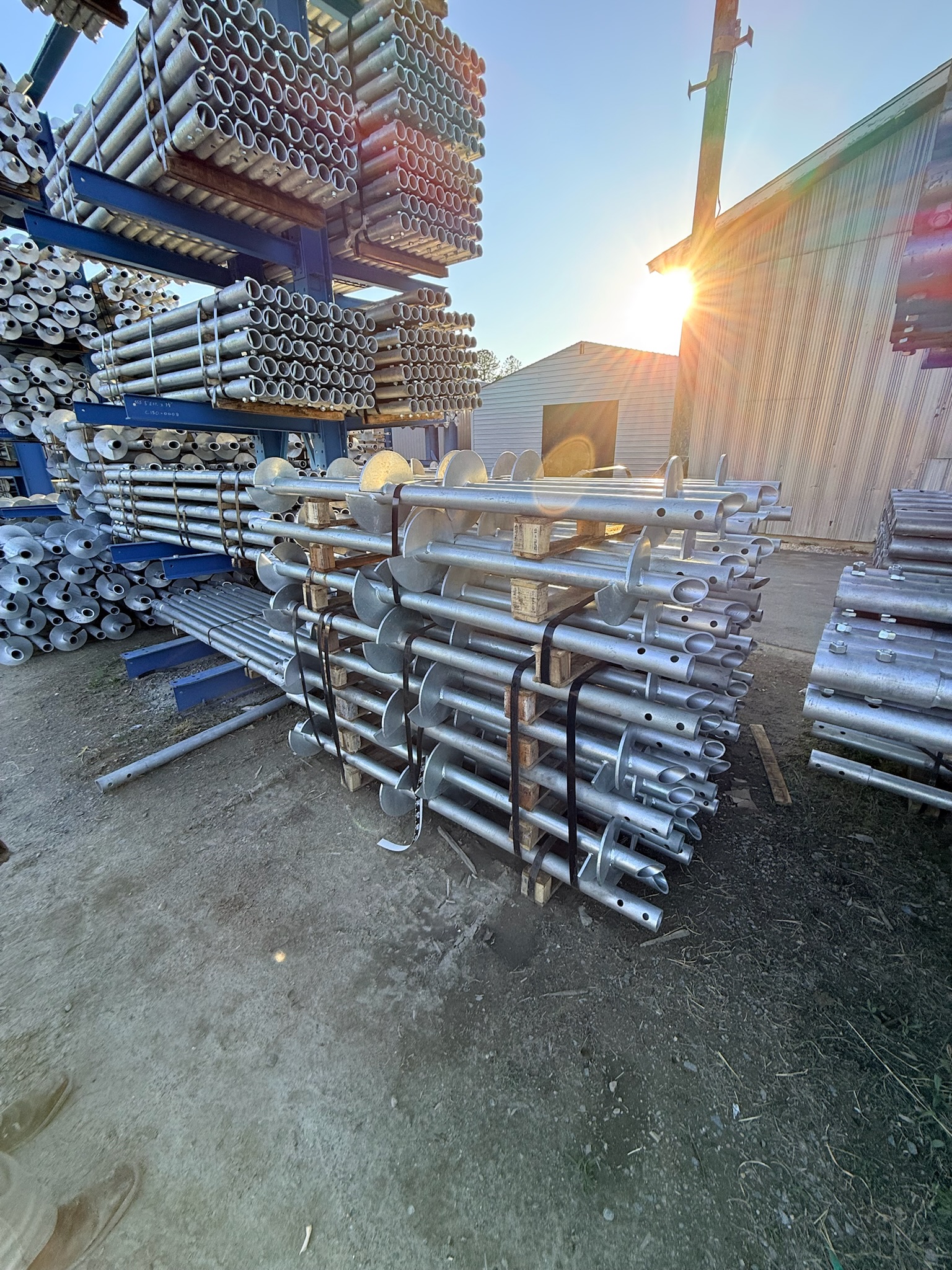
Method and Point Selection
OBW selects the pier method suited to the load and soil at that specific point and confirms how many piers the isolated repair actually needs.
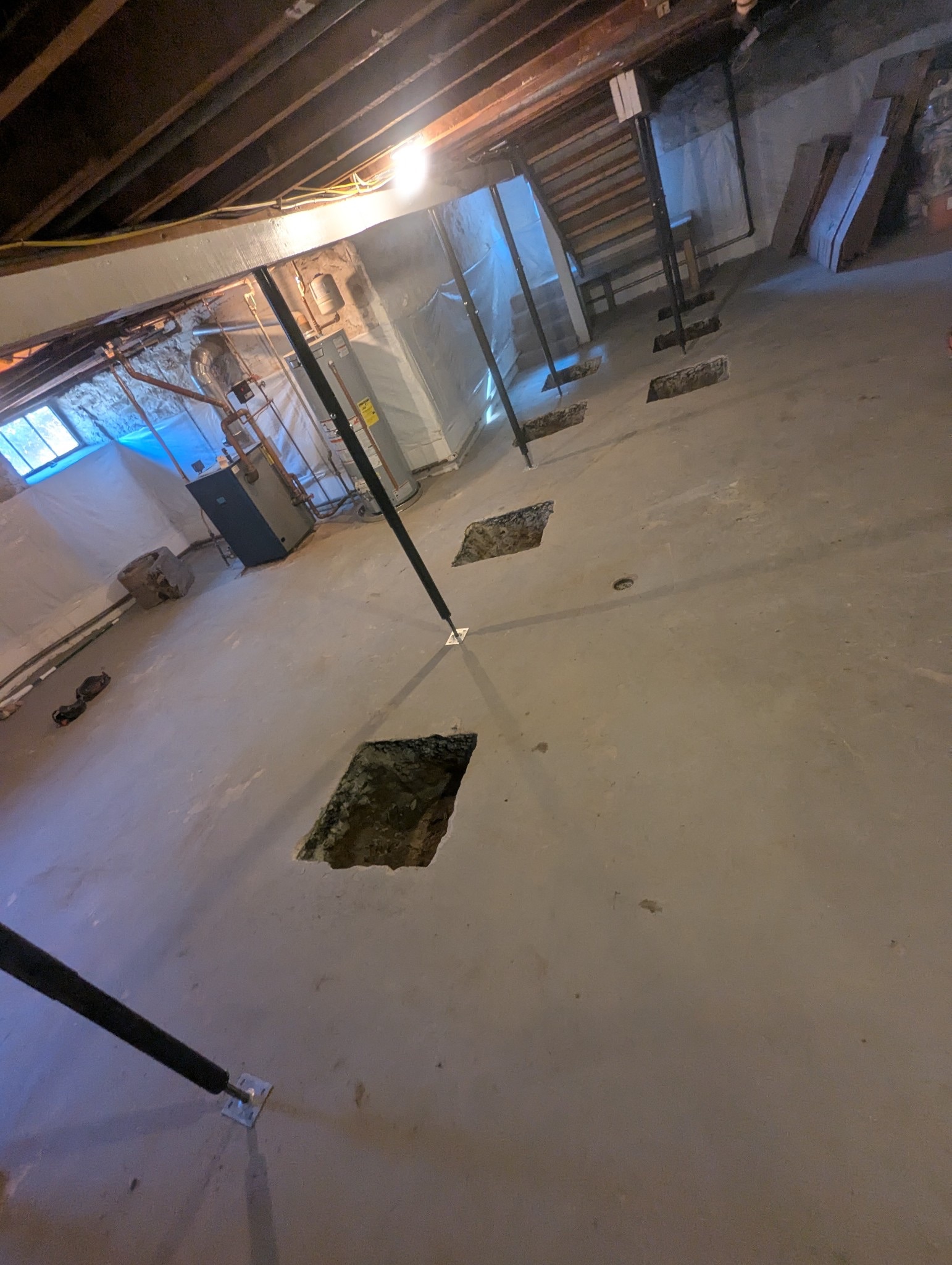
Installation and Load Transfer
Piers are installed at the identified point and connected to the foundation, transferring the load to stable soil below the affected footing or wall section.
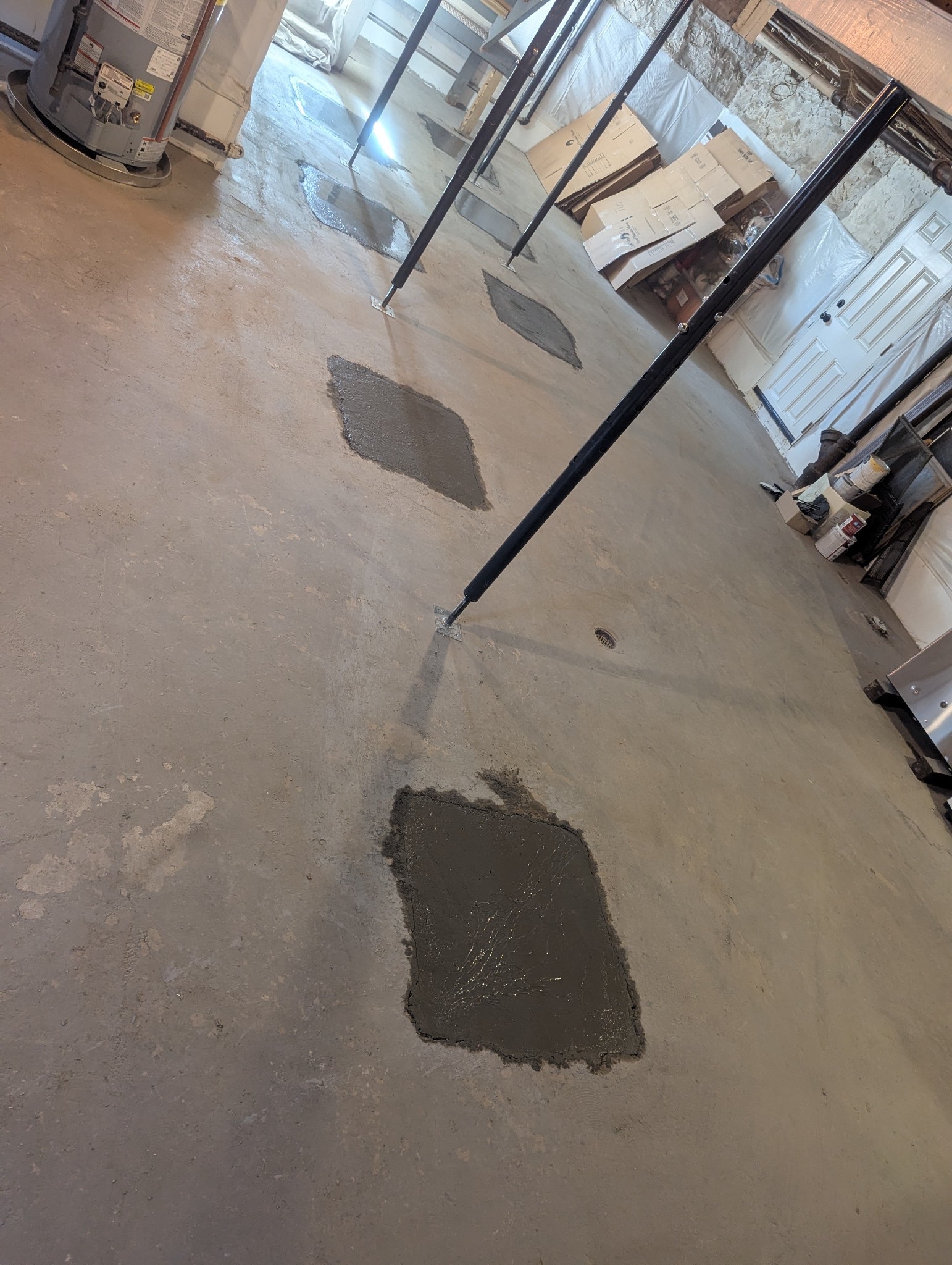
Leveling and Verification
The repaired point is lifted and leveled, then re-measured against the rest of the foundation to confirm the isolated repair holds.
Honest Answers
Isolated Pier Questions from
Maryland Homeowners
Call (410) 879-3360 if you're not sure whether your settlement is isolated or more widespread.
What makes a pier repair "isolated" rather than a full underpinning job?
An isolated pier repair places one or a small number of piers at a specific problem point, a single settled corner, an isolated column footing, a spot load from a porch or addition, rather than running a continuous line of piers along an entire foundation wall. Most of the foundation is stable; only the specific point that's settled or overloaded needs support.
Full underpinning, by contrast, addresses settlement along an extended section of wall, where multiple piers are installed at regular intervals because the whole section is moving, not just one spot. OBW's inspection determines which situation yours is before recommending either approach.
Is this the same method as push piers or helical piers, just fewer of them?
The pier hardware can be the same, OBW may use a push pier or a concrete pier depending on the load and soil conditions at that specific point, but the scope and diagnosis are different. Our push pier and helical pier pages cover those methods as installed along a continuous underpinning line for extended settlement. This page is about applying one of those same proven methods to a single, targeted point rather than a full wall section.
The distinction matters for cost and disruption. An isolated repair means less excavation, fewer piers, and a smaller footprint than a full underpinning job, when the settlement pattern genuinely supports that scope.
How do I know if my foundation needs isolated piers instead of full underpinning?
Isolated settlement typically shows up as a problem at one specific spot, a single corner out of level while the rest of the foundation reads level, a porch or addition footing that's sunk independently of the main structure, or a column pad that's settled under a concentrated load. If settlement is spread across a longer run of wall, that points toward full underpinning instead. An OBW inspector measures your foundation at multiple points during a free inspection and will tell you plainly which pattern yours shows.
Why Oriole
Why Maryland Homeowners Trust
OBW with Isolated Repairs
Scoped to What's Actually Settled
We repair the point that's actually moving, not a longer run of wall than your foundation needs.
In-House Underpinning Crew
The same crew and pier methods behind our full underpinning work, applied to a single point when that's genuinely what the settlement calls for.
No Subcontracting
OBW's own crew installs every isolated pier in-house.
Family-Owned Since 1953
Founded by Frank Pirog Sr. in 1953. Amber Pirog leads the company today.
One Corner Settling, Not the Whole House?
Free inspection. We measure the full foundation before scoping any repair.
Family-owned since 1953 · MHIC #4247 · Written Workmanship Guarantee