
Built on Posts, Not a Wall
Post and Pier
Foundation Repair
in Maryland
Repairing the isolated posts, piers, and beams a post-and-pier foundation is built on, common in older Maryland homes
A post-and-pier foundation supports a house on individual posts or piers rather than a continuous wall, with beams spanning between them. When one of those support points rots, settles, or sags, the fix is specific to this construction type, sometimes including new deep support where an old pier's footing has failed.

A Foundation Type, Not a Pier Method
What a Post-and-Pier
Foundation Actually Is
Post-and-pier (or pier-and-beam) is a foundation construction type: the house rests on a series of isolated piers or posts, concrete, masonry, or historically wood, spaced beneath the structure with beams spanning between them to carry the floor framing. It's a different system entirely from a continuous perimeter footing and wall, and it's common in older Maryland homes, farmhouses, and additions built before more modern construction practices took over.
This is worth separating clearly from the underpinning methods on our other pages, push piers, helical piers, concrete piers, and micro piles are techniques for adding new deep support to any settling foundation. Post-and-pier is the original foundation system itself. The two connect when an existing post-and-pier foundation fails: one of those underpinning methods might become part of the fix, but repairing this foundation type also means replacing rotted posts, releveling settled piers, and repairing sagging beams, work none of those underpinning pages cover.
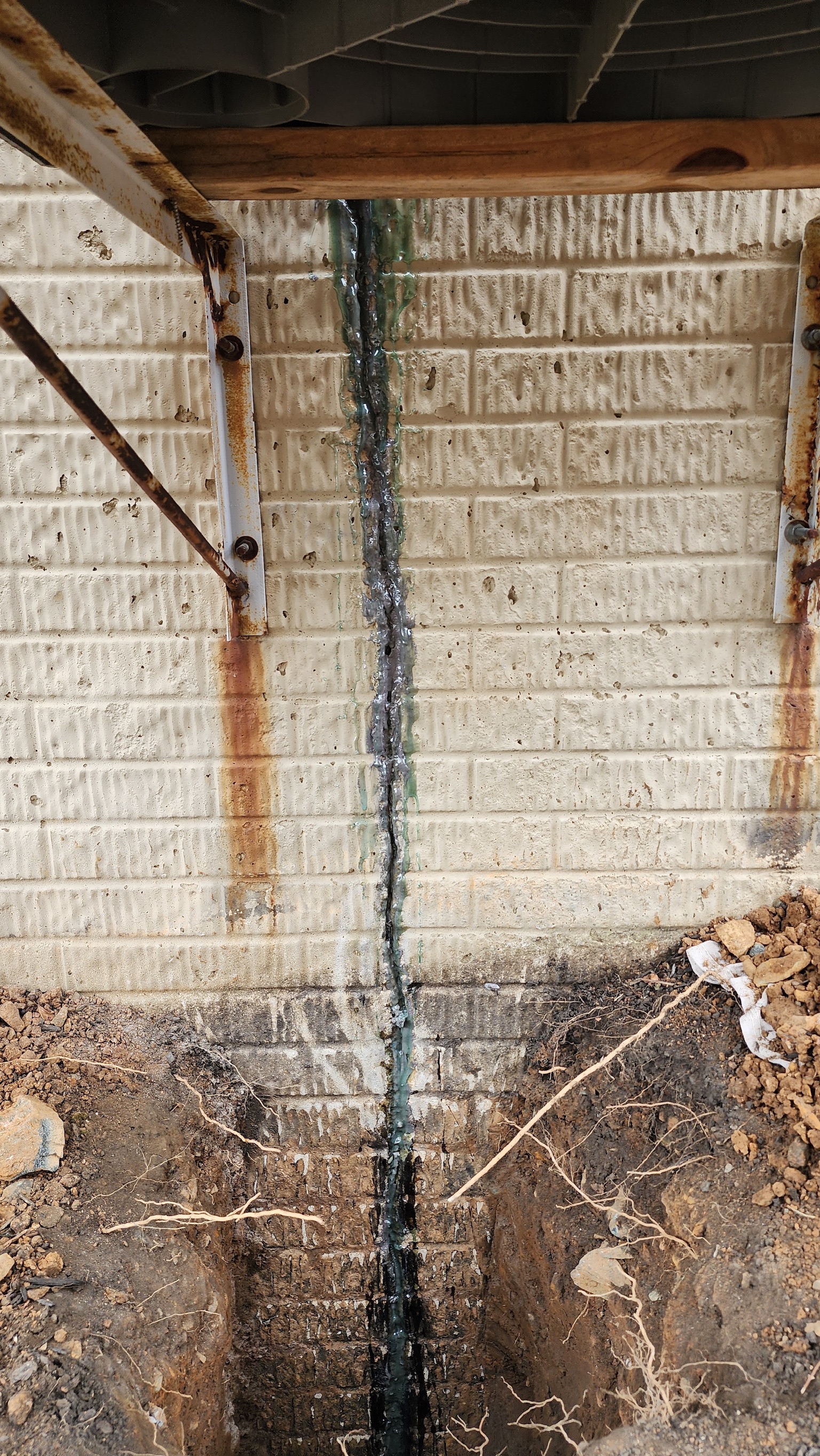
An isolated pier supporting a beam, the individual support point a post-and-pier foundation relies on
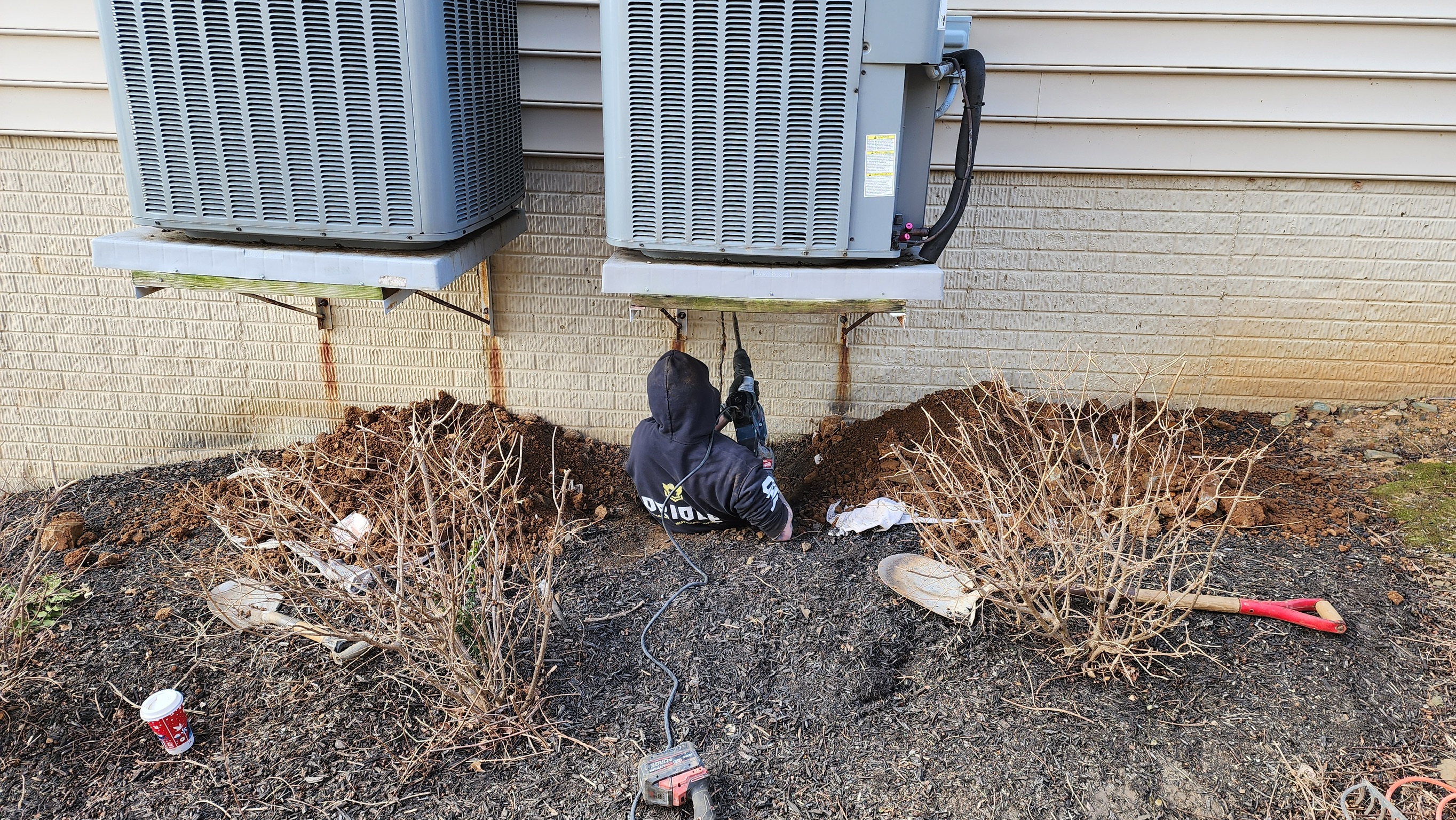
What Fails on This Foundation Type
Signs a Post-and-Pier
Foundation Needs Repair
- A floor that sags or bounces over one specific area rather than uniformly
- Visible rot or moisture damage at the base of a wood support post
- A pier that's visibly leaning, cracked, or settled relative to its neighbors
- A beam with visible sag or moisture damage between support points
What's Included
OBW's Post-and-Pier
Repair Services
Repair matched to the specific component that's failed, post, pier, or beam, rather than a one-size-fits-all pier installation.
Post and Pier Condition Assessment
We inspect every accessible post and pier for rot, settlement, and beam connection condition, not just the section you called about.
Post Replacement and Sistering
Rotted wood posts are replaced or reinforced with a sistered post, restoring the original support point.
Pier Releveling
Settled masonry or concrete piers are shimmed or rebuilt to restore consistent beam support across the foundation.
Beam Repair and Reinforcement
Sagging or damaged beams are sistered, reinforced, or replaced where the span between piers has taken on damage.
New Deep Support, Where Needed
Where an old pier's own footing has failed, a deep pier method such as helical piers may be added as part of the repair, one tool among several, not the whole fix.
Written Workmanship Guarantee
Post-and-pier foundation repair is backed by a written workmanship guarantee, terms vary by service, ask your inspector.
The Process
How OBW Repairs a
Post-and-Pier Foundation
Full system inspection first, so a localized fix doesn't miss a related problem at a neighboring pier.
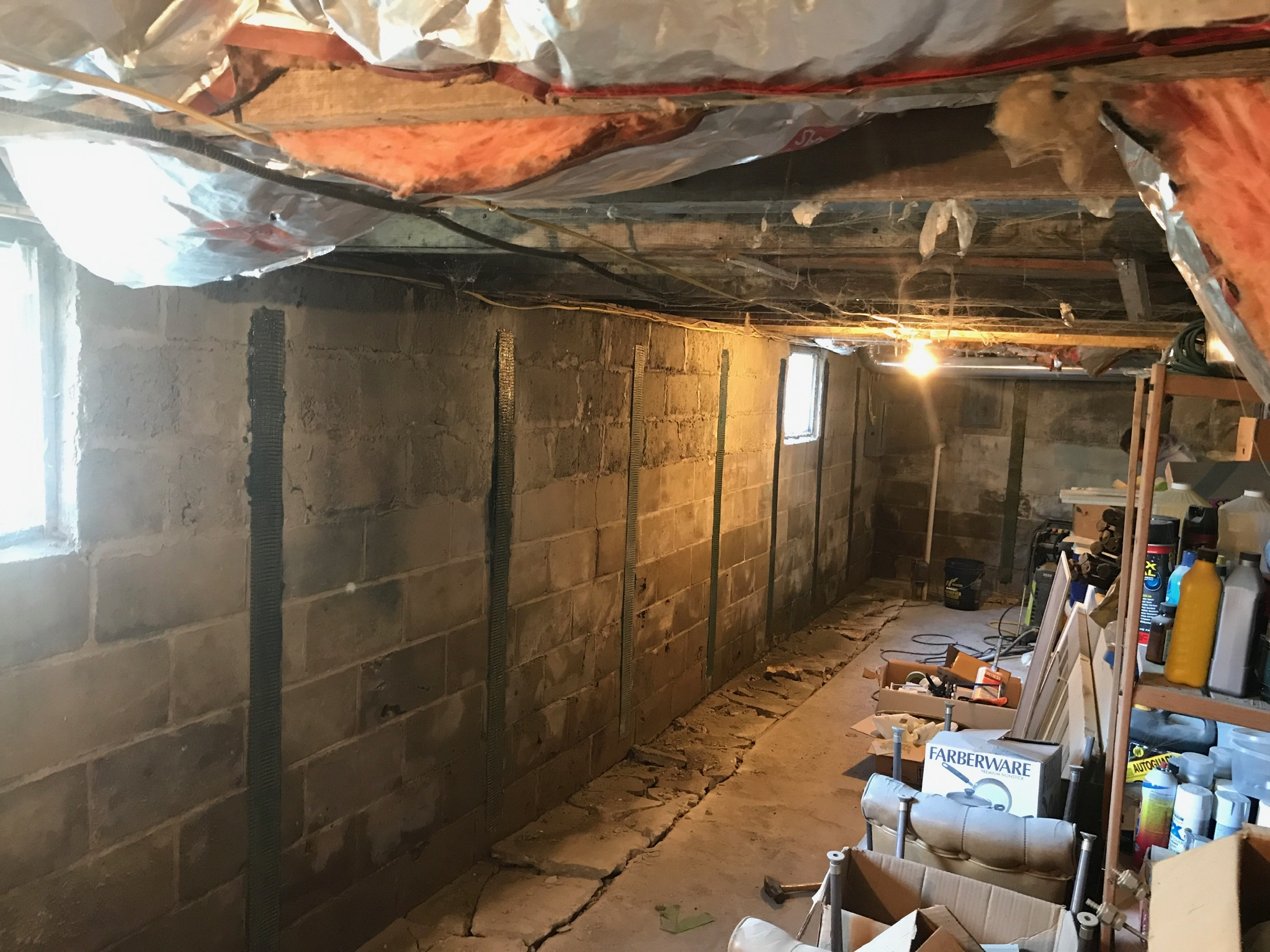
Full System Inspection
Every accessible post, pier, and beam is inspected for rot, settlement, and connection condition, mapping the full extent of the problem, not just the visible symptom.
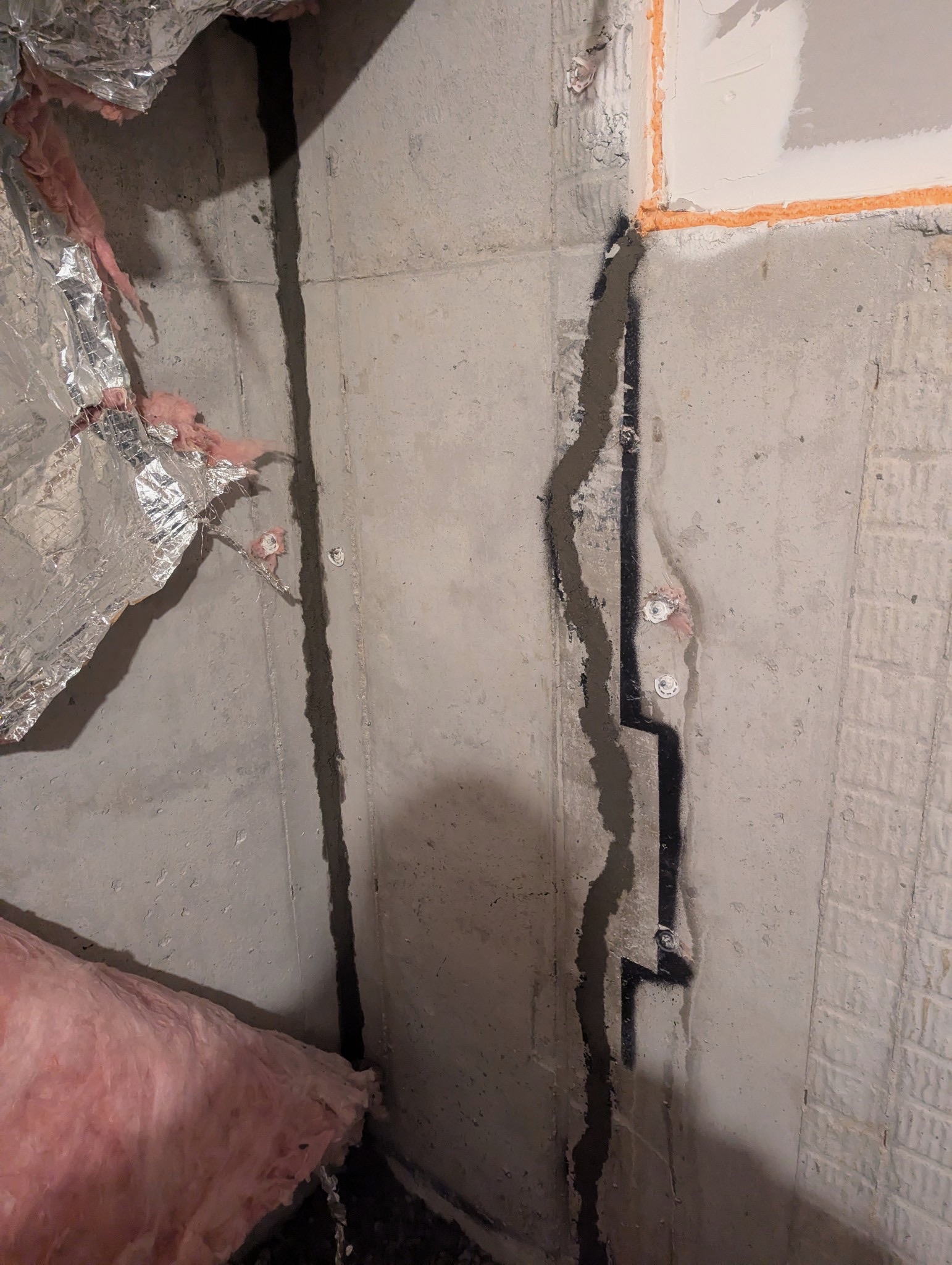
Cause and Scope Identification
We identify which posts or piers have failed, why, and whether the cause (moisture, soil settlement, undersized original construction) affects other support points too.
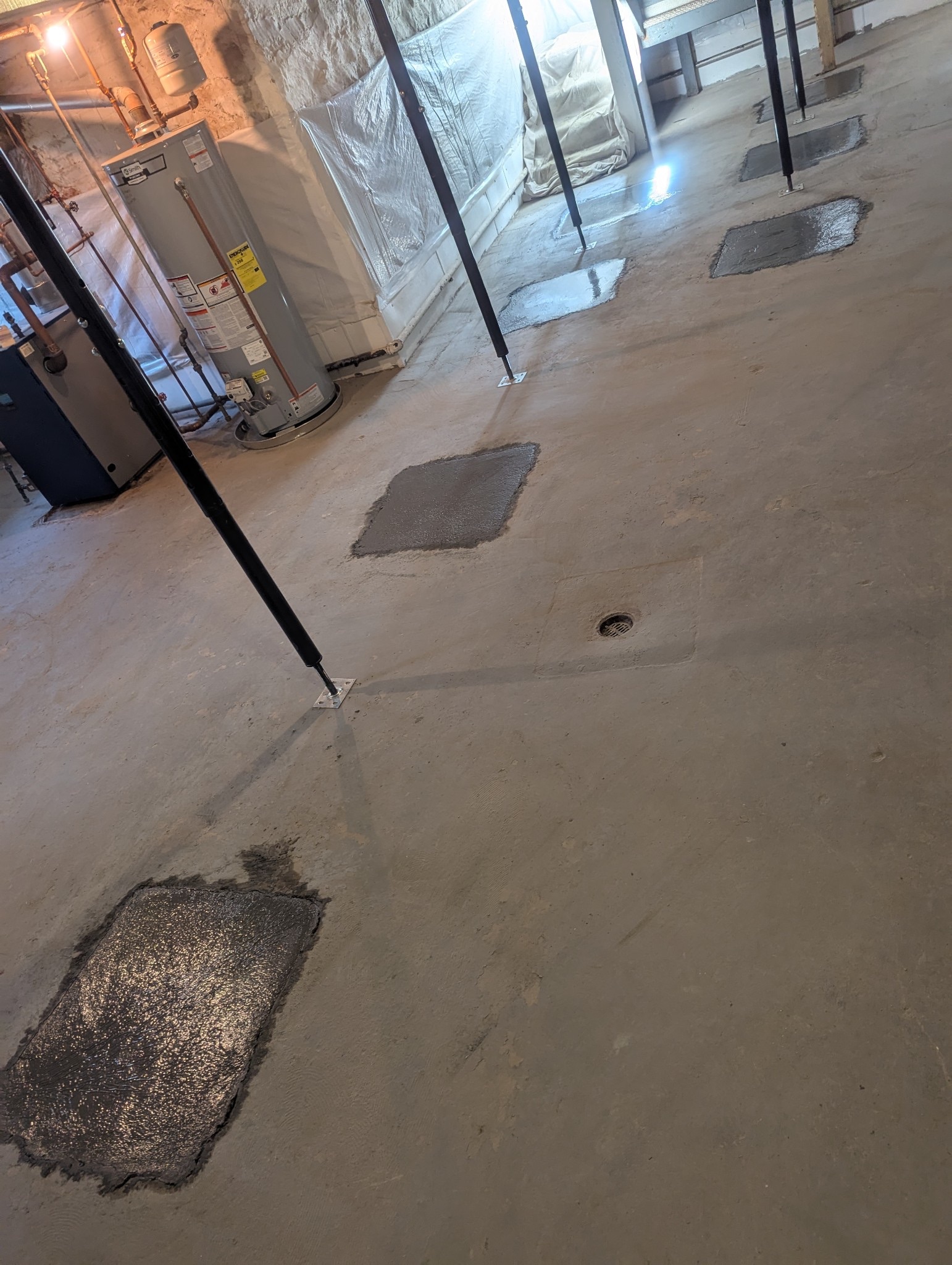
Post, Pier, and Beam Repair
Replacement, sistering, releveling, or reinforcement applied to each failed component. New deep piers are added only where an existing support point's own footing has failed.
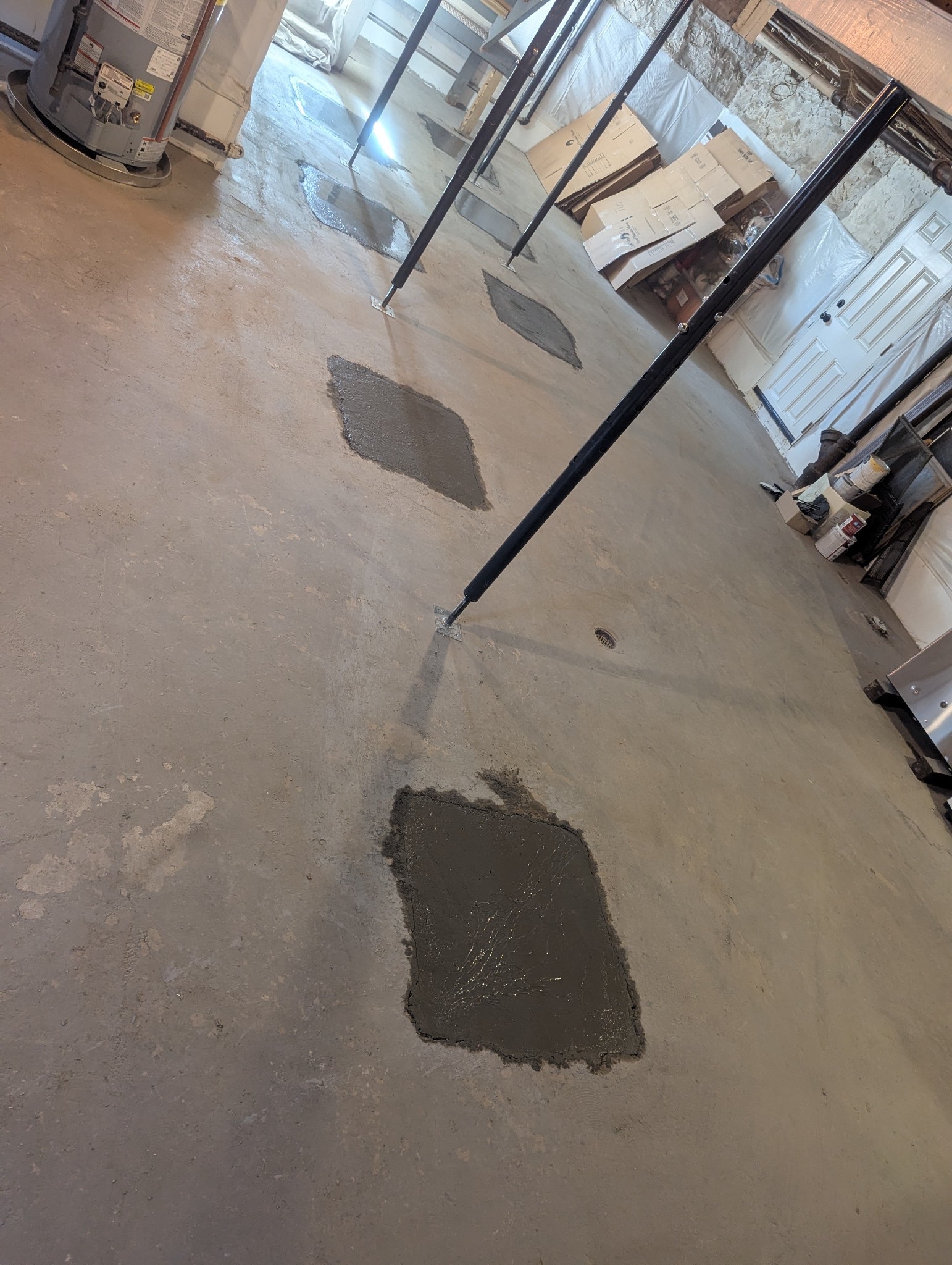
Verification
Floor level and beam support are re-checked across the repaired sections before the job is closed out.
Honest Answers
Post-and-Pier Questions from
Maryland Homeowners
Call (410) 879-3360 if you're not sure whether your older home has this foundation type.
What is a post-and-pier foundation, and how do I know if my house has one?
A post-and-pier foundation (sometimes called pier-and-beam) supports a house on a series of isolated piers or footings, concrete, masonry, or historically wood posts, spaced beneath the structure, with beams spanning between them to carry the floor framing above. Instead of a continuous perimeter footing and wall like a basement or crawl space foundation, the house's weight rests on these individual support points. This construction is common in older Maryland homes, farmhouses, and additions, particularly pre-1950s construction and some porches and outbuildings.
You likely have a post-and-pier foundation if your home sits on a raised, ventilated space with visible individual posts or piers rather than a continuous wall, or if an addition or porch was built with its own separate isolated supports rather than tied into the main house foundation. An OBW inspector can confirm during a free inspection.
Is post-and-pier foundation repair the same as installing push piers or helical piers?
No, and this is worth being clear about. Push piers, helical piers, concrete piers, and micro piles are underpinning methods, techniques used to add new deep support points beneath a settling foundation, of any type. Post-and-pier is a foundation construction type itself, the original system of posts and beams the house was built on.
The two connect in a specific way: when an existing post-and-pier foundation has failed or settled, one of those underpinning methods might be part of the fix, adding a new deep pier where an old post has rotted or a masonry pier has settled. But post-and-pier repair also includes things underpinning doesn't touch: replacing or sistering deteriorated wood posts, releveling and re-shimming beams, and addressing the beam-to-post connections themselves.
What typically fails on an old post-and-pier foundation?
Wood posts rot at ground contact or where moisture wicks up from the soil, especially in older Maryland construction that didn't isolate wood from ground moisture the way modern posts do. Masonry or concrete piers can settle unevenly if they weren't set to a consistent depth or if soil beneath one pier has consolidated more than beneath its neighbors, tilting the beam it supports. Beams themselves can sag between piers that are spaced too far apart for the load, or where a beam has taken on moisture damage.
Because each pier supports its own section largely independently, post-and-pier foundations often show localized problems, one corner sagging while the rest of the house is fine, rather than the more uniform patterns seen in a continuous foundation wall.
Why Oriole
Why Maryland Homeowners Trust
OBW with Older Foundations
A Foundation System, Understood on Its Own Terms
Post-and-pier construction fails differently than a continuous foundation wall. We diagnose it as its own system, not a variation on wall settlement.
Historic Maryland Construction Experience
Decades of working on older Maryland homes and additions built on posts and piers, including pre-1950s construction.
No Subcontracting
OBW's own crew performs every post and pier repair in-house.
Family-Owned Since 1953
Founded by Frank Pirog Sr. in 1953. Amber Pirog leads the company today.
Sagging Floor Over an Old Post or Pier?
Free inspection. Full post-and-pier system checked, not just the spot you noticed.
Family-owned since 1953 · MHIC #4247 · Written Workmanship Guarantee