Take Away What They Need to Stay
Reducing Pest Risk
in Your Maryland
Crawl Space
Seal the entry points, control the moisture, and pests lose most of what they need to stay
OBW is not a pest control contractor. For active infestations, a licensed pest control company treats first, and we coordinate that timing. What OBW provides is the crawl space work that reduces future risk: sealing foundation vents and other entry points, and controlling the moisture that rodents, termites, and insects all depend on. Honest, consultative guidance.
Restored
Two Levers: Access and Moisture
What Actually Reduces Pest
Risk in a Maryland Crawl Space
Rodents, termites, carpenter ants, and moisture loving insects all need the same two things to establish themselves in a crawl space: a way in, and enough moisture to survive. Take away either one and the space becomes far less hospitable. OBW's prevention work focuses on both: sealing foundation vents and other entry points, and controlling the humidity and standing water that draw pests in and let them stay.
This is different from pest control. OBW does not perform extermination. For an active infestation, a licensed pest control company treats first, our team coordinates that scheduling and can recommend companies we've worked with. Once any active infestation is confirmed treated, or if a crawl space only shows past evidence or moisture indicator insects with nothing currently active, OBW's sealing and moisture work proceeds directly.
Moisture control matters here for a specific reason: termites and carpenter ants target wood once it's been softened by dampness, and the insects most commonly found in damp Maryland crawl spaces, centipedes, millipedes, pillbugs, crickets, and silverfish, are really just responding to elevated humidity. A vapor barrier, drainage, or dehumidification, matched to what the space actually needs, removes that water source at the root.
Signs Prevention Work Is Overdue
When to Ask About
Reducing Pest Risk
Prevention work is worth scheduling before pests establish themselves, not just after. A few signs point to a crawl space that's due for a check.
- Visible open foundation vents or gaps around utility penetrations
- Fallen or wet insulation lying on the crawl space floor
- Persistent musty odor or humidity readings consistently above 60 percent
- Past pest evidence found during a home inspection or prior repair
- Recently completed pest control treatment with no follow up moisture or sealing work done
What Prevention Covers
What OBW's Pest
Prevention Work Includes
Scoped to what your crawl space actually needs, sealing, moisture control, or both.
Foundation Vent Sealing
Open vents and unsealed penetrations, the most common way rodents and insects get in, are closed off during the assessment.
Moisture Control
Vapor barrier, drainage, or dehumidification, matched to what the crawl space needs, removes the water source pests depend on.
Crawl Space Cleaning First
Old nesting material, deteriorated insulation, and debris are removed before any new material goes in, covered in depth on our crawl space cleaning page.
Pest Control Coordination
For active infestations, OBW coordinates timing with your licensed pest control company and can recommend companies we've worked with.
Structural Repair Coordination
Where pests already damaged joists, sill plates, or beams, that repair is scoped separately, see our termite damage and wood rot repair pages.
Written, Itemized Quote
Every item, sealing, moisture control, and any repair, is listed with its own cost before work begins.
Inspect. Coordinate. Seal and Control. Document.
How OBW Reduces
Pest Risk in a Crawl Space
Four steps. Pest control comes first when it's needed, prevention work is scoped to what's actually there.
Free Inspection
OBW checks the crawl space for pest evidence, moisture readings, and open entry points, and documents everything found.
Pest Control First, If Needed
If an active infestation is found, a licensed pest control company treats before OBW's prevention work begins.
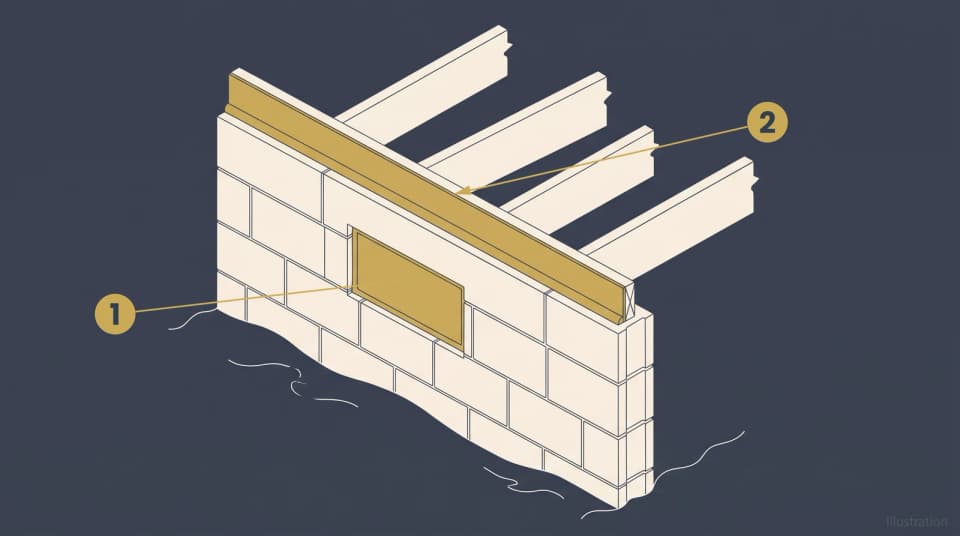
- Rigid panel sealing the foundation vent
- Insulation strip along the rim joist
Seal and Control Moisture
OBW seals foundation vents and entry points and installs the vapor barrier, drainage, or dehumidification the crawl space needs.
Document and Monitor
Completed work is photographed. You receive a written workmanship guarantee document, ask your inspector for the exact term, and guidance on what to check periodically.
Honest Answers. No Sales Pitch.
Common Questions About
Reducing Pest Risk
Call (410) 879-3360 if your question isn't here. Our inspectors give honest, consultative guidance.
What does reducing pests in a crawl space actually involve?
It comes down to two things: closing off the ways pests get in, and removing the moisture they need once they're there. In practice that means sealing foundation vents and other entry points, controlling moisture with a vapor barrier, drainage, or dehumidification, and cleaning out existing nesting material, old insulation, and debris before any of that goes in.
For an active infestation, a licensed pest control company treats first. OBW's prevention work is most effective once the pests already present are addressed, since sealing a space with an active infestation inside doesn't solve the problem, it just closes them in with you.
Will sealing my crawl space guarantee I never see pests again?
No, and we won't tell you it does. Removing moisture and closing off entry points significantly reduces the conditions that attract and sustain most crawl space pests, that's well established. But no sealing or moisture control work can promise zero pest activity forever. New gaps can develop over time, whether from settling, utility work, or wear on seals and doors, so periodic checks are worth keeping up with.
What we can say honestly: a crawl space with no open vents, controlled humidity, and no accumulated debris is a much less hospitable environment than an open, damp one. That's the realistic goal, not a lifetime pest free promise.
Do I need pest control before or after OBW's prevention work?
Before, if there's an active infestation. Installing new vapor barrier or sealing vents over an active rodent or termite problem doesn't remove the pests, it just changes their environment while they're still there. A licensed pest control company should treat first, and OBW can recommend companies we've worked with if you don't already have one.
If your crawl space has past pest evidence but nothing active right now, moisture control and vent sealing can proceed directly. Our inspection determines which situation applies to you before any work is scoped.
How does moisture control specifically reduce pest problems?
Most crawl space pests need moisture to survive. Termites and carpenter ants specifically target wood once it's softened by dampness, wood moisture content above roughly 19% is the threshold where that becomes a real risk. Rodents and moisture loving insects like centipedes, millipedes, and silverfish need a water source and high humidity to thrive.
A vapor barrier blocks the soil moisture that evaporates into the crawl space air. Drainage removes standing or seeping water at the source. A dehumidifier holds humidity down where drainage and a vapor barrier alone aren't enough. Together, these remove the water and softened wood that draw pests in and let them stay.
What if pests already caused damage before I called OBW?
That's a separate, itemized repair scope, quoted after any pest control treatment is confirmed complete. Termite specific structural damage, joists, rim joists, sill plates, and beams, is covered on our termite damage repair page. General moisture related wood decay, whether or not insects were involved, is covered on our wood rot repair page.
Prevention and repair are priced separately because the scope is different. Our inspection identifies which applies to your crawl space, and you get a written quote for each before anything is authorized.
70 Years of Maryland Crawl Spaces
Why Maryland Homeowners Choose
Oriole for Pest Prevention
Three generations of the Pirog family. Straight answers about what sealing and moisture control can do, and what still needs a specialist.
Honest About What Prevention Can and Can't Do
We won't promise a pest free crawl space forever. We will tell you plainly what sealing and moisture control actually accomplish, and what still needs a licensed pest control company.
Moisture Expertise Built for Maryland
Our team understands the specific humidity and soil conditions that drive pest problems in Baltimore, Harford, and the surrounding counties, and designs moisture control around them.
Backed by a Written Workmanship Guarantee
OBW stands behind its sealing and moisture control work. Ask your inspector for the exact term that applies to your job.
Family Owned Since 1953
Three generations of the Pirog family. Amber Pirog, Frank III's widow, leads the company. The standard: what your crawl space actually needs, no more, no less.
No Pressure. No Obligation.
Three Steps to a
Less Hospitable Crawl Space
From inspection to sealed and controlled, most prevention projects complete within a week or two of scheduling.
Free Inspection
An OBW inspector checks for pest evidence, entry points, and moisture readings, and provides a written quote, at no charge and no obligation.
Written Quote
If pest control treatment is needed first, that's part of the plan. Sealing, moisture control, and any structural repair are itemized separately.
Seal, Control, and Document
Our crew seals entry points and installs the moisture control your crawl space needs. Full photo documentation and written workmanship guarantee paperwork at closeout, ask your inspector for the exact term.
Fewer Entry Points. Less Moisture. Fewer Pests.
Free inspection. Written estimate same day. Honest guidance on what your crawl space actually needs.
Family owned since 1953 · MHIC #4247 · Backed by OBW's written workmanship guarantee