
One Root Cause, Many Symptoms
Excess Moisture
in Your Crawl
Space in Maryland
Mold, wood rot, pests, structural damage, and poor indoor air quality all trace back to the same root cause.
Crawl space moisture rarely comes from just one place. Ground evaporation, wall seepage, active water intrusion, outdoor air infiltration, and condensation can all be contributing at once, which is why single-product fixes rarely hold up long-term. OBW identifies the specific pathways in your crawl space and eliminates them with a complete encapsulation solution.

Five Pathways, Often at Once
Where Crawl Space Moisture
Actually Comes From
Ground evaporation is typically the largest single source, since Piedmont clay soil releases moisture continuously and an unprotected crawl space floor lets that moisture evaporate freely into the air above. Porous concrete block and poured concrete walls transmit moisture from saturated surrounding soil, while cracks in walls or the floor-wall joint let liquid water in directly during wet conditions.
Open foundation vents import humid outdoor air during Maryland's warm months, when dew points regularly exceed 65°F from May through September. Cool crawl space surfaces then cause moisture from that infiltrating air to condense on wood and other materials. Any one of these can cause problems on its own; most Maryland crawl spaces we inspect have more than one running at the same time.
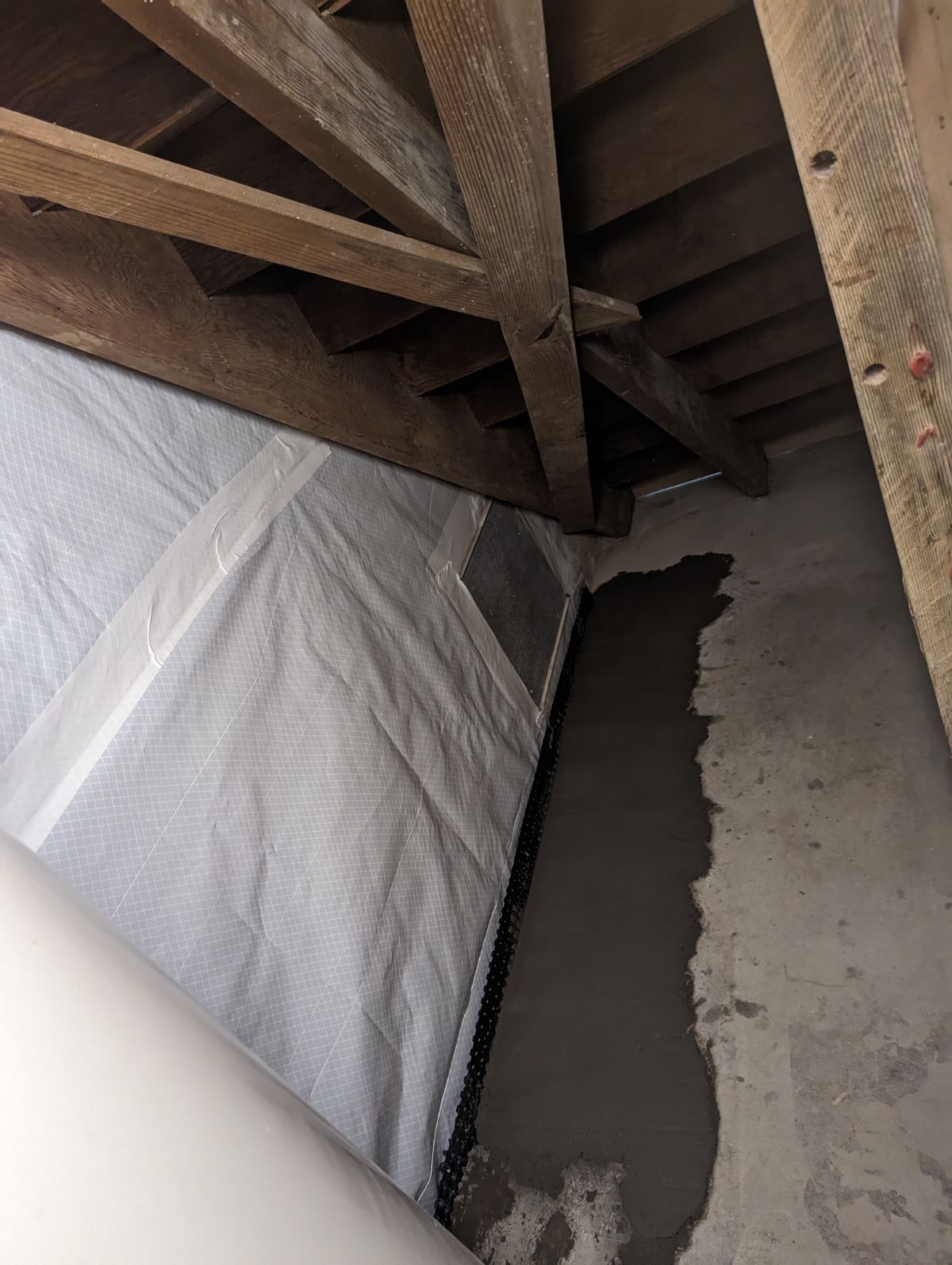
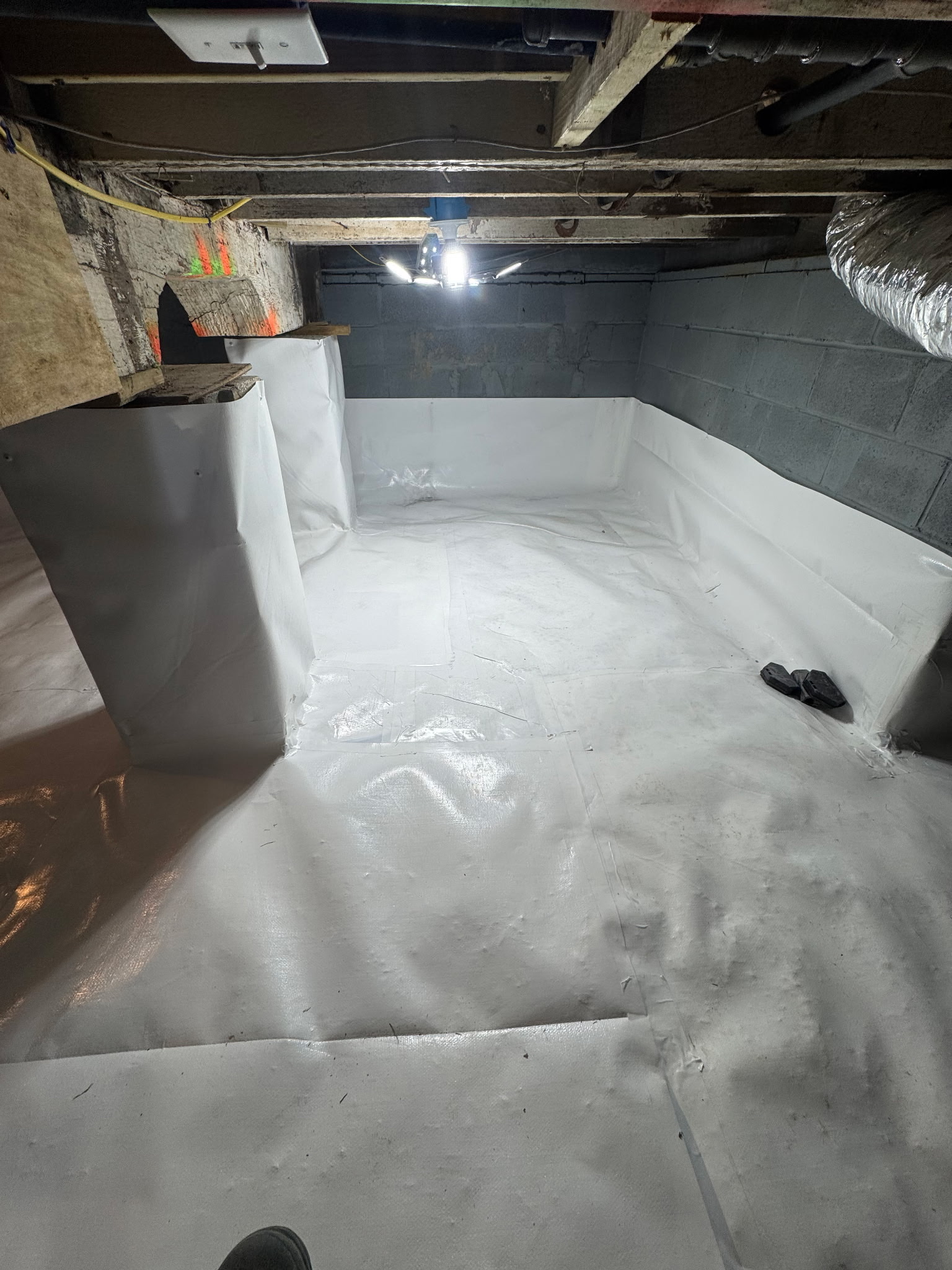
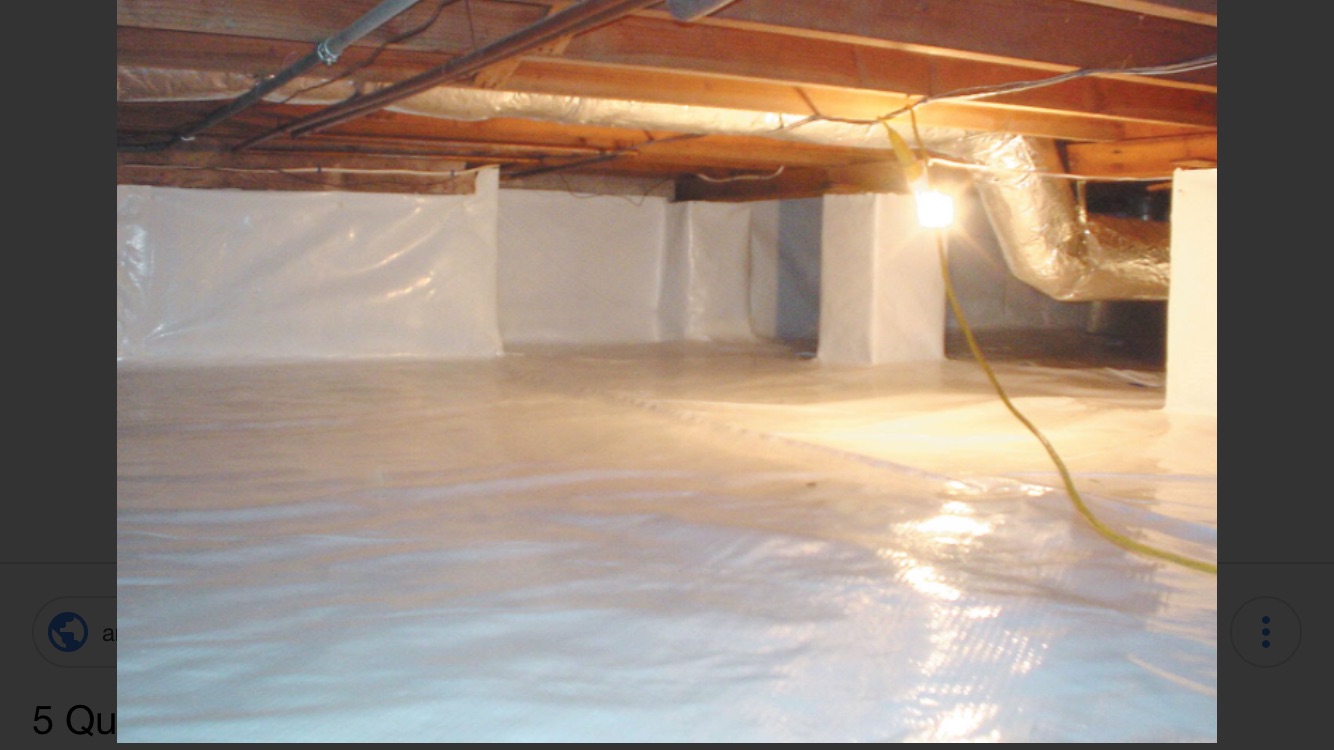
A vapor barrier addressing ground evaporation, typically the largest of the five moisture pathways
What to Look For
Warning Signs of Excess
Moisture in Your Crawl Space
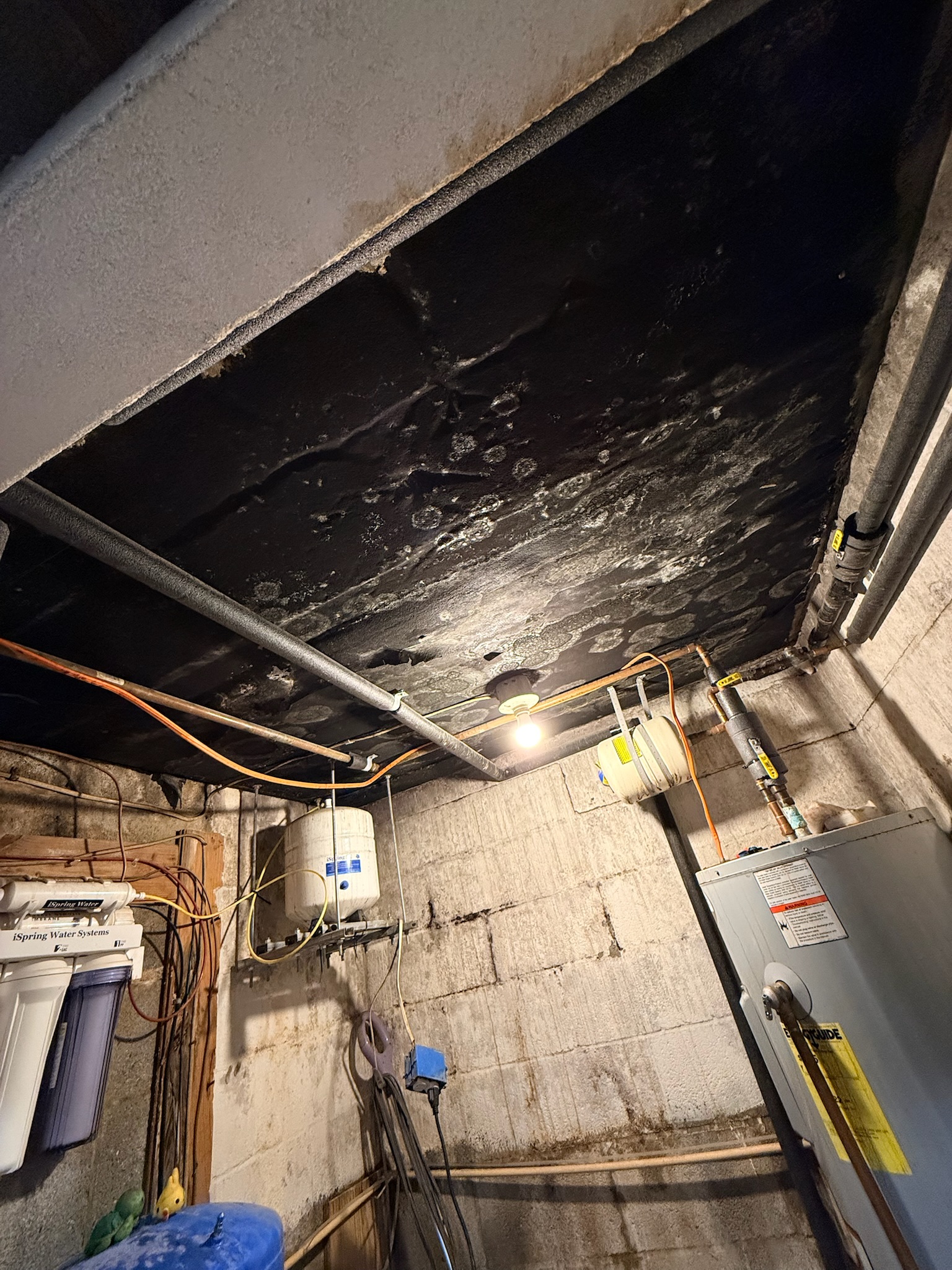
These signs don't tell you which pathway is responsible on their own, that's what an inspection measures, but any of them is reason enough to check.
- Visible dampness on the floor, walls, or framing without an obvious single source
- A musty smell that persists year round rather than only after storms
- Mold, pest activity, or wood rot that keeps recurring despite prior treatment
- Indoor humidity that feels elevated even with the HVAC system running normally
- A dehumidifier that runs constantly without meaningfully lowering humidity
What's Included
OBW's Complete Crawl Space
Moisture Solution
Because moisture enters through multiple pathways, treating all of them in one coordinated system is what actually holds up.
Multi-Pathway Moisture Diagnosis
We identify which of the five moisture pathways are actually contributing before recommending a scope of work.
Vapor Barrier Installation
A heavy-duty liner blocks ground evaporation, typically the largest single moisture source.
Vent Sealing
Foundation vents are sealed to stop humid outdoor air infiltration during Maryland's warm months.
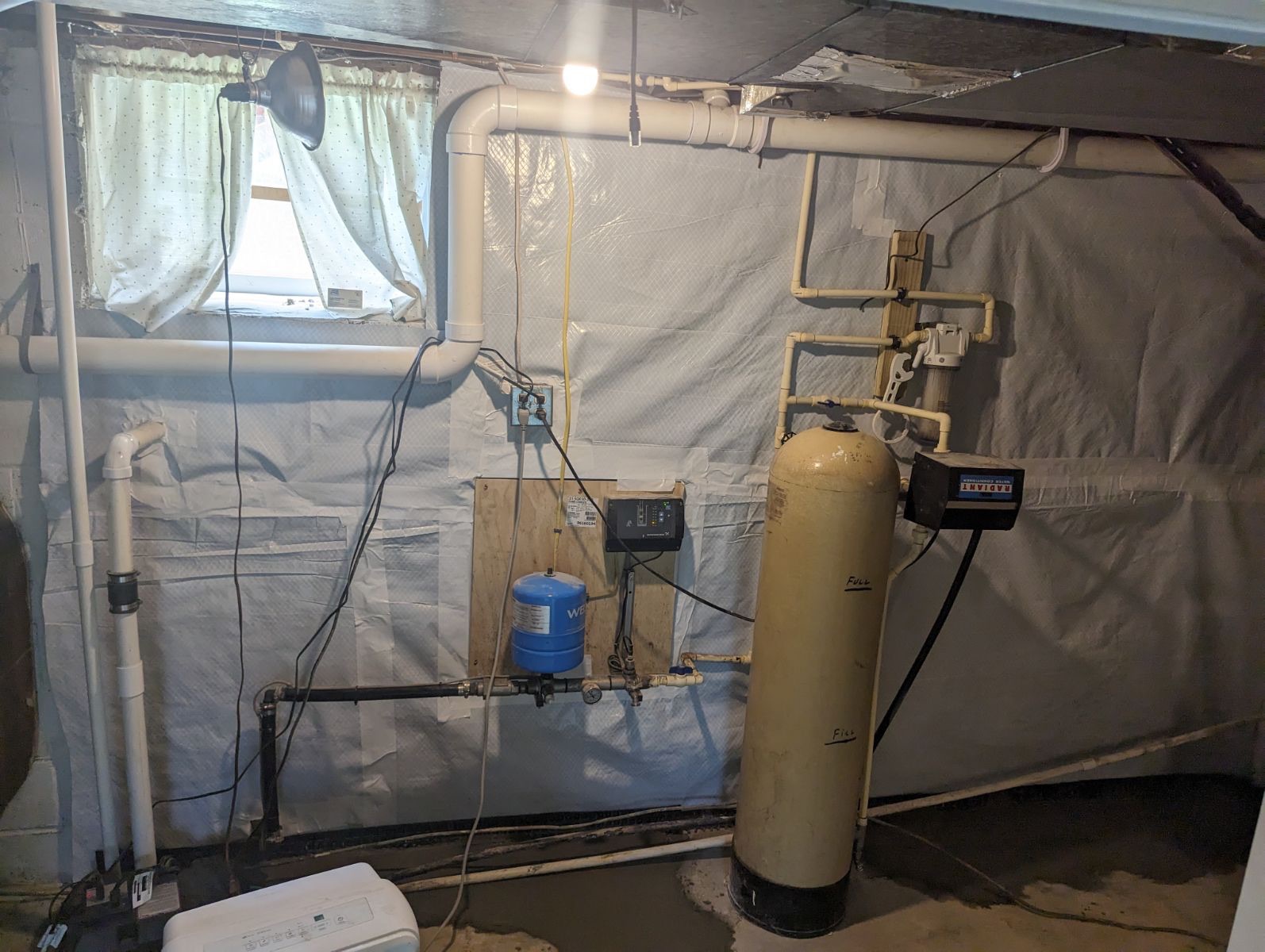
Interior Drainage
A drainage system manages active water intrusion at the point it's entering, rather than letting it pool.
Dehumidification
A properly sized dehumidifier controls whatever residual humidity remains once the other pathways are sealed.
Written Workmanship Guarantee
Encapsulation work is backed by a written workmanship guarantee. Ask your inspector for the terms that apply to your job.
The Process
How OBW Diagnoses and Eliminates
Crawl Space Moisture
Measure objectively. Identify every pathway present. Treat all of them as one coordinated system.
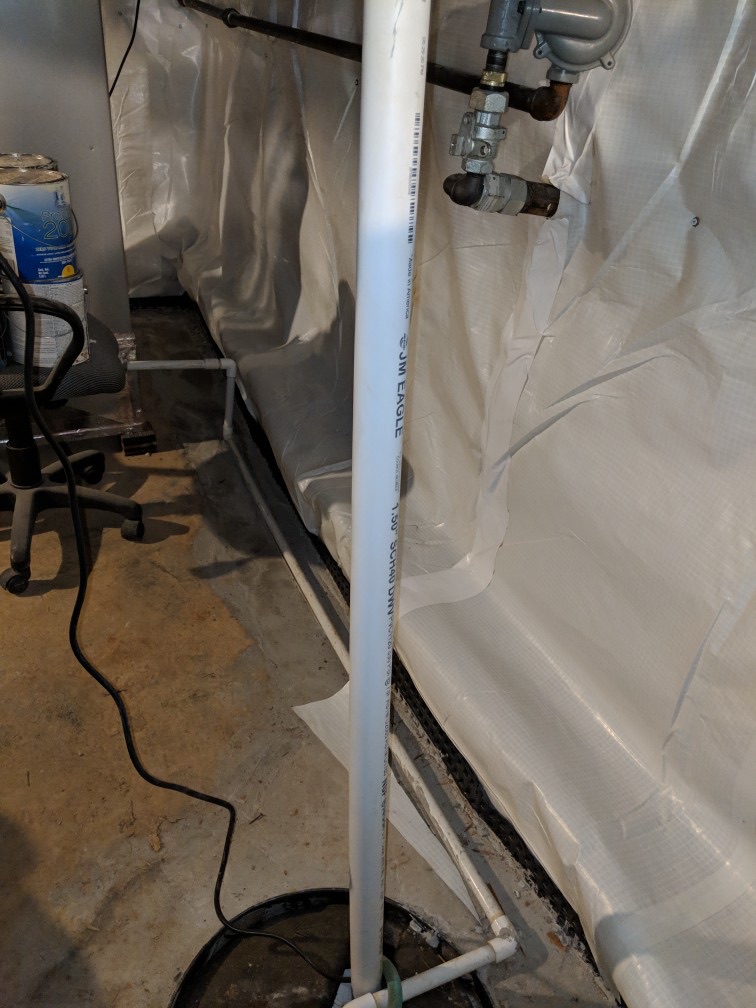
Inspection & Measurement
OBW measures relative humidity and wood moisture content throughout the crawl space, providing objective data rather than an estimate.
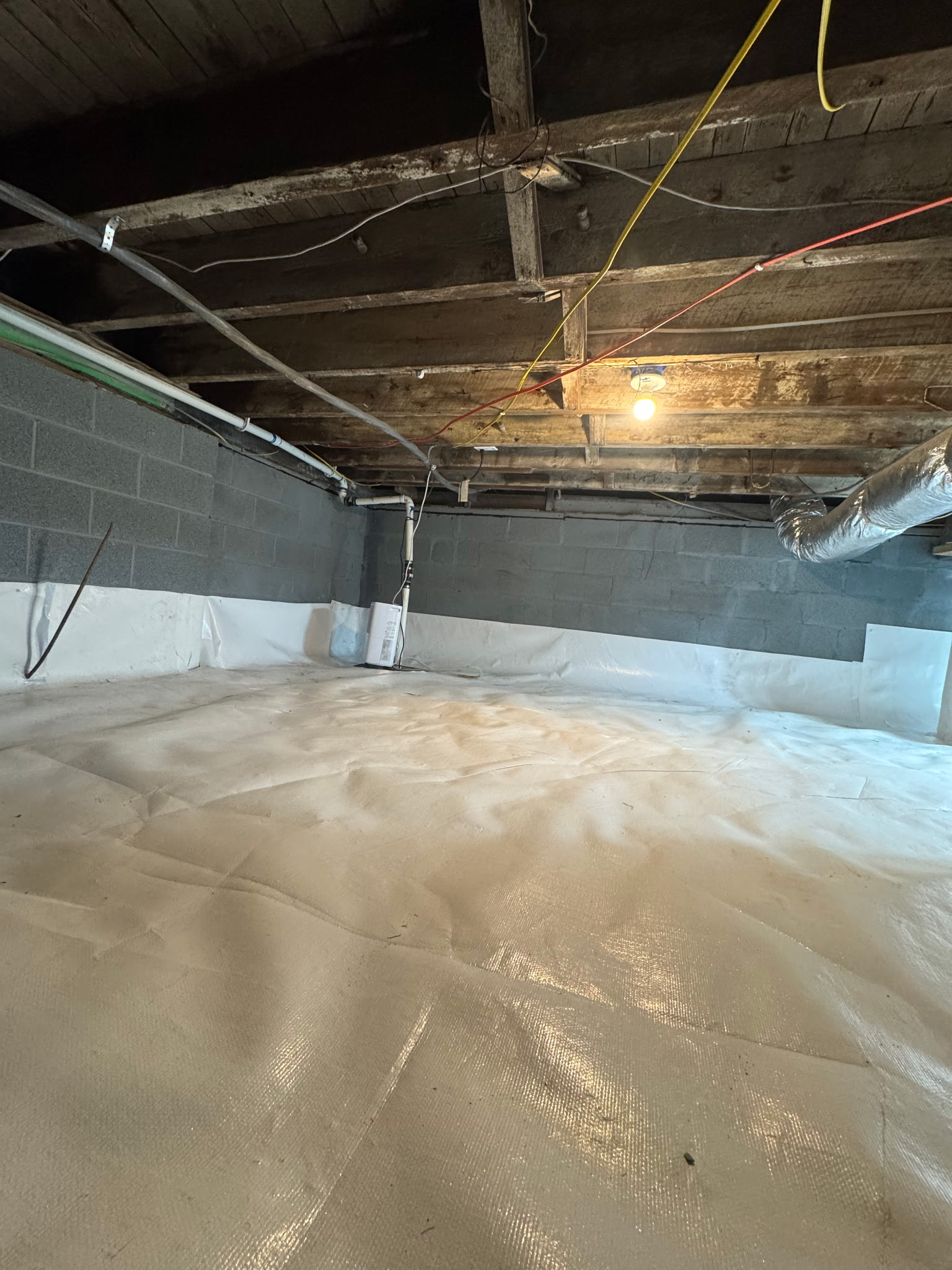
Pathway Identification
Ground evaporation, wall seepage, active intrusion, air infiltration, and condensation are each checked to confirm which are actually present.
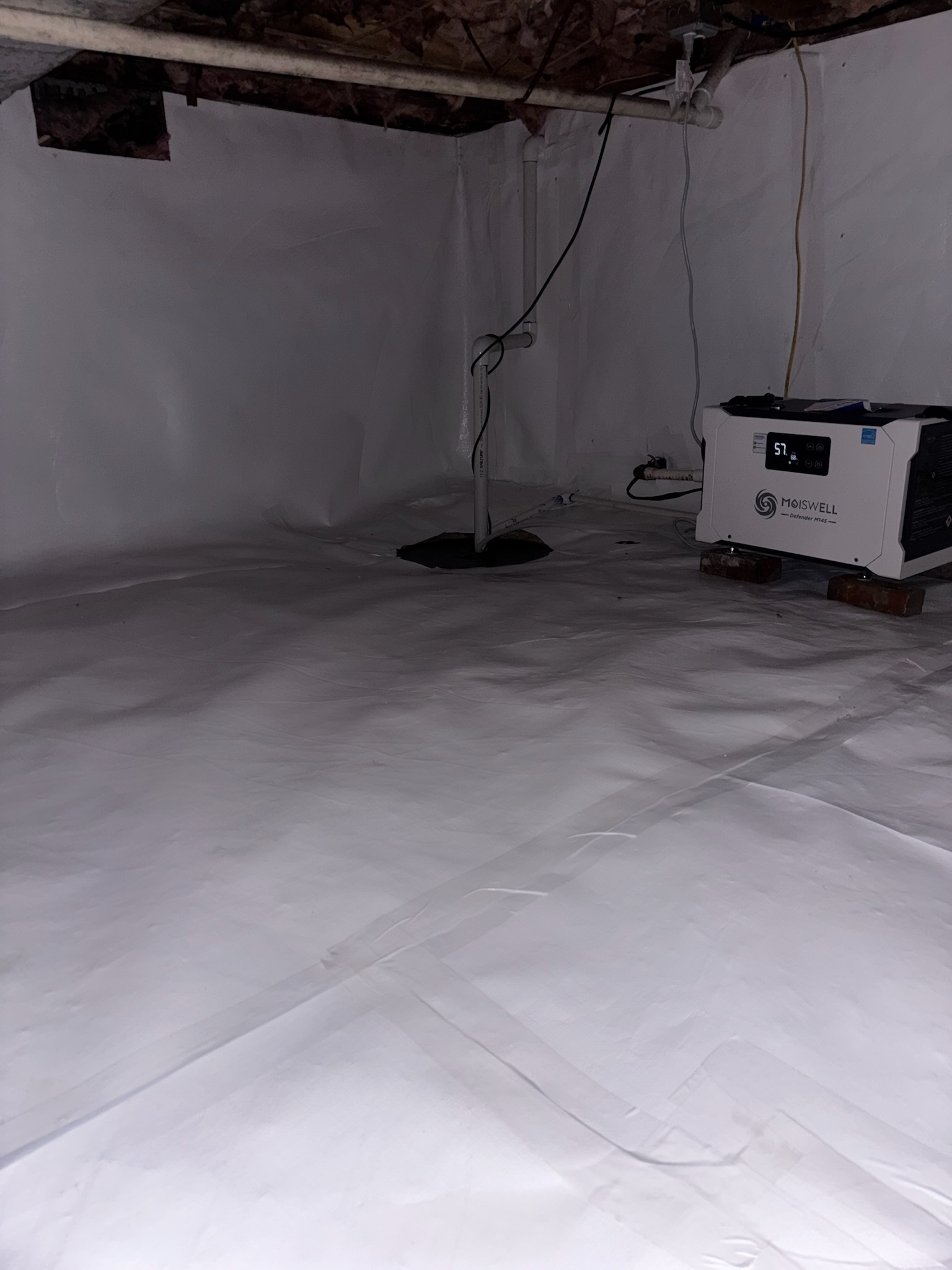
Vapor Barrier, Vent Sealing & Drainage Installation
Each confirmed pathway gets its specific countermeasure, installed as one coordinated system rather than separate projects.
Dehumidifier Installation & Verification
A dehumidifier is installed and humidity and wood moisture readings are re-measured to confirm the system is performing.
Photos From the Field
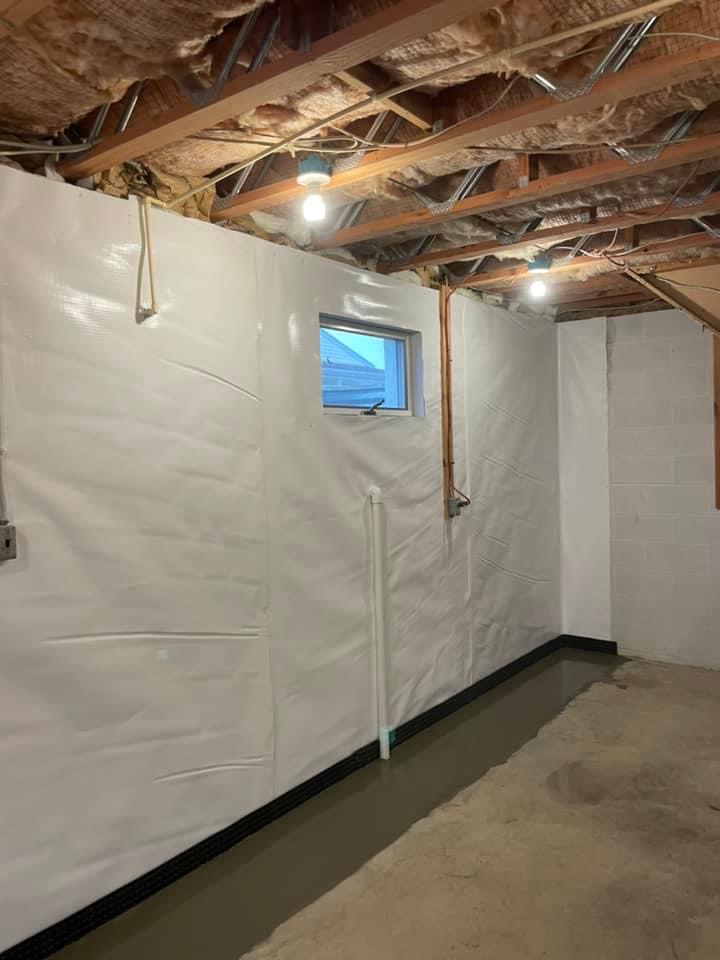
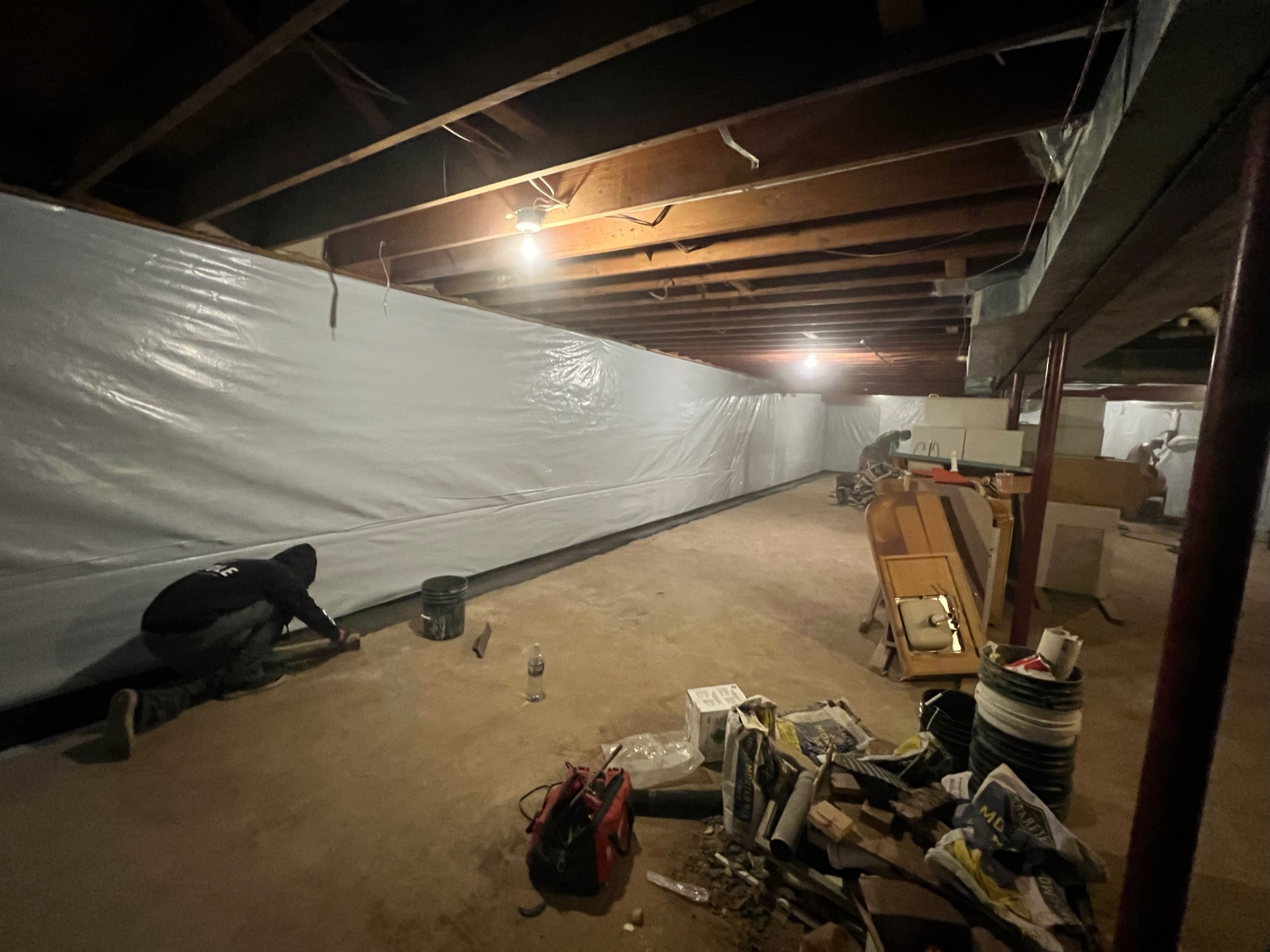
Job Site Photos
A closer look at the equipment, materials, and job site conditions involved in this kind of work.
Honest Answers
Crawl Space Moisture Questions from
Maryland Homeowners
Call (410) 879-3360 if you're seeing moisture signs in your crawl space. Our inspectors measure before recommending anything.
Why is moisture described as the root cause of so many different crawl space problems?
Because mold, wood rot, pest infestation, structural damage, and poor indoor air quality all need sustained dampness to establish or worsen. Take the moisture away and each of those problems either can't start or stops progressing. That's why OBW treats moisture as the thing to diagnose first, rather than chasing each symptom separately.
It's also why a musty odor, a pest problem, or a mold patch showing up in your crawl space is worth treating as a signal to check the underlying moisture condition, not just the visible symptom in front of you.
Where does most crawl space moisture actually come from in Maryland?
Usually several pathways at once, which is why single-product fixes rarely work long-term. Ground evaporation from an unprotected floor is typically the largest single source, especially with Maryland's moisture-retentive Piedmont clay soil. Foundation wall seepage through porous concrete block, active water intrusion through cracks, humid outdoor air entering through open vents, and condensation on cool surfaces all contribute too, often simultaneously in the same crawl space.
What humidity level should actually worry me?
OBW measures relative humidity and wood moisture content during every inspection rather than estimating. Relative humidity above 60% in a crawl space is a risk threshold for mold and pest activity. Wood moisture content above 19% indicates active moisture absorption that will lead to structural decay if it isn't corrected. Those two numbers guide the scope of work and confirm whether an installed system is actually performing.
Can I just run a dehumidifier and skip the rest?
You can, but it's working against pathways it can't fix on its own. A dehumidifier removes humidity from the air, but it does nothing about ground evaporation feeding that air, wall seepage adding to it, or active water intrusion overwhelming it during wet weather. In most Maryland crawl spaces, a dehumidifier without a vapor barrier and sealed vents is fighting a losing battle.
How does encapsulation address all these different pathways at once?
Each pathway gets its own countermeasure in a coordinated system rather than being treated as separate projects: a vapor barrier blocks ground evaporation, sealed vents block outdoor air infiltration, drainage manages active water intrusion, and a dehumidifier controls whatever humidity remains. That's how a persistent moisture problem becomes a dry, stable crawl space rather than a cycle of recurring symptoms.
Why Oriole
Why Maryland Homeowners Trust
OBW with Crawl Space Moisture
Diagnosis Across All Five Pathways
We check ground evaporation, wall seepage, active intrusion, air infiltration, and condensation individually, not just the one that's most visible.
Maryland Soil & Climate Experience
Piedmont clay ground moisture and dew points regularly above 65°F from May through September give Maryland crawl spaces multiple moisture pathways at once. OBW has diagnosed all of them.
No Subcontracting
OBW's own crew installs every vapor barrier, drain, vent seal, and dehumidifier, in house, start to finish.
Family-Owned Since 1953
Founded by Frank Pirog Sr. in 1953. Amber Pirog leads the company today. Written workmanship guarantee on every repair.
Reviews
What Our Maryland Neighbors Say
The Longer It Runs, the More It Feeds.
Getting Started on Your
Moisture Diagnosis
Every moisture pathway left unaddressed keeps feeding whatever symptom shows up next, mold, rot, pests, or poor air quality.
Free Inspection
OBW measures relative humidity and wood moisture content and checks all five moisture pathways. Free, no obligation.
Written Scope & Quote
You receive a written quote specifying exactly which pathways are being addressed and how, before any work is scheduled.
Installation & Verification
OBW's crew installs the coordinated system and re-measures humidity and wood moisture to confirm it's performing. Written workmanship guarantee issued upon completion.
Seeing Moisture Signs in Your Crawl Space?
Free inspection. We measure every pathway before recommending a fix.
Family-owned since 1953 · MHIC #4247 · Written Workmanship Guarantee