Worse Than No Insulation at All
Deteriorating Insulation
in Your Maryland
Crawl Space
Wet, sagging, moldy, or pest damaged, insulation that's failing does more harm than no insulation at all
Deteriorated crawl space insulation is rarely just an energy problem. Saturated, moldy, or rodent damaged batts add moisture and pest pressure to the crawl space they were meant to help. OBW removes what's failed, corrects the moisture or pest conditions that caused it, and reinstalls insulation suited to your crawl space going forward. Backed by OBW's written workmanship guarantee, ask your inspector for the exact term.

Moisture. Pests. Age. Sometimes All Three.
Why Crawl Space Insulation
Deteriorates in Maryland Homes
Fiberglass batt insulation installed between floor joists in an unencapsulated crawl space sits directly exposed to whatever conditions exist down there. Maryland's Piedmont soil moisture and humid summers regularly push crawl space relative humidity to 70 to 80%, well above the point where fiberglass facing begins absorbing water. Open foundation vents make it worse, importing warm, humid outdoor air that condenses on cooler insulation surfaces.
Moisture is the most common cause OBW finds, but not the only one. Rodents and other pests nest in accessible insulation, tearing it apart and contaminating what's left with droppings and urine. Age and installation quality matter too, staples and support wires that held batts in place for years eventually loosen, and insulation not fully supported at installation sags gradually under its own weight even in a dry crawl space.
Whatever the cause, the result is the same: insulation that has stopped doing its job and, in the case of moisture or pest damage, is actively working against the crawl space environment. OBW's assessment identifies which factor or factors are at play in your specific crawl space before recommending a scope.
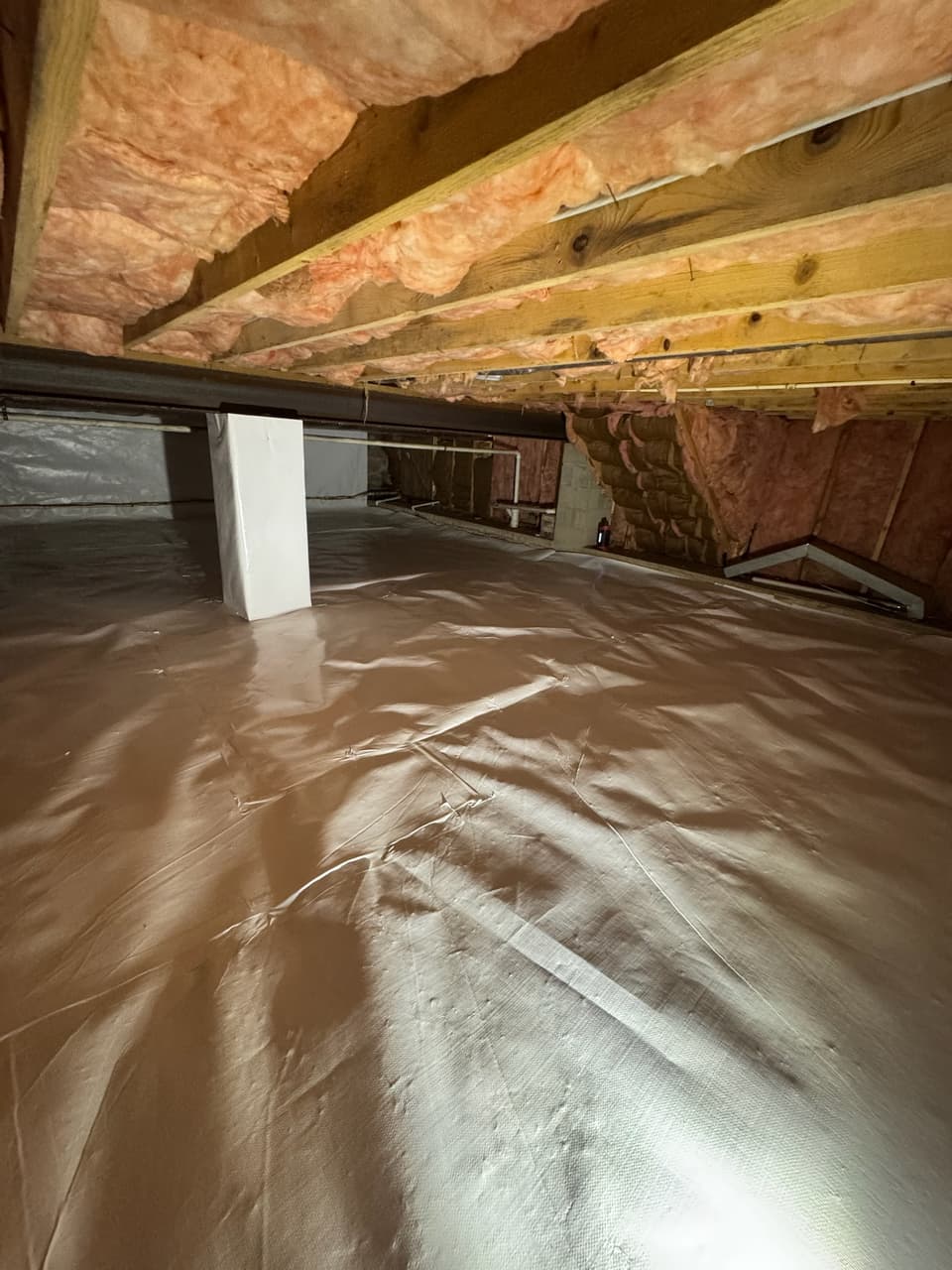
Sagging, saturated batt insulation pulling away from crawl space floor joists
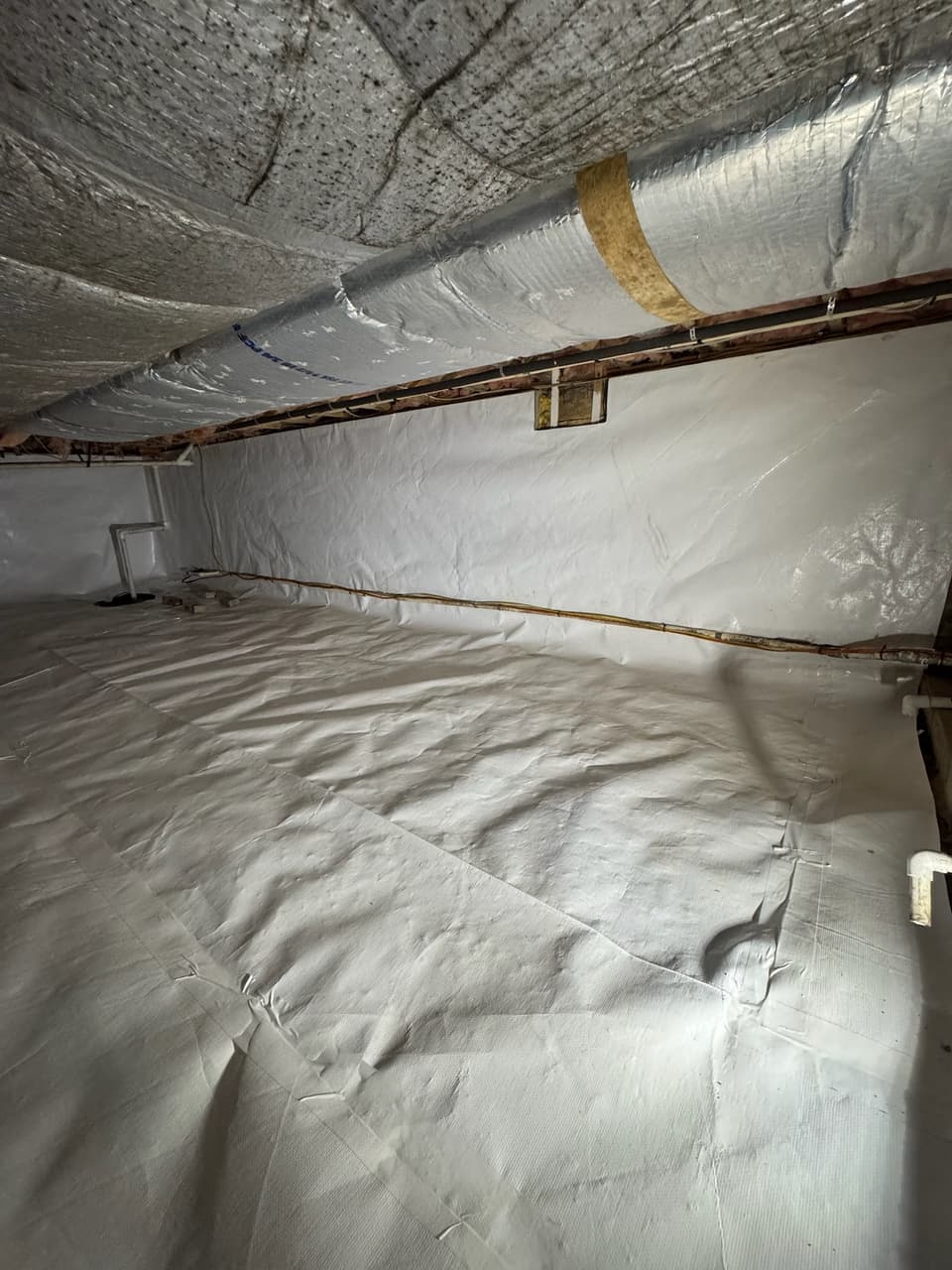
More Than Just an Energy Problem
Signs Your Crawl Space
Insulation Has Deteriorated
Deteriorated insulation shows up in more ways than one. These are the signs OBW's inspectors look for in a Maryland crawl space.
- Insulation sagging, drooping, or fallen away from the joists entirely onto the crawl space floor
- Visible mold, mildew, or dark staining on insulation facing or backing paper
- Insulation torn, shredded, or clumped in a pattern consistent with rodent or pest activity
- Cold floors or higher than expected energy bills despite insulation being present
- Musty odor or visible dampness on or around the insulation when viewed from the access hatch
What the Service Covers
What OBW's Insulation
Repair Includes
Scoped to what's actually failed and why. Removal, correction, and reinstallation.
Full Insulation & Moisture Assessment
OBW inspects every joist bay, documenting where insulation has failed, why (moisture, pests, age, or a combination), and the moisture or pest conditions behind it.
Removal & Disposal of Failed Insulation
Wet, sagging, moldy, or pest-contaminated insulation is removed and disposed of, eliminating the secondary moisture source and pest habitat it creates.
Moisture Source Correction
Vapor barrier upgrade, drainage improvement, or full encapsulation, whichever the assessment identifies as the reason insulation failed in the first place.
Pest Exclusion Measures
Where pest activity contributed to the damage, entry points, crawl space doors, and vents are sealed or repaired as part of the scope.
Reinsulation, Batts or Rigid Foam
New fiberglass batts for a vented crawl space, or rigid foam wall insulation if the project includes encapsulation. The right approach depends on your crawl space's conditions going forward.
Written, Itemized Quote
Every area of deteriorated insulation, the recommended correction, and the associated cost, laid out before any work is authorized.
Diagnose. Remove. Correct. Reinsulate.
How OBW Handles
Deteriorating Crawl Space Insulation
Four steps, in order. New insulation goes into a corrected environment, not a repeat of what failed it before.
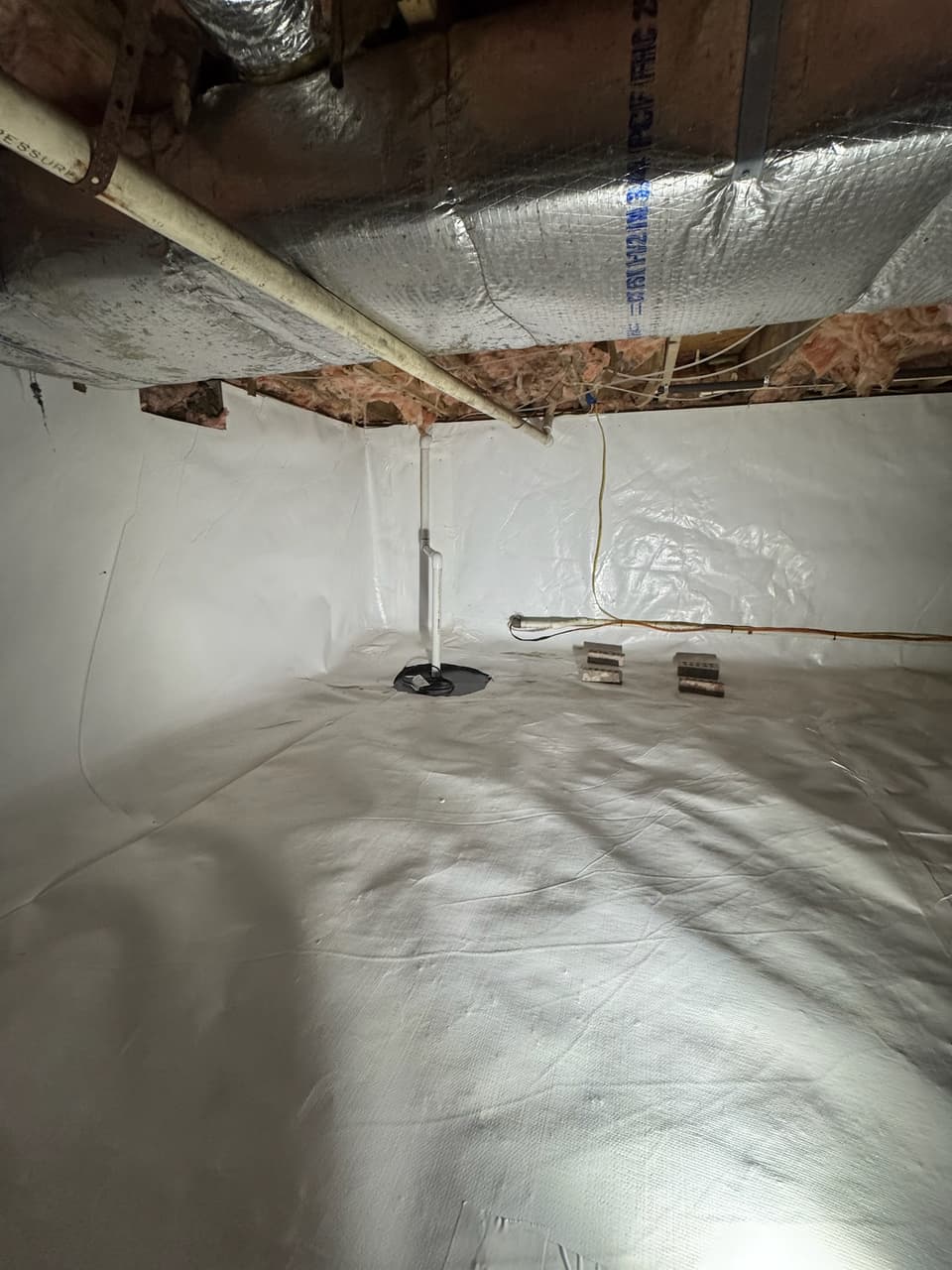
Full Crawl Space Assessment
OBW inspector examines every joist bay for insulation condition, moisture readings, and any signs of pest activity, documenting findings with photos.
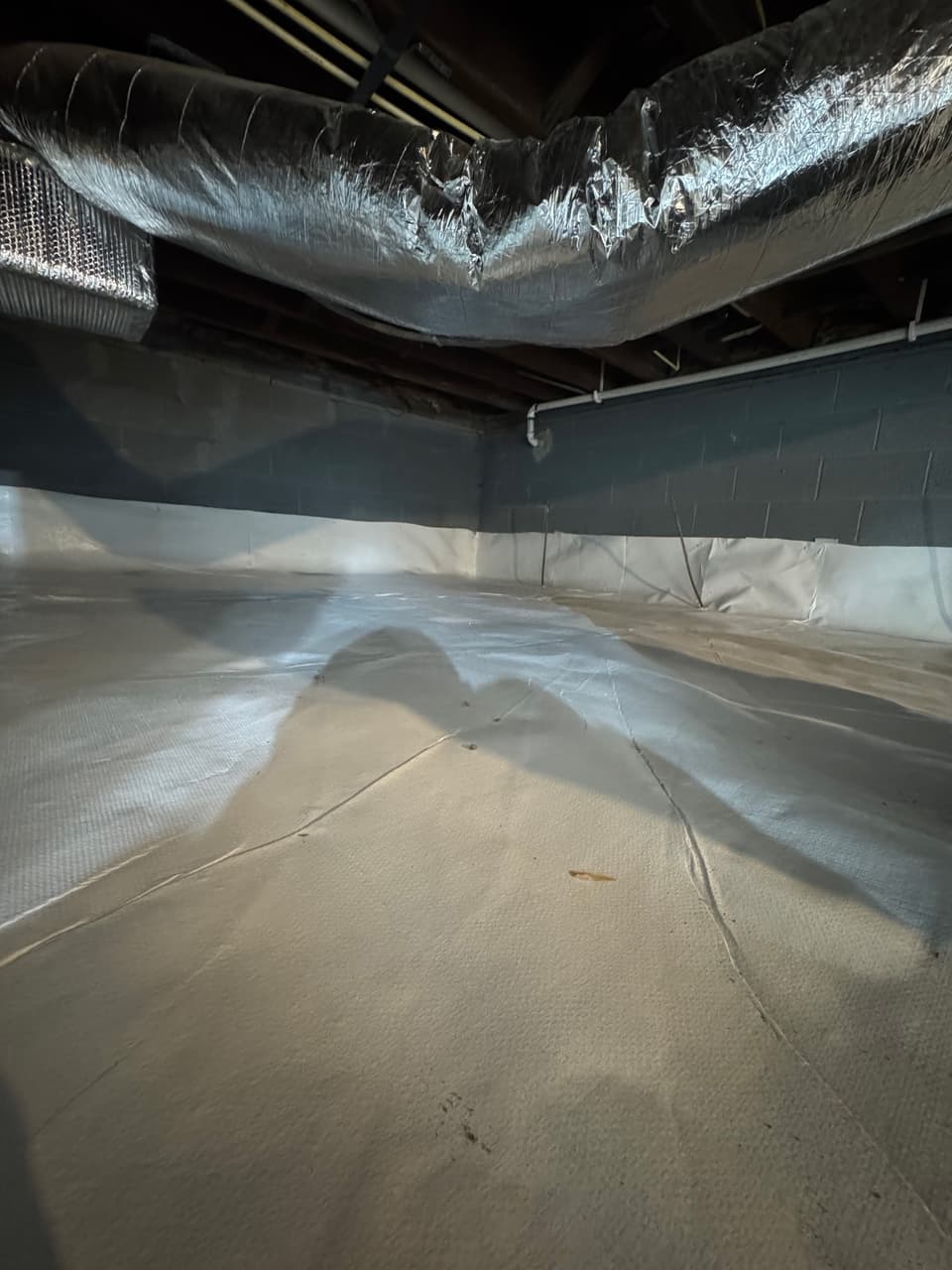
Removal of Failed Insulation
Wet, sagging, moldy, or pest-contaminated insulation is removed and disposed of, clearing the secondary moisture source and pest habitat it was creating.

Moisture and Pest Correction
The condition that caused the insulation to fail is addressed, vapor barrier, drainage, encapsulation, or pest exclusion, so new insulation isn't installed into the same failing environment.
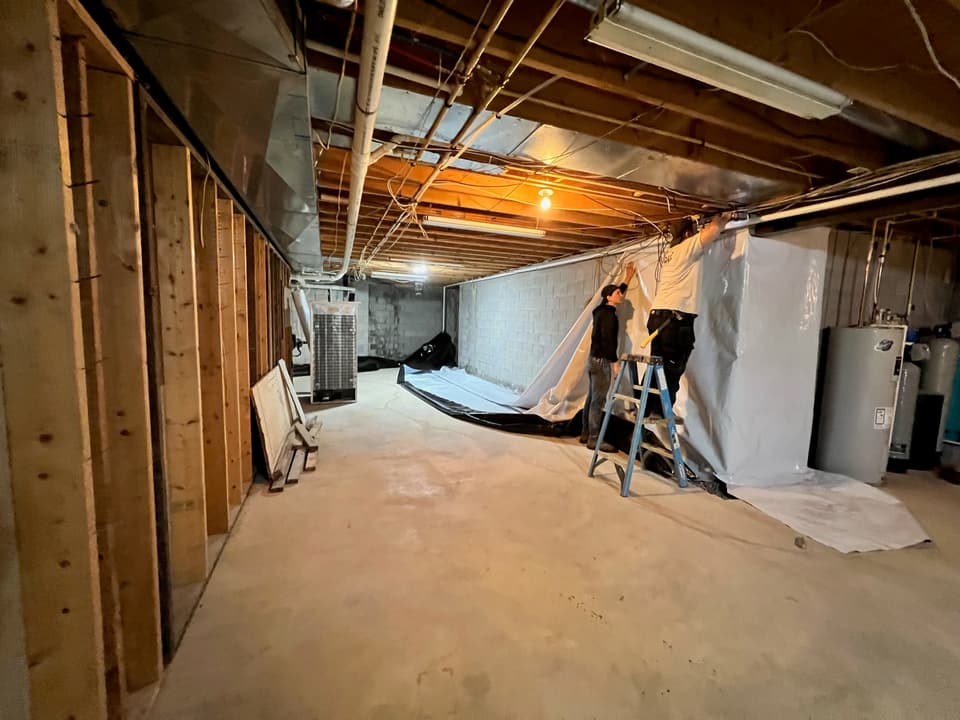
Reinsulation & Documentation
New fiberglass batts or rigid foam wall insulation is installed, sized and specified to the crawl space conditions. Full photo documentation is provided at closeout.
Photos From the Field
Job Site Photos
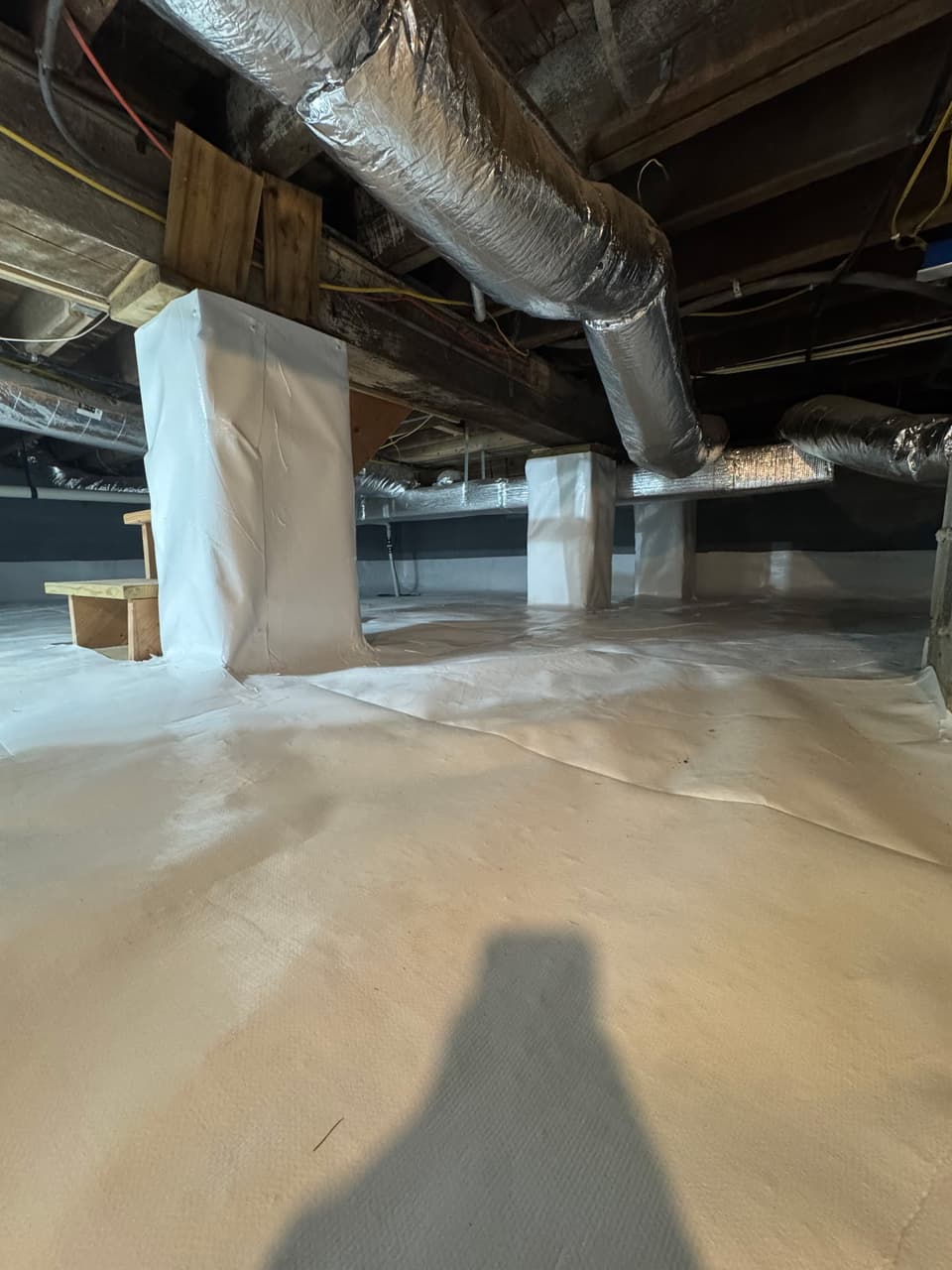
A closer look at the equipment, materials, and job site conditions involved in this kind of work.


Honest Answers. No Sales Pitch.
Common Questions About
Deteriorating Crawl Space Insulation
Call (410) 879-3360 if your question isn't here. Our inspectors give honest, consultative guidance.
What causes crawl space insulation to deteriorate in Maryland homes?
Several conditions damage floor joist insulation over time, and Maryland crawl spaces tend to see all of them. Moisture is the most common cause, fiberglass batt facing absorbs humidity from an unencapsulated crawl space, and Maryland's Piedmont soil moisture and humid summers regularly push crawl space relative humidity to 70 to 80%. Once saturated, insulation loses its thermal value and becomes heavy enough to sag or fall away from the joists entirely.
Pests are the second major cause. Rodents nest in fallen or accessible insulation, tearing it apart for nesting material and leaving droppings and urine that further degrade what's left. Insects can also colonize damp insulation. Age and simple gravity contribute as well, staples and support wires holding batts in place loosen over years, and insulation not properly secured at installation sags gradually even without a moisture problem.
In practice, most deteriorated insulation OBW finds during a crawl space inspection shows more than one cause at once, moisture damage that's made the insulation attractive to pests, or pest damage in a spot that's also seeing condensation. The assessment identifies which factors are active in your specific crawl space.
Is deteriorating insulation actually worse than no insulation at all?
In several practical ways, yes. Wet, sagging, or moldy insulation loses most of its rated thermal performance, wet fiberglass can lose 40% or more of its R-value, so it's providing little of the energy benefit insulation is meant to deliver. But it's also actively working against the crawl space in ways bare joists wouldn't.
Saturated insulation is a secondary moisture source, it continues releasing moisture into the crawl space air even after the original leak or humidity source is corrected, slowing down the rest of the moisture remediation. Insulation that has fallen to the crawl space floor becomes attractive bedding material for rodents, and mold growing on facing or backing paper adds a mold source to the crawl space that can affect indoor air quality above.
This is why OBW's standard recommendation for deteriorated insulation is removal, not just leaving it in place until a larger renovation. Removing it takes away the secondary moisture source and the pest habitat immediately, while the moisture correction work addresses why it failed in the first place.
Can damaged insulation be cleaned and reused, or does it need to be replaced?
In nearly all cases, deteriorated crawl space insulation needs to be replaced rather than cleaned and reinstalled. Once fiberglass batt insulation has been saturated, its fibers compress and the facing degrades, and there isn't a practical way to restore its original loft and thermal performance. Insulation with mold growth or pest contamination (droppings, nesting material, urine) is not something OBW reinstalls, regardless of its physical condition, for indoor air quality reasons alone.
The exception is insulation that shows only minor, isolated staining with no sagging, no mold growth, and no pest contamination, occasionally found near a since-repaired leak. An OBW inspector evaluates each area individually rather than assuming an entire crawl space needs full replacement, but the more common finding is that deterioration is widespread enough that full removal and replacement is the practical recommendation.
Does OBW replace floor joist batts, or move insulation to the foundation walls?
It depends on whether your crawl space is being encapsulated as part of the same project. In a vented, unencapsulated crawl space, floor joist batt insulation (fiberglass between the joists) is the standard approach, and OBW replaces failed batts with new fiberglass sized correctly for the joist bay.
In a crawl space that is being encapsulated, sealed, conditioned, and protected from outside humidity, the better long-term approach shifts to rigid foam board insulation on the foundation walls rather than batts between the joists. Wall insulation in a sealed, conditioned crawl space stays dry and performs reliably in a way that floor joist batts in a vented crawl space cannot. OBW's inspector will explain which approach fits your project and why during the assessment, it's a scope decision, not a one size fits all default.
How do I know if rodents or pests are causing my insulation problem?
Signs of pest involvement in a crawl space insulation problem include: insulation that's torn, shredded, or pulled away from joists in a pattern that doesn't match typical sagging (clumped rather than uniformly drooping); visible droppings on or near the insulation or the vapor barrier below it; a strong ammonia-like odor in addition to the typical musty crawl space smell; and visible burrows or nesting material (shredded insulation, leaves, debris) tucked into a corner or along a joist bay.
If pest activity is active rather than historical, OBW will note it during the inspection and recommend pest exclusion measures, sealing entry points, crawl space door and vent repair, as part of the scope, alongside insulation removal and replacement. For an active rodent or insect infestation beyond what exclusion measures address, we can point you toward pest control companies we've worked with in the Baltimore metro area.
70 Years of Maryland Crawl Spaces
Why Maryland Homeowners Choose
Oriole for Insulation Repair
Three generations of the Pirog family have been diagnosing and repairing Maryland crawl spaces since Frank Pirog Sr. founded Oriole in 1953.
We Diagnose Before We Replace
OBW identifies whether moisture, pests, or age caused the deterioration before recommending a scope, so the correction actually addresses the cause, not just the symptom.
Maryland Humidity Expertise
We understand the specific moisture conditions, Piedmont clay soil, Chesapeake summer humidity, that saturate crawl space insulation across this region, and design corrections around them.
Backed by a Written Workmanship Guarantee
OBW stands behind its insulation and moisture correction work. Ask your inspector for the exact term that applies to your job.
Family-Owned Since 1953
Amber Pirog, Frank III's widow, leads the company. Three generations of straightforward crawl space work, starting with an honest assessment.
Reviews
What Our Maryland Neighbors Say
No Pressure. No Obligation.
Three Steps to a
Properly Insulated Crawl Space
From assessment to completed reinsulation, most projects are finished within one to two days.
Free Assessment
An OBW inspector examines every joist bay, identifies why the insulation deteriorated, and documents all findings, at no charge and no obligation.
Written Quote
You receive a written, itemized quote covering removal, moisture or pest correction, and reinsulation, with pricing before any work begins.
Correct & Reinsulate
Our crew removes what's failed, corrects the cause, and installs new insulation suited to your crawl space. Written workmanship guarantee documentation at closeout, ask your inspector for the exact term.
Sagging, Wet, or Moldy Insulation? We Remove It and Fix What's Causing It.
Free inspection. Written estimate same day. Moisture or pest source addressed before reinsulation.
Family-owned since 1953 · MHIC #4247 · Backed by OBW's written workmanship guarantee