Something Wet or Decaying Below
Musty Odors
from Your
Crawl Space
A musty smell rising into a Maryland home is rarely just stale air. It's usually the smell of something actively wet or decaying below.
A rotting joist, standing water, a torn vapor barrier, or a drainage failure, each produces the same telltale odor as moisture and organic material feed active decay. Sealing the smell in without repairing what's causing it just traps the problem out of sight. OBW finds the specific source and fixes it.

The Smell of Active Decay
What's Actually Producing
That Musty Smell
Musty odor is the smell of active decay, mold and wood decay fungi metabolizing damp organic material and releasing microbial volatile organic compounds as they go. That process needs sustained moisture above roughly 19% wood moisture content or 60% relative humidity to keep running. When our inspectors find a strong, persistent musty odor, the follow up question is always the same: where is that sustained moisture coming from, and what has it already damaged?
Often it traces to a specific repair need, a rotted floor joist, a section of subfloor that's stayed wet for months, a vapor barrier that's torn or missing in one section, or a drainage path letting groundwater collect against the framing. Finding that specific cause is what separates an actual repair from a temporary mask.
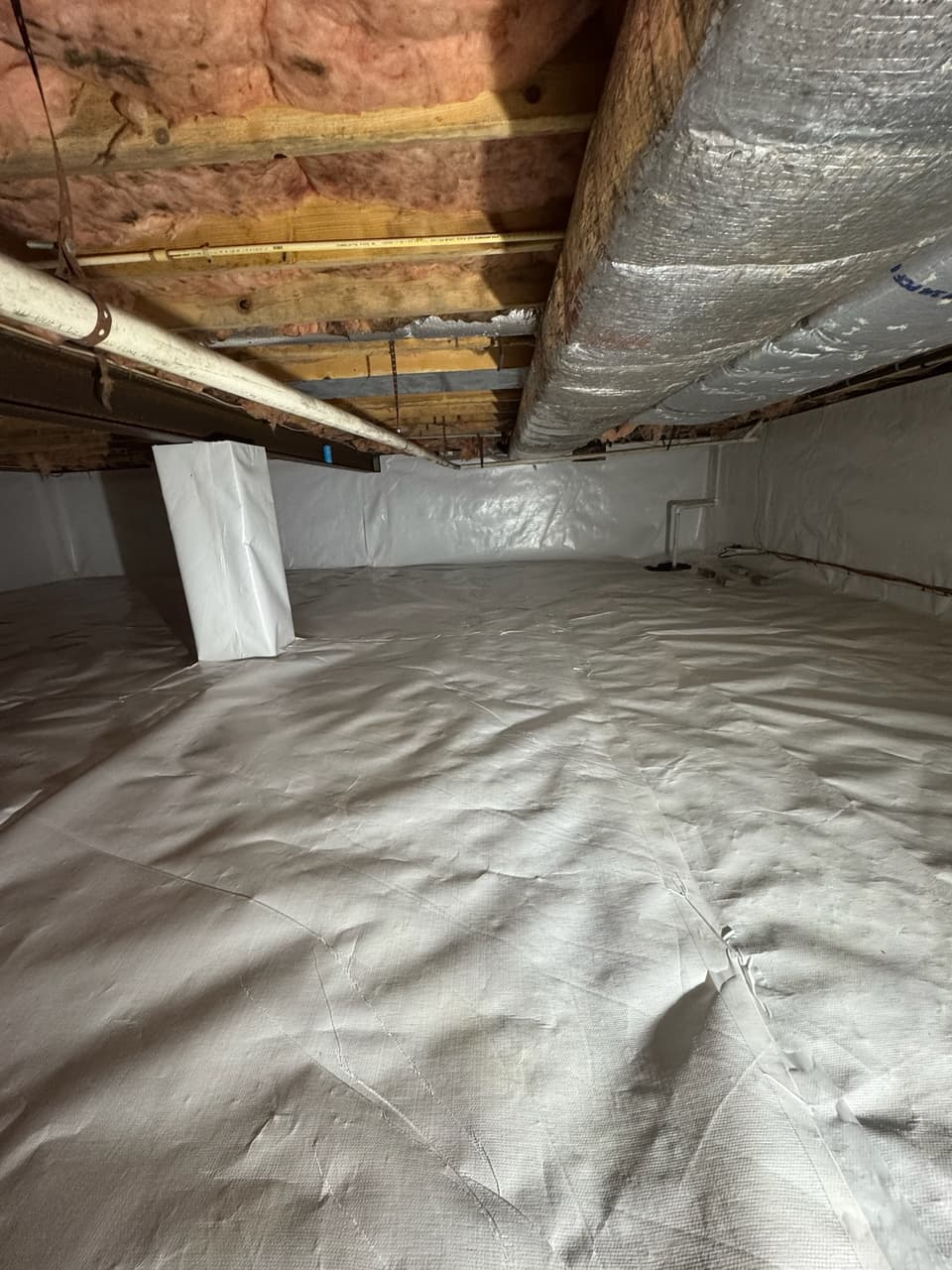
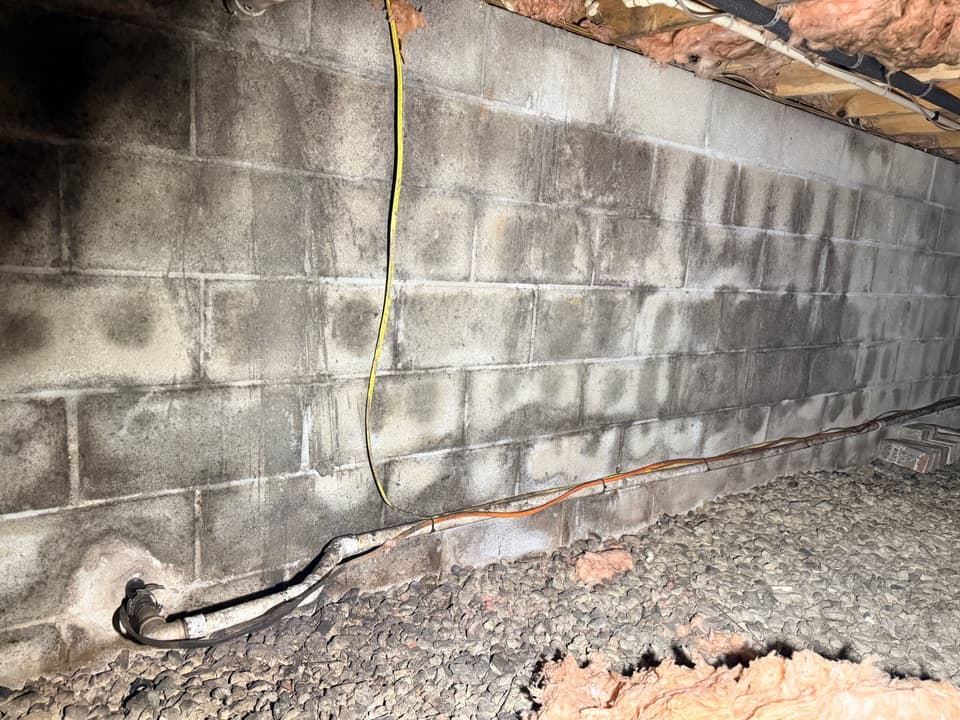
Early signs of active decay, the kind of source a musty odor is usually tracing back to
Why It Keeps Coming Back
Warning Signs Behind a
Musty Crawl Space Odor
Homeowners often try wiping down visible mold, running a dehumidifier, or setting out an air freshener before calling anyone. None of that lasts, because none of it repairs the underlying damage producing the odor.
- Musty smell that returns within weeks of cleaning, airing out, or running a dehumidifier alone
- Odor noticeably stronger near ductwork or floor registers, especially when the HVAC system runs
- Wood that feels soft or spongy in the area where the smell seems strongest
- Standing water, damp soil, or a visible gap in the vapor barrier
- A smell noticeable throughout the first floor, not just near the crawl space access
What's Included
OBW's Musty Odor
Diagnosis & Repair
Because the smell is a symptom, not the problem itself, we find and repair what's actually producing it.
Full Structural & Moisture Inspection
We probe wood for decay, check the vapor barrier, and look for standing water, not a spray and seal visit.
Moisture Source Identification
The specific source feeding the sustained moisture behind the odor, rot, a barrier gap, or standing water, is identified.
Structural Wood Repair
Rotted framing is repaired or replaced with pressure treated lumber where decay is found.
Drainage System Repair
Where active water is the cause, a proper drainage system removes the water source rather than covering it over.
Vapor Barrier & Vent Sealing
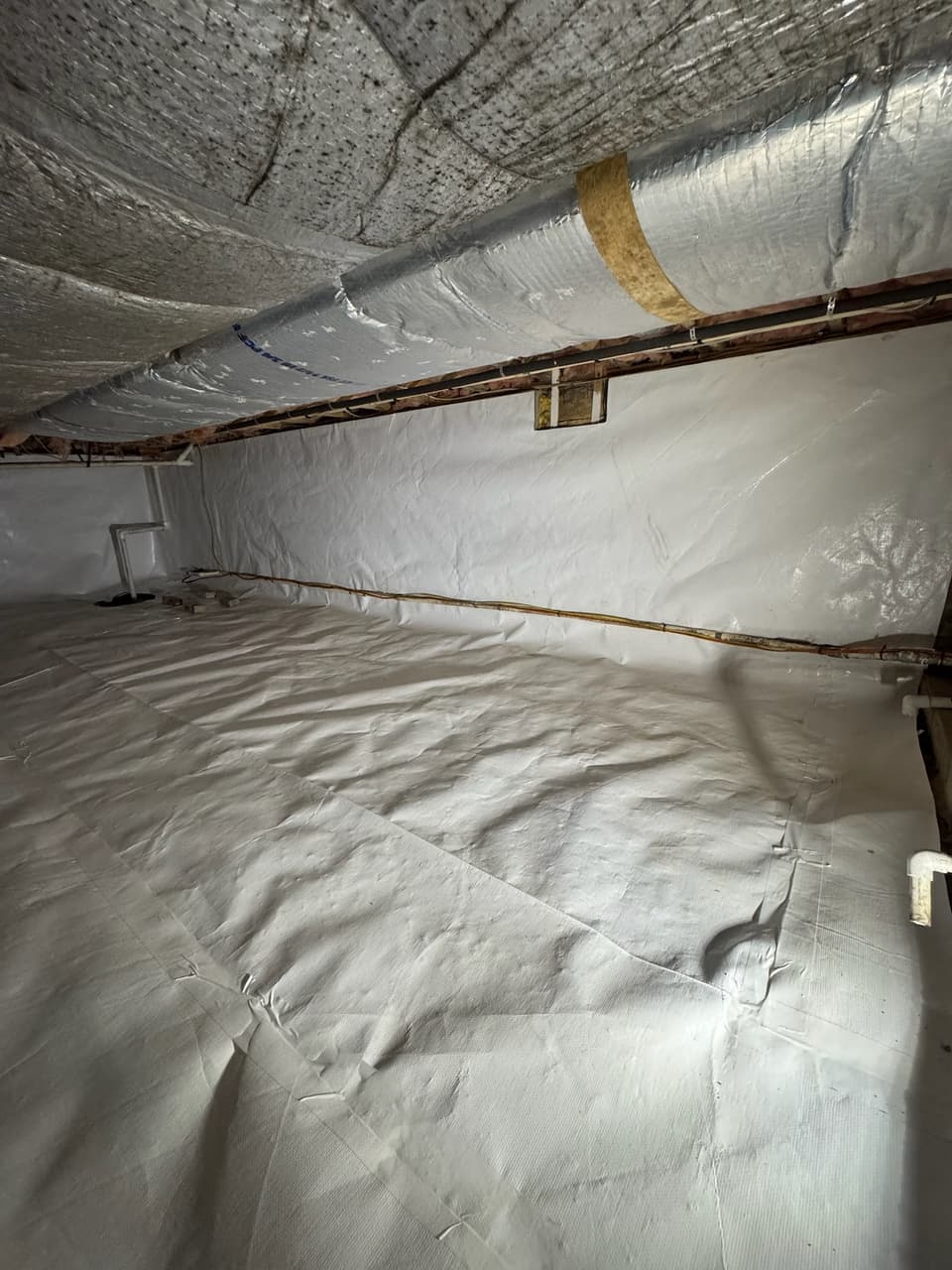
Torn or gapped vapor barrier is patched or replaced, and vents are sealed to stop the moisture that's been feeding the smell.
Written Workmanship Guarantee
Every repair is backed by a written workmanship guarantee. Ask your inspector for the terms that apply to your job.
The Process
How OBW Traces and Repairs
a Musty Crawl Space Odor
Inspect fully, not superficially. Trace the odor to its structural or moisture source. Repair it, not just the smell.
Full Crawl Space Inspection
OBW probes structural wood for decay, checks the vapor barrier for gaps, and looks for standing water or saturated soil throughout the space.

Moisture Reading & Source Tracing
Moisture readings are taken throughout the crawl space to trace the odor back to its specific sustained moisture source.

Structural Repair or Drainage Correction
Rotted framing is repaired with pressure treated lumber, or a drainage system is installed, depending on what the inspection found.

Verification
The vapor barrier is confirmed sealed and moisture readings are re-checked to confirm the source feeding the odor is gone.
Photos From the Field
Job Site Photos
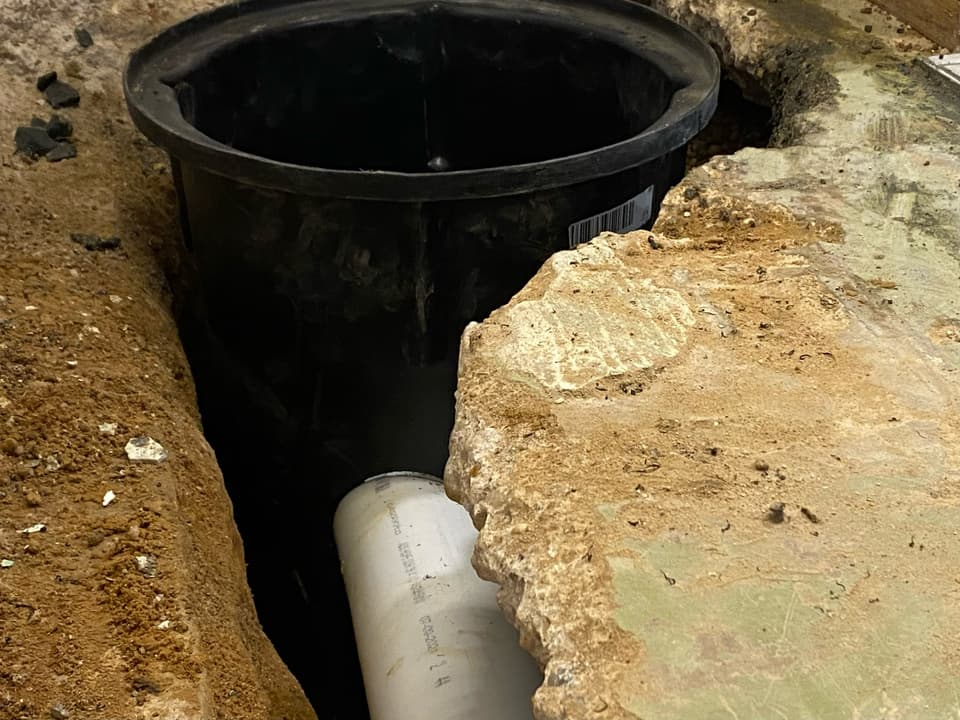
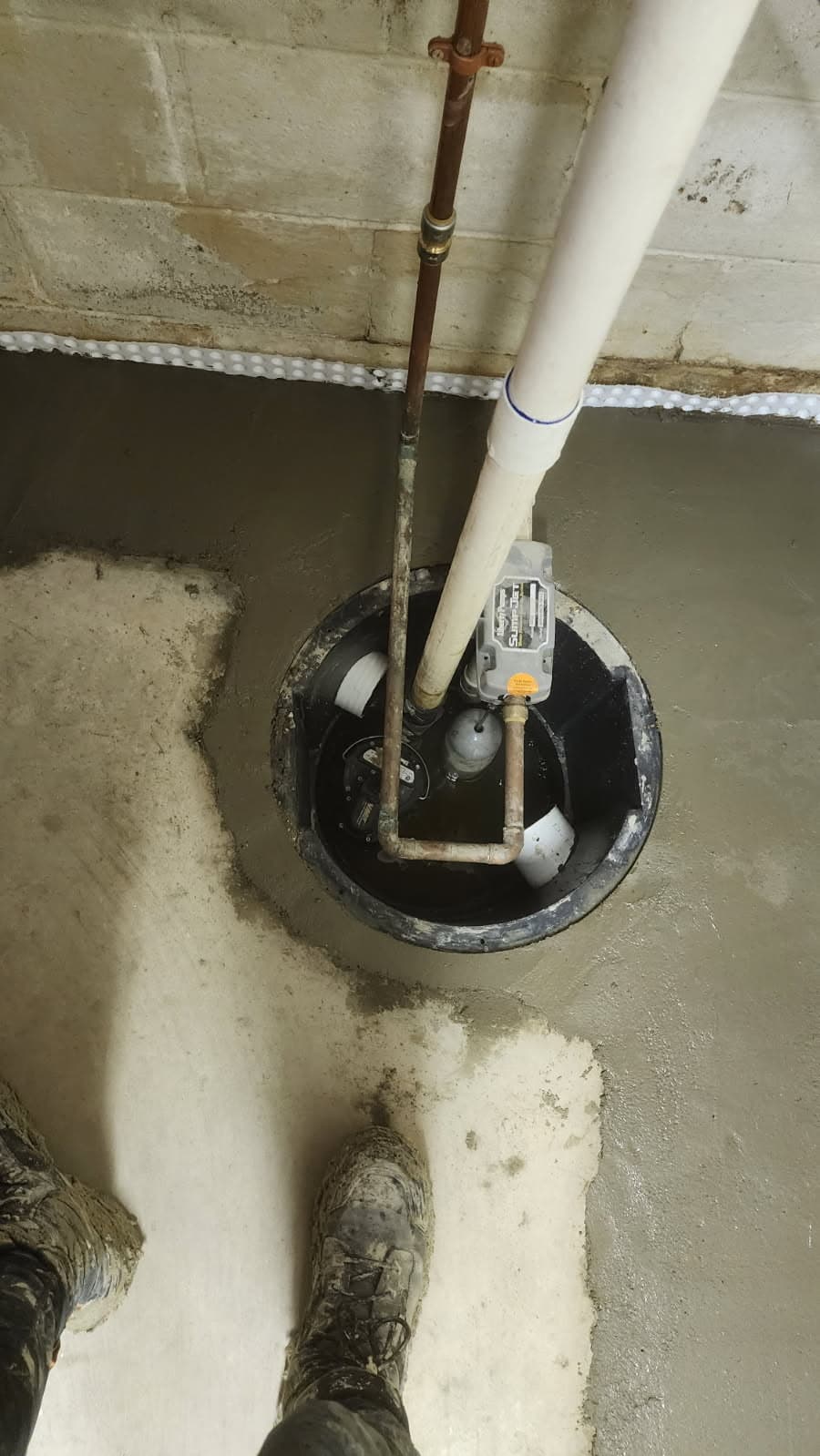
A closer look at the equipment, materials, and job site conditions involved in this kind of work.


Honest Answers
Musty Odor Questions from
Maryland Homeowners
Call (410) 879-3360 if a musty smell keeps coming back after cleaning. Our inspectors will find the actual source.
What's actually producing a musty smell in my crawl space?
Musty odor is the smell of active decay, mold and wood decay fungi metabolizing damp organic material and releasing microbial volatile organic compounds as they go. That process needs sustained moisture above roughly 19% wood moisture content or 60% relative humidity to keep running.
When OBW's inspectors find a strong, persistent musty odor, the follow up question is always the same: where is that sustained moisture coming from, and what has it already damaged? Often it traces to a specific repair need, a rotted floor joist, a section of subfloor that's stayed wet for months, a torn vapor barrier, or a drainage path letting groundwater collect against the framing.
Why does the smell keep coming back after I clean or air out the crawl space?
Because wiping down visible mold, running a dehumidifier, or setting out an air freshener doesn't repair the underlying damage producing the odor. A joist with active fungal decay keeps producing odor until it's dried out and structurally corrected. A gap in the vapor barrier keeps feeding ground moisture into the space until it's patched or replaced. Standing water keeps evaporating until the entry point is found and fixed. Masking the smell just traps the actual problem out of sight.
Why can I smell it upstairs when the odor is coming from the crawl space?
Through the stack effect, odor-rich crawl space air moves into the first floor of the home continuously, particularly when the HVAC system runs ductwork through the crawl space and pulls that air directly into the system. That's why a smell that seems to be everywhere in the house can still be traced to a single source point below it.
How does OBW actually find what's causing the smell?
We start with a full crawl space inspection, not a spray and seal visit. We probe structural wood for decay, check the vapor barrier for gaps and tears, look for standing water or saturated soil, and measure moisture readings throughout the space. That's how we find the specific repair need behind the smell instead of guessing at it.
What happens once you find the cause?
If we find rotted framing, we repair or replace it with pressure treated lumber, the same process covered on our wood rot repair page. If the cause is an active water problem, we scope a proper drainage system repair to remove the water source, not just cover it over. Only once the structural and moisture problems are actually fixed does the odor have a real chance of going away for good. Every repair is backed by a written workmanship guarantee, ask your inspector for the specific terms that apply to your job.
Why Oriole
Why Maryland Homeowners Trust
OBW with Musty Odors
We Fix the Cause, Not Just the Smell
A spray and seal visit masks odor temporarily. OBW finds and repairs the specific structural or moisture issue producing it.
Maryland Crawl Space Experience
Piedmont clay and humid summers give Maryland crawl spaces sustained moisture conditions year after year. OBW has traced musty odors to their source across every county we serve.
No Subcontracting
OBW's own crew handles inspection, structural repair, and drainage, in house, start to finish.
Family-Owned Since 1953
Founded by Frank Pirog Sr. in 1953. Amber Pirog leads the company today. Written workmanship guarantee on every repair.
Reviews
What Our Maryland Neighbors Say
Masking a Smell Isn't Fixing It.
Getting Started on Your
Musty Odor Diagnosis
Whatever is producing the smell keeps decaying or leaking until it's actually repaired, not just aired out.
Free Inspection
OBW probes for decay, checks the vapor barrier, and looks for standing water to trace the odor to its source. Free, no obligation.
Written Repair Plan & Quote
You receive a written quote specifying the structural repair or drainage correction needed, before any work is scheduled.
Repair & Verification
OBW's crew repairs the structural or moisture issue and verifies moisture readings, confirming the source is gone. Written workmanship guarantee issued upon completion.
Musty Smell Coming Back No Matter What You Try?
Free inspection. We find and repair the actual source, not just the smell.
Family-owned since 1953 · MHIC #4247 · Written Workmanship Guarantee