The Right Tool for the Right Crack
Epoxy Crack
Injection
in Maryland
Epoxy is the right tool for certain cracks and the wrong tool for most Maryland residential foundation walls. Oriole will tell you which you have.
Epoxy injection, polyurethane foam injection and the Artery Method each suit different walls. Oriole does not perform epoxy injection. Oriole diagnoses which your crack needs and installs the Artery Method, which is what we guarantee. We do not install methods we cannot guarantee.

Honest About When Epoxy Works, and When It Doesn't
Crack Injection in Maryland:
Method Determines Outcome
Epoxy injection is a legitimate, well-established crack repair method, when used correctly. It works by filling the void of a crack with a two-part epoxy resin that cures to a rigid, high-strength bond. The result, in the right application, is a crack that is essentially welded shut and stronger than the surrounding concrete.
The problem in Maryland residential foundation repair is that most cracks are not in the right application for epoxy. Piedmont clay soils expand and contract significantly with seasonal moisture changes. Foundation walls in Maryland experience small but real movement every year as the soil pushes and releases. Epoxy, being rigid, cannot accommodate this movement, the cured repair simply re-opens along its edges after one or two seasons of clay-driven wall flex.
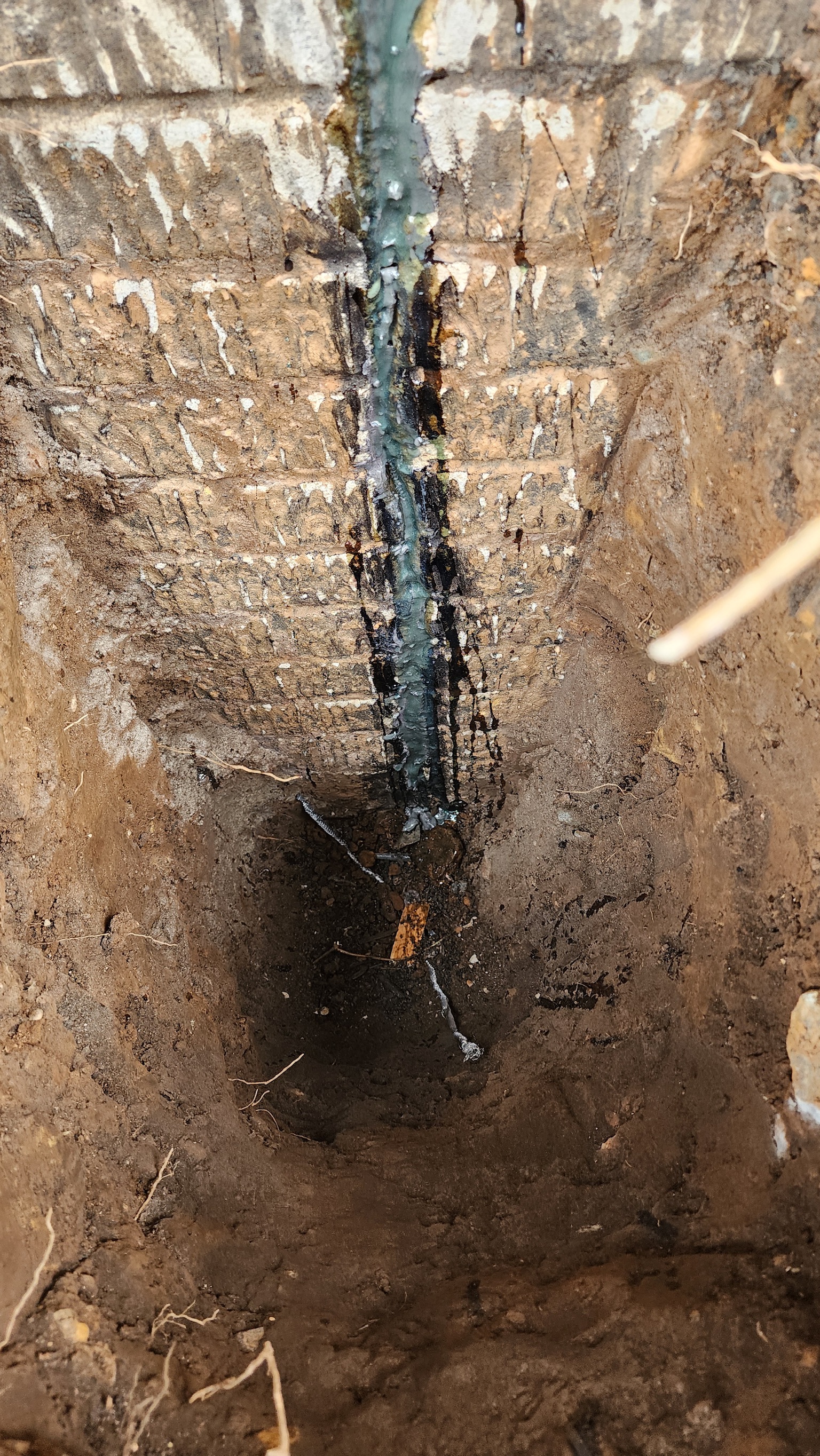
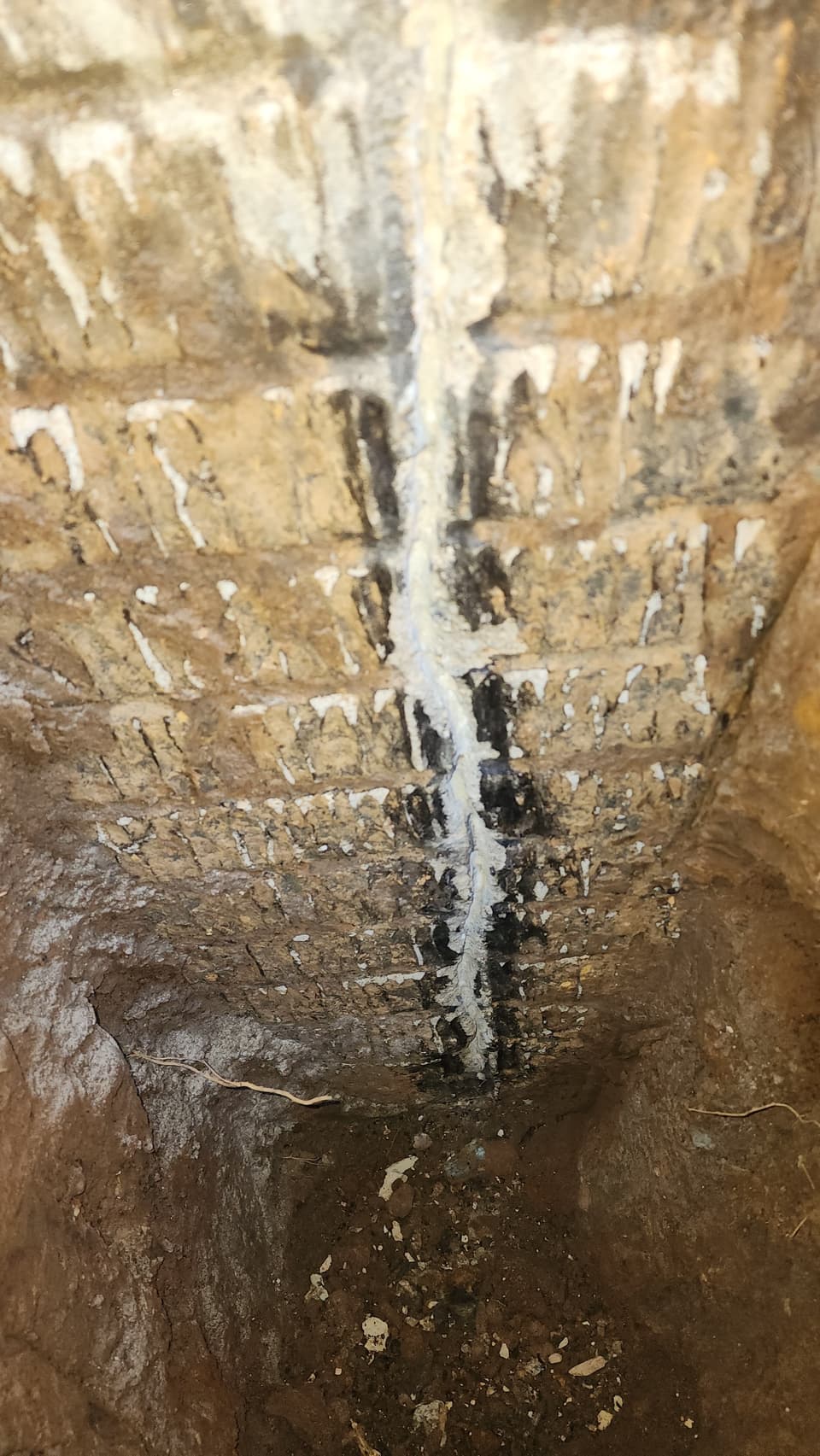
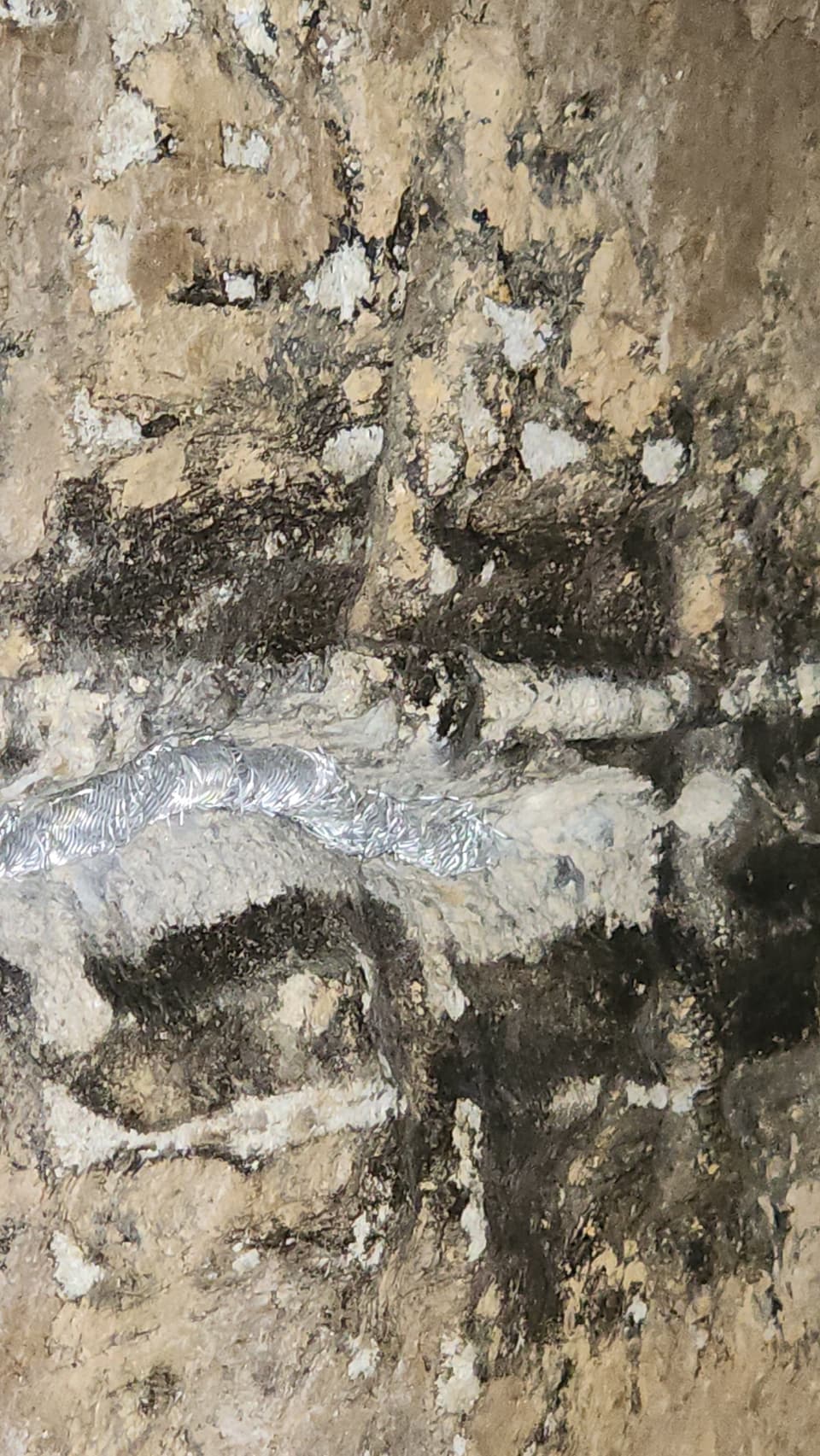
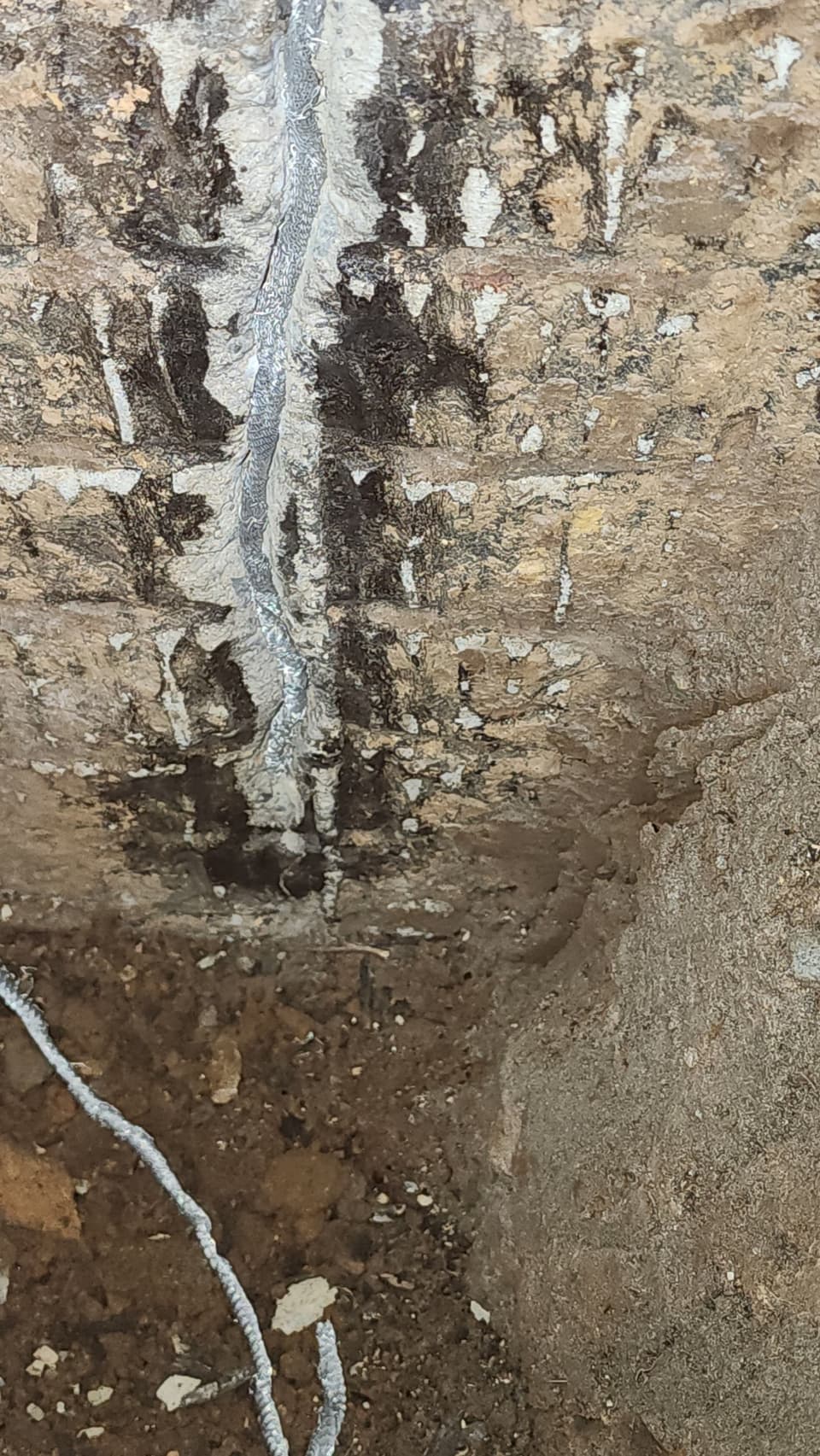
OBW's primary crack repair method is the Artery Method, a V-channeled crack with stainless wire mesh embedded and hydraulic cement packed tight. The result is a repair that mechanically bonds to the wall and has enough flex to accommodate Maryland's seasonal wall movement without re-opening. There are specific cases where epoxy is the appropriate method: stable slab cracks, grade beam repairs in controlled environments, and commercial poured concrete walls with no ongoing movement. Most Maryland residential foundation wall cracks are not among them, which is why Oriole's approach is the Artery Method.
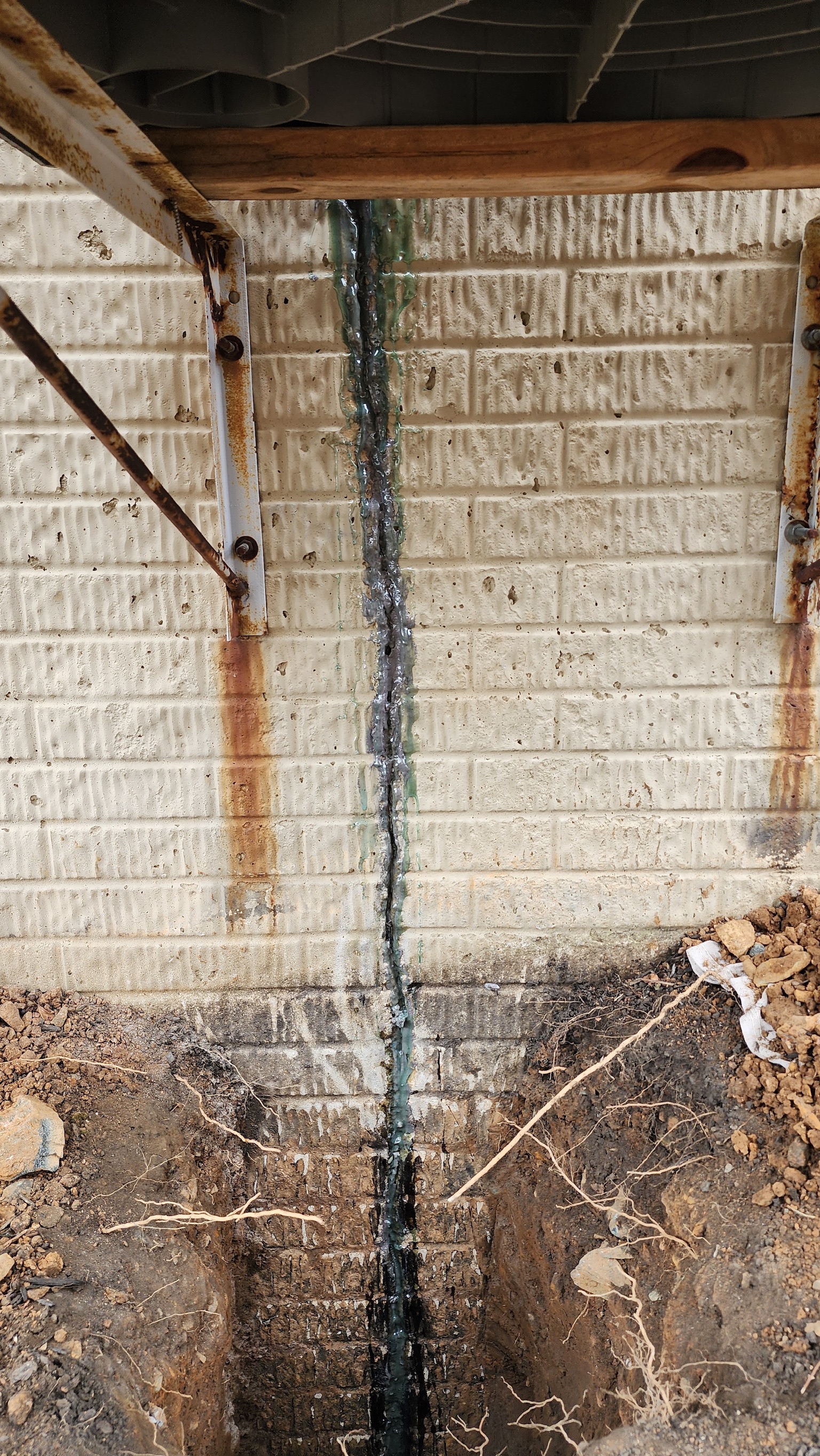
Sealed vertical crack in a block foundation wall, movement history assessed before any repair method is specified
When to Get a Crack Assessed
Foundation Cracks That Warrant
Professional Assessment
Not every crack requires immediate repair. These are the signs that a crack should be assessed, to determine whether it's stable, structural, or actively growing.
- Cracks wider than 1/8 inch, particularly in poured concrete walls
- Cracks that are actively admitting water, even occasional moisture after rain
- Cracks that have been previously repaired and have re-opened, indicating ongoing movement
- Diagonal cracks at window corners or step-pattern cracks in block, settlement indicators
- Before selling your home, crack documentation and repair history affects disclosure
Three Methods. One Right Choice per Crack.
Crack Repair Methods,
Side by Side
Each method is appropriate for a specific crack type and condition. OBW specifies in writing which method applies to your crack and why before any work begins.
Crack Stability Assessment
Every crack is assessed for active movement before a repair method is specified. Epoxy injection on a moving crack is a temporary fix, we diagnose first.
The Artery Method (Most Maryland Cracks)
Wire mesh + hydraulic cement for the majority of Maryland residential wall cracks. Flexes with seasonal clay soil movement. Carries Lifetime Transferable Guarantee.
Method Recommendation in Writing
OBW specifies the recommended repair method and the reason for each crack in your written quote. No surprise methods or upsells on-site.
Lifetime Transferable Guarantee
Crack repairs using the Artery Method carry OBW's Lifetime Transferable Guarantee.
The Process
How Oriole Assesses
a Foundation Crack
The method recommendation comes from the assessment, not from what's most profitable to install. Every step in the sequence affects the durability of the repair.
Crack Type & Activity Assessment
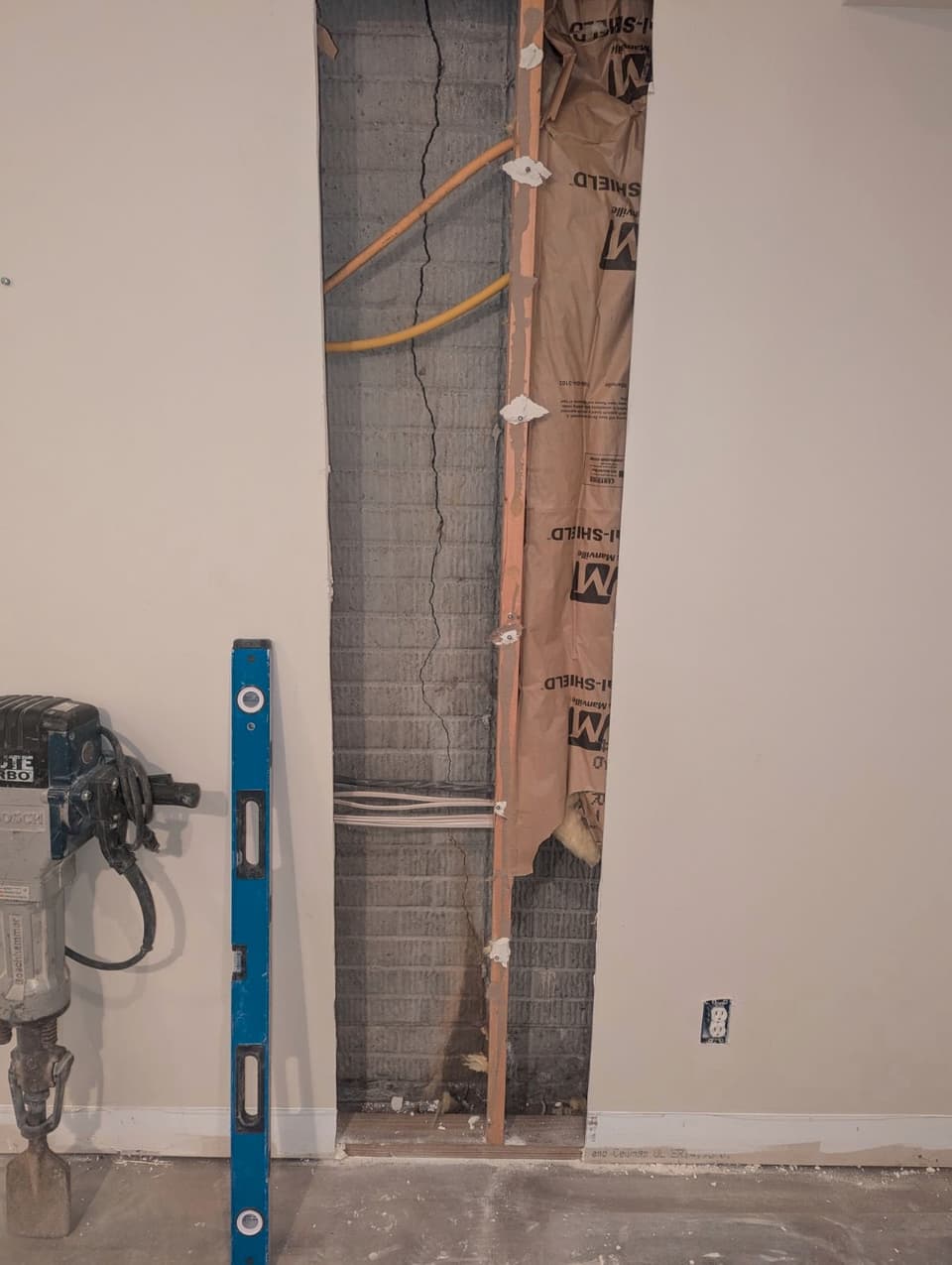
We examine the crack width, pattern, and displacement. We ask about history, did this crack appear suddenly or gradually? Has it changed? This determines the method.

Method Specification
Based on crack type, wall material, soil conditions and movement history, we tell you which method your crack needs, and why, whether or not it is one we perform.

Surface Preparation & Port Placement
The crack surface is cleaned. For polyurethane injection, ports are placed at intervals along the crack length to allow material to be introduced from the face.

Injection or Artery Repair & Curing
Material is injected under low pressure from the bottom port upward until it appears at the next port. Artery Method cracks are channeled, mesh-set, and packed. Cure time noted.
Photos From the Field
Job Site Photos
A closer look at the equipment, materials, and job site conditions involved in this kind of work.

Straight Talk on Crack Repair
Crack Injection Questions
from Maryland Homeowners
Call (410) 879-3360 if you have a crack you want assessed. We will tell you what it is and what it warrants, not what's most profitable to install.
What is the difference between epoxy injection and the Artery Method?
Epoxy injection fills a crack with a rigid, high-strength material. Once cured, the crack is bonded as strongly as or stronger than the surrounding concrete. This works well when the crack is structurally stable, not actively widening or moving, and when the goal is structural restoration rather than just waterproofing. Epoxy is appropriate for cracks in slabs and walls that are no longer moving, in controlled-temperature environments, and where structural integrity is the primary concern.
OBW's Artery Method takes a fundamentally different approach. A channel is cut along the crack, stainless steel wire mesh is embedded, and hydraulic cement is packed in to create a repair that is mechanically bonded and slightly flexible. The hydraulic cement cures hard but has enough flex to accommodate the small seasonal wall movement that Maryland's Piedmont clay imposes on foundation walls, the same expansion and contraction cycle that re-opens epoxy repairs after a few seasons.
The honest answer to 'which is better' depends on your specific crack, your soil conditions, and the wall type. Epoxy injection suits a limited number of situations, primarily stable slab cracks in commercial settings, and the Artery Method for the majority of Maryland residential foundation wall cracks.
When is epoxy injection the appropriate method rather than a flexible repair?
Epoxy injection is appropriate for cracks that are confirmed structurally stable, meaning the movement that caused the crack has stopped, the crack has not widened in at least one to two full seasonal cycles, and there is no ongoing drainage or settlement cause. In these cases, the rigidity of epoxy is an advantage: it restores the full load-bearing continuity of the cracked section.
Situations where epoxy injection is the appropriate method: structural cracks in poured concrete basement walls where the crack is a single through-crack with no associated leaning or bowing; cracks in slab foundations in climate-controlled commercial buildings where freeze-thaw movement will not affect the repair; cracks in grade beams and footings where rigid restoration is needed before surface repair.
We do not recommend epoxy for cracks in block walls (block-to-block movement will re-open the repair), for any crack in a wall that is also experiencing lateral movement, or for cracks in exterior applications subject to freeze-thaw cycling. In all of these cases, the Artery Method or polyurethane foam injection is more appropriate.
What is polyurethane foam injection, and when is it used instead of epoxy?
Polyurethane foam injection is used for cracks that are actively admitting water, particularly wet or seeping cracks. Unlike epoxy, polyurethane foam is hydrophilic: it actually expands on contact with water as it cures, which allows it to fill and seal the crack even in the presence of active moisture. The cured foam is flexible rather than rigid.
The trade-off is that polyurethane is a moisture seal, not a structural repair. It stops water infiltration effectively for a period, but it does not restore the structural integrity of the crack. For a poured concrete wall with an isolated crack that is leaking but is otherwise stable (no bowing, no settlement, no adjacent structural concern), polyurethane injection can be a cost-effective moisture control option.
Polyurethane foam injection is used selectively, primarily in commercial applications where a crack needs sealing quickly to prevent damage to flooring or contents and where the crack is known to be structurally stable. It is not work Oriole performs. For most residential wall cracks the Artery Method is preferred anyway, because it addresses both water infiltration and long term durability in Maryland's seasonal movement environment.
How long does epoxy crack injection last?
When used in the right application, a stable crack in a poured concrete wall or slab, in a controlled environment, with the underlying cause of cracking resolved, epoxy injection can last indefinitely. Properly installed epoxy injection creates a bond that is typically stronger than the surrounding concrete. The crack becomes a structurally sound section of the wall.
When used in the wrong application, a crack that is still subject to movement from seasonal soil pressure, a block wall where block-mortar movement can't be eliminated, or a crack without drainage correction, epoxy repairs re-open within one to three freeze-thaw seasons. The failure is not the epoxy itself; it's that the forces that opened the crack in the first place reopened it around or through the repair.
This is why the diagnosis matters more than the product. A $400 epoxy injection that re-opens in two years is not a solution. The Artery Method or a structural repair addressing the movement source is.
Can I get a warranty on epoxy crack injection?
OBW's Lifetime Transferable Guarantee applies specifically to the Artery Method, our proprietary crack repair, and this is the repair OBW most often installs for Maryland residential foundations. The Artery Method's flex-capable repair holds up to the seasonal movement that would re-open a rigid epoxy repair, which is why we stand behind it for the life of the structure.
Oriole does not perform epoxy injection, so there is no Oriole warranty to quote on it. The Artery Method is what we install and what we guarantee.
We will be explicit during quoting about which repair method we're recommending for your crack and why. Warranty terms are explained before any work begins.
Why Oriole
Why Maryland Homeowners Trust
Oriole on Crack Repair
We will tell you when epoxy is wrong for your crack. That's not common in this industry, and it's why our repairs hold.
Honest About Method Limits
Oriole will tell you when epoxy is wrong for your crack, and when the Artery Method or a structural repair will outlast it. Epoxy injection is not work Oriole performs.
The Artery Method
OBW's proprietary crack repair uses wire mesh and hydraulic cement, not epoxy, for most Maryland applications because it flexes with seasonal wall movement.
No Subcontracting
Every crack repair is completed by OBW's own crew, English-speaking, direct employees who have been trained on the Artery Method.
Lifetime Transferable Guarantee
When the Artery Method is the right fit for your crack, the repair carries OBW's Lifetime Transferable Guarantee, valid for the next owner when you sell.
Get the Right Repair. Not Just a Repair.
Getting Started with
Crack Assessment and Repair
The right method is determined by inspection, not by what's easiest to schedule or most profitable to install. Start with the assessment.
Free Crack Inspection
OBW assesses your crack, width, pattern, movement history, water activity, and determines which repair method is appropriate for your specific crack and conditions.
Written Method Recommendation
You receive a written quote specifying the recommended repair method and the reason, including where epoxy would be the wrong tool for your crack.
Repair Backed in Writing
Artery Method repairs are installed by OBW's own crew and carry the Lifetime Transferable Guarantee. No subcontractors, no handoffs, no re-openings from wrong-method installations.
Get the Crack Repair That Actually Holds.
Free assessment. Right method for your crack. Backed in writing.
Family-owned since 1953 · MHIC #4247 · Written Workmanship Guarantee