Not Every Sunken Slab Lifts the Same Way
Slab Lifting
and Leveling
in Maryland
Deciding whether a sunken slab needs a lift, and which lifting method actually fits it
A sunken sidewalk, driveway, garage floor, or patio slab can often be raised back toward grade, but not every sunken slab should be lifted the same way, or lifted at all. OBW diagnoses the cause first, then says which the slab needs: mud jacking, a foam lift, which is work for a concrete lifting specialist rather than Oriole, or piers where the soil calls for something more durable than a lift.

The Decision, Not Just the Method
When Slab Lifting Is,
and Isn't, the Right Fix
Slab lifting corrects elevation: a sunken sidewalk, driveway, garage floor, or patio slab raised back toward grade by filling the void beneath it. In Maryland, these voids most often trace back to Piedmont clay eroding or shrinking away from beneath a slab, drainage concentrating water at one section, or fill soil that was never fully compacted. When the surrounding soil is otherwise sound, lifting is a straightforward, effective fix.
The decision gets more complicated when the soil itself has lost bearing capacity broadly, not just developed a fillable gap, or when a slab keeps re-settling after a previous lift. That's when OBW's inspection points toward slab piers instead, transferring the slab's load down to soil that can actually bear it rather than filling a gap that may just reopen. This page is about making that call correctly; the specific lifting methods themselves, mud jacking and polyurethane foam injection, are covered in full on their own pages.
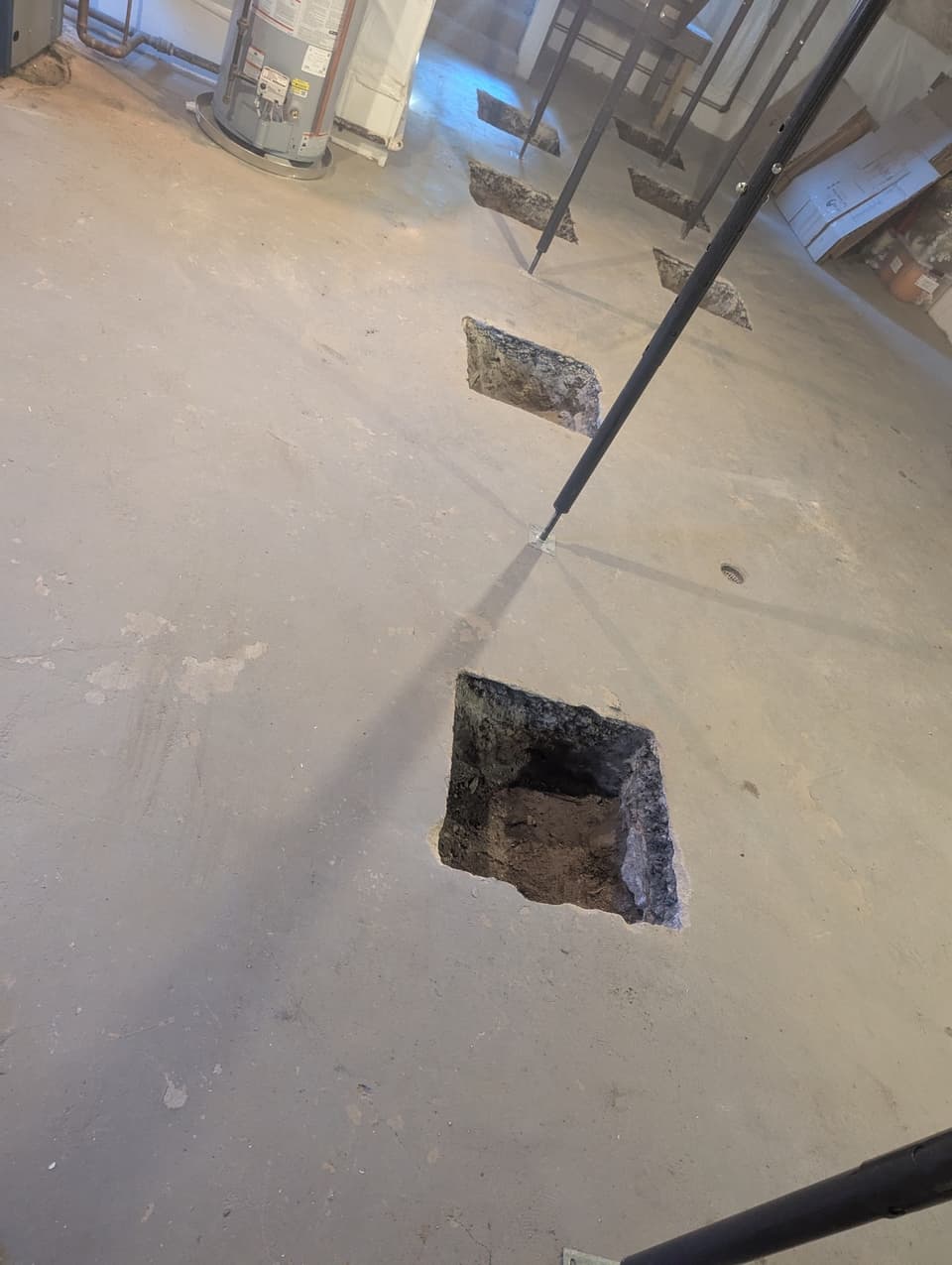
A sunken slab section, void beneath from soil erosion, before a lifting assessment
Signs a Slab Needs a Look
Warning Signs of a
Sunken Slab in Maryland
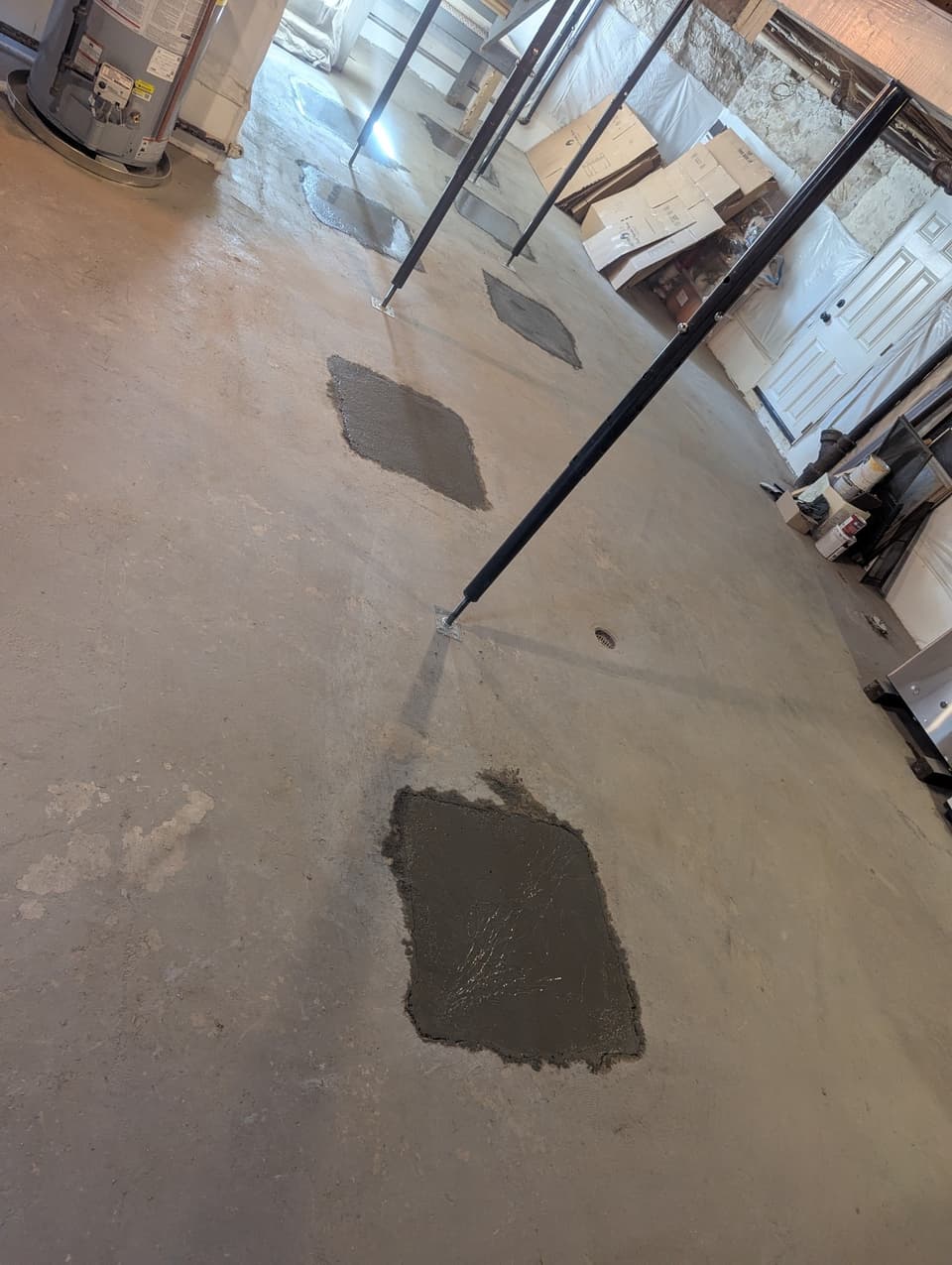
- A sidewalk, driveway, or patio section noticeably lower than the slab beside it
- A garage floor sloping or dropped at one corner
- A hollow sound when knocking on the slab, suggesting a void beneath it
- A slab that's settled again after a previous lift, a sign the cause wasn't fully addressed
What's Included
OBW's Slab Lifting Assessment
The assessment determines whether lifting solves the problem, and which method fits, before any work is scheduled.
Void Confirmation
We confirm a void actually exists beneath the sunken section, and what caused it, before recommending a lift at all.
Method Selection
Mud jacking, piers, or a referral for a foam lift, chosen based on slab size, soil condition, and access, not a default. Oriole does not offer foam injection.
When Lifting Isn't Enough
If the soil has lost broad bearing capacity rather than just formed a void, we tell you honestly that piers are the more durable fix.
Drainage Correction
Where drainage caused the void, correcting it alongside the lift keeps the same problem from recurring.
Structural Crack Coordination
If a settlement crack accompanies the sunken section, structural repair is coordinated alongside the lift, not treated as a separate afterthought.
Written Workmanship Guarantee
Slab lifting work OBW performs is backed by a written workmanship guarantee, terms vary by service, ask your inspector.
The Process
How OBW Approaches
a Sunken Slab
Diagnosis first, method second. The right answer depends on what's actually happening beneath the slab.
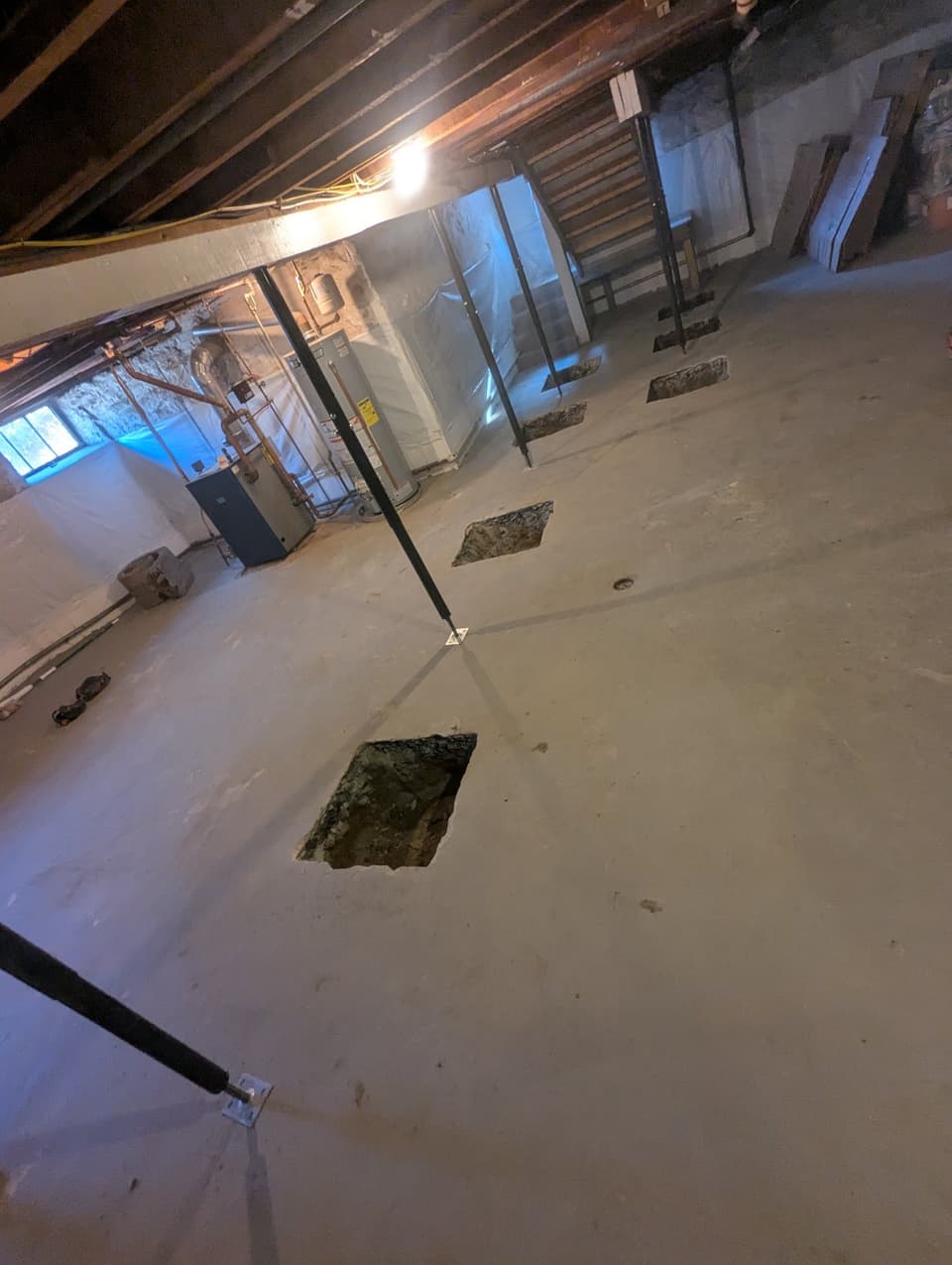
Slab and Void Assessment
We sound the slab, check crack patterns for displacement, and assess drainage and soil conditions before recommending a lift.
Method Decision
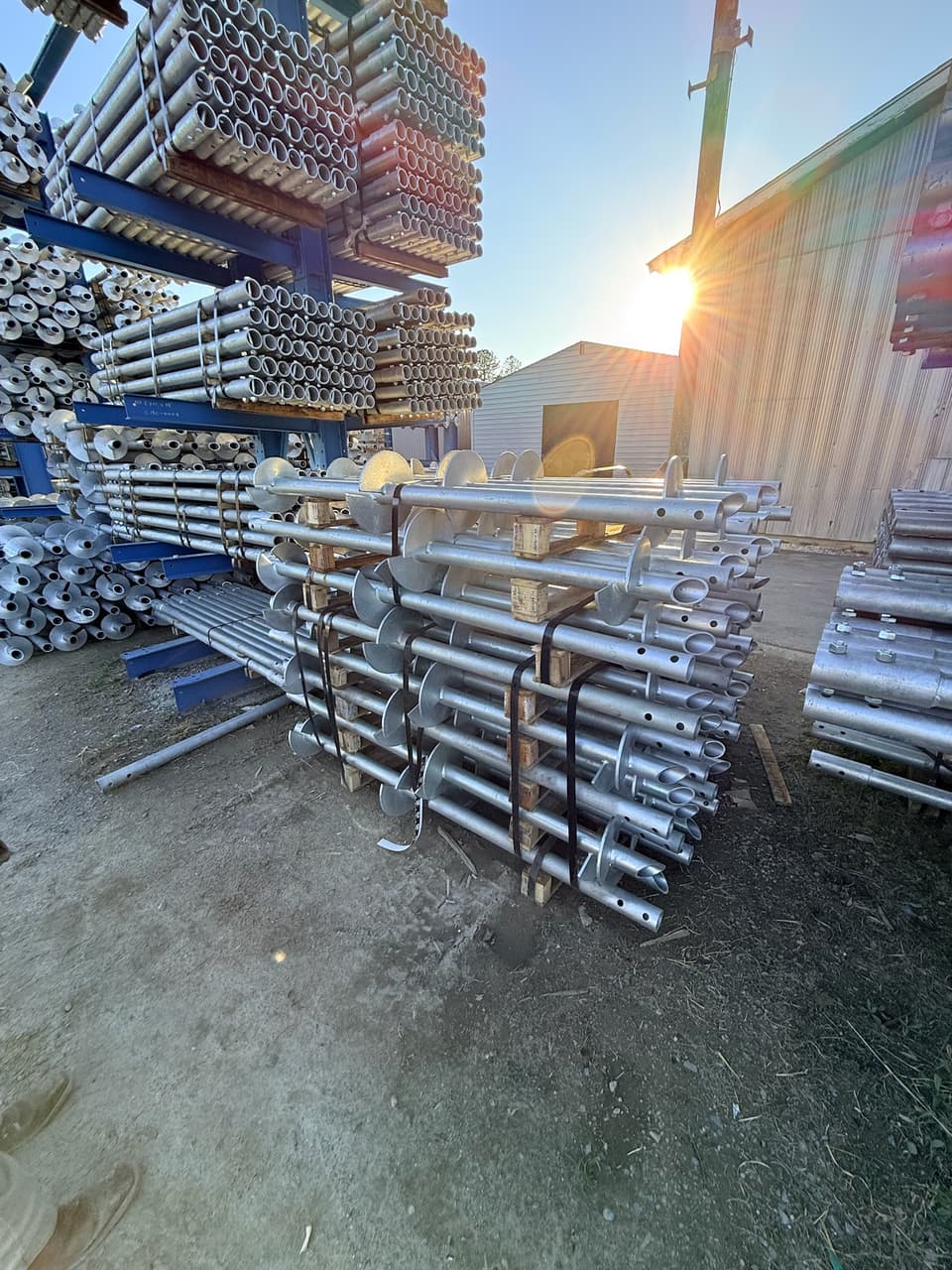
Mud jacking, foam injection, or piers, if the soil condition warrants it, whichever method fits your specific slab and site.
Lift and Level
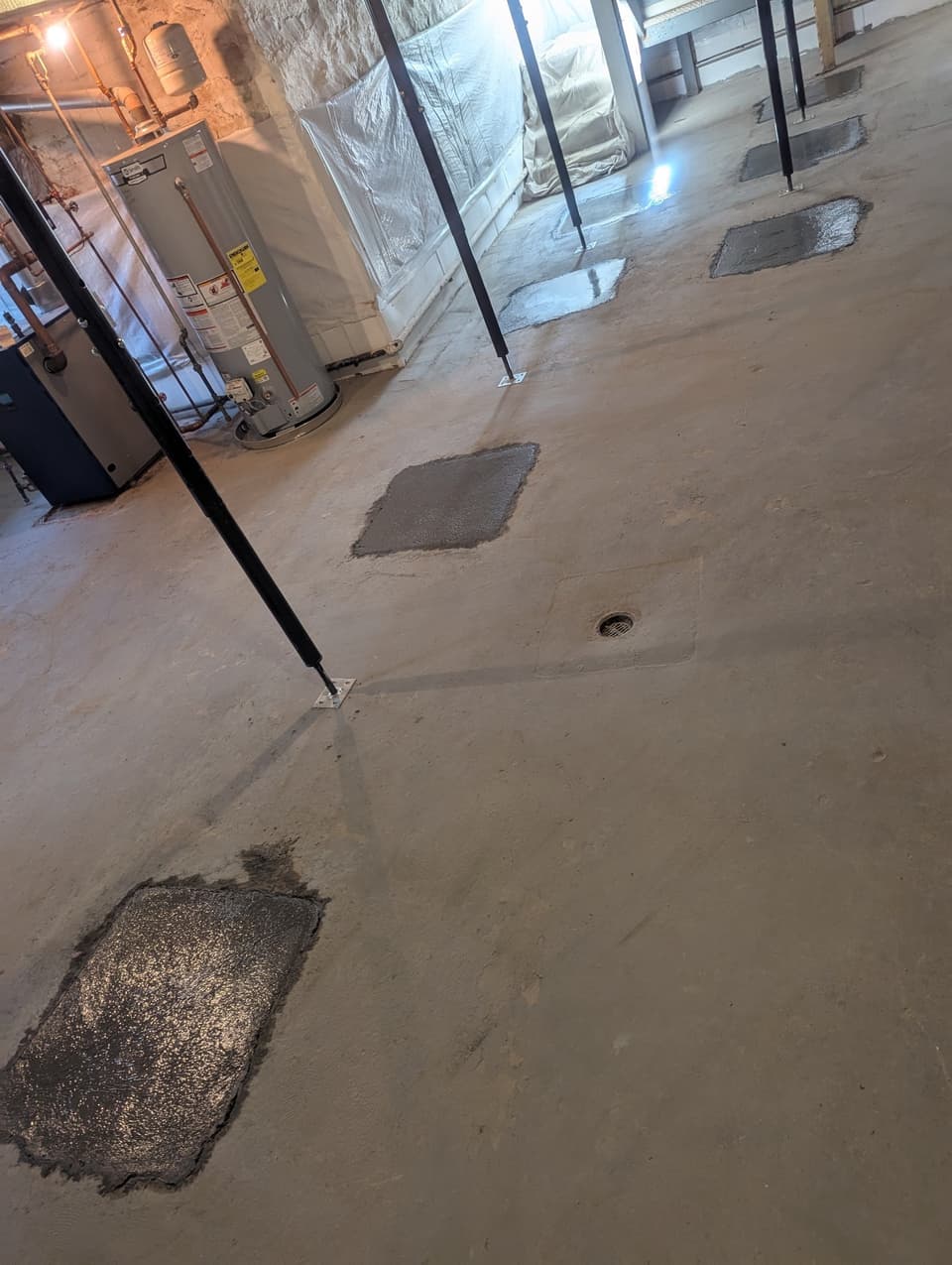
The chosen method raises the slab back toward grade in controlled stages, monitored throughout.

Verification and Finish
Elevation is re-checked, access points are patched, and the surface is restored to match the surrounding slab.
Honest Answers
Slab Lifting Questions from
Maryland Homeowners
Call (410) 879-3360 if your slab is sinking and you're not sure what it needs.
How do I know if slab lifting is even the right fix for my slab?
Slab lifting corrects elevation, a sunken slab raised back toward grade. It's the right fix when a slab has settled or sunk because of a void beneath it, and the surrounding soil is otherwise stable enough to support the slab once that void is filled. It's the wrong fix, or at least an incomplete one, when the soil itself has lost broad bearing capacity rather than just developed a localized gap, or when a settlement crack needs structural repair alongside the elevation correction.
OBW's inspection sorts out which situation applies before recommending a method. Sounding the slab for hollow spots, checking the crack pattern for displacement, and assessing what's driving the settlement all factor into whether lifting alone solves the problem.
What's the difference between the two lifting methods OBW uses?
Mud jacking pumps a cement-based slurry beneath the slab, a heavier, traditional material well suited to larger slabs where the added weight isn't a concern for the soil below. Polyurethane foam injection uses a lightweight expanding foam instead, curing faster through smaller access holes and adding much less load to soil that's already marginal. Both raise the slab by filling the void beneath it; which one fits depends on the slab size, soil condition, and site access.
Full detail on each is on their own pages. This page is about the decision to lift in the first place, not a repeat of either method's mechanics.
When does a sunken slab need piers instead of a lift?
When the soil beneath the slab has lost bearing capacity broadly rather than just developed a fillable void, or when a slab keeps re-settling after a previous lift. In that situation, slab piers transfer the slab's load down to soil that can actually bear it, a more involved fix than filling a gap. OBW's inspection is what tells you which category your slab falls into.
Why Oriole
Why Maryland Homeowners Choose
OBW for Slab Lifting
Lift or Pier, Diagnosed First
We determine whether your slab needs a simple lift or something more durable before recommending either.
Maryland Clay Experience
Seventy years of watching Piedmont clay behave beneath Maryland slabs informs every lifting recommendation.
No Subcontracting
OBW's own crew handles every slab lift in-house, from assessment through the finished patch.
Family-Owned Since 1953
Founded by Frank Pirog Sr. in 1953. Amber Pirog leads the company today, same standard of work.
Slab Sinking? Get It Assessed.
Free inspection. Honest recommendation on whether your slab needs a lift or something more.
Family-owned since 1953 · MHIC #4247 · Written Workmanship Guarantee