What's Happening in the Ground First
Soil
Stabilization
in Maryland
Understanding what's actually happening in the ground beneath your foundation before choosing a fix
Most Maryland foundation problems start with the soil, Piedmont clay that swells and shrinks with the seasons, drainage that concentrates water in one spot, fill that was never fully compacted. OBW diagnoses the specific soil condition behind your foundation's symptoms before recommending grout injection, underpinning, or drainage correction.

The Ground Is the Cause
Why Maryland Soil Becomes
Unstable Beneath a Foundation
Piedmont clay, the dominant soil across Baltimore, Harford County, and much of central Maryland, behaves differently with every season. It swells as it absorbs water from spring rains and shrinks as it dries out over a hot summer. Repeated for decades, that cycling consolidates the soil, opens voids where it has shrunk away from a footing or slab, and gradually reduces its ability to bear the load resting on it.
Drainage failures make it worse: water concentrated at one section of foundation by a poorly graded yard or a downspout discharging too close accelerates erosion and shrinkage right where you don't want it. Large trees within 15 feet of a foundation can extract enough soil moisture to cause the same effect. Fill soil, used to level a lot before construction, never compacts to the density of undisturbed native clay and is prone to long-term settlement.
Every crack, settled corner, bowing wall, or sunken slab traces back to some version of this. OBW's inspection identifies which specific soil condition is behind your foundation's symptoms before recommending a fix.
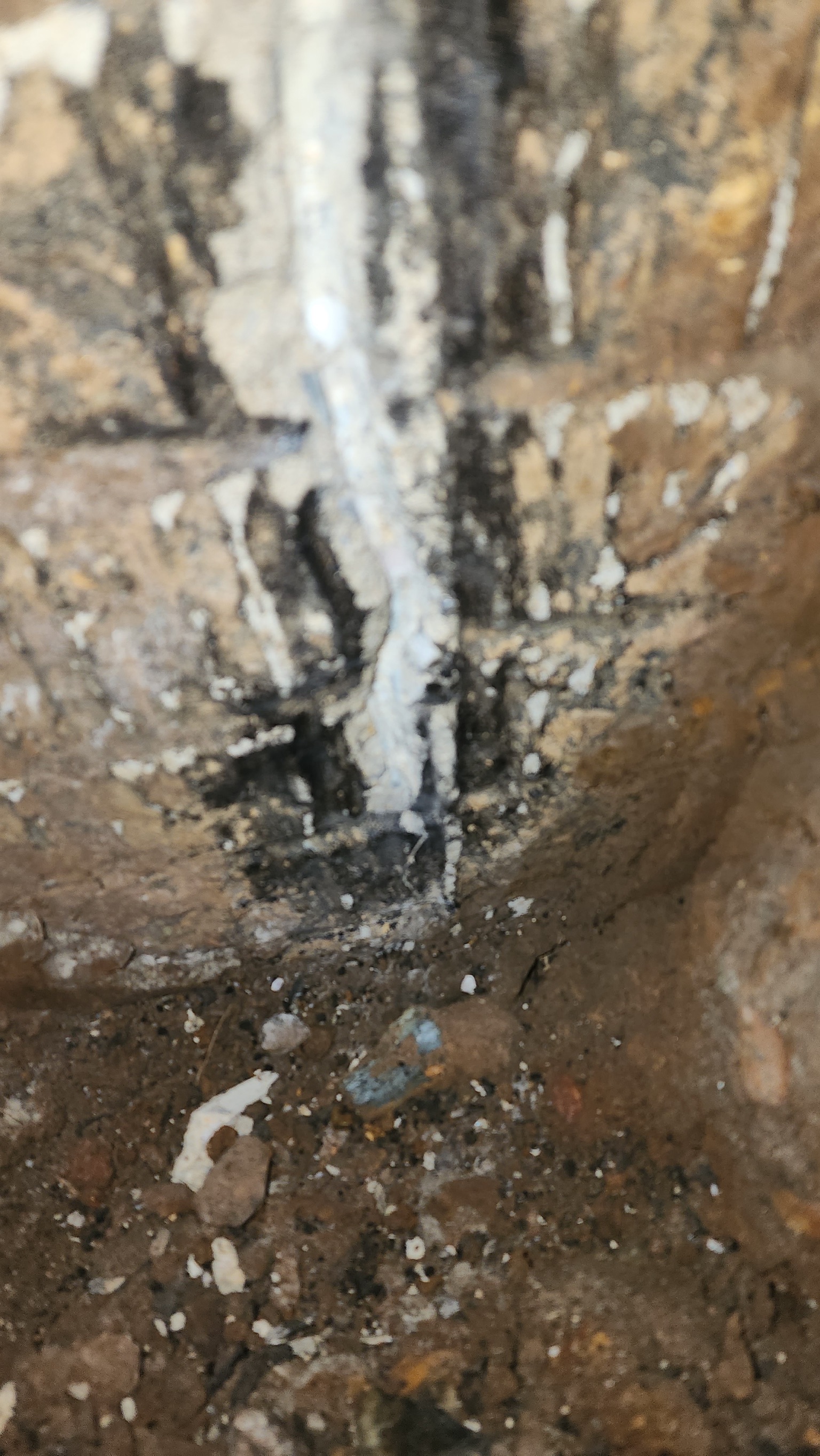
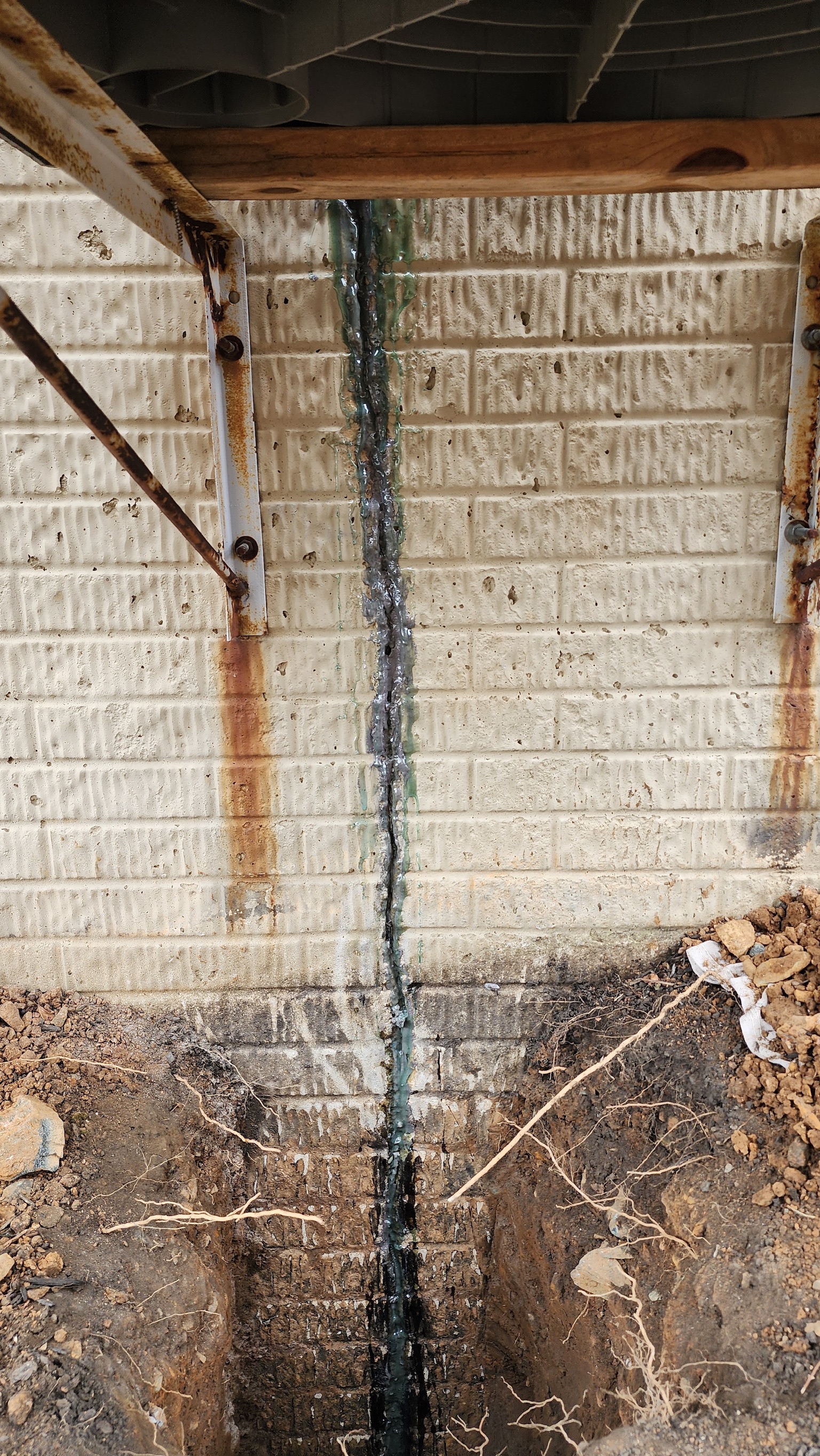
Soil condition assessment around a Maryland foundation footing
Stabilization vs. Underpinning
Two Different Answers
to Unstable Soil
- Stabilization: treats the soil itself, filling voids or firming loose fill, appropriate for localized conditions
- Underpinning: works around the soil, transferring load to piers driven to more stable ground, appropriate for broader or deeper instability
- Sometimes both: stabilizing soil around piers that address the primary settlement
What's Included
OBW's Soil Stabilization Approach
The soil condition determines the fix. We don't default to one method before understanding what's actually happening in the ground.
Soil Condition Diagnosis
We identify what's actually happening in the soil, shrink-swell clay, erosion voids, loose fill, before recommending a fix.
Drainage Assessment
Most Maryland soil instability traces back to water. We check grading, downspouts, and drainage patterns as part of every diagnosis.
Grout Injection, Where It Fits
For confirmed voids or loose fill soil, chemical grouting stabilizes the soil directly. Full detail on its own page.
Underpinning, Where It Fits
Where instability is broad or deep, transferring load to piers is the more durable answer than treating the soil alone.
Cause-Specific Correction
Tree root management, downspout extension, or grading correction addresses the water source behind many Maryland soil problems.
Written Workmanship Guarantee
Soil stabilization work OBW performs is backed by a written workmanship guarantee, terms vary by service, ask your inspector.
The Process
How OBW Diagnoses
Unstable Soil
Soil condition first. Cause second. Method third, whichever the soil actually calls for.
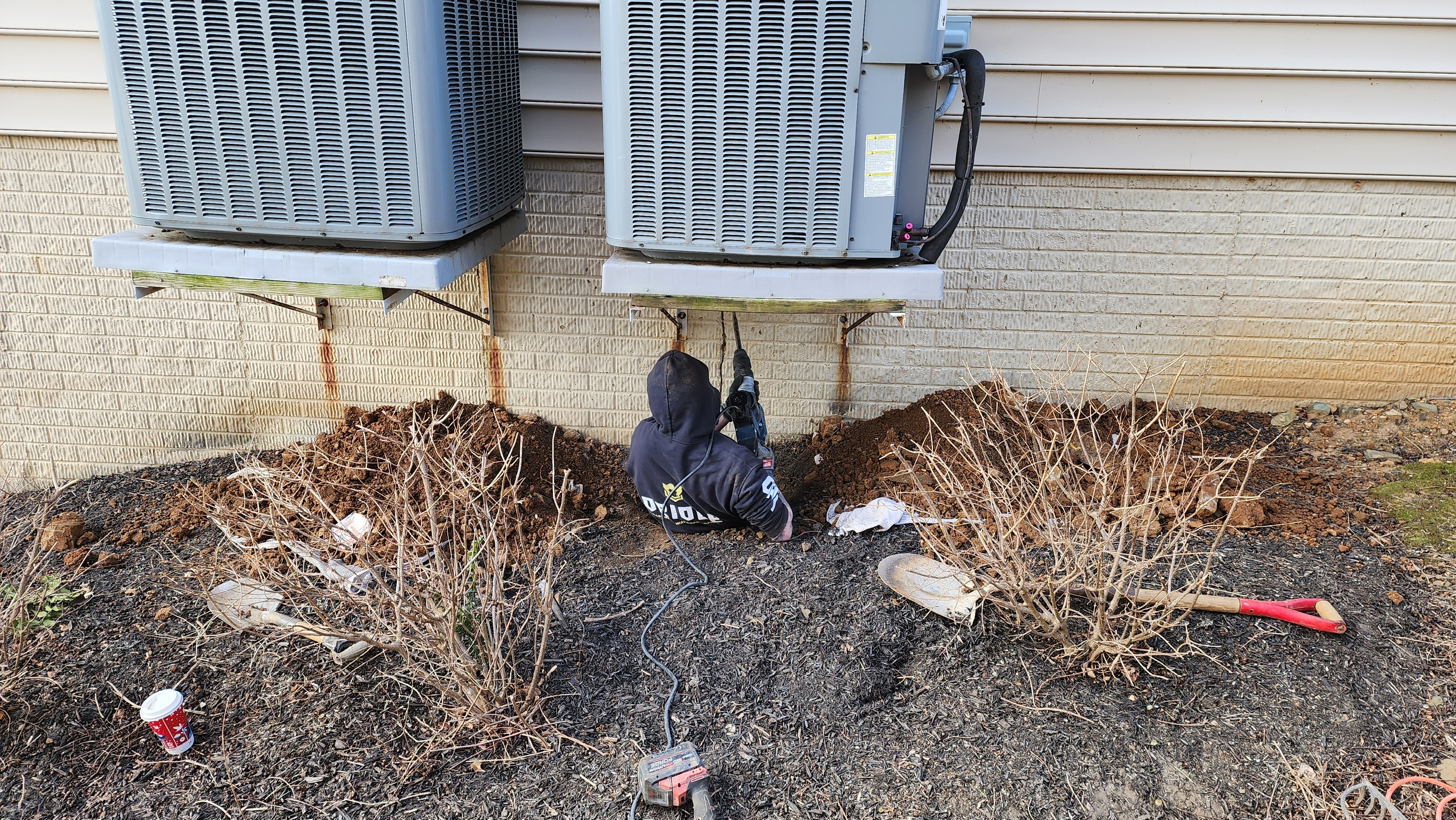
Soil and Drainage Assessment
We examine the soil condition, drainage patterns, and any voids or loose zones contributing to instability at your foundation.
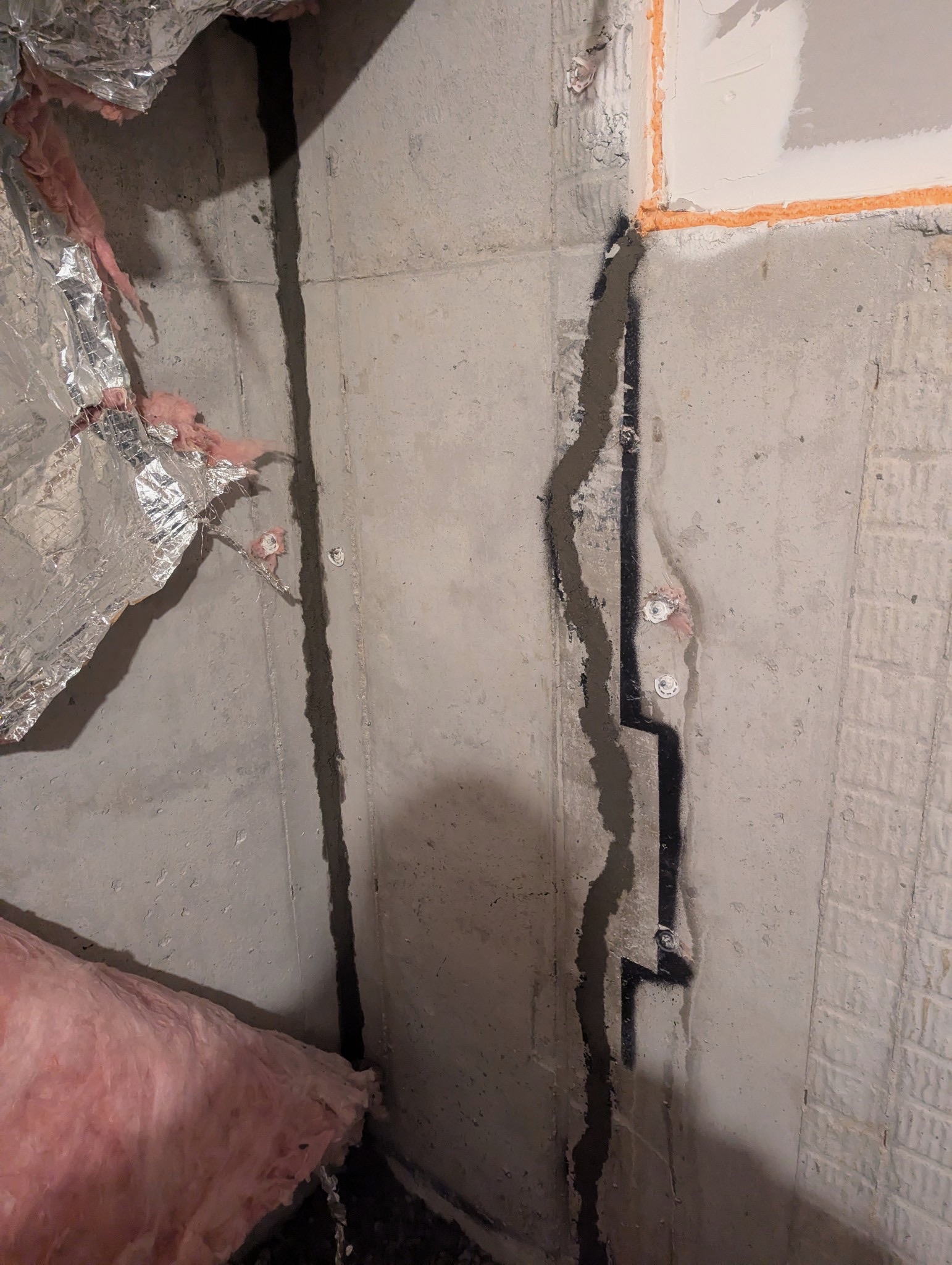
Cause Identification
Shrink-swell clay, erosion, tree roots, or fill consolidation, we identify which is driving the instability before recommending a fix.
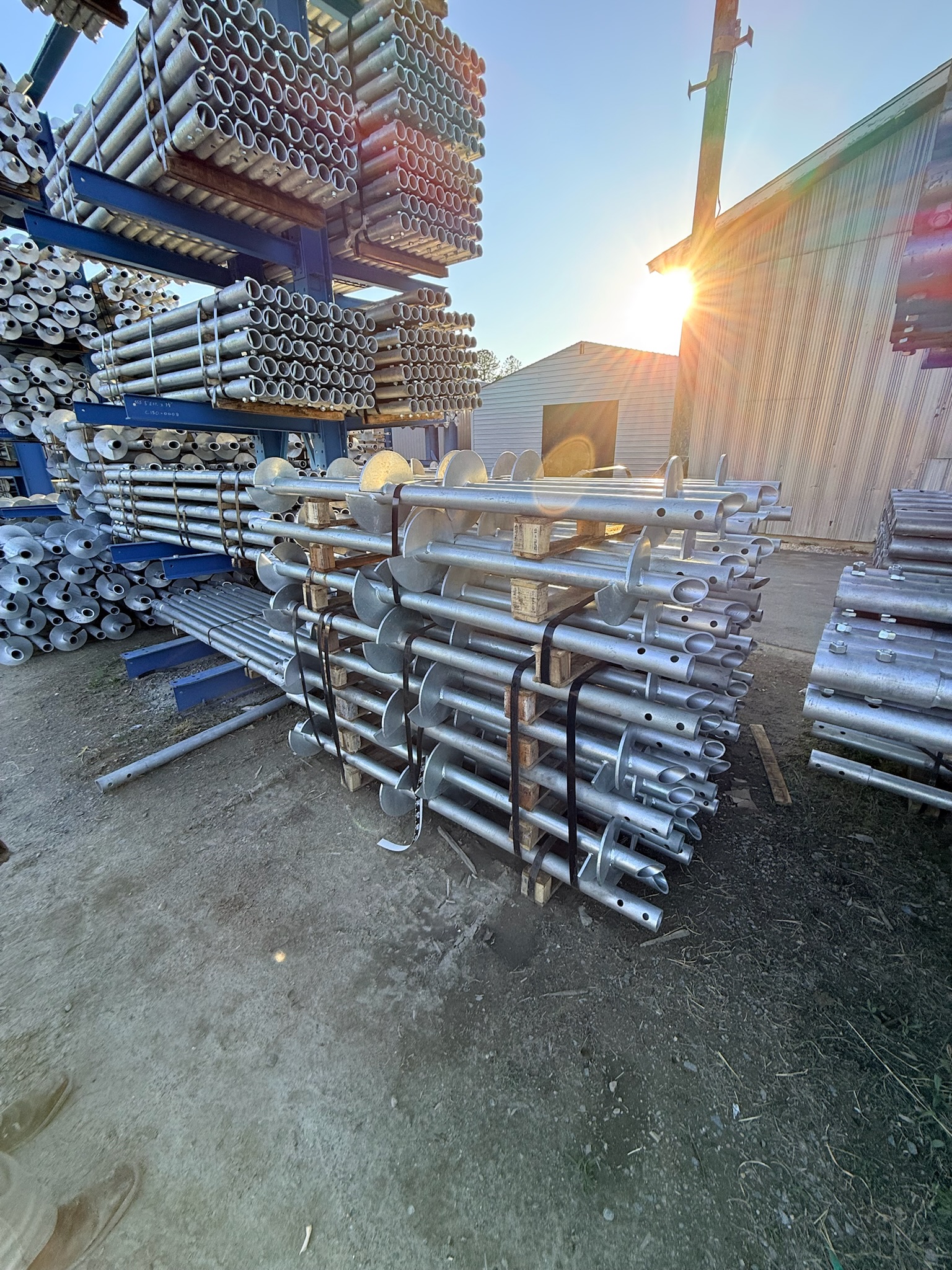
Stabilization or Underpinning
Grout injection for confirmed voids and loose soil, or piers where the instability calls for transferring load to more stable ground instead.
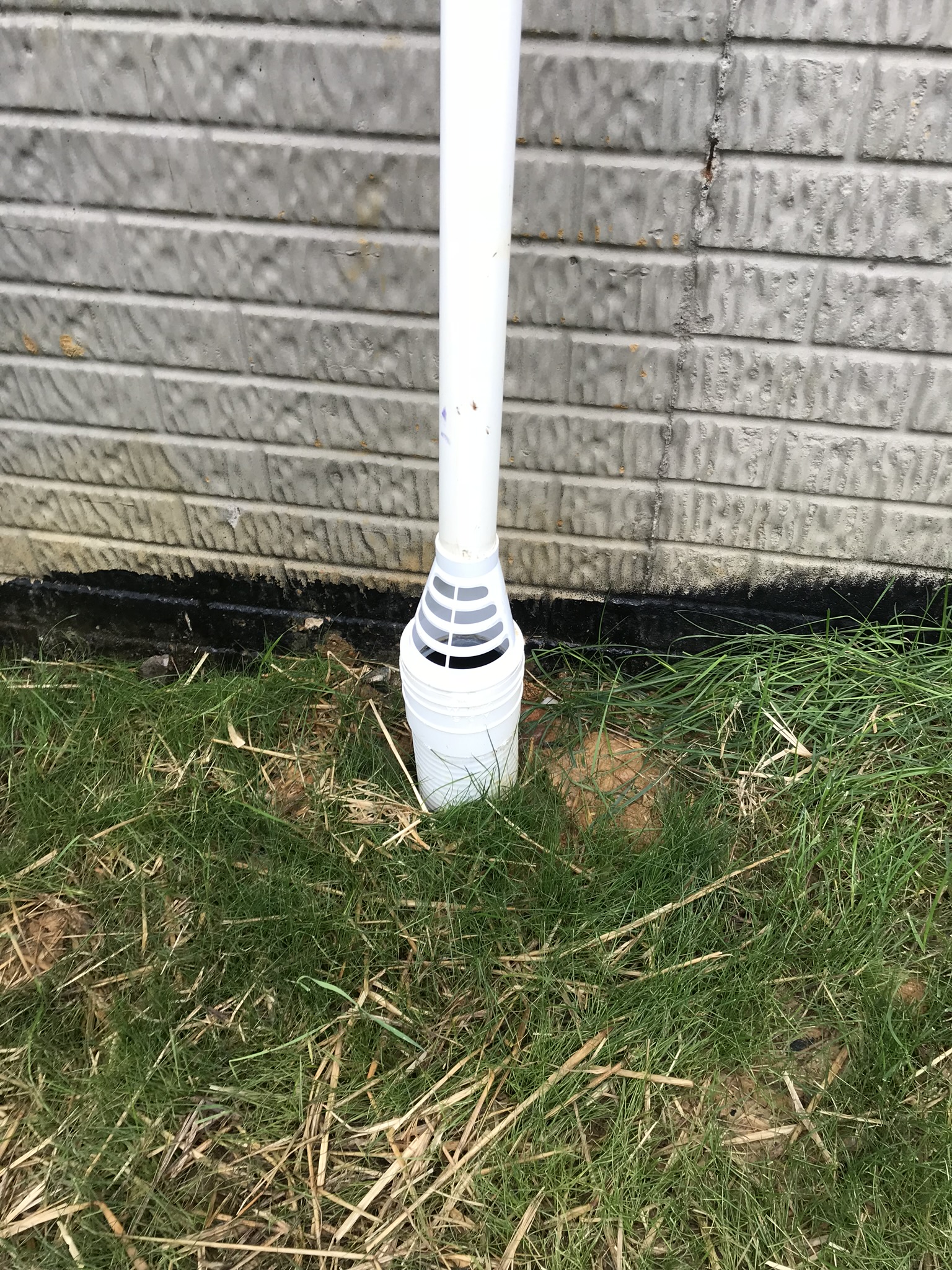
Drainage Correction
Addressing the water source that caused the instability keeps the same soil condition from recurring after the fix.
Honest Answers
Soil Stabilization Questions from
Maryland Homeowners
Call (410) 879-3360 if you're seeing settlement or drainage issues and aren't sure what's causing them.
What actually causes soil instability under a Maryland foundation?
Maryland's Piedmont clay, the dominant soil type across the Baltimore area, Harford County, and much of central Maryland, swells when it absorbs water and shrinks when it dries out. That shrink-swell cycling, repeated every wet season and dry stretch for decades, gradually consolidates and disturbs the soil beneath a foundation. Add in poor drainage concentrating water at one section, tree roots extracting moisture and causing localized shrinkage, or fill soil that was never as dense as the native clay around it, and you have the soil conditions behind most Maryland foundation settlement.
Soil instability is a cause, not a symptom. The symptoms, cracks, settlement, bowing walls, sunken slabs, all trace back to some version of the soil beneath the foundation no longer doing what it was doing when the house was built.
What's the difference between soil stabilization and underpinning?
Underpinning (piers) works around unstable soil, it transfers the structure's load down or out to soil that's more stable, bypassing the problem soil rather than fixing it. Soil stabilization works on the soil itself, improving its bearing capacity or filling voids so it can support what's resting on it without needing that load transferred elsewhere.
Which approach fits depends on the scale and location of the instability. A void beneath a small section of slab or footing is a good candidate for stabilization. Broad, deep settlement affecting the whole foundation more often calls for underpinning. OBW's inspection determines which situation you have.
Does OBW perform chemical grouting for soil stabilization?
Yes, grout injection is OBW's specific method for filling soil voids and stabilizing loose fill soil beneath a foundation, covered in full detail on its own page. This page is about diagnosing the soil condition itself; if grout injection is the right fix once that diagnosis is done, we'll walk you through it.
Why Oriole
Why Maryland Homeowners Trust
OBW's Soil Diagnosis
Diagnose the Soil, Not Just the Symptom
We identify what's actually happening in the ground before recommending a stabilization method.
Seventy Years of Maryland Clay
Decades of watching Piedmont clay swell, shrink, and consolidate beneath Maryland foundations informs every diagnosis.
No Subcontracting
OBW's own crew performs stabilization and grouting work in-house.
Family-Owned Since 1953
Founded by Frank Pirog Sr. in 1953. Amber Pirog leads the company today.
Concerned About Soil Beneath Your Foundation?
Free inspection. Honest diagnosis of what's actually happening in the ground.
Family-owned since 1953 · MHIC #4247 · Written Workmanship Guarantee