One Step Further Than a Joint Crack
Cracked Bricks
on Your
Maryland Home
A crack through the mortar joints is one thing. A crack through the brick itself is a step further along.
When the brick unit splits rather than the joint holding it, the wall has typically been under stress for longer, or more concentrated stress, than a joint crack alone would suggest. OBW checks whether it's veneer or structural masonry before recommending a fix.

A Step Further Along
Cracked Brick Units vs.
Cracked Mortar Joints
Mortar is the intentionally weaker material in a brick wall, so most settlement cracking travels through the joints first, producing the stair step pattern common in Maryland masonry. When the bricks themselves start cracking or spalling, the face of the brick flaking or crumbling away, the wall has typically been under stress for longer, or the stress is more concentrated, than a joint crack alone would suggest.
Freeze and thaw cycling makes it worse. Water that has worked into a stressed brick expands as it freezes, and repeated cycles can fracture a brick that was already compromised by structural load.
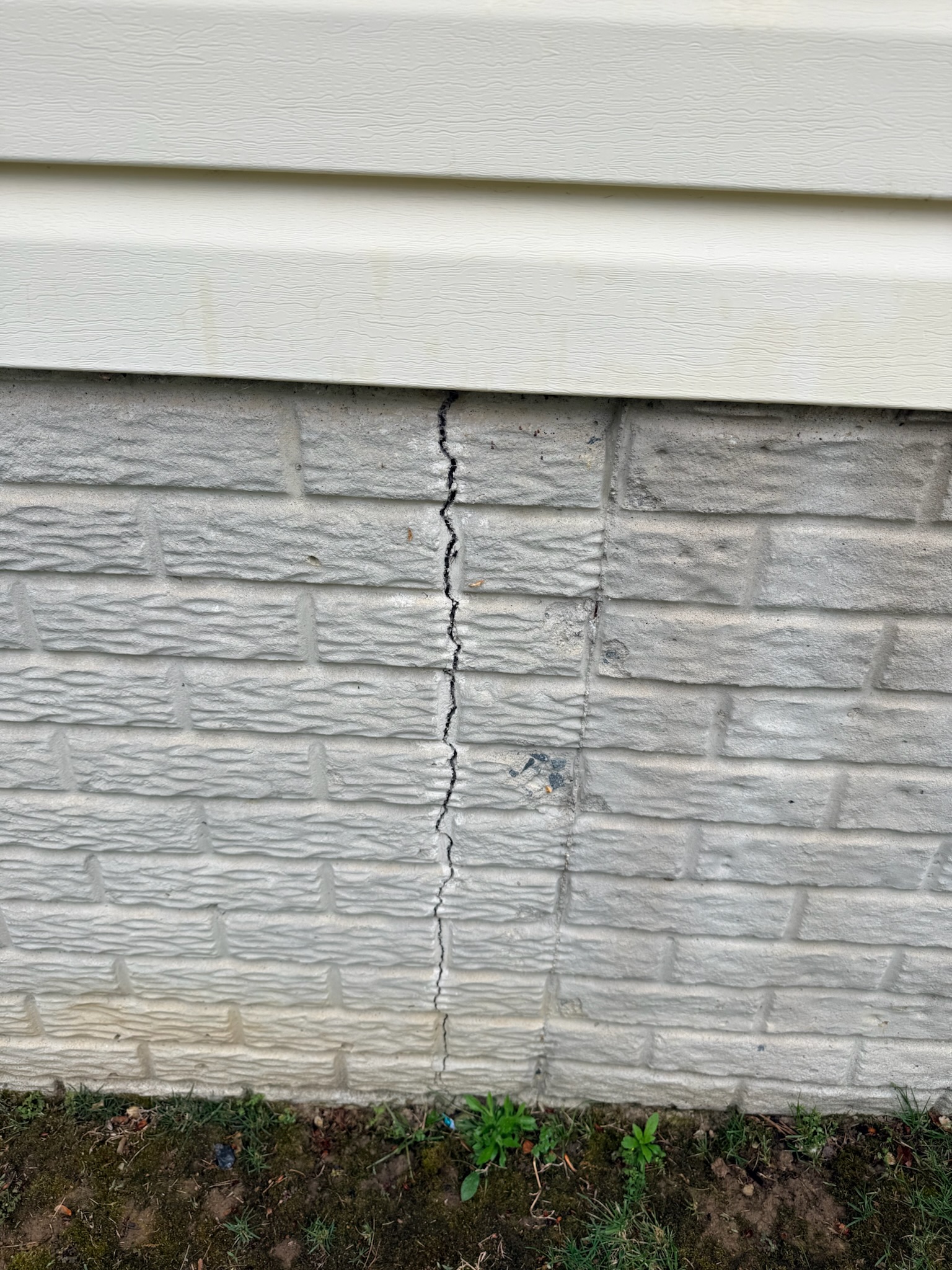
A crack that has progressed from the mortar joint into the masonry unit itself, a later stage of structural stress
Veneer vs. Structural Masonry
Warning Signs a Cracked Brick
Points to a Structural Wall Issue
Many Maryland homes use brick as a veneer rather than the load bearing wall itself. Cracked bricks in a veneer usually mean the structural wall behind it is under stress.
- A crack running through the brick units themselves, not just the mortar between them
- Spalling, the face of the brick flaking or crumbling away
- Visible bowing or outward movement of the wall behind a brick veneer
- Multiple cracked bricks clustered in one area rather than isolated weathering
- Cracking that's worsened noticeably over the past year or two
What's Included
OBW's Cracked Brick
Diagnosis & Repair
Repointing without addressing the structural cause behind it doesn't last. We check the cause first.
Brick Unit vs. Mortar Joint Assessment
We determine whether cracking is in the joints, the bricks themselves, or both, since the unit cracking further along than a joint crack alone.
Veneer vs. Structural Masonry Check
We identify whether the cracked brick is a decorative veneer over a structural wall, or the load bearing wall itself.
Freeze-Thaw Damage Assessment
Spalling and fracturing from repeated freeze-thaw cycling on already-stressed brick is checked alongside the structural cause.
Structural Cause Diagnosis
Where veneer is cracking, we check the structural wall behind it for lateral or settlement stress causing the strain.
Reinforcement Before Cosmetic Repair
Carbon fiber reinforcement or wall anchors address the structural cause before any brick or mortar is repointed or replaced.
Written Workmanship Guarantee
Structural and masonry repair work is backed by a written workmanship guarantee. Ask your inspector for the terms that apply to your job.
The Process
How OBW Diagnoses and
Repairs Cracked Brick
Identify where the crack runs. Check veneer against structural wall. Reinforce the cause before repointing the brick.
Crack Location Assessment
OBW determines whether the crack runs through the mortar joints, the brick units themselves, or both.
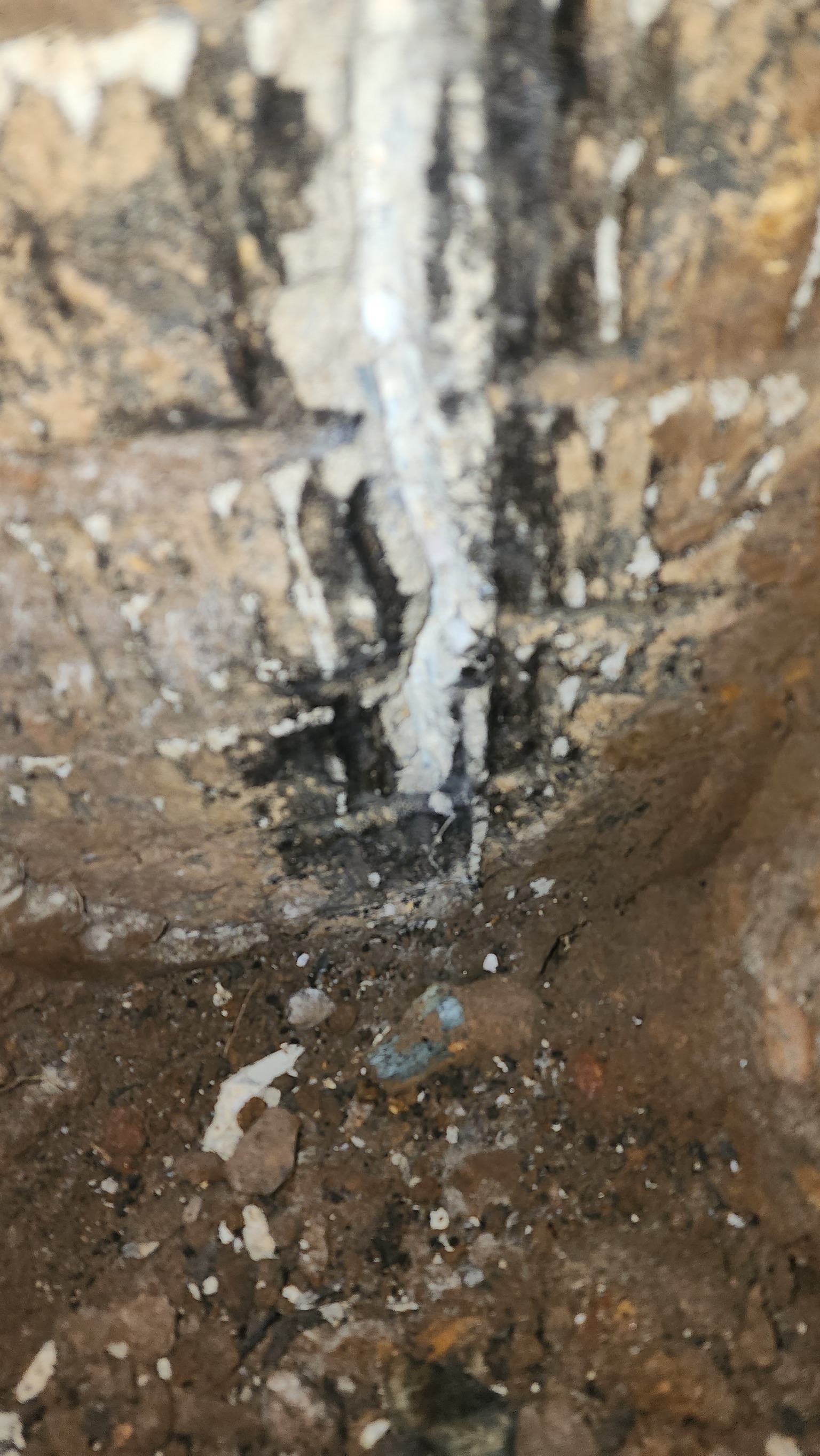
Veneer vs. Structural Check
We identify whether the brick is a veneer over a structural wall or the load bearing wall itself, which changes the diagnosis.
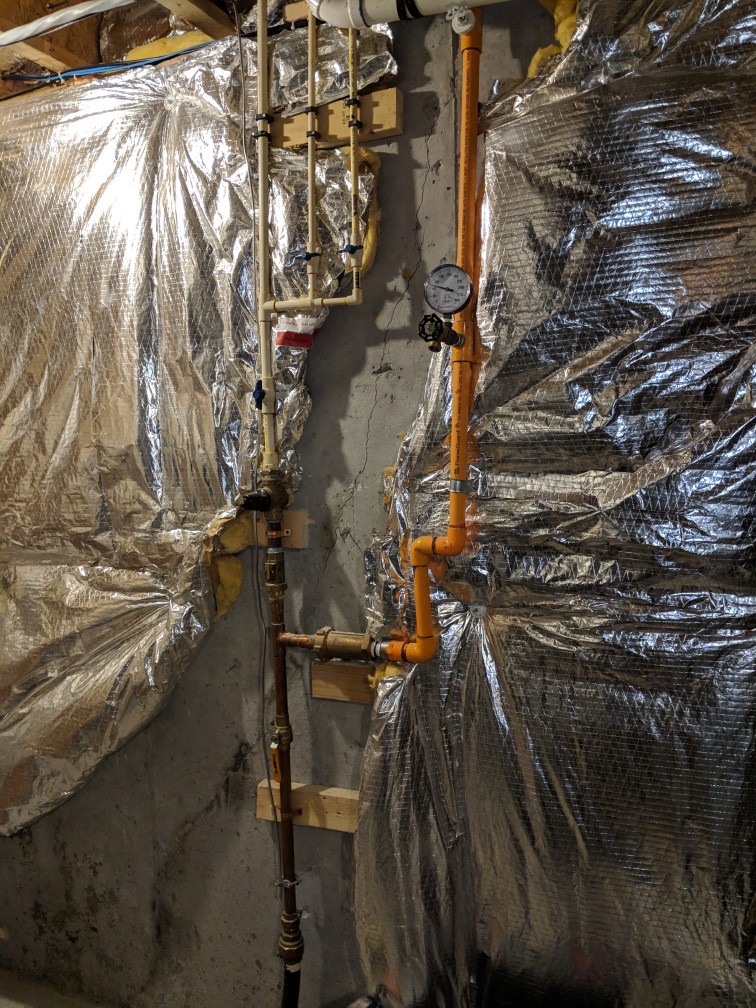
Structural Cause Diagnosis
The wall or foundation behind the cracked brick is checked for the settlement or lateral pressure actually driving the damage.
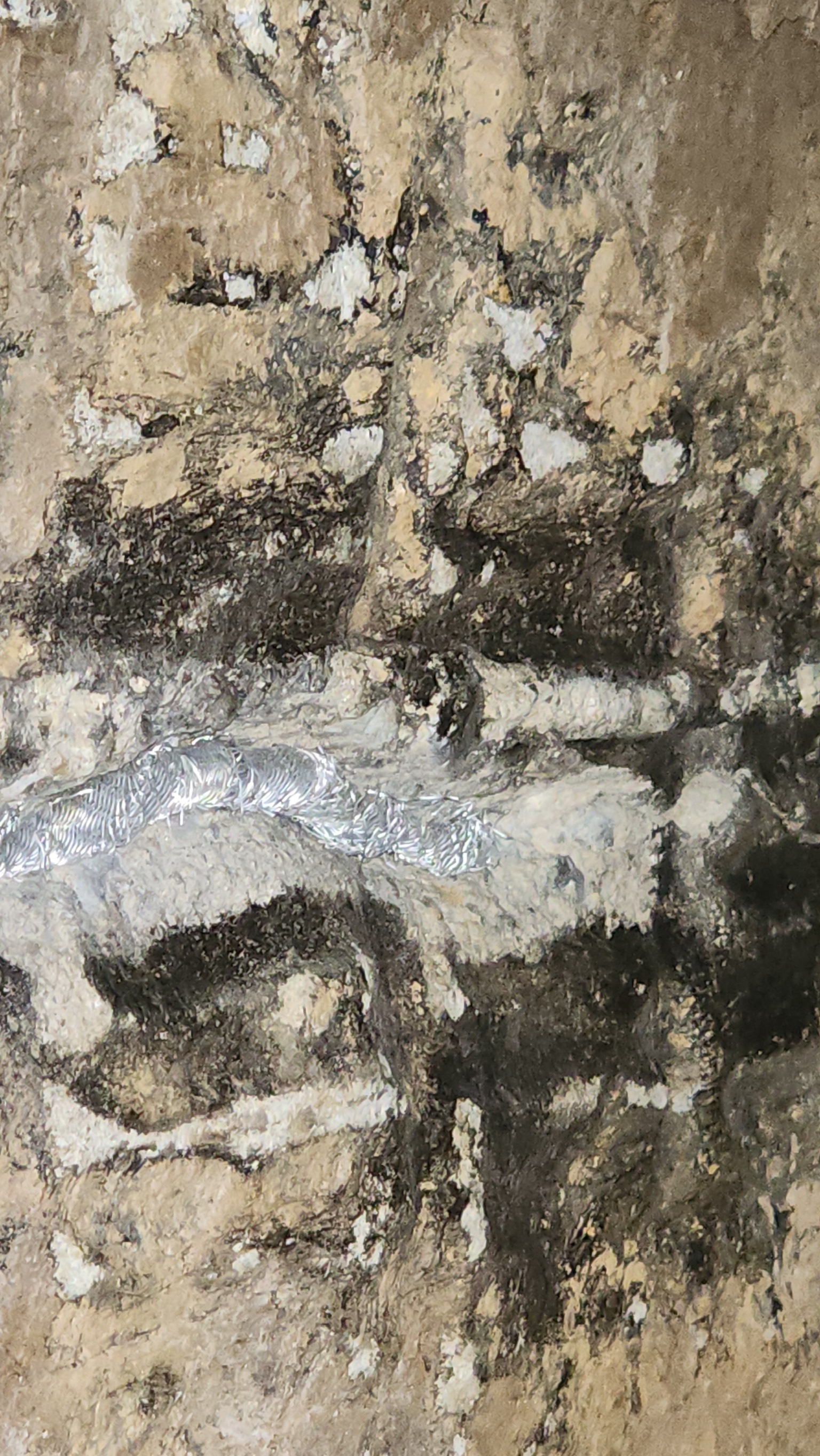
Reinforcement & Repointing
Structural reinforcement addresses the cause first, then brick and mortar repair restores the wall's appearance and integrity.
Photos From the Field
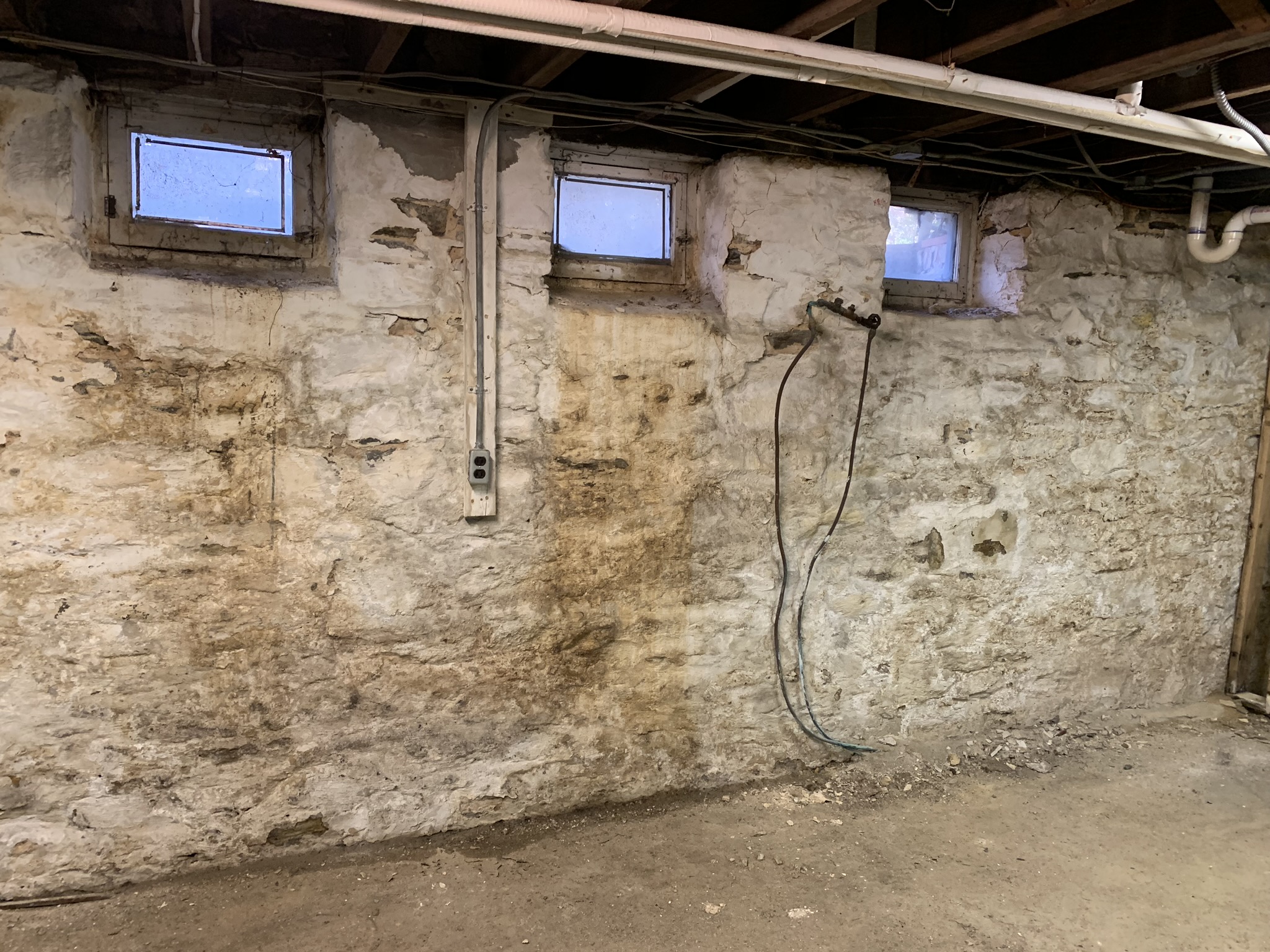
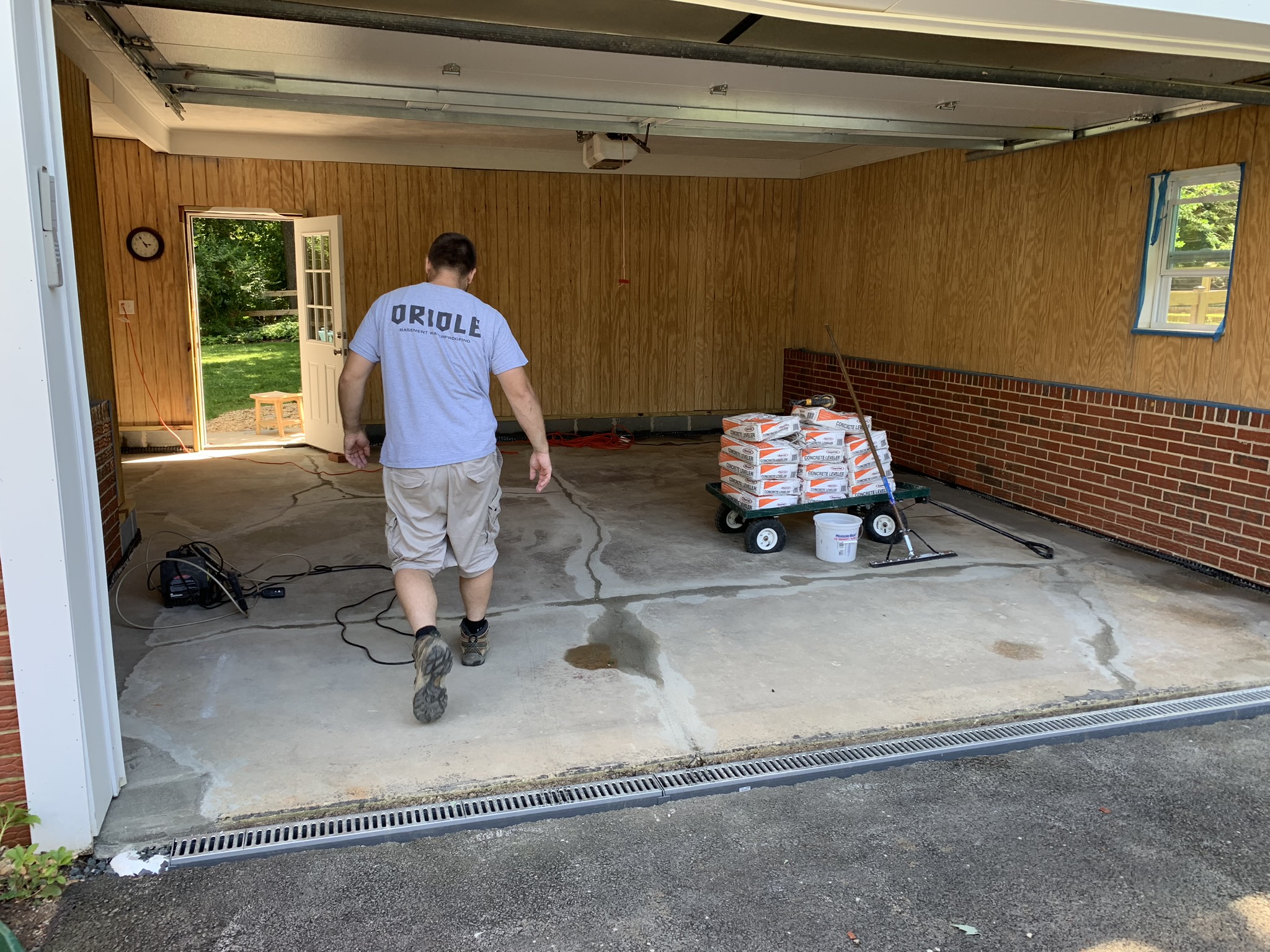
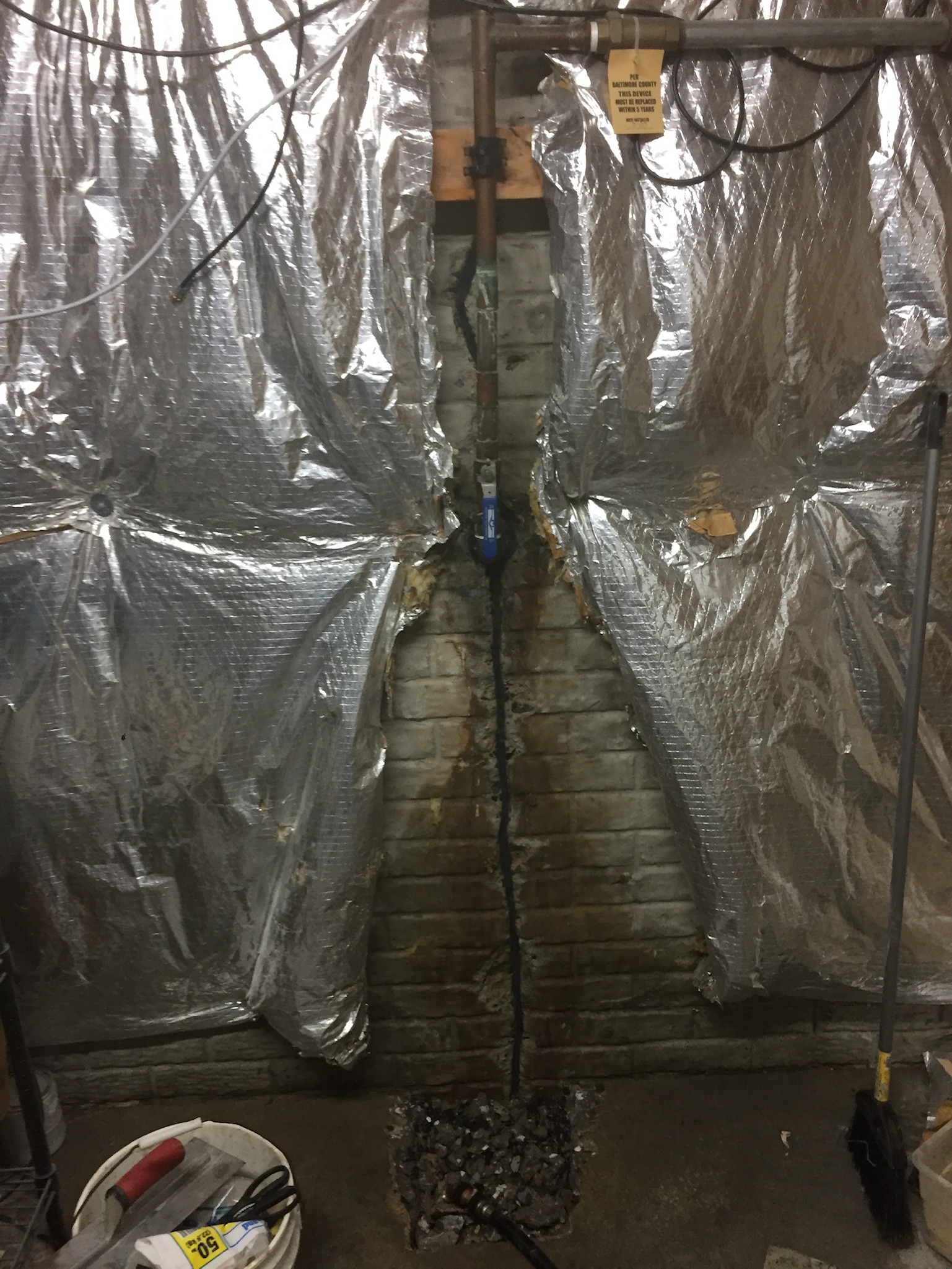
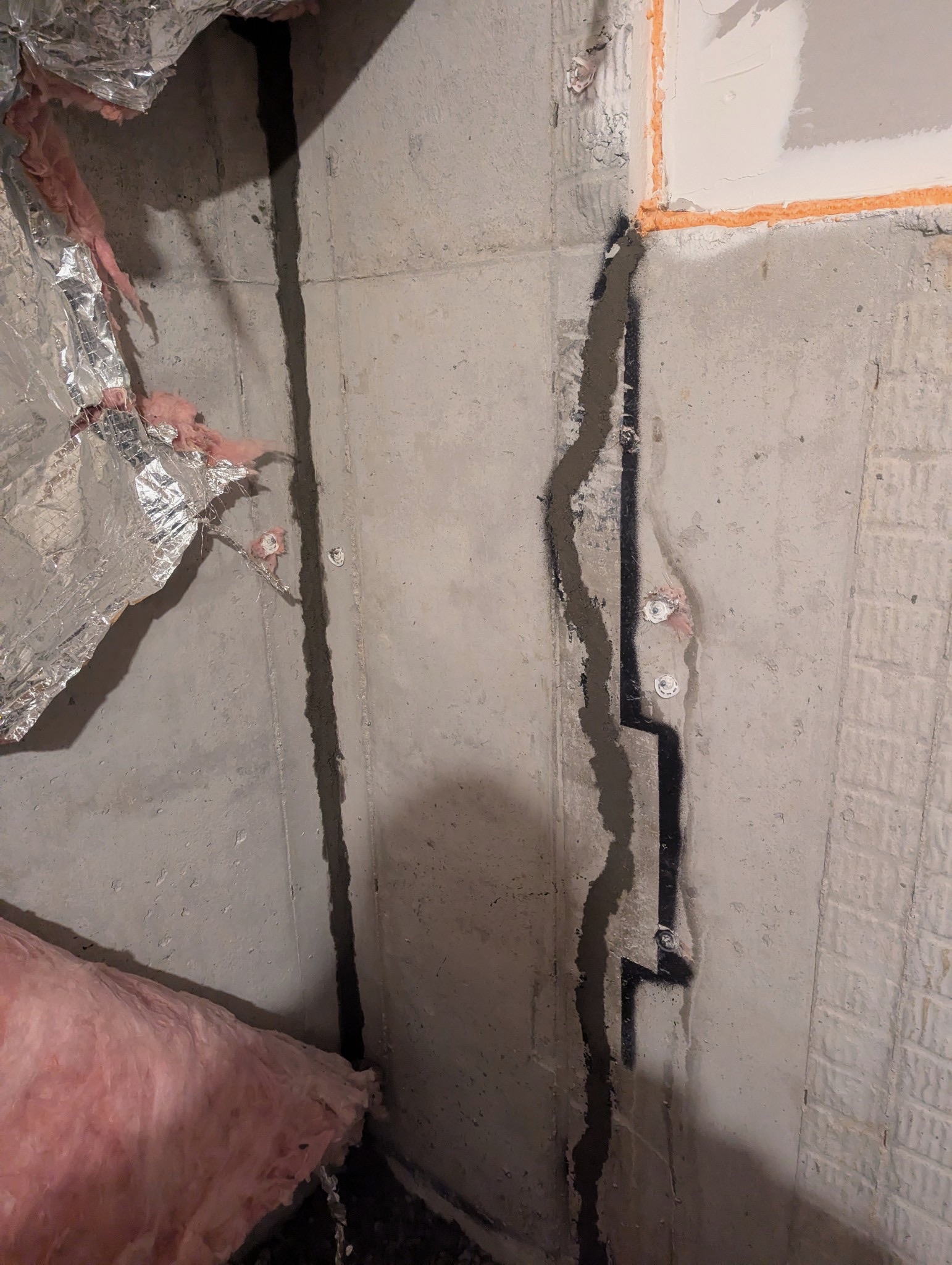
Job Site Photos
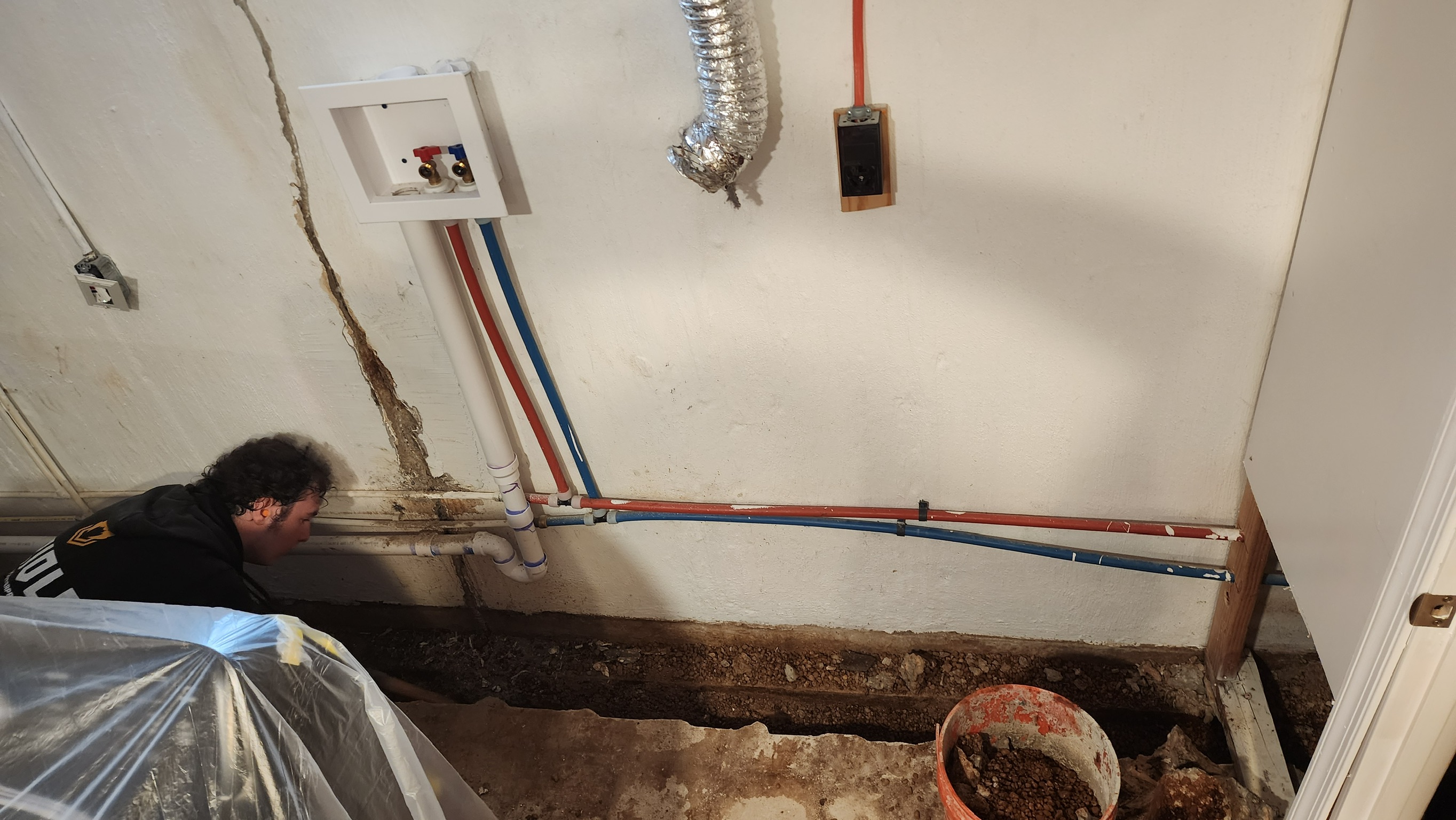
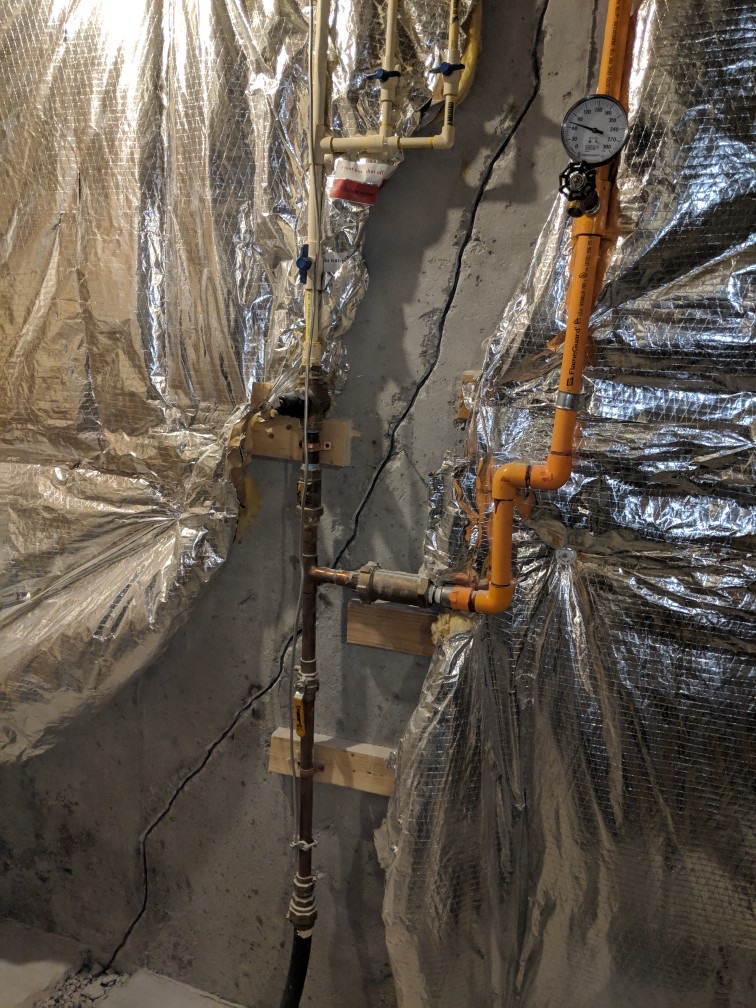
A closer look at the equipment, materials, and job site conditions involved in this kind of work.
Straight Answers
Cracked Brick Questions from
Maryland Homeowners
Call (410) 879-3360 if bricks on your home are cracking or spalling. We'll check whether it's veneer or structural.
Is a crack through the brick itself worse than a crack in the mortar joints?
Generally, yes. Mortar is the intentionally weaker material in a brick wall, so most settlement cracking travels through the joints first, producing the stair step pattern common in Maryland masonry. When the bricks themselves start cracking or spalling, the face of the brick flaking or crumbling away, the wall has typically been under stress for longer, or the stress is more concentrated, than a joint crack alone would suggest.
Freeze and thaw cycling makes it worse. Water that has worked into a stressed brick expands as it freezes, and repeated cycles can fracture a brick that was already compromised by structural load.
Does it matter whether the cracked brick is structural or just a veneer?
It changes what the crack is telling you. Many Maryland homes use brick as a veneer, a single decorative layer in front of the actual structural wall, rather than as the load bearing wall itself. Cracked bricks in a veneer usually mean the structural wall behind it is under lateral or settlement stress and the veneer is showing the strain, similar to bowing wall symptoms. Cracked bricks in a structural masonry foundation wall are a more direct sign that the wall itself is compromised.
How does OBW tell whether it's veneer or structural masonry?
OBW's free inspection identifies which situation applies to your home before recommending a repair. That usually means checking whether there's an air gap and structural wall behind the brick, or whether the brick is the load bearing wall itself, and assessing the condition and movement of whatever's behind or beneath it.
Can I just repoint or replace the cracked bricks?
You can, and it will look better temporarily, but repointing or replacing cracked brick without addressing what stressed it in the first place is a cosmetic fix that doesn't last. If the cause is foundation settlement, stabilization comes first. If the cause is lateral pressure bowing the wall behind the veneer, carbon fiber reinforcement or wall anchors address that before any brick or mortar work is redone.
How urgent is a cracked brick compared to a cracked mortar joint?
More urgent, generally, since it represents a later or more concentrated stage of the same underlying stress. That said, urgency also depends on whether the crack is stable or actively widening, and whether there are other signs nearby, bowing, spalling, or displacement. A free inspection assesses the actual condition rather than assuming based on the crack type alone. Backed by a written workmanship guarantee, terms vary by service, ask your inspector.
Why Oriole
Why Maryland Homeowners Trust
OBW with Cracked Bricks
We Fix the Cause Before the Cosmetics
Repointing cracked brick without addressing the structural stress behind it is a fix that doesn't last. OBW addresses the cause first.
Maryland Masonry Experience
Historic brick and stone construction across Baltimore and Harford County calls for specific diagnostic experience. OBW has assessed both veneer and structural masonry across every county we serve.
No Subcontracting
OBW's own crew handles diagnosis, structural reinforcement, and repair, in house, start to finish.
Family-Owned Since 1953
Founded by Frank Pirog Sr. in 1953. Amber Pirog leads the company today. Written workmanship guarantee on every repair.
Reviews
What Our Maryland Neighbors Say
Freeze-Thaw Doesn't Skip a Winter.
Getting Started on Your
Masonry Assessment
A stressed brick fractures a little more with every freeze-thaw cycle until the underlying stress is addressed.
Free Inspection
OBW checks whether the brick is veneer or structural masonry, and assesses the stress behind the cracking. Free, no obligation.
Written Diagnosis & Quote
You receive a written quote specifying reinforcement and masonry repair, before any work is scheduled.
Reinforcement & Repointing
OBW's crew addresses the structural cause, then restores the brick or mortar. Written workmanship guarantee issued upon completion.
Bricks Cracking or Crumbling on Your Home?
Free inspection. We check whether it's veneer or structural before recommending a fix.
Family-owned since 1953 · MHIC #4247 · Written Workmanship Guarantee