
The First Material to Show It
Drywall Cracks
in Your
Maryland Home
Drywall is rigid and brittle compared to the framing behind it, so it's often the first material to show a crack.
Most drywall cracks are harmless seasonal movement. Some are the earliest visible evidence of a foundation problem. OBW checks the pattern, angle, and location before telling you which one you're looking at.

Cosmetic Cracking vs. Structural Cracking
How to Tell the Two
Types of Crack Apart
Hairline cracks along a taped drywall seam, especially where two sheets meet or where tape has aged, are usually just the house's normal seasonal expansion and contraction, humidity swings and temperature changes flexing the framing slightly. These cracks tend to be thin, run along a straight seam line, and stay roughly the same over time.
A structural crack behaves differently. It often runs at a diagonal rather than along a seam, tends to widen rather than stay static, and shows up alongside other signs, sticking doors, sloping floors, or cracks visible in the foundation itself.
Foundation movement that can travel through framing and show up first as a drywall crack upstairs
Where the Crack Shows Up Matters
Warning Signs a Drywall Crack
Is Foundation Related
Cracks in the middle of a wall or ceiling, away from any corner or opening, are more often cosmetic. Cracks radiating from corners are a different, more diagnostic pattern.
- A crack radiating diagonally from the corner of a door frame, window frame, or ceiling-wall junction
- Multiple cracks appearing across the house around the same time
- A crack that keeps returning after being patched
- A crack appearing alongside a door that's started sticking or a floor that feels off level
- Cracks visible in the foundation itself on the same side of the house
What's Included
OBW's Drywall Crack
Diagnosis
We won't scope a structural repair for a hairline seam crack that's simply seasonal movement.
Crack Pattern & Angle Assessment
We check whether the crack follows a taped seam or cuts diagonally across the drywall, the first split between cosmetic and structural.
Location Mapping
Cracks radiating from door frames, window frames, or ceiling-wall junctions are treated as more diagnostic than mid-wall cracks.
House-Wide Pattern Check
Sticking doors, sloping floors, and foundation cracks are checked alongside the drywall crack, since the combination confirms the cause.
Recurrence Check
Cracks that keep returning after patching are treated as an active sign, not a one-time cosmetic event.
Foundation Settlement Diagnosis
Where structural, the pattern is traced to the specific foundation section responsible before recommending a repair.
Written Workmanship Guarantee
Structural repair work is backed by a written workmanship guarantee. Ask your inspector for the terms that apply to your job.
The Process
How OBW Diagnoses
a Drywall Crack
Check the pattern and angle. Map the location. Confirm the house-wide picture before recommending anything.
Crack Pattern Assessment
OBW checks whether the crack follows a taped seam or runs diagonally, and whether it's widened since it first appeared.
Location & Corner Check
The crack's location relative to door frames, window frames, and ceiling-wall junctions is mapped, since that changes how diagnostic it is.
House-Wide Symptom Check
Other signs, sticking doors, sloping floors, or foundation cracks, are checked to confirm whether settlement is the cause.

Diagnosis & Written Quote
Where the crack is structural, a written quote specifying the settlement location and repair scope, before any work is scheduled.
Photos From the Field
Job Site Photos
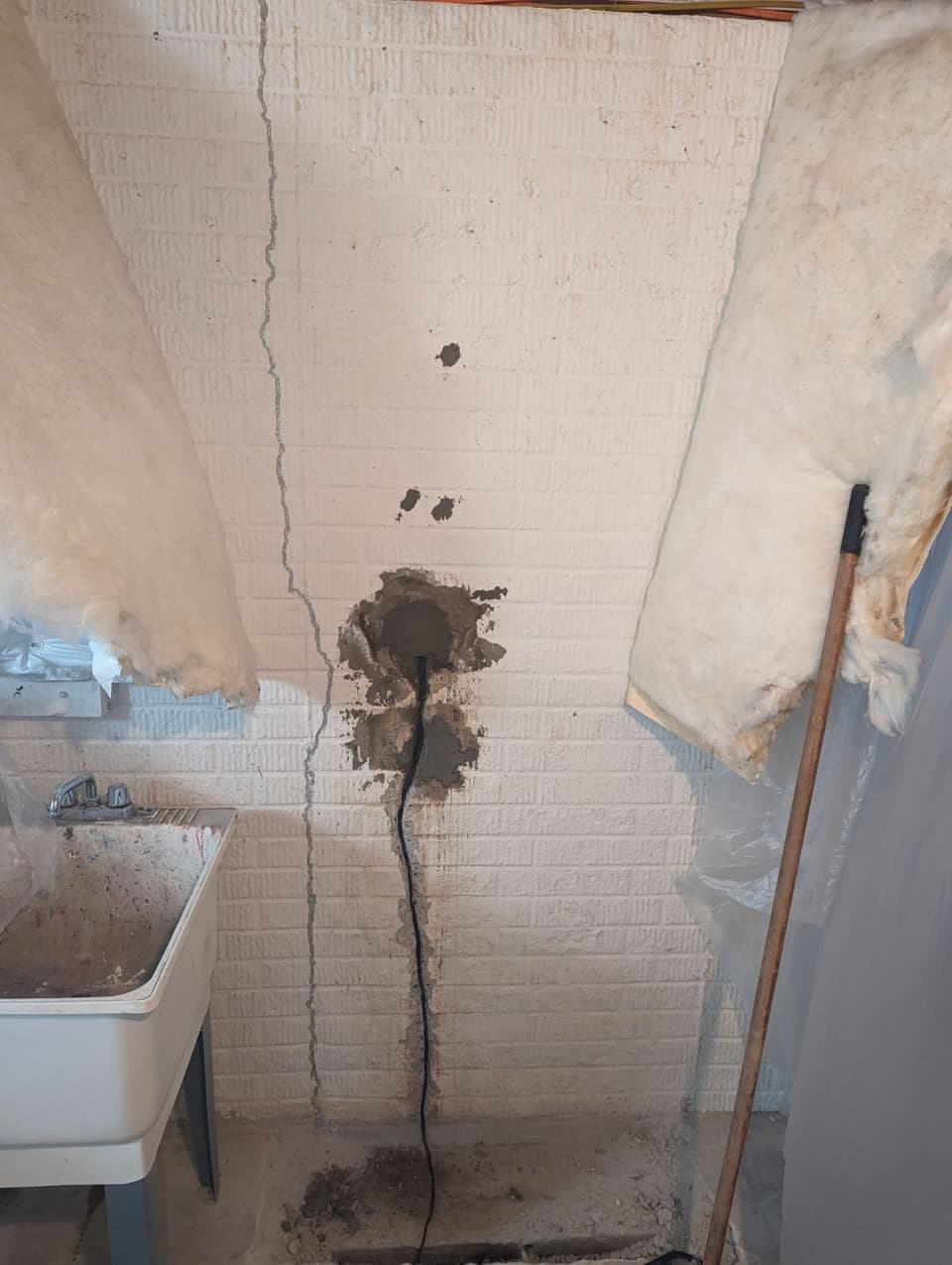
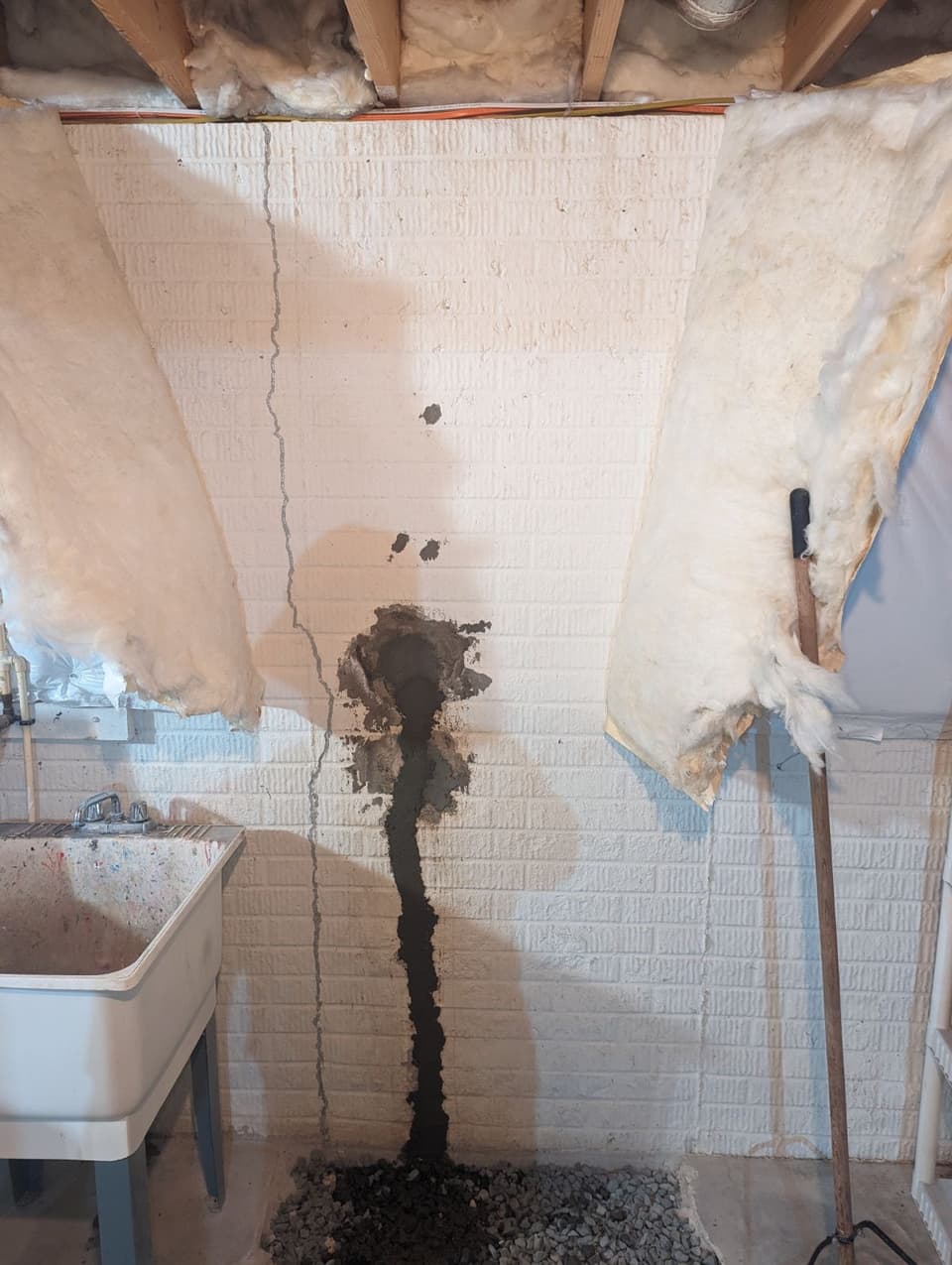
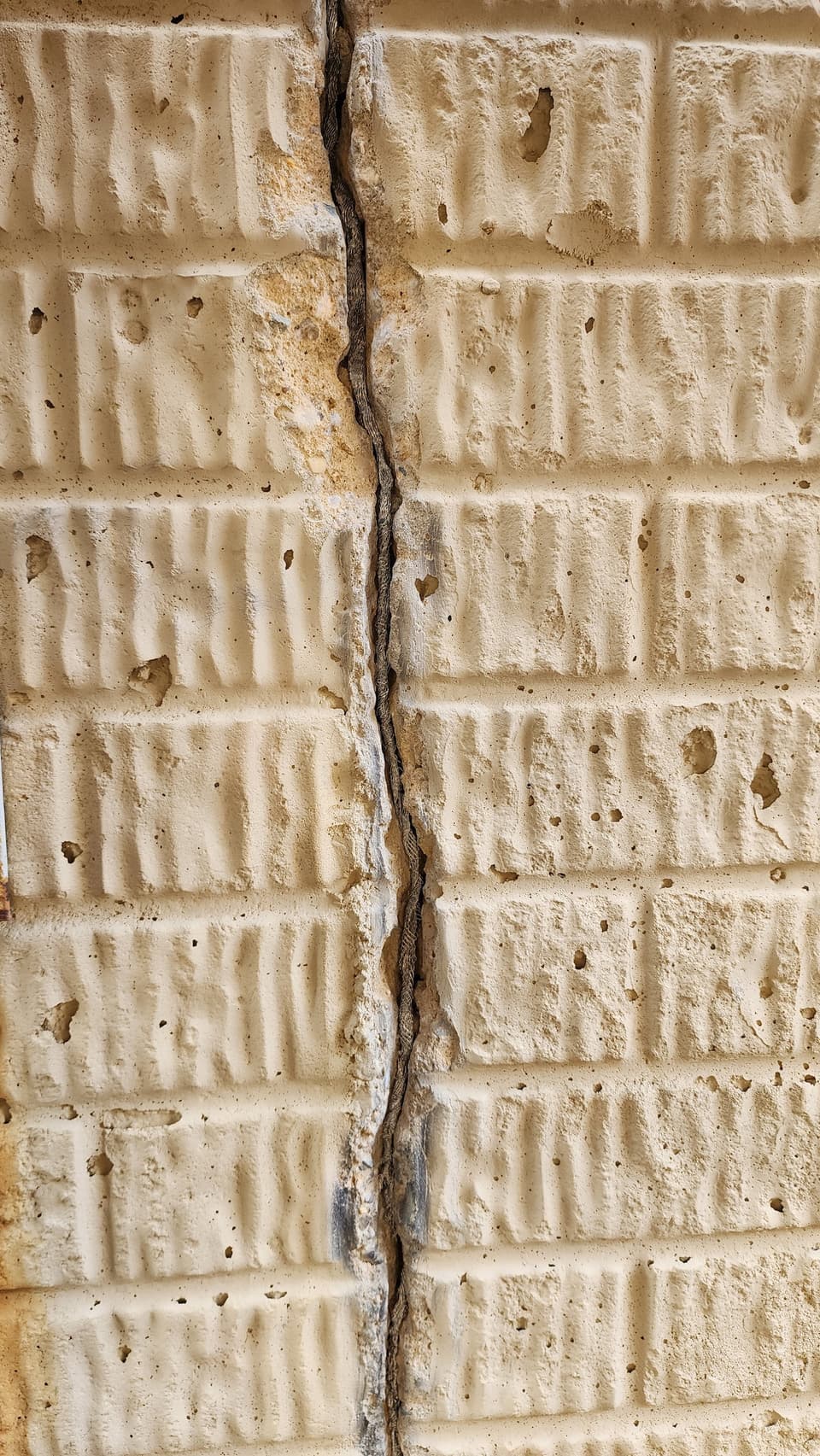
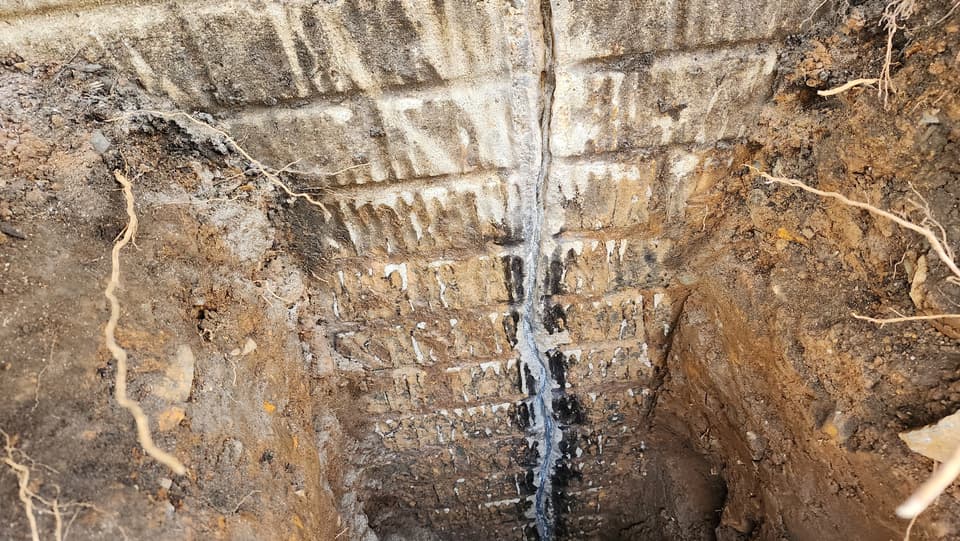
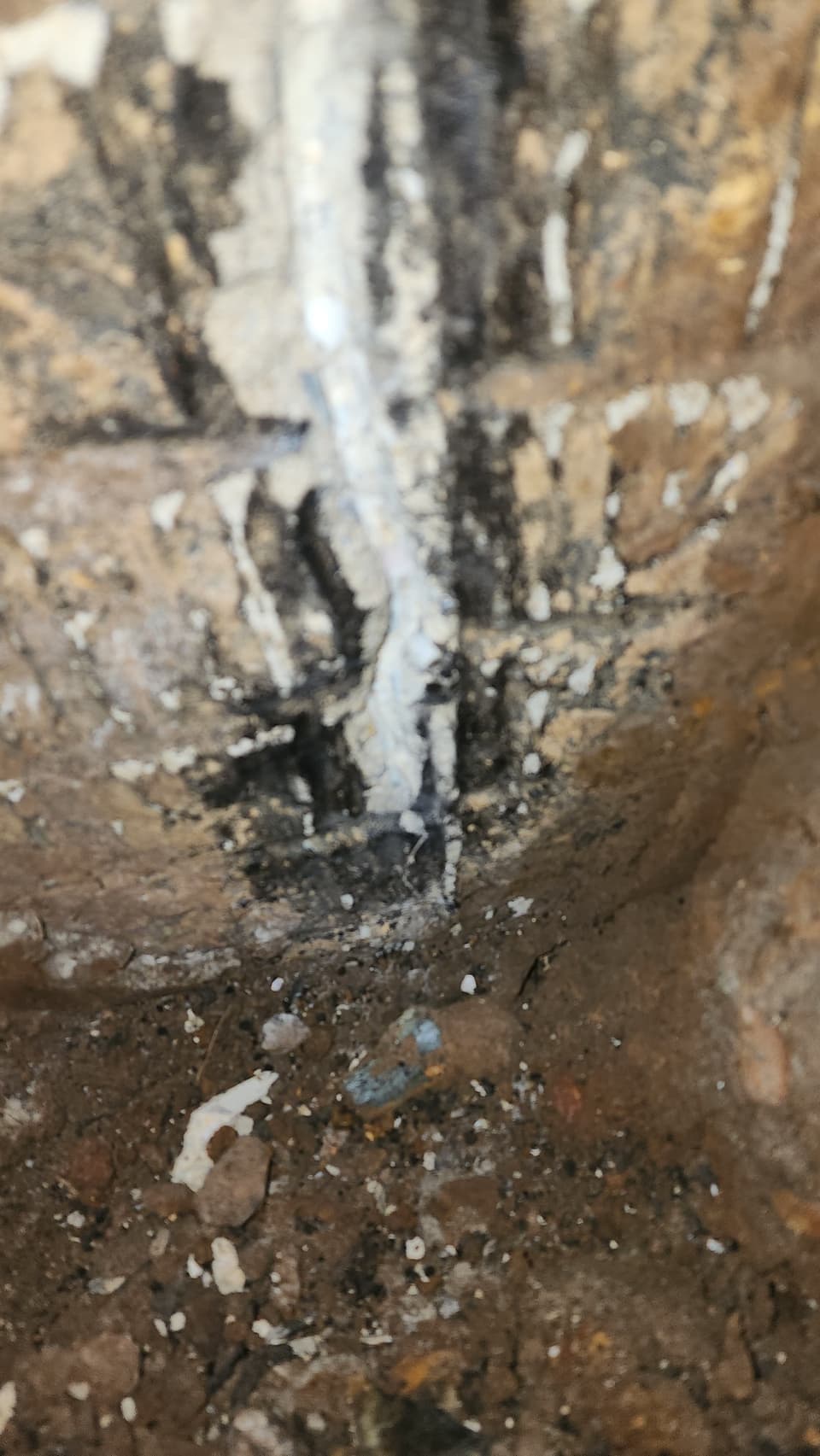
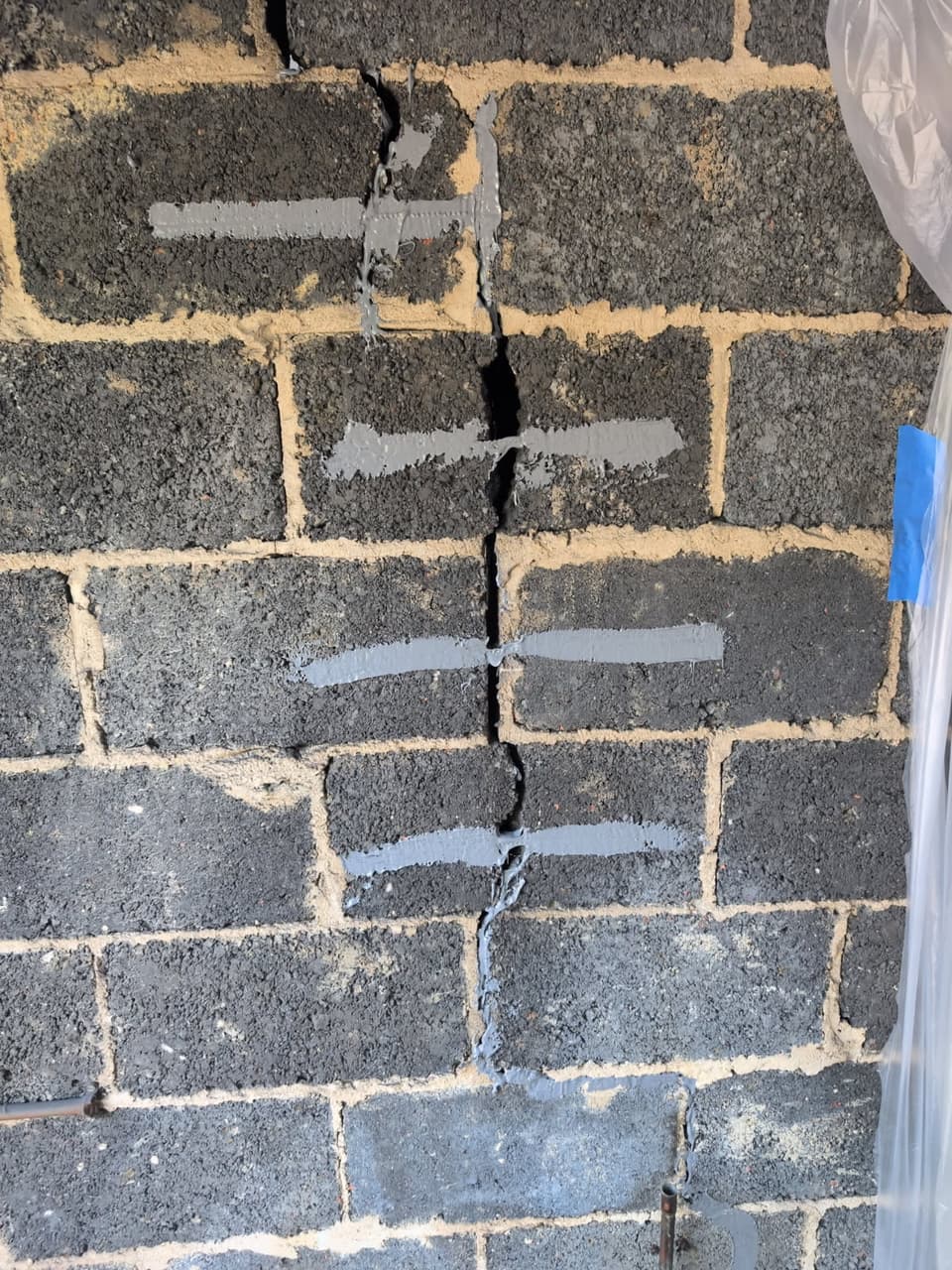
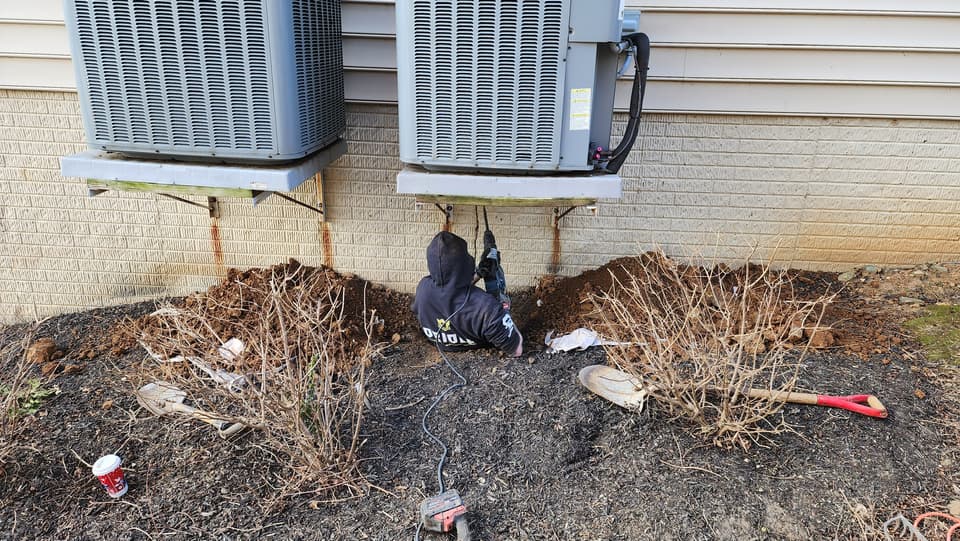
A closer look at the equipment, materials, and job site conditions involved in this kind of work.


Straight Answers
Drywall Crack Questions from
Maryland Homeowners
Call (410) 879-3360 if a drywall crack keeps coming back or shows up with other symptoms. We'll check the whole pattern.
Why does drywall crack before other parts of my house show a problem?
Drywall is rigid and brittle compared to the wood framing behind it, so it's often the first material in the house to show a crack when something beneath it shifts. Most drywall cracks are harmless seasonal movement. Some are the earliest visible evidence of a foundation problem, and telling the two apart comes down to how the crack looks and where it shows up.
Hairline cracks along a taped drywall seam, especially where two sheets meet or where tape has aged, are usually just the house's normal seasonal expansion and contraction, humidity swings and temperature changes flexing the framing slightly. These cracks tend to be thin, run along a straight seam line, and stay roughly the same over time.
What does a structural drywall crack actually look like?
A structural crack behaves differently from a cosmetic one. It often runs at a diagonal rather than along a seam, tends to widen rather than stay static, and shows up alongside other signs, sticking doors, sloping floors, or cracks visible in the foundation itself. If you're seeing a crack that cuts across the drywall at an angle rather than following the taped seam, that's worth a closer look.
Does it matter where on the wall or ceiling the crack is?
Yes. Cracks in the middle of a wall or ceiling, away from any corner or opening, are more often cosmetic. Cracks radiating diagonally from the corners of door frames, window frames, or where a ceiling meets a wall are a specific, more diagnostic pattern. If you're seeing that corner-radiating pattern rather than a simple seam crack, it's worth a closer look sooner rather than later.
Is one hairline crack worth calling OBW about?
Generally not on its own. A single hairline seam crack usually isn't worth a service call. Multiple cracks appearing around the same time, cracks that keep coming back after being patched, or cracks paired with a door that's started sticking or a floor that feels off level, point toward foundation settlement underneath, and that combination is worth a free inspection.
What does OBW actually check when a drywall crack might be structural?
OBW's free inspection looks at the whole pattern across the house, not just the one crack you noticed, and tells you honestly whether it's foundation related. We check the crack's angle and location, whether it's widening, and whether related signs, doors, windows, floors, or foundation cracks, are showing up at the same time. Backed by a written workmanship guarantee, terms vary by service, ask your inspector.
Why Oriole
Why Maryland Homeowners Trust
OBW with Drywall Cracks
We Read the Whole Pattern
One drywall crack rarely tells the full story. OBW checks the house-wide pattern before deciding whether it's cosmetic or structural.
Honest About What's Cosmetic
We won't scope a structural repair for a hairline seam crack that's simply seasonal movement. We tell you plainly when it's nothing to worry about.
No Subcontracting
OBW's own crew handles diagnosis and structural repair, in house, start to finish.
Family-Owned Since 1953
Founded by Frank Pirog Sr. in 1953. Amber Pirog leads the company today. Written workmanship guarantee on every repair.
Reviews
What Our Maryland Neighbors Say
Patching Doesn't Stop the Cause.
Getting Started on Your
Drywall Crack Diagnosis
A crack that keeps returning after every patch is telling you the wall behind it is still moving.
Free Inspection
OBW checks the crack's pattern, angle, and location, plus the house-wide picture. Free, no obligation.
Honest Diagnosis
You get a straight answer on whether it's cosmetic or structural, with a written quote if structural repair is warranted.
Repair & Verification
Where structural, OBW's crew addresses the settlement causing it. Written workmanship guarantee issued upon completion.
Drywall Crack That Keeps Coming Back?
Free inspection. We tell you honestly whether it's cosmetic or structural.
Family-owned since 1953 · MHIC #4247 · Written Workmanship Guarantee