
The Earliest Sign, Before Doors Stick
Cracks at Door
Frames, Ceilings,
and Corners
Of all the drywall cracks a house can develop, these are among the most reliable early indicators of foundation movement.
Cracks that radiate diagonally from a door frame corner, a window frame corner, or the point where a wall meets the ceiling are often visible before a door ever starts sticking. OBW maps every corner in the house to catch settlement at this earliest stage.

Where Stress Concentrates First
Why Corners Crack
Before Anything Else
A door or window opening is a structural weak point in a wall, the framing is interrupted, and stress concentrates at the corners of that opening more than anywhere else in the wall. When the wall shifts because of foundation movement, the drywall at those corners is the first thing to give, cracking in a diagonal line that runs from the corner up and out at roughly a consistent angle. The same concentration happens where a ceiling meets a wall, another point where two rigid surfaces meet at a fixed angle that has to flex if the structure beneath it moves.
It often shows up before the door or window itself develops a visible gap around the frame or starts sticking, since drywall is more rigid and cracks sooner than the wood framing distorts.
Foundation movement that reaches the surface first at door, window, and ceiling corners inside the home
Distinguishing This from Ordinary Drywall Cracking
Warning Signs This Corner
Pattern Is Foundation Related
A corner-anchored diagonal crack is a different signature from a flat seam crack, and OBW's inspectors treat it as a specific data point.
- A crack radiating diagonally from the corner of a door or window frame
- A crack running along or from the corner where a wall meets the ceiling
- Multiple corners showing this pattern in the same part of the house
- The crack appearing before any door or window has started binding or misaligning
- A crack that keeps returning at the same corner after being patched
What's Included
OBW's Corner Crack
Diagnosis & Repair
Catching settlement at this earliest stage generally means a smaller repair scope than waiting for later symptoms.
Corner Crack Mapping
Every door frame, window frame, and ceiling-wall corner in the house is checked for this specific diagonal pattern.
Angle & Consistency Measurement
We measure the angle the crack runs from the corner, which stays roughly consistent for a given settlement pattern.
Earliest-Stage Confirmation
We check whether related door and window symptoms have appeared yet, since this pattern often shows up first.
Foundation Settlement Diagnosis
The mapped corner pattern is traced to the specific foundation section responsible before recommending a repair.
Foundation Leveling
Where confirmed, structural repair addresses the settlement while the scope is still small, at this earliest stage.
Written Workmanship Guarantee
Structural repair work is backed by a written workmanship guarantee. Ask your inspector for the terms that apply to your job.
The Process
How OBW Diagnoses Corner
and Frame Cracking
Map every corner. Measure the angle. Confirm how early-stage the movement is before recommending a fix.
Corner Crack Mapping
OBW checks every door frame, window frame, and ceiling-wall corner in the house for the specific diagonal pattern.
Angle Measurement
The angle and consistency of each corner crack is measured and compared across the mapped locations.
Related Symptom Check
We check whether door and window symptoms have appeared yet, confirming how early-stage the settlement currently is.
Leveling Plan & Written Quote
A written quote specifying the structural repair for the identified settlement, scoped while movement is still early stage.
Photos From the Field
Job Site Photos
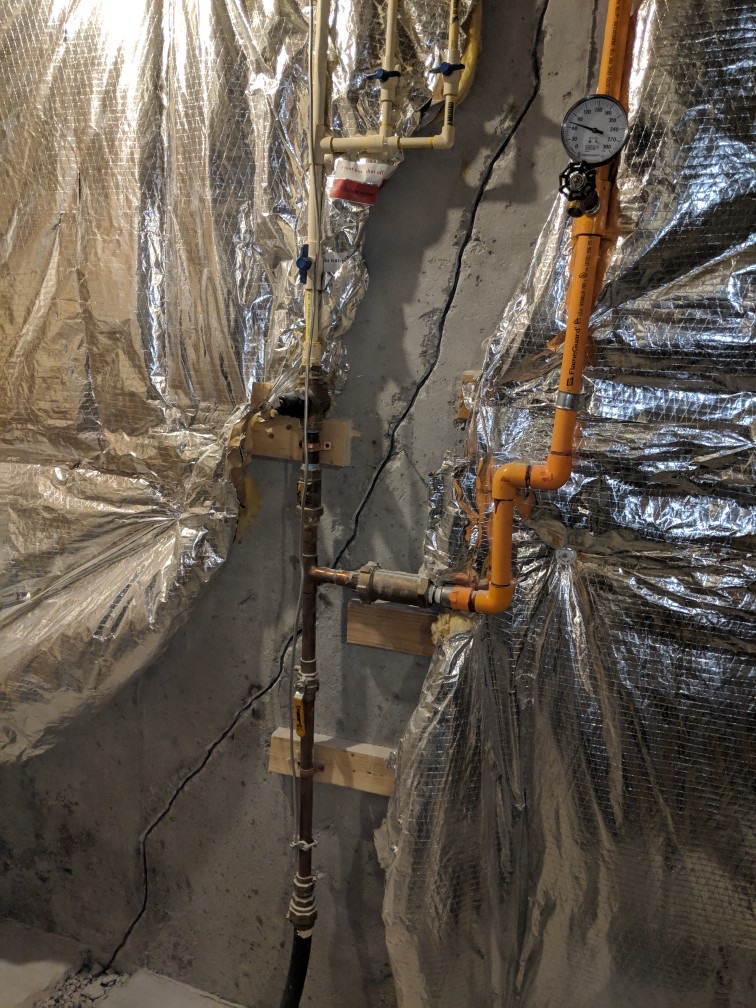
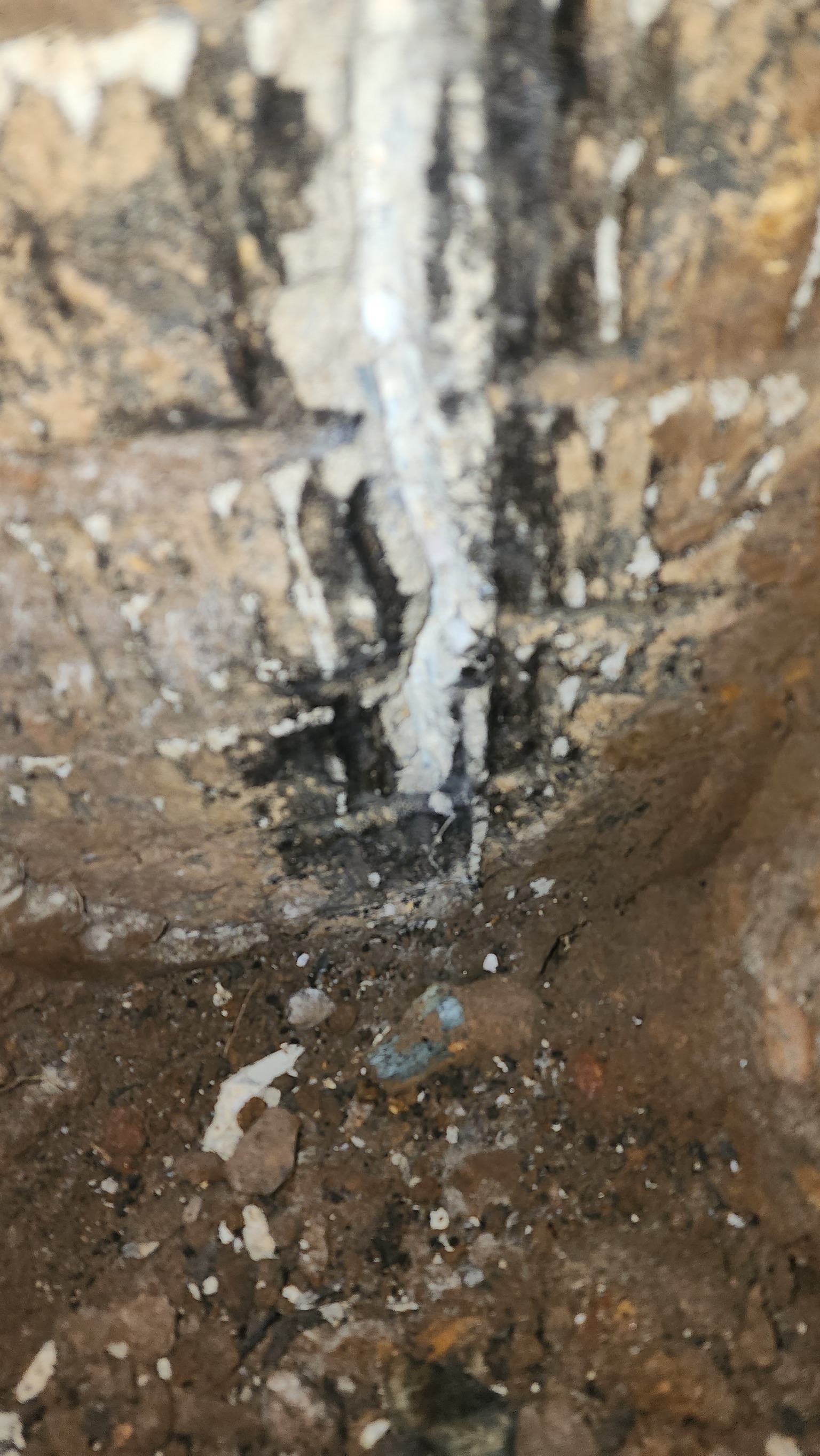
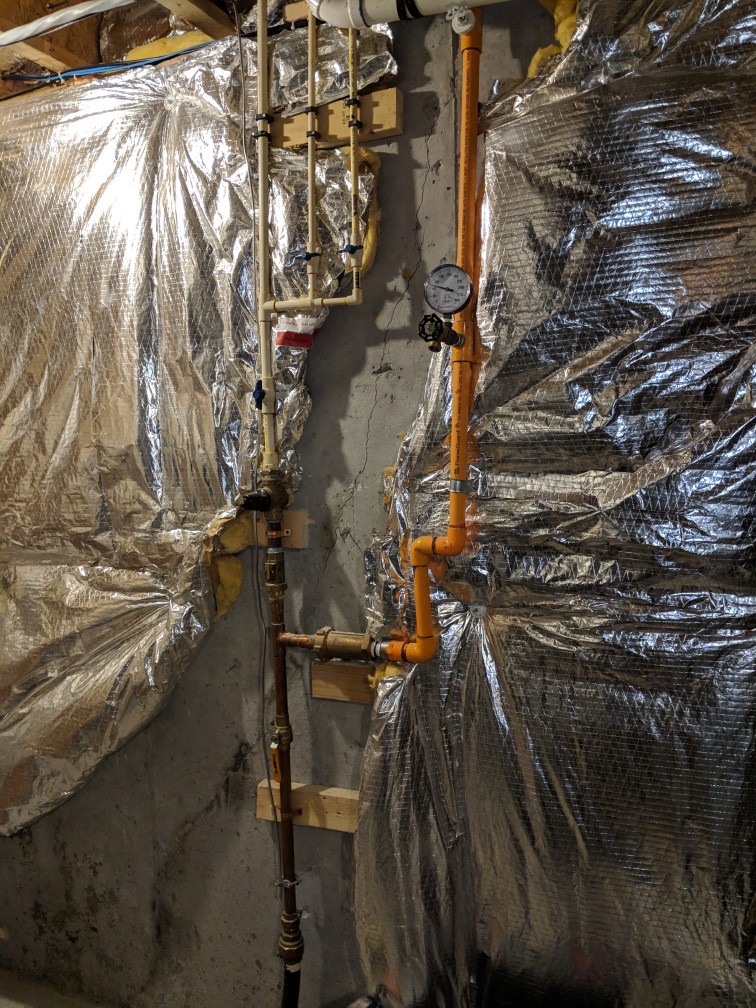
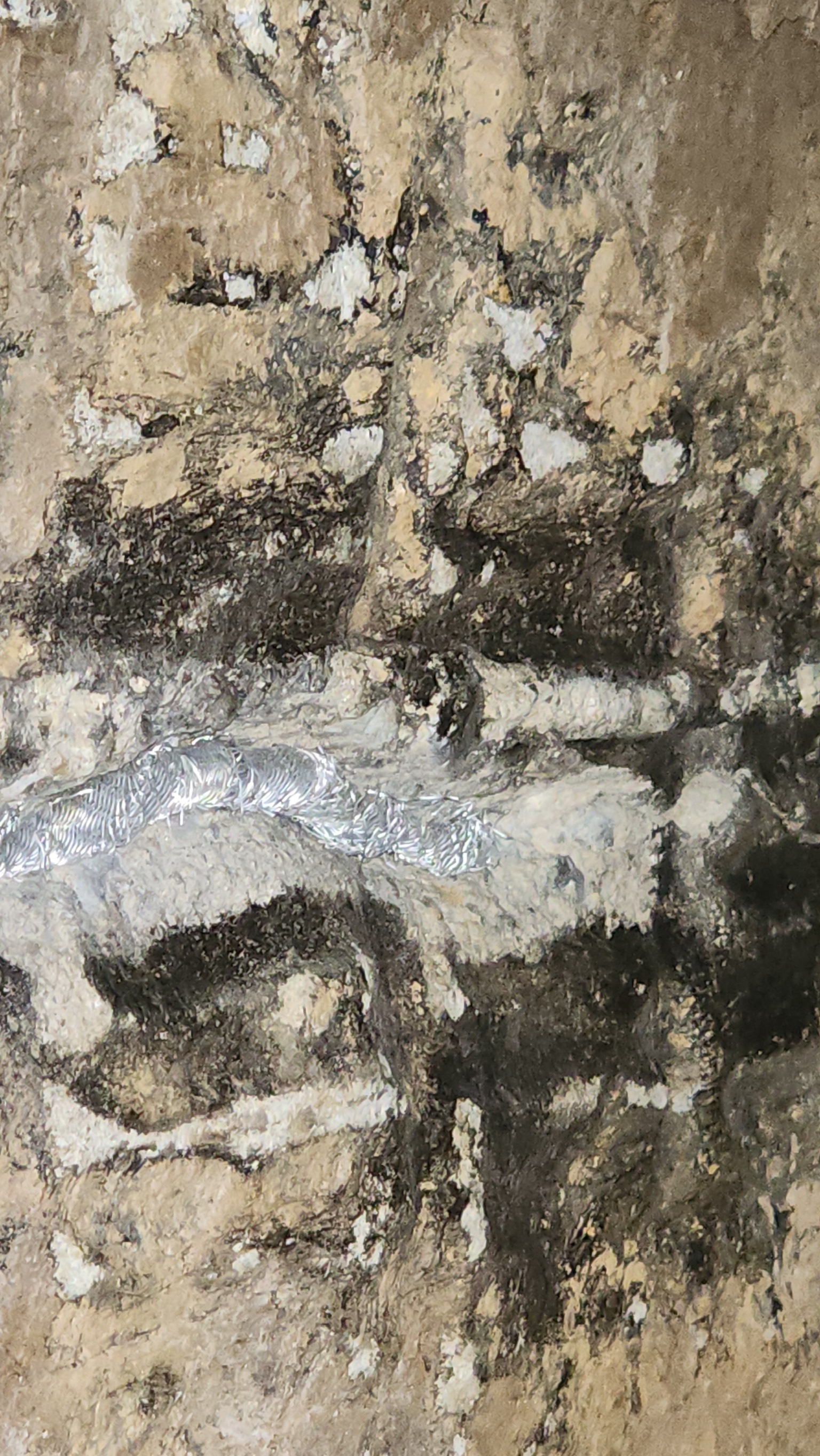
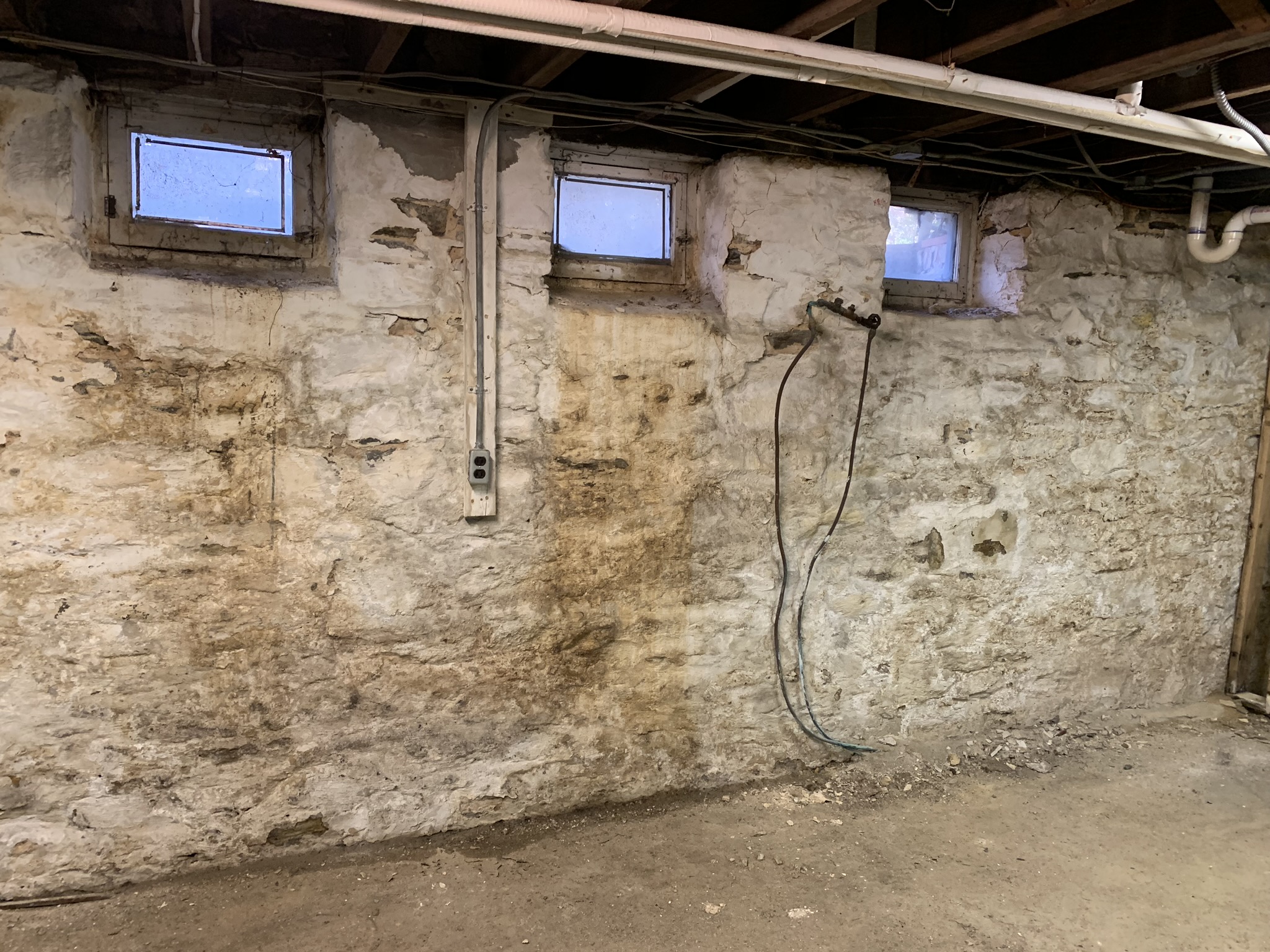
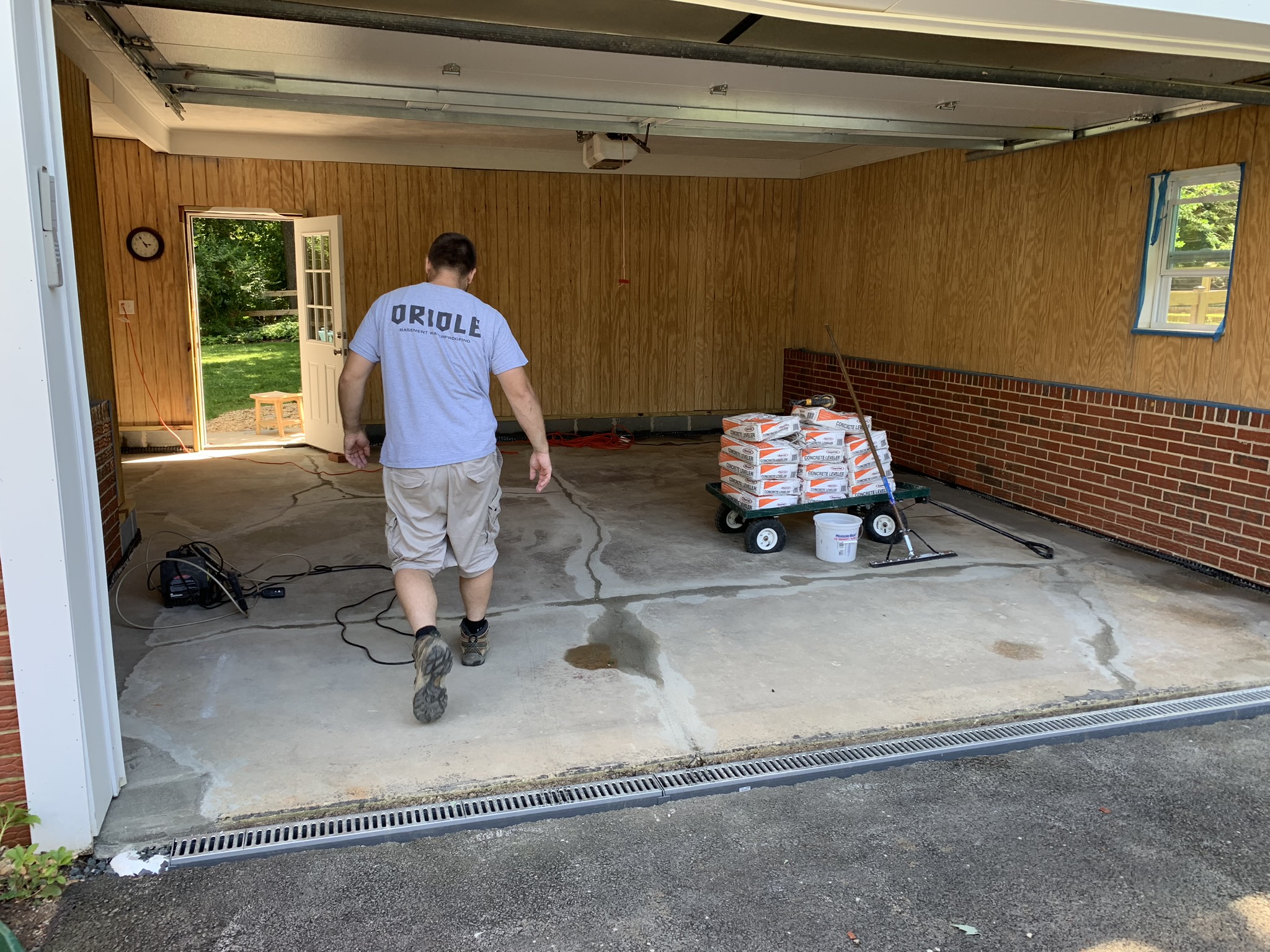
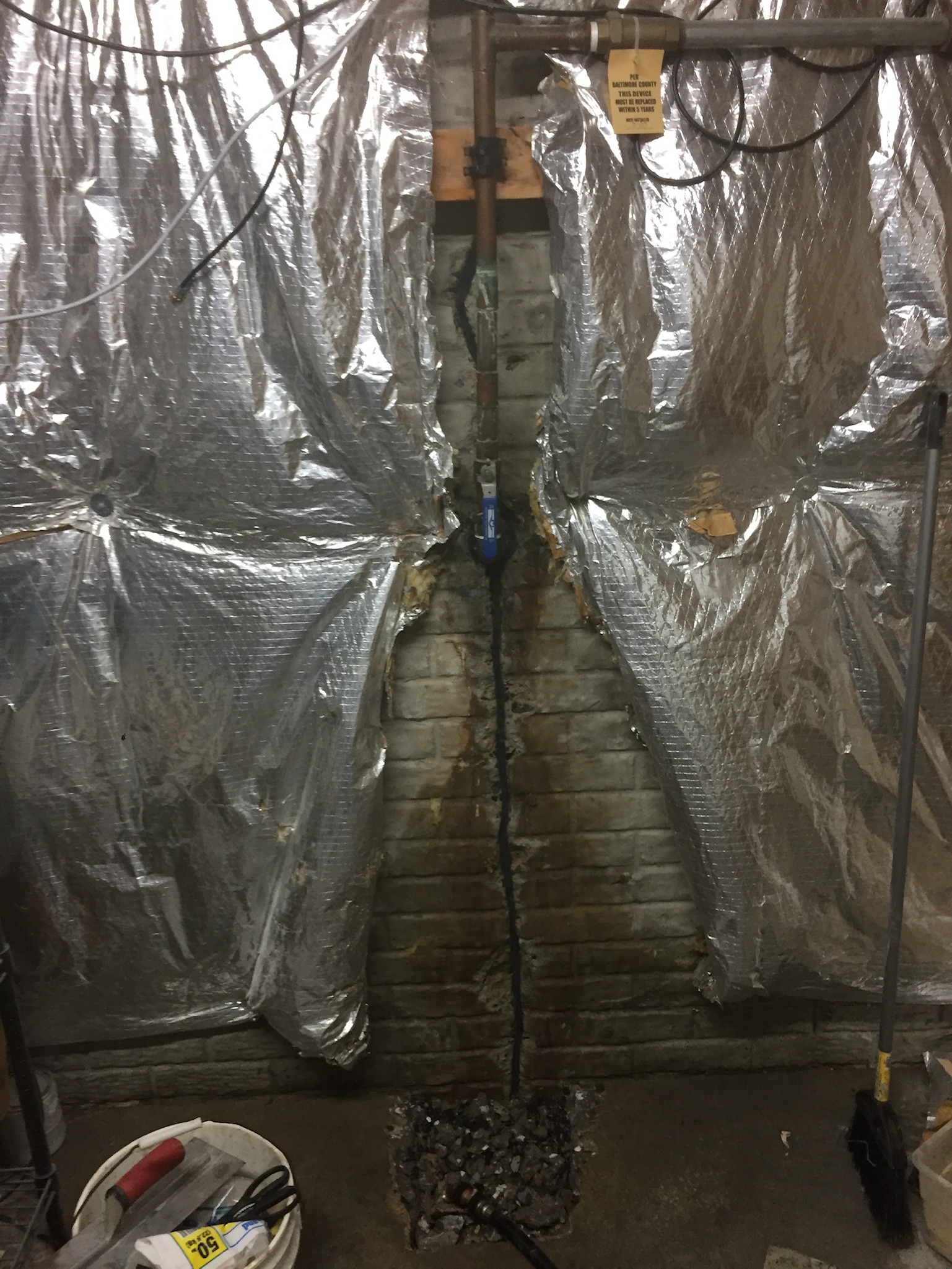
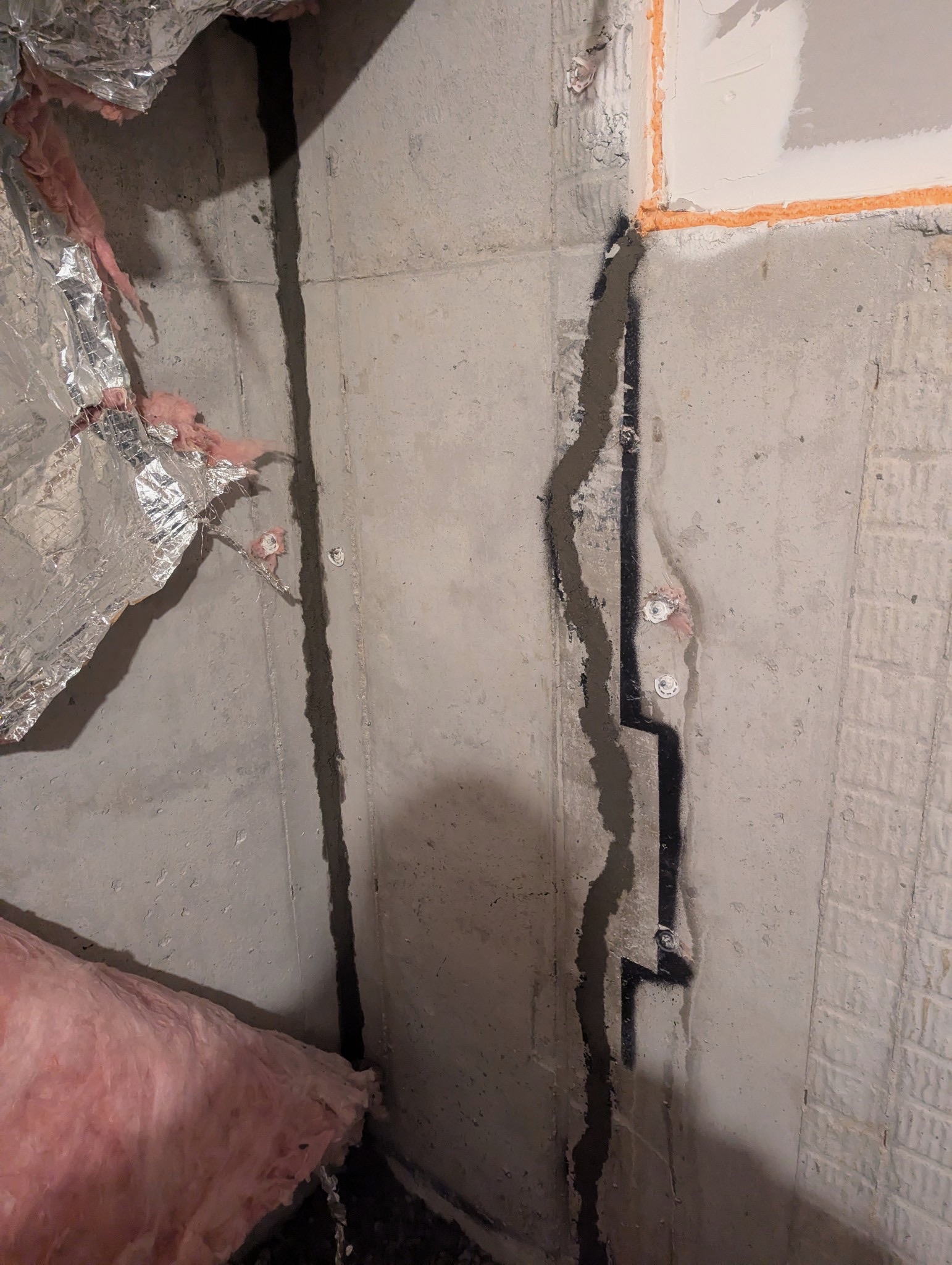
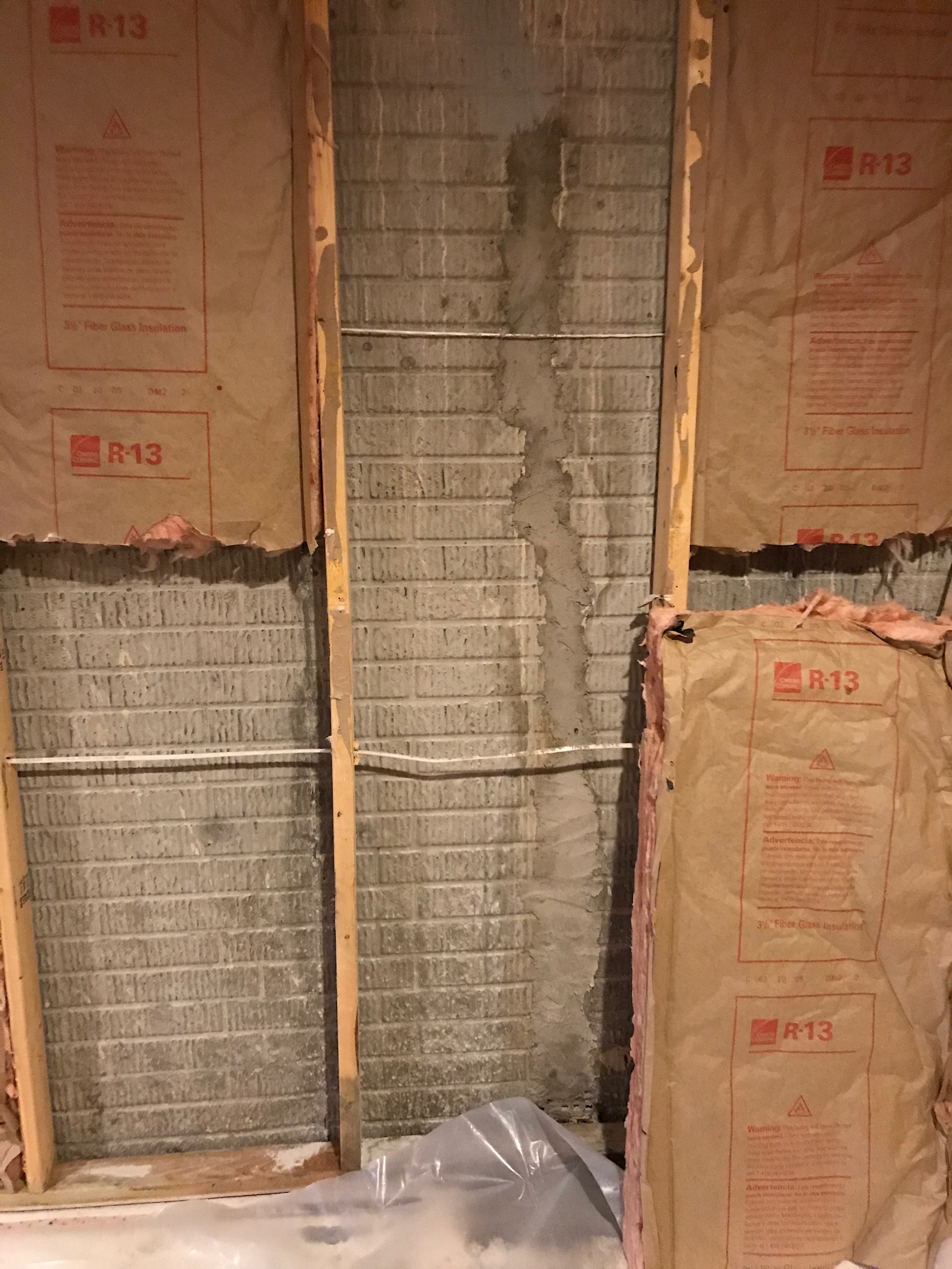
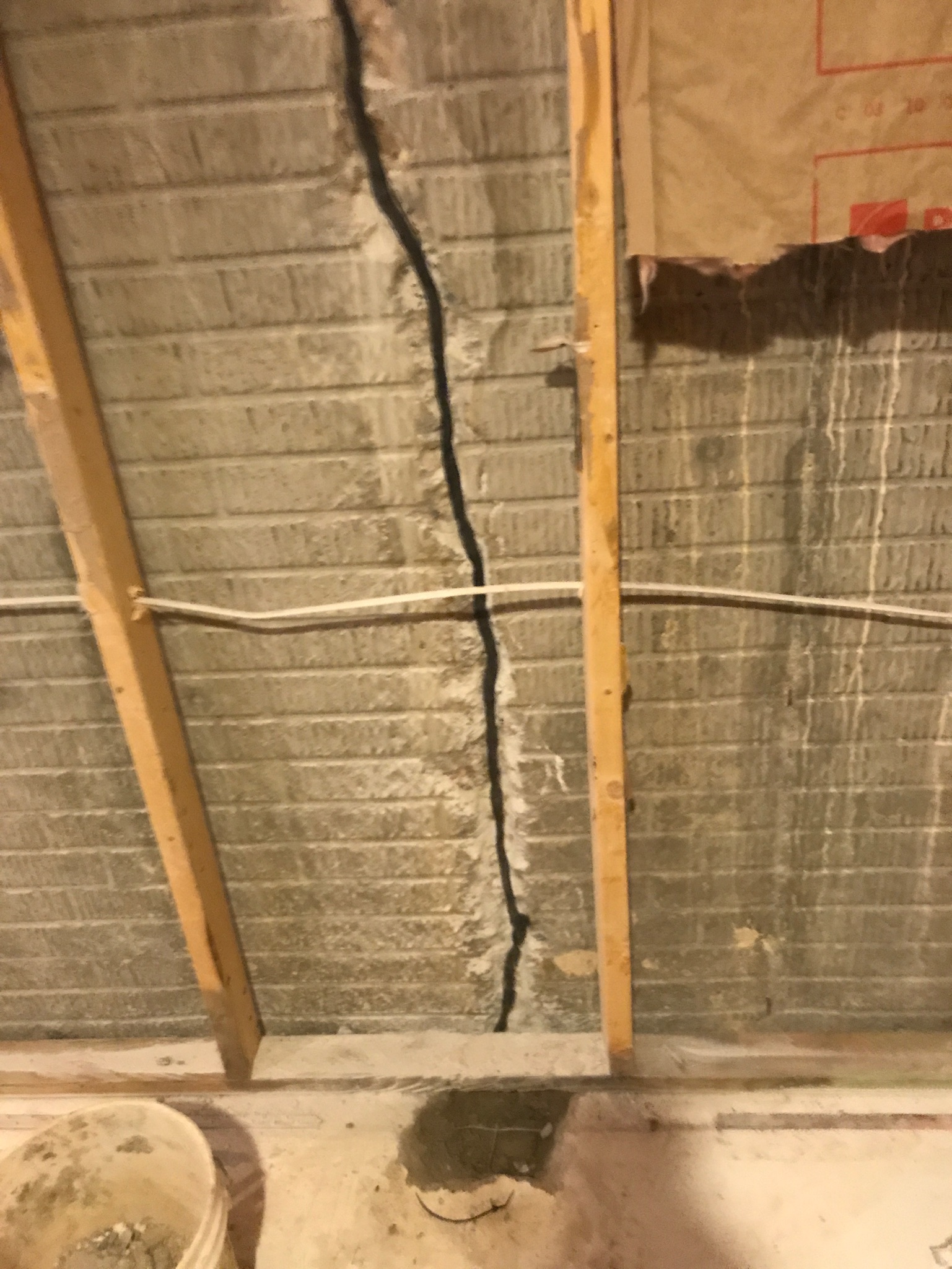
A closer look at the equipment, materials, and job site conditions involved in this kind of work.
Straight Answers
Corner Crack Questions from
Maryland Homeowners
Call (410) 879-3360 if you're seeing cracks radiate from a door, window, or ceiling corner. Catching it now keeps the fix small.
Why do cracks show up at door frame or ceiling corners before anywhere else?
A door or window opening is a structural weak point in a wall, the framing is interrupted, and stress concentrates at the corners of that opening more than anywhere else in the wall. When the wall shifts because of foundation movement, the drywall at those corners is the first thing to give, cracking in a diagonal line that runs from the corner up and out at roughly a consistent angle.
The same concentration happens where a ceiling meets a wall, another point where two rigid surfaces meet at a fixed angle that has to flex if the structure beneath it moves. Of all the drywall cracks a house can develop, these corner-radiating ones are among the most reliable early indicators of foundation movement.
How is this different from an ordinary drywall crack along a seam?
General drywall cracks along a flat seam in the middle of a wall are usually cosmetic, just seasonal expansion and contraction. A crack specifically anchored at a door, window, or ceiling corner and running diagonally away from it is a different signature, one OBW's inspectors treat as a specific data point rather than routine wear.
Does this crack show up before or after a door starts sticking?
Usually before. It often shows up before the door or window itself develops a visible gap around the frame or starts sticking, since drywall is more rigid and cracks sooner than the wood framing distorts. That makes this pattern one of the earliest visible signs available, ahead of the door and window symptoms this silo covers elsewhere.
Is one corner crack a big deal, or should I be watching for more?
A free OBW foundation inspection checks every corner showing this pattern across the house, since the locations that are cracking, and the ones that aren't, help map which section of the foundation has moved. One crack is a data point. The pattern across multiple corners is the fuller diagnosis.
What happens once OBW confirms this is foundation related?
This is typically an early sign of foundation settlement, caught before the more advanced symptoms develop, doors sticking, floors sloping, or foundation cracks appearing. Catching it at this stage generally means a smaller repair scope than waiting for those later signs. Backed by a written workmanship guarantee, terms vary by service, ask your inspector.
Why Oriole
Why Maryland Homeowners Trust
OBW with Corner Cracks
We Catch It Before the Door Sticks
Corner cracks often appear before any door or window symptom does. OBW's inspection catches settlement at its earliest visible stage.
House-Wide Corner Mapping
OBW checks every corner in the house, not just the one you noticed, since the pattern across corners is what locates the settlement.
No Subcontracting
OBW's own crew handles diagnosis and structural repair, in house, start to finish.
Family-Owned Since 1953
Founded by Frank Pirog Sr. in 1953. Amber Pirog leads the company today. Written workmanship guarantee on every repair.
Reviews
What Our Maryland Neighbors Say
The Earliest Sign Is the Cheapest to Act On.
Getting Started on Your
Corner Crack Assessment
Settlement caught at the corner-crack stage is a smaller repair than the same movement caught after doors and floors are affected too.
Free Inspection
OBW maps every corner in the house showing this pattern and checks for related symptoms. Free, no obligation.
Written Diagnosis & Quote
You receive a written quote specifying the settlement location and repair scope, before any work is scheduled.
Leveling & Verification
OBW's crew installs the structural repair and confirms the settlement has stabilized. Written workmanship guarantee issued upon completion.
Seeing Cracks at a Door, Window, or Ceiling Corner?
Free inspection. Catching it now keeps the repair scope small.
Family-owned since 1953 · MHIC #4247 · Written Workmanship Guarantee