Not Always a Furnace Problem
High Energy Bills
from Your
Crawl Space
Cold floors and a hardworking HVAC system aren't always a furnace problem. Sometimes they're a crawl space problem.
A poorly insulated, unencapsulated crawl space increases heating and cooling load through thermal loss, added moisture your AC has to remove, and unconditioned air infiltration. In Maryland's hot humid summers and cold winters, that adds up. OBW assesses what your specific crawl space is actually doing before recommending a fix.

Four Ways It Adds Up
How an Unencapsulated Crawl
Space Raises Your Energy Bill
Wet or absent insulation between floor joists provides little thermal resistance, so conditioned air in the living areas above transfers into the cool crawl space below, increasing heating demand in winter. In summer, crawl space moisture that rises into living areas adds humidity your air conditioning system must remove, and dehumidification consumes real HVAC capacity and energy.
Gaps in the floor system also let unconditioned crawl space air enter the home directly, requiring the HVAC system to condition that added volume. And cold floors caused by poor insulation often lead occupants to set thermostats higher than necessary, a comfort response that adds to heating energy use on top of everything else.
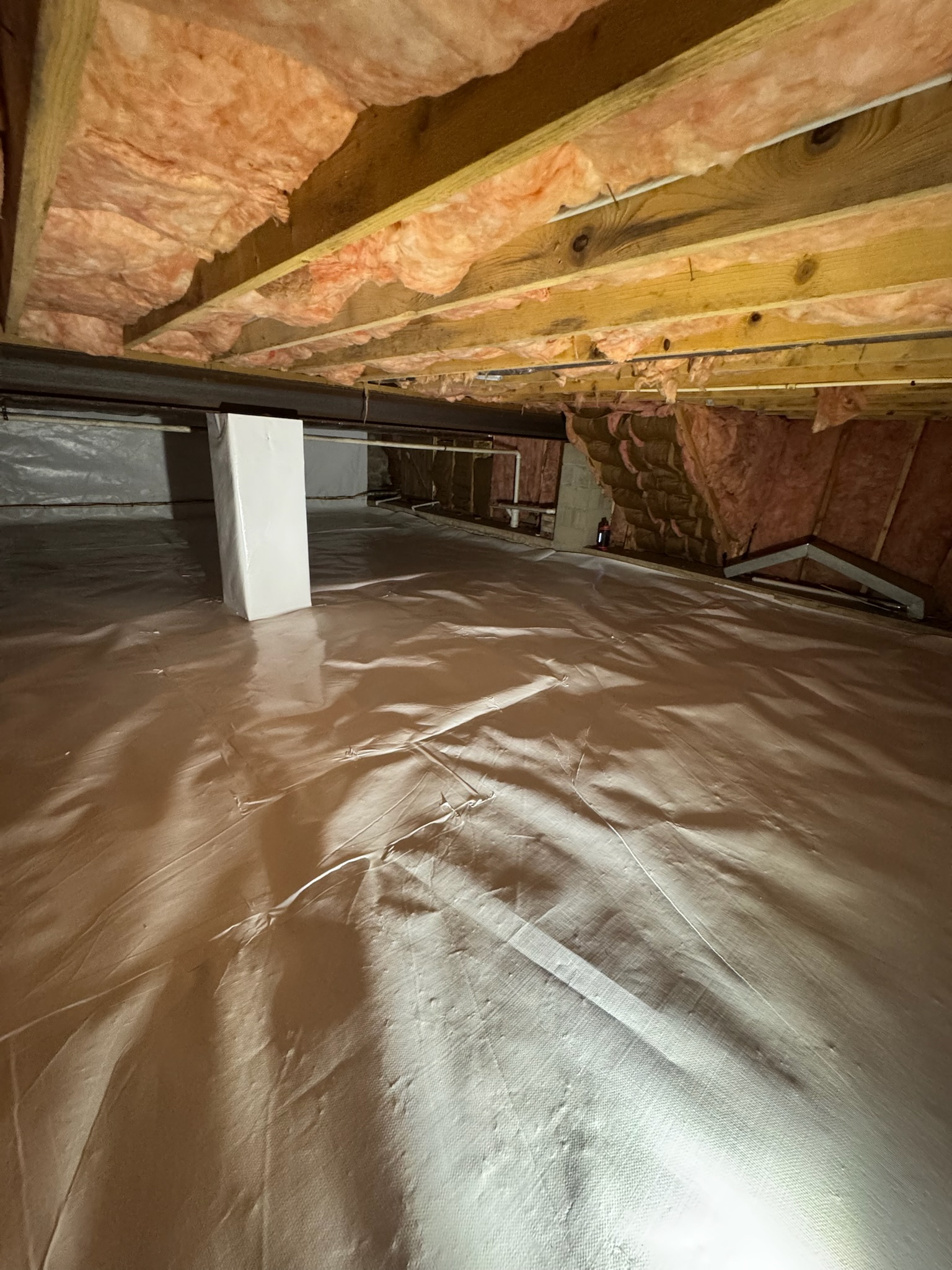
Insulation installed in the correct location, after the moisture conditions beneath it were addressed first
Signs Worth Checking
Warning Signs Your Crawl Space
Is Costing You on Energy
Not every high energy bill traces back to the crawl space, but these are the signals worth checking before assuming it's the HVAC system itself.
- Noticeably cold floors in rooms directly above the crawl space
- HVAC system running longer than expected to hold a set temperature
- Indoor humidity that stays high during summer despite the air conditioning running
- Visible gaps, missing sections, or wet insulation between floor joists
- Energy bills that have climbed without a corresponding change in usage habits
What's Included
OBW's Crawl Space Energy
Performance Services
Because thermal loss, moisture, and air infiltration work together, addressing them together is what actually changes performance.
Insulation & Air Leakage Assessment
We check existing insulation condition and floor system air leakage before recommending anything.
Vapor Barrier Installation
A heavy-duty liner seals ground moisture, reducing the humidity your HVAC system has to work against.
Vent Sealing
Foundation vents are sealed to stop unconditioned outdoor air from entering the crawl space.
Insulation Correction
Insulation is installed in the correct location as part of the system, not as a standalone step over wet material.
Dehumidification
A properly sized dehumidifier reduces the latent cooling load your air conditioning system otherwise absorbs.
Written Workmanship Guarantee
Encapsulation and insulation work is backed by a written workmanship guarantee. Ask your inspector for the terms that apply to your job.
The Process
How OBW Improves Crawl Space
Energy Performance
Assess the actual cause. Seal the moisture and air pathways. Correct the insulation once conditions support it.
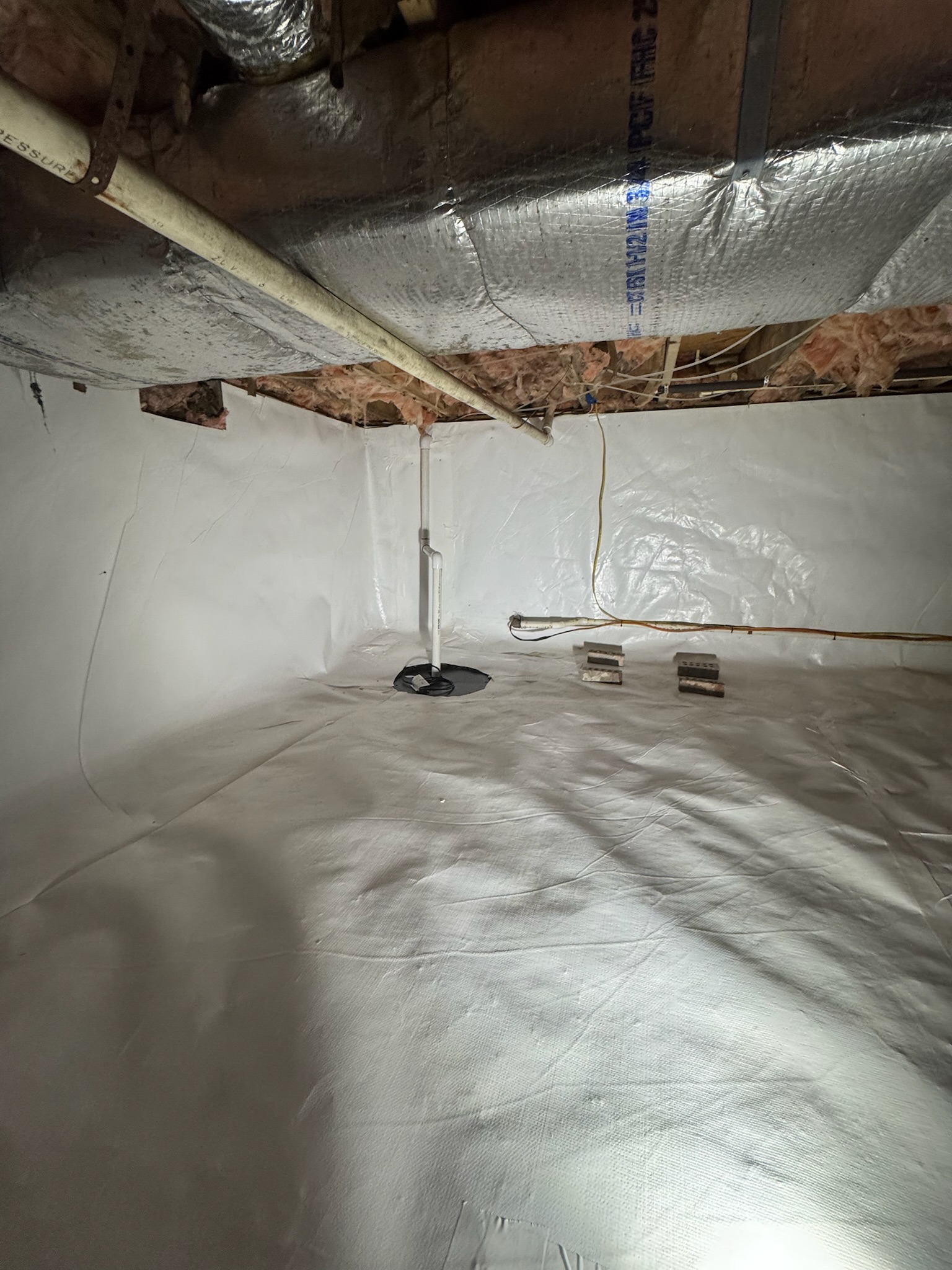
Inspection & Thermal Assessment
OBW checks insulation condition, air leakage points, and moisture levels to build an honest picture of what's driving energy loss.
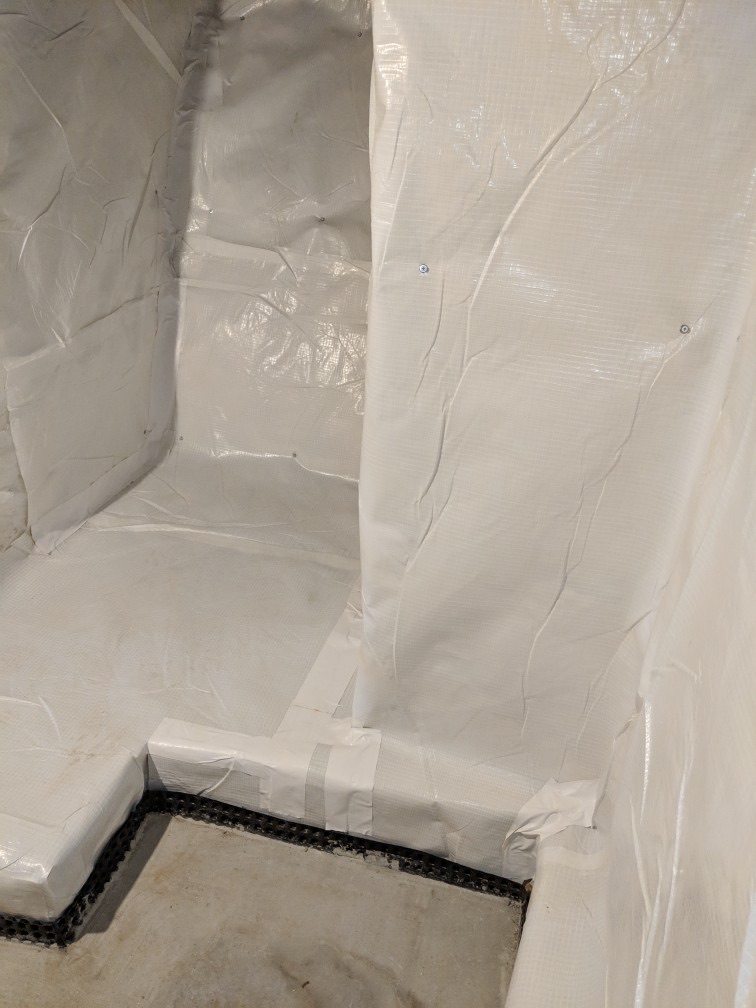
Vapor Barrier & Vent Sealing
A vapor barrier and sealed vents remove the ground moisture and outdoor air infiltration adding to your HVAC's workload.
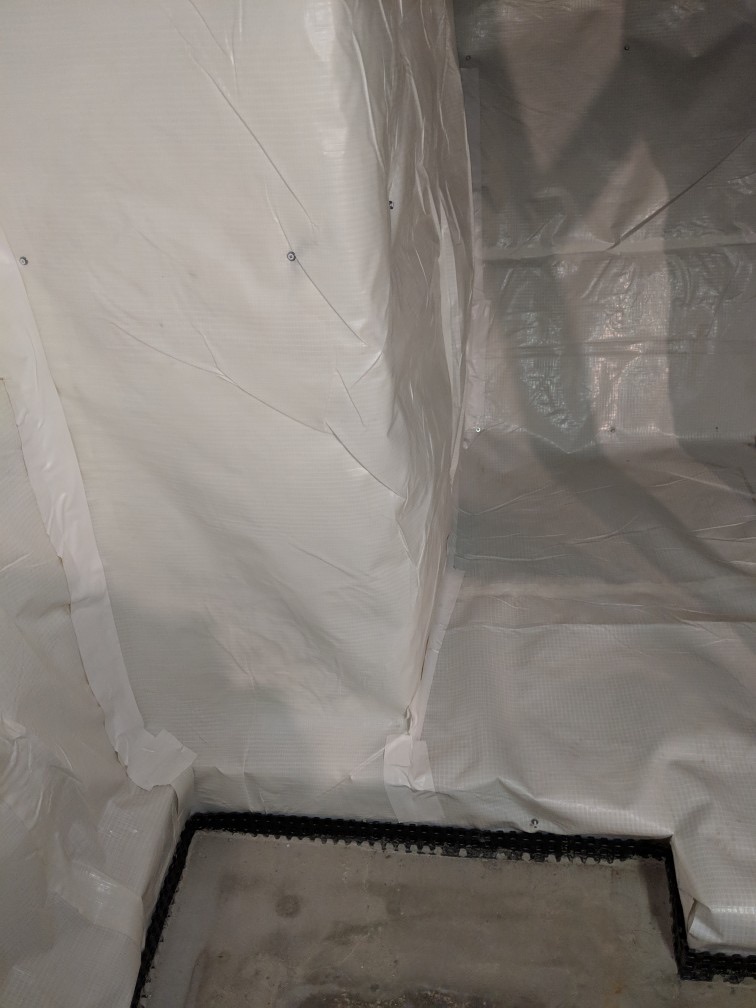
Insulation Correction
Insulation is installed or corrected in the right location, now that the moisture conditions that degrade it are addressed.
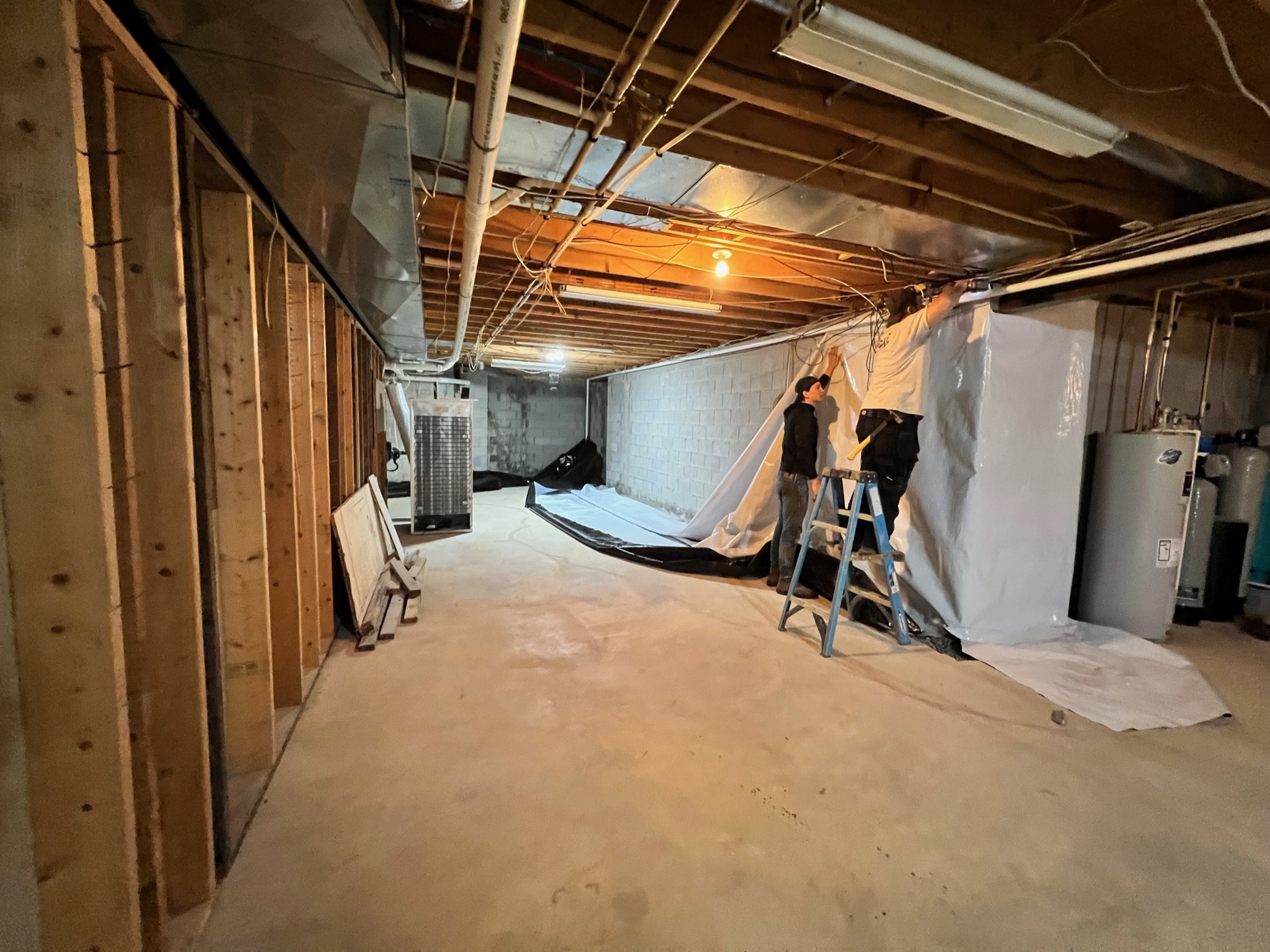
Dehumidifier Installation & Verification
A dehumidifier is installed and crawl space conditions are verified stable, reducing the latent load your system was absorbing.
Photos From the Field
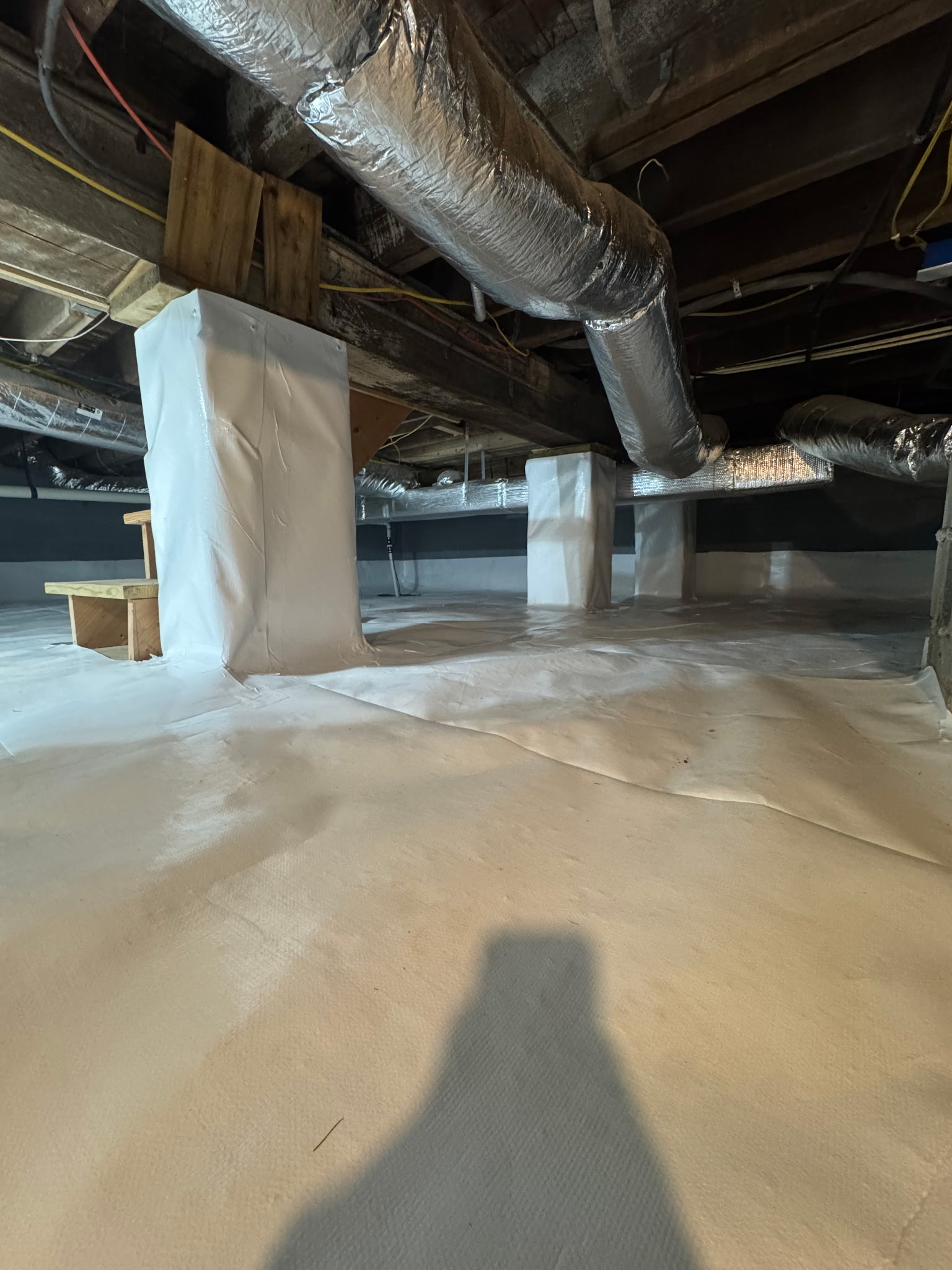
Job Site Photos
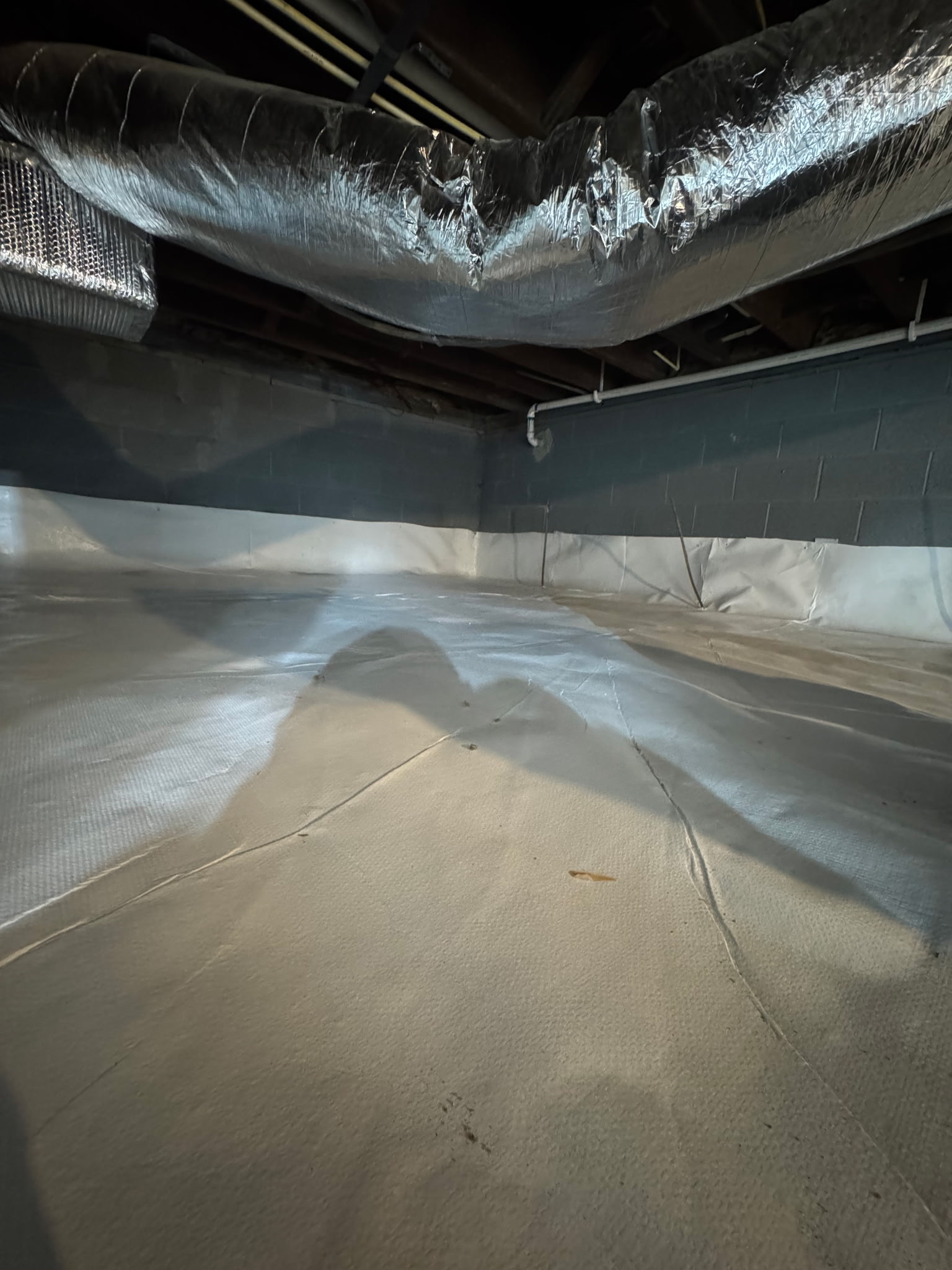
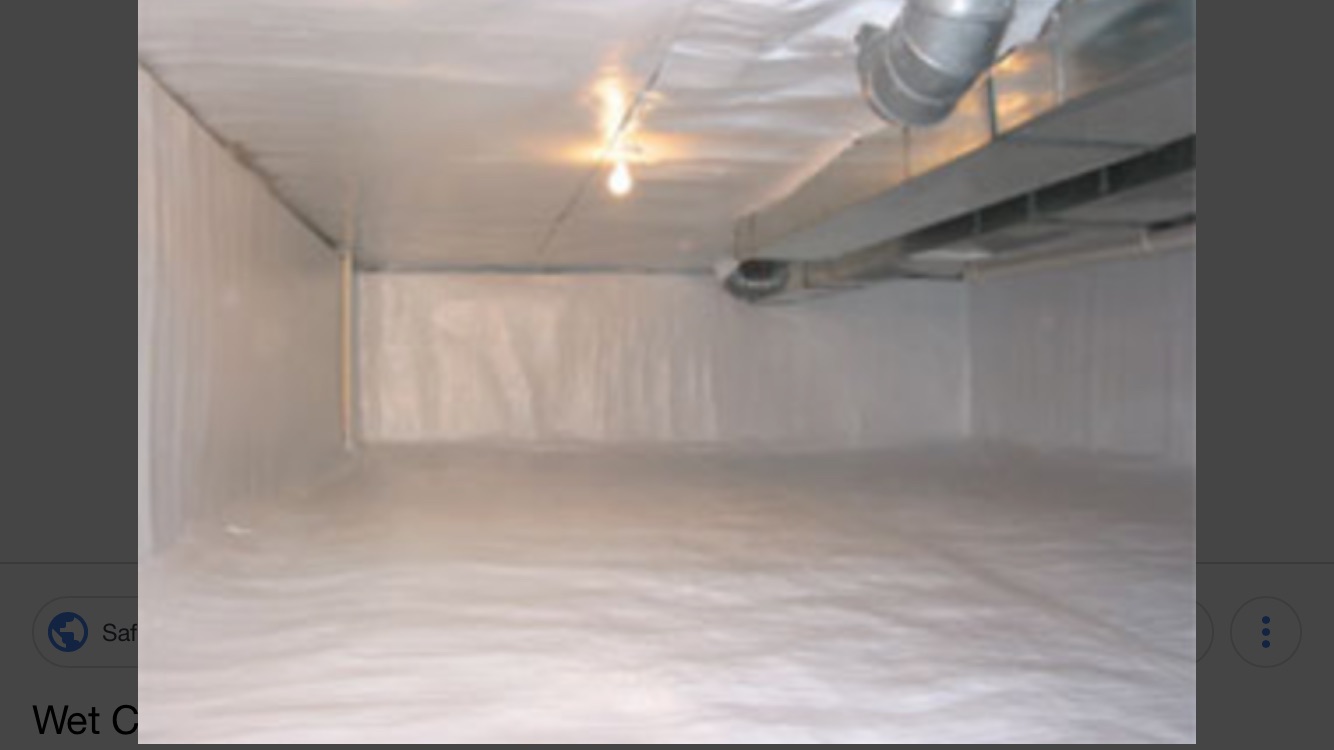
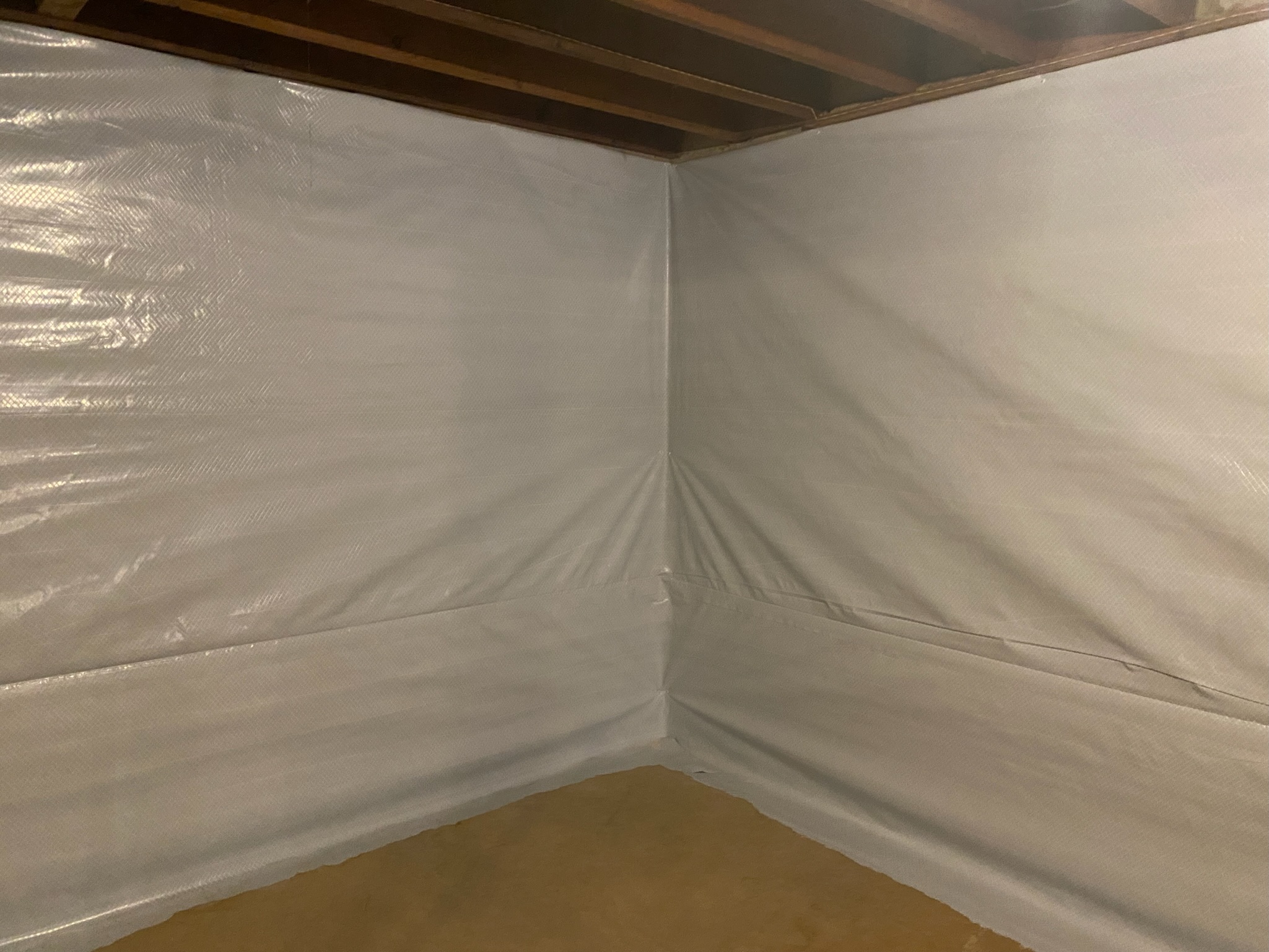
A closer look at the equipment, materials, and job site conditions involved in this kind of work.
Honest Answers
Energy Bill Questions from
Maryland Homeowners
Call (410) 879-3360 if you suspect your crawl space is adding to your energy costs. Our inspectors will tell you honestly what we find.
How would I actually know if my crawl space is behind my energy bills?
The clearest signals are cold floors in the rooms directly above the crawl space, an HVAC system that runs longer than it should to hold a set temperature, and noticeably higher humidity indoors during summer even with the air conditioning running. Any one of those points to the crawl space losing conditioned energy or adding load the system has to work against.
A free inspection checks the actual insulation condition, vapor barrier status, air leakage points, and moisture levels rather than guessing from the bill alone, since several different issues can produce a similar looking energy bill.
Will OBW tell me exactly how much I'll save on my energy bill?
No, and we won't pretend otherwise. The magnitude of savings depends on the existing crawl space condition, the quality of current insulation, your HVAC system type, and local utility rates, variables outside the encapsulation system itself. What we can confirm is that a properly encapsulated crawl space consistently performs better thermally than an unencapsulated one in Maryland's climate. We'd rather tell you that honestly than promise a number we can't back up.
Is it the insulation or the moisture actually driving the extra cost?
Usually both, working together. Wet or missing insulation between floor joists provides little thermal resistance, so conditioned air transfers into the cool crawl space below. Separately, crawl space moisture that reaches living areas adds humidity your air conditioner has to remove, which consumes real cooling capacity on top of the temperature work it's already doing.
Can I just add insulation without a full encapsulation?
Adding insulation without addressing the moisture underneath it is a short term fix at best. Wet insulation loses most of its thermal value and can promote mold growth, which is why OBW installs insulation in the correct location as part of a complete system, vapor barrier, sealed vents, and dehumidification, rather than as a standalone step.
What does OBW's free inspection actually check for this?
Insulation condition, vapor barrier status, air leakage points at the floor system, and current moisture levels, giving you an objective picture rather than an assumption. If encapsulation or insulation work is warranted based on what we find, we explain the connection to energy performance and provide a written proposal. MHIC 4247 licensed, backed by our workmanship guarantee on all encapsulation work.
Why Oriole
Why Maryland Homeowners Trust
OBW with Energy Performance
Honest About What We Can't Promise
We won't quote you a specific savings number. Energy performance depends on variables beyond the encapsulation system, and we tell you that upfront.
Maryland Climate Experience
Hot humid summers and cold winters make crawl space thermal performance a year-round issue in Maryland. OBW has addressed it across every county we serve.
No Subcontracting
OBW's own crew installs every vapor barrier, vent seal, and dehumidifier, in house, start to finish.
Family-Owned Since 1953
Founded by Frank Pirog Sr. in 1953. Amber Pirog leads the company today. Written workmanship guarantee on every repair.
Reviews
What Our Maryland Neighbors Say
Every Season It Runs This Way Costs More.
Getting Started on Your
Energy Performance Assessment
Thermal loss, moisture load, and air infiltration compound with every heating and cooling season left unaddressed.
Free Inspection
OBW checks insulation condition, vapor barrier status, air leakage, and moisture levels. Free, no obligation.
Written Scope & Quote
You receive a written quote specifying exactly what's being sealed, insulated, and dehumidified, before any work is scheduled.
Installation & Verification
OBW's crew installs the system and verifies stable crawl space conditions. Written workmanship guarantee issued upon completion.
Suspect Your Crawl Space Is Behind Your Energy Bills?
Free inspection. We tell you honestly what's contributing and what isn't.
Family-owned since 1953 · MHIC #4247 · Written Workmanship Guarantee