Protecting the Repair You Just Paid For
Crawl Space
Dehumidifier Installation
as Part of Structural Repair
Protecting new lumber from the same moisture that caused the original damage
When OBW repairs rotted joists, damaged beams, or termite-compromised framing, the moisture that caused that damage often hasn't gone away. A dehumidifier installed alongside the structural repair, with condensate routed into your sump system, is what keeps the fix from repeating itself. Honest, consultative guidance.

The Repair Only Holds If the Moisture Stops
Why Dehumidification Is Part of
the Structural Repair Conversation
Most crawl space structural damage OBW repairs, rotted joists, termite-compromised framing, failed beams, traces back to moisture that's still present when our crew shows up. Maryland's clay-heavy Piedmont soils and Chesapeake humidity keep many crawl spaces above the threshold for wood decay most of the year. Replacing damaged lumber without changing that condition means the new material starts the same clock the old material was on.
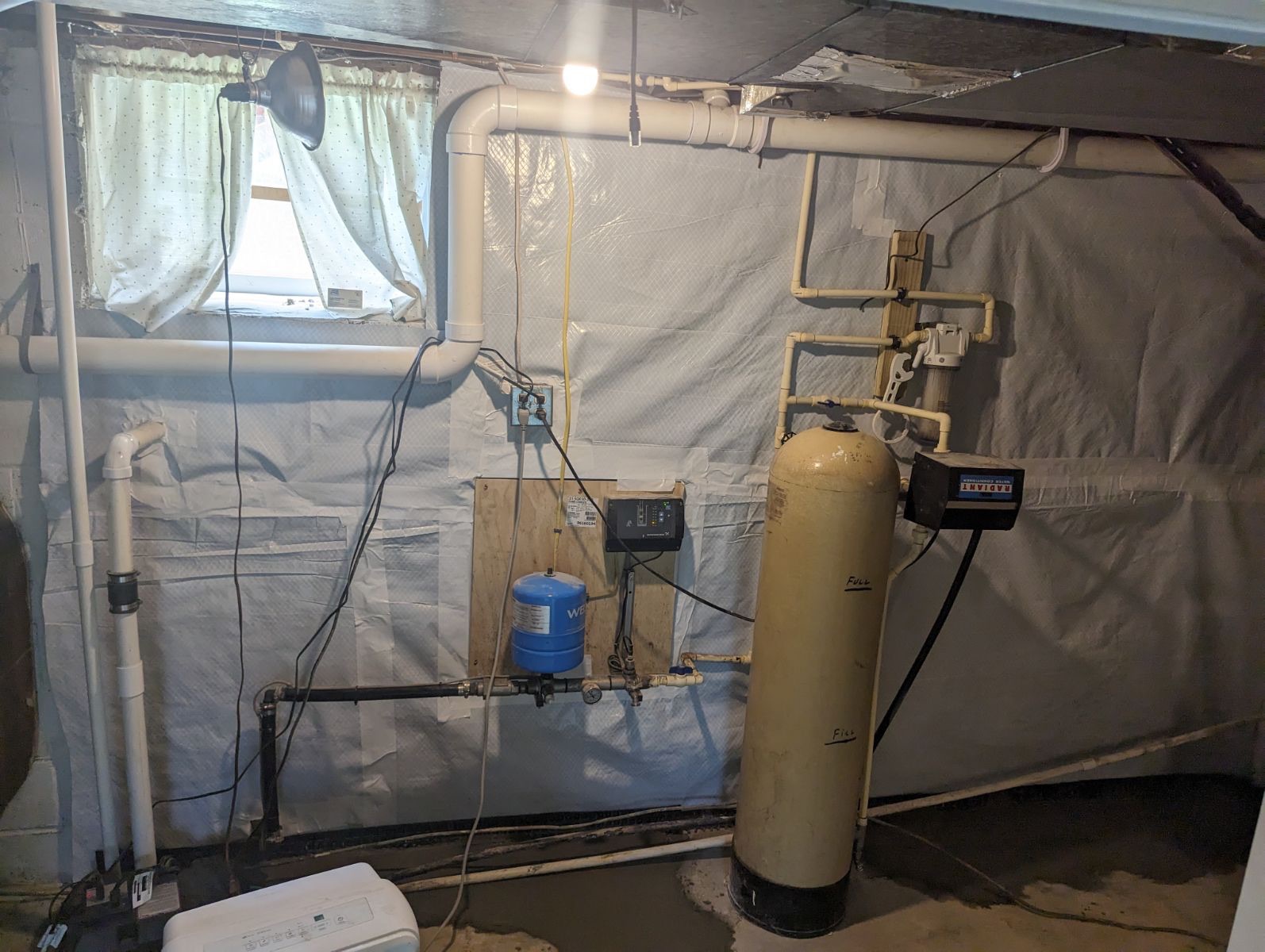
A dehumidifier installed as part of the structural repair scope holds the crawl space below that decay threshold going forward. In a repair context, OBW typically routes the unit's condensate into the sump system already handling groundwater, one coordinated system instead of two separate ones to maintain. This is a different scope than a standalone encapsulation upgrade: here, the goal is protecting the specific repair that was just completed, not conditioning the whole space as a long-term amenity.
OBW's structural inspectors measure humidity and identify the moisture pathway during the same visit where joist, beam, or pest damage is scoped. If a dehumidifier is warranted to protect the repair, it's priced and scheduled as part of that project, not introduced later as a separate sale.
Dehumidifier condensate routed into the sump system already handling groundwater
Signs the Moisture Is Still Active
Signs Your Structural Repair
Needs Dehumidification to Hold
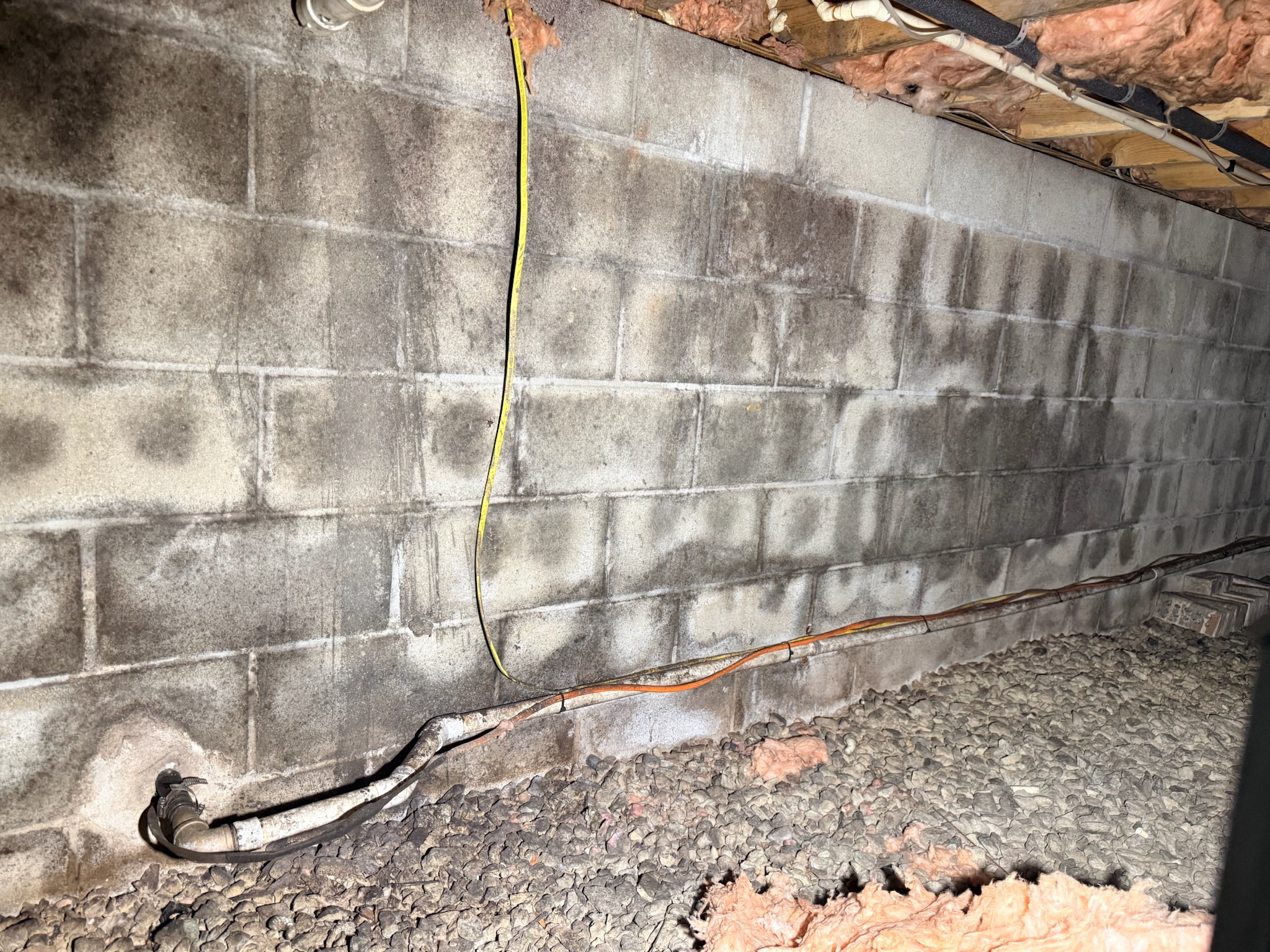
If any of these are present alongside damage OBW is already repairing, active dehumidification is worth discussing during your inspection.
- Musty odor that persists even after the damaged wood has been identified and removed
- Moisture meter readings on adjacent, undamaged members still above the safe threshold
- Visible condensation on the crawl space floor liner, pipes, or ductwork independent of any groundwater source
- A prior repair or treatment in the same crawl space that didn't hold, with the same damage recurring
- No identifiable single leak or grading issue, humidity appears to be a persistent, seasonal condition
What the Installation Covers
What OBW's Dehumidifier Installation
Includes in a Repair Project
Scoped and priced alongside your structural repair, not as a separate afterthought.
Moisture Assessment Tied to the Repair Scope
Humidity readings and moisture-source identification are part of the same inspection that scopes your structural repair, not a separate visit or upsell.
Contractor-Grade Dehumidifier Unit
Sized for your crawl space square footage and the specific moisture conditions found during the structural assessment, not a generic box-store unit.
Sump Pump Integration
Condensate routes into the existing or newly installed sump basin as part of a single water-handling system, rather than a separate discharge line to manage.
Condensate Drain Line Installation
Hard-piped drain line from the dehumidifier to the sump basin, installed alongside the structural repair work, not added on afterward.
Setpoint Configuration Coordinated With New Lumber
The unit is commissioned and holding setpoint before the project closes out, so replacement lumber isn't sitting in the same humidity that caused the original damage.
Written, Itemized Quote
Dehumidifier installation is priced as its own line item, separate from the structural repair cost, even when both are scheduled in the same visit.
Structure and Moisture, Handled Together
How OBW Installs a Dehumidifier
Alongside Structural Repair
Four steps. The new lumber and the new dehumidification setpoint are verified together before the crew leaves.
Structural & Moisture Assessment Together
OBW's inspector probes the damaged members and takes a humidity reading in the same visit, identifying whether the moisture source is a single fixable issue or an ongoing condition that needs active dehumidification.
Structural Repair Scoped and Sequenced
Damaged joists, beams, or pest-damaged members are scoped for repair. If a dehumidifier is warranted, it's sequenced so new lumber goes into a crawl space already moving toward a safe humidity range.
Dehumidifier Installation & Sump Integration
The unit is mounted and connected to a condensate line routed into the sump basin. Electrical connection is made to a dedicated circuit. The condensate pump is tested before the crew leaves.
Setpoint Configuration & Documentation
The unit is set and verified holding a safe relative humidity setpoint. Structural repair and dehumidifier installation are both photographed and documented at closeout.
Honest Answers. No Sales Pitch.
Common Questions About Dehumidifiers
in Structural Repair Projects
Call (410) 879-3360 if your question isn't here. Our inspectors give honest, consultative guidance.
Why would a dehumidifier be part of a structural repair project instead of a standalone encapsulation service?
When OBW is already in a crawl space replacing rotted joists, sistering a beam, or repairing termite or wood rot damage, the moisture that caused that damage is almost always still present unless it's addressed directly. Installing new pressure-treated lumber into a crawl space that stays humid year-round puts that new lumber on the same decay timeline as the wood it replaced. A dehumidifier installed as part of the repair scope is what keeps the fix permanent instead of temporary.
This is a different starting point than a standalone encapsulation project, where a homeowner is proactively sealing and conditioning a crawl space that hasn't necessarily suffered damage yet. Here, the crawl space has already caused a problem serious enough to warrant structural repair. The dehumidifier's job in this context is narrower and more urgent: hold humidity below the decay threshold for the specific repair that was just completed, not condition the whole space as a long-term amenity.
OBW's structural inspectors flag active moisture conditions during the same visit where they scope joist, beam, or pest damage repair. If a dehumidifier is warranted to protect the repair, it's priced and scheduled alongside the structural work, not treated as a separate upsell after the fact.
How does a dehumidifier integrate with a sump pump during a structural repair project?
Most Maryland crawl spaces that need structural repair also have, or need, a sump pump handling groundwater intrusion. When a dehumidifier is added as part of that same project, OBW routes the unit's condensate line directly into the existing or newly installed sump basin rather than running a separate discharge line to daylight. One pump, one discharge path, one system to maintain.
This integration matters more in a repair context than in a standalone dehumidifier installation, because the crawl space in a repair scenario is more likely to already have active groundwater management in progress. Coordinating the dehumidifier discharge with the sump avoids running two separate water-handling systems that could conflict or leave a gap in coverage if one fails.
If the project doesn't already include a sump pump, OBW's inspector will tell you plainly whether one is needed to fully resolve the moisture source, or whether the dehumidifier alone is sufficient for the specific conditions found. We don't add a sump pump to a scope that doesn't need one.
If I'm already fixing rot or termite damage, do I need a dehumidifier too, or will the structural fix alone hold?
It depends on what's driving the moisture. If the damage came from a specific, correctable source, a leaking supply line, a single grading issue, a failed vapor barrier section, fixing that source may bring humidity back into a safe range without additional equipment. OBW's inspector measures crawl space humidity and identifies the moisture pathway during the structural assessment, and won't recommend a dehumidifier if the underlying fix resolves the problem.
In practice, a large share of Maryland crawl spaces with active wood rot or termite damage have a moisture problem broader than a single fixable leak, Piedmont clay soil moisture, seasonal humidity, and rim joist infiltration combine to keep the space above the decay threshold most of the year. In those cases, structural repair without active dehumidification is a strong near-term fix that carries real risk of the same damage recurring within a few years.
OBW will state clearly, in the written quote, whether a dehumidifier is recommended and why, tied to the specific humidity reading and moisture source found during your inspection. We don't attach it as a default line item.
Can a dehumidifier be added later, after structural repairs are complete, or does it need to happen at the same time?
It can be added later, but there's a real cost to waiting if the moisture condition that caused the original damage hasn't changed. New pressure-treated lumber installed into a persistently humid crawl space begins absorbing moisture immediately, and the protective benefit of pressure treatment is reduced, not eliminated, by sustained high humidity. Adding dehumidification while OBW's crew is already mobilized for the structural work is typically more efficient than a separate return trip.
Some homeowners choose to phase the projects for budget reasons, structural repair now, dehumidification once the moisture problem proves itself out or once the budget allows. That's a reasonable approach if the structural repair itself included addressing the immediate moisture source (drainage, vapor barrier repair). It carries more risk if the humidity condition is ongoing and unaddressed.
OBW will lay out both scopes and costs separately on the written quote so you can make that sequencing decision with full information, rather than have it decided for you.
How is dehumidifier installation priced when it's part of a larger structural repair project?
OBW prices the dehumidifier installation as its own line item on the written quote, separate from the structural repair scope, even when both are scheduled together. This way you can see exactly what the unit, the condensate routing, and the setpoint configuration cost versus what the joist sistering, beam repair, or pest damage repair costs.
We don't give price ranges over the phone for either scope. An OBW inspector measures the crawl space, assesses the structural damage, takes a humidity reading, and identifies whether a dehumidifier is warranted, then provides a written, itemized quote covering both scopes before any work is scheduled.
Combining the two projects into one mobilization typically means one crew visit and one set of access and setup costs rather than two, which is a practical advantage of doing both at the same time when the moisture condition calls for it.
70 Years of Maryland Crawl Spaces
Why Maryland Homeowners Choose
Oriole for Repair and Moisture Control
Three generations of the Pirog family have been diagnosing and fixing Maryland crawl space problems since Frank Pirog Sr. founded Oriole in 1953.
Moisture Control Protects the Structural Investment
We won't let a structural repair sit in the same conditions that caused the original damage. If a dehumidifier is warranted, it's scoped into the same project.
Sump Pump Integration Done Right
Condensate is routed into a single, coordinated water-handling system rather than a second, separately maintained discharge line.
Backed by a Written Workmanship Guarantee
OBW stands behind both the structural repair and the dehumidifier installation. Ask your inspector for the exact term that applies to your job.
Family-Owned Since 1953
Three generations of the Pirog family. Amber Pirog, Frank III's widow, leads the company. The standard: fix the cause, not just the symptom.
No Pressure. No Obligation.
Three Steps to a Repair
That Actually Holds
From inspection to completed project, most combined structural repair and dehumidifier installations are done within two to three weeks.
Free Structural & Moisture Inspection
An OBW inspector probes every affected member, takes a humidity reading, and identifies whether the moisture source needs active dehumidification. No charge, no obligation.
Written Quote, Both Scopes Itemized
You receive a written quote listing the structural repair and, if warranted, the dehumidifier installation as separate line items, with pricing before any work is authorized.
Repair, Install, Verify
Our crew completes the structural repair, installs and commissions the dehumidifier with sump integration, and verifies the setpoint before leaving. Full photo documentation at closeout.
Don't Let Moisture Undo the Repair.
Free inspection. Written estimate same day. No pressure, honest, consultative guidance.
Family-owned since 1953 · MHIC #4247 · Backed by OBW's written workmanship guarantee