Holding Back Excavation, Not a Basement Wall
Tieback Anchors
/ Helical Tiebacks
in Maryland
A helical anchoring technique used to hold back excavation and retaining structures against soil pressure
Tieback anchors, or helical tiebacks, are driven at an angle into stable soil and tensioned to hold a wall or excavation against the pressure behind it. This guide explains how they work and how they differ from the wall anchors OBW installs for residential bowing basement walls.

A Related Technique, a Different Application
How Tieback Anchors
Differ from Wall Anchors
Tieback anchors and OBW's own wall anchors share a basic principle, extend an anchor into stable soil beyond the pressure zone and use it to counteract soil pressure on a structure. Where they diverge is application and engineering: tiebacks are typically used in larger excavation support, commercial shoring, and retaining structure applications, often installed at an angle and tensioned as part of a broader structural design.
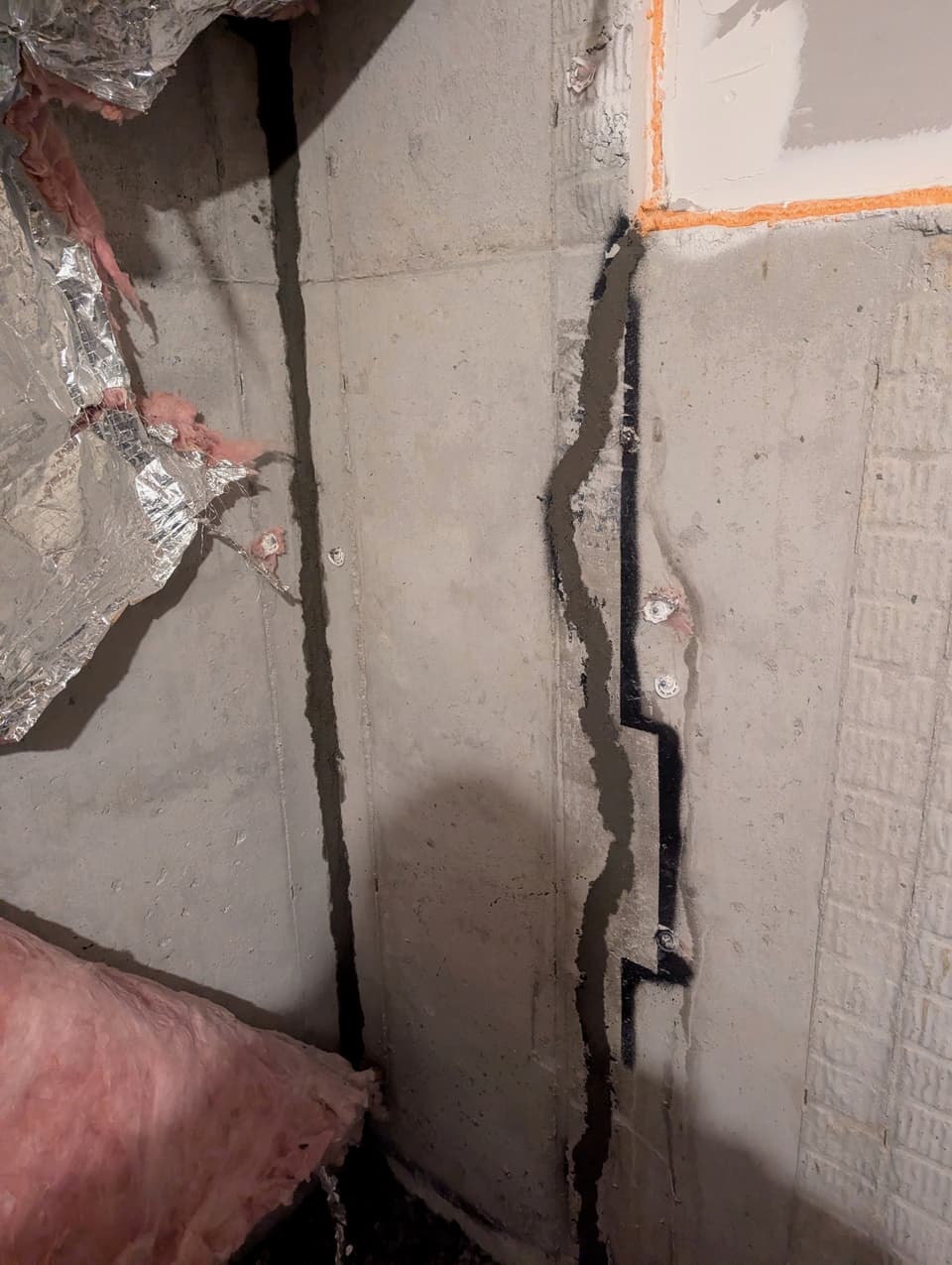
Wall anchors, OBW's own installed solution, are engineered specifically for a residential basement wall bowed by Maryland clay pressure, using a horizontal steel rod, a buried yard plate, and a periodic tightening schedule designed for gradual straightening over time.
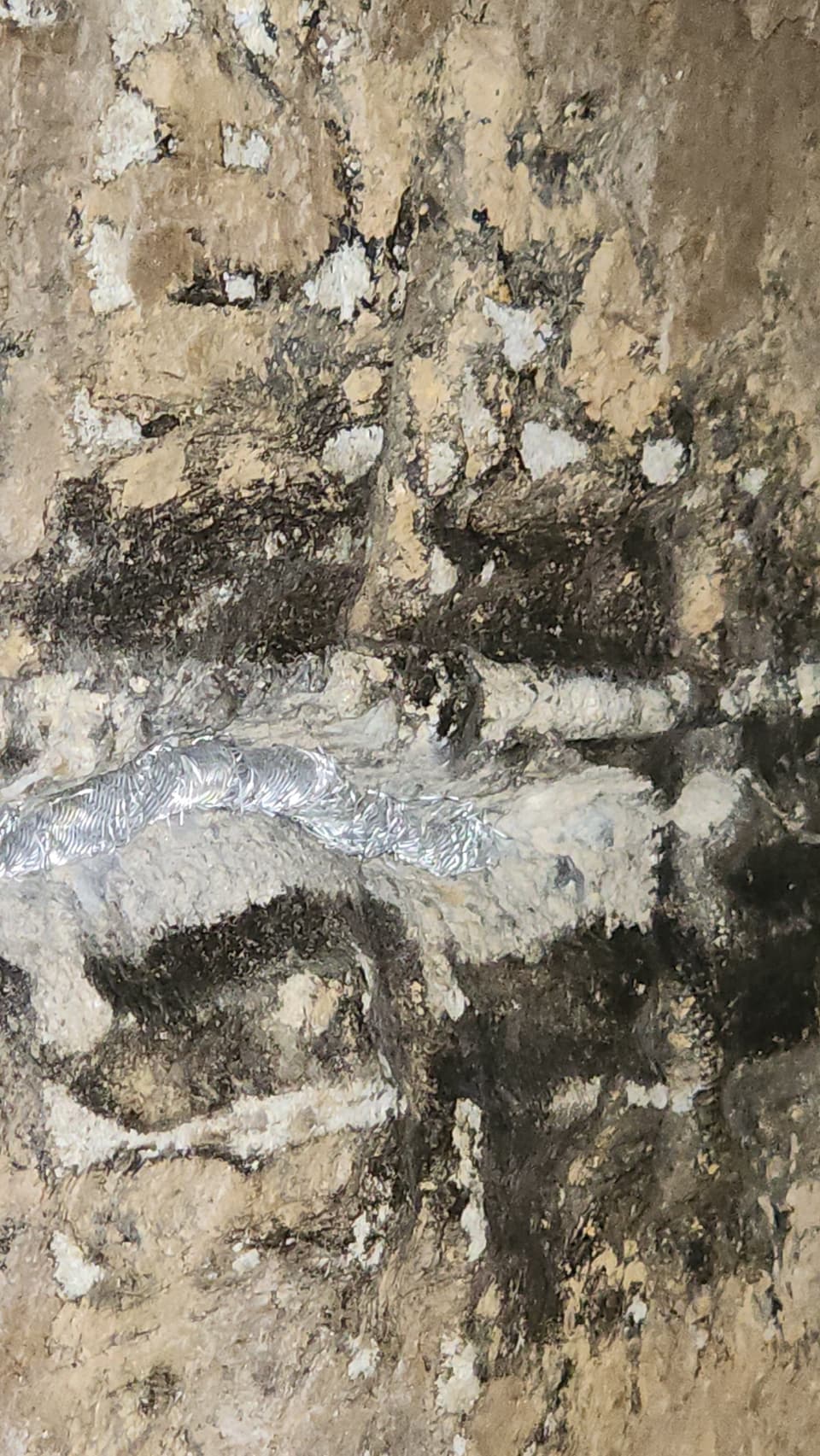
Residential wall anchor installation, OBW's engineered solution for bowing basement walls
If You're Comparing Options
What to Ask Before Choosing
a Tieback or Wall Anchor
- Is this a residential basement wall, or a larger retaining or excavation structure
- Does the design call for periodic tightening, as with OBW's wall anchors, or a one-time tensioned installation
- Has a structural engineer specified the scope, larger tieback applications generally warrant one
What This Guide Covers
Understanding Tieback
Anchor Systems
How Tieback Anchors Work
A helical shaft is driven at an angle into stable soil behind a wall or excavation, then tensioned to hold the structure against soil pressure.
Where They're Typically Used
Larger excavation support, commercial retaining structures, and shoring applications beyond typical residential basement wall repair.
How This Differs from OBW's Wall Anchors
Wall anchors are engineered specifically for residential bowing basement walls and periodic tightening; tiebacks are a broader engineering technique.
Honest Guidance on Fit
Oriole's inspectors explain the concept and help you understand what to look for in a specialist where a project calls for tieback anchoring.
Common Questions
Tieback Anchor Questions from
Maryland Property Owners
What is a tieback anchor and how does it differ from a wall anchor?
A tieback anchor, sometimes called a helical tieback, is a helical shaft driven at an angle into stable soil behind a retaining structure or excavation wall, then tensioned to hold that structure against the soil pressure behind it. Tiebacks are most often used in larger excavation, commercial, or retaining wall applications where a structure needs to be actively held back rather than just monitored.
The wall anchors OBW installs for bowing basement walls work on a related principle, a steel rod extending from the wall into yard soil with a buried plate anchor, but they're engineered specifically for a residential basement wall being pushed inward by soil pressure, and they're designed to be periodically tightened to gradually straighten the wall. Tiebacks are a broader engineering technique used across a wider range of structures and applications.
Does OBW install tieback anchors?
Tieback anchor systems, particularly for larger or commercial applications, are a specialized underpinning and shoring technique. This guide explains how they work so Maryland property owners understand the option when a structural engineer or specialty contractor recommends one.
For residential bowing basement walls, OBW's own installed solution is wall anchors, engineered specifically for that application. Where a project's scope calls for tieback anchoring beyond that residential application, OBW's inspectors can discuss the concept and help you understand what to look for in a specialist.
Why Oriole
Why Maryland Property Owners
Trust Oriole's Guidance
Honest, Consultative Guidance
If your project is outside OBW's residential wall anchor scope, we'll tell you and help you understand what to look for.
Written Workmanship Guarantee
OBW's own wall anchor installations are backed by a written workmanship guarantee, terms vary by service, ask your inspector.
No Subcontracting
Every wall anchor OBW installs is placed by our own crew, from assessment through the tightening schedule.
Family-Owned Since 1953
Founded by Frank Pirog Sr. in 1953. Amber Pirog leads the company today.
Have a Bowing Basement Wall?
Free inspection. Honest recommendation on wall anchors or another repair method, based on your wall's actual condition.
Family-owned since 1953 · MHIC #4247 · Written Workmanship Guarantee