Giving Concrete a Place to Move
Expansion Joints
in Maryland
Giving concrete a designed place to move so seasonal expansion and contraction doesn't crack it instead
A missing or failed expansion joint at a slab or foundation junction is a common, specific cause of uncontrolled cracking in Maryland's freeze-thaw climate. OBW installs and replaces joint material where slabs, walls, and additions meet.

A Designed Gap, Not a Crack
Why Expansion Joints
Matter at a Foundation
Concrete expands and contracts with temperature and moisture. Without somewhere planned for that movement to go, the stress finds its own path, usually an uncontrolled crack. An expansion joint solves this with a compressible material set between two sections of concrete, or between a slab and a foundation wall, allowing each side to move independently.
This is a different fix than control joints (grooves cut into a slab during the pour to guide shrinkage cracking), and different again from crack repair, which addresses a crack after it's already formed. Expansion joints are preventive and specific to where two separate concrete elements meet.
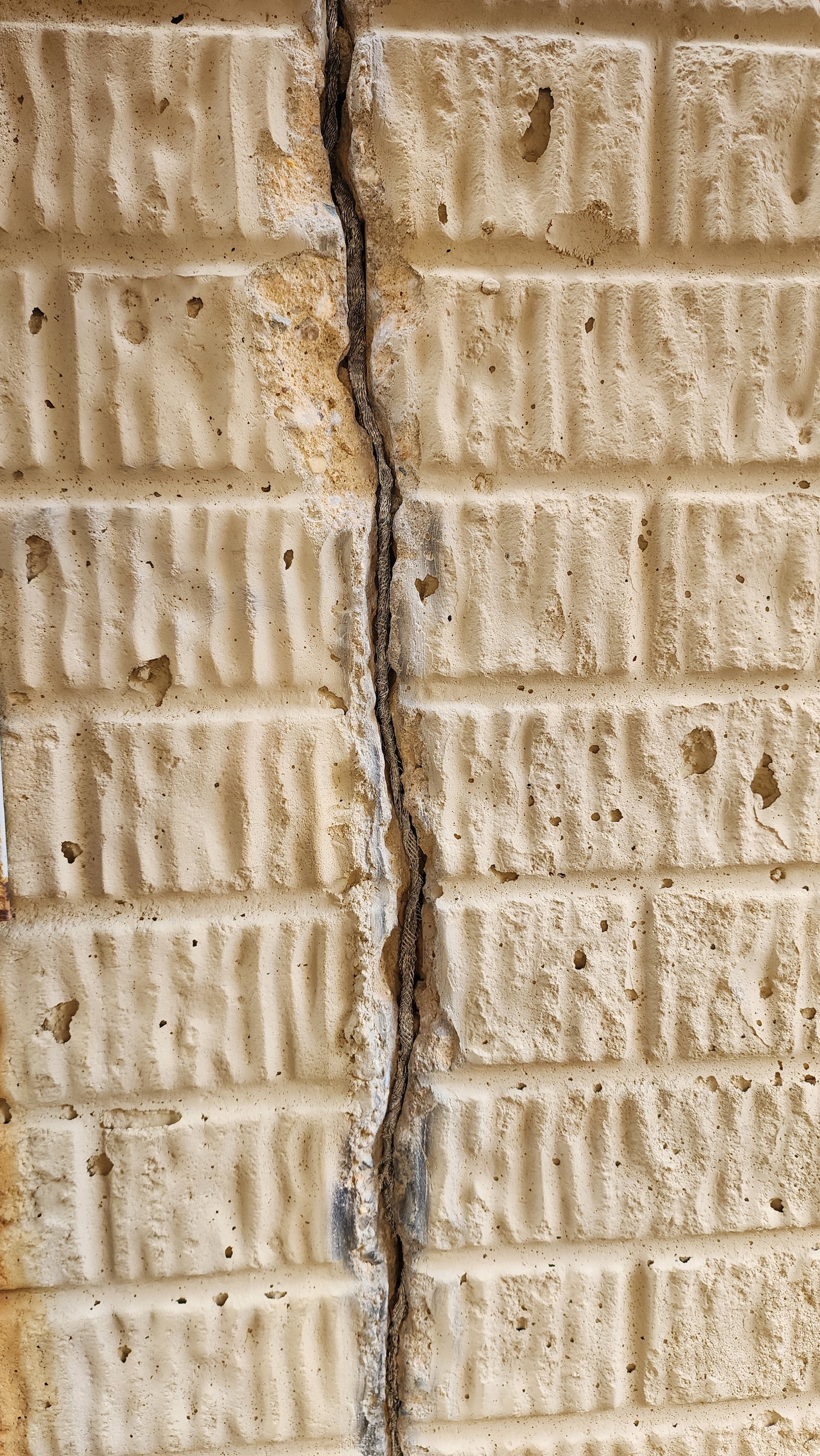
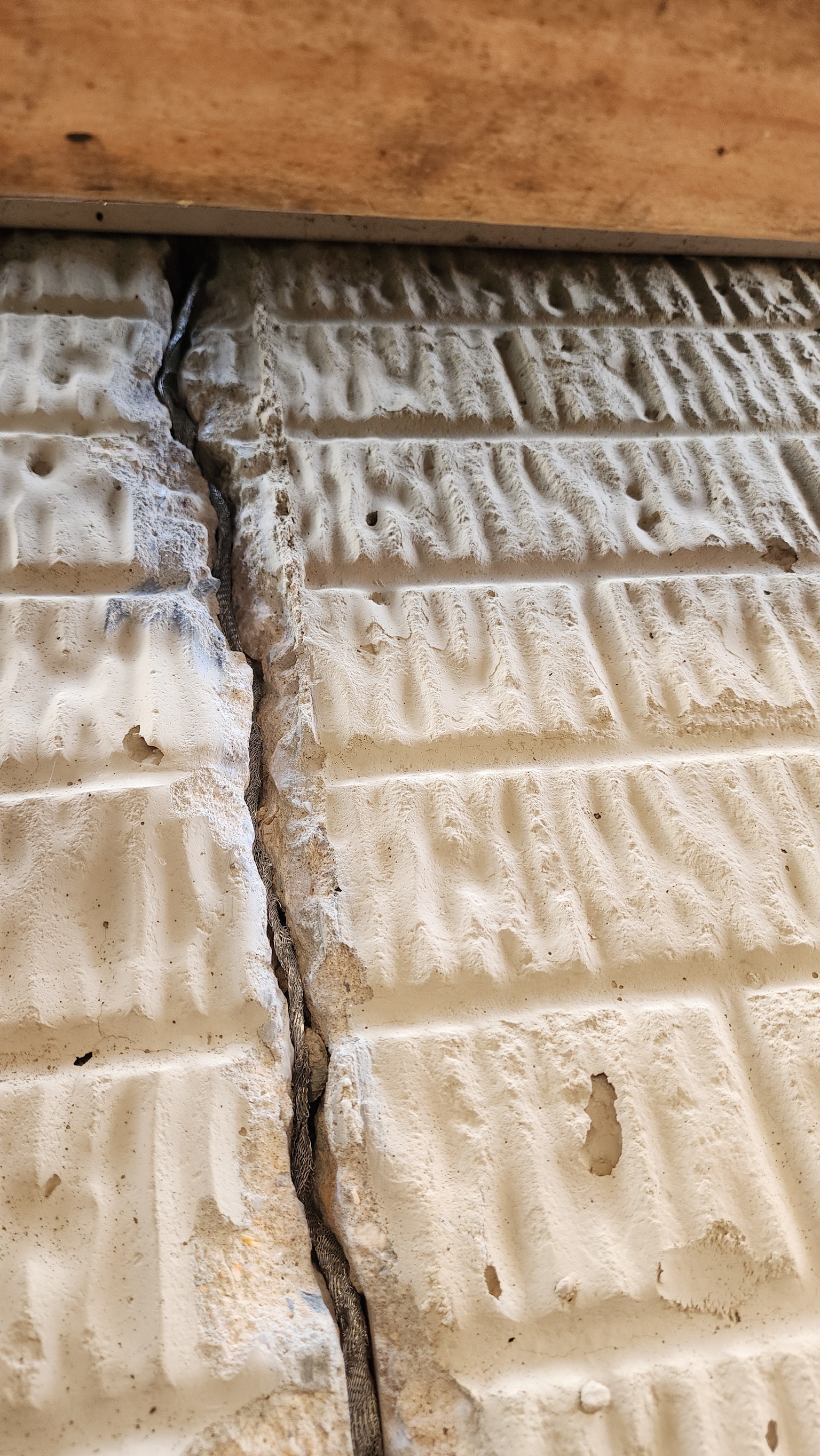
Uncontrolled cracking at a junction where a joint had failed or was never installed
Where to Look
Common Signs of a Failed
or Missing Expansion Joint
- A straight crack running exactly along where a slab meets a foundation wall
- Cracking or gapping at the seam where an addition meets the original house
- Crumbling or missing joint material visible between two slab sections
- Water tracking in at a junction that used to stay dry
What's Included
OBW's Expansion Joint Process
Junction Inspection
We check where slabs meet foundation walls, driveways meet garage floors, and additions meet original construction for missing or failed joints.
Old Material Removal
Deteriorated joint material is removed cleanly so the new joint bonds properly and performs as designed.
Joint Installation
Compressible joint material sized to the gap is installed, allowing the two sections to move independently without transferring stress.
Sealing
The joint is sealed against water intrusion at the surface while preserving its ability to flex with seasonal movement.
Common Questions
Expansion Joint Questions from
Maryland Homeowners
What does an expansion joint actually do in a slab?
Concrete expands and contracts with temperature and moisture changes. Without a planned joint to absorb that movement, the stress has to go somewhere, and it typically shows up as an uncontrolled crack in a random location. An expansion joint gives the slab a designed place to move, isolating sections of concrete from each other or from an adjoining structure so the movement doesn't transfer stress across the whole slab.
Expansion joints are different from the control joints cut into a slab during the original pour to guide shrinkage cracking to a straight line. An expansion joint uses a compressible material between two slab sections or between a slab and a foundation wall, allowing independent movement rather than just directing where a crack forms.
When does a Maryland foundation or slab need an expansion joint added or replaced?
Failed or missing expansion joints are common where a slab meets a foundation wall, a driveway meets a garage floor, or where an addition meets an older section of the house. If the original joint material has deteriorated, or a joint was never installed where two sections meet, uncontrolled cracking at that junction is common in Maryland's freeze-thaw climate.
OBW checks these junctions during a foundation inspection when cracking or gapping is reported near a slab or wall intersection, and replaces or adds joint material where it's the appropriate fix.
Why Oriole
Why Maryland Homeowners Choose
OBW for Joint Repair
Junction-Specific Diagnosis
We identify whether cracking is a failed joint or a settlement issue before recommending a fix.
Written Workmanship Guarantee
Expansion joint work is backed by a written workmanship guarantee, terms vary by service, ask your inspector.
No Subcontracting
OBW's own crew performs joint repair in-house, from inspection through the final seal.
Family-Owned Since 1953
Founded by Frank Pirog Sr. in 1953. Amber Pirog leads the company today.
Cracking at a Slab Junction?
Free inspection. We'll tell you if it's a joint issue, a settlement issue, or both.
Family-owned since 1953 · MHIC #4247 · Written Workmanship Guarantee