
An Exact Measurement of Movement
Doors Not
Latching
in Maryland
A door that needs a shove, or won't catch at all, is giving you an exact measurement of how far a wall has moved.
The latch bolt and the strike plate on the frame are no longer lined up. That misalignment is one of the more precise, measurable signs that a door frame has shifted out of square, and which direction it's shifted in. OBW reads that direction to diagnose the settlement behind it.

Hardware Failure, Structural Cause
Why the Latch Stops
Lining Up
A door frame is built as a rectangle, and the strike plate is positioned to catch the latch bolt at an exact height and depth. When the wall the frame is set into shifts, even slightly, that rectangle distorts and the strike plate moves out of the latch bolt's path. Unlike general sticking, which can have more than one cause, a latch that no longer catches is a direct measurement of how far the frame has moved, and in which direction.
Whether the latch now sits too high, too low, or too far to one side relative to the bolt tells OBW's inspectors which way that section of the wall has moved, information that feeds directly into diagnosing the foundation settlement pattern behind it. A free foundation inspection checks every door and window showing symptoms, since the full pattern across the house tells a more complete story than any single door.
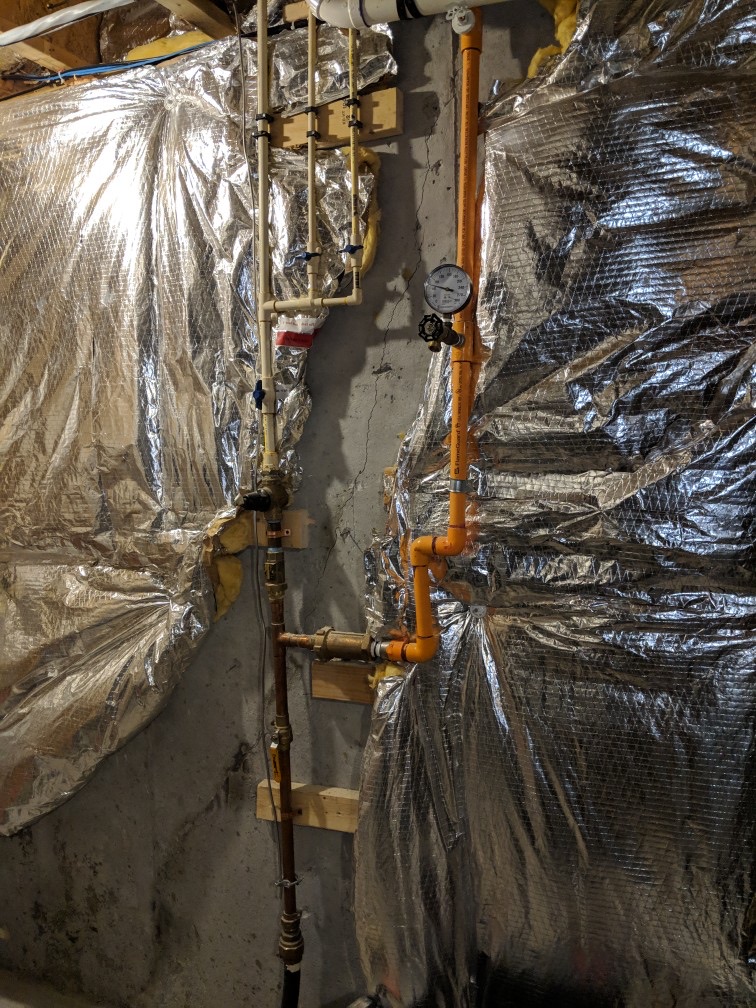
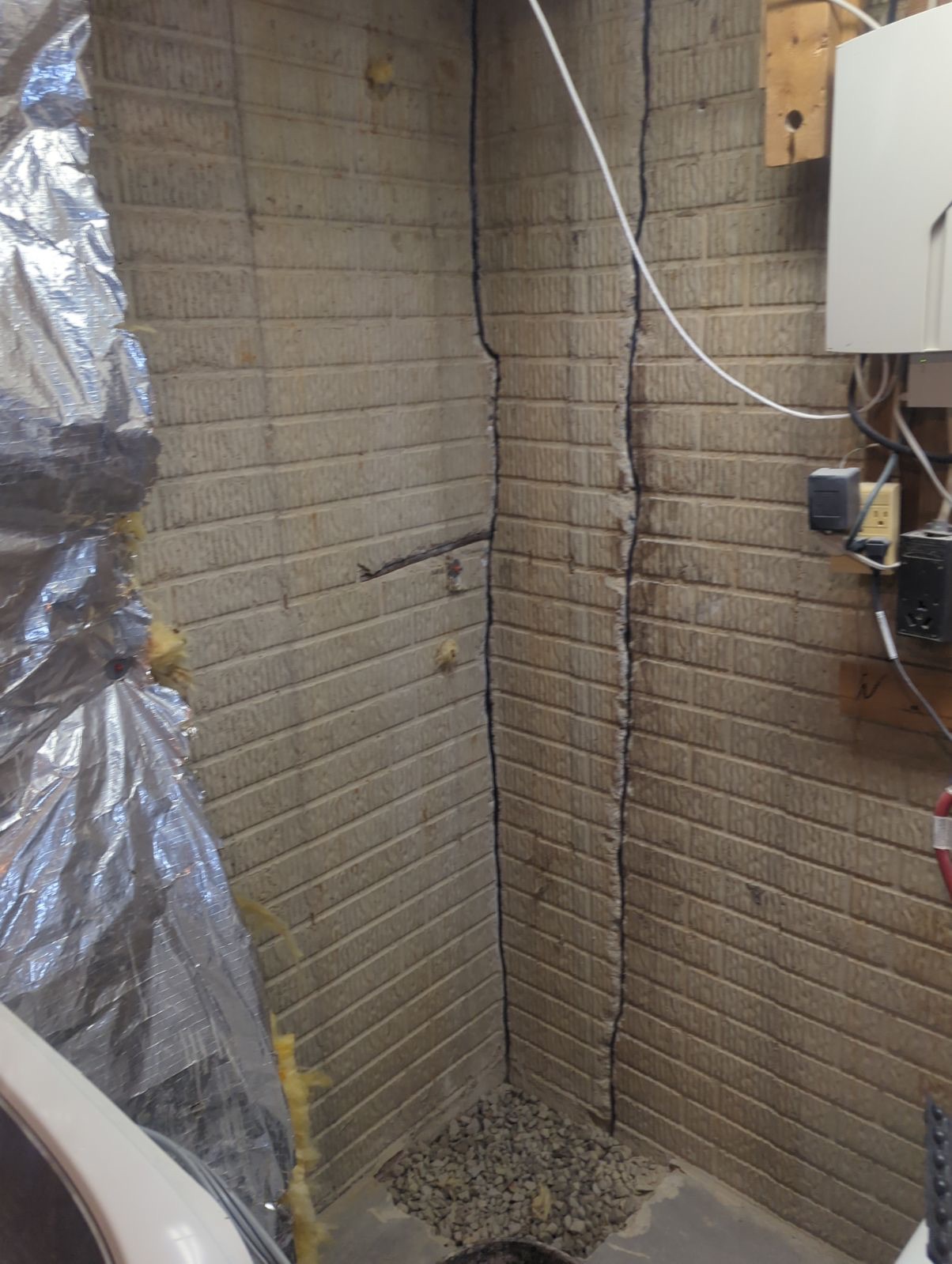
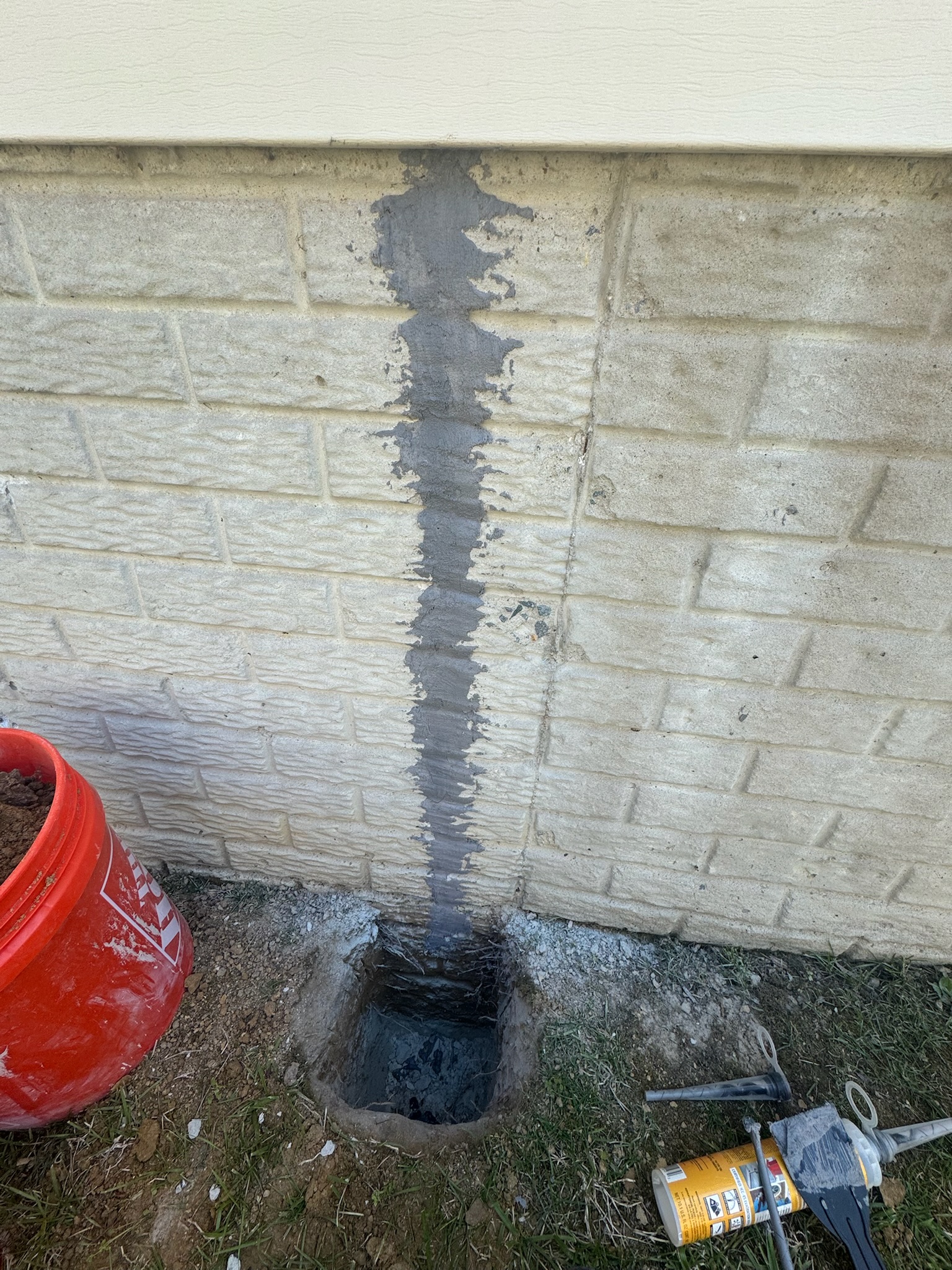
Foundation wall movement, the underlying cause OBW traces back from a latch that no longer catches
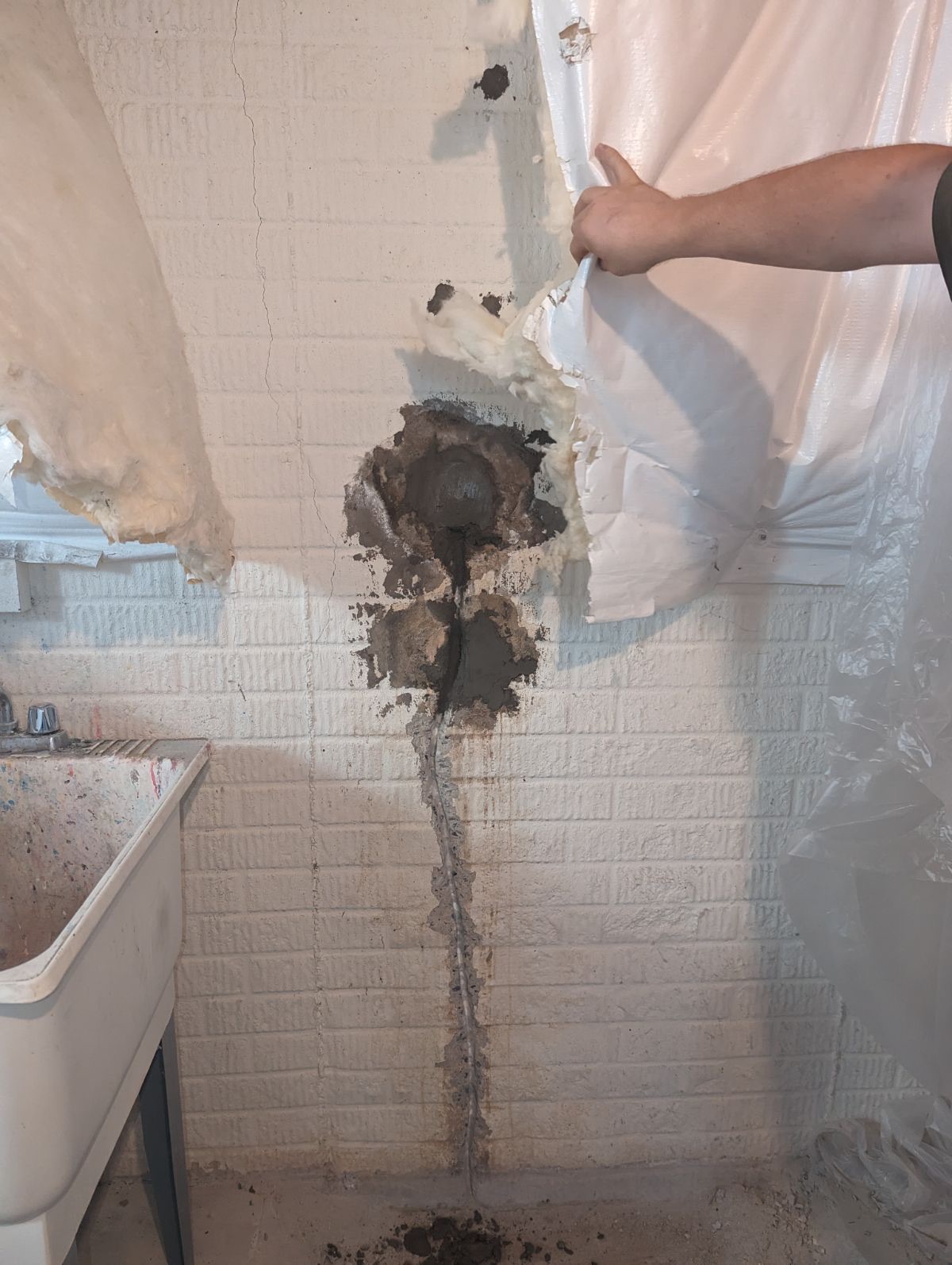
From Symptom to Structural Diagnosis
Warning Signs a Latch Problem
Traces Back to the Foundation
A door that's stopped latching is usually a later stage of the same pattern that starts with visible gaps around a frame and progresses through sticking before the hardware itself stops working.
- A door that needs a firm push to latch, or won't catch even with force
- A gap between the strike plate hole and the latch bolt visible with the door closed
- The same door previously showed sticking or an uneven gap before the latch stopped working
- More than one door on the same side of the house has developed latch problems
- Visible cracks in nearby foundation walls or basement block
What's Included
OBW's Doors Not Latching
Diagnosis & Repair
Because the latch is a measurement of the frame's movement, fixing it for good means fixing what moved it.
Latch & Strike Plate Measurement
We measure exactly how far, and in which direction, the strike plate has moved from the latch bolt's path.
House-Wide Frame Pattern Check
Every door and window showing symptoms is checked, not just the one you called about. The pattern across the house tells the fuller story.
Foundation Settlement Assessment
The direction of misalignment is traced back to the specific section of foundation that has settled.
Foundation Leveling Recommendation
Where settlement is confirmed, we scope the leveling work that addresses the cause rather than the symptom.
Structural Repair Installation
Piers, wall anchors, or other leveling methods appropriate to the settlement pattern found, installed by OBW's own crew.
Written Workmanship Guarantee
Structural repair work is backed by a written workmanship guarantee. Ask your inspector for the terms that apply to your job.
The Process
How OBW Diagnoses a Door
That Won't Latch
Measure the direction. Check the pattern across the house. Trace it to the settlement, then fix that.
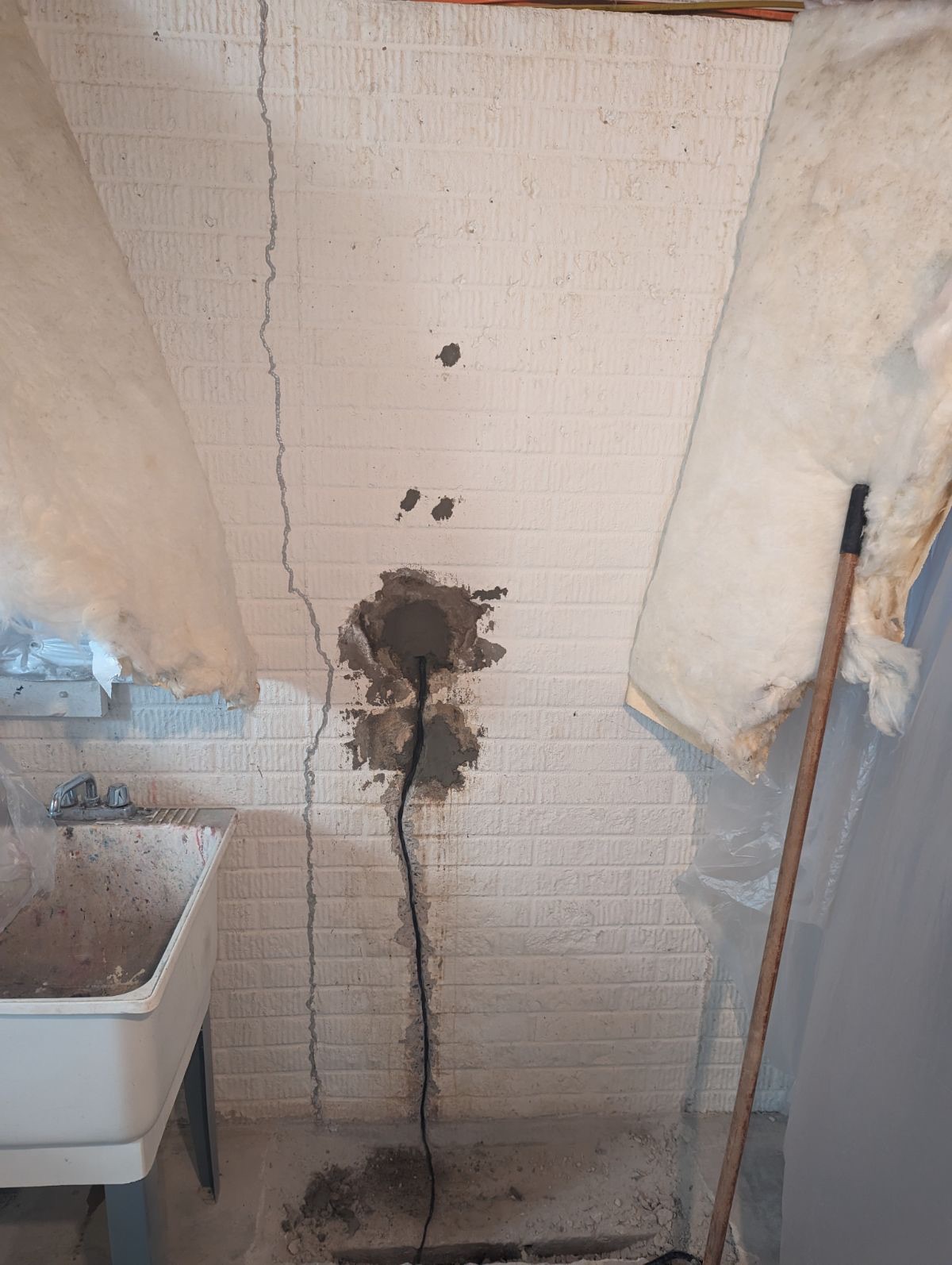
Misalignment Measurement
OBW measures exactly how far the strike plate has drifted from the latch bolt, and in which direction, at the door you called about.
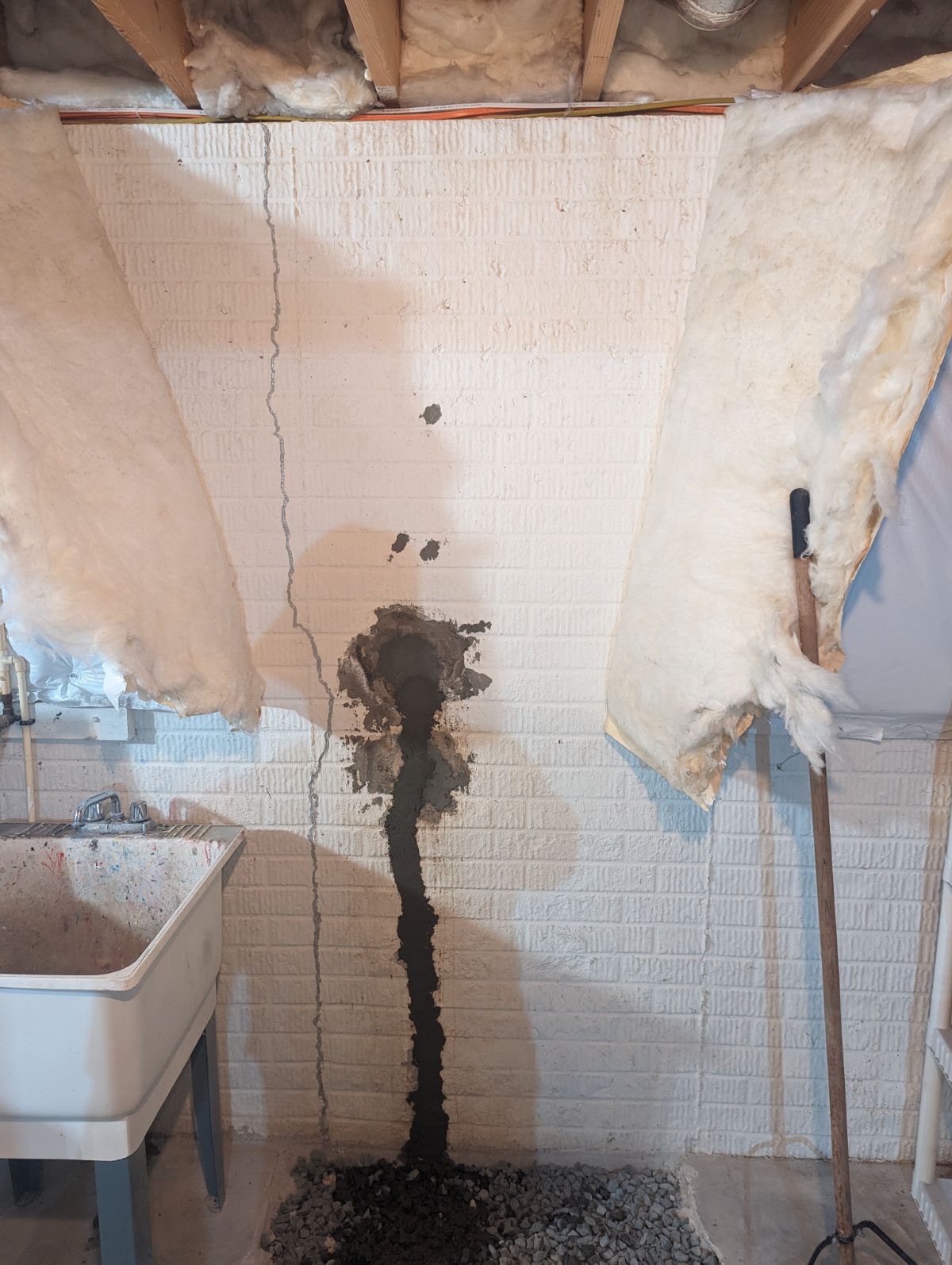
House-Wide Pattern Check
Every other door and window in the house is checked for the same symptom, since a concentrated pattern points to a specific settlement location.
Settlement Diagnosis
The direction and pattern of misalignment across the house is used to identify which section of the foundation has actually moved.
Leveling Plan & Written Quote
A written quote specifying the structural repair addressing the settlement, not just the hardware, before any work is scheduled.
Photos From the Field
Job Site Photos
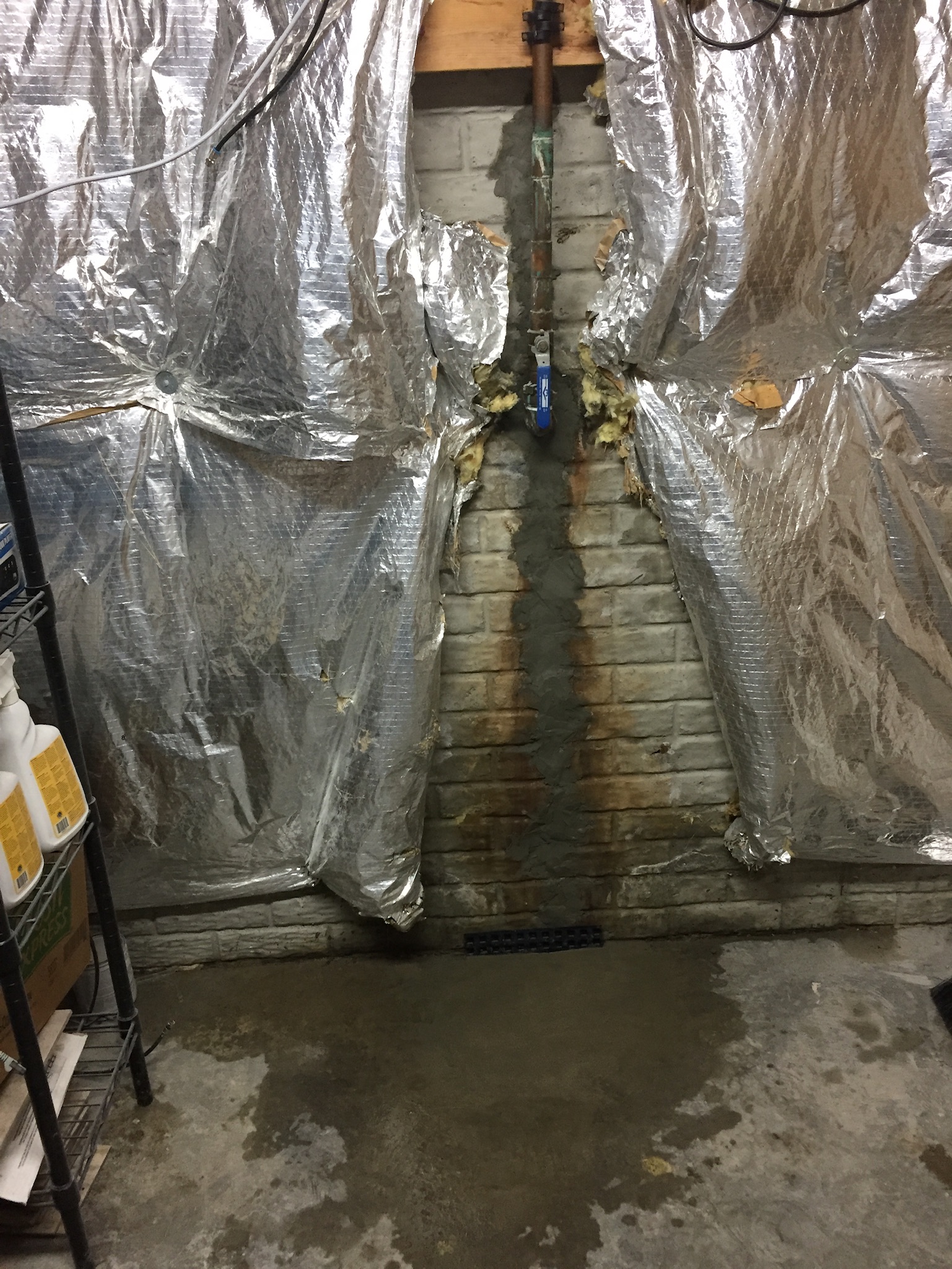
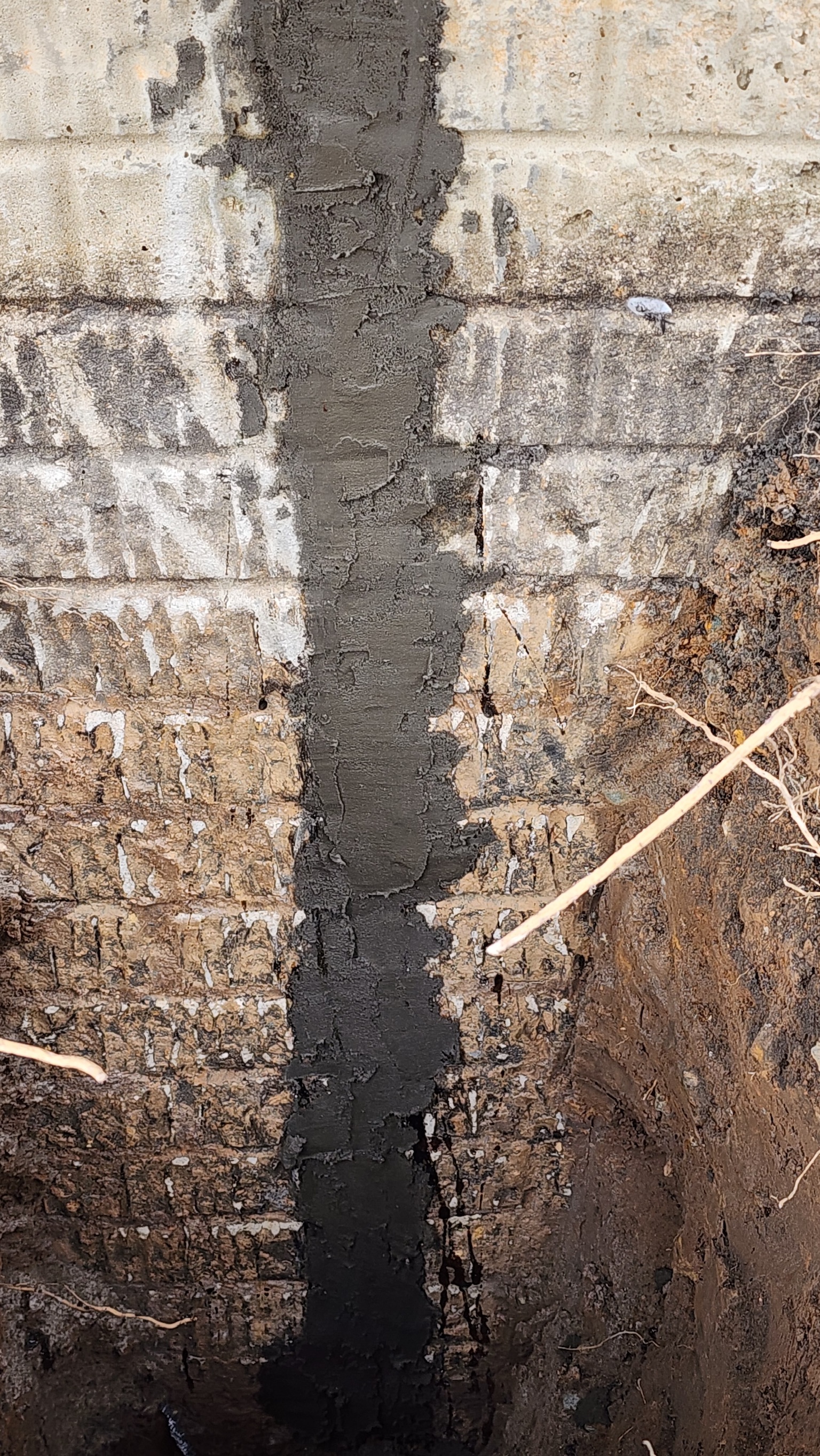
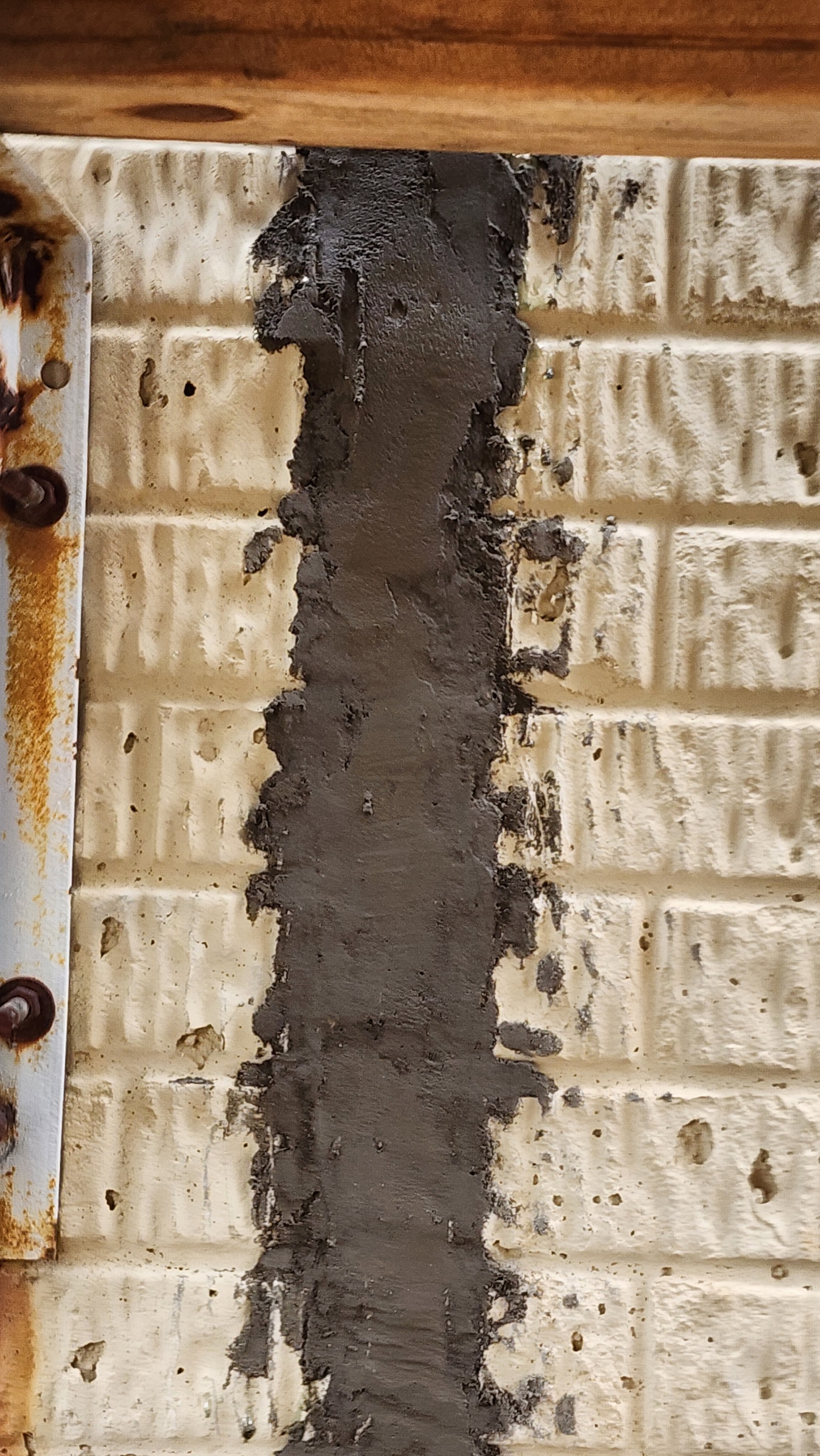
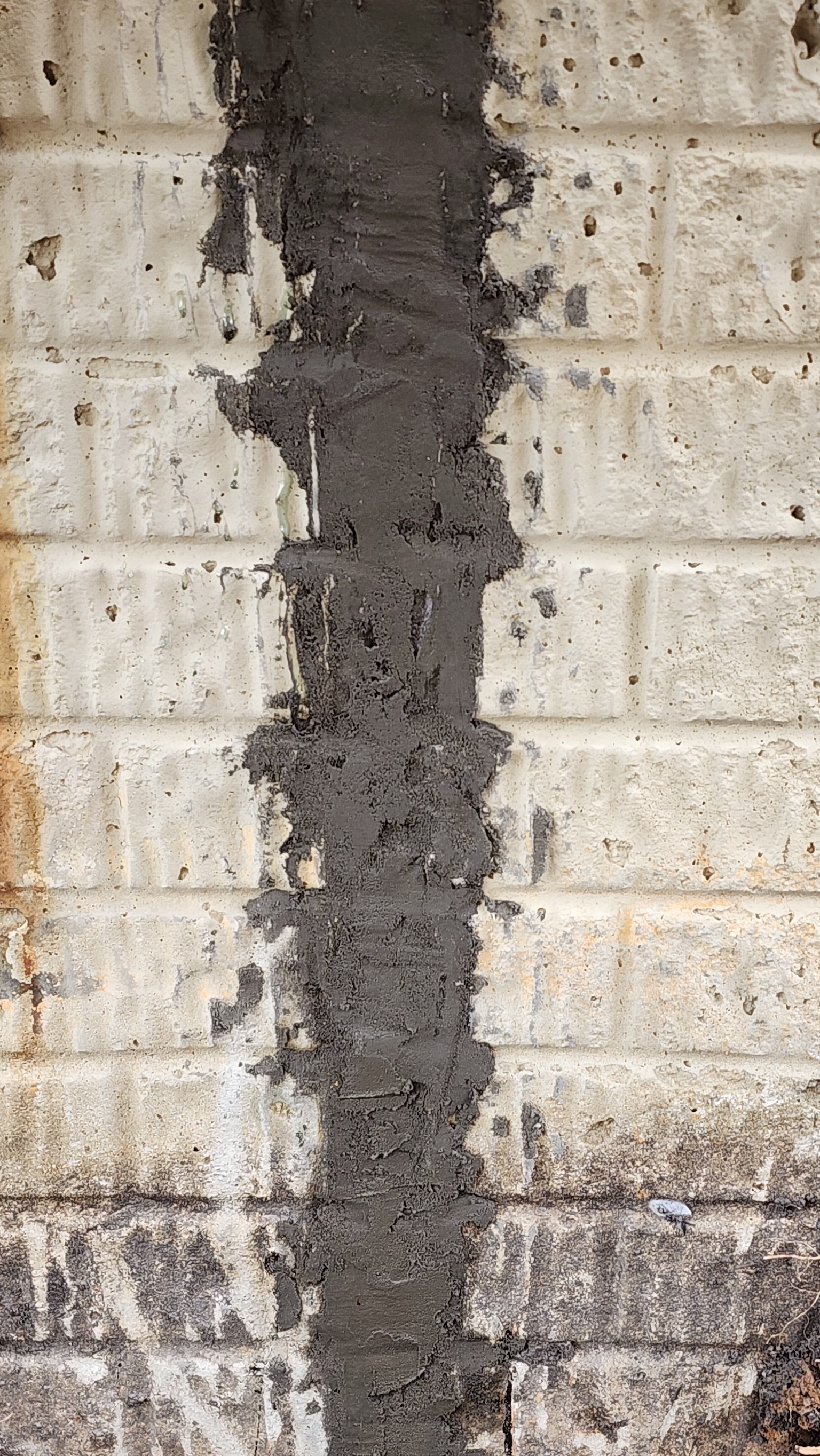
A closer look at the equipment, materials, and job site conditions involved in this kind of work.
Straight Answers
Doors Not Latching Questions
from Maryland Homeowners
Call (410) 879-3360 if a door has stopped catching. Our inspectors will tell you honestly whether it's isolated or part of a pattern.
My door used to latch fine. Now it needs a shove or won't catch at all. What changed?
The latch bolt and the strike plate on the frame have drifted out of alignment. A door frame is built as a rectangle, and the strike plate is positioned to catch the latch bolt at an exact height and depth. When the wall the frame is set into shifts, even slightly, that rectangle distorts and the strike plate moves out of the latch bolt's path.
Unlike general sticking, which can have more than one cause, a latch that no longer catches is a direct measurement of how far the frame has moved, and in which direction. It's one of the more precise, measurable signs that a door frame has shifted out of square.
Does it matter whether the latch sits too high, too low, or off to one side?
Yes. Whether the latch now sits too high, too low, or too far to one side relative to the bolt tells OBW's inspectors which way that section of the wall has moved, information that feeds directly into diagnosing the foundation settlement pattern behind it. A free foundation inspection checks every door and window showing symptoms, not just the one you called about, since the full pattern across the house tells a more complete story than any single door.
Is a door that won't latch a later stage of a problem that started somewhere else?
Usually, yes. A door that's stopped latching is typically a later stage of the same pattern that starts with visible gaps around a frame and progresses through sticking before the hardware itself stops working. If you've noticed the door getting harder to close over months before it stopped latching altogether, that progression is consistent with ongoing settlement rather than a one-time event.
Can I just re-cut the strike plate so the latch catches again?
You can, and it will work temporarily, but it doesn't address why the frame moved in the first place. If the wall is still settling, the strike plate will drift out of alignment again. Foundation leveling addresses the settlement causing the frame distortion, rather than just re-cutting the strike plate to catch the bolt where it currently sits today.
What does OBW actually check when a door won't latch?
We measure the direction and degree of misalignment at the affected door, then check every other door and window in the house for the same pattern. That mapping tells us whether this is an isolated hardware issue or part of a foundation settlement pattern concentrated on one side or corner of the house. Backed by a written workmanship guarantee, terms vary by service, ask your inspector.
Why Oriole
Why Maryland Homeowners Trust
OBW with Door Latch Problems
We Fix the Frame, Not Just the Latch
Re-cutting a strike plate is a five-minute fix that doesn't last if the wall is still moving. OBW addresses the settlement causing the drift.
House-Wide Pattern Reading
One door not latching is a data point. OBW checks every door and window to build the full pattern before diagnosing where the foundation has moved.
No Subcontracting
OBW's own crew handles diagnosis and structural repair, in house, start to finish.
Family-Owned Since 1953
Founded by Frank Pirog Sr. in 1953. Amber Pirog leads the company today. Written workmanship guarantee on every repair.
Reviews
What Our Maryland Neighbors Say
A Re-Cut Strike Plate Doesn't Stop the Wall.
Getting Started on Your
Latch Diagnosis
If the frame is still moving, the latch will keep drifting no matter how many times the hardware is adjusted.
Free Inspection
OBW measures the misalignment direction and checks every other door and window for the same pattern. Free, no obligation.
Written Diagnosis & Quote
You receive a written quote specifying the settlement location and the structural repair addressing it, before any work is scheduled.
Leveling & Verification
OBW's crew installs the structural repair and confirms the frame is stable. Written workmanship guarantee issued upon completion.
A Door Stopped Latching in Your Home?
Free inspection. We measure the direction before recommending a fix.
Family-owned since 1953 · MHIC #4247 · Written Workmanship Guarantee