
The Cabinet Didn't Move. The Wall Did.
Detached Cabinets
in Your
Maryland Home
Cabinets are built to stay fixed to the wall and floor. When a gap opens up, the cabinet hasn't moved. The structure around it has.
A gap at the top where a cabinet meets the wall, or a widening toe kick gap at the floor, is an overlooked but rigid indicator, one that doesn't flex the way drywall or trim can. OBW connects it to the wall or floor movement behind it.

A Rigid, Overlooked Indicator
Why Cabinets Are a Useful,
Overlooked Indicator
Kitchen and bathroom cabinets are rigidly fastened to the wall studs and typically sit level on the floor when installed. Because they're rigid and fixed at multiple points, they don't flex the way drywall or trim can, so when the wall behind them shifts or the floor beneath them drops slightly, the cabinet stays put relative to the room while the surrounding structure moves.
The result is a visible gap at the top where the cabinet meets the wall, or a widening gap at the floor, that homeowners often notice well before they'd think to check the foundation.
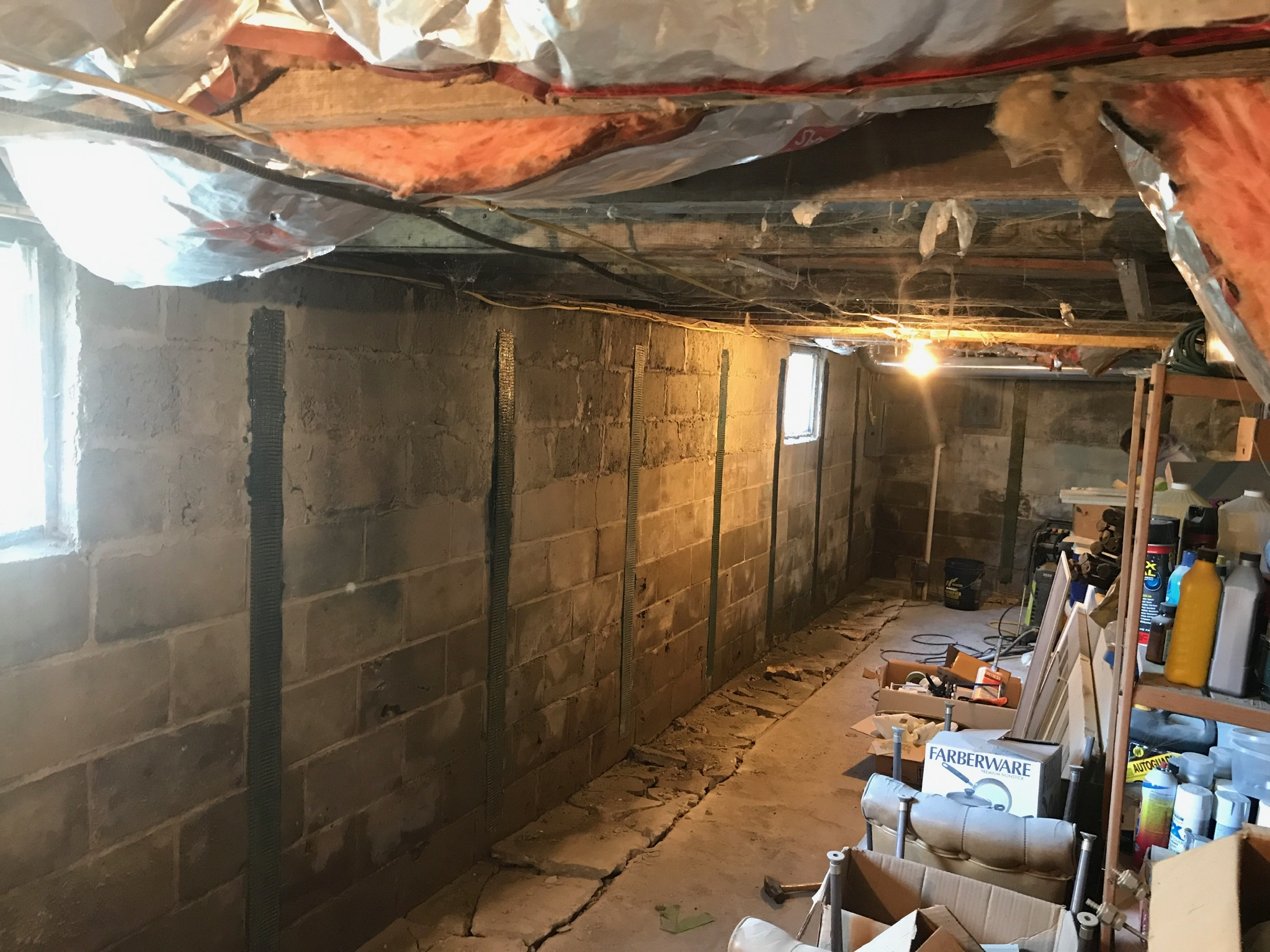
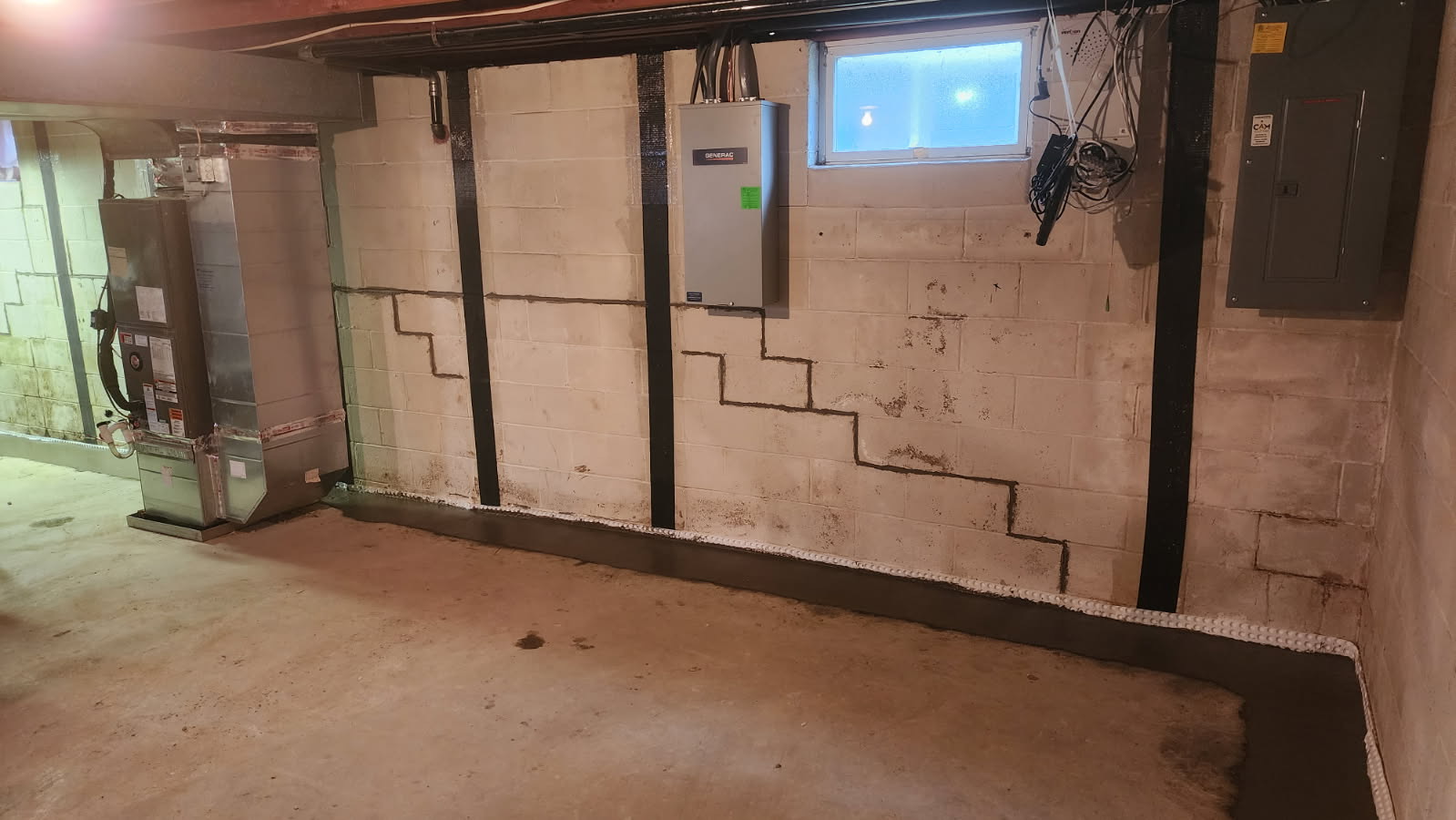
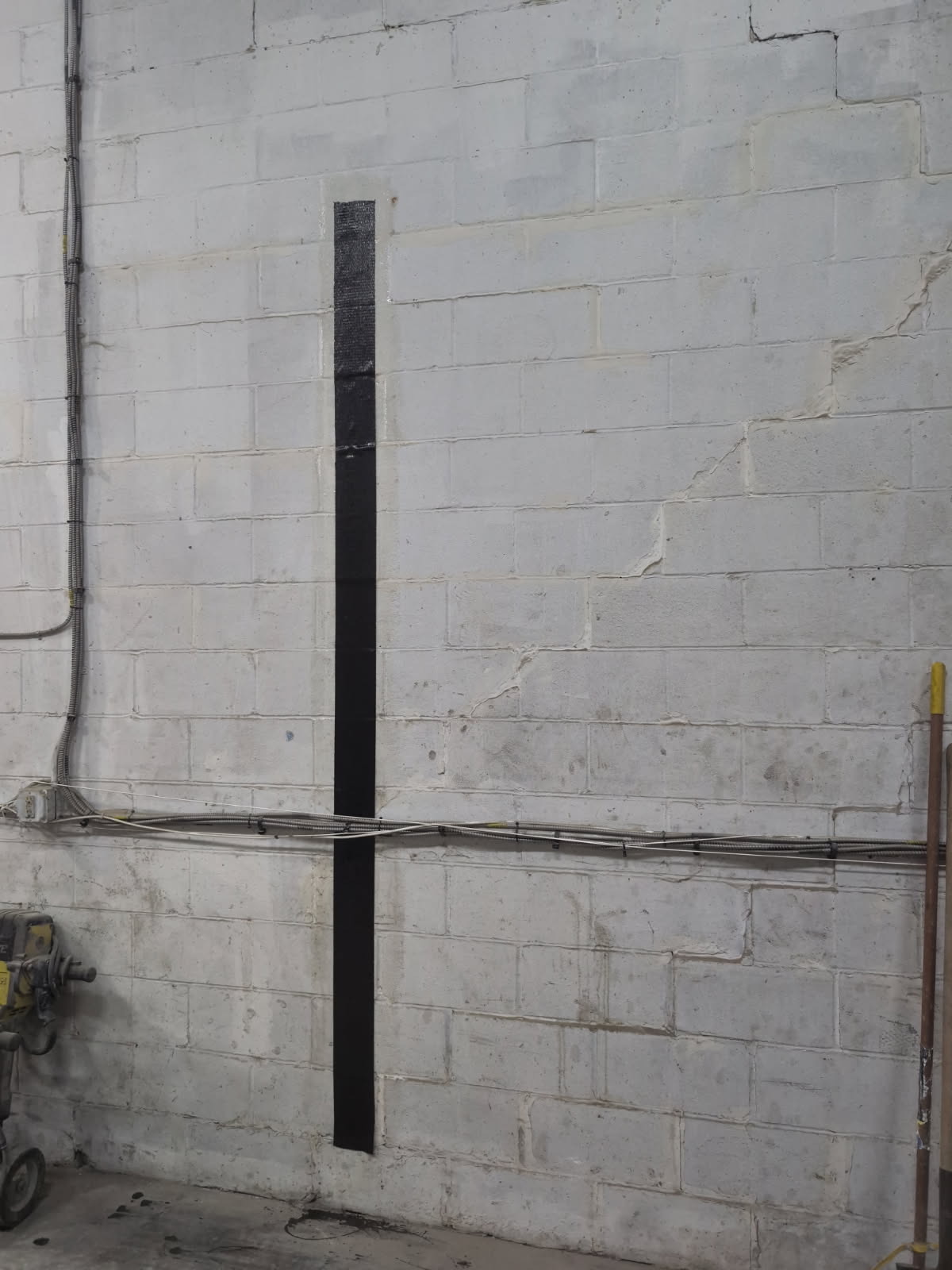
Wall reinforcement addressing the movement behind a cabinet gap at the top of the run
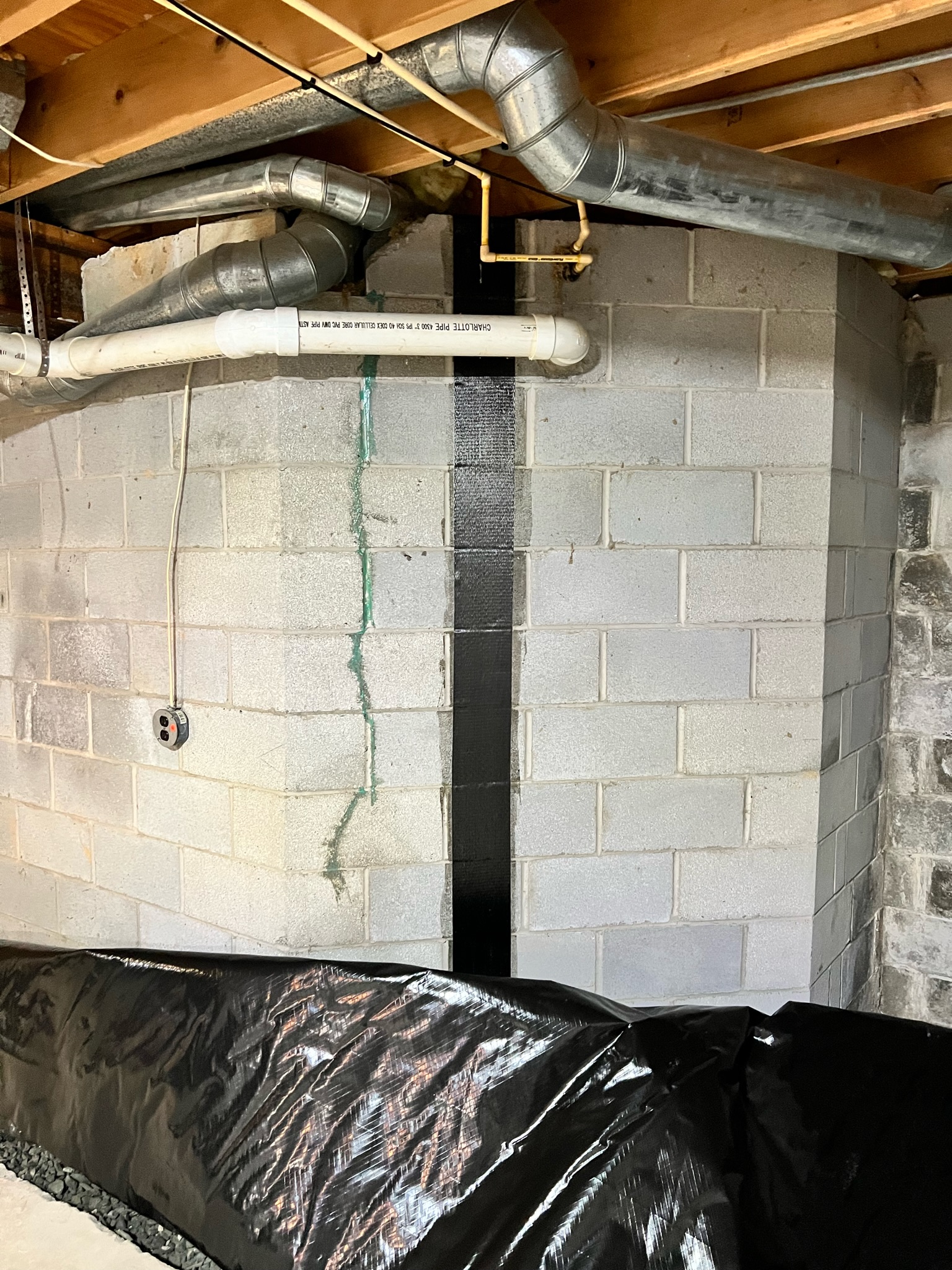
What's Usually Behind It
Warning Signs a Detached Cabinet
Points to Foundation Movement
Reattaching or shimming a detached cabinet addresses the symptom but not the movement causing it.
- A gap opening at the top where an upper or base cabinet meets the wall
- A widening toe kick gap at the floor beneath a cabinet run
- A run of cabinets noticeably out of level from one end to the other
- Drywall cracks or a bowing wall visible in the same room
- A previously shimmed or reattached cabinet that's pulled away again
What's Included
OBW's Detached Cabinet
Diagnosis
The underlying cause gets addressed, not just the cabinet symptom.
Top Gap vs. Floor Gap Assessment
We determine whether separation is happening at the top of the cabinet, the floor, or both, since each points to a different cause.
Wall Movement Check
Where the gap is at the top, we check the wall behind the cabinet for the same movement behind nearby drywall cracks or bowing.
Floor Level Check
Where the gap is at the floor, we measure the floor's level across the cabinet run to confirm foundation settlement below.
House-Wide Pattern Check
We connect what's happening at the cabinet to other signs elsewhere in the room and the rest of the house.
Foundation Settlement Repair
Where confirmed, structural repair addresses the wall or floor movement, not just the cabinet symptom.
Written Workmanship Guarantee
Structural repair work is backed by a written workmanship guarantee. Ask your inspector for the terms that apply to your job.
The Process
How OBW Diagnoses a
Detached Cabinet
Locate the gap. Check the wall or floor behind it. Connect it to the house-wide pattern before recommending a fix.
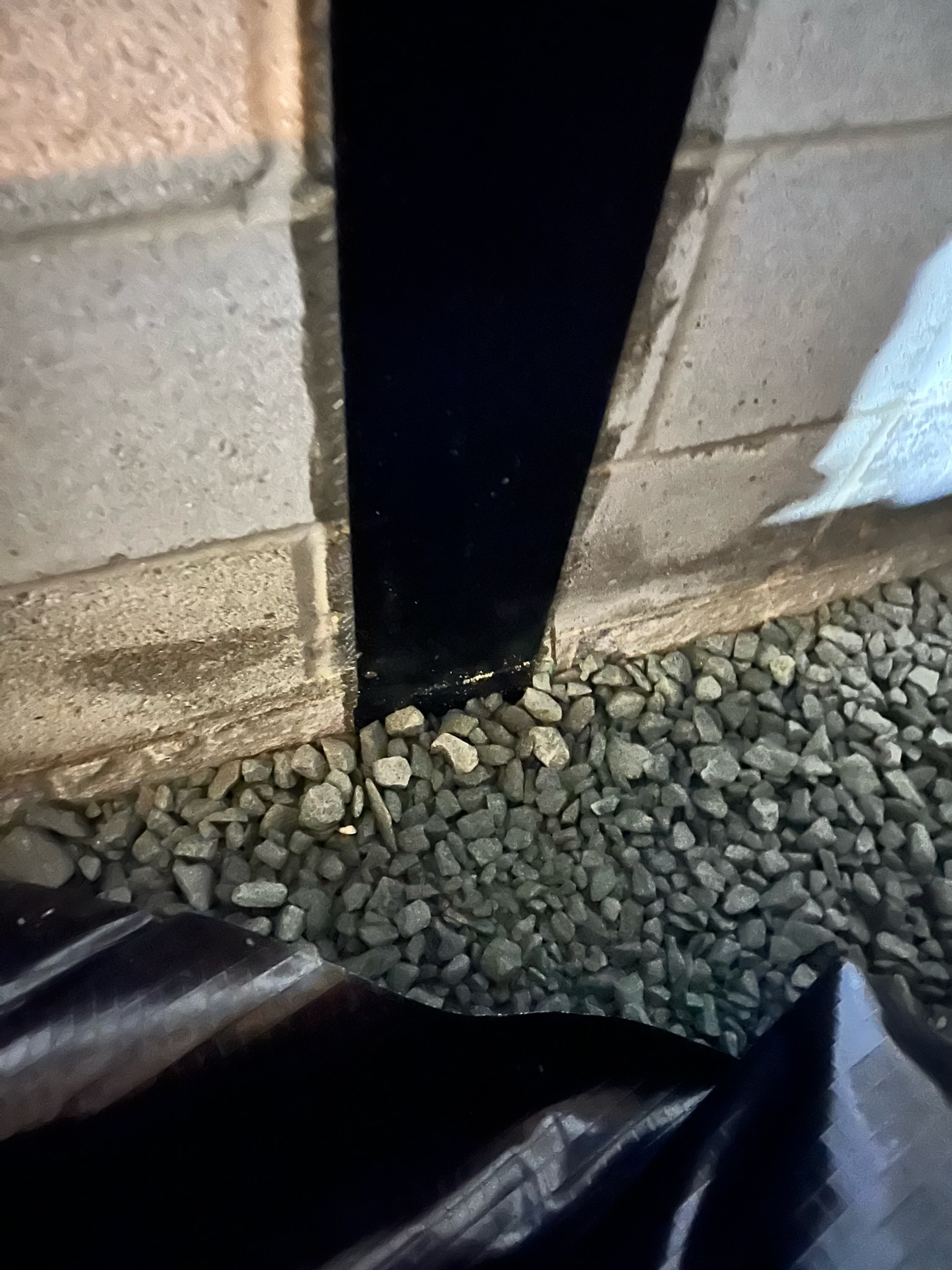
Gap Location Assessment
OBW determines whether the cabinet is separating at the top, the floor, or both, the first split in diagnosing the cause.
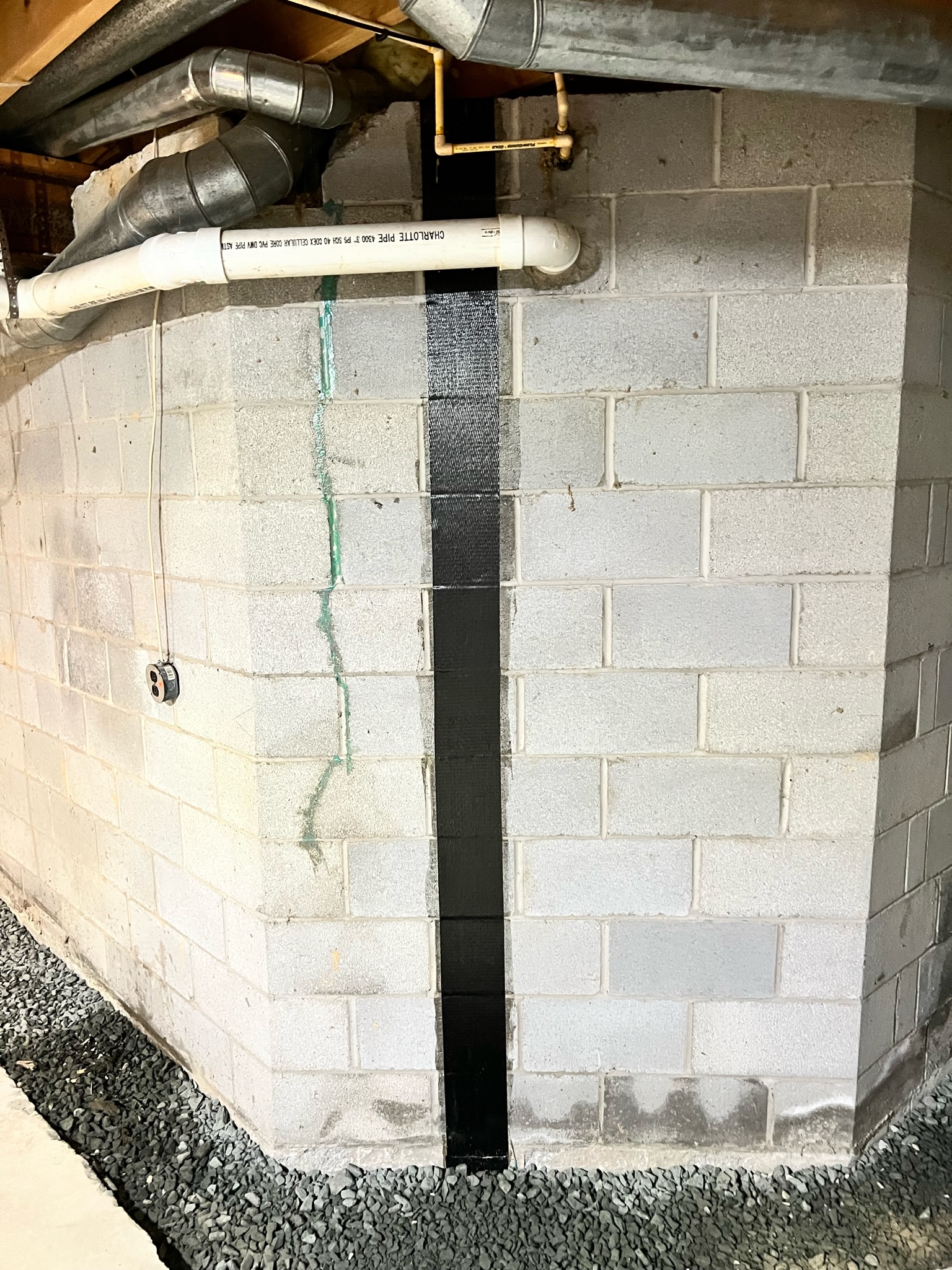
Wall or Floor Movement Check
Depending on where the gap is, the wall behind the cabinet or the floor beneath it is checked for the underlying movement.
House-Wide Symptom Check
Other signs in the room and rest of the house, drywall cracks, bowing, or sloping floors, are checked to confirm the pattern.
Repair Plan & Written Quote
A written quote specifying the structural repair addressing the wall or floor movement, before any work is scheduled.
Photos From the Field
Job Site Photos
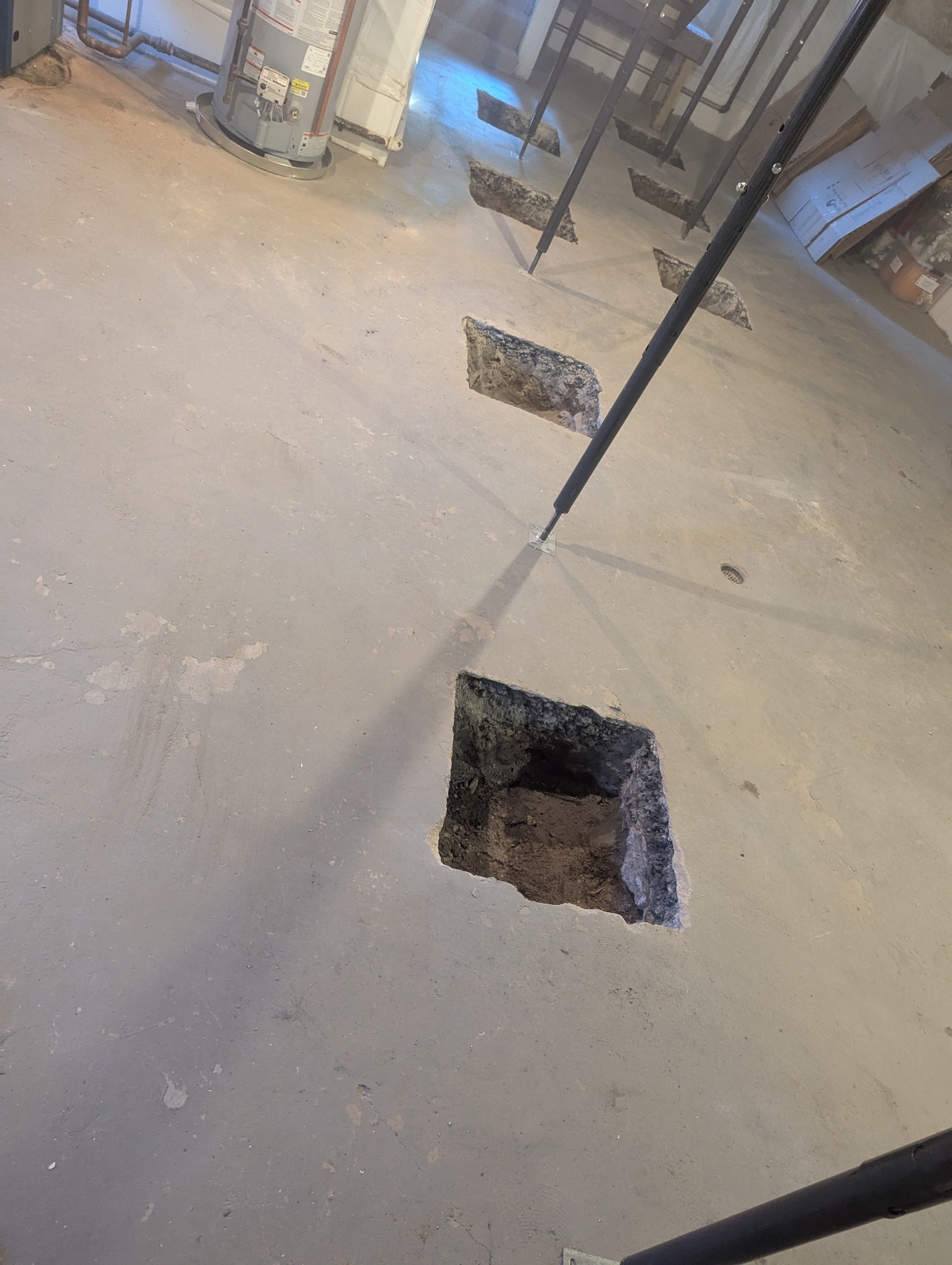
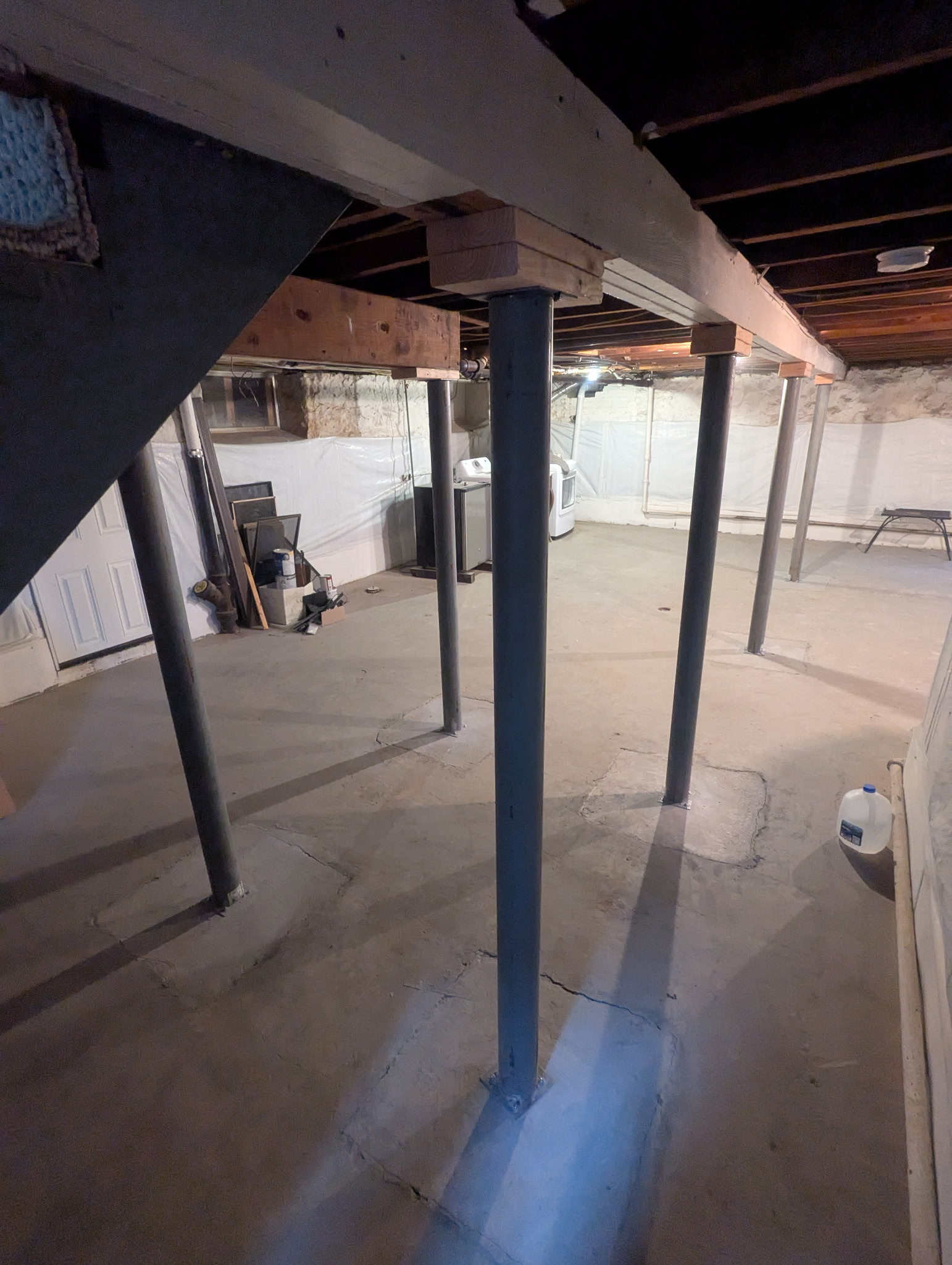
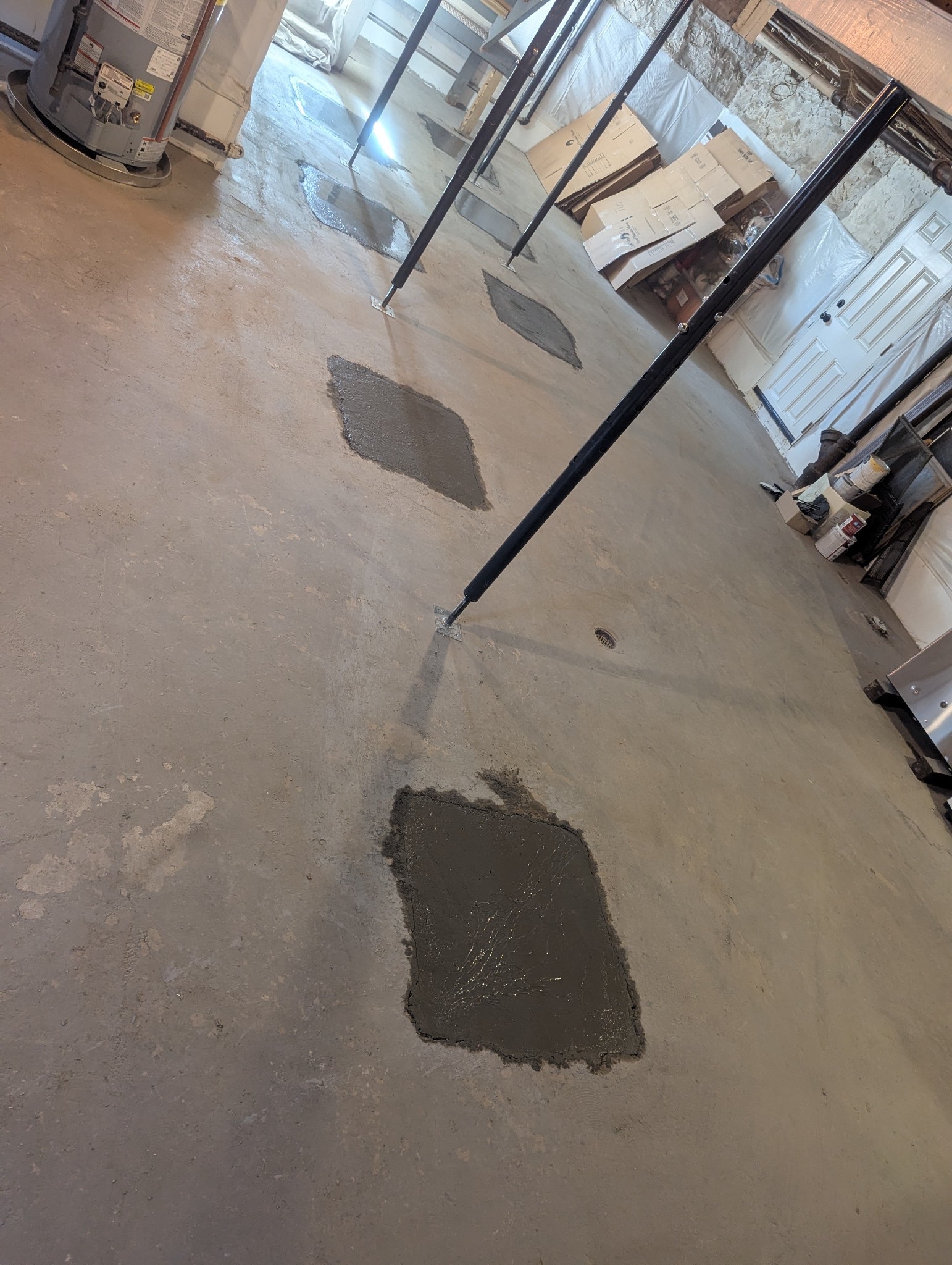
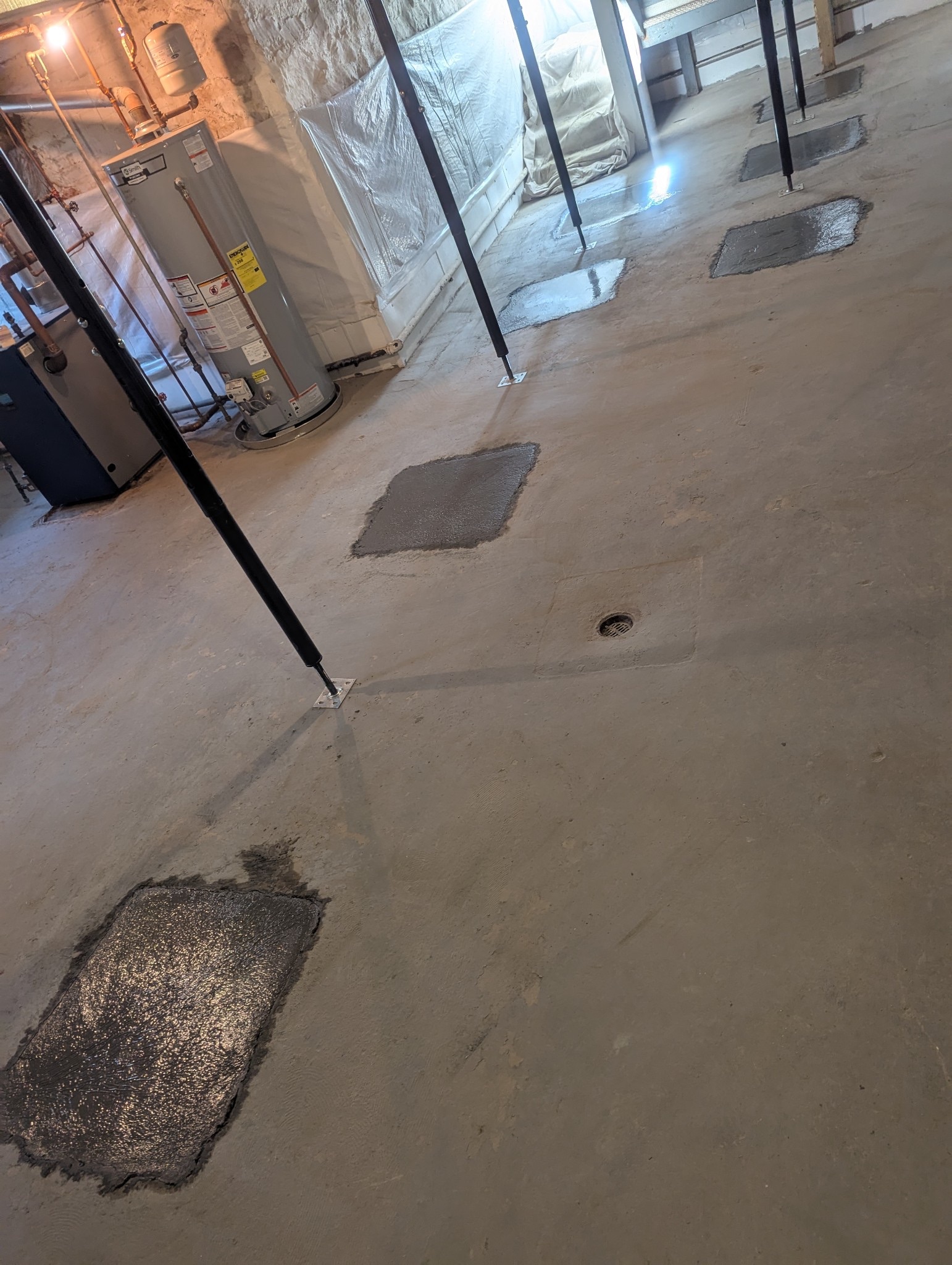
A closer look at the equipment, materials, and job site conditions involved in this kind of work.
Straight Answers
Detached Cabinet Questions from
Maryland Homeowners
Call (410) 879-3360 if your cabinets are pulling away from the wall or floor. We'll check what's actually moving behind them.
Why would my cabinets pulling away from the wall have anything to do with my foundation?
Cabinets are built to stay fixed to the wall and the floor beneath them. Kitchen and bathroom cabinets are rigidly fastened to the wall studs and typically sit level on the floor when installed. Because they're rigid and fixed at multiple points, they don't flex the way drywall or trim can.
So when the wall behind them shifts or the floor beneath them drops slightly, the cabinet stays put relative to the room while the surrounding structure moves. The result is a visible gap at the top where the cabinet meets the wall, or a widening gap at the floor, that homeowners often notice well before they'd think to check the foundation.
Does it matter whether the gap is at the top or at the floor?
Yes, it points toward a different cause. A cabinet pulling away at the top is often connected to the same wall movement behind drywall cracking or a bowing foundation wall nearby, the wall itself shifting slightly out of plane. A cabinet separating at the floor, or a run of cabinets that's noticeably out of level from one end to the other, more often points to uneven floors from foundation settlement below.
Can this really be the earliest sign I notice, before anything else?
It can be, since cabinets are rigid where drywall and trim are more forgiving. A homeowner using their kitchen daily is likely to notice a new gap above the cabinets or a cabinet run going out of level well before they'd think to inspect the foundation itself. It's a useful, often overlooked indicator for exactly that reason.
Should I just reattach or shim the cabinet myself?
You can, but reattaching or shimming a detached cabinet addresses the symptom, not the movement causing it. If the wall or floor is still moving, the gap will reopen or the shimming will need redoing. It's worth checking the cause before spending time on a fix that might not last.
What does OBW check when cabinets are pulling away?
A free OBW foundation inspection checks the wall and floor behind the affected cabinets alongside the rest of the house for signs of foundation settlement, so the underlying cause gets addressed rather than just the cabinet. We connect what's happening at the cabinet to what else is happening in the room and the rest of the house. Backed by a written workmanship guarantee, terms vary by service, ask your inspector.
Why Oriole
Why Maryland Homeowners Trust
OBW with Detached Cabinets
We Check the Wall, Not Just the Cabinet
Reattaching a cabinet without checking the cause behind it just delays the next gap. OBW checks what's actually moving first.
We Notice What Others Overlook
A cabinet gap is an easy sign to write off as normal wear. OBW treats it as a real diagnostic clue worth connecting to the rest of the house.
No Subcontracting
OBW's own crew handles diagnosis and structural repair, in house, start to finish.
Family-Owned Since 1953
Founded by Frank Pirog Sr. in 1953. Amber Pirog leads the company today. Written workmanship guarantee on every repair.
Reviews
What Our Maryland Neighbors Say
Reattaching Doesn't Stop the Wall or Floor.
Getting Started on Your
Cabinet Gap Diagnosis
If the wall or floor behind a cabinet is still moving, shimming it back into place is only temporary.
Free Inspection
OBW checks the wall or floor behind the affected cabinets and the rest of the house for related signs. Free, no obligation.
Written Diagnosis & Quote
You receive a written quote specifying the structural repair addressing the movement, before any work is scheduled.
Repair & Verification
OBW's crew addresses the wall or floor movement and confirms it's stable. Written workmanship guarantee issued upon completion.
Cabinets Pulling Away from the Wall or Floor?
Free inspection. We check what's actually moving behind them.
Family-owned since 1953 · MHIC #4247 · Written Workmanship Guarantee