When the Yard Isn't an Option
I-Beam Wall
Bracing
in Maryland
Stabilizing a bowing basement wall from the inside, when the yard behind it isn't accessible for anchors
Steel I-beams braced vertically from floor to footing add structural capacity to resist further wall movement without any exterior excavation, an option when a deck, patio, or driveway blocks the yard access wall anchors need.

Where I-Beams Fit Among Wall Repair Options
I-Beam Bracing vs. Carbon
Fiber and Wall Anchors
Carbon fiber straps handle minor deflection with no excavation at all. Wall anchors handle moderate deflection and can gradually straighten a wall, but need accessible yard space behind it. I-beam wall bracing sits between these in a specific way: it can handle more advanced bowing than carbon fiber, entirely from the interior, for situations where the yard behind the wall isn't available for anchors.
Like carbon fiber, I-beam bracing is a stabilization method, it stops further inward movement, but it doesn't offer the periodic re-tightening that lets wall anchors gradually pull a wall back toward plumb over time.
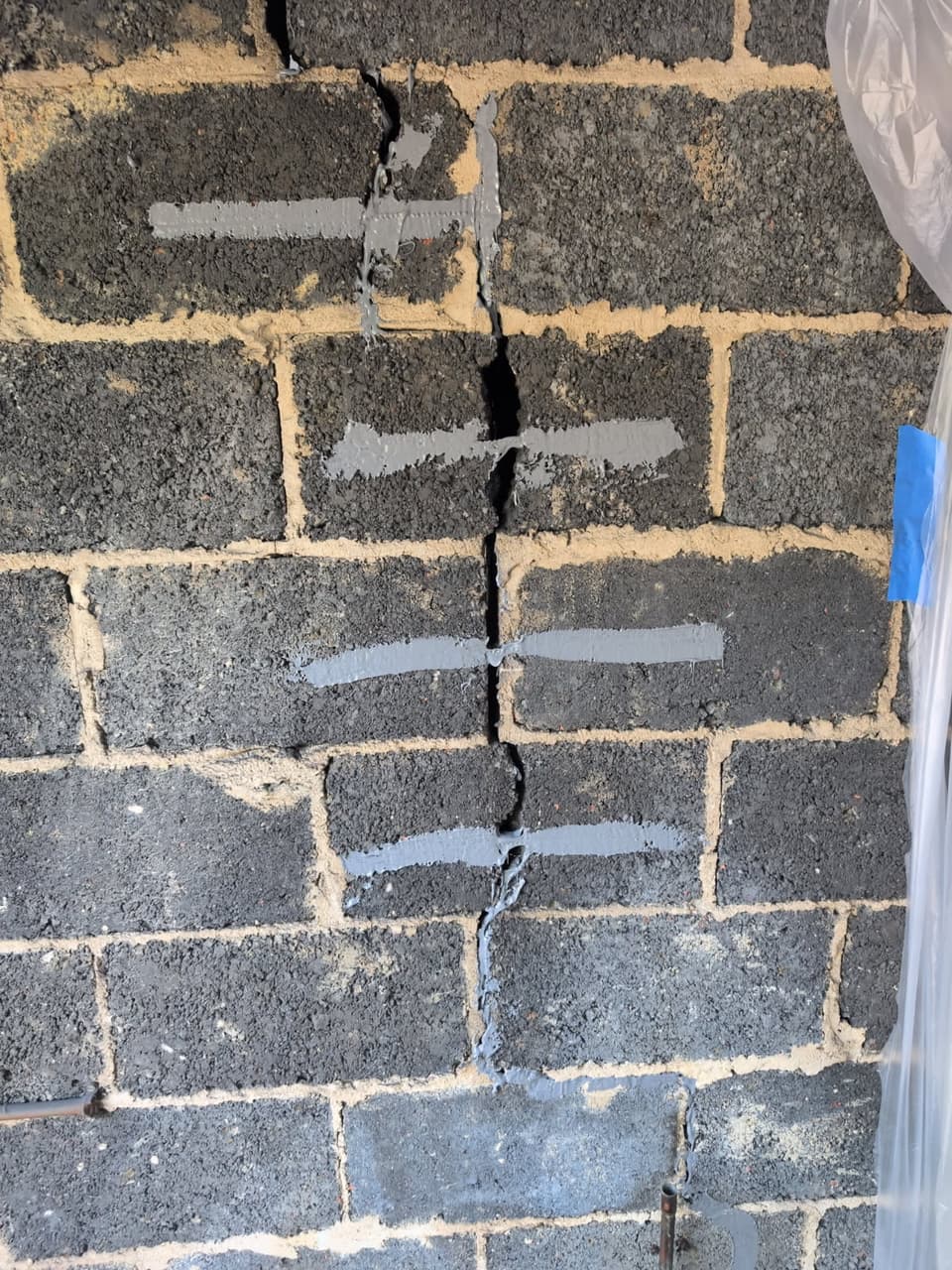
A bowing wall with limited exterior access, a common candidate for I-beam bracing

When I-Beams Are Worth Discussing
Signs I-Beam Bracing
May Be the Right Fit
- Deflection beyond what carbon fiber straps are rated to stabilize
- A deck, patio, driveway, or addition directly behind the affected wall
- A preference to avoid exterior excavation and landscaping disruption
What's Included
OBW's I-Beam Bracing Process
Deflection and Access Assessment
We measure how far the wall has bowed and check whether the yard behind it is accessible for anchors before recommending I-beams.
Steel I-Beam Installation
Beams are set vertically from the floor to the footing at intervals along the affected wall, braced to resist further inward movement.
No Exterior Excavation
Because the work happens entirely on the interior, I-beam bracing is an option where a deck, patio, or driveway blocks yard access for anchors.
Drainage Correction
Addressing the hydrostatic pressure causing the bow, alongside the bracing, reduces the ongoing load on the wall.
Common Questions
I-Beam Bracing Questions from
Maryland Homeowners
When does a bowing wall need I-beam bracing instead of carbon fiber or wall anchors?
Carbon fiber straps work for minor deflection, under about an inch, and stop further movement without any yard excavation. Wall anchors work for moderate deflection and can gradually pull a wall back toward plumb over time, but they need accessible yard space behind the wall for the anchor plate. I-beam wall bracing is an option when a wall has bowed enough that carbon fiber's capacity isn't sufficient, but the yard behind the wall isn't accessible for anchors, a deck, patio, or driveway sitting directly behind the affected section, for example.
Steel I-beams braced vertically from the floor to the footing add significant structural capacity to resist further inward movement without any exterior excavation. Like carbon fiber, I-beam bracing is primarily a stabilization method, it doesn't offer the periodic tightening and gradual straightening that wall anchors provide.
Does I-beam bracing require finishing changes to a basement?
The beams themselves are visible against the interior wall face once installed, running vertically from floor to ceiling framing at intervals along the affected wall. If you're planning to finish the basement, this is worth discussing with your inspector early, since the beam locations and spacing factor into how a finished wall gets built around them.
Why Oriole
Why Maryland Homeowners Choose
OBW for Wall Bracing
Measurement-Based Recommendations
We measure deflection and check yard access before recommending I-beams over carbon fiber or anchors.
Written Workmanship Guarantee
I-beam bracing installations are backed by a written workmanship guarantee, terms vary by service, ask your inspector.
No Subcontracting
OBW's own crew installs every I-beam brace in-house.
Family-Owned Since 1953
Founded by Frank Pirog Sr. in 1953. Amber Pirog leads the company today.
Bowing Wall, No Yard Access?
Free inspection. Honest recommendation on I-beam bracing or another repair method for your wall.
Family-owned since 1953 · MHIC #4247 · Written Workmanship Guarantee