The Opposite of Sinking
Foundation
Upheaval
in Maryland
Most foundation problems are about the ground sinking. Upheaval is the opposite: a section pushing up instead of settling down.
It's less common than settlement, but it comes from the same clay soil behaving differently under different conditions. OBW reads the actual movement direction, up or down, before assuming which one you're dealing with.

The Opposite of a Sinking Foundation
What Pushes a Foundation
Up Instead of Down
Maryland's Piedmont clay swells when it absorbs water and shrinks as it dries out. Where drainage concentrates water against one section of a footing or slab, that clay can swell enough to push the concrete upward rather than settling it. Shallow footings are also vulnerable to frost heave, expansion of soil moisture as it freezes below a footing that wasn't set deep enough to clear the frost line, roughly 30 inches in Maryland's climate. Both causes trace back to water and how it's managed around the foundation, not to a structural defect in the concrete itself.
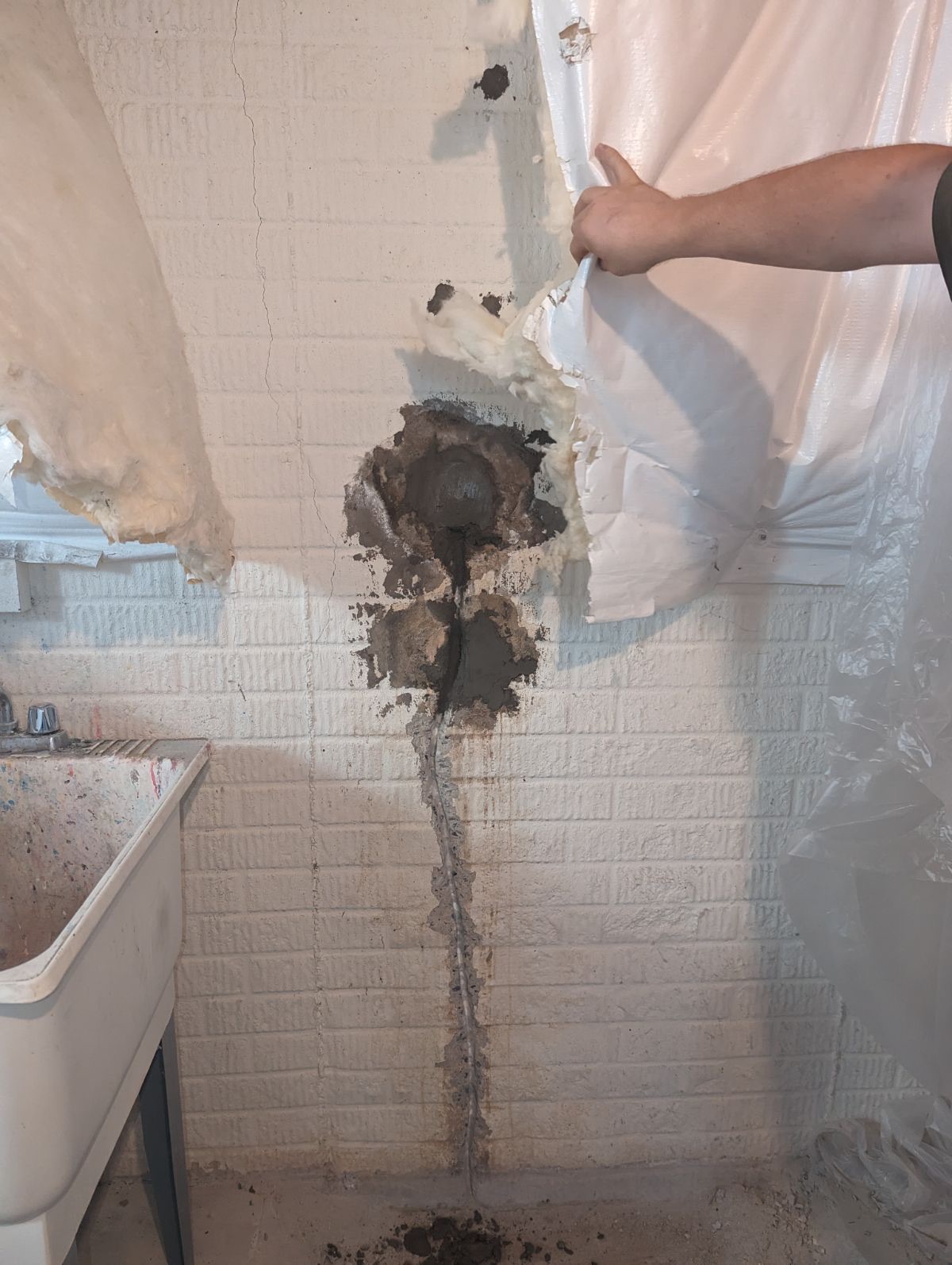
Upheaval and a sinking foundation move in genuinely opposite directions, which is exactly why they shouldn't be diagnosed the same way. A sinking foundation often shows little to no interior cracking, since a whole section moves down as a coordinated unit. Upheaval frequently does produce cracking, just in the reverse pattern, wider at the bottom, narrower toward the top.
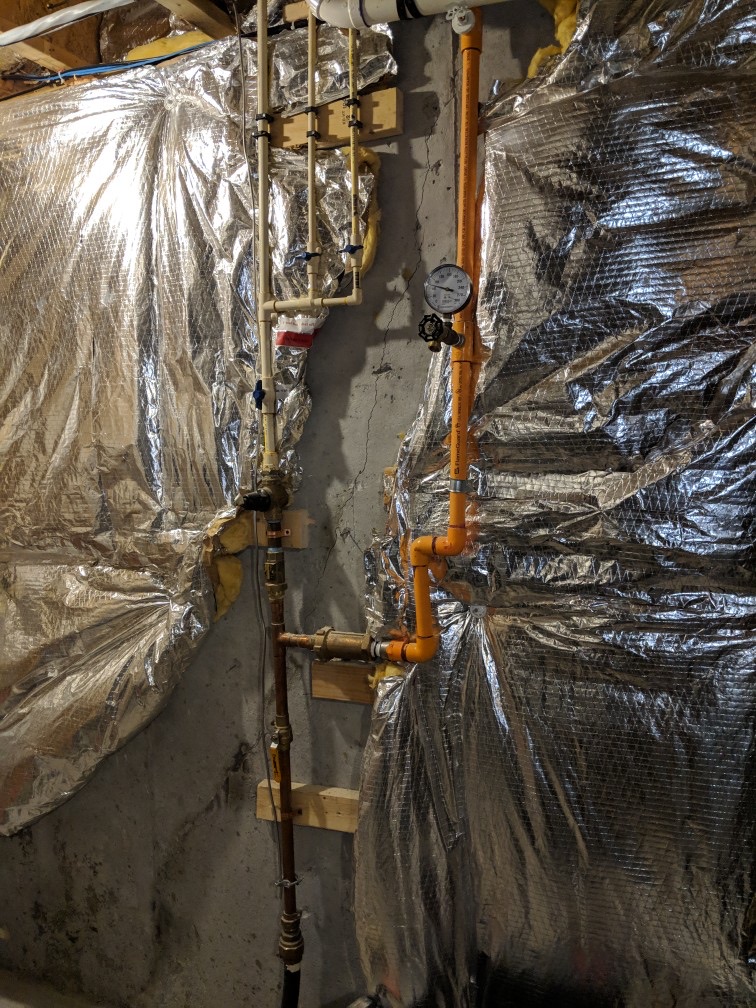
Moisture-driven movement addressed at the source, whether pushing a section up or settling it down
Signs of Upheaval, and How It Reads Differently Than Settlement
Warning Signs of Foundation
Upheaval in Your Home
These signs point in the opposite direction from ordinary settlement, and the correction is different too.
- A slab or floor section noticeably higher than the surrounding area
- Cracks that are wider at the bottom and narrower toward the top
- Doors or windows binding from a direction opposite what a sinking foundation would cause
- Drainage that concentrates water against one section of the footing or slab
- A shallow footing that may not clear Maryland's frost line depth
What's Included
OBW's Foundation Upheaval
Diagnosis & Repair
Correcting the water source comes first. Slab repair without it just returns after the next wet season.
Elevation Measurement
We measure the affected section against the surrounding slab or floor to confirm it's actually higher, not just a settled area nearby appearing lower.
Reverse Crack Pattern Check
Cracks wider at the bottom and narrower toward the top are checked, the pattern distinguishing upheaval from ordinary settlement.
Drainage & Grading Assessment
We identify where water is concentrating against the footing or slab, the water source driving the clay swelling or frost heave.
Frost Depth Check
Shallow footings are checked against Maryland's roughly 30 inch frost line to assess frost heave risk.
Drainage Correction & Slab Repair
Drainage and grading are corrected first, then slab foundation repair addresses the affected section.
Written Workmanship Guarantee
Structural repair work is backed by a written workmanship guarantee. Ask your inspector for the terms that apply to your job.
The Process
How OBW Diagnoses and
Corrects Foundation Upheaval
Measure the elevation and crack pattern. Identify the water source. Correct drainage first, then repair the slab.
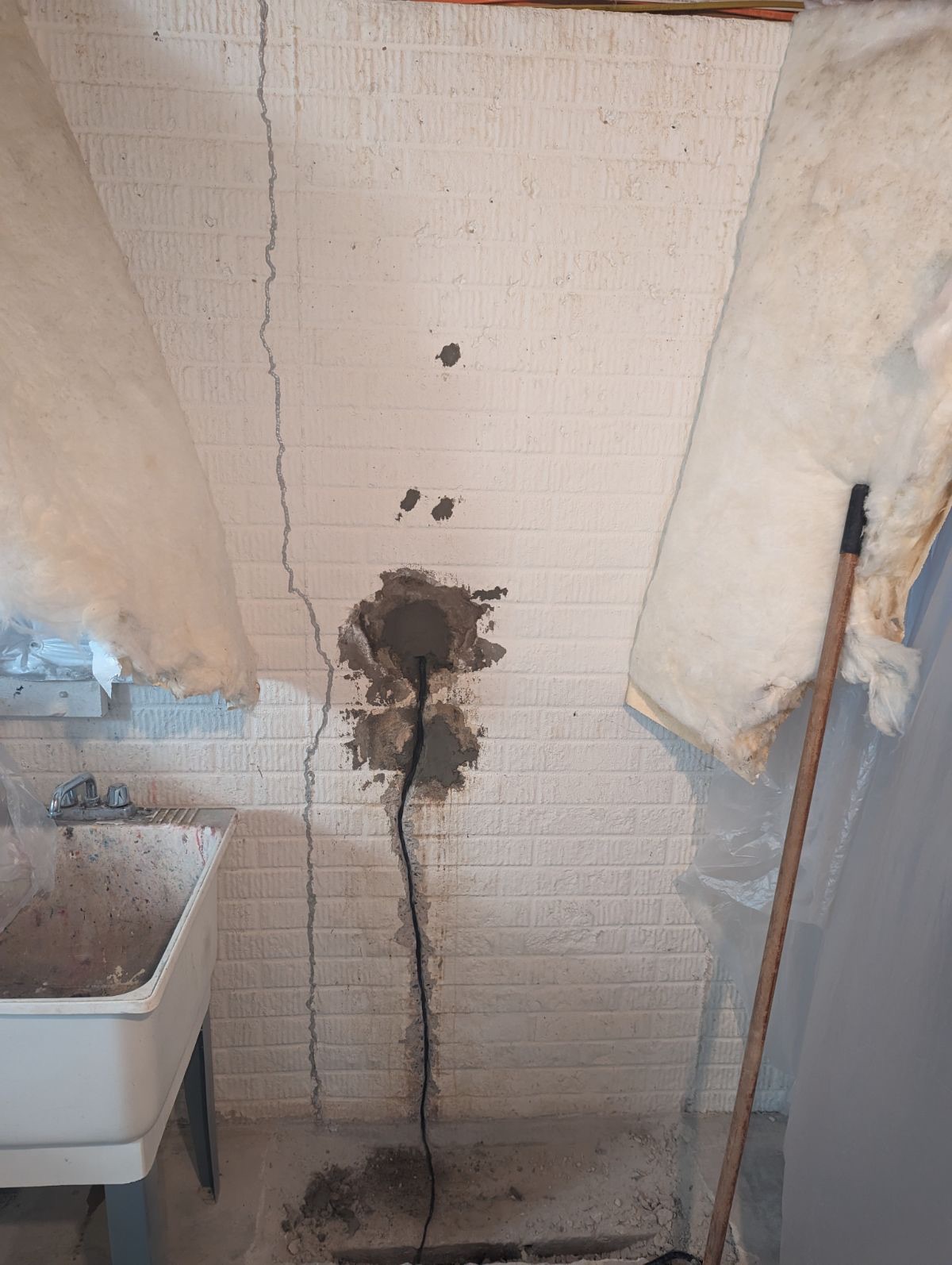
Elevation & Crack Pattern Measurement
OBW measures the affected section's elevation and checks for the reverse crack pattern that distinguishes upheaval from settlement.
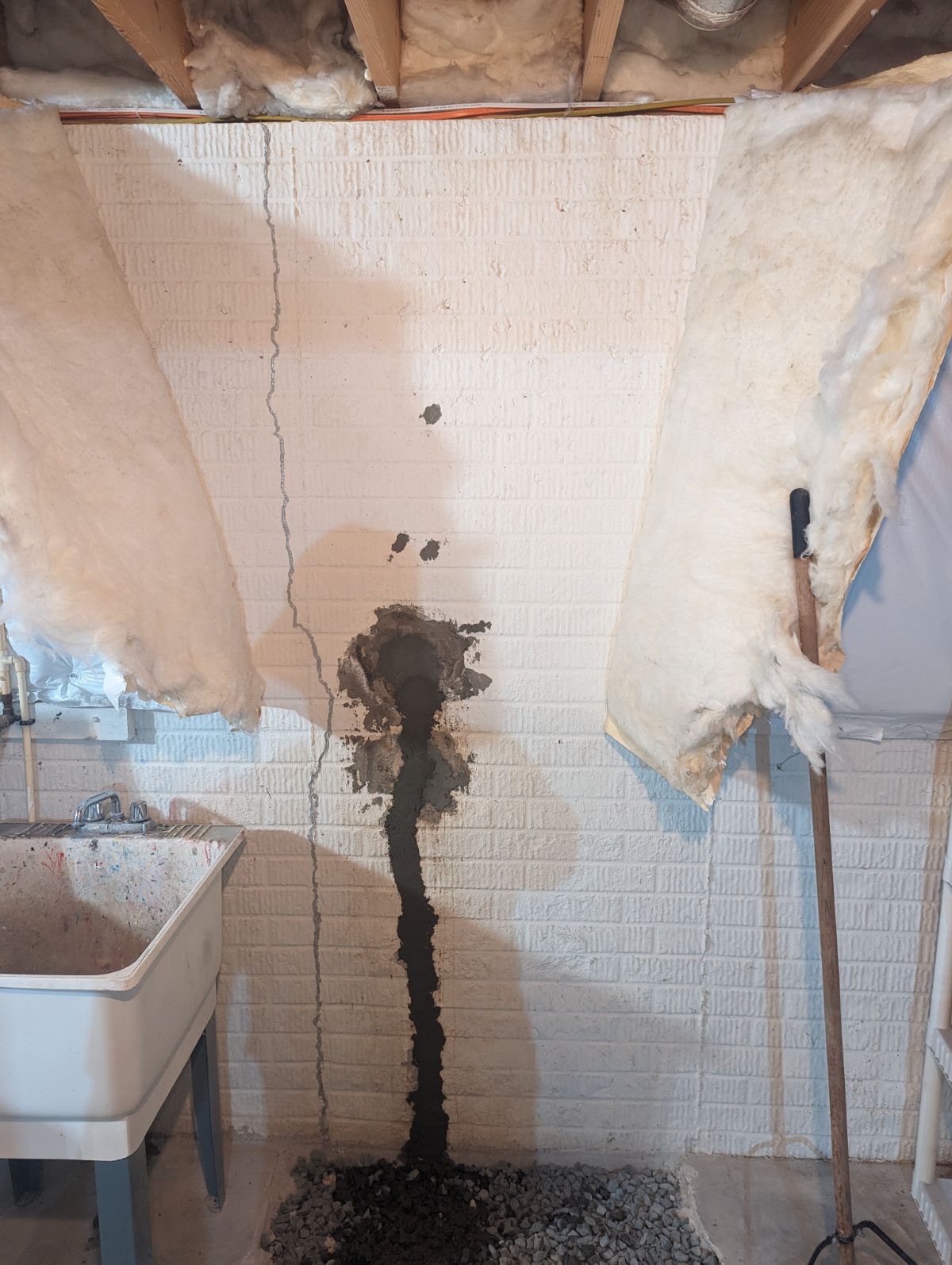
Drainage & Grading Assessment
We identify where water is concentrating against the footing or slab, and check shallow footings against the local frost line.
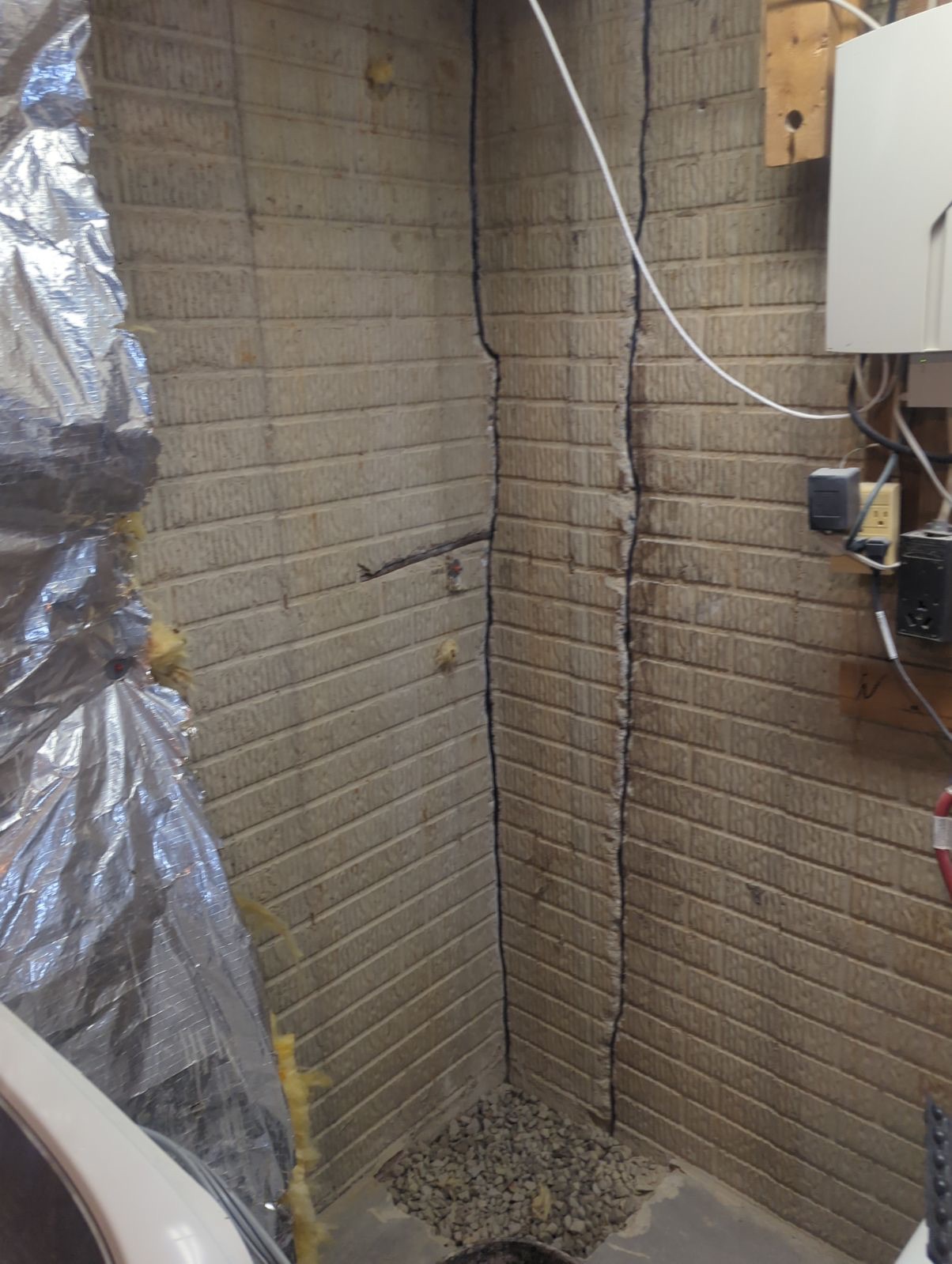
Drainage & Grading Correction
The water source driving the clay swelling or frost heave is corrected first, before any slab work is scheduled.
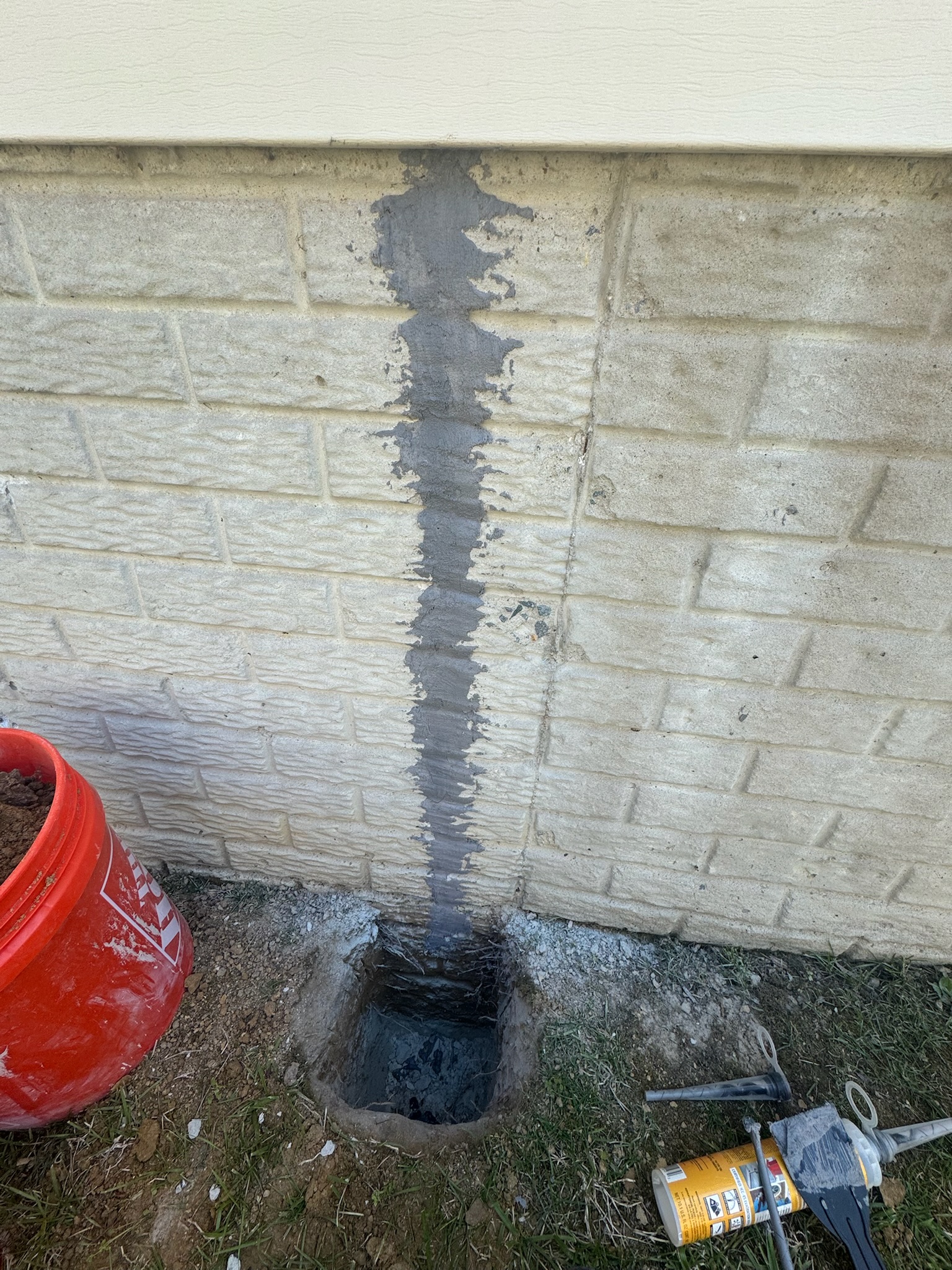
Slab Foundation Repair
Once the underlying moisture issue is resolved, slab foundation repair addresses the affected section.
Photos From the Field
Job Site Photos
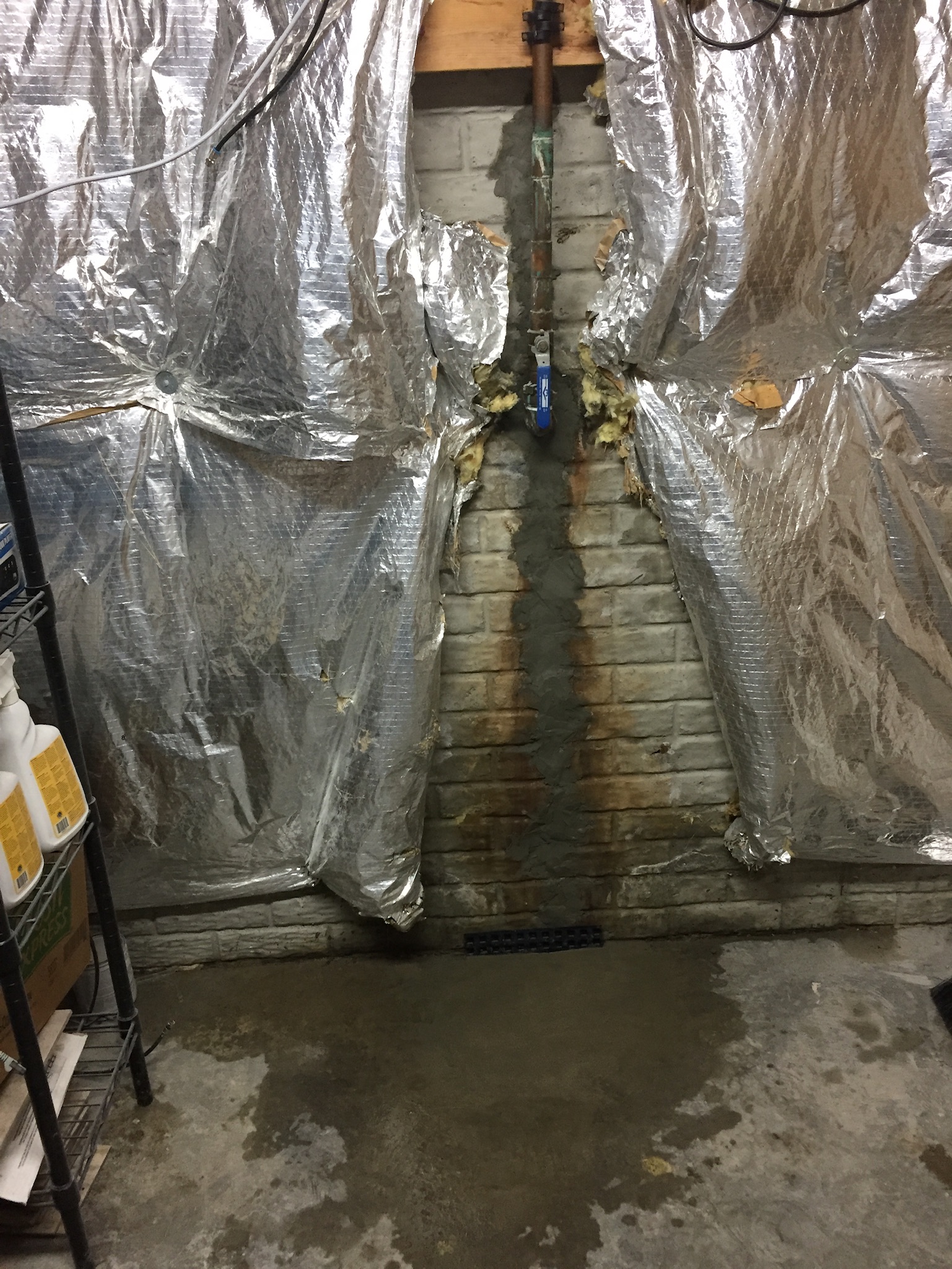
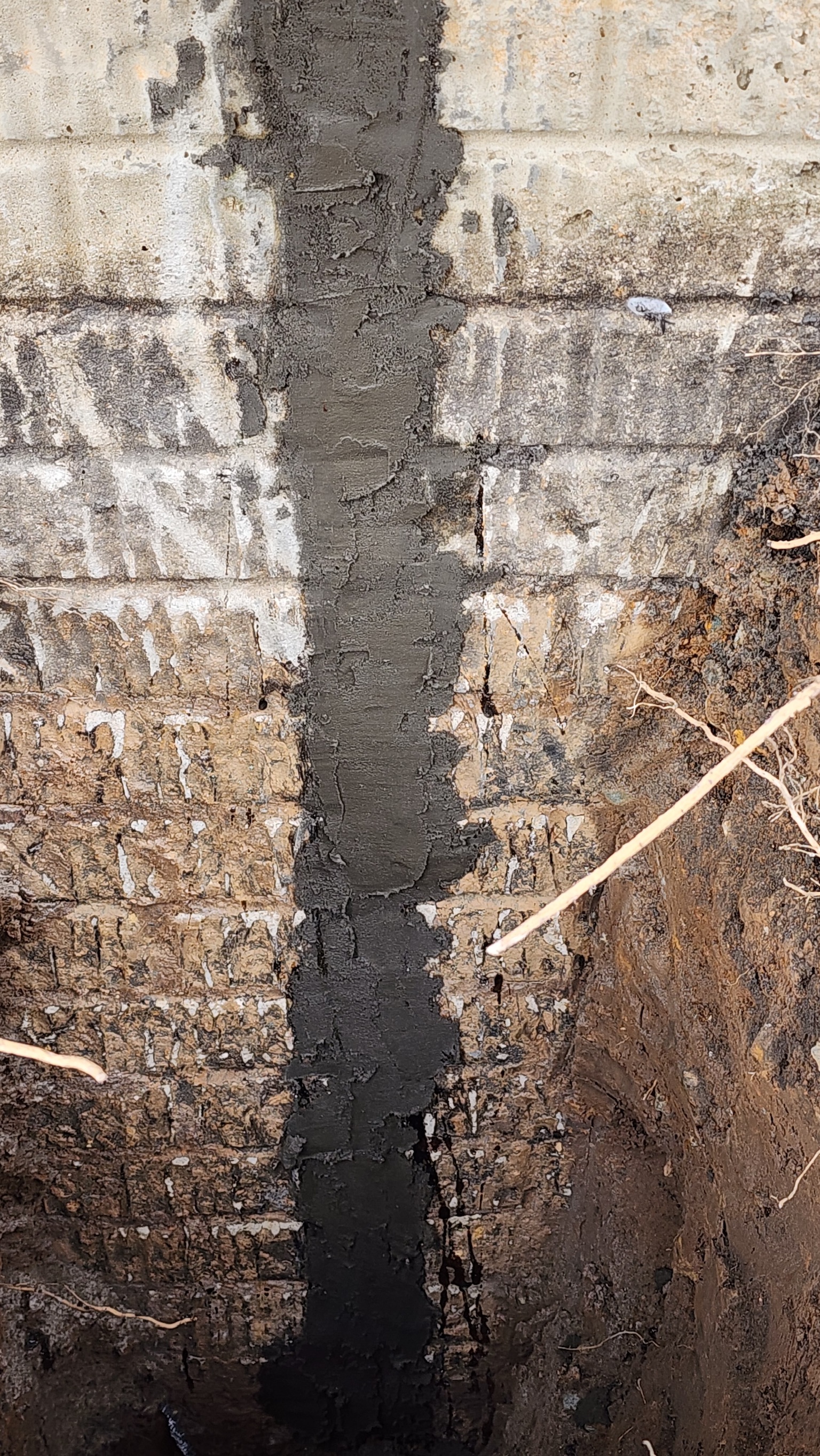
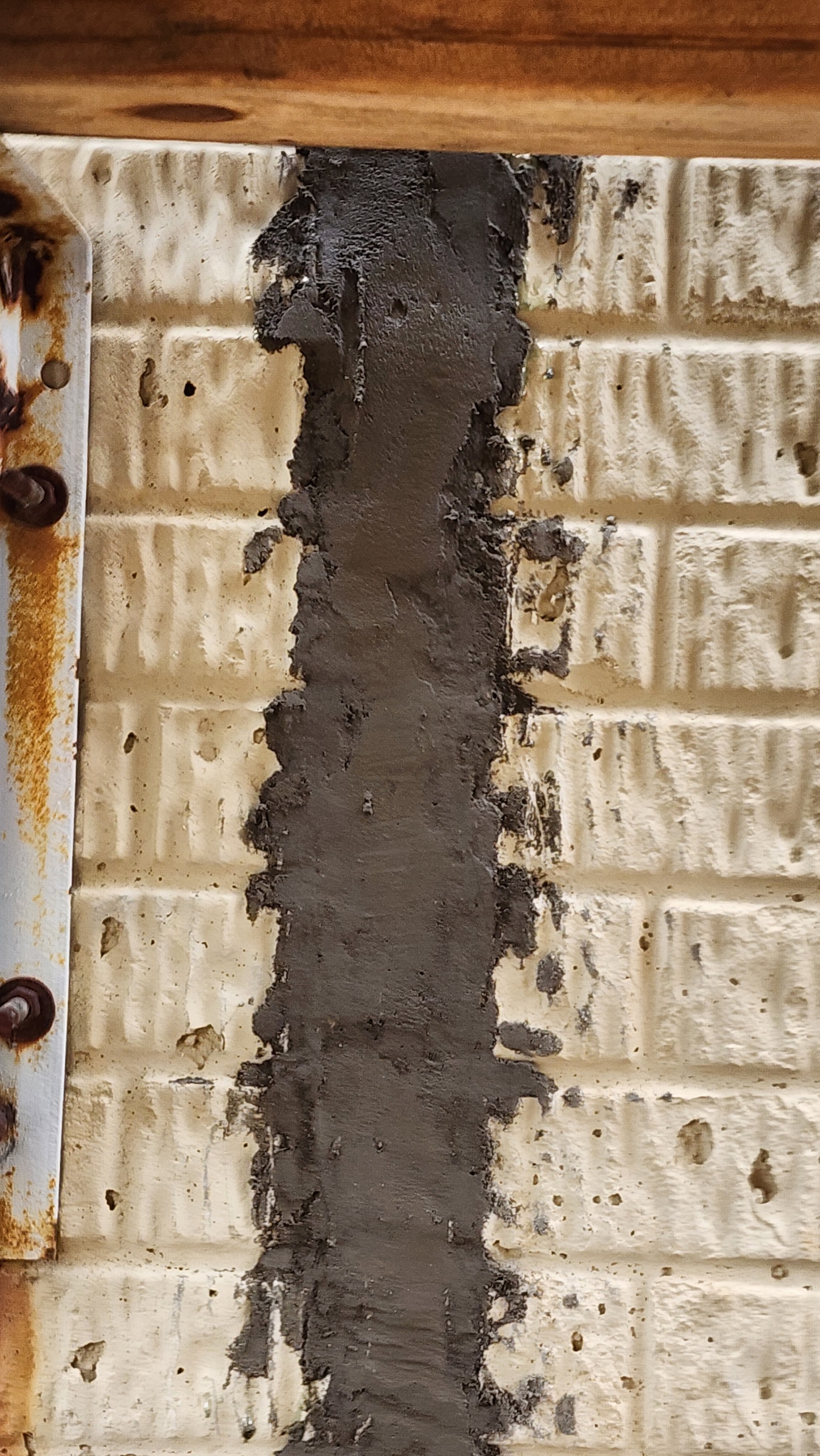
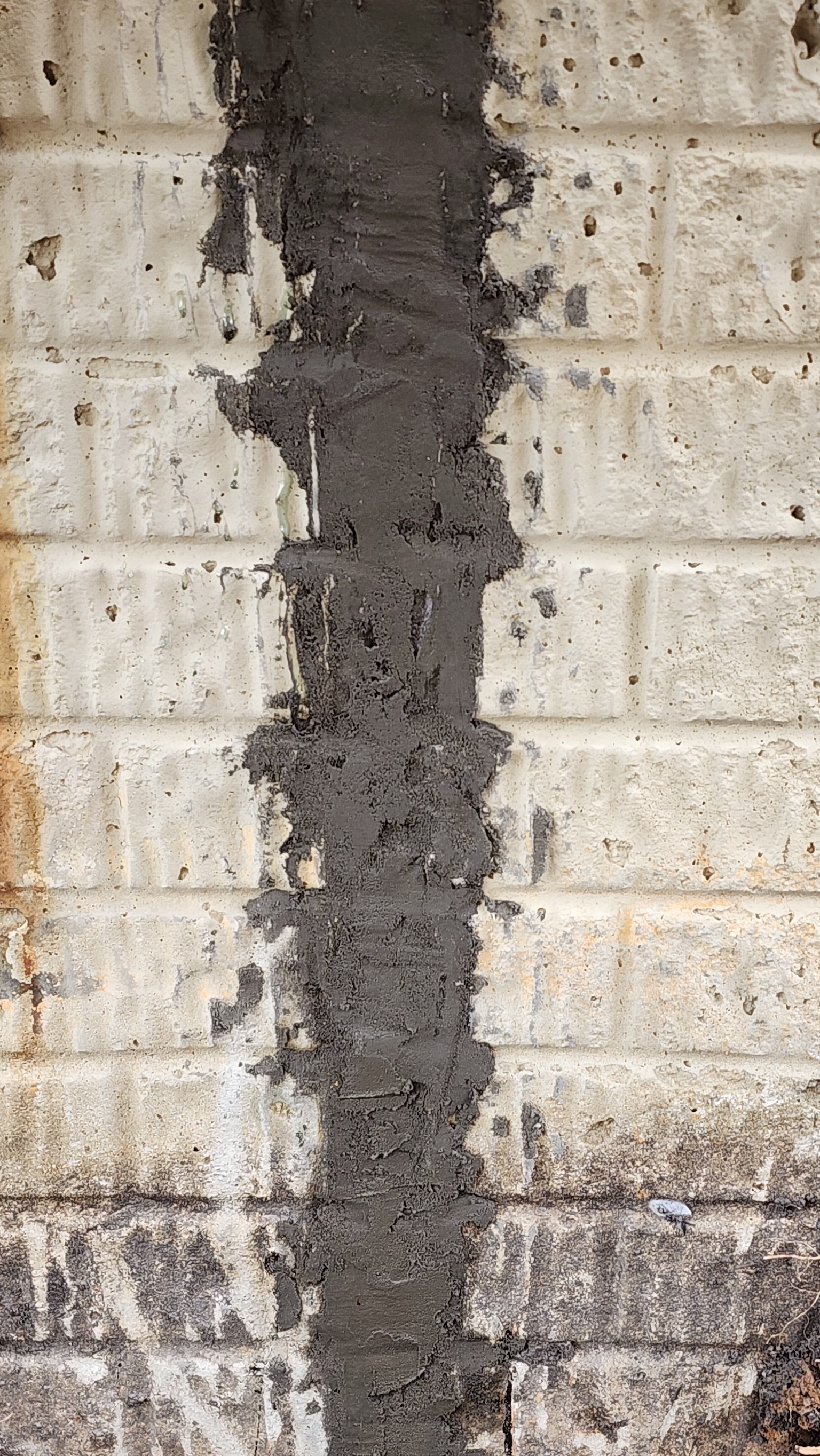
A closer look at the equipment, materials, and job site conditions involved in this kind of work.
Straight Answers
Foundation Upheaval Questions
from Maryland Homeowners
Call (410) 879-3360 if a section of your slab or floor seems to be rising rather than sinking. We'll confirm the direction before recommending a fix.
How is upheaval different from a foundation just sinking?
Most foundation problems in Maryland are about the ground sinking. Upheaval is the opposite: a section of slab or footing pushing upward instead of settling down. It's less common than settlement, but it comes from the same clay soil behaving differently under different conditions.
Maryland's Piedmont clay swells when it absorbs water and shrinks as it dries out. Where drainage concentrates water against one section of a footing or slab, that clay can swell enough to push the concrete upward rather than settling it.
Isn't this the opposite of a sinking foundation? How do the two not contradict each other?
They're genuinely opposite movements, which is exactly why OBW distinguishes them rather than treating every foundation problem the same. A sinking foundation moves a whole section down as a coordinated unit, and it often shows little to no interior cracking, since the structure isn't racking or twisting. Upheaval pushes a section up, and it frequently does produce cracking, just in the reverse pattern of ordinary settlement: wider at the bottom, narrower toward the top. Both are read against a fixed reference, exterior grade for sinking, crack orientation and elevation for upheaval, rather than assumed from a generic checklist.
What else causes upheaval besides swelling clay?
Shallow footings are also vulnerable to frost heave, expansion of soil moisture as it freezes below a footing that wasn't set deep enough to clear the frost line, roughly 30 inches in Maryland's climate. Both causes, clay swelling and frost heave, trace back to water and how it's managed around the foundation, not to a structural defect in the concrete itself.
How do I know if what I'm seeing is upheaval and not something else?
Upheaval shows up as a slab or floor section that's noticeably higher than the surrounding area, cracks that are wider at the bottom and narrower toward the top, the reverse of the pattern typically seen with settlement, or doors and windows binding from a direction opposite what you'd expect from a sinking foundation. A free OBW foundation inspection measures the affected section and checks the drainage and grading conditions around it to confirm upheaval rather than settlement before recommending a fix, since the correction for each is different.
What's the actual fix for foundation upheaval?
Because upheaval is driven by water reaching the soil beneath the foundation, correcting drainage and grading at that section is the first step. Addressing it without fixing the water source usually means the same movement returns after the next wet season. For slab specific upheaval, slab foundation repair addresses the affected section once the underlying moisture issue has been resolved. Backed by a written workmanship guarantee, terms vary by service, ask your inspector.
Why Oriole
Why Maryland Homeowners Trust
OBW with Foundation Upheaval
We Don't Assume Every Movement Is Sinking
Upheaval moves the opposite direction from ordinary settlement. OBW reads the actual pattern rather than defaulting to the more common diagnosis.
Maryland Clay & Frost Line Expertise
Piedmont clay's swelling behavior and Maryland's roughly 30 inch frost line both drive upheaval. OBW has diagnosed both causes across every county we serve.
No Subcontracting
OBW's own crew handles diagnosis, drainage correction, and slab repair, in house, start to finish.
Family-Owned Since 1953
Founded by Frank Pirog Sr. in 1953. Amber Pirog leads the company today. Written workmanship guarantee on every repair.
Reviews
What Our Maryland Neighbors Say
Water Keeps Pushing Until the Source Is Fixed.
Getting Started on Your
Upheaval Assessment
The same wet season that caused the upheaval will cause it again unless the drainage is corrected first.
Free Inspection
OBW measures the affected section's elevation and crack pattern, and checks drainage and grading nearby. Free, no obligation.
Written Diagnosis & Quote
You receive a written quote specifying drainage correction and slab repair, before any work is scheduled.
Correction & Repair
OBW's crew corrects the drainage source, then repairs the affected slab section. Written workmanship guarantee issued upon completion.
Is a Section of Your Slab or Floor Rising?
Free inspection. We confirm the direction of movement before recommending a fix.
Family-owned since 1953 · MHIC #4247 · Written Workmanship Guarantee